
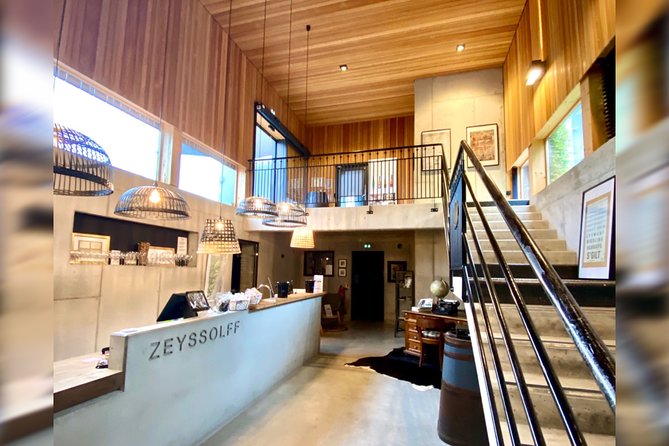
REVIEW · STRASBOURG
Visit of Cave Immersive – tasting – Kougelhopf to Strasbourg
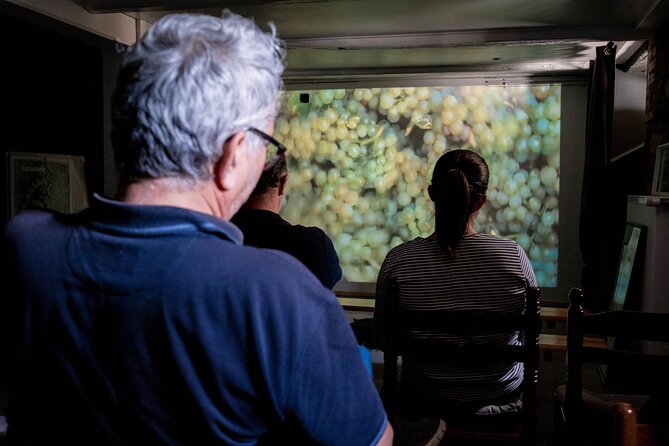
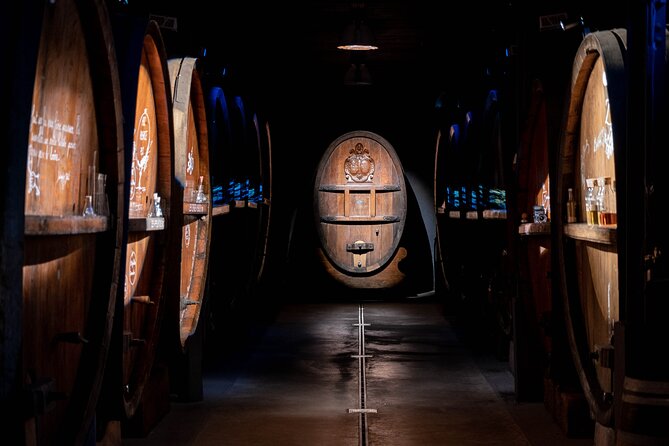
At Maison ZEYSSOLFF, the most unusual part of the visit is not the wine tasting. It is the 180-degree film projected across century-old oak barrels, turning the cellar into a small cinema about the estate’s past and winemaking approach. You also get a look at a remarkable 1897 cask made for the 1900 Paris Universal Exhibition.
I like the mix of practical wine education and local character. You see the work from cellar to bottle, then taste the results with a slice of Alsatian kougelhopf. I also like the price: at about $18.38 for 90 minutes, this gives you far more than a quick pour at a shop counter.
The main thing to understand is location. The winery is in Gertwiller, not central Strasbourg, about 17 kilometers away. You can reach it by train, but you need to allow time for the journey and walk. A taxi or Uber can cost up to about €50 for four people, so transport is worth planning before you book.
Key points to know before booking
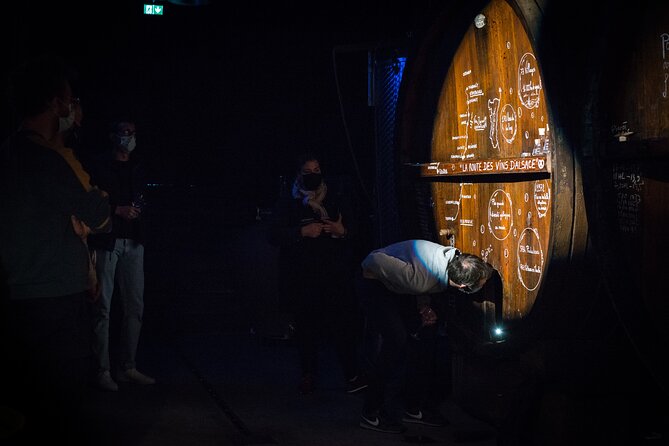
- The 1897 ZEYSSOLFF cask: See a huge oak cask made for the 1900 Paris Universal Exhibition.
- A cellar film unlike a standard tasting: Watch a 180-degree production projected onto old wine barrels.
- A full wine-making visit: Follow the process from vineyard and cellar work through to bottling.
- Alsatian tasting with kougelhopf: Sample estate wines alongside a slice of local brioche.
- Easy public transport option: The Gertwiller station is about an eight-minute walk from the winery.
- Small-group setting: The tour accepts a maximum of 20 people and runs at several morning and afternoon times.
Why the Gertwiller setting matters
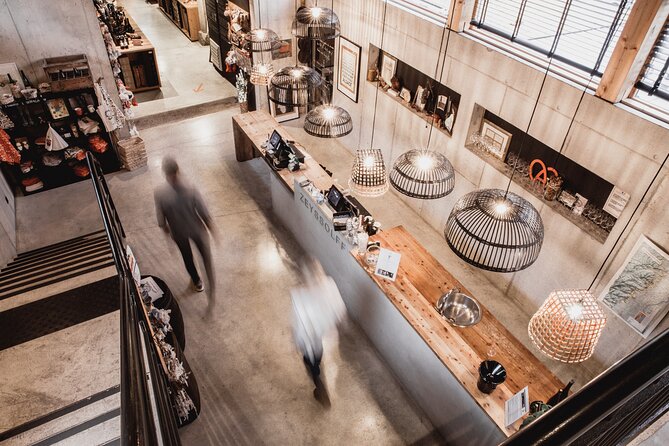
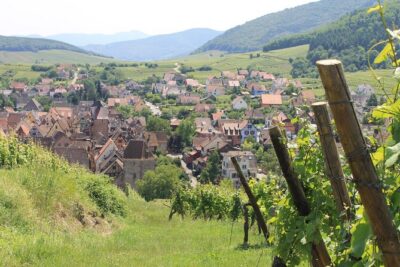
The name of this activity can make it sound like a Strasbourg city tour. It is not. Maison ZEYSSOLFF is in Gertwiller, an Alsatian wine village roughly 17 kilometers from Strasbourg.
That distance is the one real catch. If you are trying to fit a cellar visit between sights in central Strasbourg, the journey takes planning. By train, the ride from Strasbourg is often described as roughly 30 to 40 minutes, followed by a short walk from the Gertwiller station. One account put the walk at about eight minutes.
You can also travel by taxi or Uber. The winery states that the fare can be about €50 maximum for four people, rather than €50 per person. For a group, that can be reasonable. For one or two people, the train is likely the better value, though you should check the current timetable before setting out.
There is a useful local lesson here: small Alsatian towns can become very quiet on Sundays. Gertwiller and nearby Barr may have limited open businesses that day. If you visit on a Sunday, plan the winery as your main activity rather than counting on a full day of cafés and shops nearby.
The setting also gives the visit a more genuine wine-country feel. You are not tasting in a city showroom. You are going to the place where the wine is made, stored, bottled, and sold.
More Food and Drink Experiences in France:
- Medoc or Saint Emilion Wine Tasting and Chateau from Bordeaux
★ 5.0 · 1,415 reviews - Saint-Émilion: Grand Cru Classé Winery Visit and Tasting
★ 4.6 · 1,118 reviews - Saint Emilion Half-Day Trip with Wine Tasting & Winery Visit from Bordeaux
★ 4.5 · 1,034 reviews
From vineyard work to the cellar
The visit is designed as a complete tour of Maison ZEYSSOLFF, not only a tasting. You begin with an explanation of the estate and its work, then move through the winemaking areas before reaching the tasting.
The exact order can vary with the guide and group, but the central idea is clear: you learn how Alsatian wine moves from grape to bottle. That makes the tasting more useful because you have some context for what you are drinking.
If you are new to wine, this structure helps you understand the basic stages without needing prior knowledge. You can ask questions about the cellar, production, and bottling while the equipment is in front of you. The explanations are intended to be accessible, although one account found some of the basic winemaking material a little simple for someone already familiar with wine.
That is a fair point. This is a friendly introduction rather than an advanced technical course. If you have visited many wineries, you may want more detail on grape chemistry, fermentation control, or the differences between individual vineyard sites. The strongest part for experienced wine drinkers is likely the house story, the old oak vessels, and the tasting itself.
The estate began converting to organic production in 2020. That change is part of the working philosophy presented during the visit. It gives the tour a current point of interest rather than making it only a look backward at family tradition.
The old foudres and the 1897 cask
Maison ZEYSSOLFF is one of the few Alsatian wineries still using century-old oak foudres of more than 10,000 liters. These are enormous wooden wine vessels, and seeing them in place makes the scale of cellar work easier to understand.
The star object is the ZEYSSOLFF cask, made in 1897 for the 1900 Paris Universal Exhibition. That detail gives the tour a strong historical anchor. You are not just hearing that the winery is old. You are looking at a specific piece of equipment with a clear connection to a major event in French history.
For me, this is one of the best reasons to choose this visit over a simple tasting. A glass of wine can tell you about flavor, but an old cask tells you about methods, materials, and the people who kept the business going through generations.
The cellar also provides the setting for the film presentation. Instead of watching a screen mounted on a wall, you sit among the barrels while the images spread across their curved surfaces. The format is unusual, but it is not just a visual trick. The film explains the estate’s past and the way the family approaches its work.
The 180-degree film in the barrel room
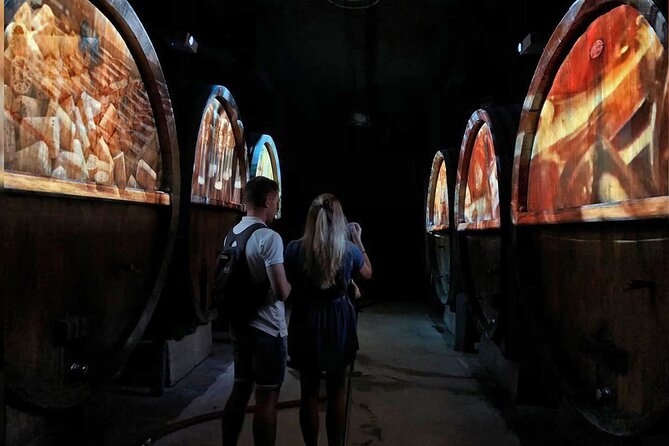
The new cellar area uses a 180-degree projection with sound, and certain sequences use mapping across the barrels. The production focuses on the winery’s own story and philosophy, rather than presenting a generic lesson about vineyard work.
One part explains basic winemaking. Another presents the estate’s background in the barrel store. The second section has been especially useful for understanding why Maison ZEYSSOLFF has kept such distinctive equipment and traditions.
This presentation will appeal most to people who enjoy history, design, and a bit of theater with their wine. It gives the 90-minute visit a clear shape and keeps the cellar tour from becoming a list of technical facts.
It may be less satisfying if you want every minute spent examining production equipment. One guide-led visit was described as spending nearly half its time on the estate’s history, with the actual winery process receiving less attention than expected. That is not a flaw for everyone, but it is important to know what you are booking.
Think of the film as part of the attraction, not a short pause between serious wine lessons. It is meant to explain the identity of the house in a memorable way.
Same wine country, a different day out:
- Champagne Day Trip with 6 Tastings, Reims and Winery from Paris
★ 5.0 · 902 reviews - From Reims: Champagne and Family-Run Wineries Tour
★ 4.8 · 671 reviews - Saint-Emilion Afternoon Wine Tour – 2 Wineries & delicacies
★ 5.0 · 614 reviews - Saint-Émilion: Bordeaux Vineyard Tour and Wine Tasting
★ 4.8 · 578 reviews
Tasting Alsatian wine with kougelhopf
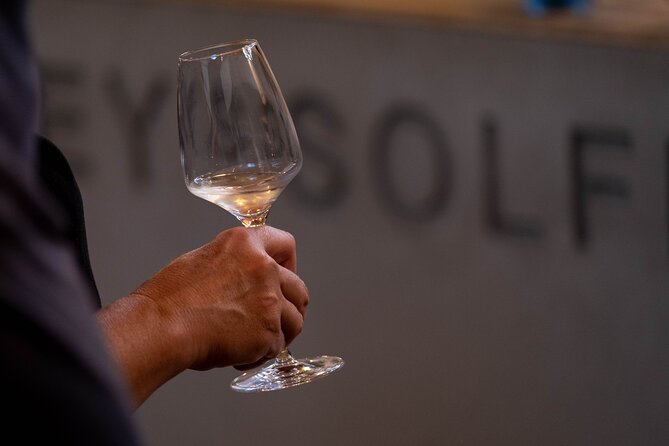
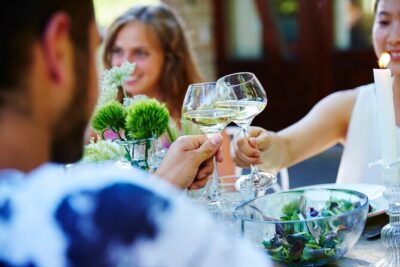
After the cellar portion, you sit down for a commented tasting of estate wines. The tasting is accompanied by a slice of kougelhopf, the traditional Alsatian brioche shaped in a ring and usually marked by its distinctive ridges.
The food pairing is modest but well chosen. Kougelhopf gives you something local to eat without turning the visit into a full meal. Its soft, lightly sweet character works as a simple counterpoint to the wine.
The wines are served as part of the explanation, rather than as unrelated samples. You can connect what you have just seen in the cellar with what reaches your glass. Several accounts praised the number and size of the pours, while one person wished for more information about the texture of each wine.
That is useful guidance. If tasting technique matters to you, ask the guide to explain the aroma, body, acidity, sweetness, and finish of each sample. The tour is interactive, so you do not have to remain a passive listener.
The estate’s wines receive some of the strongest praise attached to this activity. Several people bought bottles afterward, and one first-time wine drinker left with a new appreciation for wine. You can purchase bottles and gifts at the estate shop, making the visit practical for anyone who wants to bring a taste of Alsace home.
The menu information specifically lists a slice of kougelhopf as the food served with the tasting. A few accounts describe a platter and an additional glass connected with their visit, but you should not assume those extras are part of every booking. If you want a substantial meal, eat before or after the tour.
Friendly guides and a small-group feel
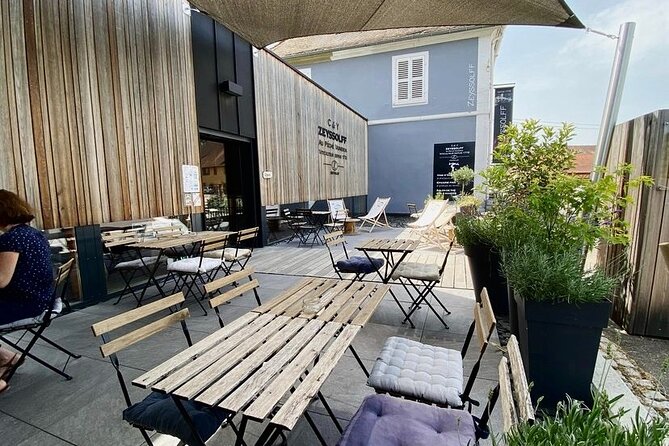
The guide can shape this sort of visit, and Maison ZEYSSOLFF has several named guides associated with the experience. Camille, Marie, Victor, Arthur, and Catherine have all led visits at different times.
The strongest descriptions focus on guides who explain the process clearly, answer questions, and keep the tone relaxed. Camille was praised for being kind and well informed, while Marie was described as friendly and pleasant during the tasting. Arthur received credit for making the presentation both informative and engaging.
The maximum group size is 20 people. That is small enough for a personal feel, though the actual group may be much smaller. One person received a private visit because no one else had booked that departure, without paying an extra charge.
That possibility is a nice bonus, but you should not book expecting a private tour. The experience may be shared with a full group, especially at popular times. Several morning and afternoon departures give you some choice when fitting the visit into your day.
The tour is offered in English. Most people can participate, and service animals are allowed. The cellar setting may include standing and walking, so anyone who needs specific mobility details should confirm them before booking.
Is $18.38 good value?
At about $18.38 per person, the value is strong. You receive a 90-minute visit, a guided look at production and bottling, the barrel-room film, several wine samples, and kougelhopf.
A city tasting at that price might give you a few small pours and little background. Here, the old cellar, the 1897 cask, and the film provide extra substance. You are paying for an experience with a sense of place, not only for the wine in your glass.
The price is especially attractive for anyone already planning to visit Alsace’s wine villages. The tour can serve as an introduction to local wine culture without taking an entire day. It is also a good choice if you want something more structured than wandering from one tasting room to another.
The value changes if transport becomes expensive. A €50 taxi from Strasbourg is a different calculation for a solo visitor, though it becomes more reasonable when split among four people. The train helps keep the total cost low, but you need to account for travel time and the walk to the winery.
The tour receives a 4.8 rating from 116 reviews, with 95 percent recommending it. Those figures fit the main strengths: friendly guides, generous tasting portions, appealing wines, and a presentation that feels different from a standard winery tour.
Who should book this visit?
I would choose this experience if you are staying in Strasbourg and want a manageable introduction to Alsatian wine outside the city. It suits couples, families, first-time wine drinkers, and people who have already visited wineries but want to see an unusual cellar.
Families can also make it work. One visit included a toddler and a parent who rarely drinks wine, and the format still appealed to the whole group. The film and old barrels give non-drinkers something to enjoy, while the tasting remains the main reward for wine fans.
It is also a good choice for anyone who values authentic production settings over polished city attractions. You see the working winery, old equipment, and storage areas rather than only a sales counter.
I would hesitate if you want a highly technical wine seminar. The tour aims for broad appeal, and parts of the film and explanation may feel basic to an experienced wine professional. I would also think twice if you have only a short window in Strasbourg and do not want to spend time reaching Gertwiller.
Book early if your schedule is fixed. The experience is booked about 21 days ahead on average, and the most convenient departures may fill first.
The cancellation and timing details that matter
You can cancel for a full refund up to 24 hours before the start time. Cancellations made less than 24 hours in advance are not refunded, and changes within that period are not accepted.
Allow more time than the stated 90 minutes if you are using public transport. The winery visit itself lasts about an hour and a half, but your total outing includes the train and walk. If you are catching a return train, leave a comfortable margin rather than rushing away after the final tasting.
The activity ends where it begins, at Au Péché Vigneron, 156 Route de Strasbourg, 67140 Gertwiller. That makes it easy to continue with a nearby meal or return to the station after shopping for bottles.
Should you book Maison ZEYSSOLFF?
Yes, if you want good-value wine education with a strong sense of place. The old foudres, 1897 cask, barrel projections, and kougelhopf make this more distinctive than a basic tasting.
Just plan the transport carefully. Gertwiller is outside Strasbourg, and Sunday visitors should not expect much activity in the surrounding village. If you accept that extra journey, this is an engaging, affordable way to understand Alsatian wine from cellar to glass.
FAQ
Where does the wine tour take place?
It takes place at Au Péché Vigneron, Maison ZEYSSOLFF, 156 Route de Strasbourg, 67140 Gertwiller, France.
Is the winery in central Strasbourg?
No. The winery is in Gertwiller, about 17 kilometers from Strasbourg.
How long does the experience last?
The visit lasts approximately one hour and 30 minutes.
Is the tour offered in English?
Yes. The experience is offered in English.
How can I reach Maison ZEYSSOLFF from Strasbourg?
You can travel by train, then walk from the Gertwiller station. The walk is about eight minutes. Taxi or Uber is another option, with a stated fare of up to about €50 for four people.
What is included in the tasting?
The tasting includes samples of the estate’s Alsatian wines and a slice of kougelhopf, a traditional Alsatian brioche.
Will I see the wine-making process?
Yes. The tour covers the winery from the cellar through to bottling and explains the production process.
What is special about the winery’s barrels?
Maison ZEYSSOLFF still uses century-old oak foudres holding more than 10,000 liters. The estate also has a cask made in 1897 for the 1900 Paris Universal Exhibition.
How many people can join the tour?
The activity has a maximum group size of 20 people.
Can I cancel for a refund?
Yes, if you cancel at least 24 hours before the experience starts. Cancellations within 24 hours are not refunded.
Just added around France
- 3-Hour Private Painting tuition in a beautiful Cognac vineyard★ 3.5 · 2 reviews
- 4×4 tour in a winery followed by a tasting★ 5.0 · 46 reviews
- Winery Visit with Food and Wine in Carcassonne★ 5.0 · 59 reviews
- Walk in the vineyards of Chablis Grands Crus★ 4.5 · 7 reviews
- Wine Getaway with Tasting in the Chablis Vineyard★ 5.0 · 3 reviews
- Winery Tour & Wine Tasting – Deli Plate & 3 Wines★ 5.0 · 72 reviews
- Wine Gaming at Chateau Lamothe★ 5.0 · 3 reviews
- Visit to the Faugères Vineyards with Picnic from Béziers★ 5.0 · 7 reviews
Strasbourg Vineyard Tours, compared.
Alsace Wine Route Small Group Half-Day Tour with Tasting from Strasbourg
Read our review →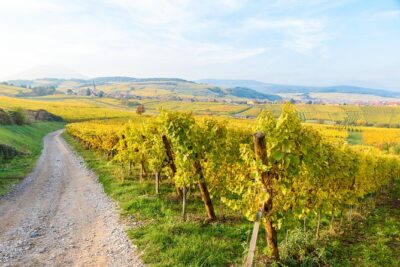
Alsace Wine Route Wineries & Tasting Small Group Guided Tour from Strasbourg
Read our review →
Browse the lists this tour appears in