
REVIEW · STRASBOURG
Alsace Wine Route Wineries & Tasting Small Group Guided Tour from Strasbourg
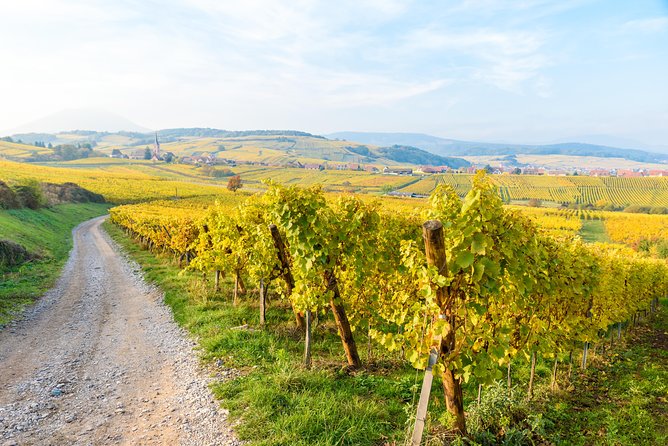
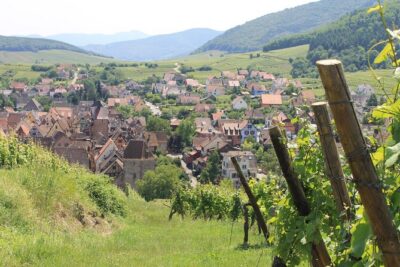
The best part of this day is the mix of serious Alsace wine and postcard villages. You travel from Strasbourg into the foothills of the Vosges, tasting Riesling, Sylvaner, Pinot Blanc, Gewürztraminer, and other local wines while moving through Mittelbergheim, Dambach-la-Ville, Ribeauvillé, and possibly Riquewihr.
I like the small group, capped at eight people, because it gives your guide room to adjust the pace and answer questions. I also like the variety of winery settings, from small family cellars to more established producers. The main consideration is that the exact village and winery mix can change, especially in the off season or during Christmas market traffic.
Key points to know
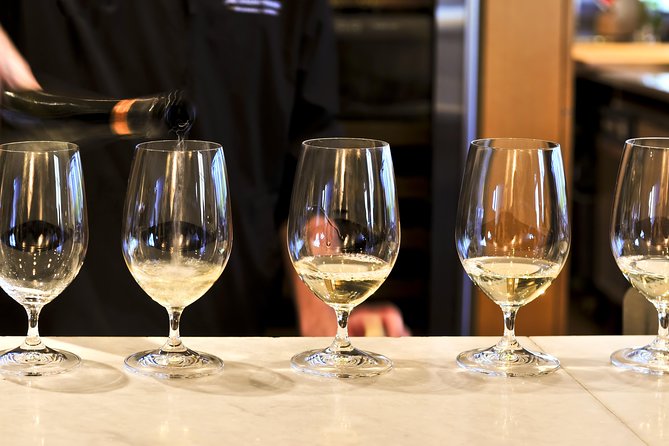
- Three winery tastings: Sample Alsace whites, including Riesling, Sylvaner, Pinot Blanc, Muscat, Pinot Gris, and Gewürztraminer.
- Small-group format: The air-conditioned minivan carries no more than eight people, plus the guide.
- Four Alsace villages in the plan: Mittelbergheim and Dambach-la-Ville are central to the route, while Ribeauvillé and Riquewihr may depend on timing and road access.
- Strong guide component: Guides such as Pauline, Laurence, Jerome, Amelie, Florence, and Maxim are praised for explaining both wine and local culture.
- Lunch is on you: You will have a midday break, but food is not included and restaurant choices may be limited outside the main season.
- Adult-only outing: Children under 18 are not allowed, and at least two adults are needed for the tour to run.
Why this Alsace wine day works so well
Alsace is a natural place for a wine tour because the vineyards are close to the villages, and the route is easy to cover by minivan from Strasbourg. The official Wine Route stretches about 170 kilometers along the base of the Vosges Mountains, with hundreds of vineyards spread across the region.
This is not just a tasting-room outing. You get a moving lesson in how Alsace works: Germanic grape names, French winemaking traditions, villages with half-timbered houses, and wine families that have worked the same ground for generations.
The tour lasts about eight hours and begins at 9 a.m. outside the Strasbourg tourist information office at 17 Place de la Cathédrale. From there, your English-speaking driver-guide handles the roads and winery appointments while you watch the vineyards roll past.
I like this arrangement because driving after several tastings is not your problem. You can concentrate on the wine, take in the views, and ask questions without worrying about directions or parking in compact village centers.
More Food and Drink Experiences in France:
- Medoc or Saint Emilion Wine Tasting and Chateau from Bordeaux
★ 5.0 · 1,415 reviews - Saint-Émilion: Grand Cru Classé Winery Visit and Tasting
★ 4.6 · 1,118 reviews - Saint Emilion Half-Day Trip with Wine Tasting & Winery Visit from Bordeaux
★ 4.5 · 1,034 reviews
Mittelbergheim and the first taste of Alsace
Your first wine area is Mittelbergheim, a small village associated with three Grand Cru sites: Kastelberg, Zotzenberg, and Wiebelsberg. This is a good introduction to Alsace because the region is especially known for dry, fragrant white wines rather than heavy reds.
At the first winery, you are scheduled to taste Riesling along with Sylvaner and Pinot Blanc. Riesling may be familiar to you as a German grape, but Alsace gives it a distinct French identity. It can be dry, crisp, and strongly shaped by the local soil.
Sylvaner is less famous outside the region, but it is worth paying attention to. It is often lighter and less aromatic than Riesling, making it a useful comparison. Pinot Blanc is another gentle, food-friendly white that helps show the range of grapes grown here.
The value of this first stop is the comparison. You are not simply handed one glass and told that it is local. You can taste three different styles early in the day and start to notice how grape variety changes the wine.
Mittelbergheim itself is also a pleasant place to see the character of the Wine Route. The village is small enough to feel personal, and the vineyards rise nearby rather than sitting far beyond the town.
Dambach-la-Ville and the traditional cellar
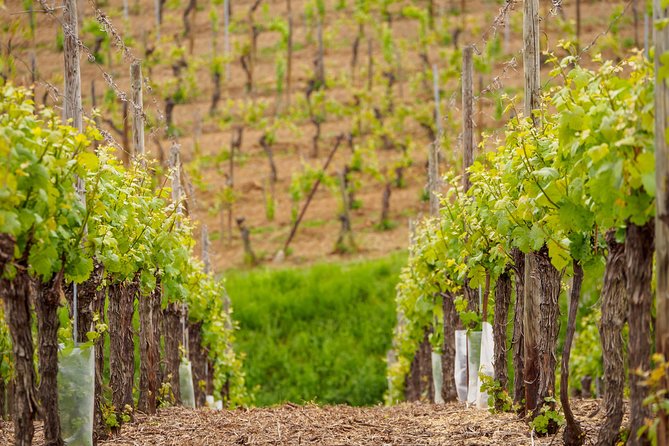
The next stop is Dambach-la-Ville, one of Alsace’s major wine-producing villages. It produces more wine than any other village in the region and is linked with Frankstein Grand Cru, one of the better-known Alsace wine names.
Here, the tasting takes place in a traditional wine cellar, known locally as a caveau. That setting can be a real strength. You get closer to the working side of winemaking, rather than visiting only polished tasting rooms built for tourism.
The cellar experience can also be less comfortable. One visit described by the tour’s feedback took place in a basement or garage-like space that was very cold and had little atmosphere. This is worth knowing before you book: the operator uses different types of producers to show a wider picture of Alsace wine, and not every stop will feel elegant.
The tradeoff is authenticity. A small producer may offer a more personal explanation of the family’s work and a chance to taste wines that are not widely available outside the region. A larger estate may provide better facilities and a more formal presentation, but the visit can feel less intimate.
At Dambach-la-Ville, expect to learn how soil and climate affect Riesling and Gewürztraminer. Gewürztraminer is usually more floral and aromatic than Riesling, with a fuller feel in the mouth. Tasting the two side by side helps you understand why Alsace appeals to people who enjoy expressive white wine.
Your lunch break and the practical side of the day
Lunch is not included, so budget for it separately. The guide will stop in a village, and several people have enjoyed the chance to eat and walk along a main street before returning to the wine route.
You should not assume every restaurant will be open, especially outside the main travel season. One useful tip is to ask your guide early in the morning what food options are available that day. Guides such as Amelie and Pauline have been praised for giving restaurant suggestions and helping visitors choose local dishes.
Eat a proper breakfast before leaving Strasbourg. French tastings often do not include snacks because food can change how wine tastes. This is not a flaw in the tour, but it does mean you should plan ahead.
Lunch is also your main chance to slow down. Three tastings over a full day can add up, even when portions are modest. Use the break to drink water, eat well, and explore the village rather than treating the schedule as a race from one cellar to the next.
A few more vineyard days around France worth a look
- Epernay: Guided Tour of Champagne Cellar with Tastings
★ 4.7 · 507 reviews - Saint-Emilion: Grand Cru Classé Guided Winery Visit & Picnic
★ 4.7 · 296 reviews - Paris – Guided Visit & Tasting in a Royal Wine Cellar
★ 4.5 · 221 reviews - Small Group Guided E-bike Tour in Nice’s Organic Vineyard
★ 5.0 · 220 reviews
Ribeauvillé and Riquewihr among the Grand Crus
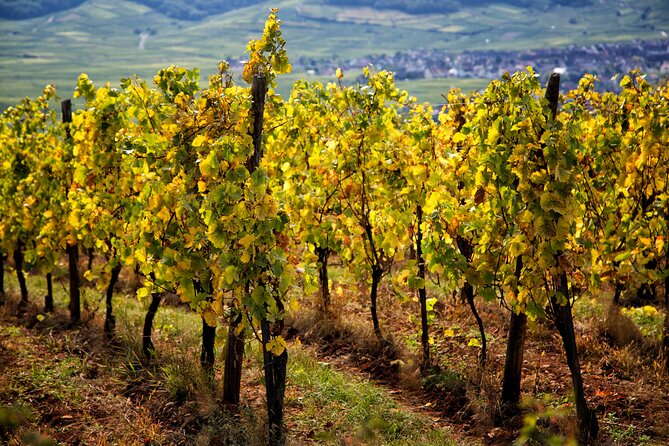
After lunch, the route turns toward the Ribeauvillé and Riquewihr wine area. This part of Alsace is especially attractive because vineyards and storybook villages sit close together.
The area includes five Grand Cru sites: Kirchberg, Osterberg, Geisberg, Schoenenbourg, and Sporen. Riesling remains important here, but you may also taste Muscat, Gewürztraminer, and Pinot Gris.
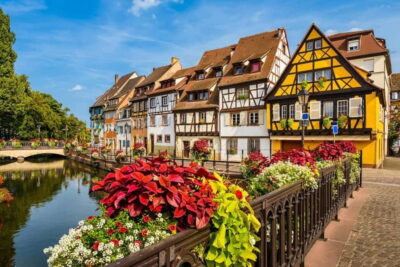
Ribeauvillé has a more lived-in feel, with narrow streets, old buildings, and a long connection to wine production. Riquewihr is smaller and more polished, with a compact center that many people consider one of the prettiest villages in Alsace. The village is also associated with the Hugel family, while Trimbach is another famous Alsace name with centuries of local winemaking history.
The itinerary presents both villages as part of the day, but the actual time spent in each can vary. Traffic, winery locations, and seasonal road closures matter. During the Christmas market period, access to Riquewihr can be especially difficult, and the tour may pass through the area without providing a full village visit.
That point matters if Riquewihr is your main reason for booking. If you want a guaranteed, lengthy visit inside the village, a dedicated Alsace village tour may suit you better. If your priority is wine, with village scenery added around the tastings, this tour remains a sensible choice.
The final two tastings and the human side of wine
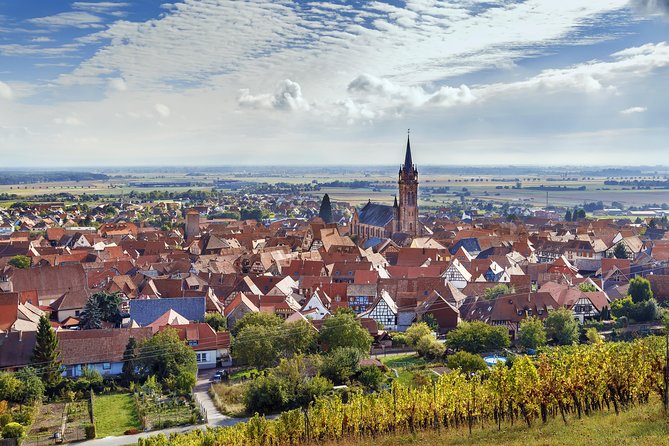
The afternoon includes two more tasting sessions at wineries in the Ribeauvillé and Riquewihr area. These stops are meant to show different approaches to Alsace wine, including family-owned producers and more established estates.
The strongest part of the tour often comes from the guide’s ability to connect the glass in front of you with the people who made it. Guides including Laurence, Jerome, Pauline, Maxim, Amelie, and Florence have been praised for explaining grape varieties, vineyards, local customs, and the history of wine families.
That guide role matters because the winery hosts may vary. One visit may offer a lively explanation from the winemaker, while another may feel quieter or less polished. In those moments, a good guide can fill in the gaps and keep the day interesting.
The tastings are also described as generous, and you may have the chance to sample Grand Cru wines. If you find a bottle you like, ask about shipping before buying several. One participant arranged to ship 12 bottles home to the United States, but shipping rules and costs are personal expenses and are not part of the tour price.
How much value do you get for $260.12?
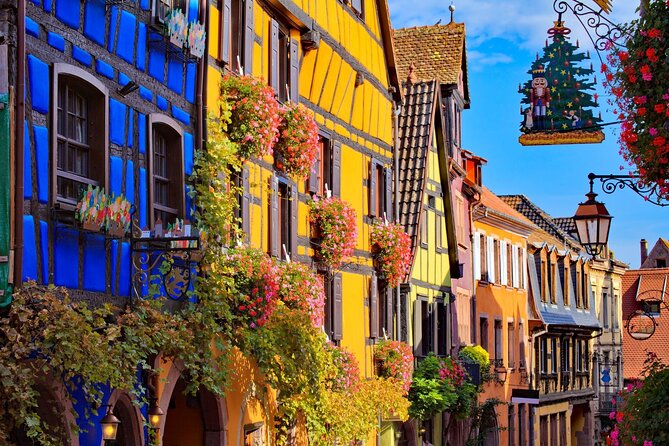
At $260.12 per person, this is not a budget outing. The price includes transport in an air-conditioned minivan, an English-speaking driver-guide, and three wine tastings. It does not include lunch, other drinks, insurance, or hotel pickup and drop-off.
The value depends on how you would otherwise reach the villages. Renting a car means navigating narrow village roads, finding parking, staying within legal alcohol limits, and arranging winery visits yourself. Public transport can reach some Alsace villages, but connecting several villages and wineries in one day is less straightforward.
For me, the small group is the key value. With a maximum of eight people, you get more room for questions than on a large coach tour. You also avoid spending the day organizing separate appointments.
The price is harder to justify if you mainly want a quick scenic drive and a few average wines. The winery quality is not perfectly consistent, and some tastings may feel more ordinary than exceptional. This tour makes better financial sense for someone who values transport, planning, regional explanation, and access to several producers in one day.
Who should book this tour?
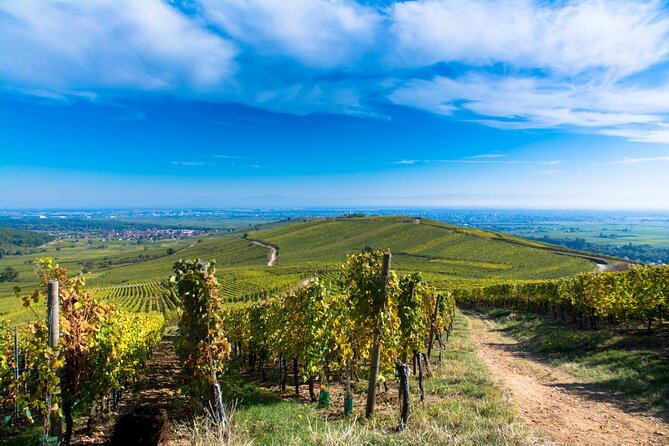
You should consider it if you want a full day outside Strasbourg without renting a car. It suits wine drinkers who want to compare grape varieties, learn about Grand Cru sites, and see several villages in one organized outing.
It is also a good choice for couples, friends, and solo adults who enjoy meeting a small group. The adult-only rule keeps the day focused on wine, and the vehicle size makes conversation easier.
You may want another option if you need a guaranteed visit to Riquewihr, want a formal tasting-room setting at every stop, or prefer to spend more time walking than tasting. The itinerary is active but not a hiking tour. Most of the day alternates between driving, cellar visits, tastings, lunch, and short village stops.
The tour requires at least two adults to operate. It is not available on December 25 or January 1. The activity is non-refundable if you cancel, but a full refund or a different date is offered if the operator cancels because of poor weather or too few bookings.
My verdict on this Strasbourg wine tour
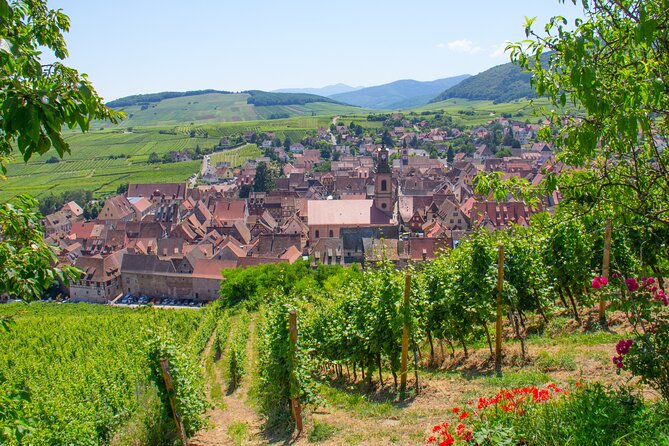
I would book this tour if wine is the main purpose of your day in Alsace and you want the logistics handled for you. The combination of three tastings, four attractive wine villages, and a group limited to eight gives you a useful introduction to the region in one long day.
Go in with realistic expectations. The guide may be the most important part of the experience, and strong guides such as Pauline, Laurence, Jerome, and Maxim can make the history and wine easy to follow. The exact wineries and village time can vary, and lunch is your responsibility.
Book it well ahead if your dates are fixed. The tour is often reserved weeks in advance, with an average booking window of about 52 days. For a first look at Alsace wine from Strasbourg, this is a well-planned choice, as long as you value variety and local context more than luxury tasting rooms.
FAQ
Where does the tour start and finish?
The tour starts at 9 a.m. outside the tourist information office at 17 Place de la Cathédrale in Strasbourg. It ends back at the same meeting point, except during the Christmas period, when the return point may be just outside the Grande-Île district.
How long does the Alsace wine tour last?
The tour lasts about eight hours, including the drive from Strasbourg, winery visits, tastings, village stops, and the lunch break.
How many people can join the tour?
The tour has a maximum of eight travelers, plus the English-speaking driver-guide. At least two adults are required for the activity to operate.
What wine will I taste?
The tastings may include Riesling, Sylvaner, Pinot Blanc, Gewürztraminer, Muscat, and Pinot Gris. Grand Cru wines may also be included, depending on the wineries visited.
Is lunch included?
No. Lunch and other food or drinks are not included. You should eat breakfast before the tour because snacks are generally not provided during the tastings.
Are children allowed on this tour?
No. This is an adult-only activity, and children under 18 are not permitted. Pets are also not allowed.
Just added around France
- 3-Hour Private Painting tuition in a beautiful Cognac vineyard★ 3.5 · 2 reviews
- 4×4 tour in a winery followed by a tasting★ 5.0 · 46 reviews
- Winery Visit with Food and Wine in Carcassonne★ 5.0 · 59 reviews
- Walk in the vineyards of Chablis Grands Crus★ 4.5 · 7 reviews
- Wine Getaway with Tasting in the Chablis Vineyard★ 5.0 · 3 reviews
- Winery Tour & Wine Tasting – Deli Plate & 3 Wines★ 5.0 · 72 reviews
- Visit to the Faugères Vineyards with Picnic from Béziers★ 5.0 · 7 reviews
- Languedoc Vineyard Tours★ 5.0 · 25 reviews
Strasbourg Vineyard Tours, compared.
Alsace Wine Route Small Group Half-Day Tour with Tasting from Strasbourg
Read our review →
Visit of Cave Immersive – tasting – Kougelhopf to Strasbourg
Read our review →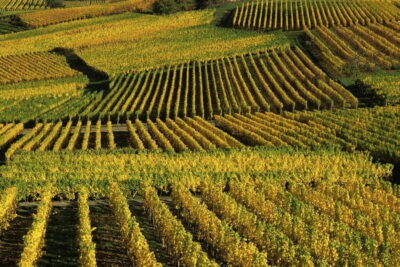
Browse the lists this tour appears in