
REVIEW · CHANIA
Wine Tasting: Meet the Cretan Vineyard at West Chania
The best part of this tasting is its focus on Cretan grape varieties, not familiar international bottles you could find anywhere. In the mountain village of Tsourouniana near Kissamos, you taste five wines while learning how Crete’s soils, climate, and long winemaking tradition shape what is in your glass.
I like the small group size, capped at 10 people, and the food pairing of local cheeses, savory pies, honey, and olive oil. I also like the personal feel: a young woman oenologist leads the session, with a clear respect for family producers and nature. The main consideration is the setting and short duration. This is a focused tasting at one meeting point, not a full vineyard tour or a day of winery visits.
Key points to know
- Five Cretan wines: Taste native and rare varieties chosen to show the character of the island.
- Mountain-village setting: The meeting point is PoTolo in Tsourouniana, a quiet village in the Kissamos area.
- Young woman oenologist: Expect an English-language introduction to local wine and the methods used by selected winemakers.
- Local food pairings: Artisanal cheese, savory pies, honey, and olive oil accompany the tasting.
- Small-group format: No more than 10 people can join, which suits anyone who prefers conversation over a crowded bar.
- About 90 minutes: The experience is easy to fit into a day in western Crete, but it is not a long winery excursion.
Why Cretan wine deserves your attention
Crete has the conditions that winemakers want: mountain air, varied soils, and a climate shaped by the island’s position in the Mediterranean. Those factors helped winemaking develop here over many centuries, and this tasting gives you a practical introduction without turning the session into a lecture.
The focus is on the most representative native and rare Cretan varieties. That matters because local grapes tell you something about the island itself. A bottle made from a Cretan variety is not simply another white or red wine. It reflects the choices of local growers and winemakers working with grapes tied to this place.
You should arrive ready to compare rather than hunt for one perfect favorite. Five wines offer enough range to notice differences in aroma, texture, and finish, while still keeping the tasting manageable. The session is short enough that you can pay attention to each glass instead of feeling worn out by a long list of samples.
The presentation also connects the wine to the people who make it. The selected winemakers are described as passionate producers who put care into each bottle. You will hear about their processes and the reasons certain varieties suit Crete. It is a useful way to understand wine as part of local life, rather than treating it as a product separated from the villages and farms behind it.
More Food and Drink Experiences in Greece:
- Santorini: Wine Tasting Tour to 3 Wineries with Transfer
★ 4.7 · 455 reviews - Mykonos: Winery Vineyard Experience with Food & Wine Tasting
★ 4.9 · 446 reviews - Santorini: Tour of Wineries with Wine Tasting & Food
★ 5.0 · 279 reviews
Arriving at PoTolo in Tsourouniana
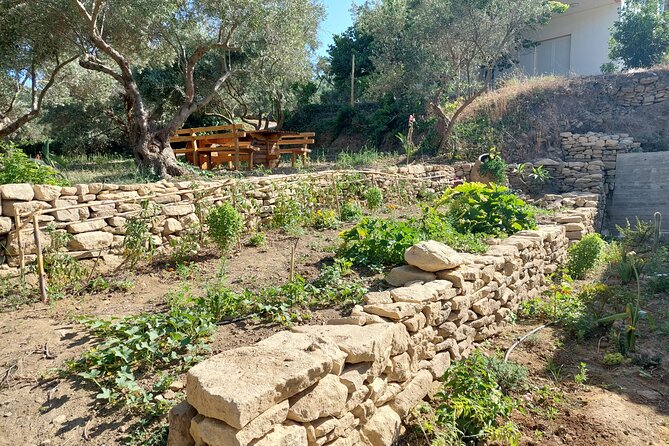
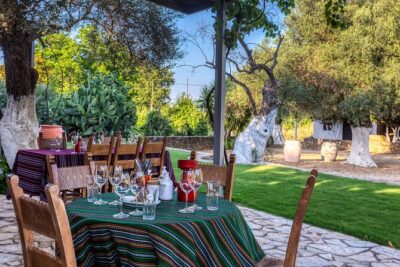
The experience begins at PoTolo, Tasting Experiences, at Tsourouniana 730 10, Greece. The village setting gives this tasting a different tone from a hotel wine bar in central Chania. You are going to a quiet mountain community in the Kissamos area, where the setting supports the subject.
The location is worth considering when planning your day. The supplied details do not include transportation from Chania, so you should arrange your own way to the meeting point and allow enough time to arrive. Do not assume that a city pickup is included. The activity ends back at the same meeting point, which keeps the plan simple once you are there.
A mobile ticket is accepted, and confirmation arrives at booking. The tasting is offered in English. If you want to ask questions about grapes, farming, or production, the small group limit should make that easier than a large commercial tasting.
The quiet village atmosphere is also part of the value. You are not being rushed from one attraction to another. The plan is to settle in, taste, listen, and talk. That makes this a good choice for a slower afternoon in western Crete.
Meeting the oenologist and setting the stage
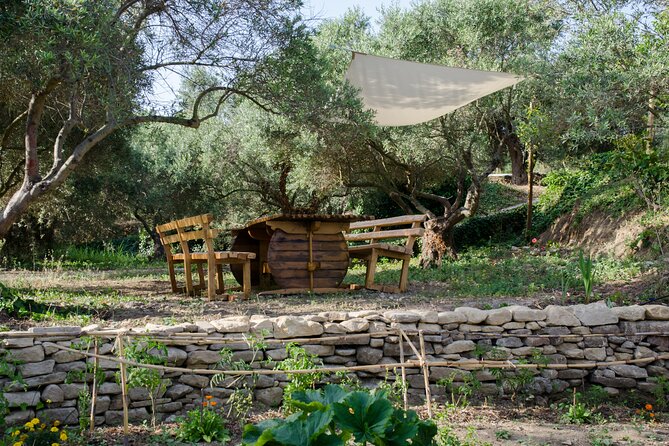
A young woman oenologist leads the tasting. Her role is important because the session is not just a series of pours. You receive an explanation of Cretan winemaking, the island’s native varieties, and the production methods used by the selected winemakers.
The tone is personal and family-minded. The experience places clear value on nature and on the people connected to local wine. That gives you useful context before you taste. A wine can seem abstract when you only see a label, but it becomes easier to understand when someone explains where the grapes come from and why a producer works in a particular way.
You should expect conversation rather than a formal classroom. The available details do not promise a technical course in viticulture, so this is best for curious drinkers who want a clear introduction. If you already have advanced wine training, you may find the 90-minute format less detailed than a specialist seminar.
The approach suits beginners especially well. You do not need to know the names of Cretan grapes in advance. Listen for the basic connections between the island’s soils, air, grapes, and finished wine. Then use the tasting itself to see if those ideas make sense in the glass.
Five glasses from native and rare varieties
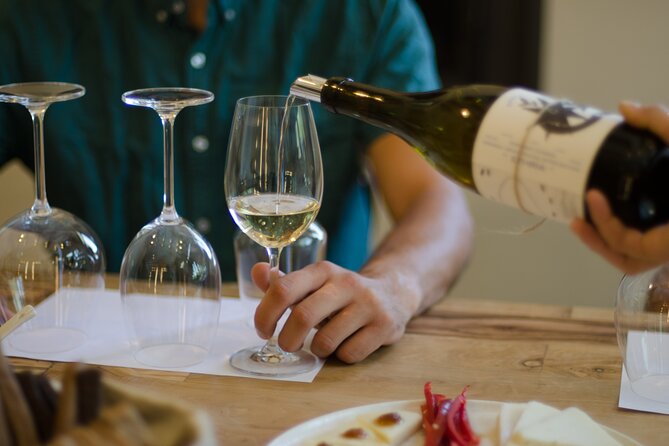
The main tasting includes five wines. They represent native and rare varieties from Crete, giving you a broader picture than a single house wine would.
The value here is variety with a clear purpose. You are not tasting five unrelated bottles simply to fill time. The selection is meant to show the range of Cretan wine and the character of local grapes. You may find that some styles appeal to you more than others, but the comparison helps you understand the island’s wine culture.
The session also gives you a chance to ask about how each wine is made. The exact bottle list is not provided, so you should not expect a guaranteed set of named wines. Selections can depend on the producers chosen for the tasting. What is clear is the emphasis on local wines, including some made by a cooperative, according to the experience details.
That cooperative connection adds another useful angle. Cretan wine is not only the work of individual boutique producers. Cooperative production also plays a role, and tasting those wines alongside other local bottles can help you see different approaches within the island’s wine scene.
The tasting is designed for enjoyment, not endurance. Five pours over about an hour and a half should give you time to consider each one. Take notes if you want to remember a favorite, but you can also simply focus on how the wines change as food enters the picture.
A few more vineyard days around Greece worth a look
- Santorini: Small-Group Sunset Wine Tour with Santo Winery
★ 4.9 · 801 reviews - Santorini: Guided Tour to 3 Wineries with Wine Tastings
★ 4.8 · 693 reviews - Santorini Sunset Wine Tour with Santo Winery Views
★ 5.0 · 342 reviews - Kos: Wineries Tour w/ Wine Tastings & Transportation
★ 4.5 · 283 reviews
Cheese, pies, honey, and olive oil at the table
The food is not an afterthought. Artisanal cheeses, savory pies, honey, and olive oil are served with the wines, using products sourced locally. The pairing brings the tasting closer to everyday Cretan food traditions and gives you a better sense of how the wines work with a meal.
The savory pies are especially useful in a tasting because they bring salt, pastry, and stronger flavors to the table. Cheese can change how you notice acidity and texture. Honey offers a sweet contrast, while olive oil connects the wine to one of Crete’s most familiar local products.
You should think of this as a generous tasting spread, not a full lunch. The information does not promise a meal or a large menu. If you need substantial food, plan accordingly. Still, the combination should be enough to make the 90-minute session more satisfying than wine served on its own.
I like that the accompanying products come from nearby villages. Food made by local residents adds a human scale to the experience. You are not only sampling grapes from the island, but also tasting several parts of its village food culture at the same table.
The food also makes this suitable for people who are interested in Cretan cuisine but do not want a separate cooking class. You get a compact introduction to several local flavors while learning how they interact with wine.
What the 90-minute schedule means for your day
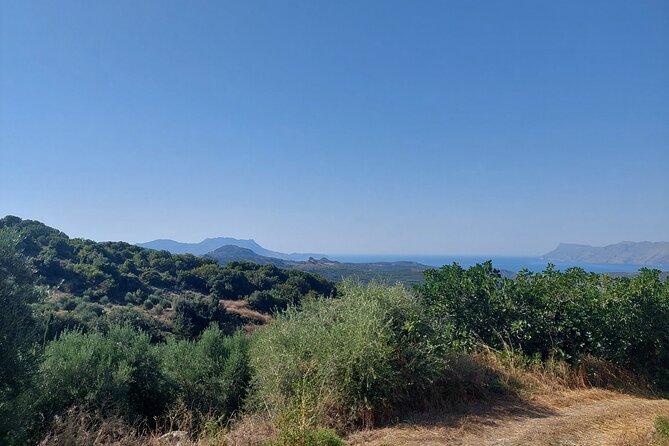
At about one hour and 30 minutes, this is a compact experience. You can fit it into a wider day around Kissamos without surrendering half your schedule. The meeting point and return point are the same, so there is no complicated route during the tasting itself.
The short length does have limits. You will not visit several vineyards, tour a large cellar, or spend hours walking among the vines. The description centers on tasting, discussion, and local food at PoTolo. If you want a full winery day, you should compare this with a longer outing.
For many people, the limited schedule is a benefit. A wine tasting can lose its charm when it becomes a marathon of glasses and technical explanations. Here, five wines and a small food selection fit neatly into the allotted time. You can leave with a clearer idea of Cretan wine without giving up the rest of your day.
The group limit of 10 also matters. A small gathering usually leaves more room for questions and direct conversation with the oenologist. It should feel more like sitting around a table than waiting for your turn in a busy tasting room, though the exact group on your date will vary.
This experience is booked an average of 25 days in advance. That is a useful planning clue, particularly if your dates in Crete are fixed. If you know you want a local wine activity, booking early is sensible.
The $60.01 price and what you receive
At $60.01 per person, the cost is not the cheapest way to drink wine in Crete. You are paying for more than five samples, though. The price includes the guided presentation, the local food pairings, the small-group setting, and access to wines selected to represent Cretan varieties.
I see the value most clearly if you care about context. Buying a bottle at a shop may cost less, but it will not explain the grape, producer, or winemaking approach in the same way. A casual glass at a restaurant also gives you less chance to compare five local wines side by side.
The price is easier to justify for couples and small groups who want a relaxed cultural activity. It is less compelling if you only want a quick drink or if you expect a large meal. The food is designed to complement the tasting, not replace lunch or dinner.
The best question is not simply whether $60.01 is cheap. Ask whether a guided introduction to Cretan wine, with local foods and a small group, fits your interests. If the answer is yes, the cost is reasonable for a focused experience in a mountain village.
Who will enjoy this tasting most
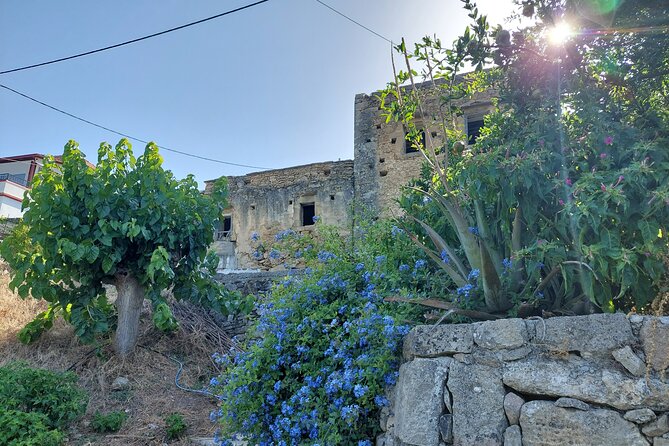
I would choose this for you if you want a local activity with a strong connection to place. It suits wine beginners, curious food lovers, couples, and anyone who prefers a small group to a large coach outing.
It also works well for people who want to understand Crete beyond its beaches and major sights. The subject is specific, but the session connects wine to soil, climate, villages, family producers, cooperatives, and local food.
You should think twice if you dislike wine, need a full meal, or want a long vineyard walk. The experience is about tasting and discussion at PoTolo. It does not promise transportation, multiple winery stops, or a full day in the countryside.
The activity requires participants to be over 18 for wine service. Service animals are allowed, and most people can take part. The available information does not give more detailed accessibility guidance, so contact the provider if you have a specific mobility or dietary concern.
Bad weather can affect the activity, and it also requires a minimum number of participants. If the provider cancels for either reason, you can choose another date or experience, or receive a full refund. You can cancel yourself for a full refund up to 24 hours before the start time. Changes or cancellations inside that 24-hour window are not accepted for a refund.
Should you book Meet the Cretan Vineyard?
Book it if you want five local wines, village-made foods, and a personal introduction led by a young woman oenologist. The combination of native varieties, rare grapes, artisanal cheese, pies, honey, and olive oil gives the session more substance than a standard bar tasting.
I would make it part of a Kissamos-area day, not treat it as a complete vineyard expedition. Plan your own route to Tsourouniana, leave room for the 90-minute session, and remember that the wine selection may vary.
For a compact, friendly look at Cretan wine, this is an easy yes. For a full winery tour, a large meal, or transport from Chania, choose something else or confirm those details before booking.
FAQ
Where does the wine tasting take place?
The tasting starts and ends at PoTolo, Tasting Experiences, in Tsourouniana 730 10, Greece, in the Kissamos area of Chania.
How long does the experience last?
The tasting lasts approximately one hour and 30 minutes.
How many wines are included?
You taste five wines focused on representative native and rare Cretan varieties.
What food is served with the wine?
The tasting includes local products such as artisanal cheeses, savory pies, honey, and olive oil.
Is the activity offered in English?
Yes. The experience is offered in English.
How many people can join?
The group has a maximum of 10 participants.
Is there a minimum age?
Yes. Participants must be over 18 years old for the wine portion of the experience.
Is transportation from Chania included?
The provided details list PoTolo in Tsourouniana as the meeting point and do not state that transportation from Chania is included.
Can I cancel for a full refund?
Yes. You can cancel at least 24 hours before the experience start time for a full refund.
What happens if the activity is canceled?
If poor weather or an insufficient number of participants causes cancellation, you can choose another date or experience, or receive a full refund.
Just added around Greece
- Private Excursion to Ancient Olympia – bee farm & winery★ 4.5 · 49 reviews
- Private Katakolon Excursion to Ancient Olympia, Winery and Beach★ 5.0 · 82 reviews
- Minoan Path: Knossos Palace, Winery Visit, Lunch at Archanes★ 4.5 · 12 reviews
- Minoan Luxuries: Ancient Palaces, Messara Wine Routes & Matala★ 5.0 · 11 reviews
- Minoan Crete from 3.000 BC: Knossos Palace & Museum with Wineries from Heraklion★ 5.0 · 14 reviews
- Heraklion Private Half-Day Gastronomy Diaries Experience in Lyrarakis Winery★ 5.0 · 8 reviews
- Knossos, Olive Grove, Winery – Distillery with Tastings & Lunch★ 5.0 · 4 reviews
- Private Wine Tour at Peza Valley – 2 Wineries and Lunch at Peza★ 5.0 · 3 reviews
Chania Vineyard Tours, compared.

Chania Area: Food Tasting Tour with Winery Visit
Read our review →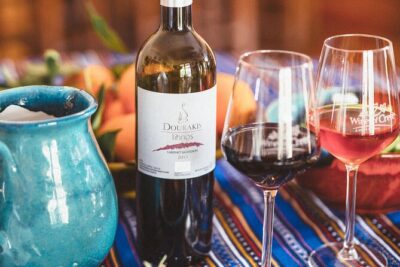
From Chania Private half day Winery-Olive factory-Kournas lake
Read our review →
Manousakis Winery Shuttle Service Tour and Taste
Read our review →
Monastery, Elafonissi and Winery Tour from Chania
Read our review →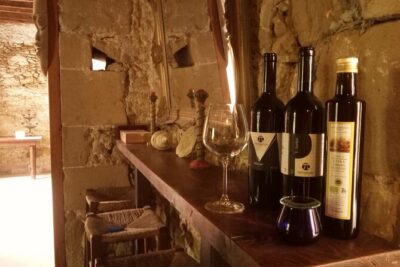
Full-Day Private Chania Wine Tour and Lunch In The Mystic Cellar.
Read our review →
Minoan Crete from 3.000 BC: Knossos Palace & Museum with Wineries from Chania
Read our review →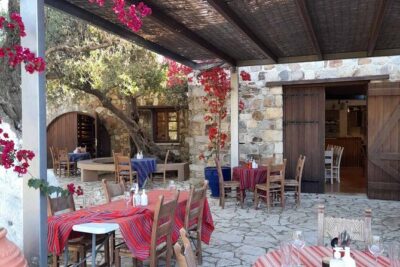
Private: Jeep Safari in 2 Wineries and Samaria Gorge with Lunch
Read our review →Browse the lists this tour appears in