
REVIEW · CHANIA
Chania Area: Food Tasting Tour with Winery Visit
The oldest recorded olive tree in the world is the headline here, but the best part is what comes after it: a day spent tasting the everyday foods that shape Crete. You move from a wood-fired bakery to local honey, cheese, olives, olive oil, and wine, with the countryside passing by between stops.
I like the way this tour supports small local producers instead of turning the day into a string of grand attractions. I also like the value: for $44, you get about seven hours, hotel-area pickup, a guide, air-conditioned transport, and a substantial tasting program. The main drawback is that the winery visit may feel more like a working production facility than an intimate wine estate, and the long day includes a fair amount of driving.
Key points to know before booking
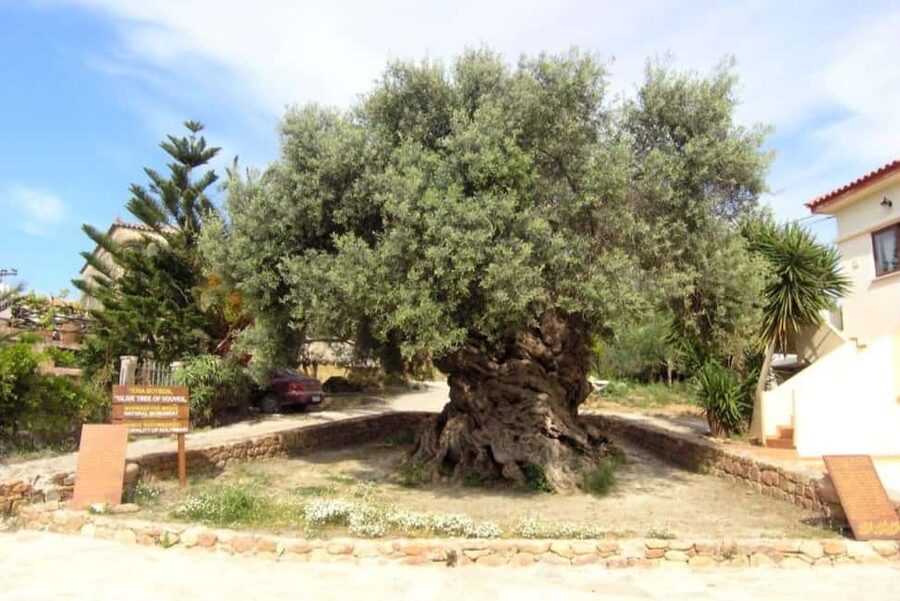
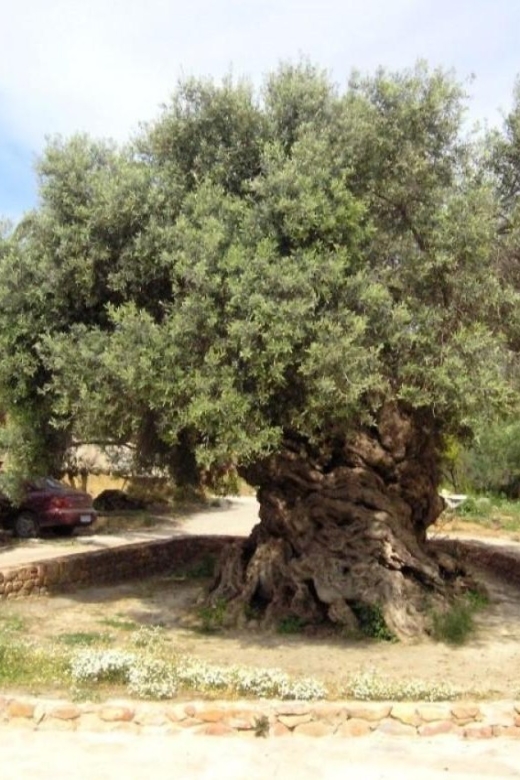
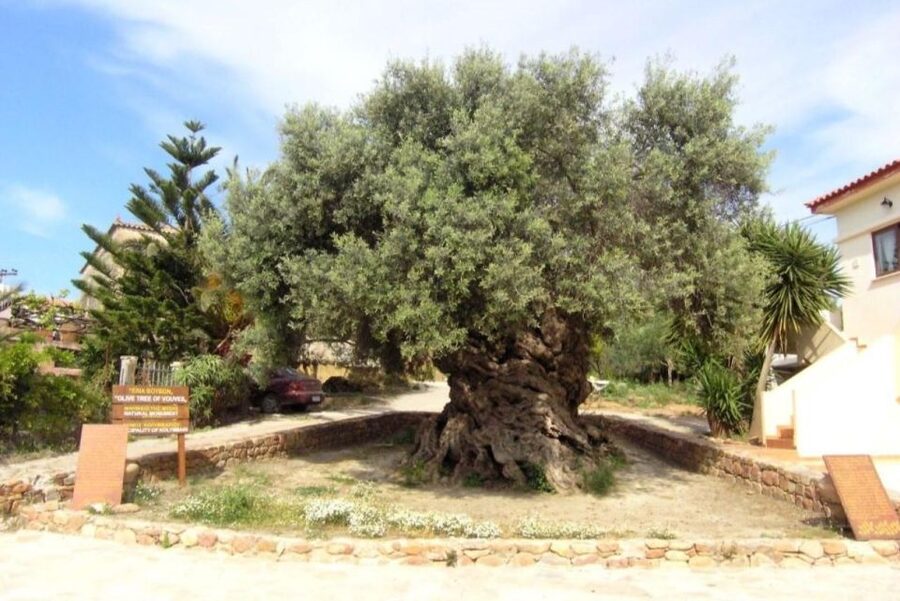
- The 3,000 to 5,000-year-old olive tree at Vouves is a remarkable first stop, with a massive, sculpted trunk that measures about 12.5 meters around.
- Linda brings warmth, humor, and strong local knowledge to the day, while driver Tasos has earned praise for safe, timely driving.
- The tasting is much broader than wine: expect bread, rusks, tomatoes, olives, cheese, honey, and olive oil.
- Perivolakia Village gives you a closer look at working food traditions, including baking, olive growing, honey production, and cheese making.
- Pnevmatikakis Winery is family-run and child-friendly, with wine for adults and a special platter and drinks for children.
- Bring some cash, since at least one stop may not accept cards.
Why this seven-hour food tour works
This is not a formal cooking class, and it is not a polished vineyard-only tasting. It is a broad introduction to Cretan food, with several short visits tied together by a guide who explains what you are seeing and eating.
That mix gives you useful context. Instead of tasting olive oil in isolation, you see the olive trees that produce it. Instead of simply eating cheese, you hear how traditional cheese is made. Bread, honey, wine, and olives become part of a larger picture of rural Crete.
The tour runs roughly from 8:00 in the morning until between 4:20 and 5:20 in the afternoon, depending on your hotel and the return route. Pickup is from your hotel or a nearby meeting point. You receive the exact time and location the day before, so check your email rather than assuming the pickup will be directly outside your accommodation.
Linda is the main host named in the feedback, and her style seems to be a major part of the day. She mixes facts about food, culture, and history with jokes and conversation. That matters on a seven-hour outing. A quiet guide could make the bus rides drag, while Linda appears to keep the group involved for most of the day.
More Winery Tours in Greece
- Santorini 3-Winery Tour with 12 Wine Tastings and Oia Sunset
★ 5.0 · 175 reviews - “YAMAS” – Winery tour &wine tasting
★ 5.0 · 66 reviews - Winery tour with Wine and Olive tasting in Corfu
★ 4.5 · 65 reviews
The ancient olive tree at Vouves
The morning begins with a visit to the village of Ano Vouves, where you can see the ancient olive tree declared a natural monument. Its exact age cannot be proved, but estimates place it somewhere between 3,000 and 5,000 years. It is still alive and still produces olives.
The trunk is the real spectacle. Time has hollowed and twisted the bole into something that looks more like carved stone than a normal tree. Its circumference is about 12.5 meters, with a diameter of roughly 4.6 meters. You do not need to be an olive-oil enthusiast to appreciate it. This is a strong visual introduction to how long olive growing has shaped Crete.
The tree began as a wild olive and was later domesticated through the Tsounati variety. That small detail helps explain why this is more than a photo stop. The tree connects ancient cultivation with the olive oil on the tasting table later in the day.
You have about 25 minutes at the site before leaving at approximately 10:15. One practical note: some people find this first stop a little longer than necessary, especially if they want to reach the food tasting sooner. Still, the tree is unusual enough to justify its place on the route.
Perivolakia Village and the wood-fired bakery
Around 10:45, the tour reaches Perivolakia Village. Here, the focus shifts from ancient agriculture to food still being made by hand.
At the traditional bakery, you get a close look at Cretan bread and rusks coming from a wood oven. Rusks are twice-baked pieces of bread with a firm texture, commonly eaten with olive oil, tomatoes, cheese, or other toppings. They are simple foods, but they show how Cretan cooking makes practical use of local grain and preserves bread for longer storage.
The bakery stop is valuable because you see the process rather than only receiving a prepared sample. The wood oven also gives the visit a sense of place that a standard shop tasting would miss. You may have the chance to buy pastries or other baked goods, so leave a little room in your day bag.
The food served during the broader tasting includes bread, tomatoes, olives, cheese, honey, and olive oil. It is not a tiny sample designed to tease your appetite. The portions are intended to make up a proper mid-tour tasting, although the exact selection can vary.
Olive groves, honey, and the Cretan table
The olive grove visit adds another useful layer. You examine the trees and learn how olives are connected to Cretan food and agriculture. Olive oil is central to the tasting, and seeing the trees first makes the later flavors easier to understand.
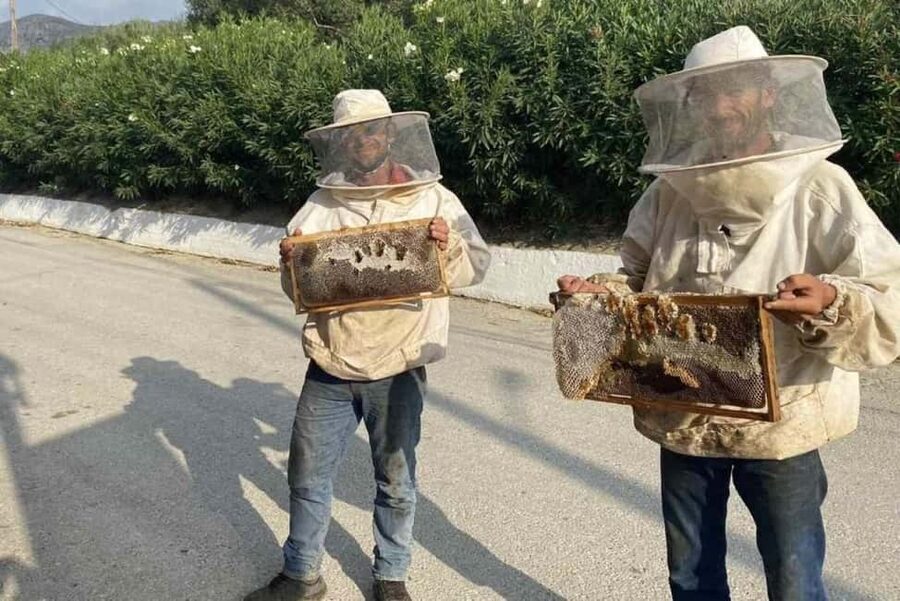
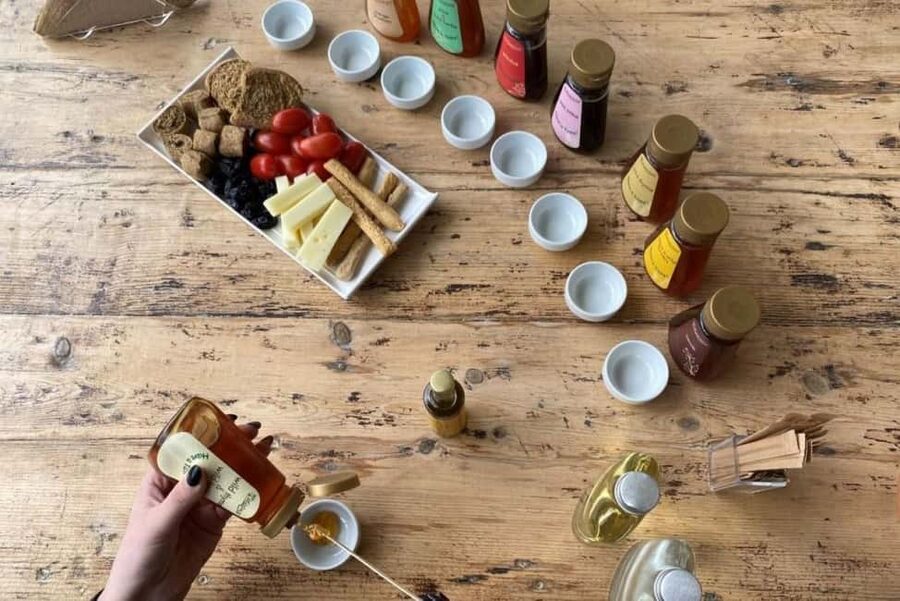
Honey is another focus. The presentation covers how Cretan honey is made, with tasting alongside bread and other local products. This was one of the strongest parts of the day for many people, partly because the host is described as deeply passionate about the process.
Expect to taste several local products rather than sit through a long technical lecture. You can compare honey with olive oil, cheese, bread, and olives, then decide which combinations you prefer. This is the sort of stop where it helps to slow down and ask questions.
A small buying tip: one stop has not accepted cards, so cash is sensible. The tour gives you several chances to purchase food and drink to take home, including honey, olive oil, wine, and baked goods. Your suitcase may get heavier before the afternoon is over.
Same wine country, a different day out:
- Santorini: Small-Group Sunset Wine Tour with Santo Winery
★ 4.9 · 801 reviews - Santorini: Guided Tour to 3 Wineries with Wine Tastings
★ 4.8 · 693 reviews - Santorini: Wine Tasting Tour to 3 Wineries with Transfer
★ 4.7 · 455 reviews - Mykonos: Winery Vineyard Experience with Food & Wine Tasting
★ 4.9 · 446 reviews
Cheese making and a generous tasting
The next part covers a traditional, multi-awarded cheese factory. If cheese is being made during your visit, you can enter and see the process. If it is not the right production period, the guide explains how the cheese is made before the tasting.
That seasonal qualification is important. You should not book this expecting a guaranteed live cheese-making demonstration on every date. The tasting remains part of the plan, but the working production area depends on timing.
The cheese is served with other Cretan staples, including bread, olives, honey, tomatoes, and olive oil. This is a good example of how the tour builds a meal from ordinary local ingredients. Nothing needs a complicated sauce or elaborate presentation. The quality and freshness of the ingredients do most of the work.
The stop is also useful for anyone interested in food production rather than just food consumption. You learn why cheese varies, how it is handled, and how it fits into daily Cretan eating. The guide fills in the details when the factory itself is not operating.
Pnevmatikakis Winery in Kissamos
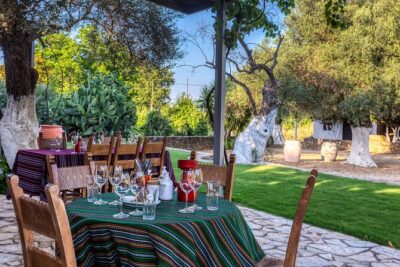
After leaving Perivolakia at about 12:30, the bus reaches Pnevmatikakis Winery around 12:45. This is a family-run winery in Kissamos with a long connection to Cretan wine production.
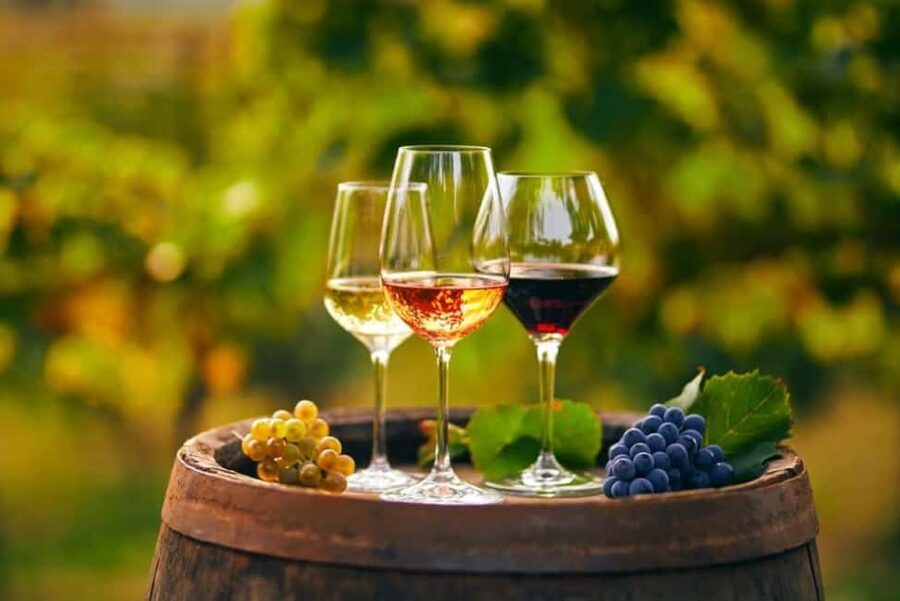
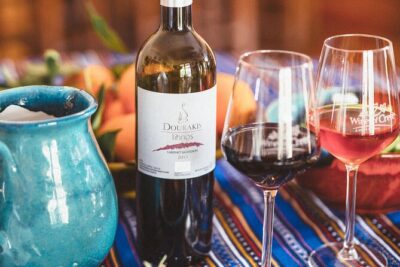
You learn about the wine-making process and taste several locally made wines from the winery’s collection. The wines are served with local foods, which is the right approach for a tour built around Cretan eating. Wine makes more sense when you taste it alongside bread, cheese, olives, and other salty or sweet flavors.
The winery is also set up for families. Children receive a separate platter and drinks prepared by the family, so parents do not have to treat the stop as an adults-only activity. That makes this a more practical choice than many wine tours, which often give little thought to younger participants.
The winery is the one part I would assess with the most care. Some people appreciate the range of wines, the views, and the relaxed self-service tasting setup. Others may find the facility more industrial than special, with large-scale production and a less polished working environment. One detailed account found the cleanliness and wine quality disappointing, while another praised the number of wines and the setting.
In other words, this is best approached as a look at local wine production with tasting, not as a high-end estate visit. If your main goal is a refined cellar experience, you may want a dedicated boutique winery tour instead. If you want wine added to a wider food day, Pnevmatikakis fits the plan well.
Transport, timing, and the shape of the day
The air-conditioned bus is a real benefit in the hot months. You avoid the stress of driving rural roads, finding parking, and deciding who will abstain from wine. The vehicle has generally been described as comfortable, though one account found the ride bumpy and the air conditioning inconsistent on a warm day.
The schedule is full but not frantic. You leave early, spend the morning around Vouves and Perivolakia, reach the winery just before lunch, and return to the Chania area in the late afternoon. The exact arrival time depends on your hotel and the pickup route.
Pickup is not always as simple as selecting a hotel and assuming the matter is settled. The final meeting point may be changed, and you receive the confirmed details only one day before departure. Check the message carefully. If the location seems far from your hotel, contact the operator promptly rather than waiting until the morning of the tour.
The trip is conducted in English with a live guide. Linda is frequently singled out for clear English, energy, humor, and her ability to explain local food and culture. That personal touch helps connect the separate stops into one story.
What the $44 price really buys you
At $44 per person, this is a strong value if you want variety. The price includes hotel-area pickup and drop-off, an air-conditioned bus, guiding, insurance, and the superior tasting package. You also get entry to several working food businesses and a winery visit without arranging separate transport.
The value comes from the range rather than luxury. You are not paying for a private guide, a small custom group, or a carefully staged gourmet meal. You are paying for a full day that combines transport, explanation, and enough tasting to replace a meal or two.
The tour also lets you sample products before buying them. That can save money compared with purchasing several unfamiliar bottles or jars on instinct. If you find a favorite honey, olive oil, cheese, or wine, you can take it home with a better idea of what you are getting.
At this price, I would accept some unevenness between stops. The bakery and honey presentation may feel more personal, while the winery may feel more commercial. The main question is not whether every stop is perfect. It is whether you want a broad, affordable look at Cretan food culture in one day.
Who should book this tour
I would recommend it to first-time visitors who want to get beyond Chania without renting a car. It suits people who enjoy eating, asking questions, and seeing how food is made. Couples, families, and mixed-age groups can all take part, since children receive their own food and drinks at the winery.
It is also a good match for anyone who wants to buy edible souvenirs. Bread, pastries, honey, olive oil, cheese, and wine are all more meaningful purchases after you have learned where they come from.
I would be more cautious if you are looking for a quiet, slow luxury outing. The day covers several stops, pickup routes can add travel time, and the winery is not guaranteed to feel intimate or polished. You should also be comfortable with a full seven-hour schedule and the possibility of hot weather.
Bring sunglasses, a hat, sunscreen, and a camera. Wear something comfortable for a day of getting on and off the bus, and carry cash for purchases. Free cancellation up to 24 hours before departure and reserve-now, pay-later booking make it easier to fit the tour into a changing Crete schedule.
Should you book the Chania food tasting tour?
Book it if you want good food, local production, and transport in one affordable day. The ancient olive tree gives the outing a memorable start, the Perivolakia stops provide the most hands-on food interest, and the wine tasting rounds out the experience.
I would not choose it solely for the winery. Instead, think of the winery as one part of a larger Cretan food day. With Linda guiding and a driver such as Tasos handling the roads, you get an easy way to sample the island’s bread, honey, cheese, olives, olive oil, and wine without organizing several separate visits.
For $44, that is a sensible deal, especially for a first visit to Crete.
FAQ
How long does the Chania food tasting tour last?
The tour lasts about seven hours. Pickup is scheduled between 8:00 and 9:20, and return to your hotel is expected between 4:20 and 5:20, depending on your location.
What food and drinks are included?
The tasting includes traditional Cretan bread and rusks, tomatoes, olives, cheese, honey, olive oil, and local wine. The exact selection may vary between stops.
Is the ancient olive tree really thousands of years old?
The olive tree at Ano Vouves is the oldest recorded olive tree in the world. Its age is estimated at between 3,000 and 5,000 years, although scientists cannot confirm the exact number.
Is the winery suitable for children?
Yes. Pnevmatikakis Winery serves children a special platter and drinks prepared by the winery family.
Where does pickup take place?
Pickup is from your hotel or a nearby point. You receive the confirmed pickup time and location by email one day before the tour.
What should I bring?
Bring sunglasses, a sun hat, sunscreen, and a camera. Carrying some cash is also useful because one of the stops may not accept cards.
More Food in Greece
- Cape Town: Full-Day Winelands Tour with Wine Tastings & Food
★ 4.9 · 1,288 reviews - Private 6-Hour Tour of Three Etna Wineries with food&wine tasting
★ 5.0 · 417 reviews - Lazise: Winery Tour with Garda Wines and Food Tasting
★ 4.8 · 278 reviews - Bardolino: Vineyard Tour with Wine, Olive Oil & Food Tasting
★ 4.6 · 221 reviews
More Food and Drink Experiences in Greece
- Santorini: Tour of Wineries with Wine Tasting & Food
★ 5.0 · 279 reviews - Milos Island: Kostantakis Winery Wine Tasting Experience
★ 4.8 · 236 reviews - Wine Tasting and Tour in Saint Anna Winery in Naxos
★ 5.0 · 174 reviews - From Kos: Tour of 2 Wineries with Wine Tasting & Small Bites
★ 4.3 · 98 reviews
Just added around Greece
- Private Excursion to Ancient Olympia – bee farm & winery★ 4.5 · 49 reviews
- Private Katakolon Excursion to Ancient Olympia, Winery and Beach★ 5.0 · 82 reviews
- Minoan Path: Knossos Palace, Winery Visit, Lunch at Archanes★ 4.5 · 12 reviews
- Minoan Luxuries: Ancient Palaces, Messara Wine Routes & Matala★ 5.0 · 11 reviews
- Heraklion Private Half-Day Gastronomy Diaries Experience in Lyrarakis Winery★ 5.0 · 8 reviews
- Knossos, Olive Grove, Winery – Distillery with Tastings & Lunch★ 5.0 · 4 reviews
- Minoan Crete from 3.000 BC: Knossos Palace & Museum with Wineries from Heraklion★ 5.0 · 14 reviews
- Private Wine Tour at Peza Valley – 2 Wineries and Lunch at Peza★ 5.0 · 3 reviews
Chania Vineyard Tours, compared.
From Chania Private half day Winery-Olive factory-Kournas lake
Read our review →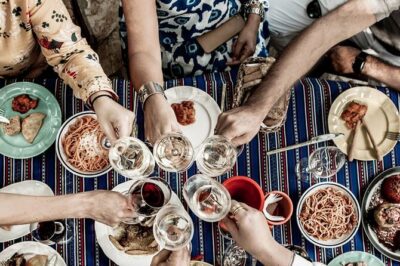
Manousakis Winery Shuttle Service Tour and Taste
Read our review →
Wine Tasting: Meet the Cretan Vineyard at West Chania
Read our review →
Monastery, Elafonissi and Winery Tour from Chania
Read our review →
Full-Day Private Chania Wine Tour and Lunch In The Mystic Cellar.
Read our review →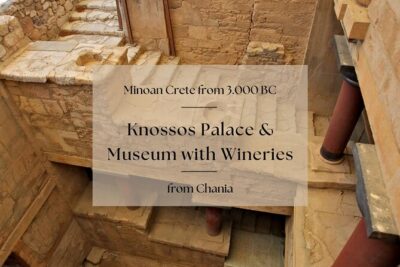
Minoan Crete from 3.000 BC: Knossos Palace & Museum with Wineries from Chania
Read our review →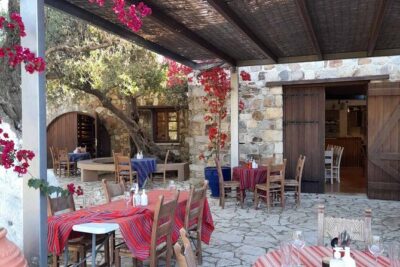
Private: Jeep Safari in 2 Wineries and Samaria Gorge with Lunch
Read our review →Browse the lists this tour appears in