
REVIEW · SPAIN
Two wineries tour with wine tasting
Utiel-Requena gives you a taste of inland Valencia that feels far removed from the city. About an hour outside Valencia, you visit two wineries, hear how local grapes become wine, and compare a larger cellar with a family-run estate when availability allows. Bobal and Tardana are two local varieties that make this more than a standard Spanish wine outing.
I like the small group limit of eight, which leaves room for questions and a more personal pace. I also like the contrast between wineries such as Murviedro and Vera de Estenas: one may lead you through old underground caves, while the other gives you a closer look at vineyard work and family production.
The main consideration is the meeting point. You start at EmpalmePobles del Nord in Burjassot at 9:45 am, not at a central Valencia hotel, so check your route carefully. The wineries visited can also change according to availability.
Key points at a glance
- Two different winery visits: Compare production styles, cellar settings, and approaches to regional wine.
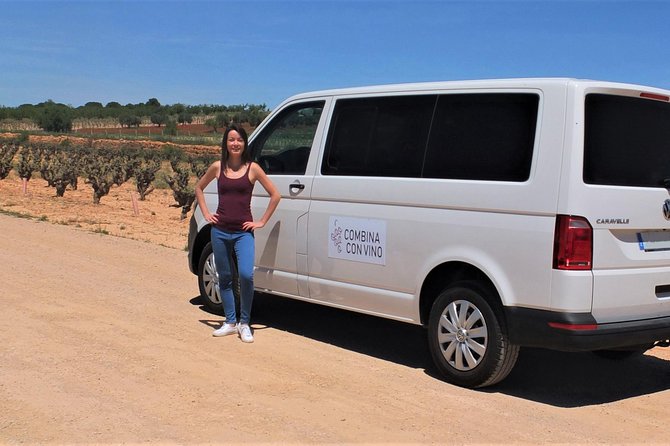
- A guide who adds context: Elise from Combina con Vino leads the tour in English and explains both the area and the winemaking process.
- Local grapes to watch for: Tastings may include Bobal, Tardana, and other wines linked to Utiel-Requena.
- Private transport for up to eight: You avoid driving after tastings and travel in a small, more relaxed group.
- A practical half-day trip: The experience lasts about five to six hours and returns to the meeting point.
- Good support for dietary needs: One booking included gluten-free and dairy-free snacks, but you should raise dietary needs before departure.
Why Utiel-Requena makes a worthwhile side trip
Valencia is rightly known for its markets, old streets, beaches, and paella. Yet the province also has a serious wine country inland, and Utiel-Requena is a useful place to see it without committing to a full multi-day wine journey.
The region sits about an hour from Valencia by road. That distance matters. You get a clear change from city streets to vineyards and small communities, while still returning to Valencia the same day.
The tour is not just a ride to a tasting room. At each estate, you learn about the winery’s history, its production choices, and the fermentation process. That makes the wine in your glass easier to understand. You are not expected to arrive with a polished vocabulary or years of tasting practice.
The local grape Bobal is a major reason to pay attention. It is associated with Utiel-Requena and gives you something distinctive to seek out rather than tasting only familiar international varieties. Tardana may also appear, adding another local point of comparison.
More Food and Drink Experiences in Spain:
- Toledo Tour & Vineyard Walk with Wine Tasting from Madrid
★ 5.0 · 2,546 reviews - Madrid Countryside Wineries Guided Tour with Wine Tasting
★ 5.0 · 740 reviews - Jerez: Bodegas Fundador Guided Tour with Tasting Session
★ 4.8 · 714 reviews
Meeting Elise and setting out at 9:45 am
The tour begins at EmpalmePobles del Nord, 46100 Burjassot, Valencia, at 9:45 am. The activity ends back at this meeting point, so plan the return leg before you book transport or another appointment.
A useful practical step is to confirm the exact meeting instructions after booking. Elise has been praised for sending clear information through WhatsApp, including directions and vehicle details. That kind of contact is valuable when a tour begins outside the city center.
Transport is private, and the group is limited to eight people. You are not being moved around in a large coach with a rigid, impersonal schedule. The smaller setting also helps if you want to ask about grape types, cellar methods, or how the wines fit into Valencian food culture.
The drive takes roughly an hour each way, depending on the final winery choices and road conditions. Since tastings are included, private transport is more than a comfort feature. It means you can taste without worrying about driving back to Valencia.
The first winery: a look at production from the inside
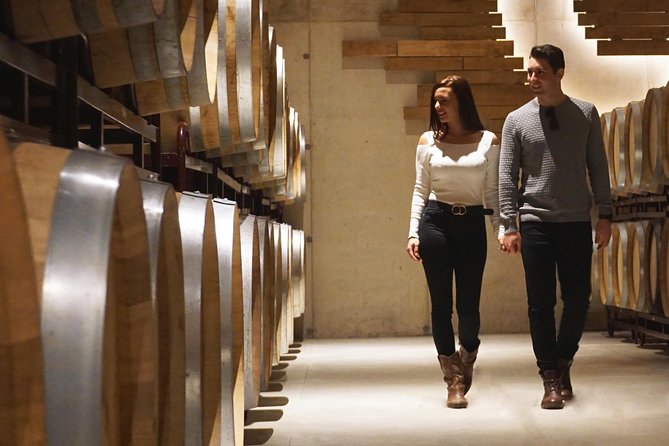
The exact pair of wineries depends on availability, but the tour has included Murviedro and Vera de Estenas. The point of the selection is comparison rather than visiting two nearly identical estates.
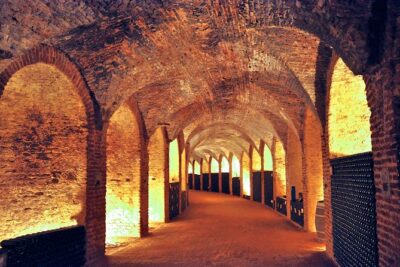
At one possible stop, Murviedro, you may see old caves beneath a village square. That setting gives the visit a strong sense of place. Instead of learning about wine only through stainless steel tanks and modern tasting rooms, you get a reminder that wine production in the area has older roots.
The guide at the winery explains the estate and its methods in English. You can expect the conversation to cover how grapes are handled, how wine ferments, and how the finished bottles reach the tasting stage.
A larger winery can help you understand the scale of production. You may see how a substantial operation organizes its cellar and presents a regional identity to a wider market. It is a useful first stop before visiting a smaller family estate.
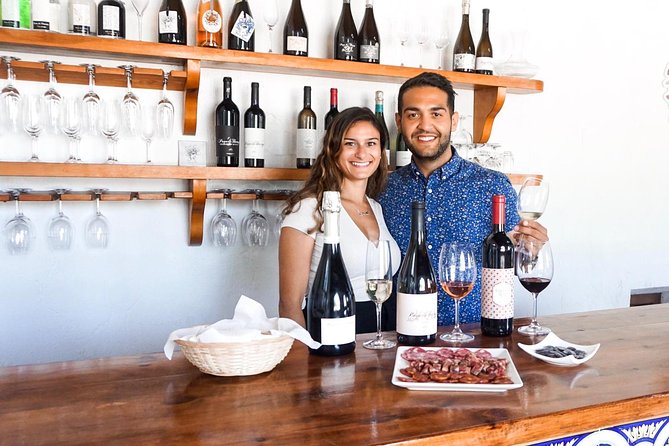
The tasting follows the tour of the property. Because Elise also has strong wine knowledge, she can help connect what you have just seen with what you taste. If a particular wine seems unfamiliar, you have the chance to ask about the grape and production style rather than simply moving on to the next glass.
The second winery: family methods and a different pace
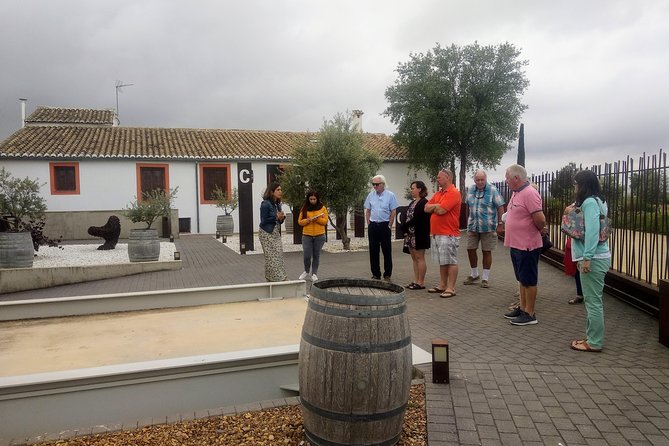
The second visit may be a small family-run property such as Vera de Estenas. This type of estate offers a different view of Utiel-Requena, with more attention on the people behind the bottles and the specific character of the property.
One visit has been described as taking place among vineyards cascading through the countryside. Another account points to a modern winery with a living roof and broad views. The exact details can vary, but the useful feature remains the same: the second stop changes the frame of reference.
At a family winery, you may hear more about the estate’s individual choices, future plans, and relationship to the surrounding vineyards. That can make the wine feel less like a product on a shelf and more like the result of a particular place and working method.
The second tasting gives you another chance to compare. You might notice differences in body, acidity, aroma, or the way Bobal is handled. You do not need to identify every note correctly. The better goal is to see how the same broad region can produce wines with different personalities.
Small snacks accompany the tastings. They add welcome substance to a morning or afternoon of wine. If you have dietary restrictions, tell the operator before the trip. One participant received gluten-free and dairy-free tapas, showing that adjustments may be possible, though they should not be assumed without advance notice.
A few more vineyard days around Spain worth a look
- Barcelona: Montserrat, Cogwheel, Black Madonna & Winery Tour
★ 4.8 · 5,633 reviews - Montserrat with Black Madonna & Medieval Winery with Tapas/Lunch
★ 5.0 · 5,209 reviews - From Fuerteventura: Lanzarote Volcano and Wine Region Tour
★ 4.4 · 1,220 reviews - Montserrat Full Day Tour with Farmhouse Lunch and Winery Visit
★ 5.0 · 1,068 reviews
Why the two-winery format works
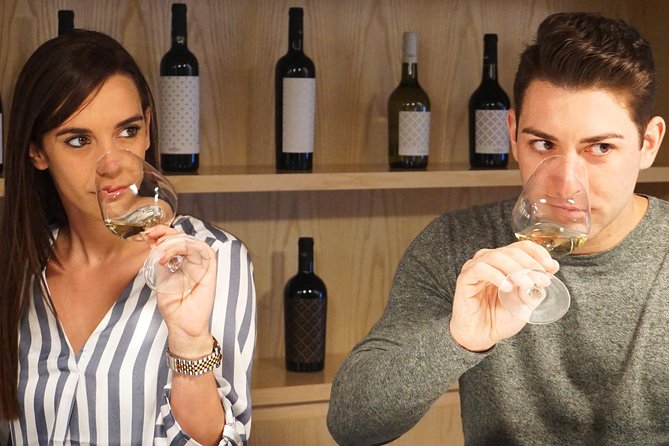
A single winery can give you a pleasant introduction, but two stops make the experience more useful. You can compare a larger operation with a family estate, underground caves with open vineyard views, or established methods with newer plans for the future.
The visits are also structured enough to keep the day moving. You learn about each property, see elements of production, and then taste the result. The schedule does not rely on tasting alone, which is important if someone in your group is curious about wine but not already devoted to it.
Elise’s role adds another layer. She is not simply driving from one cellar to the next. Her work includes explaining Utiel-Requena, translating technical wine ideas into clear language, and helping the group compare the glasses in front of them.
That makes the tour suitable for mixed groups. An experienced wine drinker can ask more specific questions, while a first-time vineyard visitor can follow the basic process. The reviews of the experience repeatedly praise this balance, but the practical point is simple: you should not feel out of place if you are new to wine.
What makes this different from a generic tasting
Many wine outings focus on polished tasting rooms and a short list of bottles. This one puts more weight on regional understanding.
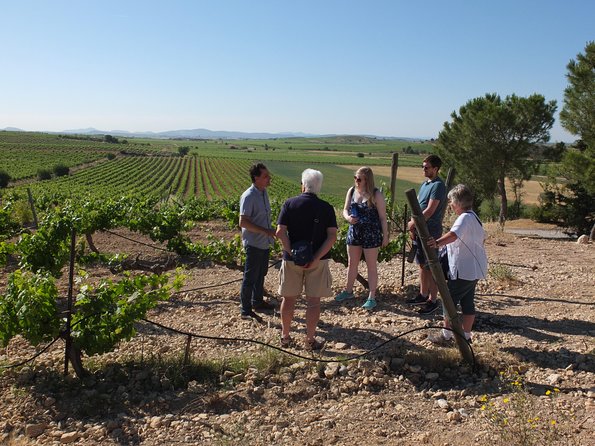
You learn about the estate’s background, grape varieties, fermentation, and the working relationship between vineyard and cellar. The visit may also take you into unusual spaces, such as caves below a village square, or out among vineyards with views across the countryside.
The local focus is another strength. You are not merely sampling wines chosen because they are easy for international visitors to recognize. You may encounter Bobal and Tardana, varieties that give the tasting a clear Valencian connection.
There is also a human scale to the day. The small group allows Elise to adjust her explanations and respond to questions. A booking account describes her as treating the group like friends, which fits the intimate format without promising a staged or overly theatrical experience.
Price and value at $146.30
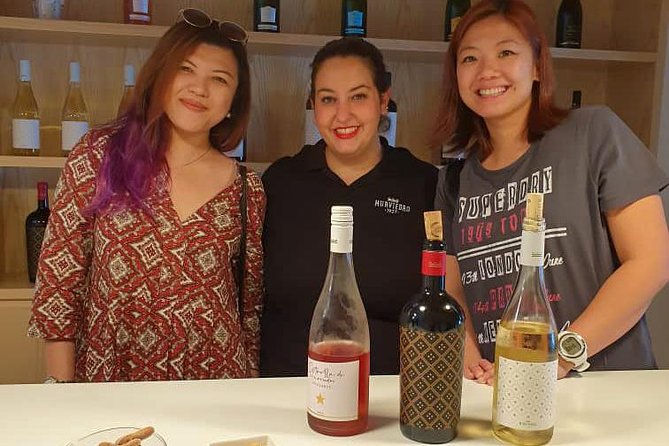
At $146.30 per person, this is not the cheapest way to taste Spanish wine. You are paying for private transportation, a five to six-hour experience, two winery visits, two tastings, English guiding, and a group capped at eight.
The value improves if you would otherwise need to arrange a rental car, navigate country roads, and find a safe way back after tasting. It also improves for couples or small groups who want a private activity rather than a large bus excursion.
The price is less compelling if your main goal is simply to drink several glasses at the lowest possible cost. This experience is about access, explanation, transport, and comparison. You are paying for a half-day from Valencia, not only for the wine poured.
The included snacks also matter. They are modest rather than a full meal, but they make the tasting more comfortable. Plan to eat normally before or after the tour if you need a substantial lunch.
Timing, group size, and practical comfort
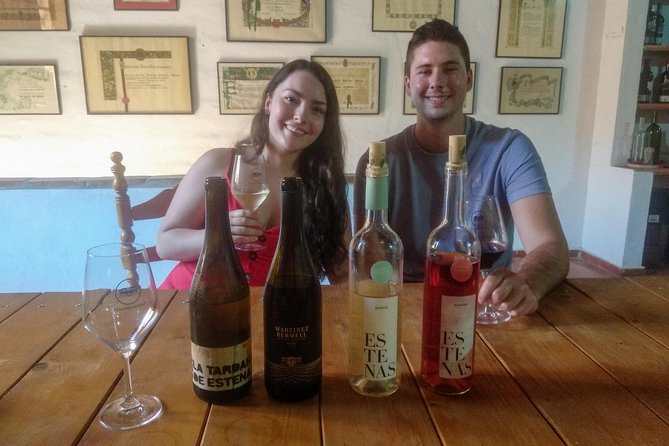
The tour lasts approximately five to six hours. It is long enough to make the drive inland worthwhile, but short enough to fit into a Valencia itinerary without taking a full day.
You should keep the rest of your schedule flexible. Winery visits can vary by availability, and the total length depends partly on the two estates selected. Avoid booking an important attraction or train immediately after the stated return time.
A private vehicle is useful for more than wine safety. One booking involved a participant whose companion was using a cane after knee surgery, and Elise was praised for being considerate. The data does not promise a fully accessible vehicle or route, so anyone with mobility concerns should confirm the details before booking.
Most people can take part, and the activity is private to your group. It is a good arrangement for couples, families, friends, or a small birthday gathering. One group used the outing to celebrate significant birthdays and received tailored snacks.
The weather can affect the departure. If poor weather forces cancellation, you are offered another date or a full refund. If the minimum number of participants is not reached, the same options apply.
Who should book this wine tour
I would choose this trip if you want to get outside Valencia without planning your own rural excursion. It suits you especially well if you enjoy learning the story behind a bottle, trying regional grapes, and comparing wineries rather than rushing through a single tasting room.
It also works well for mixed groups. The explanations are designed to serve both beginners and more experienced wine drinkers, and the small group gives you room to ask questions at your own level.
This is a strong choice for a birthday, a quiet day with friends, or a couple looking for an activity with more substance than a city tasting. The private transport is a real benefit if nobody wants to drive.
You may want to skip it if you dislike scheduled visits, have little interest in wine production, or need a meeting point in central Valencia. The starting location in Burjassot requires planning, and the winery pair is not fixed in advance.
Cancellation and booking details
Confirmation is sent within 48 hours, subject to availability. Free cancellation is available up to 24 hours before the start time for a full refund.
Changes made less than 24 hours before departure are not accepted, and cancellations inside that period are not refunded. Cut-off times follow local time in Spain.
Because the experience depends on suitable weather and a minimum number of participants, the operator may cancel and offer a new date or a full refund. It is sensible to avoid booking this as the only possible activity on a tightly planned final day.
Should you book the Utiel-Requena wine tour?
Book it if you want a personal, well-explained trip into Valencia’s wine country and like the idea of tasting local varieties in two contrasting settings. The combination of private transport, an eight-person limit, English visits, snacks, and Elise’s guidance gives the $146.30 price a reasonable basis.
Before paying, confirm the Burjassot meeting point, your dietary needs, and the likely return window. Remember that the wineries can change with availability, though the comparison between two different estates is central to the experience.
For wine beginners, this is an approachable introduction. For seasoned drinkers, Bobal, Tardana, older caves, and smaller family production offer enough regional detail to make the half-day worthwhile.
FAQ
Where does the tour start?
The tour starts at EmpalmePobles del Nord, 46100 Burjassot, Valencia, Spain.
What time does the tour begin?
The scheduled start time is 9:45 am.
Where does the tour finish?
The activity ends back at the original meeting point.
How long does the experience last?
It lasts approximately five to six hours. The stated itinerary duration is five hours, but you should allow up to six hours.
How many wineries will I visit?
You will visit two wineries in the Utiel-Requena wine area.
Are wine tastings included?
Yes. The tour includes a separate wine tasting at each winery.
Is transportation included?
Yes. The tour uses private transportation, and the small group is limited to eight people.
Is the tour offered in English?
Yes. Both winery visits are conducted in English, and the tour is offered in English.
Can I cancel for a full refund?
Yes. You can cancel at least 24 hours before the experience starts for a full refund. Changes or cancellations made less than 24 hours before departure are not accepted or refunded.
Just added around Spain
- Tour Lanzarote South with Winery Visit★ 5.0 · 4 reviews
- Taste Tradition 4 Wineries and Tapas Bar★ 5.0 · 21 reviews
- Vineyards of La Geria hiking tour★ 5.0 · 69 reviews
- Lanzarote E-Bike Tour: Volcano Craters & Scenic Vineyards★ 5.0 · 28 reviews
- Visit Bodegas Teneguía winery in La Palma with wine Tasting★ 4.5 · 43 reviews
- Canarian Wine Experience at Bodega los Lirios★ 5.0 · 67 reviews
- Winery Tour, Wine Museum, and Tasting in Gran Canaria★ 5.0 · 35 reviews
- Gran Canaria Premium Tour: Volcanoes and Wine for cruisers★ 5.0 · 16 reviews
Spain Vineyard Tours, compared.
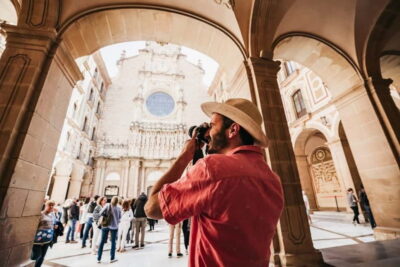
Montserrat, Cogwheel, Black Madonna & Winery Tour
Read our review →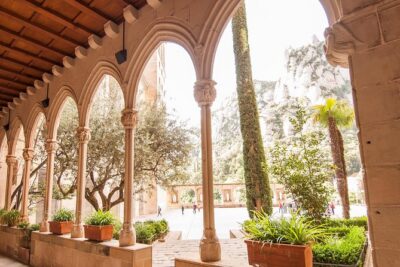
Montserrat with Black Madonna & Medieval Winery with Tapas/Lunch
Read our review →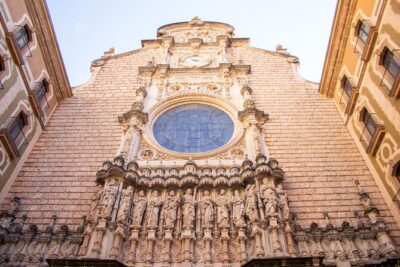
Montserrat Full Day Tour with Farmhouse Lunch and Winery Visit
Read our review →
Montserrat & Winery Visit Tour with Traditional Farmhouse Lunch
Read our review →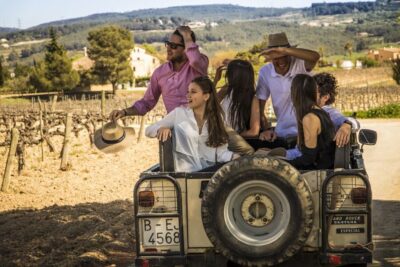
Madrid Countryside Wineries Guided Tour with Wine Tasting
Read our review →
Bodegas Fundador Guided Tour with Tasting Session
Read our review →
Browse the lists this tour appears in