

REVIEW · SPAIN
Logroño: Arizcuren Winery
Arizcuren Winery offers a close look at Rioja Oriental, the eastern part of Rioja where old vineyards, traditional grape varieties, and careful small-scale winemaking still shape the wine culture. The visit moves from the vineyards’ setting and past to an urban winery filled with barrels, amphorae, and concrete tanks, ending with four wines.
I like the clear link between land and bottle, and I like the small group limit of 10 people. Oscar is especially good at explaining the project in a precise, easy-to-follow way, with the enthusiasm of someone who works directly with the wines. The main consideration is that this is a serious wine experience, not a broad sightseeing tour of Logroño, and the activity is non-refundable once booked.
Key points to know before booking
- Rioja Oriental focus: Learn how the Sierra de Yerga and its old vineyard plots shape Arizcuren’s wines.
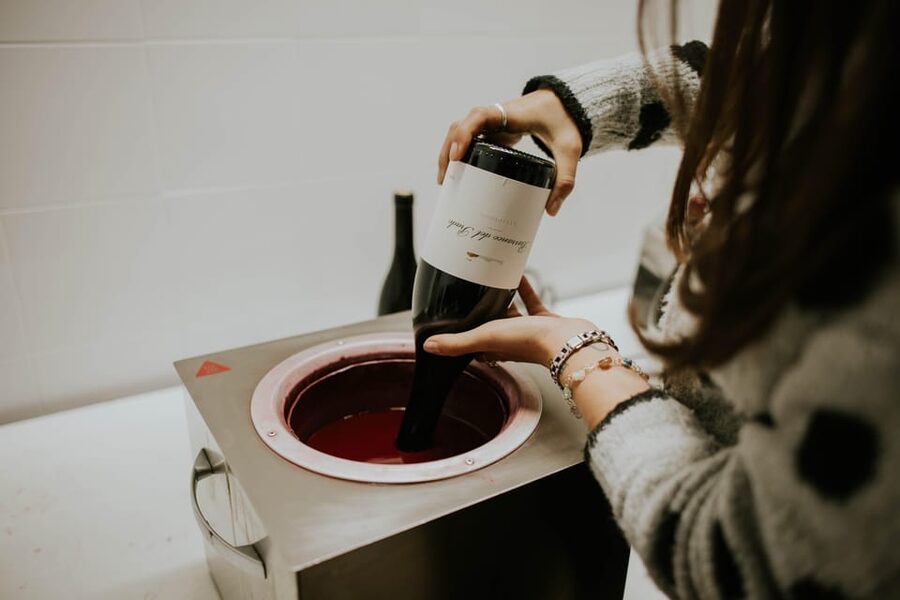
- Urban winery visit: See how the wines are made and aged in barrels, amphorae, and concrete tanks.
- Four-wine tasting: Sample the Monte Gatun municipal wine, two varietal wines, and a special parcel wine.
- Different food pairings: Morning and early afternoon visits include organic olive oil, Iberian pork loin, regional sausages, and wood-fired bread. Later visits feature truffles with the wine.
- Small group format: The group is limited to 10 people, with Spanish and English available.
- Strong guide-led experience: Oscar’s clear explanations and obvious commitment to the project are a major part of the appeal.
Starting with Rioja Oriental and the Sierra de Yerga
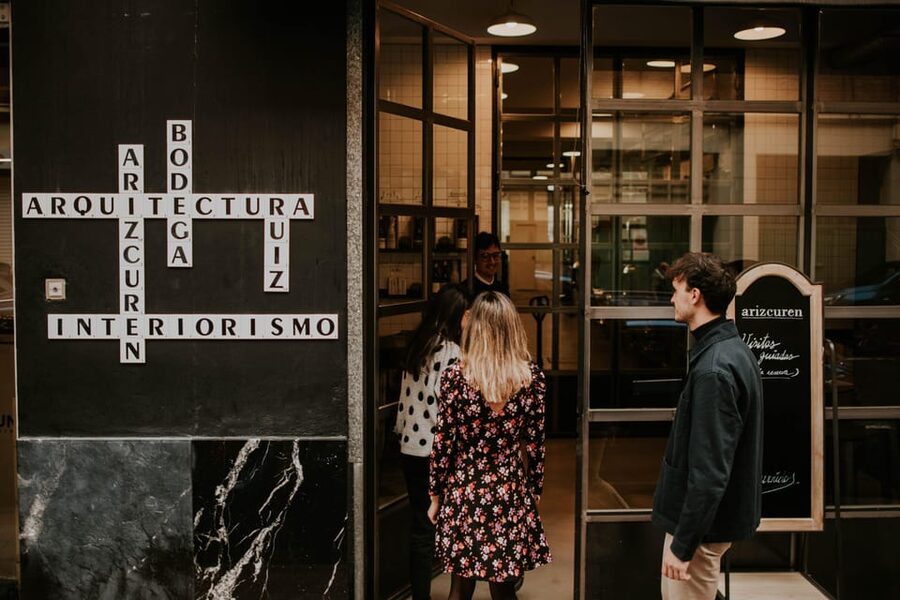
The visit begins with the setting, not the tasting glass. You first get oriented to Rioja Oriental and the Sierra de Yerga, the area connected with Arizcuren’s vineyards and wine-making identity.
This matters because Rioja is not one uniform wine zone. Local soil, altitude, weather, grape varieties, and farming methods can produce very different results within the wider Rioja region. Arizcuren’s approach places special weight on old plots and the traditional wine culture of eastern Rioja.
You’ll hear about centenary vineyard plots and the ways they are worked using knowledge passed down through generations. The emphasis is on sustainable, respectful viticulture rather than a factory-like process. That gives the first part of the visit a useful purpose: you are not simply told that a wine comes from Rioja, you are shown the particular corner of Rioja that gives these bottles their character.
The presentation also covers grape varieties traditionally grown in the area. That is helpful if your Rioja experience has mostly been limited to familiar labels and broad regional categories. The focus here is more local and specific, with attention to the grapes and old vineyard practices connected to Rioja Oriental.
The wording of the experience suggests that the vineyard portion centers on locating and explaining the plots rather than promising a long walk through them. If you are booking mainly to stroll among vines, check the exact format for your date. The strongest vineyard element is the explanation of the setting, old parcels, and farming methods.
A few more vineyard days around Spain worth a look
- Barcelona: Montserrat, Cogwheel, Black Madonna & Winery Tour
★ 4.8 · 5,633 reviews - Montserrat with Black Madonna & Medieval Winery with Tapas/Lunch
★ 5.0 · 5,209 reviews - Toledo Tour & Vineyard Walk with Wine Tasting from Madrid
★ 5.0 · 2,546 reviews
Inside the urban winery in Logroño
After the introduction, you continue to the urban winery. This is one of the more unusual parts of the visit. Rather than heading to a large rural estate, you see how Arizcuren produces and ages its wines in a city setting.
The winemaking and ageing rooms give you a practical look at what happens after the grapes leave the vineyard. You’ll learn how the wines are elaborated and how time in different vessels affects the final result. The winery uses wooden barrels, amphorae, and concrete tanks, each offering a different approach to fermentation or ageing.
That variety gives the guide something real to explain. Barrels may bring wood influence and a familiar Rioja connection. Amphorae point toward older wine-making traditions and a different kind of contact between wine and vessel. Concrete tanks offer another set of conditions, often valued for their neutral character and stable temperature. The experience does not present wine-making as a single recipe. Instead, it shows how the choice of vessel forms part of the winemaker’s decisions.
The urban setting also makes the visit easy to pair with time in Logroño. You do not need to set aside a full day for a countryside excursion. In 90 minutes, you get the project’s vineyard context, its production rooms, and a guided tasting.
The trade-off is scale. If you want grand cellars, sweeping estate views, or a large commercial winery with many exhibits, this is not that kind of visit. Arizcuren is presented as a smaller project, and the appeal lies in seeing a focused operation at work.
Tasting four wines from the Arizcuren project
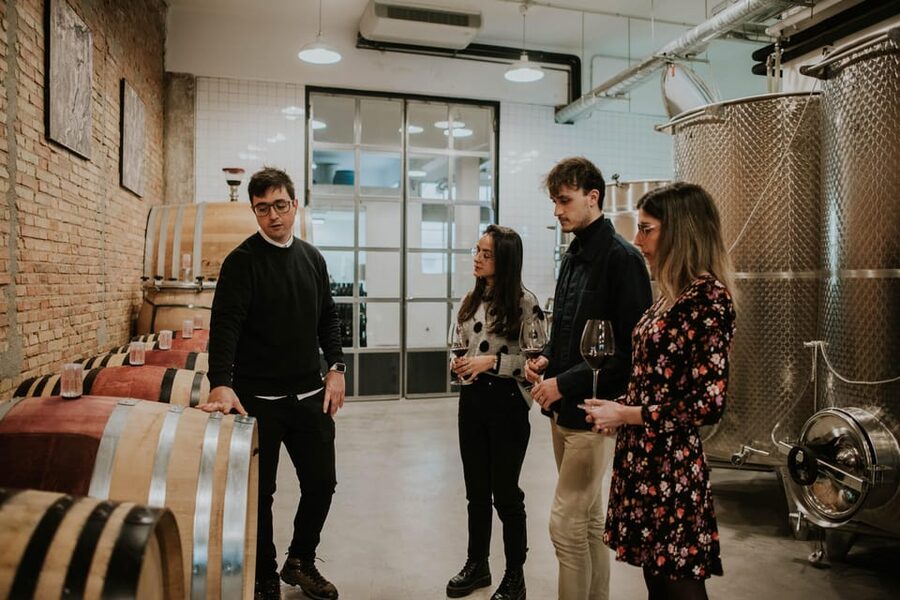
The tasting is the main event for many people, and the format gives you a useful progression through the project. You sample four wines:
- The Monte Gatun municipal wine
- Two varietal wines
- An exclusive parcel wine
The sequence moves from a broader municipal expression toward wines tied more closely to grape type and a particular plot. That makes the tasting more instructive than simply pouring four unrelated glasses. You can compare how the project presents its local wine culture through different levels of focus.
The parcel wine is saved as the final wine, so it works as the tasting’s high point. It represents a more specific expression of one vineyard area rather than a general regional style. The guide can connect that glass back to the earlier discussion of old plots, traditional grapes, and respectful farming.
Arizcuren wines are served in more than 30 Michelin-starred restaurants, a detail that signals their place in the fine-dining market. It should not be treated as a promise that every bottle will suit your taste, but it does help explain the project’s ambition and quality positioning.
I would pay close attention during the first part of the visit, even if you mainly booked for wine. The tasting becomes more meaningful when you know the difference between the municipal wine, the varietals, and the parcel bottling. You are given a framework for comparing them instead of being asked to judge four glasses without context.
The tasting is guided in Spanish or English. The guide’s delivery matters here. Oscar has been singled out for being clear and precise, and that is exactly what you want when discussing grapes, ageing, and differences between wines. Wine language can become foggy fast. A good explanation should help you notice more without making the experience feel like a classroom test.
Regional food and the choice of tasting time
The food pairing changes according to the starting time. Visits at 10:30 and 13:00 include the four wines with the project’s organic olive oil, Iberian pork loin, regional sausages, and bread from a wood-fired oven.
That is a modest but well-matched set of foods. Olive oil lets you taste the product on its own, while pork loin, sausages, and bread bring salt, fat, texture, and familiar regional flavors to the table. These are not decorative snacks. They give you something substantial enough to make the tasting feel like part of a meal rather than four isolated pours.
The later sessions, listed at 16:30 or 17:00, offer a tasting with truffles from the wine project. That pairing gives the later visit a different tone and may appeal to you if you want a more specialized food match.
The food schedule is worth checking before you choose a time. If you specifically want the olive oil, Iberian pork loin, sausages, and wood-fired bread, select one of the morning or early afternoon options. If truffles sound more appealing, choose the late afternoon slot if available.
The information does not specify the quantity of food served, so I would not plan on this replacing a full meal. Think of it as a carefully chosen accompaniment to the tasting. If you are hungry, especially at the 10:30 or 16:30 start, plan your meal around the 90-minute visit.
Same wine country, a different day out:
- From Fuerteventura: Lanzarote Volcano and Wine Region Tour
★ 4.4 · 1,220 reviews - Montserrat Full Day Tour with Farmhouse Lunch and Winery Visit
★ 5.0 · 1,068 reviews - Montserrat & Winery Visit Tour with Traditional Farmhouse Lunch
★ 4.5 · 1,035 reviews - From Barcelona: Penedés Vineyards Tour by 4WD w/Wine & Cava
★ 4.8 · 808 reviews
Why the 10-person group limit matters
With no more than 10 participants, the experience should feel more personal than a large winery presentation. A small group gives you a better chance to hear explanations in the production rooms and ask about the wines, grapes, or ageing vessels.
The group size also suits the subject. This is a project built around specific vineyards and a focused wine-making style, so a quiet presentation works better than a crowd moving quickly from room to room. You can give proper attention to the differences between barrels, amphorae, and concrete tanks.
The guide language is Spanish and English. If you need the English tour, confirm the available language when you book. The activity is also listed as wheelchair accessible, which is useful for visitors who need an accessible format, though it is still sensible to confirm any personal access requirements in advance.
The experience lasts 1.5 hours. That makes it easy to fit into a day in Logroño, but it also means the visit has a set rhythm. You will not have unlimited time for long vineyard walks or an extended tasting. The benefit is a compact, organized introduction that covers the main parts of the project without taking over your day.
What the guide adds to the visit
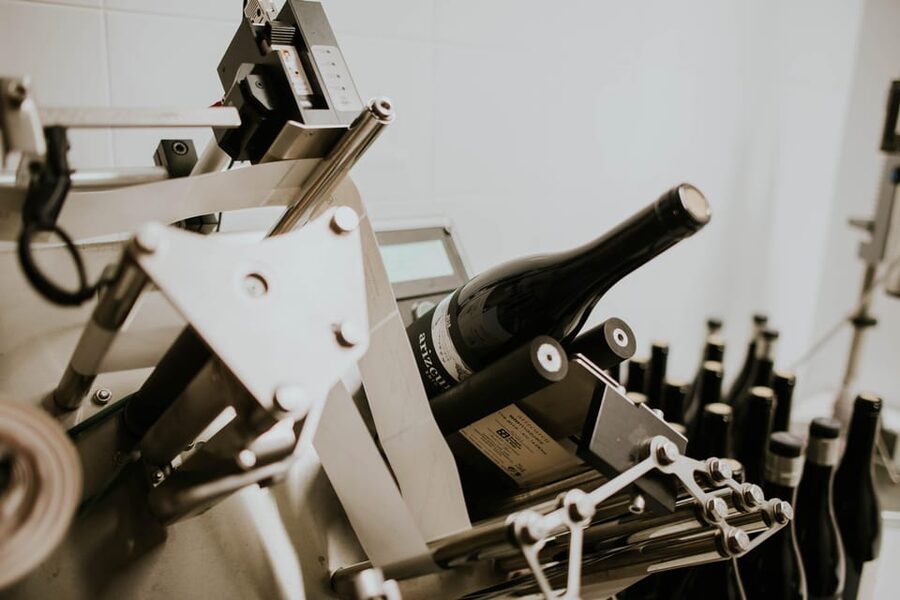
The wines and cellar equipment are important, but the guide shapes how much you take away. Oscar has been praised for clear, precise explanations and for showing obvious enthusiasm for the winery and its work.
That combination is useful. Precision helps you understand the technical side, while enthusiasm keeps the visit from feeling like a list of production facts. You want enough detail to understand why a wine was made in a particular way, but you also want the person leading the visit to care about the result.
The guide’s role is especially important in the vineyard introduction. The old plots, traditional grape varieties, and sustainable farming practices are not always visible in a single room. They need to be explained and connected to the wines in your glass.
I would ask questions if you have them. The group is small, the visit is led by someone connected with the winery, and the format is better suited to conversation than a self-guided tasting. You might ask how the two varietal wines differ, what makes the parcel wine distinctive, or why the project uses several types of ageing vessels.
Price, value, and buying wine afterward
At $40 per person, this is not the cheapest way to drink Rioja. It is also more than a quick tasting at a bar. The price includes a 90-minute guided visit, vineyard and wine-culture context, access to the urban winery, four wines, and food pairings.
I consider the price reasonable if you want an educational winery visit rather than only a drink. The small group and specialist focus add value, as does the chance to taste a parcel wine alongside the municipal and varietal bottlings. You are paying for explanation and access to a working project, not just the liquid in the glasses.
The value is lower if you already know Arizcuren’s wines well or if you are looking for a broad survey of Rioja producers. Four wines from one project provide depth, not variety across the region. You will learn how Arizcuren works, but you will not compare several wineries or a wide range of Rioja styles.
The tasting can also lead to wine purchases. One visitor bought wine to take home after the visit, which makes sense if a particular bottle suits you. Since the wines are served in Michelin-starred restaurants, you may find the tasting useful for identifying bottles you would otherwise encounter only on a high-end restaurant list.
Who should book this Rioja winery experience
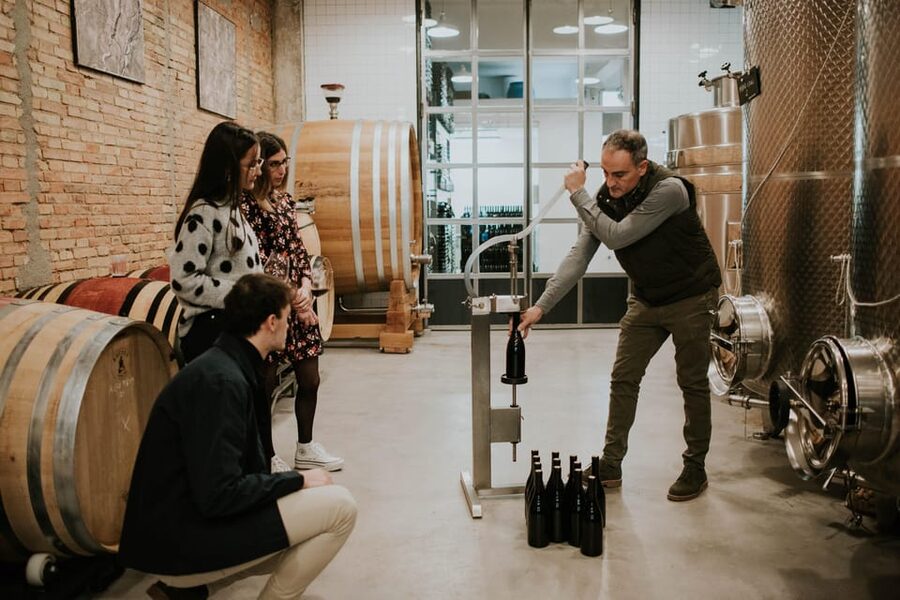
I would choose Arizcuren for a wine drinker who wants to understand the link between old vineyards, local grapes, and production choices. It is also a good fit for anyone who prefers small groups and direct contact with a winery team.
The experience suits:
- Wine lovers who want a focused Rioja Oriental visit
- People curious about barrels, amphorae, and concrete tanks
- Visitors with a free 90-minute window in Logroño
- Couples or small groups who prefer a quiet, guided tasting
- Anyone who values local food pairings with wine
- Visitors who want an English-language wine explanation
I would be more cautious if your main goal is a long walk through vineyards, a full meal, or a tour of several wineries. The experience discusses the vineyard setting and old plots, but the center of the visit is the urban winery and tasting.
Also remember that the activity is non-refundable. Check the date, starting time, language, and food pairing before confirming. The available times determine whether you receive the olive oil and regional food selection or the truffle pairing.
Should you book Arizcuren Winery?
Book it if you want a compact but serious introduction to one Rioja Oriental project. The best reasons are the old-vineyard context, the small group, the unusual urban cellar, and a four-wine tasting that moves from a municipal wine to a special parcel bottling.
I especially like that the experience explains the past and present of local wine culture instead of treating tasting as a stand-alone event. Oscar’s clear presentation is another strong point, and the regional food pairings give the glasses some place and purpose.
Skip it if you want sweeping rural scenery, a large estate, or a full-day wine route. For everyone else, $40 buys a well-focused hour and a half with enough background to make the wine taste more interesting, which is exactly what a good winery visit should do.
FAQ
Where does the Arizcuren Winery experience take place?
The experience takes place in Logroño, in Spain’s Rioja region, and focuses on the Arizcuren urban winery and the vineyard setting of the Sierra de Yerga in Rioja Oriental.
How long does the visit last?
The visit lasts 1.5 hours, or 90 minutes.
How many wines are included?
You taste four wines: the Monte Gatun municipal wine, two varietal wines, and an exclusive parcel wine.
What food is included with the tasting?
At 10:30 and 13:00, the tasting includes organic olive oil, Iberian pork loin, regional sausages, and bread from a wood-fired oven. At 16:30 or 17:00, the tasting is paired with truffles.
Is the tour available in English?
Yes. The live guide is available in Spanish and English.
How large is the group?
The experience is limited to 10 participants.
Is the activity wheelchair accessible?
Yes, the activity is listed as wheelchair accessible.
What is the cancellation policy?
The activity is non-refundable.
Just added around Spain
- Tour Lanzarote South with Winery Visit★ 5.0 · 4 reviews
- Taste Tradition 4 Wineries and Tapas Bar★ 5.0 · 21 reviews
- Vineyards of La Geria hiking tour★ 5.0 · 69 reviews
- Lanzarote E-Bike Tour: Volcano Craters & Scenic Vineyards★ 5.0 · 28 reviews
- Visit Bodegas Teneguía winery in La Palma with wine Tasting★ 4.5 · 43 reviews
- Canarian Wine Experience at Bodega los Lirios★ 5.0 · 67 reviews
- Winery Tour, Wine Museum, and Tasting in Gran Canaria★ 5.0 · 35 reviews
- Banana Museum, Rum Distillery & Winery guided tour with tasting★ 5.0 · 12 reviews
Spain Vineyard Tours, compared.
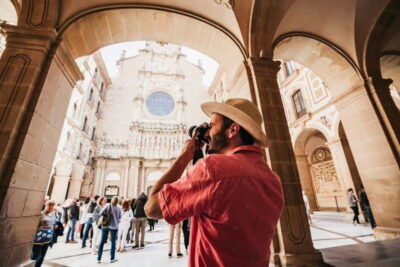
Montserrat, Cogwheel, Black Madonna & Winery Tour
Read our review →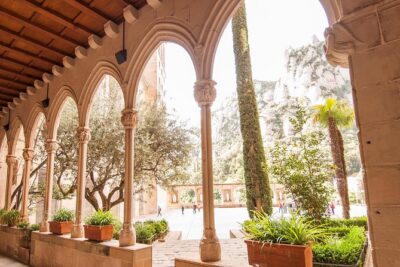
Montserrat with Black Madonna & Medieval Winery with Tapas/Lunch
Read our review →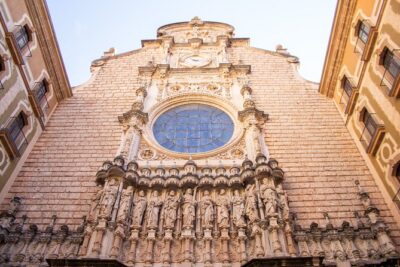
Montserrat Full Day Tour with Farmhouse Lunch and Winery Visit
Read our review →
Montserrat & Winery Visit Tour with Traditional Farmhouse Lunch
Read our review →
Madrid Countryside Wineries Guided Tour with Wine Tasting
Read our review →
Bodegas Fundador Guided Tour with Tasting Session
Read our review →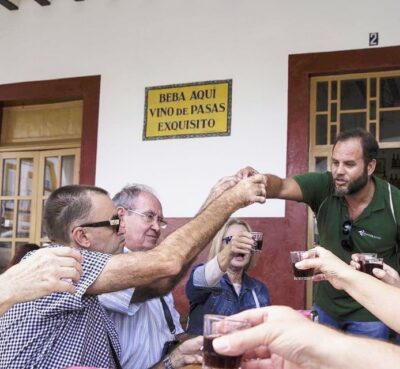
Browse the lists this tour appears in