
REVIEW · SPAIN
La Palma: Bodegas Teneguia Winery Tour with Wine Tasting
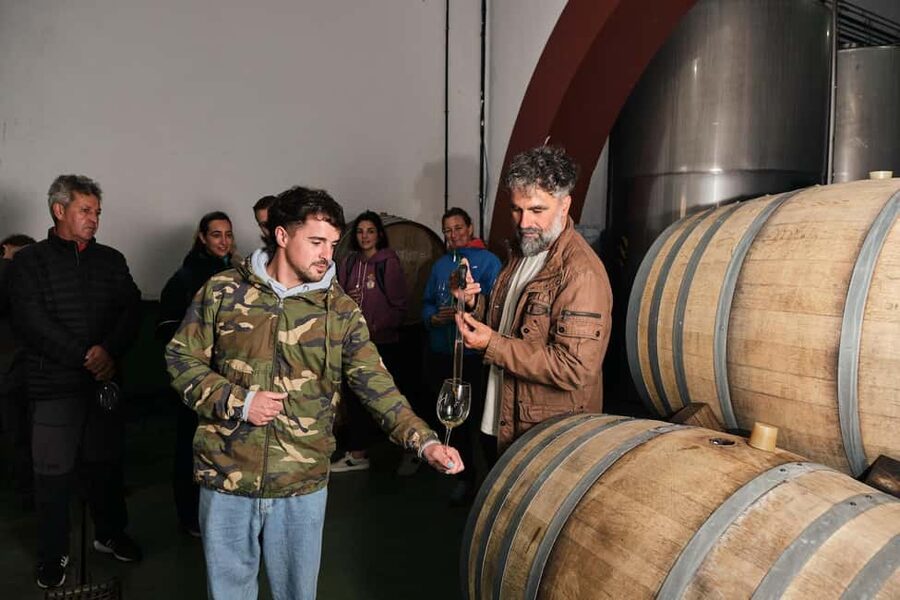
Bodegas Teneguía gives you a close look at La Palma’s volcanic-soil wine culture, from grape harvest to bottle. You’ll walk through the working cellar, see oak barrels and unusual cement tanks built in 1945, then taste wine with vineyard views nearby.
I like the tour’s low $17 price and its focus on real production rather than a polished tasting-room show. I also like that the English-speaking guide explains practical steps such as destalking and pressing. The main catch is the timing: a visit advertised as one hour has sometimes stretched to about two hours, especially with a large bilingual group.
Key points to know before you book
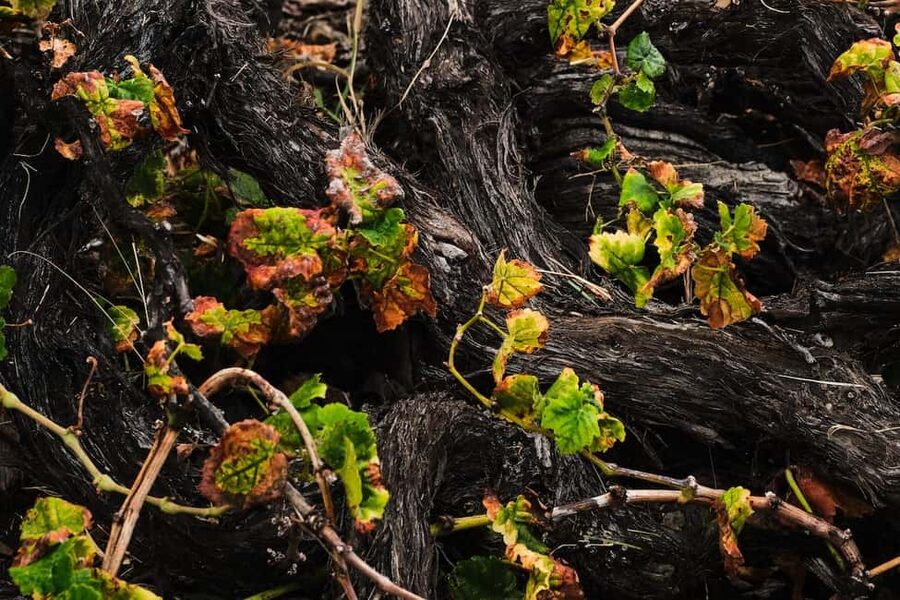
- Volcanic vineyards in Fuencaliente: Learn how vines are cultivated in one of La Palma’s best-known wine areas.
- Historic cement tanks from 1945: The aging area includes old cement warehouses alongside oak barrels.
- Two-language guiding: The tour is offered in English and Spanish, but explanations may be repeated for both language groups.
- Wine tasting at the end: Expect a tasting of two wines, one white and one red, rather than a large flight.
- No transport included: You must make your own way to Llanovid S. C. L. Bodegas Teneguía.
- Good value, with a time warning: The price is modest, but a large group or bilingual presentation can make the visit longer than planned.
Why Bodegas Teneguía matters in Fuencaliente
Bodegas Teneguía is in Fuencaliente, a municipality known for viticulture in the south of La Palma. The winery has operated for more than 70 years, giving the visit a useful sense of continuity. You are not just tasting a drink at a shop. You are seeing how local grapes move through an established production site.
The volcanic setting is central to the story. The tour explains how the vines are grown in volcanic soil and how that raw material becomes wine. You should not expect a long walk through the vineyards, but the surrounding views and the explanation of local cultivation help connect the bottle with its place of origin.
I like this setting for anyone who wants a short cultural stop while exploring La Palma. The visit has enough technical detail to interest wine drinkers, yet it does not require you to know much about wine before arriving.
The winery is also a practical choice for a quick stop because the advertised visit lasts one hour and returns you to the same starting point. Still, plan with some flexibility. A bilingual tour can take longer than the stated duration, and one large group reported a visit of roughly two hours.
More Winery Tours in Spain
- Barcelona: Montserrat, Cogwheel, Black Madonna & Winery Tour
★ 4.8 · 5,633 reviews - Montserrat Full Day Tour with Farmhouse Lunch and Winery Visit
★ 5.0 · 1,068 reviews - Montserrat & Winery Visit Tour with Traditional Farmhouse Lunch
★ 4.5 · 1,035 reviews
Starting in the reception hall
The tour begins at the winery’s reception hall. This is where the guide introduces the company and explains the basic wine-making process. You’ll hear about the grapes, the harvest, and the materials used to turn fruit into wine.
The early part of the tour is useful because it gives you a simple map of what comes next. You learn how the grapes are destalked and pressed, and how the raw juice moves toward fermentation. These are ordinary-sounding steps, but seeing where they happen makes the process easier to understand.
The guide speaks English and Spanish. That is helpful for mixed-language groups, especially if you want a clear explanation of the production methods. The tradeoff is time. The same information may be given twice, once in each language, so the tour can feel slow if you understand both.
For a better visit, listen for the practical details rather than waiting for a grand performance. This is a production tour, not a theatrical presentation. The appeal is in seeing the equipment and understanding the work behind the bottle.
From destalking and pressing to fermentation
The next part focuses on what happens to the grapes after harvest. You’ll learn how the grapes are destalked and pressed, as well as what materials are used during wine production.
This section gives the tour its strongest educational value. A tasting by itself tells you what is in your glass. The cellar explanation tells you why the winery handles the grapes in a particular way. If you are new to wine, it also helps separate terms that can otherwise blur together.
The description of grape cultivation is especially relevant in Fuencaliente. Growing vines in volcanic soil is not presented as a decorative detail. It is part of the winery’s identity and a key reason this stop feels tied to La Palma rather than interchangeable with a winery anywhere else in Spain.
Do not expect a full technical course. The visit is short, and the information is designed for a general audience. You will get an overview of the route from grape to bottle, not a detailed lesson on every fermentation variable or vineyard practice.
The 1945 cement warehouses and oak barrels
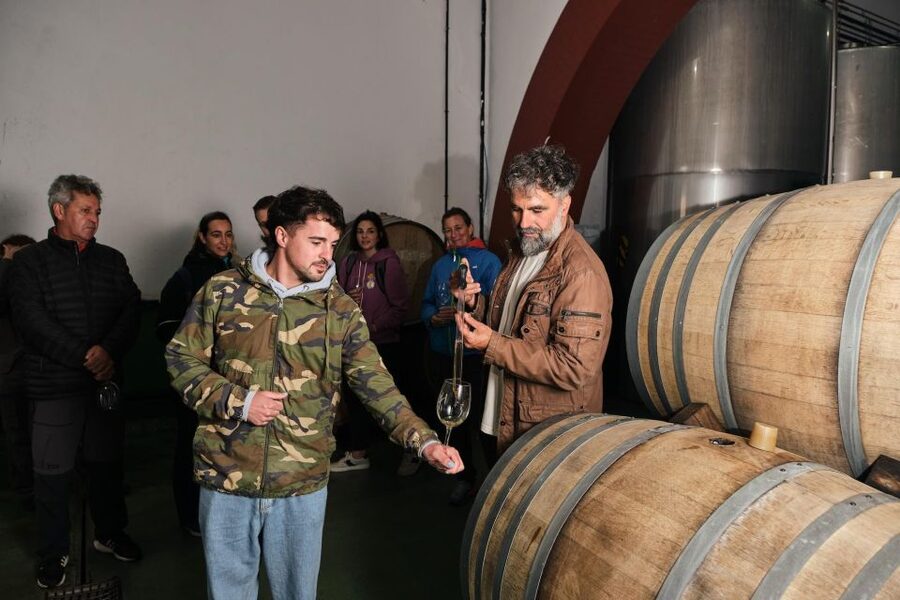
The aging rooms are the most distinctive part of the visit. Oak barrels line the room, while several cement warehouses built in 1945 show an older side of the winery’s production history.
I find this more interesting than a standard modern cellar. Oak barrels are familiar to most wine drinkers, but the old cement tanks give you something unusual to look at. They also show that wine-making facilities can preserve older methods while continuing to produce wine today.
The room is a working cellar, so the experience is about observation rather than comfort. You may spend much of the tour standing, and there is no stated seating break. One account described standing for close to two hours when the visit ran long. Wear comfortable shoes and clothes, as requested, and keep that possibility in mind if you have trouble standing for long periods.
The aging area also explains what happens after fermentation. Wine rests here before bottling, and the barrels help you picture that slower stage of production. The cement warehouses are a strong visual reminder that the winery’s story is not limited to the final tasting table.
Same wine country, a different day out:
- Montserrat with Black Madonna & Medieval Winery with Tapas/Lunch
★ 5.0 · 5,209 reviews - Toledo Tour & Vineyard Walk with Wine Tasting from Madrid
★ 5.0 · 2,546 reviews - From Fuerteventura: Lanzarote Volcano and Wine Region Tour
★ 4.4 · 1,220 reviews - From Barcelona: Penedés Vineyards Tour by 4WD w/Wine & Cava
★ 4.8 · 808 reviews
The bottling area and final tasting
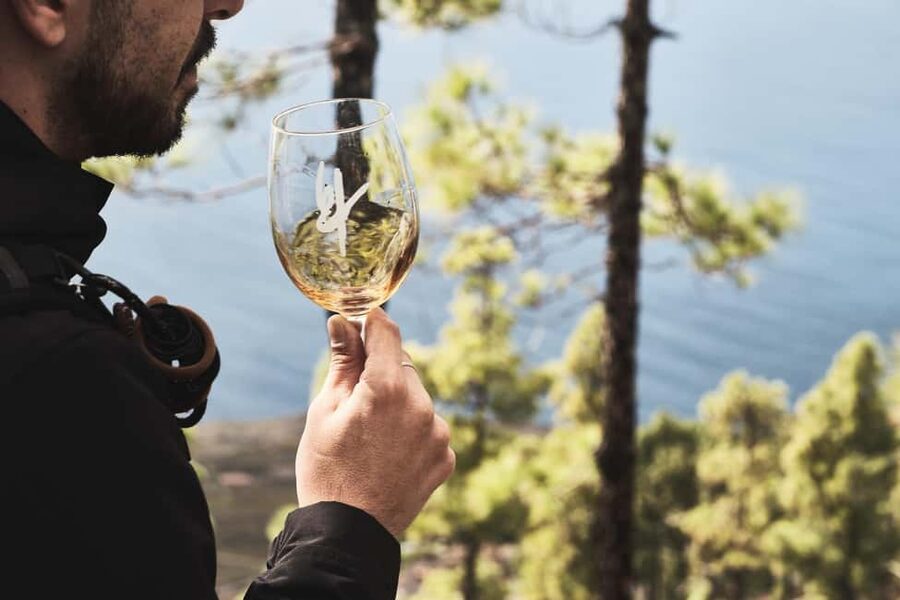
The tour ends in the bottling area, followed by a tasting of the winery’s better-quality wines. This final step gives you a chance to connect the earlier explanation with the finished product.
The tasting is modest. You should expect two wines, one white and one red, rather than a broad selection. That may disappoint serious wine enthusiasts who want to compare several vintages, styles, or aging methods. For $17, though, the tasting remains a fair addition to the cellar tour.
You can enjoy a glass while taking in views of the vineyards, and the setting adds something that a tasting counter alone would not provide. The visit is strongest when you treat the tasting as the conclusion to the production story, not as the entire reason to come.
A bottle shop or point of sale allows you to buy wines you have tasted. This is useful if you find a favorite and want to take home a direct reminder of La Palma. Additional drinks and meals are not included, so do not arrive expecting a full food-and-wine pairing.
One detail may frustrate curious wine fans: the guide may explain a wine that is not part of the tasting. That can make the final presentation feel more like a sales explanation than a full sampling of the range.
What $17 gets you
At $17 per person, the tour is priced as an accessible introduction to Bodegas Teneguía. You receive a guided winery visit, an English and Spanish guide, a tasting, and the chance to buy bottles afterward.
I consider that good value if you want a compact stop with genuine production details. The old cement warehouses, oak barrels, and explanation of volcanic-soil cultivation give you more than a simple pour at a shop.
The value changes if you are seeking an extensive tasting. Two wines is a small number, and there is no meal or broader beverage package. Wine specialists may find the tasting too limited, particularly if they have visited large wine regions with several cellar stops and many samples.
Your time also affects the price. A one-hour visit fits neatly into a day of sightseeing. A two-hour visit can feel less efficient, especially if you only planned a quick stop or must drive onward. The bilingual format and group size appear to be the main reasons the visit can stretch.
Group size, language, and pace
The experience is offered in English and Spanish, which makes it practical for mixed groups. The guide can explain the process in both languages, but the structure may involve repeating each section. If you understand both languages, you may hear the same material twice.
A group of about 30 people has been reported, and that size can change the feel of the tour. In a smaller group, you would likely have an easier view of the equipment and more room to hear the guide. In a larger group, the walk through the cellar may feel more controlled and less personal.
The guide’s work is an important part of the visit. Strong guidance can turn a basic production walk into a useful lesson, and one recent booking praised the guide’s quality and called the tour excellent value. Since guide names are not provided, you should not book expecting a particular individual.
If you prefer a quiet, unhurried cellar visit, ask about the day’s group size and language arrangement when possible. If you simply want a clear introduction to the winery, the bilingual setup should be manageable, provided you allow extra time.
Planning your arrival in Fuencaliente
You must arrange your own transportation to and from Llanovid S. C. L. Bodegas Teneguía. The tour does not include transfers, so check your route before booking and leave enough time to find the winery.
The starting point and return point are the same, which keeps the plan simple once you arrive. The stated duration is one hour, and starting times depend on availability. In practice, I would avoid placing a tight appointment immediately afterward.
There has also been an instance of an arrival when the winery was closed around Three Kings, on January 6. This is a useful warning to confirm operating arrangements around Spanish public holidays before setting out, particularly if you are driving a distance to Fuencaliente.
Comfortable shoes matter more than dressy clothes. You will walk through cellar areas and may remain on your feet throughout the visit. Comfortable clothing is sensible, especially if the group is large or the tour runs longer than planned.
Free cancellation is available up to 24 hours in advance for a full refund, and you can reserve now and pay later. Those terms help if your La Palma schedule is still shifting, but they do not replace checking the exact opening time before you drive over.
Who will enjoy this winery tour
I would recommend Bodegas Teneguía to you if you want a short, affordable introduction to La Palma’s wine culture. It suits casual wine drinkers, couples adding a food or drink stop to a day out, and anyone curious about how volcanic-soil grapes become bottled wine.
It is also a good match for visitors who value physical places over polished entertainment. The cement warehouses from 1945 and the working production rooms give the tour a sense of substance.
You may want to choose another wine activity if your priority is a large tasting, a quiet small-group session, or a seated visit. The two-wine tasting is limited, and the bilingual format can lengthen the tour. Anyone who dislikes standing should also plan carefully.
Families and mixed-interest groups may find the one-hour format useful, though the guide’s explanations focus on wine production. People who do not drink can still see the cellar, but the tasting is naturally the main reward at the end.
Should you book Bodegas Teneguía?
Book it if $17 feels like a fair price for a cellar visit plus two wines, and you are interested in La Palma’s local wine-making rather than a large tasting menu. The volcanic soil, old cement tanks, oak barrels, and bottling area give the visit clear local character.
Go in with realistic expectations. This is not a half-day winery circuit, and it is not a polished tasting of many bottles. It can also take longer than one hour, particularly when one group hears the tour in both English and Spanish.
I would reserve it as a flexible stop, confirm the opening time around holidays, wear comfortable shoes, and avoid scheduling anything immediately afterward. With that approach, Bodegas Teneguía offers a useful look at Fuencaliente wine-making and a reasonably priced taste of the finished product.
FAQ
Where does the Bodegas Teneguía tour begin?
The tour begins at Llanovid S. C. L. Bodegas Teneguía in Fuencaliente, La Palma.
How long does the tour last?
The stated duration is one hour, though the visit can take longer when explanations are given in both English and Spanish or when the group is large.
What languages are available?
The live guide offers the tour in English and Spanish.
Is transportation included?
No. You must arrange your own transportation to and from the winery.
What does the tour include?
It includes a guided tour of Bodegas Teneguía, an English and Spanish guide, a wine tasting, and the chance to purchase wines at the winery.
How many wines do you taste?
The tasting includes two wines, one white and one red.
Can I buy wine after the tasting?
Yes. The winery has a point of sale where you can purchase wines you tasted during the visit.
What should I wear or bring?
Bring comfortable shoes and wear comfortable clothes. Much of the visit may take place on foot.
Can I cancel the booking?
You can cancel up to 24 hours in advance for a full refund. The reserve-now, pay-later option is also available.
More Food and Drink Experiences in Spain
- Madrid Countryside Wineries Guided Tour with Wine Tasting
★ 5.0 · 740 reviews - Jerez: Bodegas Fundador Guided Tour with Tasting Session
★ 4.8 · 714 reviews - Jerez: Guided Winery Tour with Wine Tasting
★ 4.4 · 636 reviews - Montserrat,Vineyard, Wine Tasting Small Group Tour & Hotel Pickup
★ 5.0 · 513 reviews
Just added around Spain
- Tour Lanzarote South with Winery Visit★ 5.0 · 4 reviews
- Taste Tradition 4 Wineries and Tapas Bar★ 5.0 · 21 reviews
- Vineyards of La Geria hiking tour★ 5.0 · 69 reviews
- Lanzarote E-Bike Tour: Volcano Craters & Scenic Vineyards★ 5.0 · 28 reviews
- Visit Bodegas Teneguía winery in La Palma with wine Tasting★ 4.5 · 43 reviews
- Canarian Wine Experience at Bodega los Lirios★ 5.0 · 67 reviews
- Winery Tour, Wine Museum, and Tasting in Gran Canaria★ 5.0 · 35 reviews
- Gran Canaria Premium Tour: Volcanoes and Wine for cruisers★ 5.0 · 16 reviews
Spain Vineyard Tours, compared.
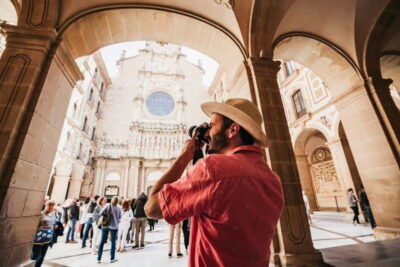
Montserrat, Cogwheel, Black Madonna & Winery Tour
Read our review →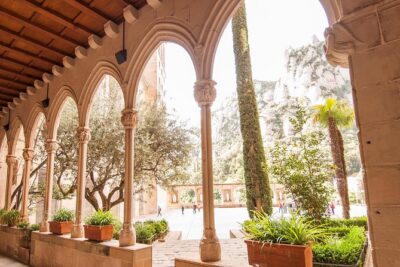
Montserrat with Black Madonna & Medieval Winery with Tapas/Lunch
Read our review →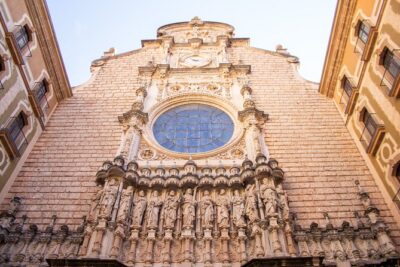
Montserrat Full Day Tour with Farmhouse Lunch and Winery Visit
Read our review →
Montserrat & Winery Visit Tour with Traditional Farmhouse Lunch
Read our review →
Madrid Countryside Wineries Guided Tour with Wine Tasting
Read our review →
Bodegas Fundador Guided Tour with Tasting Session
Read our review →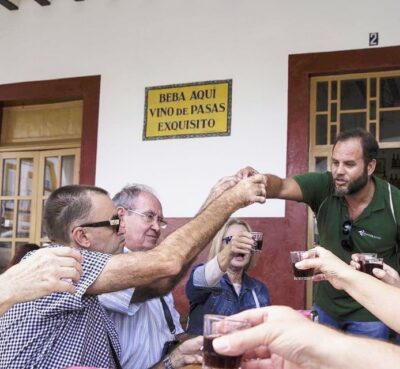
Browse the lists this tour appears in