
REVIEW · ARGENTINA
From Salta: Local Landscape, Winery, and Culture Tour
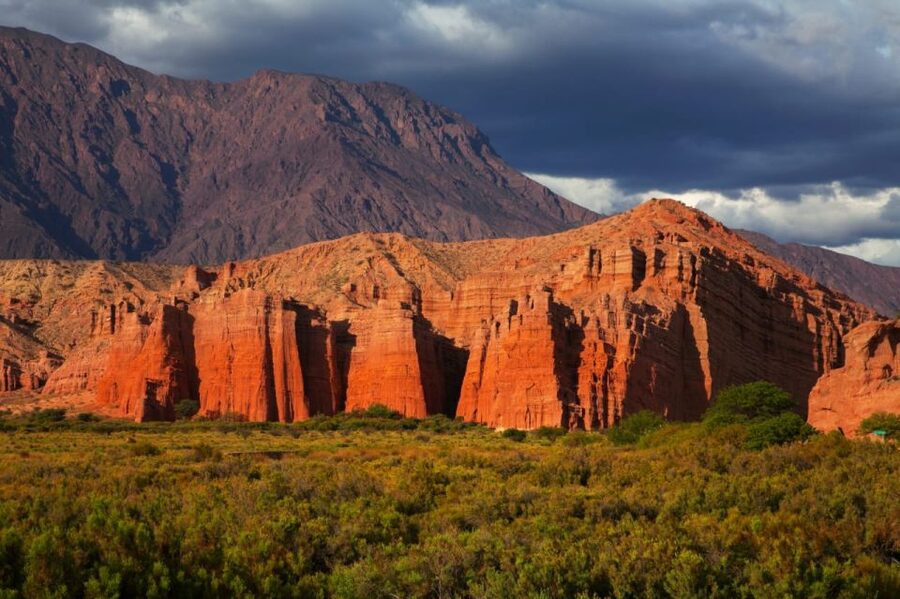
The salt flats of Salinas Grandes and the red-rock walls of La Quebrada de las Conchas give this four-day tour its big visual punch. Between them, you cross cactus country, high Andean passes, old trade routes, and small towns where local life still centers on a church plaza and market stalls.
I like the way the tour mixes scenery with culture rather than chasing viewpoints alone. I also like the built-in winery visit in Cafayate, where you can taste Torrontés, Argentina’s own aromatic white wine. The main drawback is the amount of time in the van, including about two hours on rough dirt roads and another two hours on the highway on the return.
Key points to know before booking
- Four separate touring days: You choose the dates, but the order of the excursions can change according to the agency’s schedule.
- Cafayate adds wine to the red-rock scenery: The winery visit includes several Argentine wines and a chance to try Torrontés.
- Salinas Grandes requires patience: The salt flats are striking, but reaching them means a long ascent and extended road time.
- Purmamarca is a shopping stop with real character: Its craft stands, adobe-style streets, church, and Hill of 7 Colors make it one of the most rewarding bases for exploring.
- Cachi gives you a slower afternoon: You have free time for colonial streets, the central church, a museum, lunch, and souvenir shopping.
- The roads are part of the experience: Cuesta del Obispo and Cuesta del Lipan offer dramatic views, but the ride may be uncomfortable for anyone with back problems.
What this four-day Salta tour actually covers
At $130 per person, this is a low-cost way to link several major sights across Salta Province and neighboring Jujuy. The price includes downtown hotel pickup and drop-off, an air-conditioned minivan, a certified bilingual guide, and entry to a winery.
Lunch is not included. That keeps the price down and gives you some freedom in Cachi, Purmamarca, Tilcara, and other stops, but you should budget for meals each day. The tour is best understood as four full-day outings from Salta rather than one continuous four-day trip with hotels.
Your guide speaks English and Spanish and handles the route, stops, and local background. The guides on this service are known for being competent and kind, which matters on long drives where clear instructions and a calm manner make a real difference.
Pickup begins within 40 minutes after your chosen starting time, so be ready at your downtown hotel. Exact start times depend on availability. The order of the days may also change, so keep some flexibility if you are arranging other plans in Salta.
A few more vineyard days around Argentina worth a look
- From Mendoza: 3 Wineries, Olive Oil Factory Tour & Tasting
★ 4.6 · 901 reviews - Buenos Aires: Wine Tasting and Lunch at Bodega Gamboa
★ 4.8 · 177 reviews - Mendoza: Top Wineries Guided Tour with Transportation
★ 4.8 · 99 reviews
Day one: red walls, Devil’s Throat, and Cafayate wine
The first outing heads south through the Lerma Valley. Farms and tobacco plantations give way to drier country as you pass Alemania and approach La Quebrada de las Conchas, one of the most striking road corridors in the region.
The rock formations here have been shaped into bold colors and unusual forms. Devil’s Throat is a dramatic cleft in the red stone, while the formation known as the Parrots’ House shows how erosion can create shapes that look almost planned. You will have chances to stop and take in the views, though the exact timing depends on the day’s traffic and route.
This is a good day for anyone who likes changing scenery. The route begins with cultivated fields, then shifts toward dry red cliffs and open valleys. You are not seeing the same type of view for hours at a time. The scenery keeps changing as the road runs toward Cafayate.
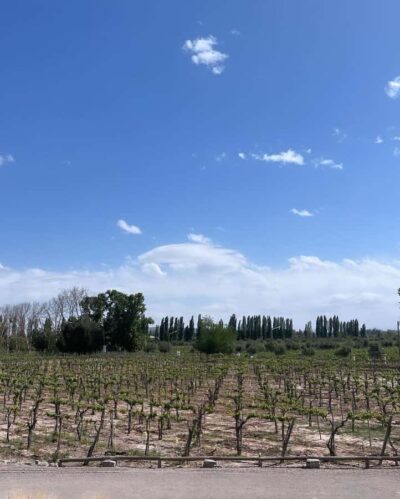
The winery visit gives the day more depth. You learn about the local wine industry and taste several wines, with Torrontés as the key local specialty. This white grape is closely associated with Argentina, and trying it in the province that produces it gives the tasting a clear sense of place.
The winery is included, but any additional food or purchases are not specified as part of the price. If you enjoy wine, this stop adds real value. If you do not drink, the red-rock route remains the main reason to choose this day.
The drive back to Salta follows a different visual mood from the outward journey. By the end of the day, you will have spent a long time on the road, so wear clothes that are easy to sit in and keep your camera handy for changing light on the return route.
Day two: Cuesta del Obispo, cactus country, and Cachi
The second excursion takes Provincial Route 33 toward the Escoipe River gorge and Los Laureles. The road then climbs the famous Cuesta del Obispo, a winding mountain route with wide views and striking rock formations.
This is not a quick transfer between attractions. The road itself is the feature. You will gain altitude through a series of bends before entering Parque Nacional Los Cardones, named for its large number of cardon grande cacti. These tall, branching plants give the high, dry country a distinct look and help explain why the park has its name.
The route rewards patience, but it can test your stomach and your back. The tour information notes roughly two hours on low-quality dirt roads, and this kind of surface can make the ride bumpy. Anyone with back problems should think carefully before booking.
Cachi offers a welcome change of pace. You have free time to explore the town, eat lunch, and walk among colonial buildings. The central plaza and church provide an easy place to start, while a local history museum offers a closer look at the people and events connected with the area.
You can also browse the shops for a souvenir. Cachi is not simply a photo stop on the way to somewhere else. Its smaller scale and colonial character make it one of the days where you can walk without a strict list of sights.
Lunch is on your own, so use the free time according to your interests. You might prefer a relaxed meal, a church visit, a museum, or a slow walk through the streets. Afterward, the group returns to Salta by road.
Day three: Purmamarca, Tilcara, and the Pucara ruins
The third day begins in the direction of Jujuy, with stops connected to the Quebrada de Humahuaca and the Andean communities that have shaped the region’s culture. Purmamarca is the visual star, with the Hill of 7 Colors rising directly behind town.
The town’s main square is lined with craft stands, making it a useful place to look for locally made goods. Shopping is especially worthwhile here if you want textiles, small crafts, or souvenirs tied to the region. The main square can be busy with activity, but the setting beneath the colored hill gives the stop a strong sense of place.
Purmamarca also has a church that matters to local history. You have time for lunch at your own cost and for walking beyond the main square. If you are returning on the fourth day, you may have another chance to see the town, depending on the order of the excursions.
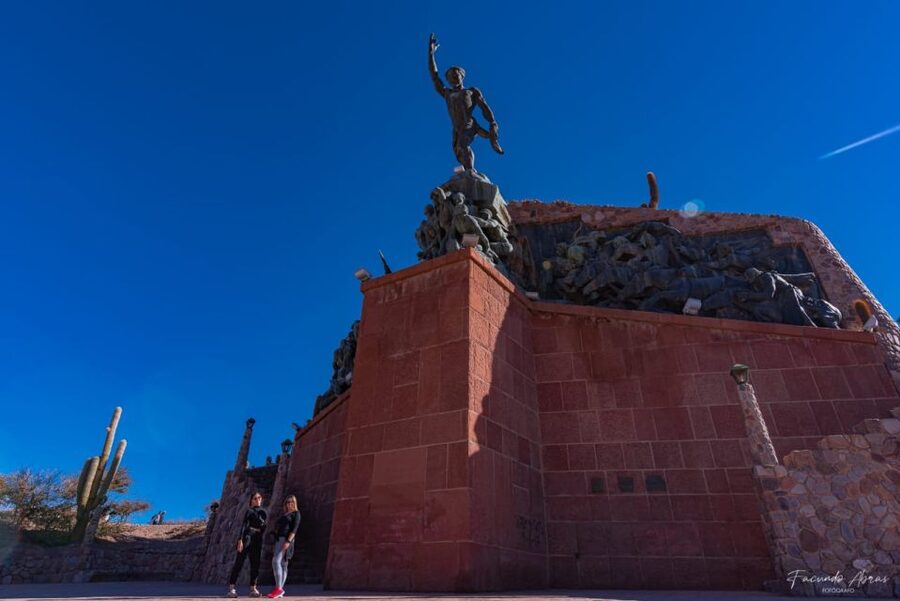
The route continues past the Paleta del Pintor Hill, another colorful mountain formation. You will also see the Monumento de la Independencia and visit a chapel built about 700 years ago. Its gold-covered altar and paintings from the Cusco School are important details, especially if you are interested in the meeting of Andean and Spanish traditions.
A small monument marks the Tropic of Capricorn. It is a modest stop, but it helps place the route geographically as you move through the highlands.
Tilcara brings another kind of cultural stop. Walk toward its main square and church before visiting the Pucara de Tilcara ruins. The site preserves the remains of an earlier settlement, and the museum explains more about the people who lived there.
The ruins are valuable because they put the region’s past in physical form. You are not only looking at a distant mountain or taking a picture in a market. You can see where people built, lived, and organized their community.
The day combines several stops, so do not expect a slow, unstructured visit everywhere. You will cover a lot of ground. That is a strength if you have limited time in northern Argentina, but independent visitors who prefer long museum visits may find the schedule brisk.
Same wine country, a different day out:
- Catena Zapata Winery, Lunch and Private Transportation
★ 4.5 · 77 reviews - Horseback ride through vineyards followed by gourmet lunch
★ 5.0 · 70 reviews - Buenos Aires: Wine Tasting & Lunch at Gamboa Vineyard
★ 4.9 · 17 reviews - Tour of 3 wineries in Maipú with lunch + olive groves
★ 4.9 · 16 reviews
Day four: Humahuaca, Cuesta del Lipan, and the salt flats
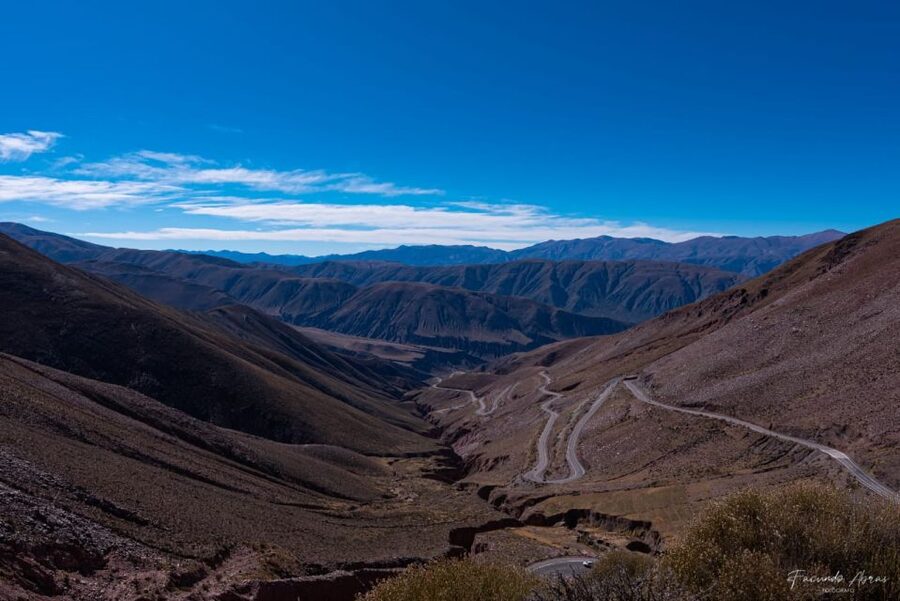
The final outing heads through Volcán and Tumbaya toward the Quebrada de Humahuaca, a UNESCO World Heritage Site and an ancient trade route. The route has been used for thousands of years, linking communities across the Andean region.
You return to Purmamarca, which can be useful if the previous day gave you too little time for its square, church, or craft stands. The stop also includes another chance to see the Hill of 7 Colors, whose bands of mineral color change in appearance with light and distance.
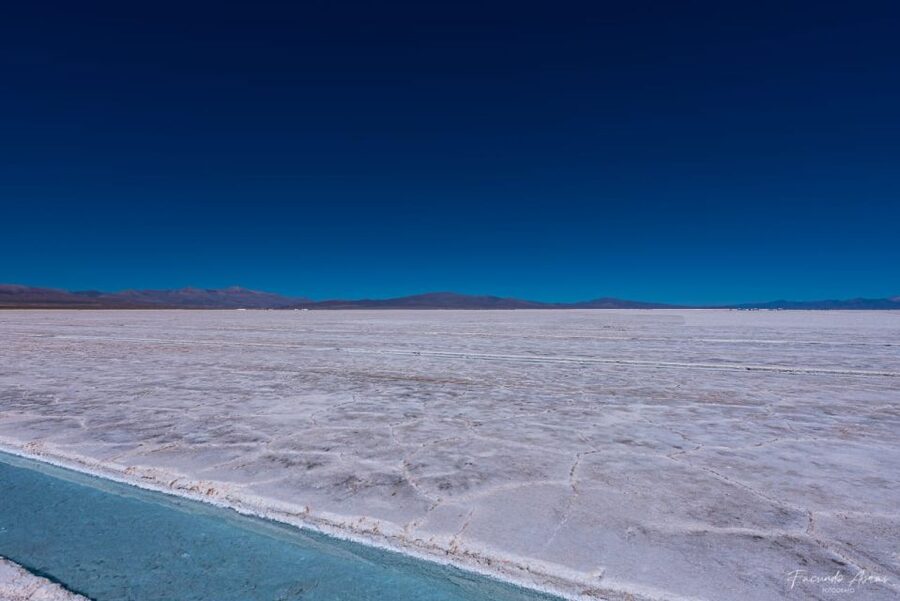
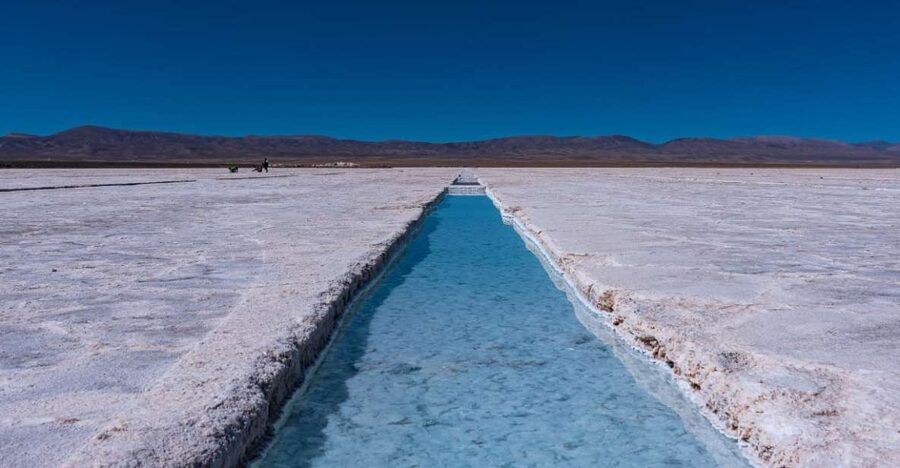
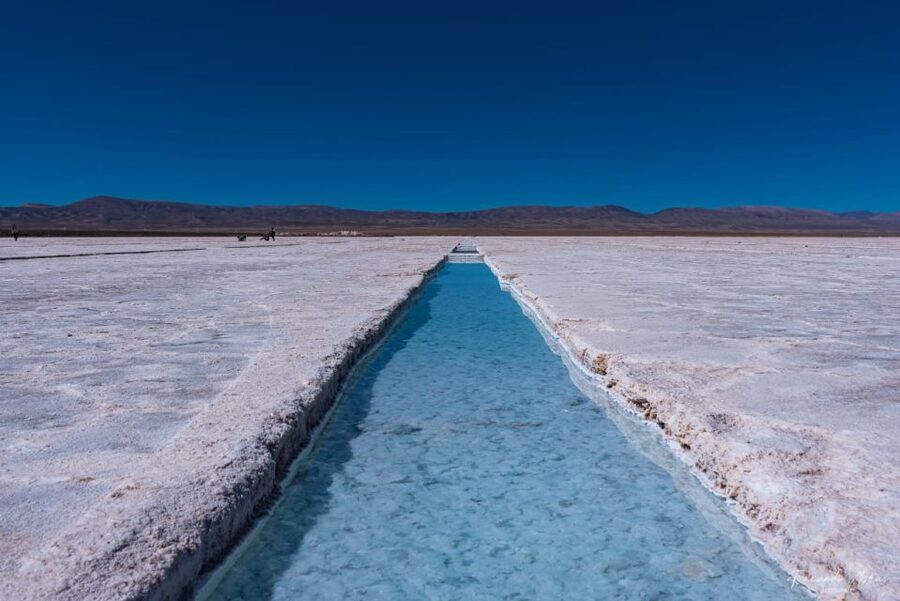
From Purmamarca, the road climbs Cuesta del Lipan toward Salinas Grandes. This is one of the trip’s biggest payoffs, but it comes with a long ride and a change in altitude. The salt flats spread out as a broad, pale surface, with pools and geometric patterns that look very different from the red mountains below.
Salinas Grandes is considered one of the 7 Wonders of the Argentine Republic. You have free time to walk, look across the salt surface, and take photographs. The brightness can be intense, so sunglasses are useful even though they are not listed as required equipment.
The stop is scenic rather than heavily programmed. You are given time to admire the salt plains and pools, not a long list of formal activities. That makes the visit feel open, but you should stay aware of the guide’s instructions and the planned departure time.
Back in Purmamarca, you have time for lunch at one of the traditional restaurants and another look around town before returning to Salta. This fourth day is the clearest example of the tour’s trade-off: impressive scenery in exchange for many hours in the vehicle.
The road time is a real part of the tour
The distances in this part of Argentina are large, and the tour does not hide that fact. About two hours may be spent on lower-quality dirt roads, followed by about two hours on the highway during the return. Other drives also involve winding mountain roads and long stretches between towns.
The air-conditioned minivan helps, especially in a dry climate and on warm days. Still, you should expect a full day rather than a short sightseeing outing. Wear comfortable clothes, bring your passport or ID card, and keep water and personal snacks close by if you prefer not to wait for the next meal stop.
The service is not suitable for people with back problems. Unaccompanied minors are not allowed. Children under two can travel free if they do not need their own seat.
Because this tour uses a minivan, the vehicle gives you a practical way to reach places that would be difficult to connect by public transport. The trade-off is that you have less control over how long you stay at each stop.
Food, wine, and shopping along the route
Lunch is not included, but the schedule gives you chances to eat in Cachi and Purmamarca. This lets you choose a restaurant and spend according to your budget. It also means you should carry some Argentine pesos or confirm accepted payment methods before setting out, since payment arrangements are not specified.
The winery is the only included food-and-drink-oriented stop. You taste several Argentine wines and learn about local production, with Torrontés as the main variety to watch for. The tasting is a pleasant counterpoint to the mountain roads and archaeological sites.
Purmamarca is the strongest shopping stop. Its main square has many craft stands, and it is the place I would save room in my bag for. Cachi also offers shops and souvenirs, but Purmamarca is the better choice if local crafts are high on your list.
Is $130 good value for four days?
For $130 per person, the value is strong if you want to see both Salta and the Jujuy highlands without arranging several private transfers. You get four guided excursions, hotel pickup and drop-off in central Salta, air-conditioned transport, bilingual support, and the winery entry.
The price does not cover lunch, and it does not turn the tour into a private experience. You are following a set route, sharing the minivan, and accepting that the day’s order can change. The best value comes from the number of major areas covered: Cafayate, Cachi, Purmamarca, Tilcara, Humahuaca, and Salinas Grandes.
A person staying only a short time in Salta may find this especially useful. You see a wide section of northern Argentina without losing time figuring out mountain roads and regional transport. Someone with a longer stay and a strong preference for independence might prefer to split the same places into slower, separate trips.
Free cancellation up to 24 hours before departure and the option to reserve now and pay later add some planning flexibility. Pickup may take place within 40 minutes of the selected start time, so do not schedule a tight appointment immediately afterward.
Who should book this Salta experience?
I would choose this tour if you want grand scenery, Andean towns, archaeological sites, and a taste of Argentine wine in one organized package. It suits first-time visitors to Salta who want a broad introduction rather than a single focused day.
It is also a good fit for people who enjoy photography and changing scenery. You get red cliffs, cactus-lined mountain roads, colonial streets, colored hills, salt flats, and high passes across the four outings.
I would hesitate if long rides make you miserable, if you need a very gentle road surface, or if you want to set your own pace at each site. The dirt roads and highway returns are not minor details. They shape the trip.
Should you book it?
Book this tour if your priority is seeing the major sights around Salta and Jujuy with transport and a bilingual guide already arranged. The combination of Cafayate wine, Cachi’s colonial streets, Purmamarca’s crafts, Tilcara’s ruins, and Salinas Grandes gives you a broad and worthwhile look at northern Argentina.
Skip it if you have back problems or strongly dislike full days on winding and rough roads. If you do book, keep your schedule flexible, wear comfortable clothes, bring identification, and leave time in your luggage for something from Purmamarca.
FAQ
How long does the tour last?
The experience lasts four days. Check availability for the starting times.
What languages does the guide speak?
The live guide service is available in English and Spanish.
Is hotel pickup included?
Yes. Pickup and drop-off are included for downtown hotels. Pickup takes place within 40 minutes after your chosen start time, so be ready at your hotel.
Is lunch included?
No. Lunch is not included. You have time to find meals in places such as Cachi and Purmamarca.
What transportation is used?
The tour uses an air-conditioned minivan.
Does the tour visit Salinas Grandes?
Yes. One excursion travels along the Cuesta del Lipan to Salinas Grandes, where you have free time to see the salt plains and pools.
Does the tour include a winery visit?
Yes. Entry to a winery is included, along with a tasting of several Argentine wines. Torrontés is one of the varieties featured.
Can children join the tour?
Children under two years old can travel free if they do not occupy a separate seat. Unaccompanied minors are not allowed.
Can I cancel the booking?
You can cancel up to 24 hours in advance for a full refund. The reserve-now, pay-later option is also available.
Just added around Argentina
- Tour of 3 wineries in Maipú with lunch + olive groves★ 4.9 · 16 reviews
- Olive Oil Factory + Wineries + Full Asado Lunch (Full Day)★ 5.0 · 4 reviews
- Mendoza: Tour with tasting and lunch High Altitude Wineries★ 4.7 · 3 reviews
- Mendoza: Tango Show with Dinner at Hualta Winery Hotel★ 4.6 · 3 reviews
- Mendoza: Small-Group Wineries Tour with Tasting and Lunch★ 4.6 · 9 reviews
- Mendoza’s top wineries ! All Inclusive Private Tours!★ 5.0 · 4 reviews
- Luxury Wine Tasting in Uco Valley/ Boutique Wineries & Asado★ 4.3 · 2 reviews
- Luigi Bosca Winery Tour with Wine Tasting and Lunch★ 4.7 · 4 reviews
Argentina Vineyard Tours, compared.
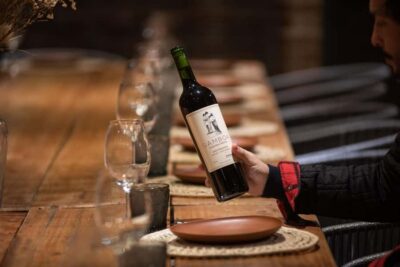
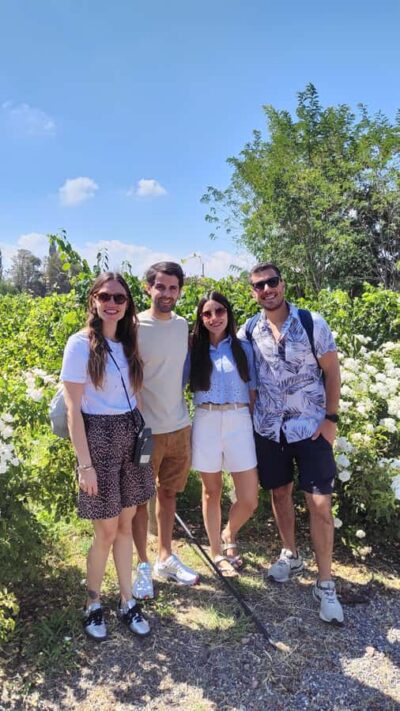
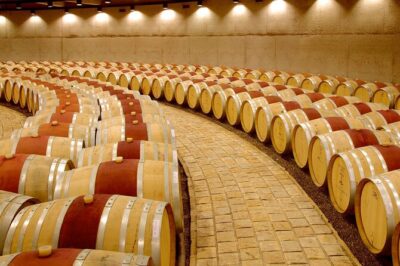
Catena Zapata Winery, Lunch and Private Transportation
Read our review →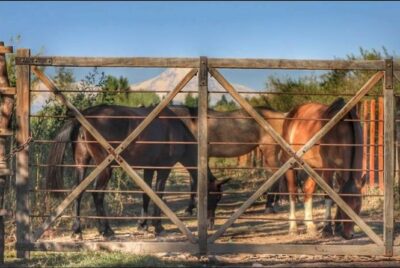
Horseback ride through vineyards followed by gourmet lunch
Read our review →
Tour of 3 wineries in Maipú with lunch + olive groves
Read our review →
Small-Group Wineries Tour with Tasting and Lunch
Read our review →Browse the lists this tour appears in