
REVIEW · MENDOZA
From Mendoza: 3 Wineries, Olive Oil Factory Tour & Tasting
Three wineries, an olive oil factory, and a generous run of tastings make this one of Mendoza’s best-value half-day outings. You move from an artisanal cellar to a larger industrial producer and then to a sweet-wine stop, so you get a useful sense of how different producers work. The olive oil visit adds bread, olive paste, and other local treats.
I like the small-group feel and the range of wines, including white, red, rosé, young, aged, and sweet styles. I also like the easy city pickup, bilingual guides, and the chance to meet people from several countries without planning four separate visits. The main drawback is the long pickup sweep, which can take up to 45 minutes, and the bilingual commentary may feel quick if you need every word in English.
Key points at a glance
- Three distinct winery styles: See artisanal, industrial, and sweet-wine production in one afternoon.
- A serious tasting count: Each winery offers about three wines, with some departures tasting 11 wines in total.
- Olive oil with food: Try several oils with bread, olive paste, and other delicacies.
- Guides who add context: Dolores, Rosio, Maru, and Alejandro have all led departures, explaining wine, geography, weather, and production.
- Strong value at $34: Transport, entrances, wine tastings, and olive oil samples are included.
- Simple Mendoza logistics: Pickup and drop-off are offered at listed hotels, hostels, and central meeting points.
Why Maipu works so well for a half-day wine tour
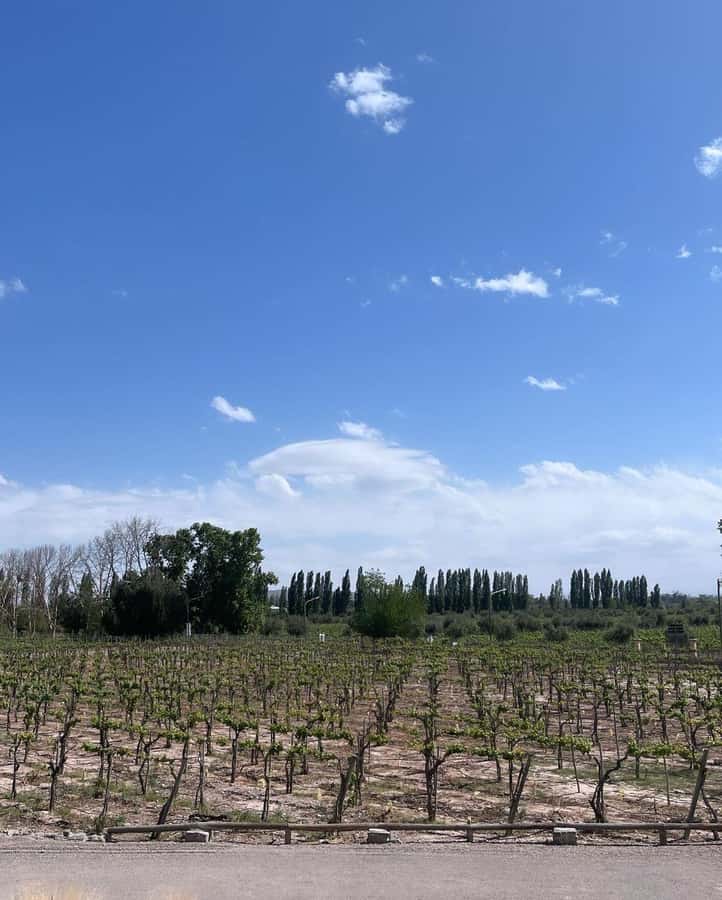
Mendoza has several wine areas, and Maipu is a practical choice when you want a wine day without spending hours on the road. This experience keeps the focus close to the city and packs four visits into roughly five hours in the district.
That matters because the tour is not built around one grand winery. Instead, you compare several smaller and larger operations. One stop may explain traditional or organic methods, another may show a more industrial approach, and another may focus on sweeter wines. You leave with a better idea of how broad Mendoza’s wine culture is.
The route also gives you a useful contrast between wine and olive oil. Both products depend on local agriculture, careful processing, and tasting, but the olive oil stop breaks up the wine sequence at just the right point. It is not an afterthought. You taste oil with bread and olive paste, and some departures include four or five different oils.
More Wine and Olive Oil Estates in Argentina:
- Tour of 3 wineries in Maipú with lunch + olive groves
★ 4.9 · 16 reviews - Olive Oil Factory + Wineries + Full Asado Lunch (Full Day)
★ 5.0 · 4 reviews - Half Day Tour of Wineries and Olive Oil from Mendoza
★ 3.9 · 4 reviews
The 2 p.m. pickup from Mendoza
The afternoon begins around 2 p.m. with pickup in Mendoza city. Listed locations include the Amérian Executive Mendoza Hotel, Soltigua Apart Hotel, Hostel Lagares, Sheraton Mendoza Hotel, Hilton Mendoza, Hostel Central, Hotel Crillón Mendoza, and central meeting points such as QuickPoint, Viajes & Diseño, and Rivadavia 452.
You should wait in the lobby from 10 minutes before the scheduled time. The vehicle may spend up to 45 minutes collecting everyone, so do not book this expecting an instant departure. That delay is the tradeoff for hotel pickup, particularly if you value convenience over a fixed central meeting point.
The vehicle is air-conditioned and heated. Most departures use a comfortable van, though one small group was placed in a sedan and found it a little tight. A separate departure dealt with an air-conditioning problem by changing vehicles, which suggests the operator does respond when transport goes wrong.
Your guide provides information during the drive, often covering Mendoza’s geography, weather, water, and wine-growing conditions. Dolores has been praised for her energy and clear English, while Rosio, Maru, and Alejandro have also led informative departures. The guide’s role is useful because the route makes more sense when you understand the area before arriving at each producer.
First stop: an artisanal winery with hands-on explanations
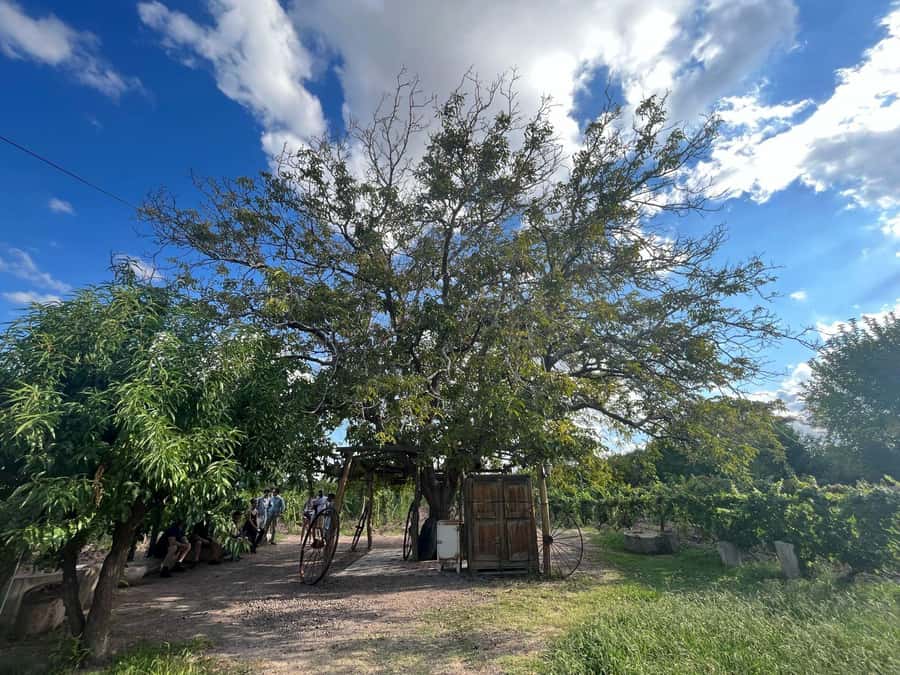
The first winery is commonly the most technical stop. Depending on the day, this may be an organic or artisanal producer such as Bodega Familia Cecchin or a similar cellar. The focus is on how wine is made, from the production methods to the different wines poured.
You can expect roughly three tastings here. The selection is designed to compare styles, including young and aged wines as well as white, red, and rosé varieties. This is a good place to pay attention to structure and freshness rather than simply deciding which glass you like best.
The smaller scale makes this stop feel more personal than a large commercial tasting room. Guides explain the work behind the bottle, and you have a chance to ask questions. If you are new to wine, this is where the basic vocabulary becomes useful. If you already know Mendoza wines, the value is in seeing how a smaller producer handles its methods and varieties.
The main limitation is that the amount of time at each winery is fixed. You will not have the freedom to linger over one bottle or turn the visit into a private tasting. The tour’s strength is comparison, not a slow single-estate visit.
The olive oil factory adds a welcome change of pace
The olive oil factory is often placed between winery visits, though the exact order can vary. Here, the subject shifts from grapes to olives, and the tasting becomes more than a row of glasses.
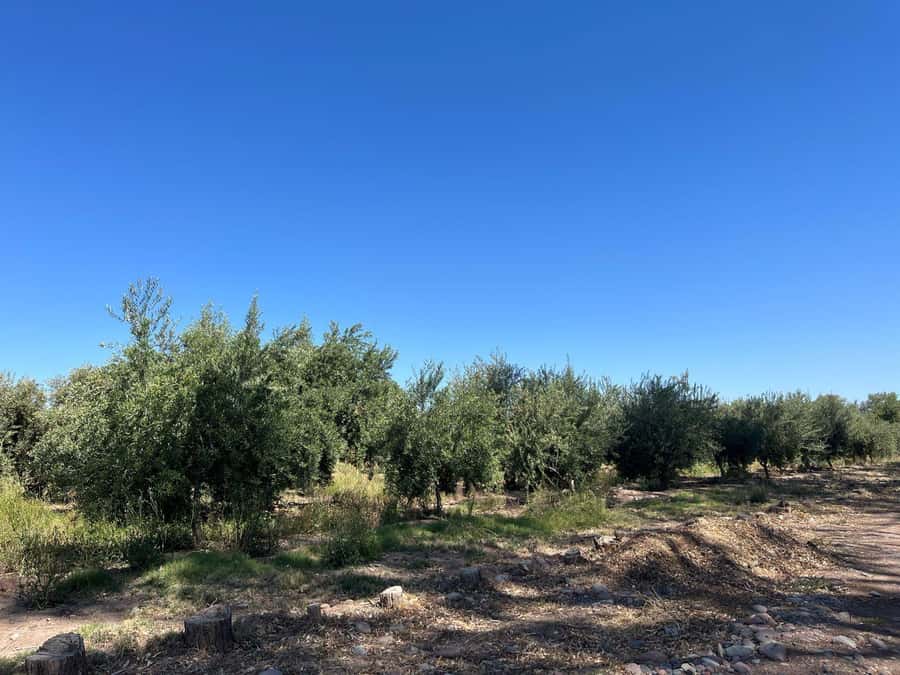
You sample bread with olive oil, olive paste, and other local delicacies. Some departures include four or five oils, giving you the chance to notice differences in flavor rather than treating olive oil as one generic product. The visit also explains production methods and the way the finished oil is handled.
I like this stop because it gives your palate a break from wine while keeping the afternoon rooted in local food. It also provides a useful snack after several tastings. You can buy oils and other products, but the stop is not presented as a hard-sell shopping visit.
The factory can be crowded, and one departure found there was not much space. English may also be less polished here than at the wineries, depending on the person leading the visit. If you want a grand museum-style attraction, this is not it. Think of it as a compact producer visit with tasting and food.
More Food and Drink Experiences in Argentina:
- Buenos Aires: Wine Tasting and Lunch at Bodega Gamboa
★ 4.8 · 177 reviews - Buenos Aires: Wine Tasting & Lunch at Gamboa Vineyard
★ 4.9 · 17 reviews - Mendoza: Small-Group Wineries Tour with Tasting and Lunch
★ 4.6 · 9 reviews - Luigi Bosca Winery Tour with Wine Tasting and Lunch
★ 4.7 · 4 reviews
The industrial winery shows another side of Mendoza
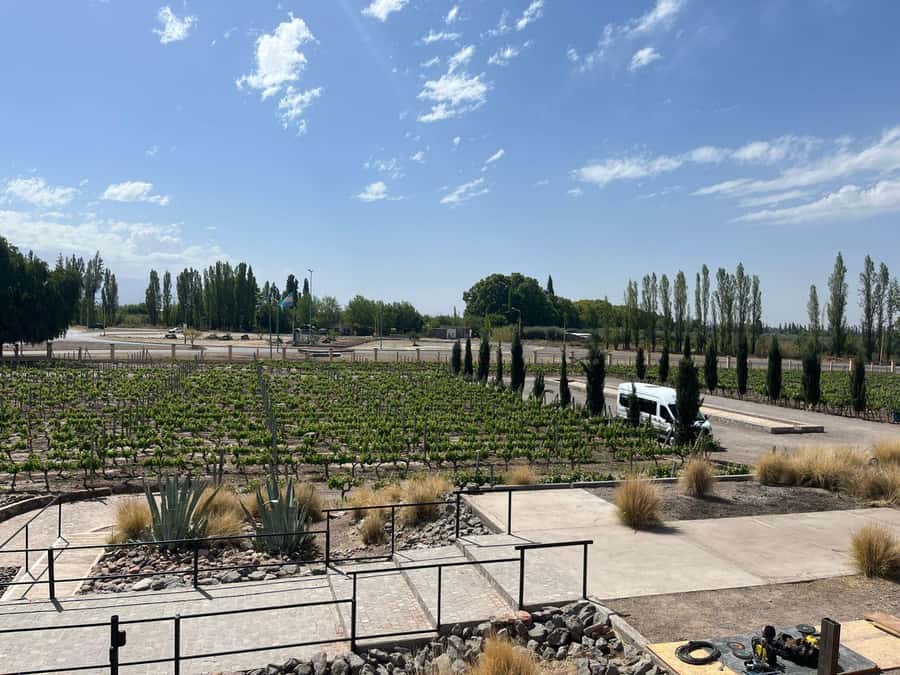
A larger or more industrial winery gives you the other end of the production scale. The guides explain the process in detail, and you can compare the machinery, organization, and presentation with the more traditional cellar visited earlier.
This contrast is one of the best reasons to choose this tour over a simple tasting-room crawl. You are not just collecting glasses of Malbec. You are seeing how different producers present their work and how wine can be made in settings with different levels of scale.
The tasting usually adds another three wines. Across the day, the official format is three wines at each winery, while some departures have poured three or four at a stop. Several people have counted about 11 wines overall. The exact number depends on the cellar and the day, but you should expect a substantial tasting rather than a single sample.
You may become tipsy, especially if you do not normally drink wine at several stops. Eat before pickup, take the bread and snacks seriously, and pace yourself. The tour includes tastings, not a full meal.
The sweet-wine cellar changes the rhythm
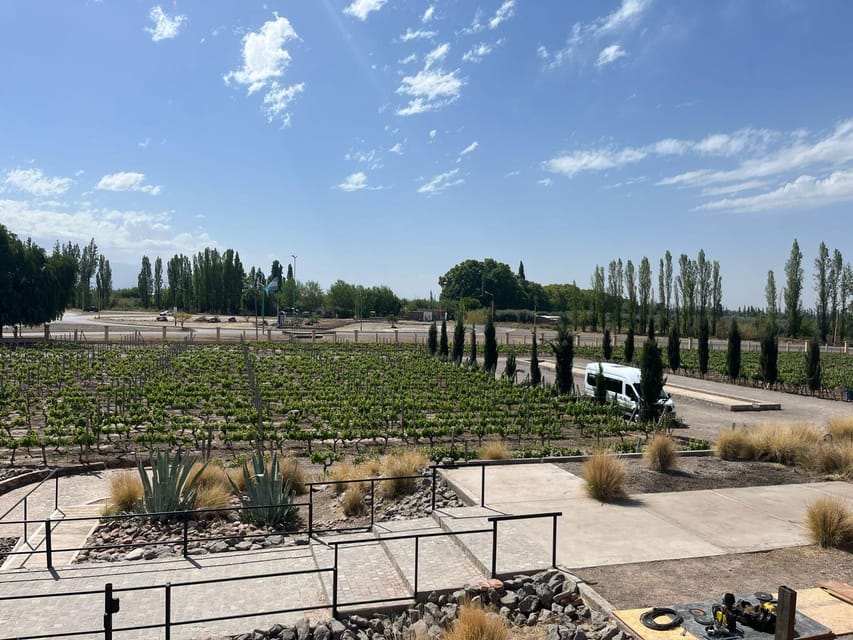
The third winery focuses on sweet wine, which gives the final wine stop a clear identity. You may not enjoy every bottle if you prefer dry reds, but the point is to try a style that is different from the Malbec-centered image many people associate with Mendoza.
This stop can feel lighter and more relaxed after the technical explanations earlier in the day. You still receive a guided presentation and several samples, but the emphasis shifts toward taste and variety. It is useful for anyone who wants to understand how sweetness changes aroma, texture, and food pairing.
Do not choose this experience only if you want three prestigious, dry-wine tastings. The tour deliberately includes contrasts, and the sweet-wine cellar is part of that plan. For curious drinkers, it broadens the afternoon. For a serious collector seeking a narrow focus, the mix may feel less targeted.
Bilingual guiding, with a practical caveat
The tour operates in English and Spanish. The main guide explains the route and general context on the vehicle, while staff at the individual wineries lead the visits. At some stops, the group is divided by language, which can make the tasting more personal and easier to follow.
Guides such as Dolores and Rosio have been praised for clear English, and several departures had no trouble serving English-only participants. Maru and Alejandro have also been singled out for friendly, well-organized presentations.
Still, bilingual guiding means you may hear the same information repeated in two languages. One person found that the guide’s quick switching between English and Spanish made some points harder to follow, and another had to translate for English speakers. The vehicle audio system has also been described as weak on one departure.
If English is important to you, tell the operator when booking if possible, then stay near the guide during the winery talks. The individual cellar guides often make up for any difficulty on the bus.
What the $34 price really covers
At $34 per person, this is a strong value if you want breadth. The fee includes air-conditioned or heated transport, city pickup and drop-off, entrance to the wineries and olive oil producer, all wine tastings, and the olive oil tasting.
A self-planned afternoon would require arranging transport between four stops, paying each entrance fee, and managing reservations. The tour removes that work and gives you a guide who explains the area along the way. For a solo visitor or a couple without a rental car, that convenience has real value.
The price does not include a full lunch, and you should not expect an intimate private tour. The group may include around 15 people, though language groups can split into smaller parties at the wineries. You also have limited control over how long you spend at each producer.
I would compare this tour with the cost of one winery visit, not with a luxury private wine day. At this price, the goal is variety, transport, and a relaxed introduction to Maipu. It delivers that well.
Timing, comfort, and who should book
The full experience lasts about six hours, including pickup and return. The winery portion in Maipu takes about five hours, with drop-off around 8 p.m. The afternoon schedule works well if you want your morning free for Mendoza’s city center or another activity.
This is a good choice for:
- First-time visitors who want an overview of Maipu.
- Solo visitors who would like an easy social afternoon.
- Couples who prefer several modest producers to one expensive estate.
- Wine beginners who value explanations and side-by-side comparisons.
- English and Spanish speakers who are comfortable with bilingual guiding.
- Anyone looking for a wine outing without renting a car.
It is less suitable for wheelchair users, who are specifically excluded from the activity. It may also disappoint you if you want a private tasting, a full meal, a slow day at one estate, or a route built around only premium dry wines.
The group format is part of the experience. You may meet people from different countries, and the shared tastings make conversation easy. If you prefer silence and personal attention, a private tour would be a better fit.
Booking details worth knowing before you go
You can cancel up to 24 hours before the activity for a full refund, and the reserve-now, pay-later option keeps your plans flexible. The listed price includes local taxes for foreign residents or payments made with cards issued outside Argentina.
Pickup and drop-off locations are listed in Mendoza city, including hotels, hostels, and central points. Check the exact location offered to you before booking, and arrive in the lobby 10 minutes early. Since collection can take up to 45 minutes, build that into your afternoon plans.
The named wineries may be replaced by similar producers. That means you should book for the type of experience, three contrasting wineries and an olive oil visit, rather than for one guaranteed brand.
Should you book this Maipu wine tour?
I would book it if you want a practical, low-cost introduction to Mendoza wine country. The combination of an artisanal winery, an industrial producer, a sweet-wine cellar, and an olive oil factory gives you more variety than a basic two-stop tasting. The included transport and generous samples make $34 unusually easy to justify.
Go in with the right expectations. This is a busy half-day group outing, not a private food-and-wine retreat. Allow for the pickup sweep, expect bilingual commentary, eat something beforehand, and pace yourself with the wine.
For a first afternoon in Mendoza, a solo visit, or anyone choosing between Maipu and a more expensive wine route, this is a sensible choice. You get a broad look at local production, plenty to taste, and a guide to handle the logistics.
FAQ
How long does the Mendoza wine and olive oil tour last?
The activity lasts about six hours. Pickup begins around 2 p.m., and return to Mendoza is scheduled for about 8 p.m.
How many wineries are included?
The tour includes three wineries in Maipu. The planned mix is an artisanal winery, an industrial winery, and a sweet-wine cellar, with similar producers possible.
Is the olive oil factory visit included?
Yes. The olive oil factory is one of four total visits, and its tasting is included in the price.
How many wines will I taste?
Each winery includes about three wine tastings. Some departures have served three or four at a stop, with some people tasting about 11 wines across the afternoon.
Are the tours available in English?
Yes. The activity has live guiding in English and Spanish. Bilingual guides may switch between both languages during the drive and visits.
Is hotel pickup included?
Yes. Pickup and drop-off are available at listed Mendoza hotels, hostels, and central meeting points. You should wait in the lobby from 10 minutes before pickup, and the collection process can take up to 45 minutes.
Are entrance fees and tastings included in the $34 price?
Yes. The price includes winery and olive oil factory admission, all wine tastings, olive oil products, and transport in an air-conditioned or heated vehicle.
Is the tour suitable for wheelchair users?
No. The activity is not suitable for wheelchair users.
Just added around Argentina
- Tour of 3 wineries in Maipú with lunch + olive groves★ 4.9 · 16 reviews
- Olive Oil Factory + Wineries + Full Asado Lunch (Full Day)★ 5.0 · 4 reviews
- Mendoza: Tour with tasting and lunch High Altitude Wineries★ 4.7 · 3 reviews
- Mendoza: Tango Show with Dinner at Hualta Winery Hotel★ 4.6 · 3 reviews
- Mendoza: Small-Group Wineries Tour with Tasting and Lunch★ 4.6 · 9 reviews
- Mendoza’s top wineries ! All Inclusive Private Tours!★ 5.0 · 4 reviews
- Luxury Wine Tasting in Uco Valley/ Boutique Wineries & Asado★ 4.3 · 2 reviews
- Luigi Bosca Winery Tour with Wine Tasting and Lunch★ 4.7 · 4 reviews
Mendoza Vineyard Tours, compared.
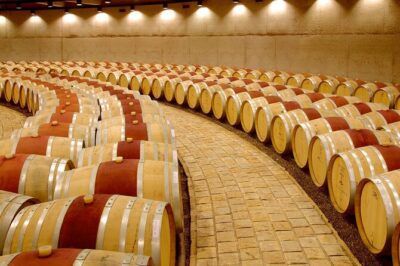
Catena Zapata Winery, Lunch and Private Transportation
Read our review →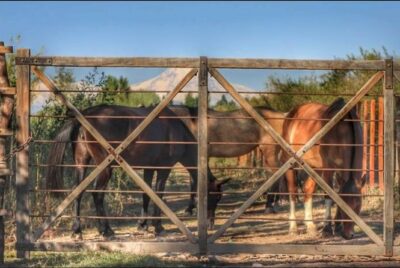
Horseback ride through vineyards followed by gourmet lunch
Read our review →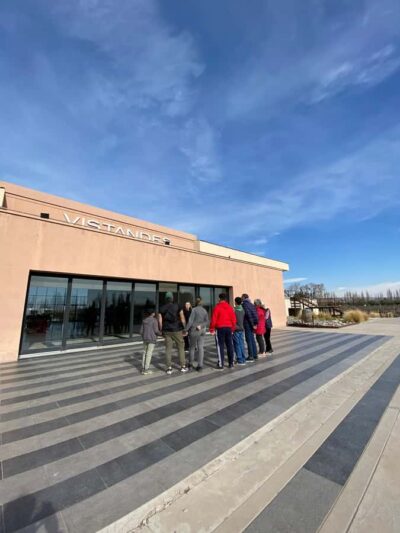
Tour of 3 wineries in Maipú with lunch + olive groves
Read our review →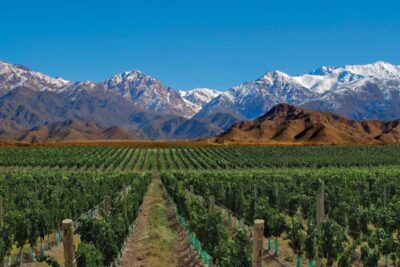
Small-Group Wineries Tour with Tasting and Lunch
Read our review →
Half Day Tour of Wineries and Olive Oil from Mendoza
Read our review →
Mendoza’s top wineries ! All Inclusive Private Tours!
Read our review →
Olive Oil Factory + Wineries + Full Asado Lunch (Full Day)
Read our review →Browse the lists this tour appears in