
REVIEW · SPAIN
Fermoselle; Visit to the Historical Winery with Wine Tasting
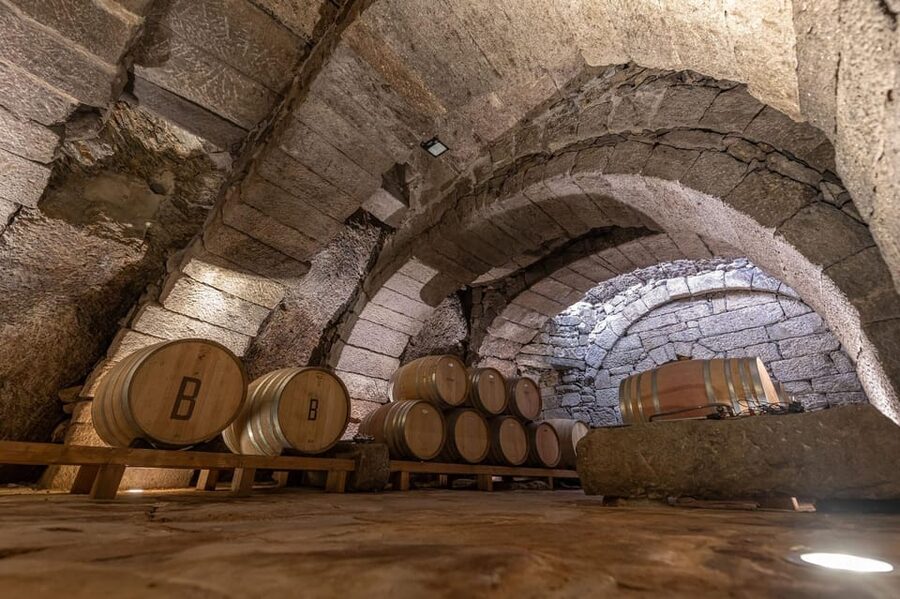
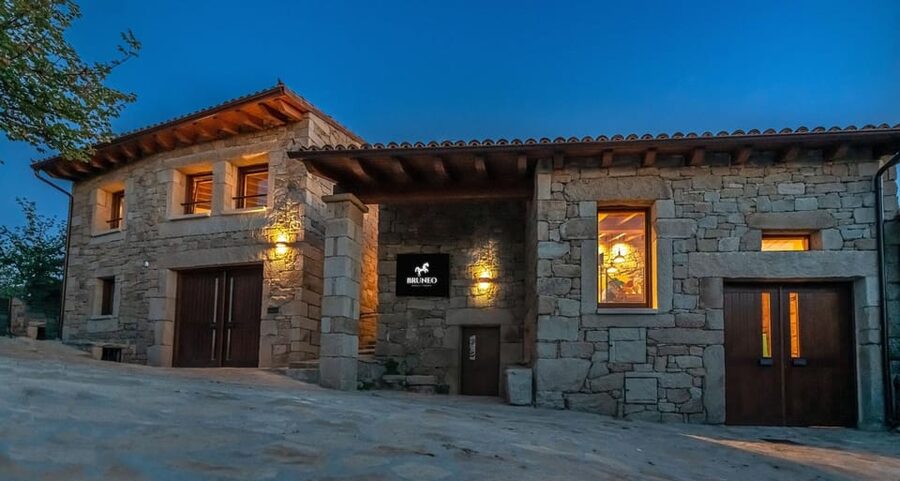
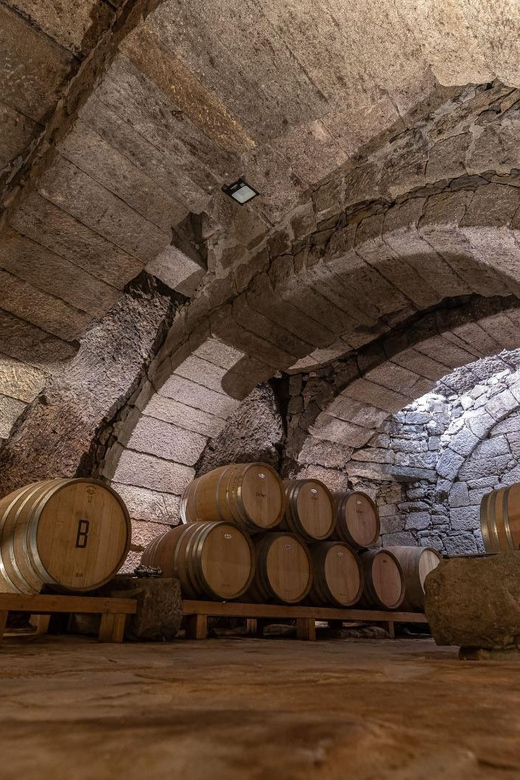
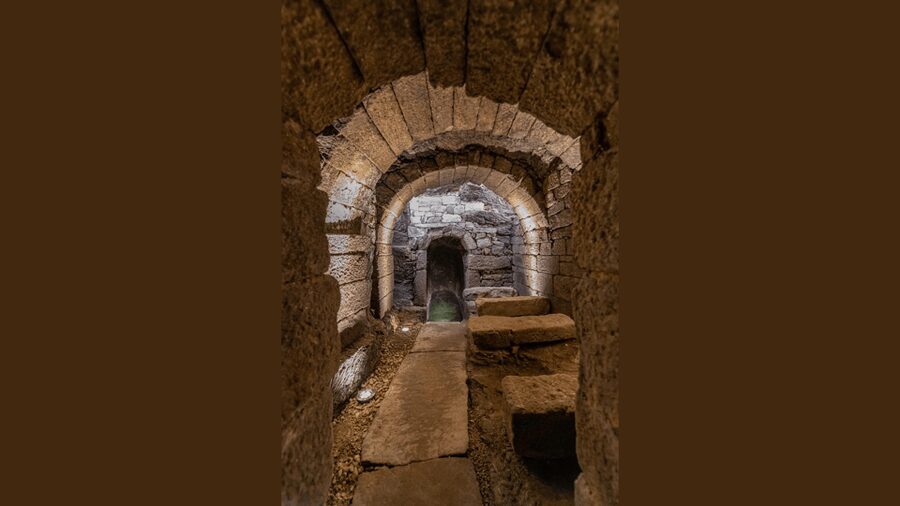
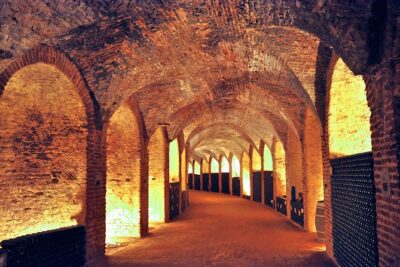
The most unusual part of this Fermoselle visit is below street level: ancient galleries carved into living rock, preserved as a working piece of local wine culture. Above ground, Fermoselle gives you cobbled lanes, old buildings, and views toward the Arribes del Duero.
I like the chance to taste rare local grapes, especially Juan García and Bruñal, and I like that the tasting includes gourmet-quality extra virgin olive oil. The main thing to consider is that this is a compact 90-minute visit, so it suits a focused winery stop rather than a full-day wine program.
Key points
- Historic underground cellars: Walk through preserved galleries cut into the rock beneath Fermoselle.
- Three distinctive wines: Taste Malvasía, Juan García, and a Bruñal crianza when the three-wine option is booked.
- Sephardic connection: The winery’s past adds a cultural layer beyond wine production.
- Olive oil tasting: Premium extra virgin olive oil accompanies the wine and appetizer.
- Personal guiding: Paula, also written as Paola, has been praised for her warm, attentive explanations.
- Private 90-minute visit: Arrange a time in advance, with Spanish or Portuguese guiding available.
A Cellar Beneath Fermoselle’s Cobblestones
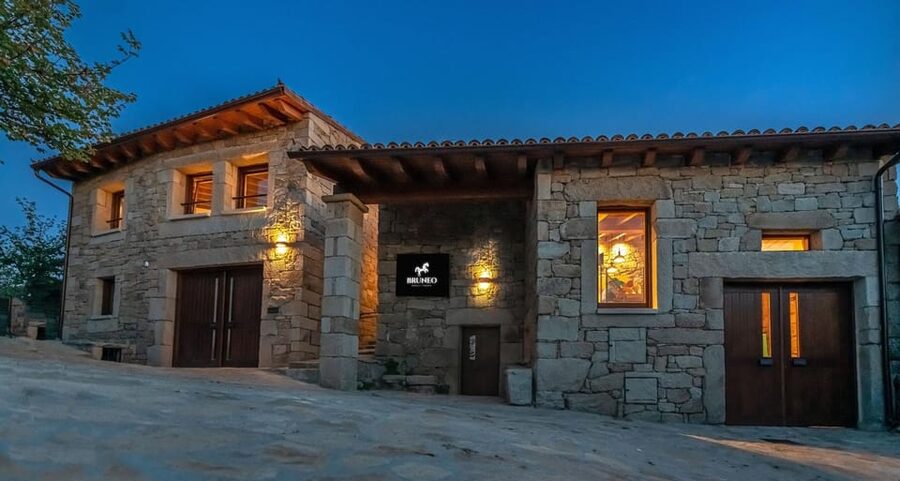
Fermoselle is the kind of village where the old wine trade is not only displayed in a museum. It is built into the place. Traditional architecture and cobbled streets sit above underground winery galleries, and this visit takes you into that older world.
The cellar was carved into the living rock. That matters because the structure itself tells part of the story. You are not simply looking at modern tanks and bottled wine. You are seeing the spaces that supported older methods of storage and production, with the original character carefully maintained.
The setting also gives the visit a strong sense of place. Fermoselle lies in the Sayago area of Castile and León, close to the Arribes del Duero. The village views and old streets make a useful backdrop before or after the cellar tour, but the main event is beneath the town.
Your guide begins with an introduction to the local wine tradition. From there, the tour moves into the galleries, where you hear about how production methods changed over time and what makes the winery’s wines distinctive.
More Food and Drink Experiences in Spain:
- Toledo Tour & Vineyard Walk with Wine Tasting from Madrid
★ 5.0 · 2,546 reviews - Madrid Countryside Wineries Guided Tour with Wine Tasting
★ 5.0 · 740 reviews - Jerez: Bodegas Fundador Guided Tour with Tasting Session
★ 4.8 · 714 reviews
What the 90-Minute Visit Feels Like
The visit has a clear rhythm. You arrive for a welcome and short introduction, enter the historic cellar, hear the story of Fermoselle’s winemaking, then finish with a seated tasting and appetizer.
That simple structure works well for a short stop. You get context before the first sip, so the tasting feels connected to the building and the area rather than added as a quick sales pitch.
The underground portion is the most atmospheric section. The galleries have been preserved to keep their original charm, and the rock-cut setting gives the tour a sense of age without needing an elaborate display. You can expect the guide to explain the winery’s past, production techniques, and the role of local grape varieties.
The experience is a private-group visit. That can make the explanations feel more personal, especially if you want to ask about a particular bottle or grape. The available guiding languages are Spanish and Portuguese, so you should confirm that one of those works for your group before booking.
The tour is not designed as a long technical course in viticulture. It is better understood as a short cultural visit with wine tasting. You receive enough background to appreciate the wines, but the emphasis remains on the place, the cellar, and the flavors in front of you.
Three Wines With Very Different Personalities
The three-wine tasting is the strongest choice if you want the full version of the experience. The wines are selected to show different styles, grapes, and stages of development.
The tasting begins with a Malvasía white. The description presents it as fresh and fruity, making it an easy opening wine. It gives you a lighter point of comparison before moving into the red wines.
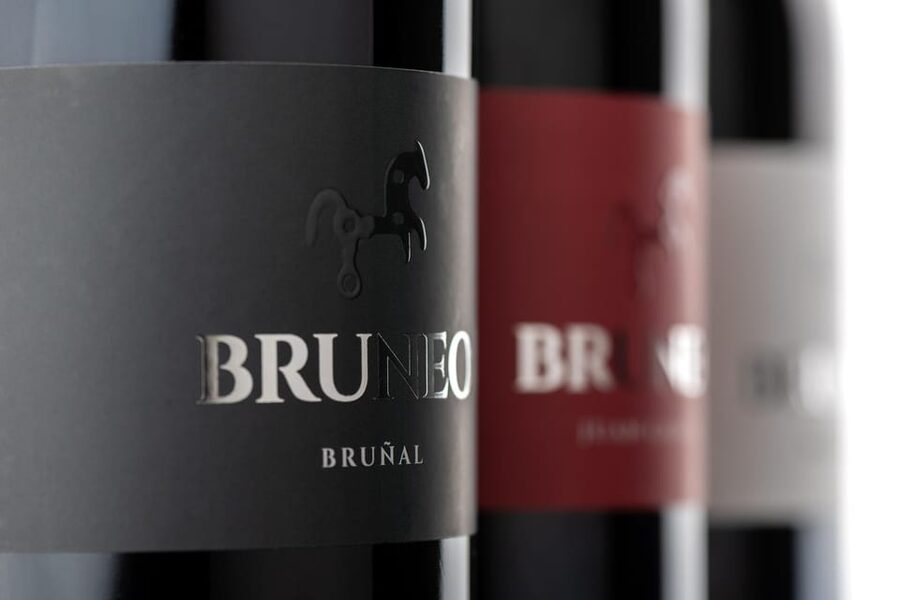
Next comes Juan García, described as elegant and balanced. This is one of the varieties I would pay special attention to. It is not simply another familiar red grape served with local branding. Juan García is presented as a distinctive regional variety, and the tasting gives you a direct way to understand its character.
The final wine is a crianza made from the exclusive Bruñal grape. It is described as robust and complex, so it provides a fuller finish than the Malvasía and a more powerful contrast with the Juan García.
This progression makes sense: fresh white, balanced red, then a more substantial aged wine. You can compare the wines by aroma, weight, fruit, and finish instead of tasting three bottles that blur together.
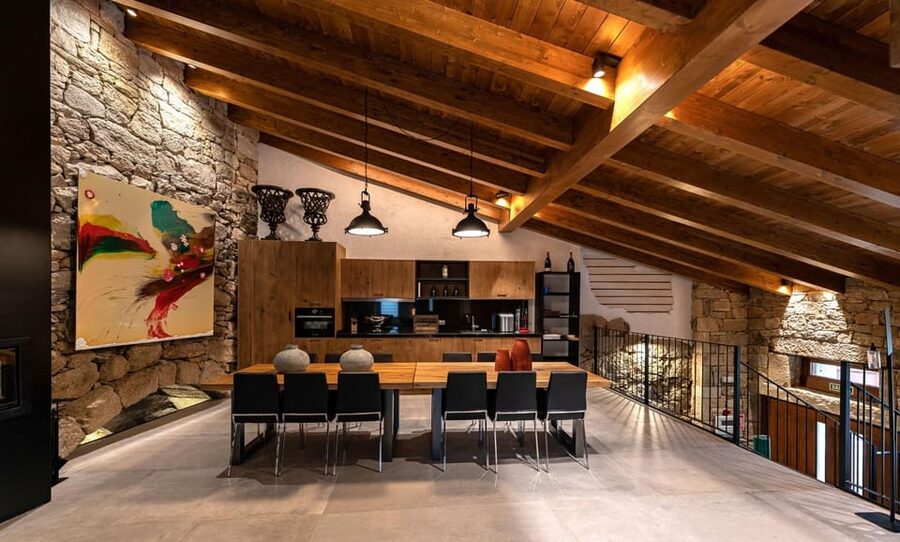
The tasting takes place in a specially prepared room with a relaxed atmosphere. You are given time to consider the wines, and an appetizer accompanies the pours. Bottles of the wines tasted are available for purchase at the end.
One practical point deserves attention. The activity information gives a $29 per-person price, while the included details also refer to a two-wine tasting at €15 per person and a three-wine tasting at €25 per person. Since the main description centers on three wines, confirm exactly which tasting your chosen price includes before you pay. That small check can prevent confusion.
Why the Olive Oil Matters
The extra virgin olive oil is not just a token side dish. It is part of the tasting and one of the experience’s more appealing extras.
The oil is described as premium and gourmet quality, and it is served with an appetizer alongside the wines. This broadens the visit beyond grape varieties. You get a second taste of the area’s food culture and a useful reminder that wine tasting is often best understood with something simple to eat.
I like this pairing for practical reasons. A small appetizer makes the tasting more comfortable, especially if you have not eaten recently, and the oil gives you another product to compare and discuss. If you enjoy regional foods, this part may be nearly as memorable as the wine.
The supplied information does not specify the appetizer or the olive cultivar, so do not expect a detailed food menu. Think of it as a light accompaniment rather than a meal.
More Historical Tours in Spain:
- Alicante: Historic Winery (1707), 3 Wine Tasting & Transfer
★ 4.5 · 12 reviews - Alicante: Historic Winery Guided Tour + Wine Tasting / Private Transportation
★ 4.8 · 10 reviews - HISTORICAL BODEGA TOUR AND WINE TASTING
★ 5.0 · 5 reviews - Rueda, Valladolid: Visit Bodegas Mocén for art, history, culture, and wine
★ 3.7 · 3 reviews
Fermoselle’s Sephardic Connection
The winery has a Sephardic past, which adds a historical thread to the visit. This is an important detail because it places the cellar within the wider story of Fermoselle, not only within the technical history of wine.
The tour description indicates that the guide shares stories about the winery’s past and cultural legacy. You should expect the Sephardic connection to be part of the explanation, though the available details do not set out a full timeline or identify specific people and events.
For you, the value is in the combination of layers. The building is old, the galleries are cut into rock, and the winery’s past reaches into the cultural history of the village. Even in a short visit, those details can make the cellar feel like a real local place rather than a tasting room built solely for tourism.
This is also why the experience suits people who want more than a glass of wine and a shop visit. The historical setting gives you something to remember after the bottles are packed away.
The Guide Can Shape the Experience
The guide’s role is especially important in a small winery. The experience depends on how well the story connects the cellar, the grapes, and the tasting.
Paula is identified by name in the supplied feedback, with the name also written as Paola. She has been praised for her warm manner, detailed explanations, and attention to making people feel comfortable. That matches the private-group format, where a personal welcome matters more than a large scripted presentation.
You can expect the guide to explain the winery’s tradition, the changes in wine production, and the character of the selected wines. The tone appears friendly rather than formal. If you speak Spanish or Portuguese, you should have a better chance to ask questions and get more from the visit.
The high rating of 4.7 from 14 reviews supports the impression of a consistently well-received experience, though the sample is small. The strongest praise centers on the personal welcome, the winery itself, and the quality of the wines. Those are the areas I would use to judge the visit.
Price, Timing, and Practical Planning
At $29 per person, this can be good value if the price includes the full three-wine tasting, appetizer, olive oil, guide, and historic cellar visit. You are paying for a short cultural experience, not just three pours. The private setting and access to preserved underground galleries add to the value.
The price becomes harder to assess if you receive only the two-wine option. The listed euro prices indicate €15 for a guided tour with two wines and €25 for three wines, while the headline price is given in dollars. Confirm the exact package, currency, and number of wines before finalizing your reservation.
The visit lasts 1.5 hours. That is long enough to combine a proper cellar explanation with a relaxed tasting, but short enough to fit into a day exploring Fermoselle and the surrounding Arribes del Duero area.
You must arrange a specific appointment by calling the provided phone number. Do not arrive expecting to join without notice. A previously scheduled time is required, and this is particularly important for a private-group experience.
The activity offers free cancellation up to 24 hours in advance and allows you to reserve now and pay later. Those terms help if your plans around Fermoselle are still shifting, but they do not remove the need to arrange the visit time.
The restrictions are extensive. Smoking, vaping, alcohol brought from outside, intoxication, weapons, sharp objects, strollers, skateboards, skates, handcarts, coolers, and party-group behavior are not allowed. You are also asked not to touch exhibits, climb, litter, or wear loose clothing. The rules point to a historic space that needs careful treatment.
Who Will Enjoy This Winery Visit
I would recommend this to you if you value small-scale local history, unusual wine varieties, and a guide-led visit with a personal feel.
It is particularly suitable for:
- Wine drinkers who want to taste Juan García and Bruñal
- People interested in old cellars and traditional village architecture
- Visitors already exploring Fermoselle and the Arribes del Duero area
- Couples or private groups looking for a short, calm activity
- Anyone who enjoys olive oil as much as wine
- Spanish or Portuguese speakers who want to ask questions during the tour
It may be less suitable if you want a large estate with extensive vineyards, a long meal, or a full-day winery program. The available information focuses on the historic cellar, the tasting room, and the local story. It does not promise vineyard walks, transportation, a substantial lunch, or a broad choice of bottles.
Families should also note the restrictions on baby strollers and the rules against touching exhibits. The information does not state a minimum age or provide accessibility details, so ask the provider directly if either issue affects your group.
Should You Book the Fermoselle Cellar Visit?
Book it if you want a compact experience with a genuine local setting. The underground galleries, Sephardic past, rare grape varieties, and premium olive oil give this visit more substance than a basic tasting at a modern bar.
Choose the three-wine option if available. Malvasía, Juan García, and Bruñal offer a useful progression, and Juan García appears to be the bottle most worth watching closely if you want a distinctive regional red.
Before booking, call to arrange the time and confirm the package. Ask whether your $29 price includes all three wines, since the separate pricing information lists both two-wine and three-wine formats.
For most people spending time in Fermoselle, this is a worthwhile 90-minute stop. You get a historic place, a personal guide, and a tasting that connects local grapes and olive oil to the village around you.
FAQ
Where does the winery visit take place?
The experience takes place in a historic winery in Fermoselle, in Castile and León, Spain.
How long does the experience last?
The visit lasts 1.5 hours.
How many wines are included?
The main experience describes a tasting of three selected wines. The included information also lists a two-wine option for €15 per person and a three-wine option for €25 per person, so confirm your selected package.
Which wines are tasted?
The three wines described are a Malvasía white, a Juan García red, and a crianza made from the Bruñal grape.
Is olive oil included?
Yes. The tasting includes premium extra virgin olive oil and an appetizer.
What makes the winery historic?
The winery contains ancient underground galleries carved into living rock and has a Sephardic past.
What languages are available?
The live tour guide is available in Spanish and Portuguese.
Is this a private tour?
Yes. The activity is offered for a private group.
Do I need to arrange a time in advance?
Yes. You must call the provided phone number to arrange a visit time. Visits without a prior appointment are not accepted.
Can I cancel the booking?
You can cancel up to 24 hours in advance for a full refund. The activity also offers reserve now and pay later booking.
Just added around Spain
- Tour Lanzarote South with Winery Visit★ 5.0 · 4 reviews
- Taste Tradition 4 Wineries and Tapas Bar★ 5.0 · 21 reviews
- Vineyards of La Geria hiking tour★ 5.0 · 69 reviews
- Lanzarote E-Bike Tour: Volcano Craters & Scenic Vineyards★ 5.0 · 28 reviews
- Visit Bodegas Teneguía winery in La Palma with wine Tasting★ 4.5 · 43 reviews
- Canarian Wine Experience at Bodega los Lirios★ 5.0 · 67 reviews
- Winery Tour, Wine Museum, and Tasting in Gran Canaria★ 5.0 · 35 reviews
- Gran Canaria Premium Tour: Volcanoes and Wine for cruisers★ 5.0 · 16 reviews
Spain Vineyard Tours, compared.
Montserrat, Cogwheel, Black Madonna & Winery Tour
Read our review →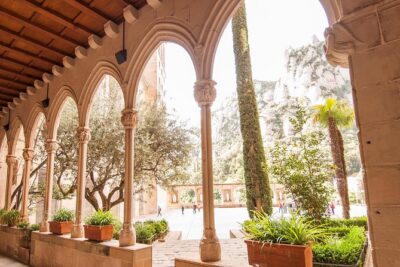
Montserrat with Black Madonna & Medieval Winery with Tapas/Lunch
Read our review →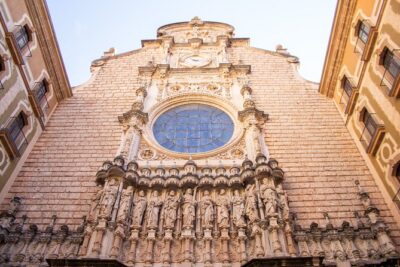
Montserrat Full Day Tour with Farmhouse Lunch and Winery Visit
Read our review →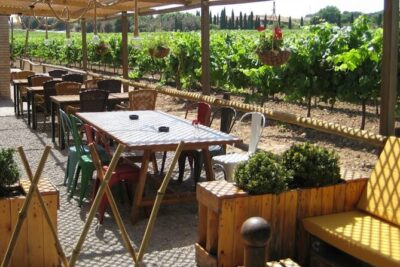
Montserrat & Winery Visit Tour with Traditional Farmhouse Lunch
Read our review →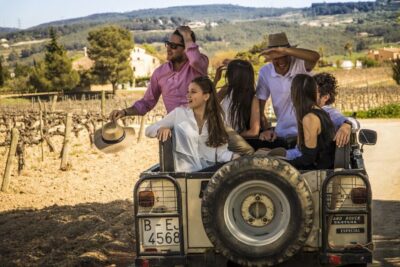
Madrid Countryside Wineries Guided Tour with Wine Tasting
Read our review →
Bodegas Fundador Guided Tour with Tasting Session
Read our review →
Browse the lists this tour appears in