
REVIEW · SPAIN
Experience with traditional winery tasting serrana s.XVI
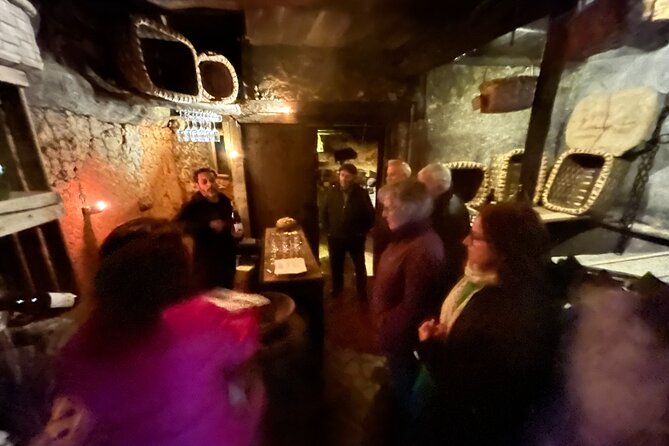
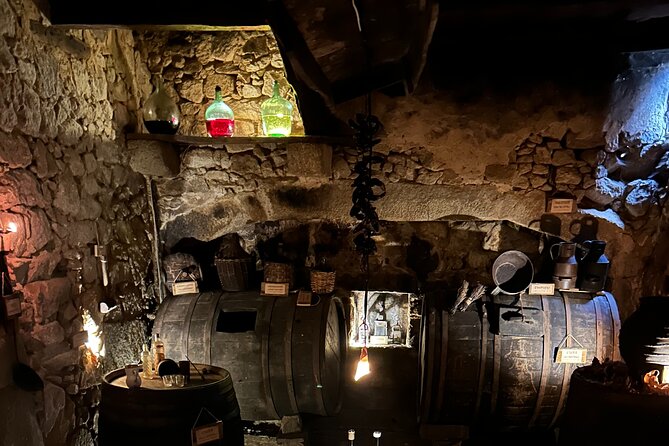
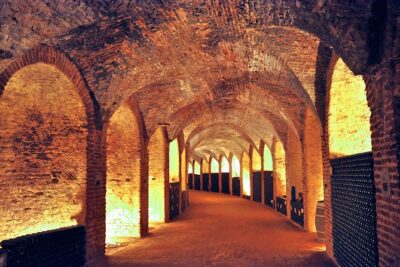
The best part of this experience is its setting: you walk into a 16th-century medieval winery in San Martín del Castañar, not a modern tasting room dressed up with old barrels. The visit connects local wine, village life, and the stonework of the Sierra de Francia in one compact hour.
I like the Rufete tasting, with one young wine and one aged wine served alongside acorn-fed Iberian sausage, village bread, and olives. I also like the human touch: Alex and Nuria lead the visit, and Alex has been praised for his warm welcome and easy French.
The main drawback is the short running time. One hour is enough for an introduction and tasting, but not for a long vineyard tour or an extended lesson in wine production. The winery is also in a small mountain village, so you will need to plan your own way there.
Key points to know before you go
- A real 16th-century cellar: The winery has been carefully recovered as a working piece of local heritage, not simply decorated as a period attraction.
- Two Rufete wines: You taste a young wine and an aged wine, giving you a quick look at how time changes the same local grape.
- Food is part of the tasting: Acorn-fed Iberian sausage, village bread, and seasonal olives make this more than a drink-only stop.
- Alex and Nuria host the visit: Expect a personal welcome, with French support available from Alex.
- A five-century secret: The visit ends with a story or reveal that has been kept hidden for 500 years.
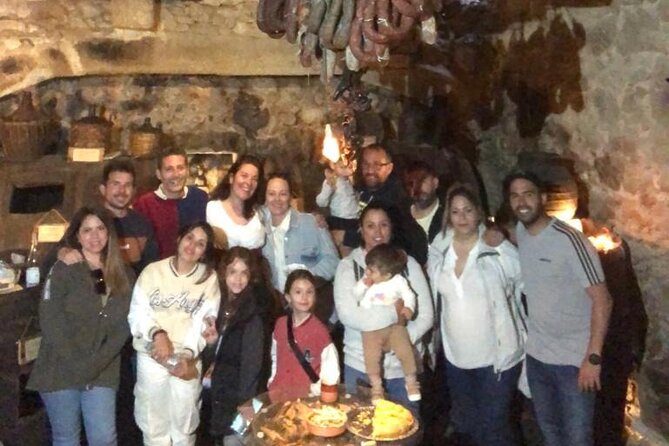
- Small-group format: The maximum is 15 people, which suits visitors who prefer a more intimate visit than a large bus tour.
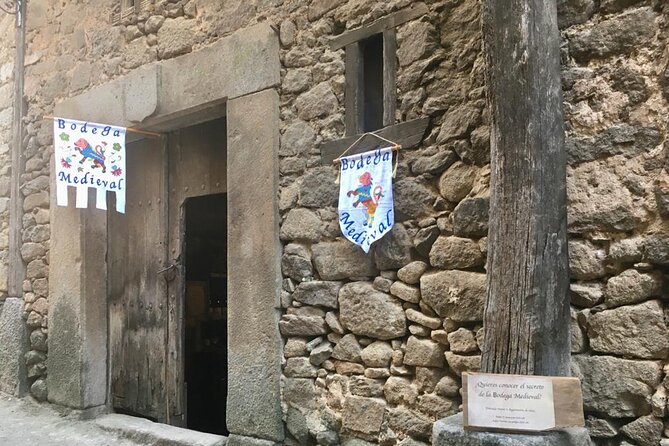
Entering La Bodega Medieval in San Martín del Castañar
You meet at La Bodega Medieval on Callejina, between numbers 2 and 4, in San Martín del Castañar. The village sits in the Sierra de Francia, close to the Batuecas and Sierra de Francia Natural Park and within the Sierra de Béjar and France Biosphere Reserve.
That location matters. This is not a winery stop beside a major highway with a large gift shop and a polished tasting hall. It is part of a small mountain community, where the old cellar forms a direct link to the local way of life. You come here for place as much as for wine.
The exact meeting address is listed as Callejina, 2, 37659 San Martín del Castañar, Salamanca. Since the activity lasts about an hour and ends where it begins, it is easy to fit into a day spent exploring the village and nearby protected areas.
You receive confirmation when you book, and the ticket is mobile, so there is no need to print anything. The group can include up to 15 people. That is large enough for a lively visit but small enough that the guide should be able to speak to the group directly.
More Food and Drink Experiences in Spain:
- Toledo Tour & Vineyard Walk with Wine Tasting from Madrid
★ 5.0 · 2,546 reviews - Madrid Countryside Wineries Guided Tour with Wine Tasting
★ 5.0 · 740 reviews - Jerez: Bodegas Fundador Guided Tour with Tasting Session
★ 4.8 · 714 reviews
Seeing how a 16th-century winery worked
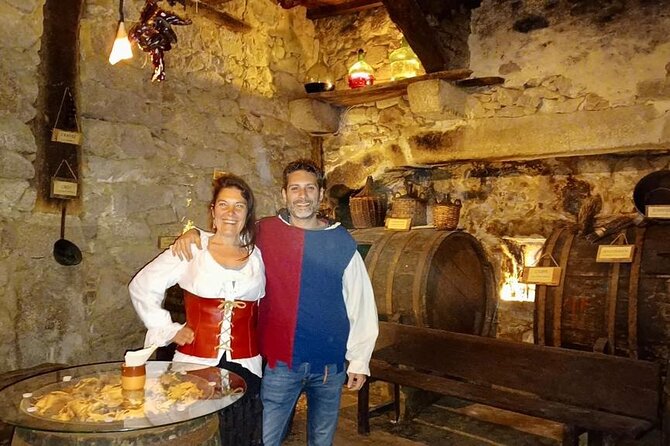
The visit begins with the building itself. The winery dates from the start of the 16th century and has been restored for visitors. Its age gives the tour its character, but the real value comes from learning how wine was made before modern equipment took over much of the work.
You are guided through the old methods of growing grapes and making wine. The presentation covers the stages of production, including the fermentation process, along with local curiosities and stories. The emphasis is on artisan wine-making, so you get a sense of the work behind each bottle rather than a quick tasting with a few facts attached.
I especially like this format for visitors who enjoy traditional crafts. Wine can seem abstract when you only see the finished glass. Here, the cellar provides a physical setting for the process. The walls, tools, and old working methods help explain why wine-making was once closely tied to a village’s rhythm and resources.
The tour is not described as a full vineyard walk, so you should not expect a long outdoor visit among the vines. The focus remains inside the winery and on the story of production. That is a sensible trade for a one-hour program, but it is worth knowing if your main interest is grape growing in the countryside.
Tasting Rufete young and aged
The tasting includes two wines made from Rufete, a grape variety associated with the area. You try a young wine and an aged wine, allowing you to compare the effect of time without tasting two unrelated styles.
That comparison is the heart of the food and wine portion. A young wine can show the grape in a fresher, more direct way, while the aged wine gives you a chance to notice how the character changes with time in the cellar. The guide can explain the differences as you taste, tying the glass back to the production methods discussed earlier.
The food is simple and local: acorn-fed Iberian sausages, village bread, and olives when available according to the season. This is not a full meal, so you should not arrive expecting lunch. It is enough to give the tasting a proper village context and to keep the wine from being served in isolation.
I like that the pairing avoids unnecessary fuss. The food reflects the region and lets you concentrate on the wines. The Iberian sausage provides a hearty counterpoint, while bread and olives keep the tasting grounded in everyday local ingredients.
The seasonal note matters. Olives may depend on what is available at the time of your visit, so the exact plate can vary. That small uncertainty is part of the appeal of a local food stop, but visitors with strict dietary needs should ask before booking because the stated tasting centers on meat, bread, and olives.
The five-century secret at the end
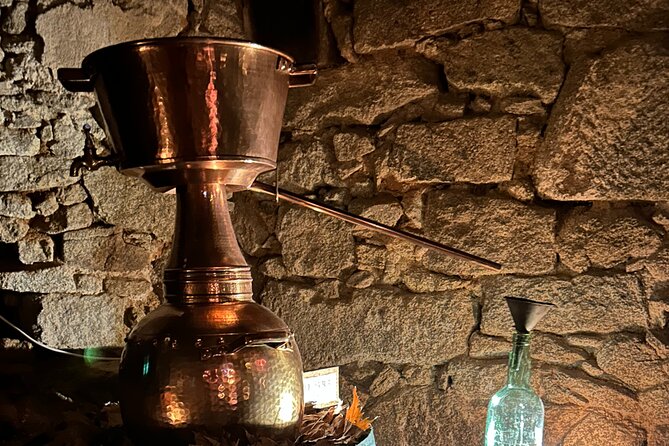
The visit closes with a secret that has remained hidden for five centuries. The details are intentionally not disclosed, and that is one of the better reasons to save this experience for a visit to the village rather than trying to reduce it to a list of facts.
The secret gives the hour a clear ending. You move from the building’s past, to wine-making, to tasting, and finally to a small mystery tied to the winery. It adds a playful note without turning the visit into a theatrical show.
You should not expect a major spectacle. The attraction is the intimacy of the setting and the feeling that you are being let in on something local. If you enjoy stories, old buildings, and a little suspense, the ending should work well. If you prefer a formal technical tasting with detailed notes on acidity, tannins, and barrel types, this may feel more story-led than analytical.
A few more vineyard days around Spain worth a look
- Barcelona: Montserrat, Cogwheel, Black Madonna & Winery Tour
★ 4.8 · 5,633 reviews - Montserrat with Black Madonna & Medieval Winery with Tapas/Lunch
★ 5.0 · 5,209 reviews - From Fuerteventura: Lanzarote Volcano and Wine Region Tour
★ 4.4 · 1,220 reviews - Montserrat Full Day Tour with Farmhouse Lunch and Winery Visit
★ 5.0 · 1,068 reviews
Meeting Alex and Nuria
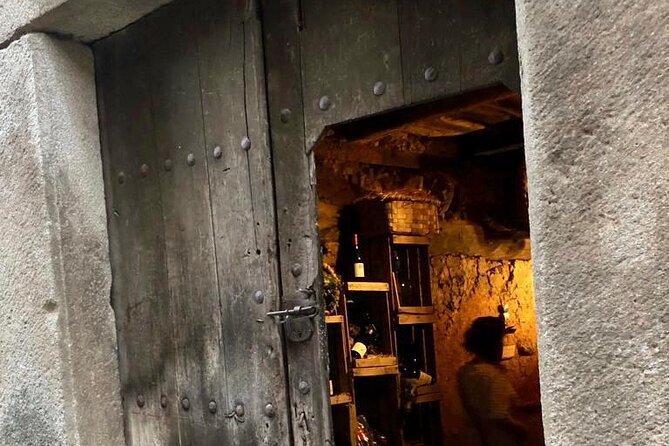
The hosts are an important part of the experience. Alex and Nuria are the people who make the cellar feel like a personal welcome rather than a standard presentation. Alex has been singled out for a friendly manner, a smile, and a warm atmosphere, and he can also handle the visit in French at a strong level.
That detail may matter if you are visiting from France or are more comfortable receiving explanations in French. It is not advertised as a multilingual tour in several languages, so you should confirm language needs if they are important to you, but French support is clearly part of Alex’s strengths.
The welcome also helps explain why the visit suits couples, small groups, and independent visitors. You are not simply handed a glass and left to follow a script. The hosts aim to make people feel at home, which fits the scale of the winery and the village.
A maximum of 15 people keeps the setting from becoming too crowded. Still, group size can affect the tone. With a full group, you may have less time for one-to-one conversation than you would on a private visit. The stated limit is modest, but it is not the same as a private tour.
What the $17.36 price really includes
At about $17.36 per person, this is a fairly easy value if you want a cultural stop with food and wine rather than a long winery program. The price covers the guided visit, the explanation of local production, two Rufete wines, and the small tasting plate.
You are also paying for access to a restored historic space and for the interpretation that brings it to life. In a famous wine region, a short tasting can cost more simply because of the name on the bottle. Here, the appeal is different. You are paying for a close look at a local tradition in a small village.
The value is strongest if you are already visiting the Sierra de Francia. You can combine the winery with time in San Martín del Castañar or with a day near the Batuecas and Sierra de Francia Natural Park. If you would need to make a long detour only for this one-hour visit, the cost of transportation may matter more than the ticket itself.
You can also buy wines and other local organic products at the winery after the visit. That gives you a chance to take home something connected to the area, though purchases are separate from the admission price.
Who should book this one-hour visit
I would recommend this experience to you if you like old buildings, local food, small-scale wine production, and tours led by the people who care for the place. It is especially suitable if you want a short activity that adds cultural depth to a day in the Sierra de Francia.
It also works well for visitors who do not know much about Spanish wine but want an introduction without committing to a half-day tasting circuit. The young and aged Rufete comparison gives you a clear structure, and the food makes the tasting approachable.
Families and mixed-age groups may find the one-hour length manageable, though the wine portion is naturally aimed at adults. Service animals are allowed, and the activity states that most people can participate. Specific mobility details are not provided, so you should contact the provider if you have access needs beyond that information.
I would be less likely to choose it if you want a large vineyard estate, extensive outdoor views, a full meal, or a highly technical wine seminar. The experience is small, local, and story-driven. Its strength is character, not scale.
Booking, timing, and cancellation details
The activity is usually booked around 12 days ahead, which suggests that planning early is sensible, especially if your schedule in the Sierra de Francia is tight. The visit lasts approximately one hour and returns to the same meeting point.
You can cancel for a full refund if you do so at least 24 hours before the local start time. Cancellations or changes made less than 24 hours ahead are not accepted for a refund. Since the winery is in a small village, I would also double-check your route and arrival time before the day of the visit.
Should you book La Bodega Medieval?
Book it if you want an intimate look at old wine-making in a genuine village setting, with two Rufete wines, local food, and a story kept secret for five centuries. The friendly style of Alex and Nuria is a major part of the appeal, and the French welcome can be useful for French-speaking visitors.
Skip it if you are seeking a long vineyard excursion or a full afternoon of tastings. For the price and one-hour format, this is best treated as a compact cultural stop that adds flavor to a day in the Sierra de Francia, not as a complete wine tour.
FAQ
Where does the winery visit begin?
The tour begins at La Bodega Medieval on Callejina, between numbers 2 and 4, in San Martín del Castañar, Salamanca, Spain.
How long does the experience last?
The visit lasts approximately one hour and ends back at the meeting point.
Which wines will I taste?
You will taste two Rufete wines: one young wine and one aged wine.
What food accompanies the wine?
The tasting includes acorn-fed Iberian sausages, village bread, and olives according to the season.
Who guides the visit?
The experience is hosted by Alex and Nuria. Alex has a strong level of French and has welcomed French-speaking visitors.
How many people can join the tour?
The maximum group size is 15 people.
Can I cancel for a full refund?
Yes. You can cancel at least 24 hours before the local start time for a full refund. Cancellations or changes made less than 24 hours before the start are not accepted for a refund.
Just added around Spain
- Tour Lanzarote South with Winery Visit★ 5.0 · 4 reviews
- Taste Tradition 4 Wineries and Tapas Bar★ 5.0 · 21 reviews
- Vineyards of La Geria hiking tour★ 5.0 · 69 reviews
- Lanzarote E-Bike Tour: Volcano Craters & Scenic Vineyards★ 5.0 · 28 reviews
- Visit Bodegas Teneguía winery in La Palma with wine Tasting★ 4.5 · 43 reviews
- Canarian Wine Experience at Bodega los Lirios★ 5.0 · 67 reviews
- Winery Tour, Wine Museum, and Tasting in Gran Canaria★ 5.0 · 35 reviews
- Gran Canaria Premium Tour: Volcanoes and Wine for cruisers★ 5.0 · 16 reviews
Spain Vineyard Tours, compared.
Montserrat, Cogwheel, Black Madonna & Winery Tour
Read our review →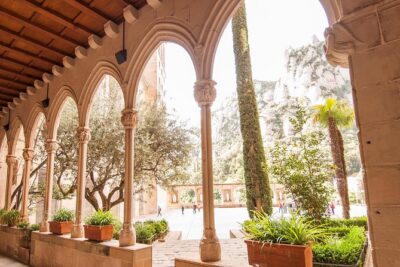
Montserrat with Black Madonna & Medieval Winery with Tapas/Lunch
Read our review →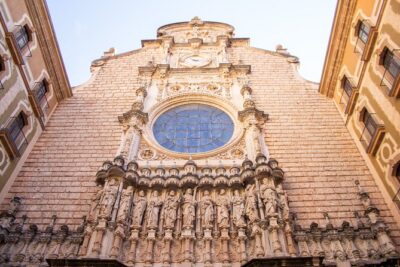
Montserrat Full Day Tour with Farmhouse Lunch and Winery Visit
Read our review →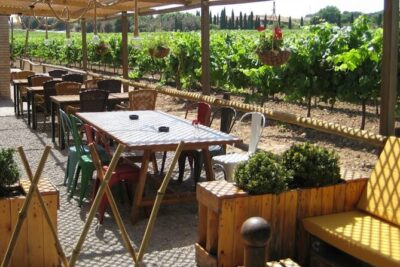
Montserrat & Winery Visit Tour with Traditional Farmhouse Lunch
Read our review →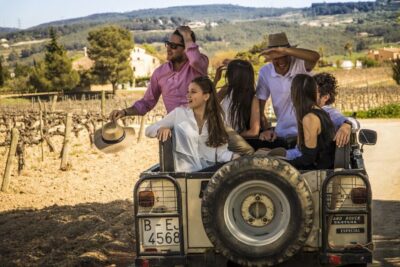
Madrid Countryside Wineries Guided Tour with Wine Tasting
Read our review →
Bodegas Fundador Guided Tour with Tasting Session
Read our review →
Browse the lists this tour appears in