
REVIEW · FRANCE
Cellar visit and Alsace wine tasting with a feminine touch
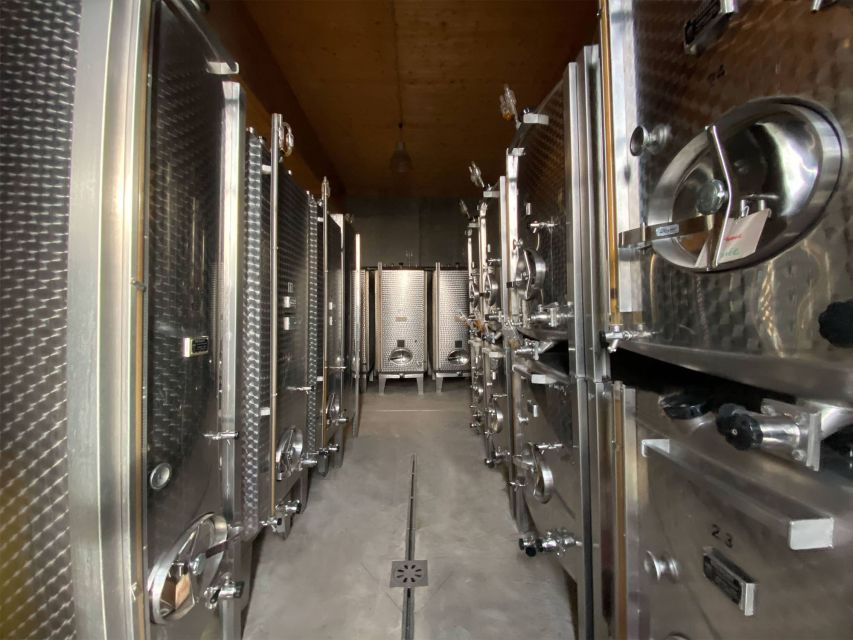
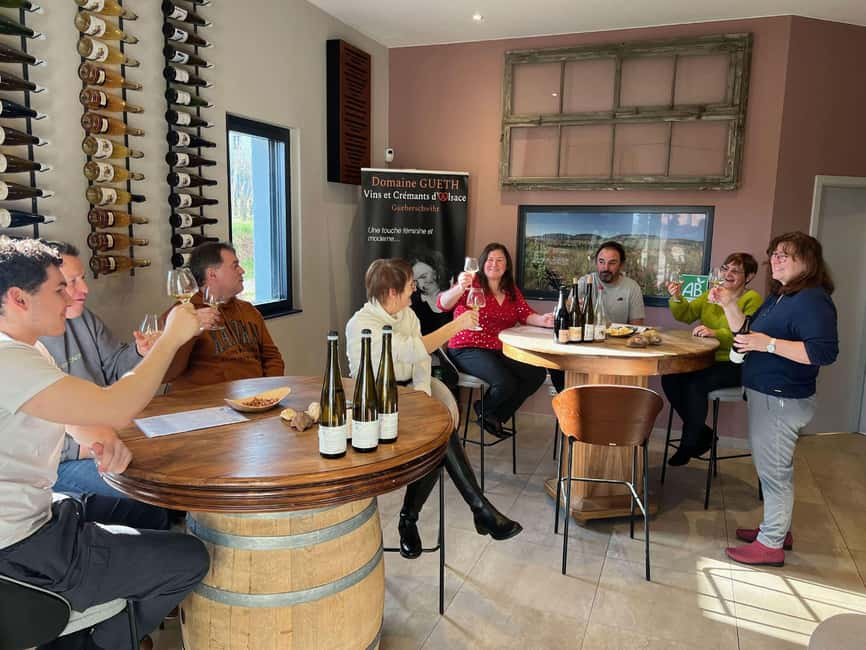
Domaine Gueth gives you a close look at Alsace wine without turning the visit into a stiff lecture. In one hour, you tour the cellar, hear how the estate lets wines develop with minimal constraint, and choose seven organic wines from a list of more than twenty.
I like the freedom to shape the tasting around your own palate, and I like the small Alsatian snack served alongside the glasses. The main thing to consider is the phrase feminine approach: Muriel’s modern role and philosophy are clear, but the visit may not include a detailed discussion of how femininity shapes every part of the farming or cellar work.
Key points at a glance
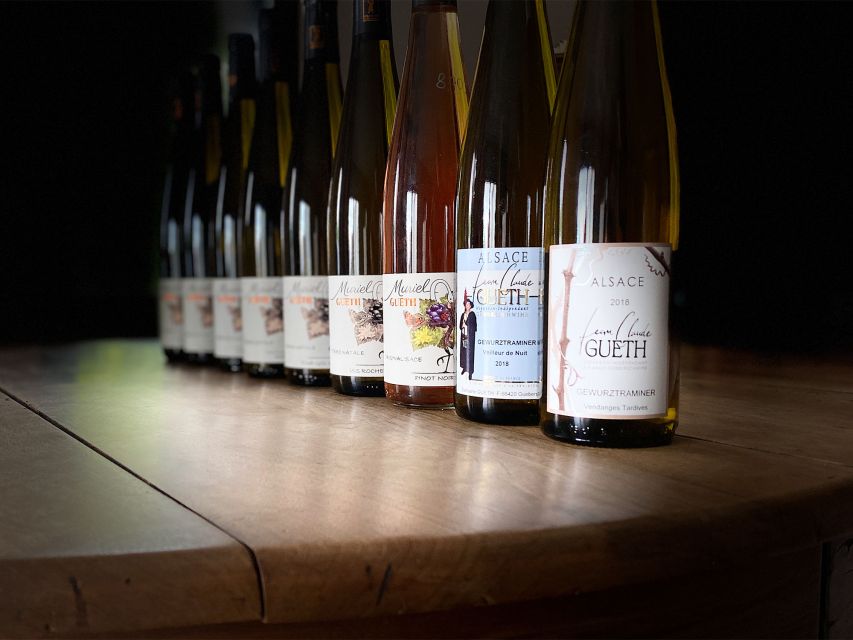
- Seven wines chosen to suit you: Select from traditional wines, old-vine bottlings, local wines, and more unusual cuvées.
- A real cellar visit: See the estate’s facilities before tasting, rather than simply sitting down for a flight of wines.
- Organic and environmentally focused: Domaine Gueth holds Organic Farming and High Environmental Value labels.
- Spontaneous fermentation: Learn how the estate allows wines to follow their own path from vine to bottle.
- Alsatian snacks included: Your tasting comes with a pretzel or slice of kougelhopf, plus crackers.
- Good flexibility: The one-hour visit is offered in French, English, and German, with free parking and wheelchair access.
Why Domaine Gueth makes a good Alsace wine stop
Alsace wine country is easy to enjoy from the road, but a cellar visit helps you understand what is in your glass. At Domaine Gueth, the focus is not just on tasting labels. You learn how the estate farms its vines, handles fermentation, and decides when not to interfere.
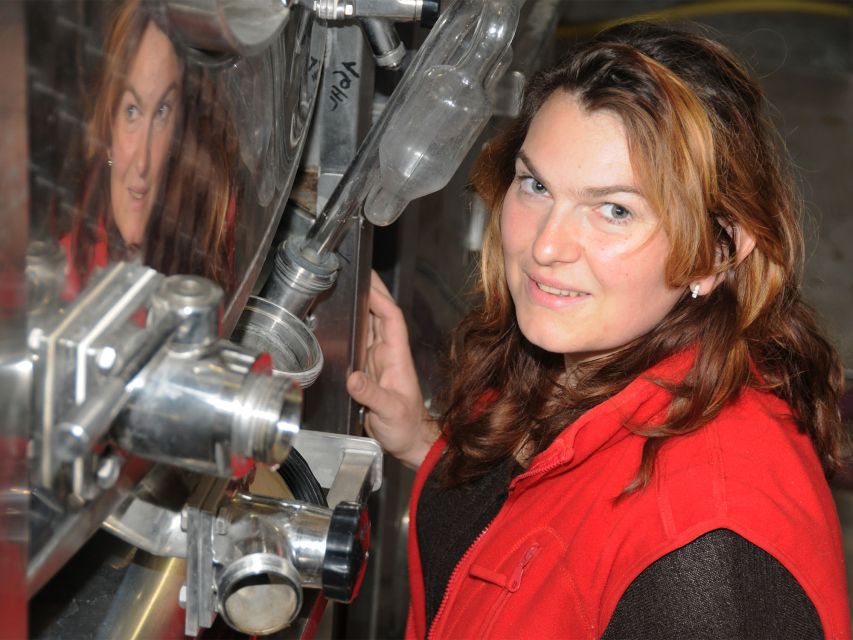
The domain has seven generations of winemaking behind it. Muriel now brings a contemporary style to that family tradition, with an emphasis on fruity, elegant wines and close contact with nature. That combination gives the visit a useful balance: you hear about old family roots, but the presentation is aimed at current wine practices rather than family legend alone.
I also like the scale of the visit. The cellar is described as small, which can be an advantage if you prefer a personal setting to a large commercial tasting room. A small installation can make the equipment and working spaces easier to understand. It can also mean a less polished, more intimate feel.
The estate is a Vigneron Indépendant, meaning the winery presents itself as an independent grower and producer. For you, that matters because the visit connects the vineyards, cellar, and bottles in one place. You are not simply tasting wines selected by a shop or restaurant.
More Wine Cellar Visits in France
- Epernay: Guided Tour of Champagne Cellar with Tastings
★ 4.7 · 507 reviews - Paris Art of Pairing Cheese and Wine Tasting in a Cheese Cellar
★ 5.0 · 386 reviews - Paris – Guided Visit & Tasting in a Royal Wine Cellar
★ 4.5 · 221 reviews
Touring the cellar and winery facilities
The visit begins at Domaine Gueth, where free parking is available inside the estate. That makes this a simple stop if you are following the Alsace Wine Route by car. There are 10 places available, so the setting is likely to feel more personal than a large group tasting, although the exact group size for your booking is not specified.
The cellar and winery facilities are part of the experience, not just a backdrop. You can expect an explanation of how the estate works and how its approach affects the wines. The tour is short, so do not expect a long walk through every vineyard or a full-day winemaking course. Instead, the value comes from seeing the working heart of the estate before tasting the results.
One useful theme is the winery’s choice to raise its wines without constraint. In plain terms, Domaine Gueth aims to guide the wine rather than force it into a fixed style. The estate links this approach to spontaneous fermentation, environmental care, and respect for the character of the grapes.
You will not need technical wine training to follow the explanation. The visit is designed around clear commentary, with French, English, and German available. If you are curious, this is a good moment to ask how organic farming affects the work in the cellar, or what the winemaker means by allowing a wine to follow its own path.
The setting may feel modest rather than grand. One visitor described the cellar as small, and that is worth keeping in mind if you are expecting a large historic underground complex. The trade-off is that the visit concentrates on the estate’s working method instead of spectacle.
Understanding the feminine approach
The title of this tasting puts Muriel’s role at the center. She brings a feminine and modern touch to a family estate that has produced wine for seven generations. The emphasis appears to be on her philosophy: respect for the environment, elegant fruit, and less forceful handling of the wine.
That idea may appeal to you if you enjoy meeting the person behind a family winery and hearing how a newer generation shapes an established business. The presentation is not only about grape varieties and tasting notes. It also asks you to think about how a winemaker chooses to work.
Still, you should keep your expectations measured. The phrase feminine approach is not explained in a strict technical sense in the available information. You may hear about Muriel’s position and her way of working, but the visit may not spell out how gender changes vineyard practices, cellar decisions, or bottle design.
That is the clearest limitation of the experience. If this theme is your main reason for booking, ask about it directly during the visit. A thoughtful question could lead to a useful conversation about family succession, working methods, or how Muriel has shaped the estate’s current direction.
If the label is simply a way to describe Muriel’s personal style, the rest of the tasting still has plenty to offer. You will learn about organic production, spontaneous fermentation, Alsatian wine types, and the estate’s range of more than twenty wines.
Tasting seven organic Alsace wines
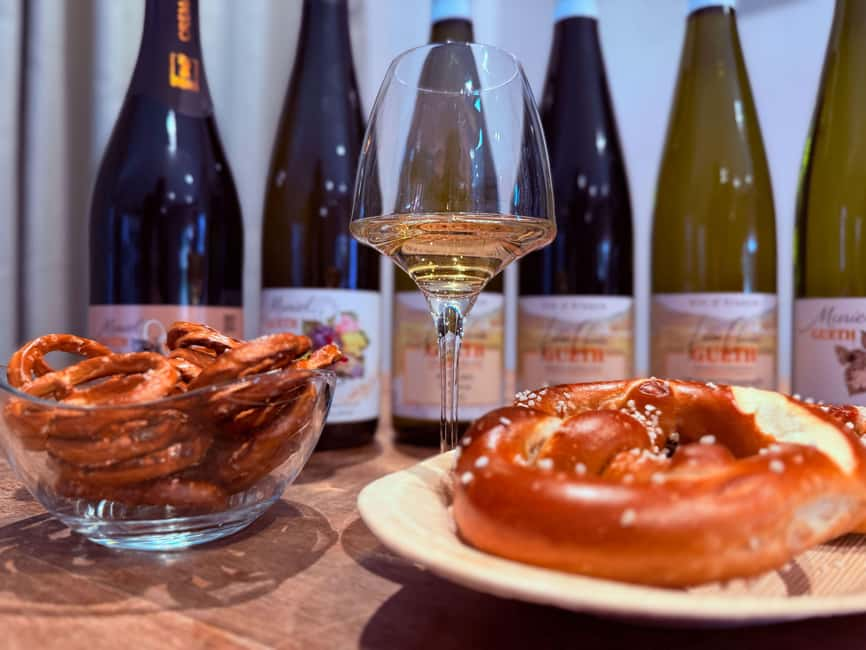
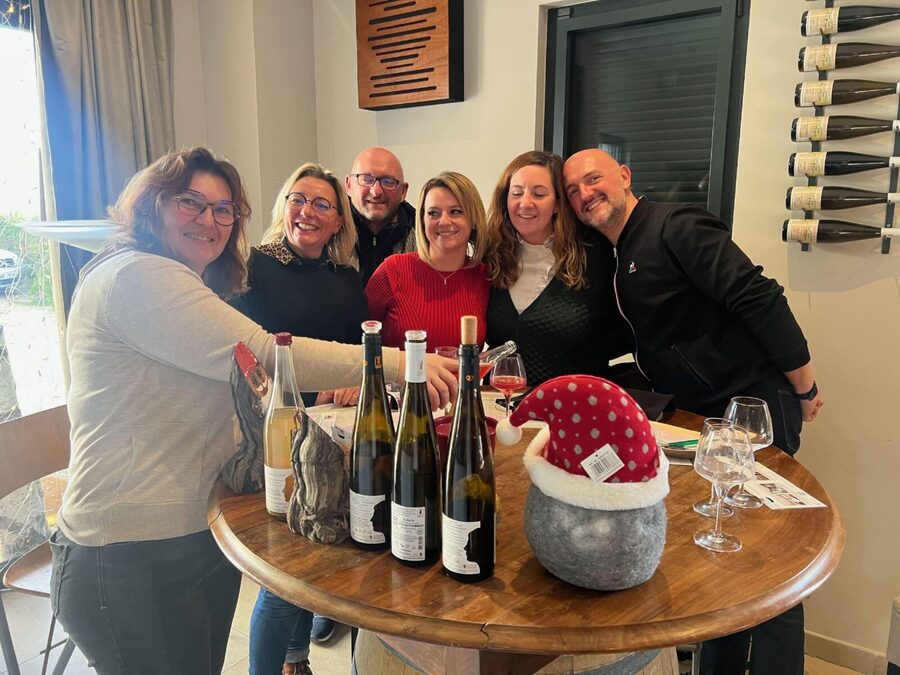
The tasting is the heart of the visit. You choose seven wines from the estate’s full selection rather than receiving one fixed flight. This is a strong point for anyone who already knows what they like, as well as anyone who wants to compare different styles.
The available range includes traditional wines, selections from old vines, atypical wines, and local wines. You may find familiar Alsace profiles alongside bottles that are less predictable. Since your seven choices are guided by your preferences, tell the host whether you favor aromatic whites, fruit-forward wines, unusual styles, or something suitable for a meal.
The estate describes its wines as fruity and elegant. One practical detail from the tasting experience is that the wines can be highly aromatic. If you prefer subtle wines, tell the host before choosing your full selection. If you enjoy expressive aromas, this may be one of the most appealing parts of the visit.
The tasting is richly commented, so you should receive more than a quick pour and a bottle name. The explanation covers the link between terroir and vinification, which helps you understand why two wines from the same broad area can taste different.
You can also ask about the effect of old vines, the reason for choosing spontaneous fermentation, and the distinction between traditional and atypical wines. The one-hour format will not allow a detailed technical study of every bottle, but it gives you enough structure to make comparisons.
There is an important practical advantage to choosing from the entire range: you can spend your money on bottles you actually enjoy. You are not limited to a preselected lineup that may include styles you would never buy.
Same wine country, a different day out:
- Medoc or Saint Emilion Wine Tasting and Chateau from Bordeaux
★ 5.0 · 1,415 reviews - Saint-Émilion: Grand Cru Classé Winery Visit and Tasting
★ 4.6 · 1,118 reviews - Saint Emilion Half-Day Trip with Wine Tasting & Winery Visit from Bordeaux
★ 4.5 · 1,034 reviews - Champagne Day Trip with 6 Tastings, Reims and Winery from Paris
★ 5.0 · 902 reviews
Pretzel, kougelhopf, and the Alsatian connection
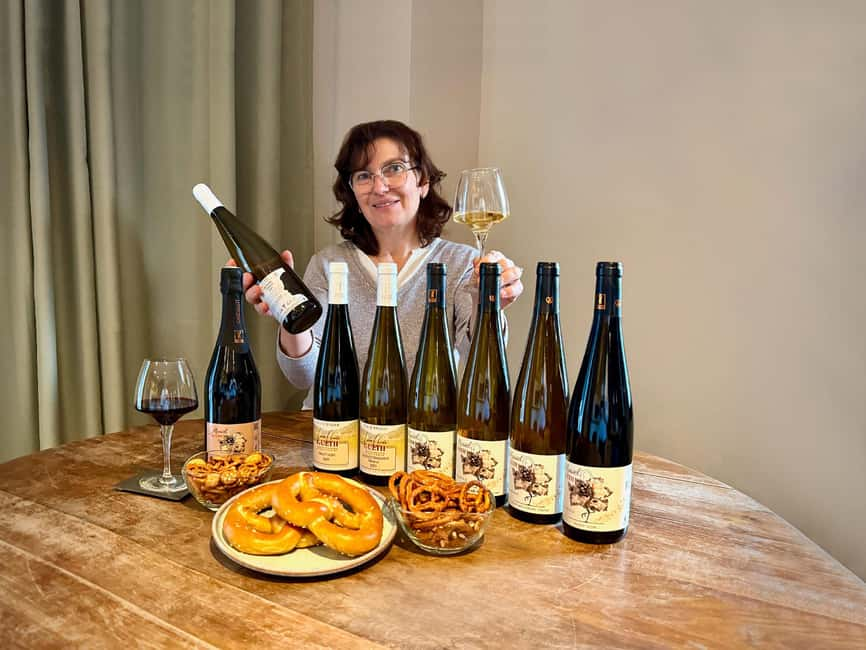
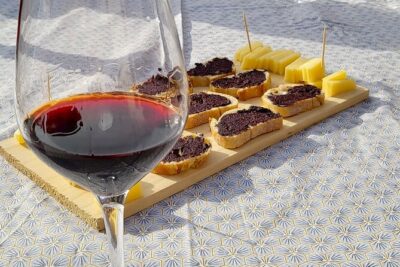
Each tasting includes an Alsatian pretzel or a slice of kougelhopf, along with crackers. These are small additions, but they make the hour feel tied to the region rather than like a generic wine sample.
A pretzel gives you something salty to eat between wines. Kougelhopf, a traditional Alsatian ring-shaped cake, adds a softer and slightly more regional touch. The food is not a full meal, so plan to eat beforehand if you are hungry.
The snacks also serve a practical purpose. Wine can taste different when paired with food, and a bite between pours helps reset your palate. You can notice how the wines work with simple local flavors without turning the tasting into a formal food-pairing class.
If you do not drink alcohol, the estate offers 100 percent organic grape juice from its vineyards in place of wine. That option is useful for non-drinkers and for anyone accompanying a wine enthusiast. The activity is officially for adults only, however, so do not assume that children can join simply because grape juice is available.
What the price includes, and what it is worth
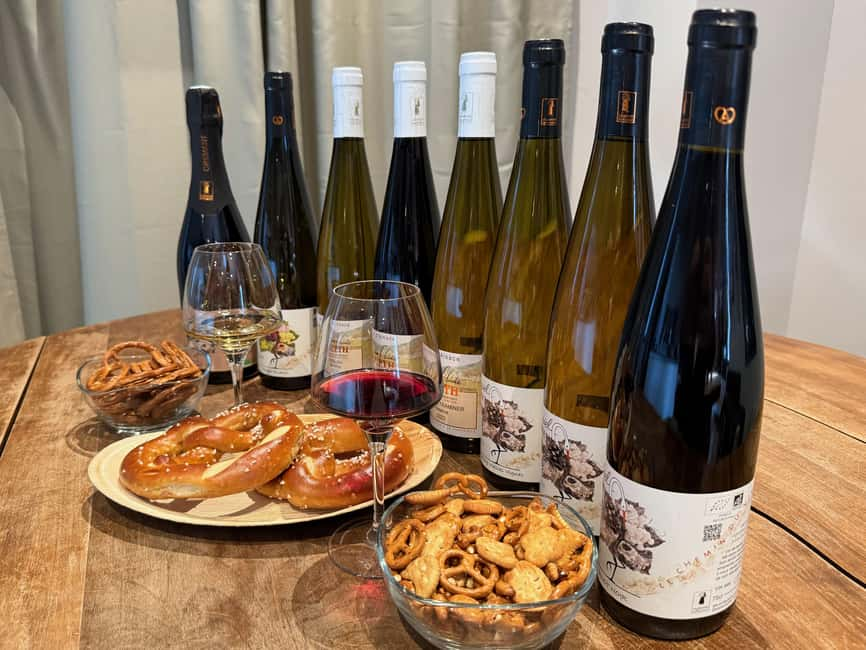
At $20 per person, this is a fairly focused introduction to Domaine Gueth. The price includes the cellar and facility visit, the explanation of the estate’s philosophy, seven organic wine tastings, and the Alsatian snacks.
The value is strongest if you want a guided introduction before buying wine. Seven pours from a choice of more than twenty wines can help you avoid guessing at the sales counter. You can taste first, compare styles, and buy directly from the producer afterward.
The price is less compelling if you want a long vineyard walk, a large meal, or an extensive technical course. This is a one-hour cellar visit, not a full afternoon at the estate. You are paying for access, explanation, tasting, and choice rather than a large number of attractions.
Direct purchase is another useful part of the visit. If a bottle suits you, you can buy it at the estate where it was made. That gives you the chance to take home a wine you have already tasted, rather than relying only on a label or a recommendation.
Who will enjoy this tasting most
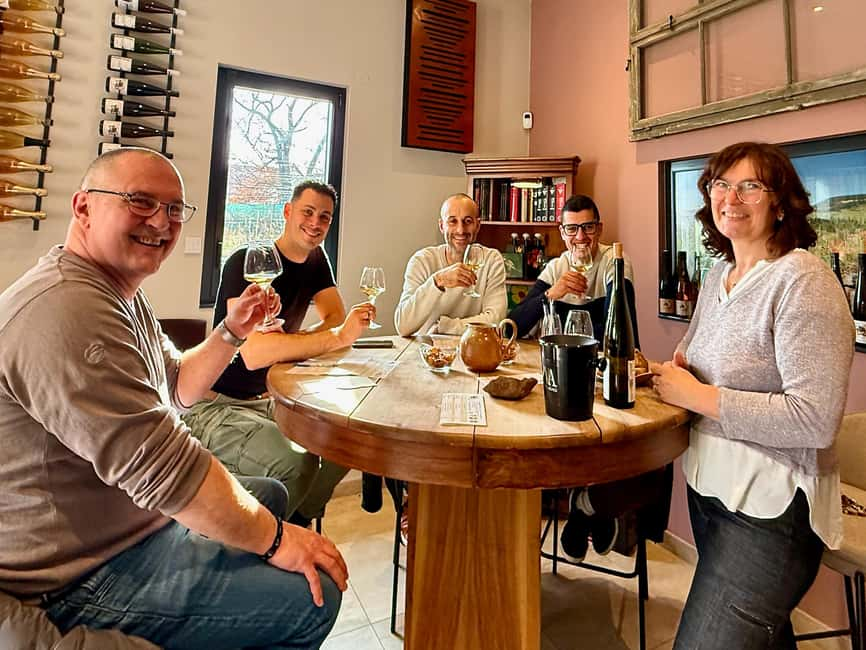
I would recommend Domaine Gueth to several kinds of visitors:
- You want a short and practical wine activity during a day on the Alsace Wine Route.
- You prefer a family estate to a large commercial winery.
- You enjoy aromatic wines and want to compare several Alsace styles.
- You care about organic farming and low-intervention cellar work.
- You want to choose your own tasting flight.
- You would like to buy directly from the producer.
- You need a visit offered in French, English, or German.
- You are traveling with someone who does not drink and would appreciate an organic grape juice option.
The experience may be less suitable if you want a highly theatrical cellar, a long vineyard tour, or a formal lesson focused only on the feminine side of winemaking. The title may suggest a more developed gender-focused story than the visit always provides.
The one-hour duration suits a busy itinerary. You can fit it between other stops without giving up half a day. Because the visit is adults-only and includes wine, it is best planned as part of an adult-focused day.
Practical details before you reserve
Domaine Gueth is in the Grand Est region of France, at the estate meeting point. Free parking is available inside the domain, and the site is wheelchair accessible.
The experience is offered with a live guide in French, English, or German. Check the available start times when booking, since the visit lasts one hour and the schedule may vary.
You can cancel up to 24 hours in advance for a full refund. The reserve-now, pay-later option also gives you some flexibility while you finalize your Alsace plans.
Remember that the tasting is for adults only. If you do not want wine, request the estate’s 100 percent organic grape juice. The available information does not say whether every person in a group may mix wine and grape juice, so ask when arranging the visit if that matters for your party.
Should you book Domaine Gueth?
Book this tasting if you want an affordable, compact introduction to Alsace wine with real contact with a small family estate. The strongest features are the seven wines you choose yourself, the organic and environmentally focused approach, the clear explanation of terroir and vinification, and the chance to buy bottles directly from the producer.
Go in with realistic expectations about the feminine theme. Muriel’s modern role gives the visit its identity, but the discussion may focus more on her approach to wine than on a detailed account of femininity in vineyard work.
For most adults spending time along the Alsace Wine Route, $20 is a sensible price for an hour of tasting, local snacks, and useful guidance. If you want to understand what you are drinking before buying a bottle, Domaine Gueth is a practical choice.
FAQ
Where does the wine tasting take place?
The experience takes place at Domaine Gueth in the Grand Est region of France.
How long does the visit last?
The cellar visit and tasting last one hour.
How many wines can I taste?
You can choose and taste seven wines from the estate’s selection.
Can I choose the wines myself?
Yes. You can select seven wines that best suit your preferences from more than twenty wines.
Are the wines organic?
The tasting includes organic wines, and the estate has the Organic Farming label.
What food is served with the tasting?
The tasting includes an Alsatian pretzel or a slice of kougelhopf, along with crackers.
Is the activity available in English?
Yes. The live tour guide is available in French, English, and German.
Can someone who does not drink wine take part?
People who prefer not to drink wine can replace the tasting with 100 percent organic grape juice from the estate’s vineyards.
Is the experience suitable for children?
The wine tasting is for adults only.
Is parking available at Domaine Gueth?
Yes. Free parking is available inside the domain, with space for the visit.
More Food and Drink Experiences in France
- Saint-Émilion: Bordeaux Vineyard Tour and Wine Tasting
★ 4.8 · 578 reviews - Bordeaux: Vineyards Wine Tasting Half-Day Trip
★ 4.2 · 470 reviews - Saint-Émilion: Vineyard Walking Tour and Tasting
★ 5.0 · 404 reviews - Beaune: Wine Tasting at Château de Pommard
★ 4.6 · 353 reviews
Just added around France
- Day Trip to the Sancerre and Pouilly Vineyards★ 5.0 · 20 reviews
- 3-Hour Private Painting tuition in a beautiful Cognac vineyard★ 3.5 · 2 reviews
- 4×4 tour in a winery followed by a tasting★ 5.0 · 46 reviews
- Winery Visit with Food and Wine in Carcassonne★ 5.0 · 59 reviews
- Walk in the vineyards of Chablis Grands Crus★ 4.5 · 7 reviews
- Wine Getaway with Tasting in the Chablis Vineyard★ 5.0 · 3 reviews
- Winery Tour & Wine Tasting – Deli Plate & 3 Wines★ 5.0 · 72 reviews
- Visit to the Faugères Vineyards with Picnic from Béziers★ 5.0 · 7 reviews
France Vineyard Tours, compared.
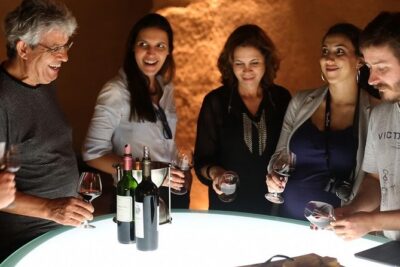
Medoc or Saint Emilion Wine Tasting and Chateau from Bordeaux
Read our review →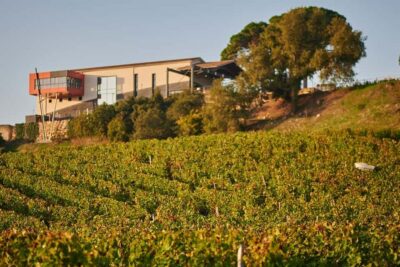
Saint-Émilion: Grand Cru Classé Winery Visit and Tasting
Read our review →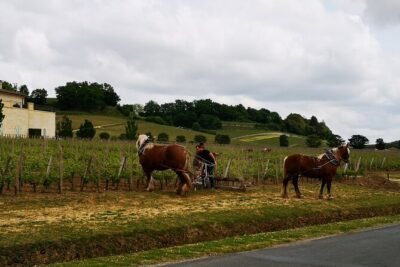
Saint Emilion Half-Day Trip with Wine Tasting & Winery Visit from Bordeaux
Read our review →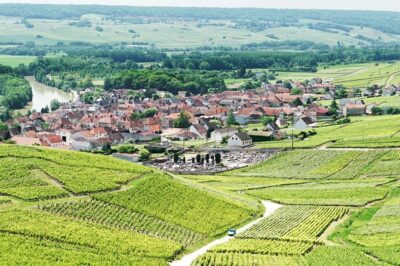
Champagne Day Trip with 6 Tastings, Reims and Winery from Paris
Read our review →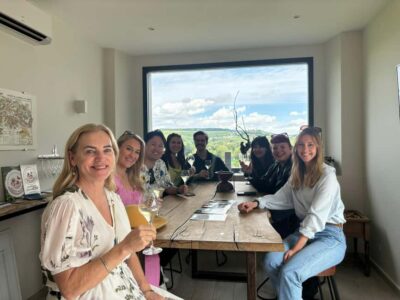
Saint-Emilion Afternoon Wine Tour – 2 Wineries & delicacies
Read our review →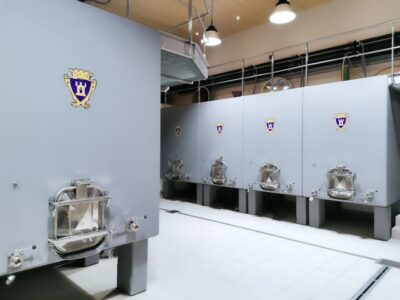
Saint-Émilion: Bordeaux Vineyard Tour and Wine Tasting
Read our review →
Browse the lists this tour appears in