
REVIEW · FRANCE
Saint-Émilion: Vineyard Walking Tour and Tasting
At Château Haute-Nauve, the most interesting part is seeing the whole wine journey in one place. You walk among the vines with a fourth-generation family member, then follow the grapes into the fermentation cellar and on to the barrels. I like that Florent Mallet explains the work from personal experience, not from a script, and that the tasting includes four estate wines, including two Grand Cru wines.
I also like the small-group format, limited to 10 people, and the practical look at modern vineyard life. You may see a wind turbine, solar panels, a six-meter wine bottle used as a heater, and equipment for pumping and pressing. The main consideration is transport: the château is outside the village, and you should plan to arrive by car or arrange a ride.
Key points to know before you book
- Meet a fourth-generation wine family: Florent or his mother, Marie-Anne, leads the visit and shares the family’s experience of working the estate.
- Follow grapes from vine to barrel: The tour covers vineyard care, fermentation, pumping, pressing, ageing, and bottling.
- Taste four Saint-Émilion wines: Two carry Grand Cru appellations, giving you a useful comparison within the estate’s range.
- Expect a personal small-group visit: Groups are capped at 10, though a smaller booking may sometimes feel almost private.
- Allow time for the outdoor walk: Wear comfortable shoes and dress for the weather.
- Budget $29 per person: Food and transport are not included, but the tasting and full cellar visit make this a strong-value introduction to Saint-Émilion wine.
A family welcome at Château Haute-Nauve
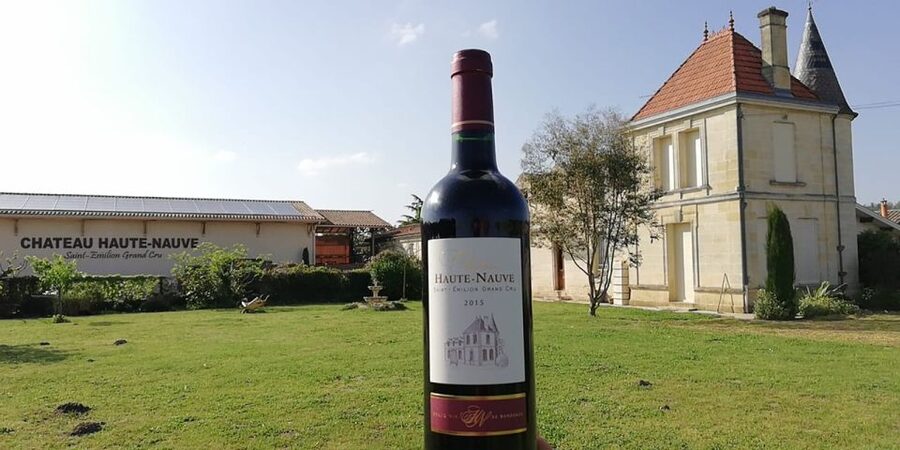
Château Haute-Nauve sits about 3 kilometers from Saint-Émilion village, close enough to combine with a visit to the medieval town but far enough out to feel like a working estate. You meet inside the château, with parking near the large building marked by solar panels and the purple Château Haute-Nauve sign.
The visit is led by Florent or his mother, Marie-Anne. Florent appears to lead many of the tours, and his approach is relaxed, humorous, and direct. He explains the estate as someone who works there, rather than presenting wine as a collection of grand words and mysterious rituals.
That personal connection matters. You hear about the fourth generation of the family, the practical demands of running a vineyard, and the decisions required to keep a small wine business going today. The conversation can also include questions, which makes the visit feel less formal than a large commercial tasting.
Groups are limited to 10 people. That is a useful size for a vineyard walk because you can hear the guide without losing the sense of being outdoors. It also gives you a better chance to ask about grape varieties, weather, equipment, or the wines in your glass.
More Food and Drink Experiences in France:
- Medoc or Saint Emilion Wine Tasting and Chateau from Bordeaux
★ 5.0 · 1,415 reviews - Saint-Émilion: Grand Cru Classé Winery Visit and Tasting
★ 4.6 · 1,118 reviews - Saint Emilion Half-Day Trip with Wine Tasting & Winery Visit from Bordeaux
★ 4.5 · 1,034 reviews
Walking the Saint-Émilion vines
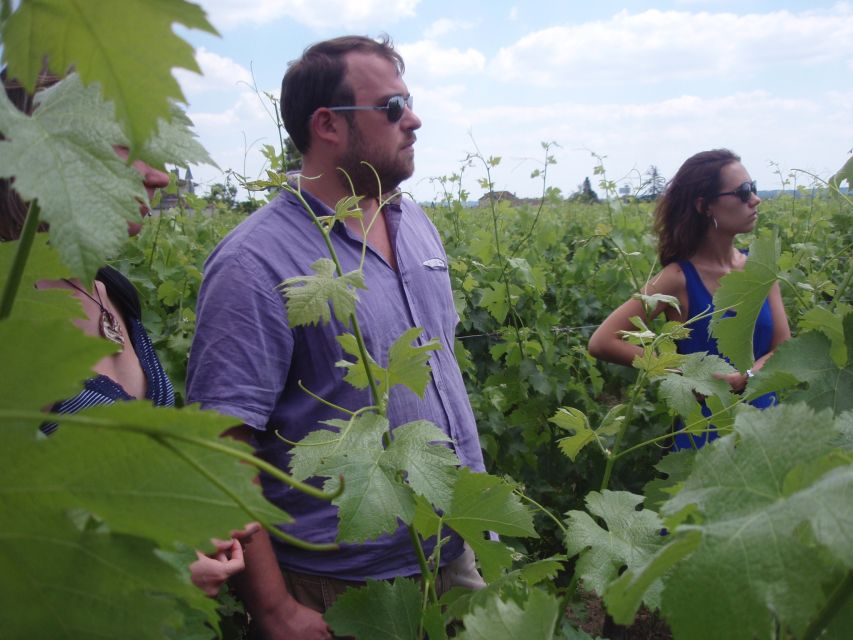
The tour begins outside, among the vineyard plots. This is the part that gives the rest of the visit meaning. Before you taste the wine or see the machinery, you learn that the final bottle begins with year-round work in the fields.
Florent explains the estate’s family story and the specific character of the Saint-Émilion appellation. He also describes how the work changes through the seasons. The vineyard is not simply planted and harvested once a year. Care, pruning, weather checks, and decisions about the crop shape what eventually reaches the cellar.
You will hear about the soil and climate, the grape varieties, and the problems that can damage a harvest. Frost is one of the hazards discussed, and the estate has developed ways to deal with difficult weather. This makes the tour useful even if you already understand the basics of wine, because it connects broad wine terms to real decisions made at this particular property.
The estate also talks about sustainability and diversification. These subjects are not side notes. A modern family winery must think about weather risk, production costs, changing tastes, and how to make the business durable. Château Haute-Nauve is also developing new wine varieties, showing that tradition here does not mean refusing every new idea.
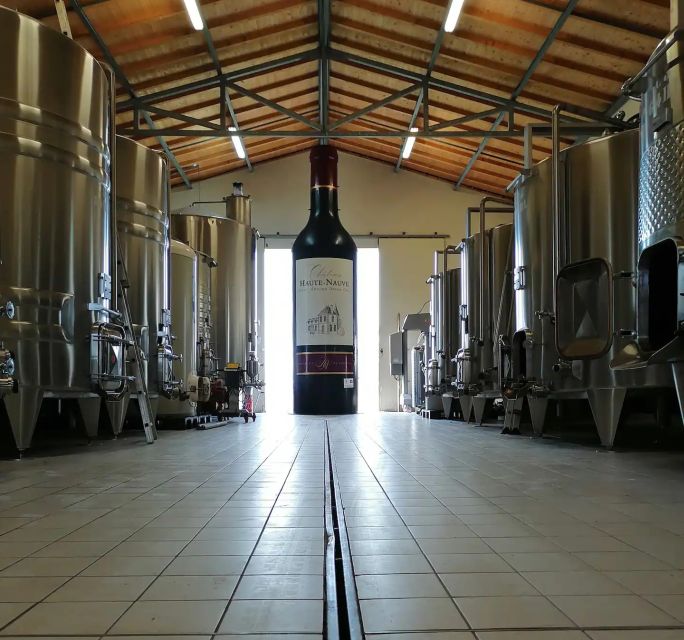
Look out for the wind turbine and the six-meter bottle. The bottle is more than a photo stop. It is used as a heater, and it captures the estate’s practical, inventive spirit. Solar panels near the main building add another visible sign that the property is considering energy use as part of its operation.
The outdoor portion lasts roughly 50 minutes according to the tour experience described by visitors, though the full visit runs for two hours. Comfortable shoes are important. This is a real walk through the vines, not only a view from a terrace, and weather-appropriate clothing will make the experience easier in sun, wind, or damp conditions.
From harvest to fermentation cellar
After the vines, you move indoors to the vinification cellar. This is where the tour changes from farming to production, and it helps you understand the work that happens between picking grapes and ageing wine.
You see the equipment used for fermentation, pumping, and pressing. The guide explains what each stage does and how the grapes are handled as they become wine. Instead of hearing only about finished bottles, you get a look at the machinery and systems that control the process.
This section is especially useful if your previous winery visits have focused mainly on tasting. You can see the technology involved and ask how the cellar supports the choices made in the vineyard. The explanations cover both modern and historical methods, giving you a sense of how winemaking has changed while still remaining tied to the family’s long experience.
Do not expect a huge industrial operation. The appeal is the direct scale of the visit. You are seeing the facilities of the estate you are about to taste, not touring a generic production plant. That keeps the connection between the equipment, the vineyards, and the bottle clear.
The guide’s family connection also helps here. Florent can explain not only what the machinery does, but why the estate uses particular methods and how production fits into the day-to-day running of the business. If you have questions, this is a good time to ask them.
Barrels, ageing, and the final tasting
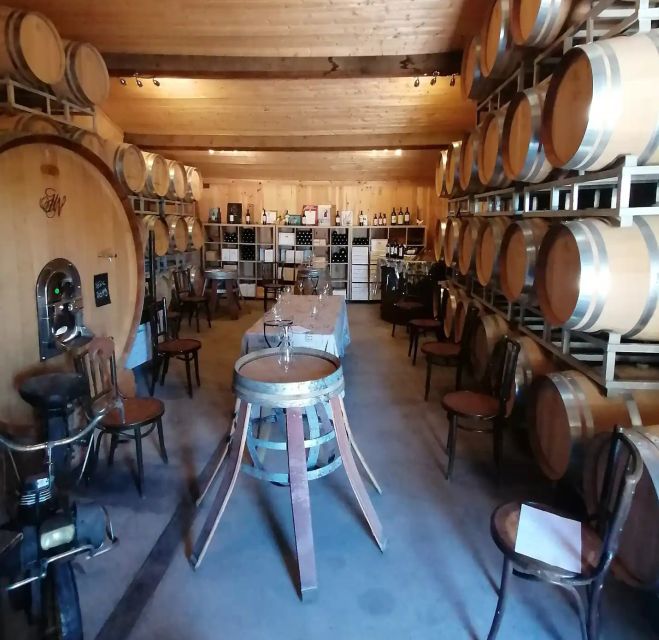
The final production stop is the barrel cellar. Here you learn how the wine is aged and see the methods used before bottling. This part is quieter and more atmospheric than the machinery room, but it completes the basic path from vine to bottle.
Then comes the tasting, with four wines produced at Château Haute-Nauve. Two have Grand Cru appellations. The selection gives you a chance to compare different wines from the same estate and consider how grape variety, plot, vintage, and ageing affect the result.
The tasting is guided rather than simply poured. Florent or Marie-Anne explains what you are drinking and helps you notice differences in style, body, and finish. The wines may range from smoother examples to fuller-bodied bottles, so you can compare rather than judge the whole estate from one sample.
I like this structure because the tasting comes after the vineyard and cellar visit. By then, you have seen the vines, the fermentation equipment, the press, and the barrels. The wine is no longer an abstract product. You have a clearer idea of the work behind it and the choices that shape its character.
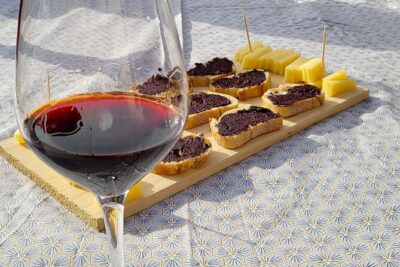
There is no food included, so this is not a meal or a full food-and-wine pairing. If you need lunch or a snack, plan that separately. The tasting itself is the centerpiece at the end of the two-hour visit, and you can buy additional bottles at the estate if you find something you want to take home.
Purchases are optional. The visit does not require you to buy wine, and the relaxed atmosphere makes browsing easier than at a hard-sell tasting room. If you are driving, remember to taste responsibly and arrange your transport accordingly.
More Walking Tours in France:
- Gourmet walk in the heart of the vineyards with Champagne tasting near Epernay
★ 5.0 · 45 reviews - Champagne tasting, panoramic walk in the vineyards
★ 5.0 · 42 reviews - 2-hour walk – Castles and vineyards
★ 4.5 · 11 reviews - Walk in the vineyards of Chablis Grands Crus
★ 4.5 · 7 reviews
Why the $29 price makes sense
At $29 per person, this is a good value for Saint-Émilion, particularly if you want more than a quick pour of wine. You receive a guided vineyard walk, a complete visit to the family estate and cellars, and four wines at the end.
The value comes from the range of subjects covered. In two hours, you learn about the family, the appellation, seasonal vineyard work, frost, sustainability, diversification, fermentation, pumping, pressing, barrel ageing, and tasting. Many short wine experiences focus heavily on the final glass. This one gives equal attention to the work that comes before it.
The price is also helped by the small-group format. A group of up to 10 is not the same as a private tour, but it is small enough to keep the conversation personal. Some bookings may be even smaller, depending on the day and date.
You should factor in transport costs because the château is not in the center of Saint-Émilion. The meeting point recommends arriving by car. Some people have used a ride service, and the distance from the village is manageable by car, but transport is not provided. That is the main extra cost to consider.
Food is not included either. For a two-hour activity, that is not a serious flaw, but you should not arrive expecting a vineyard lunch. Think of this as a focused estate visit with a tasting, not a half-day food excursion.
Getting there and choosing the right time
The estate is located in Nouvelle-Aquitaine, just outside Saint-Émilion. Look for the large building with solar panels and the purple Château Haute-Nauve sign. Parking is near the building, and the meeting point is inside the château.
A car is the simplest option, especially if you are visiting several estates or staying outside the village. If you do not have a car, arrange a ride in advance rather than assuming transport will appear at the last moment. The location is close to Saint-Émilion, but the experience is based at the estate, not in the village center.
The tour lasts two hours, with starting times varying by availability. The outdoor section means the weather matters. Comfortable shoes and clothing suited to the forecast are sensible choices. The tour is wheelchair accessible, although you may want to confirm the practical route when booking if you have specific mobility needs.
French and English are offered. The guided explanations are particularly important here, since the value lies in understanding the full process rather than only taking photographs and tasting wine.
Free cancellation is available up to 24 hours in advance, and you can reserve now while paying later. That flexibility is useful when building a Bordeaux itinerary around weather, transport, and other winery visits.
Who will enjoy this vineyard tour most
This is a good choice if you are curious about how wine is made and want a family-run estate rather than a large commercial attraction. You do not need advanced wine knowledge. The explanations are designed to make the process clear, and the tasting gives beginners a practical way to compare the wines.
It also suits people who have already done tastings but want more vineyard time. The visit spends real time outside, discusses crop care and frost, and shows the equipment used after harvest. That wider focus helps you see the estate as a working farm and production site.
Families can also consider it. Children do not take part in the wine tasting in the same way as adults, but the outdoor walk, large bottle, wind turbine, and cellar equipment add visual interest. One family reported that a child enjoyed the two-hour visit, though parents should remember that the activity is still centered on wine and production.
This may not suit you if you want a grand château interior, a long gourmet meal, or an extensive tasting of many different producers. The focus is one family estate, four wines, and the practical story behind them. That focused approach is the reason to book it.
Should you book Château Haute-Nauve?
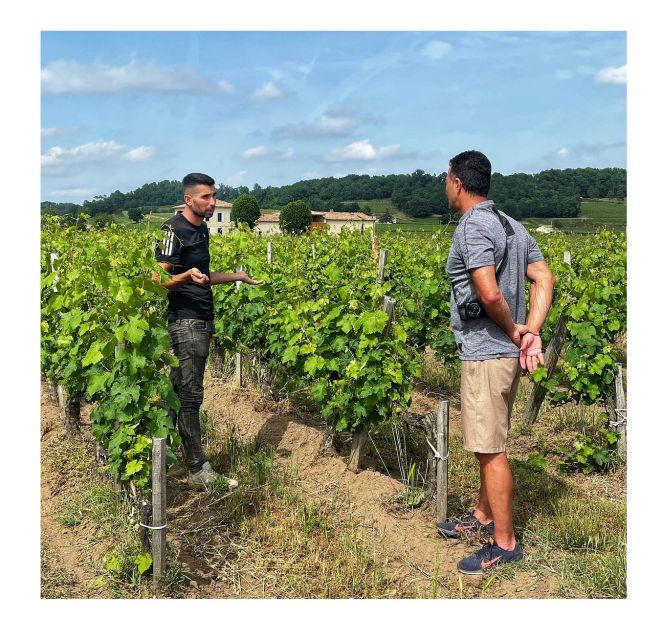
Book this tour if you want a friendly introduction to Saint-Émilion wine with real access to the vineyard and cellar. The strongest reasons are the fourth-generation family story, Florent’s engaging explanations, the small groups, and the chance to taste four wines after seeing how they are made.
At $29, it offers a lot for two hours. You will not receive food or transport, and you will need to plan for the 3-kilometer trip from Saint-Émilion village. But if those details work for your schedule, Château Haute-Nauve gives you a useful, personal look at wine from vine to bottle, with enough tasting at the end to make the lesson enjoyable.
FAQ
How long does the Château Haute-Nauve tour last?
The tour lasts two hours. It includes a vineyard walk, visits to the vinification and barrel cellars, and a guided tasting of four wines.
Who leads the vineyard tour?
The tour is led by a member of the family, either Marie-Anne or Florent. Florent Mallet, the fourth-generation winemaker, leads many of the visits.
How many wines are included in the tasting?
You taste four wines from Château Haute-Nauve. Two of them have Grand Cru appellations.
Is Château Haute-Nauve close to Saint-Émilion village?
Yes. The château is about 3 kilometers from Saint-Émilion. The meeting instructions recommend arriving by car, and transport is not included.
Is the tour available in English?
Yes. Guided tours are offered in English and French.
What should I bring to the tour?
Bring comfortable shoes and clothing suited to the weather. The experience includes a walk through the vineyard, and the tour is wheelchair accessible.
Just added around France
- 3-Hour Private Painting tuition in a beautiful Cognac vineyard★ 3.5 · 2 reviews
- 4×4 tour in a winery followed by a tasting★ 5.0 · 46 reviews
- Winery Visit with Food and Wine in Carcassonne★ 5.0 · 59 reviews
- Wine Getaway with Tasting in the Chablis Vineyard★ 5.0 · 3 reviews
- Winery Tour & Wine Tasting – Deli Plate & 3 Wines★ 5.0 · 72 reviews
- Walk in the vineyards of Chablis Grands Crus★ 4.5 · 7 reviews
- Visit to the Faugères Vineyards with Picnic from Béziers★ 5.0 · 7 reviews
- Languedoc Vineyard Tours★ 5.0 · 25 reviews
France Vineyard Tours, compared.
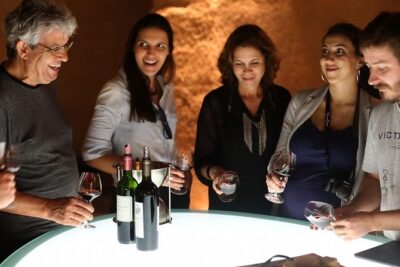
Medoc or Saint Emilion Wine Tasting and Chateau from Bordeaux
Read our review →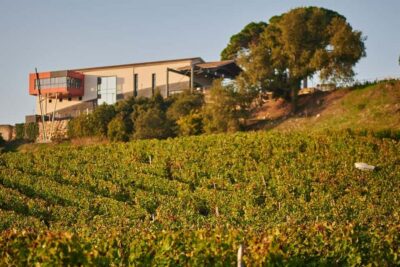
Saint-Émilion: Grand Cru Classé Winery Visit and Tasting
Read our review →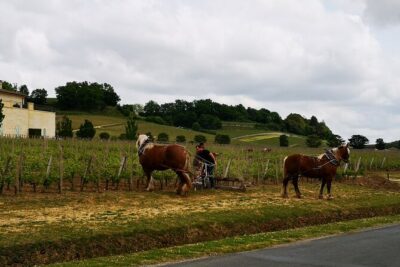
Saint Emilion Half-Day Trip with Wine Tasting & Winery Visit from Bordeaux
Read our review →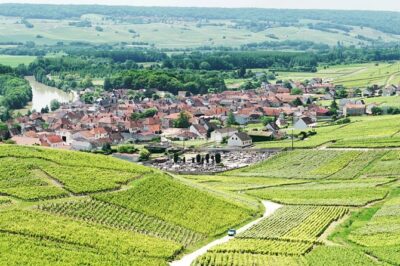
Champagne Day Trip with 6 Tastings, Reims and Winery from Paris
Read our review →
Saint-Emilion Afternoon Wine Tour – 2 Wineries & delicacies
Read our review →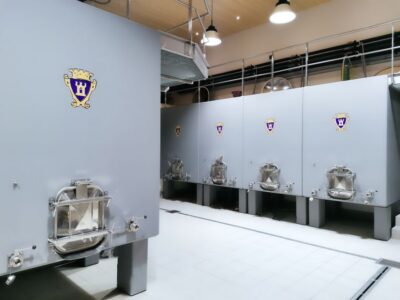
Saint-Émilion: Bordeaux Vineyard Tour and Wine Tasting
Read our review →
Browse the lists this tour appears in