
REVIEW · SPAIN
Aranda de Duero: Tour of Underground Cellar and Wine Museum
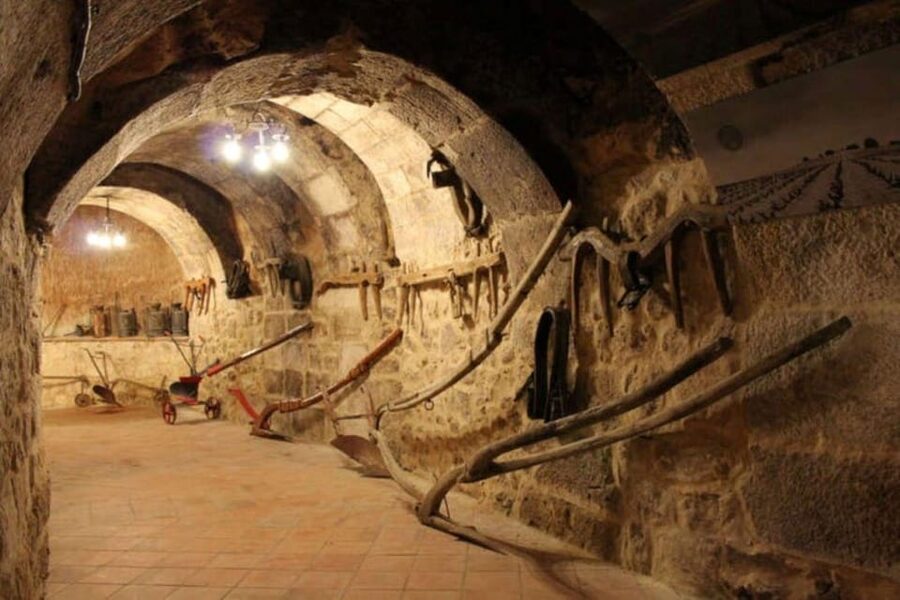
The most unusual part of this short visit is below street level: an underground cellar dating to the 13th century, tucked beside Aranda de Duero’s Santa María Church. I like the direct look at old winemaking tools, and I like that the tour connects those traditional methods with the way wine is made today. The drawback is that the visit is conducted only in Spanish, and the cellar section may feel small if you expect a working winery with many rooms to explore.
I also like the price. At $9, you get museum admission, a guided visit, and a glass of red wine or grape juice without giving up half a day. Still, you should keep expectations in check: one account describes a crowded group, a quickly spoken Spanish tour, and only limited access to the cellar itself.
Key points to know before you book
- A 13th-century cellar beneath Santa María Church: The setting gives the visit its strongest sense of place.
- A compact 45-minute program: You can fit it easily around sightseeing in central Aranda de Duero.
- Spanish-language guiding only: Basic Spanish will help, especially if the guide speaks quickly.
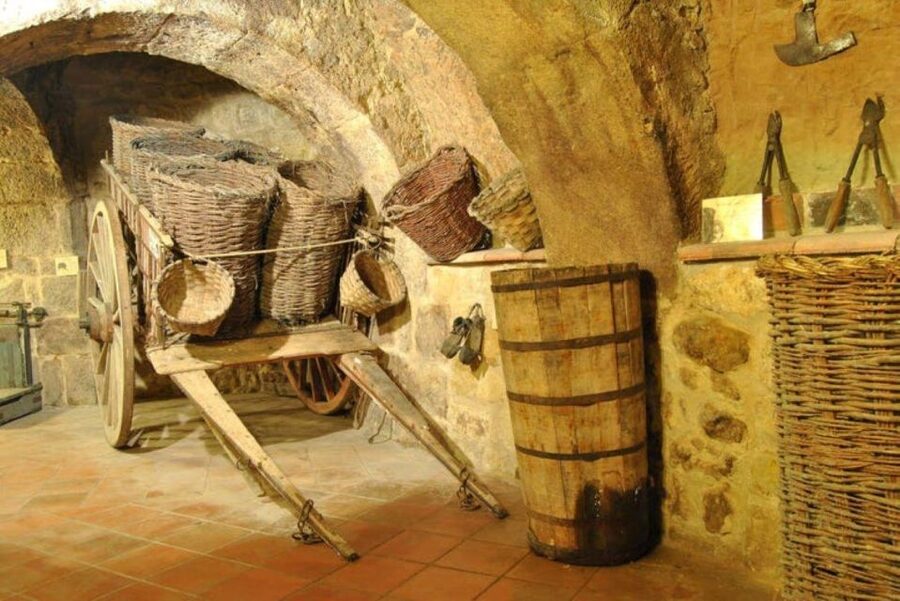
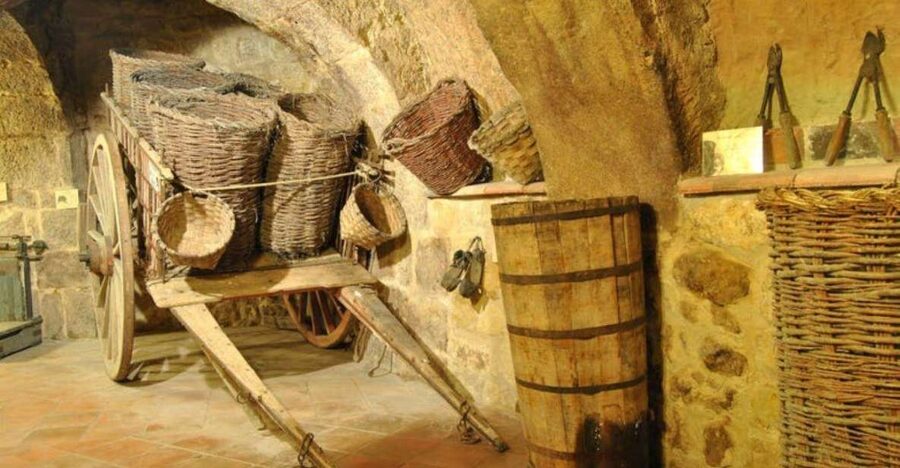
- Traditional tools and bottles on display: The museum adds historical context beyond the cellar walls.
- One glass included: You receive red wine or grape juice during the visit.
- Bring a jacket: Underground spaces can feel cool, even when Castile is warm above ground.
Why this old cellar is the main attraction
Aranda de Duero is closely tied to wine, and this museum gives you a chance to see that connection from below the pavement. The cellar dates from the 13th century, so the appeal is not simply tasting a local red. You are entering a piece of the town’s older working infrastructure, where wine was stored and handled long before modern wineries adopted stainless steel tanks and polished visitor centers.
The location next to Santa María Church makes the visit easy to combine with a walk through the town center. You start at C. Cascajar, 4, visit the museum, and return to the same point. That simple arrangement matters on a busy day because you do not need a taxi, a long transfer, or a separate trip into the countryside.
I would treat the cellar as a historical exhibit rather than a full production winery. The most interesting details are the age of the space, the old equipment, and the explanation of how wine moved from grapes to bottles. If you want to see extensive vineyards, large fermentation rooms, or a long tasting flight, this is not that kind of visit.
The setting also helps explain why underground storage mattered. A cellar below ground naturally offers a different environment from the streets above, and the museum uses that space to show how earlier winemakers worked. The experience is brief, but the location does much of the storytelling.
More Wine Cellar Visits in Spain
- Salou: Priorat tasting Wine-Cellar Tour with hotel pickup
★ 4.6 · 65 reviews - Lanzarote: El Grifo Wine Cellar Tour with Tasting
★ 4.8 · 59 reviews - Ribera del Duero Underground Cellar & Wine Tasting Experience
★ 4.5 · 49 reviews
What happens during the 45-minute visit
The full activity lasts about 45 minutes, with roughly 35 minutes listed for the guided museum visit. You meet at C. Cascajar, 4, enter the Aranda de Duero Wine Museum, and return to the starting point after the tour.
The guide leads you through the winemaking process from grape to bottle. That gives the visit a clear shape. Instead of looking at unrelated objects, you follow the stages of production and see how tools and methods changed over time.
You can expect the focus to be on:
- Old winemaking tools
- Historical bottles and cellar equipment
- Traditional methods of handling wine
- Changes brought by modern winemaking
- The role of underground storage in the town’s wine culture
The guide explains the process in Spanish, so your enjoyment will depend partly on how much Spanish you understand. A Spanish speaker who likes local history should get good value from the commentary. If your Spanish is limited, you may still appreciate the architecture and objects, but you could miss some of the finer points.
One useful tip is to ask the guide to slow down if needed. A Spanish-speaking guide received strong praise for making the visit lively and easy to follow, but another visitor found the speech too fast. That difference may come down to the guide, the size of the group, or your own comfort with spoken Spanish. It is worth saying at the start that you would appreciate a slower pace.
The museum displays and the winemaking story
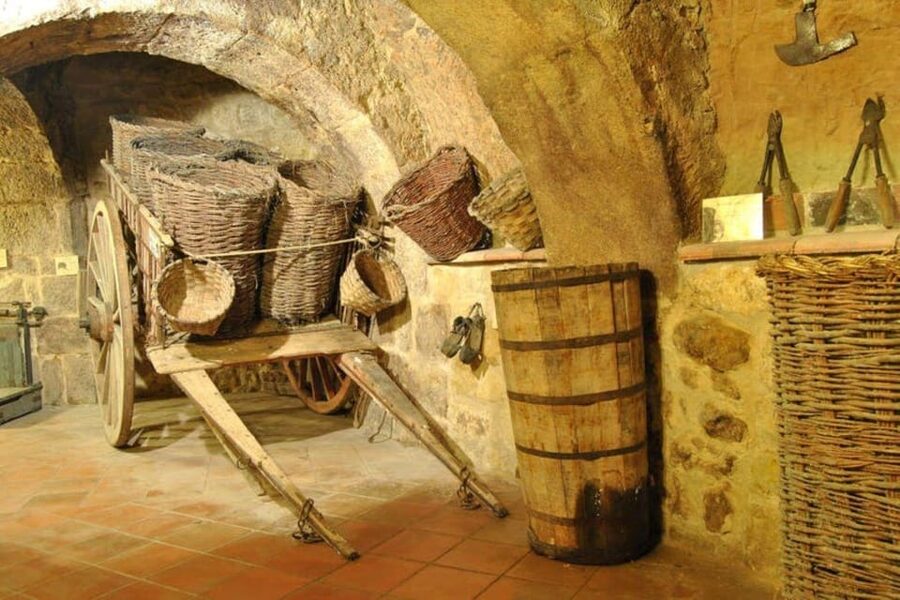
The museum’s value comes from the link between objects and process. Old tools can be interesting on their own, but they make more sense when you understand what each one did. The guide’s job is to connect the equipment to the work of turning grapes into wine.
You will see historical tools and bottles, then hear how production has changed. That contrast is likely to be more useful than a simple display of antiques. It shows that winemaking is not frozen in the past. The same basic product can involve very different methods, equipment, and levels of control.
I like this approach for visitors who want more than a quick drink. The included glass gives you a taste, but the explanation helps you understand what that glass represents. You are not just sampling red wine at the end of a tour. You are seeing the older system that came before modern cellars and learning how the process developed.
At the same time, the museum is compact. One visitor expected more of the bodega and felt that only the tourist section was accessible. That is an important warning. You may see the portion prepared for public visits rather than every part of the underground network. The tour is best for a focused introduction, not for an exhaustive examination of Aranda de Duero’s cellars.
The wine tasting at the end
The tour includes one glass of red wine or grape juice. That choice makes the activity suitable for adults who want a small tasting and for anyone who does not drink alcohol.
Do not book this expecting a formal tasting class. The supplied details do not indicate multiple wines, food pairings, technical tasting instruction, or a choice of producers. The glass is a pleasant finish to the museum visit, not the main event.
One person described the wine as average. That is a fair reason to keep your expectations modest. The value here comes from the cellar, the museum, and the guide. If the wine is your top priority, you may want a separate tasting elsewhere in the Ribera del Duero area.
For me, the single glass works well at this price. It gives the visit a local flavor without turning a 45-minute museum tour into a longer drinking session. If you prefer grape juice, you can request that option instead.
Same wine country, a different day out:
- Barcelona: Montserrat, Cogwheel, Black Madonna & Winery Tour
★ 4.8 · 5,633 reviews - Montserrat with Black Madonna & Medieval Winery with Tapas/Lunch
★ 5.0 · 5,209 reviews - Toledo Tour & Vineyard Walk with Wine Tasting from Madrid
★ 5.0 · 2,546 reviews - From Fuerteventura: Lanzarote Volcano and Wine Region Tour
★ 4.4 · 1,220 reviews
How the Spanish-only format affects the visit
The tour is guided in Spanish, and no other language is listed. This is the most important practical point when deciding if the activity fits your plans.
You do not need perfect Spanish to enjoy the physical setting, but the explanation is central to the visit. The guide provides the story behind the tools, bottles, and changes in wine production. If you can follow everyday Spanish, you should get much more from the tour.
A small amount of preparation can help. Learn a few wine words before you go, such as uva for grape, bodega for cellar, barrica for barrel, botella for bottle, and vino tinto for red wine. You can also ask for clarification during the tour. Since the visit is short, a quick question may help you catch the main points.
The quality of the guiding appears to be one of the experience’s strongest features. Several visitors found the guide friendly, clear, and entertaining, and the visit was described as easy to follow and enjoyable. The one caution is pace: if the group is large or the guide speaks quickly, you may need to ask for repetition.
Group size and the feel of the cellar
The experience can feel very different depending on the group. One person found the tour overcrowded and felt that the visit offered less than expected. The published details do not give a maximum group size, so you should not assume a quiet, private walk through the cellar.
A crowded underground space can make it harder to see tools, hear the guide, or take in the architecture. This matters more in a small cellar than in a large museum gallery. If you have flexibility, consider choosing a less busy time shown during the booking process.
The cellar itself may be more intimate than dramatic. That can be a strength if you like historic spaces with a clear local connection. It can be a disappointment if you picture a large wine estate, long tunnels open to visitors, or a full working bodega.
I would advise you to judge the visit on its purpose. For a short look at Aranda de Duero’s underground wine tradition, the scale is reasonable. For an in-depth cellar tour, you may find it limited, particularly if you have already visited a larger wine facility.
Is $9 a good value?
At $9 per person, this is an inexpensive way to add a local wine stop to your day. The fee covers entry to the museum, the underground cellar visit, a Spanish-speaking guide, and a glass of wine or grape juice.
The short duration is part of the value. You can visit in the morning or afternoon and still have plenty of time for Aranda de Duero’s churches, streets, meals, and other wine-related stops. You are not committing to a long coach excursion or a half-day schedule.
The price also makes the weaknesses easier to accept. A small cellar, a single glass, and a Spanish-only explanation would be harder to justify at a much higher fee. At $9, the activity works as a compact introduction.
I would not choose it solely because it is cheap. The best reason to book is the chance to enter a medieval underground cellar in the center of town. The low price is an added benefit, not a substitute for substance.
What to wear and what to bring
Bring a jacket or warm layer. The cellar is underground, and the instructions specifically call for warm clothing and a jacket. Comfortable clothes are also recommended.
You do not need special gear. There is no mention of a hike, outdoor transfer, or difficult route. Still, comfortable clothing makes sense for a short visit in an old cellar, where the temperature may feel different from the street.
The tour begins and ends at C. Cascajar, 4. That makes the meeting point easy to understand, but you should still allow enough time to find it in central Aranda de Duero. The museum is beside Santa María Church, a useful landmark for orientation.
Who will enjoy this visit most?
I would recommend this tour to:
- Visitors already exploring Aranda de Duero on foot
- People interested in traditional wine production
- Spanish speakers who enjoy local history
- Anyone looking for a short, low-cost cultural activity
- Adults who want a small wine tasting rather than a full tasting program
- Families or non-drinkers who appreciate the grape juice option
I would be more cautious if you want an extensive working winery tour. You may also want to skip it if you need guiding in English or another language. The activity depends heavily on the Spanish commentary, and the cellar section may seem limited to anyone expecting access to a much larger bodega.
The experience is also a good fit for a flexible schedule. Free cancellation is available up to 24 hours before the visit, and you can reserve now and pay later. Those terms are useful if you are still arranging your time in Castile and León, though the main decision should remain the content of the tour.
Should you book the Aranda de Duero cellar tour?
Book it if you want a brief look at a 13th-century underground cellar, a Spanish-language explanation of winemaking, and one glass of wine for $9. The setting beside Santa María Church, the old tools, and the connection between traditional and modern production give the visit a clear local identity.
Skip it if you expect a large working winery, several wines, a long tasting, or a multilingual guide. The tour can feel crowded, and the historic cellar area may be smaller than you imagine.
My practical call: book this as a compact town-center stop, especially if you understand Spanish and have an interest in wine history. Treat the included glass as a bonus. If you want a full wine day, pair this visit with a larger bodega or separate tasting in the Ribera del Duero area.
FAQ
Where does the tour start?
The tour starts at C. Cascajar, 4, and returns to the same location after the visit.
How long does the activity last?
The full activity lasts approximately 45 minutes. The guided museum portion is listed as about 35 minutes.
What language is the tour in?
The live guided tour is in Spanish. No other tour language is listed.
Is wine included?
Yes. The visit includes one glass of red wine or grape juice.
What should I wear?
Bring warm clothing and a jacket, along with comfortable clothes, because the underground cellar may feel cool.
Can I cancel the booking?
Yes. You can cancel up to 24 hours in advance for a full refund. The activity also offers a reserve-now, pay-later option.
More Museums in Spain
- Gran Canaria: Winery Tour, Wine Museum, and Tasting
★ 4.7 · 131 reviews - Banana Museum, Rum Distillery & Winery with Tasting: Premium tour
★ 4.5 · 62 reviews - Winery Tour, Wine Museum, and Tasting in Gran Canaria
★ 5.0 · 35 reviews - Banana Museum, Rum Distillery & Winery guided tour with tasting
★ 5.0 · 12 reviews
Just added around Spain
- Tour Lanzarote South with Winery Visit★ 5.0 · 4 reviews
- Taste Tradition 4 Wineries and Tapas Bar★ 5.0 · 21 reviews
- Vineyards of La Geria hiking tour★ 5.0 · 69 reviews
- Lanzarote E-Bike Tour: Volcano Craters & Scenic Vineyards★ 5.0 · 28 reviews
- Visit Bodegas Teneguía winery in La Palma with wine Tasting★ 4.5 · 43 reviews
- Canarian Wine Experience at Bodega los Lirios★ 5.0 · 67 reviews
- Winery Tour, Wine Museum, and Tasting in Gran Canaria★ 5.0 · 35 reviews
- Gran Canaria Premium Tour: Volcanoes and Wine for cruisers★ 5.0 · 16 reviews
Spain Vineyard Tours, compared.
Montserrat, Cogwheel, Black Madonna & Winery Tour
Read our review →
Montserrat with Black Madonna & Medieval Winery with Tapas/Lunch
Read our review →
Montserrat Full Day Tour with Farmhouse Lunch and Winery Visit
Read our review →
Montserrat & Winery Visit Tour with Traditional Farmhouse Lunch
Read our review →
Madrid Countryside Wineries Guided Tour with Wine Tasting
Read our review →
Bodegas Fundador Guided Tour with Tasting Session
Read our review →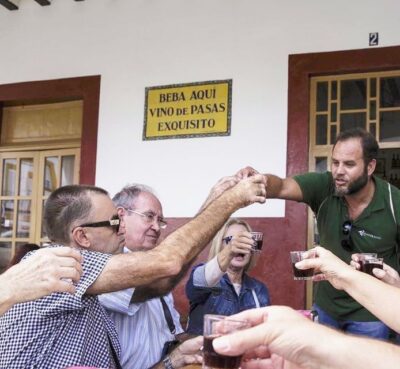
Browse the lists this tour appears in