
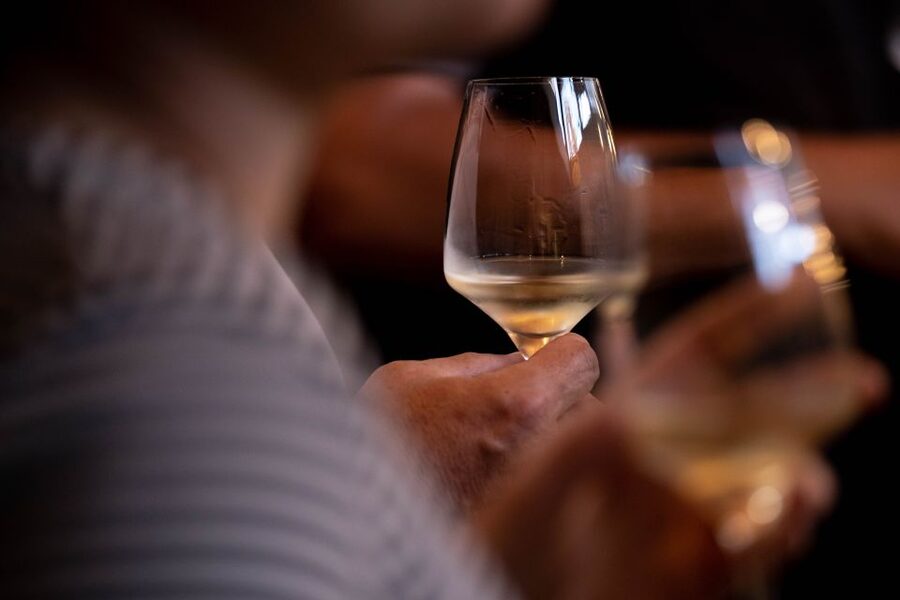
REVIEW · FRANCE
Alsatian Guided Wine Tasting and Immersive wine cellar tour
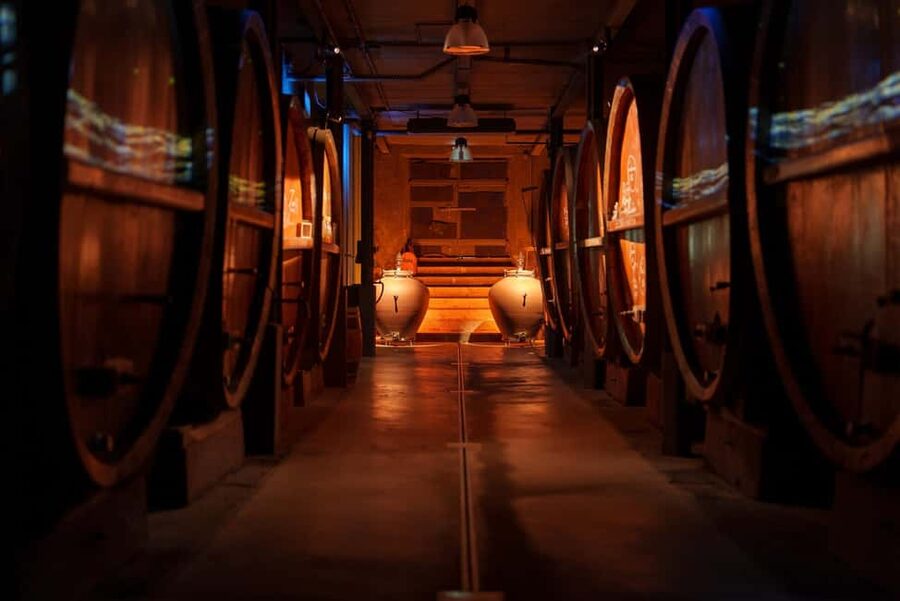
The surprise here is not just the wine. It is the cellar show, where a 180-degree film plays across century-old oak barrels and turns the winery into a small theater. You also see barrels dating to 1850, including one made for the Universal Exhibition of 1900. That gives the visit a sense of place you cannot get from a tasting room alone.
I like two things in particular: the five-wine tasting covers a broad Alsatian range, from sparkling wine and rosé to dry and sweet whites and red wine, and the sommelier explains food pairings rather than simply naming each bottle. I also like the warm, family-run setting and the chance to ask questions as you go.
The one consideration is timing. The main visit lasts 90 minutes, and one itinerary also allows about an hour for shopping. If you prefer a quick sample and one glass, this may feel longer than needed. If you enjoy learning how wine is made, the extra time earns its keep.
Key points at a glance
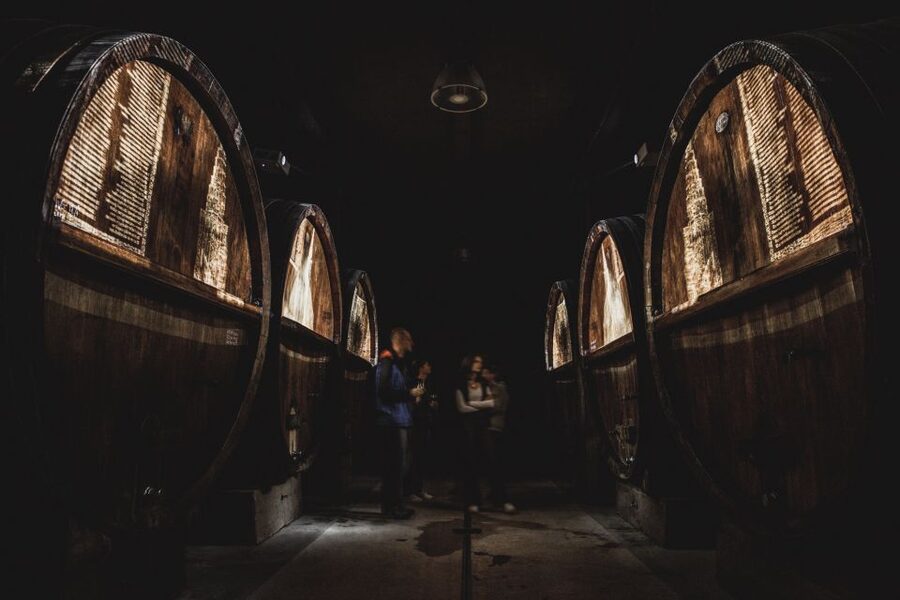
- The barrel film is the unusual feature: A 180-degree projection uses the cellar’s old oak barrels as its screen, a rare presentation in France.
- Five wines give you a proper regional survey: Expect sparkling, red, rosé, dry white, and sweet white styles.
- The historic casks are still useful: Barrels from 1850 remain in service, including one linked to the 1900 Universal Exhibition.
- The tasting is guided, not just poured: You learn about aromas, production, local wine styles, and food matches.
- English and French tours are available: Check the selected language carefully when booking.
- The price is modest for the format: At $22 per person, the tasting, cellar tour, and film offer good value for wine-curious visitors.
Why the old barrels matter at Vins Zeyssolff
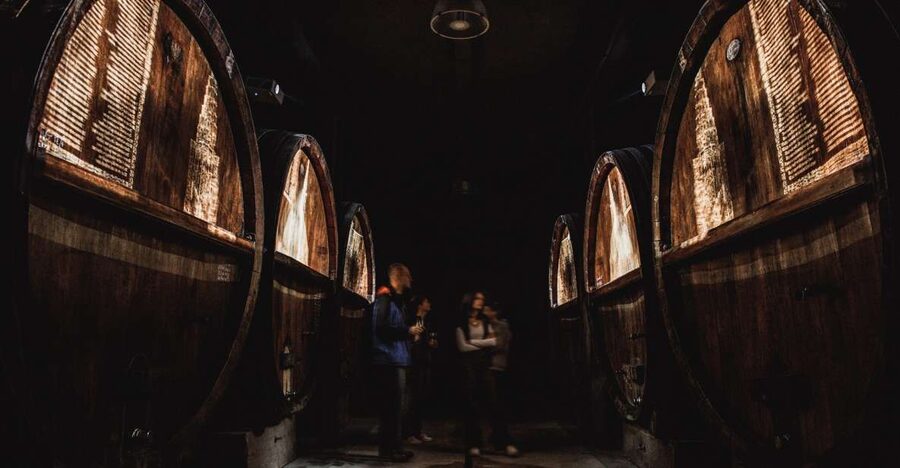
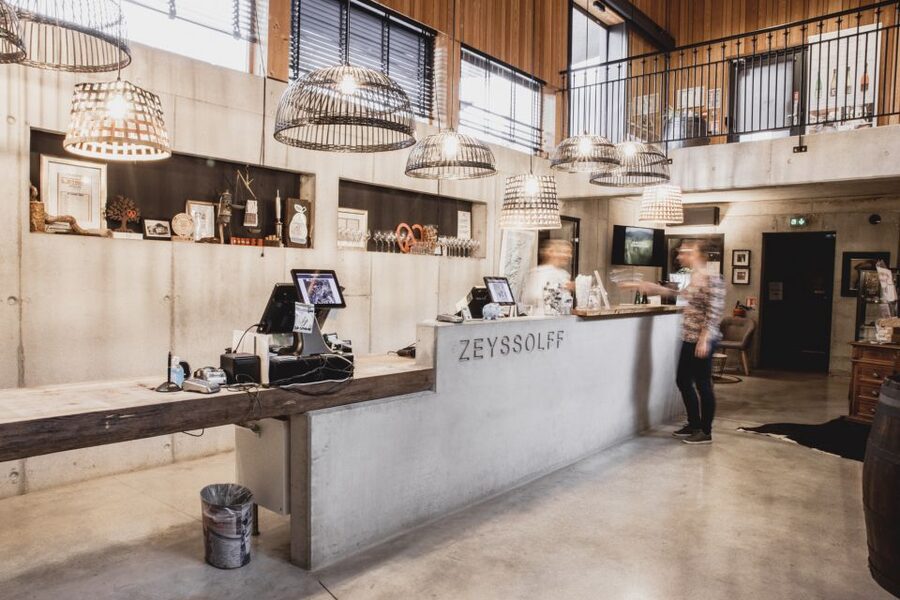
The winery experience begins with the setting itself. Vins Zeyssolff, also known as Au Péché Vigneron, operates from a renovated family winery in Gertwiller. The old cellar is not a decorative backdrop. It remains part of the production story.
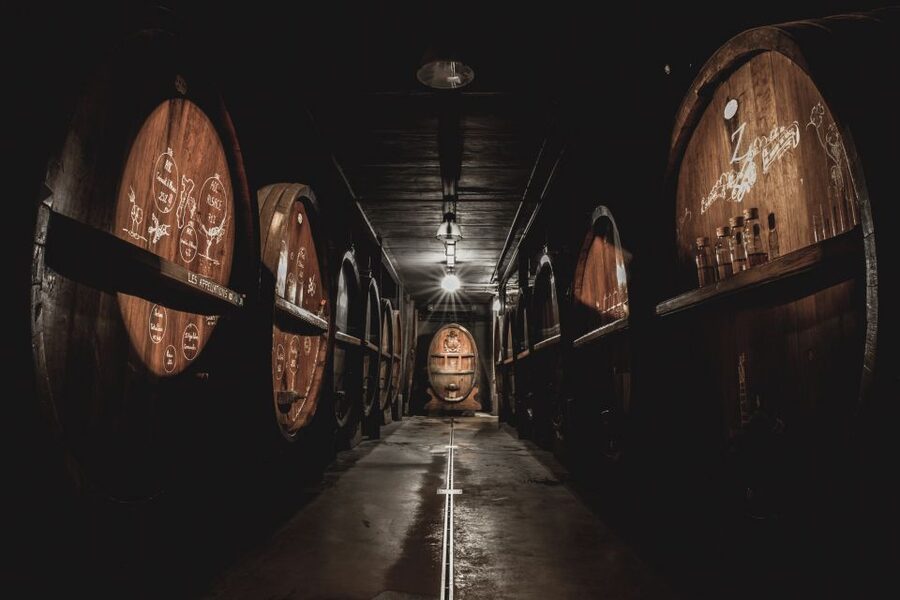
You will see oak barrels dating from 1850 that are still used to make wine. That is the kind of detail that makes a cellar visit worthwhile. Instead of hearing only about tradition, you can look directly at the equipment that has carried that tradition forward.
One barrel was made for the Universal Exhibition of 1900. Its connection to that event gives the tour a useful historical hook without turning the visit into a lecture about dates and dynasties. You see how winemaking tools can survive for generations and still have a practical role.
The guide also explains how oak affects wine. Older barrels can lend subtle notes that newer equipment cannot quite copy. The point is not that every wine tastes strongly of wood. Rather, the barrel becomes part of the wine’s character, along with the grape, fermentation, aging, and decisions made by the producer.
For me, this is the best kind of winery history: something you can see, touch with your eyes, and connect to the glass in front of you.
More Wine Cellar Visits in France
- Epernay: Guided Tour of Champagne Cellar with Tastings
★ 4.7 · 507 reviews - Paris Art of Pairing Cheese and Wine Tasting in a Cheese Cellar
★ 5.0 · 386 reviews - Paris – Guided Visit & Tasting in a Royal Wine Cellar
★ 4.5 · 221 reviews
The cellar film gives the tour its own personality
Since 2020, the winery has offered a 180-degree film projected directly onto the barrels. The film tells the personal story and work philosophy of the winemaker, with sound and mapped images built into the presentation.
This is more than a standard video in a corner of the tasting room. The barrel surfaces become part of the picture, so the cellar itself changes during the presentation. The effect is especially useful for visitors who do not usually get excited by technical wine explanations. It gives the tour a visual pause and helps tie the family story to the physical place.
The presentation is described as unique in France, though you should treat that as the winery’s own distinction rather than a reason to expect a large-scale attraction. This is still a small winery experience, not a theme park show. That is part of its appeal. You are seeing a personal story presented in an intimate working cellar.
The film also helps break up the tasting and explanation. Wine tours can become a parade of grape names and production terms. Here, you get a change of pace before returning to the glasses and barrels.
Five Alsatian wines, from sparkling to sweet
The tasting includes five locally produced organic wines. The selection is designed to show the range of wine made in Alsace rather than focus on one narrow style.
You can expect the tasting to include:
- Sparkling wine
- Red wine
- Rosé
- Dry white wine
- Sweet white wine
That range matters because many people associate Alsace mainly with aromatic white wines. Those whites are important, but the region is not limited to one type of bottle. A sparkling wine offers a fresh opening, while a red and rosé show a different side of local production. Dry and sweet whites let you compare not only grape and aroma, but also the effect of residual sweetness.
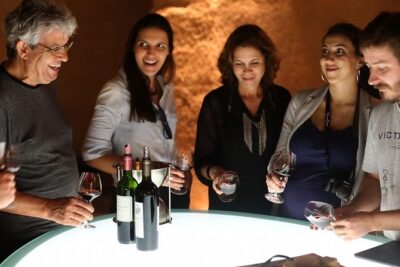
The guide explains the background of each wine and suggests foods that pair well with it. You do not need to arrive with a trained palate. The useful part is learning how to notice differences in sweetness, weight, aroma, and finish without turning the tasting into an exam.
I would take small sips and give each wine time before deciding what you like. Ask questions about the bottle that surprises you. The tour is built for conversation, and the staff are described as attentive and willing to explain things clearly.
Because the wines are organic, the tasting also offers a chance to ask how that approach affects the work in the vineyard and cellar. The supplied information does not give detailed farming practices, so I would use this as a question for the guide rather than assume a particular method.
How the 90-minute visit unfolds
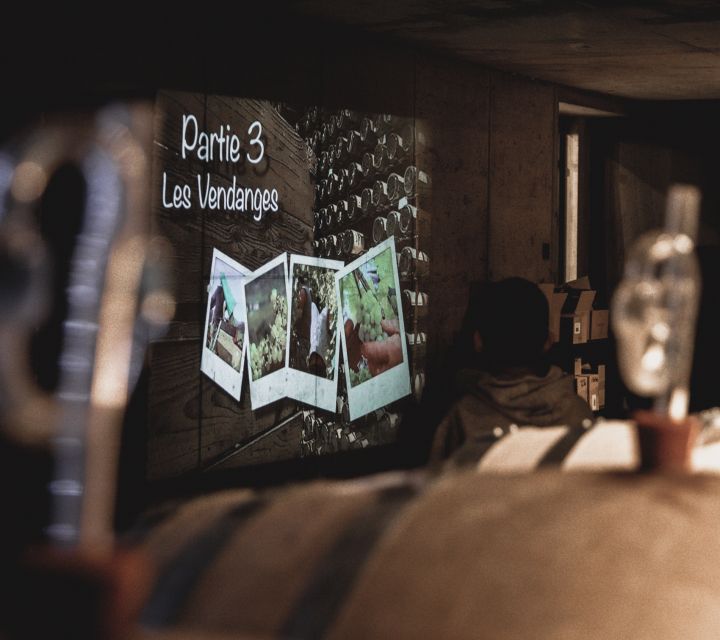
The core experience takes place in Gertwiller and lasts about 90 minutes. The visit combines the guided cellar tour, the barrel presentation, the film, and the five-wine tasting.
You start at the listed meeting point on 156 Rte de Strasbourg, though the exact meeting point can vary with the option selected. Check your booking details before setting out, especially if you see more than one meeting-point choice.
The cellar portion comes first as a useful introduction. You learn how wine is made in Alsace, see the old oak casks, and hear why the barrels still matter. The guide then connects the production story to the wines in your glass.
The film adds a visual segment to the visit. After that, the tasting gives you a chance to apply what you have just heard. This order works well because the wine is not presented as an isolated product. You learn about the cellar, the equipment, and the producer before tasting the results.
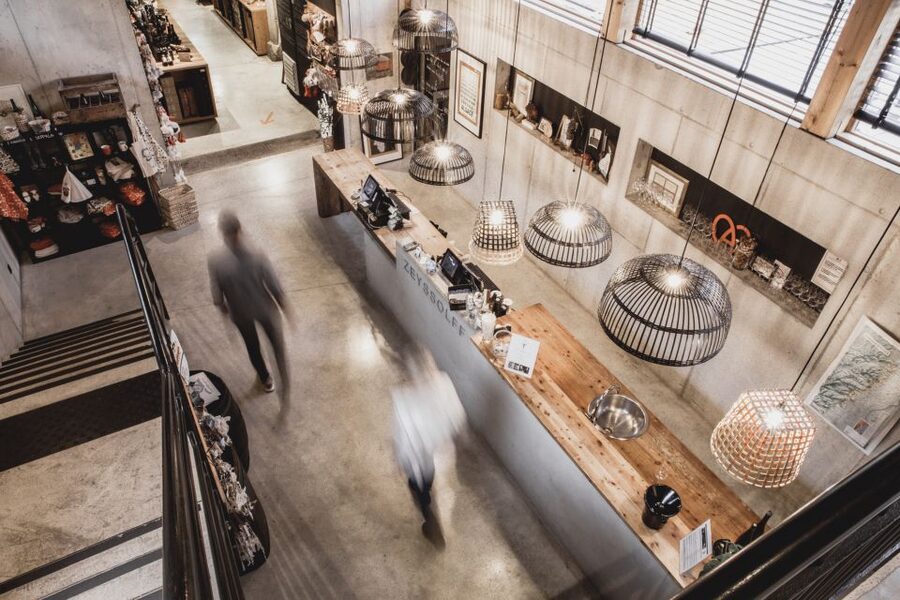
An itinerary also includes time for shopping, listed at about one hour. The stated activity duration is 90 minutes, so you should clarify how the shopping time fits into your chosen option. It may be a separate part of the visit rather than part of the guided tasting itself. Either way, the shop gives you a chance to buy bottles after you have tasted them, which is more sensible than choosing from labels alone.
Same wine country, a different day out:
- Medoc or Saint Emilion Wine Tasting and Chateau from Bordeaux
★ 5.0 · 1,415 reviews - Saint-Émilion: Grand Cru Classé Winery Visit and Tasting
★ 4.6 · 1,118 reviews - Saint Emilion Half-Day Trip with Wine Tasting & Winery Visit from Bordeaux
★ 4.5 · 1,034 reviews - Champagne Day Trip with 6 Tastings, Reims and Winery from Paris
★ 5.0 · 902 reviews
Is $22 a good price?
At $22 per person, the value is strong if you want more than a quick pour. The price includes the guided cellar tour, five commented wines, and the 180-degree film. That is a broad package for a 90-minute visit.
The price makes particular sense for first-time wine visitors to Alsace. You get a regional introduction without paying for a full-day excursion or arranging several winery stops. The guide covers the basics, but the historic barrels and film add elements beyond a routine tasting.
The value is less clear if you already know the region’s wines and mainly want to buy a bottle. In that case, the educational part may feel longer than necessary. One person found the experience slightly too long and felt it could have been shortened by about 30 minutes. That is a fair warning for anyone with a tight schedule.
For most visitors, I would see the extra time as part of the price rather than a problem. You are paying for context, not just alcohol. The ability to compare five styles and ask about pairings makes the tasting more useful once you return to a restaurant or wine shop.
Language, guides, and the booking choice
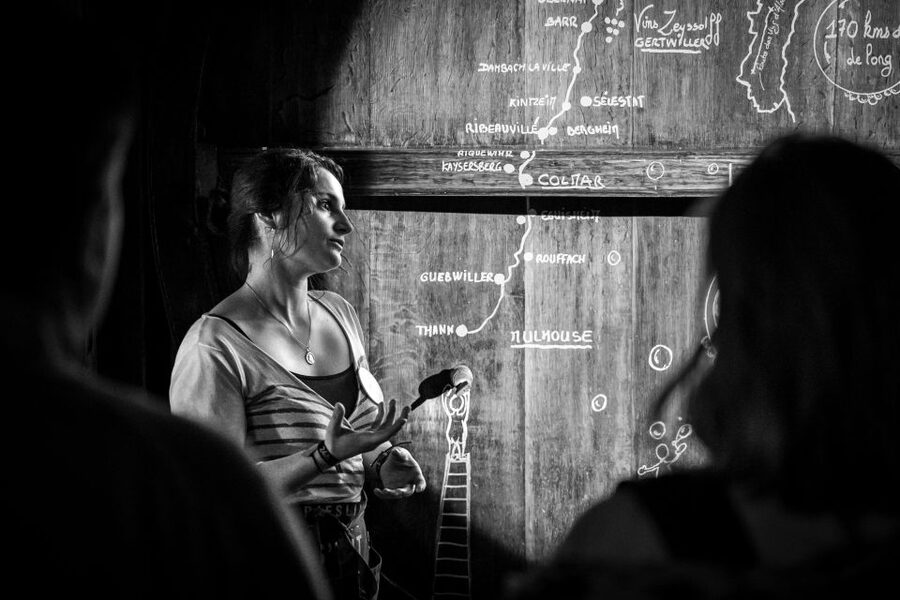
Tours are offered in English and French. Be careful when selecting the language, since the wrong choice could make the explanations far less useful. Wine vocabulary can be tricky even when you speak the language well, so this detail matters.
Dorian is named as a guide associated with a particularly engaging visit. The experience is also described as warm, professional, and attentive. Since guide assignments can change, I would not book solely on the expectation that Dorian will lead your session. Still, the winery’s emphasis on personal explanation is a good sign for anyone who wants to ask questions.
Children are welcome. That does not mean the activity is designed for children, but families can attend. The film and cellar setting may hold a child’s attention for part of the visit, while the tasting itself is clearly aimed at adults.
Free cancellation is available up to 24 hours before the activity for a full refund, and you can reserve now and pay later. Those terms help if your plans around Gertwiller are still shifting. The language and meeting point remain the two details I would check most carefully before finalizing.
Who will enjoy this winery visit most?
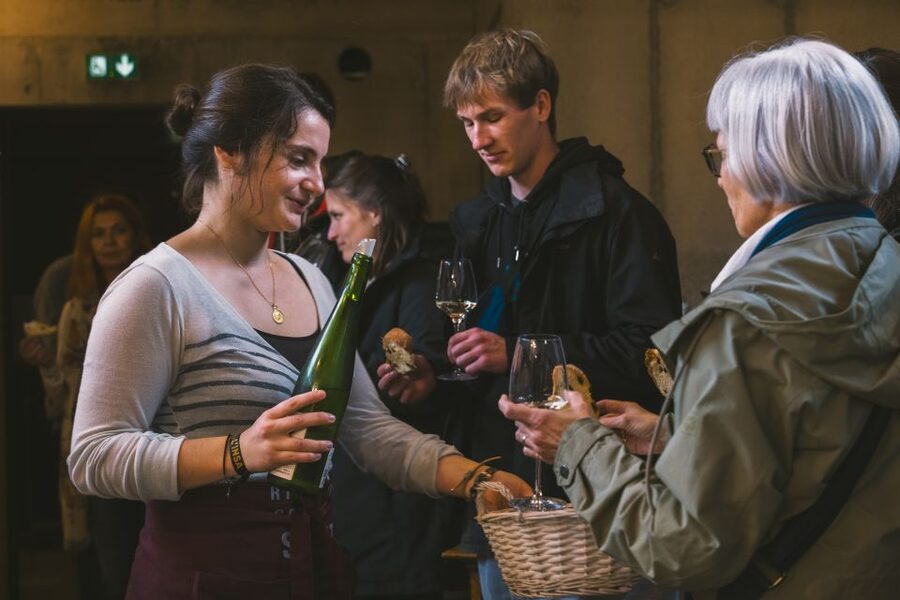
I would recommend it to you if you are new to Alsatian wine and want a clear starting point. The tasting moves across several styles, and the explanations help you understand what makes the region different.
It also suits couples and small groups who enjoy a personal story. The film is about the winemaker’s own path and working philosophy, so the visit has a human element rather than feeling like a generic production tour.
Wine enthusiasts will appreciate the old barrels and the discussion of oak. You may not learn every technical detail of the winery, but you will see equipment with genuine age and ongoing use.
Families can attend because children are welcome, though adults will get the most from the wine portion. I would also consider this a good rainy-day activity in the Grand Est, since the main experience takes place indoors.
I would be more cautious if you have only a short stop in Gertwiller and want a fast tasting. The main visit takes 90 minutes, and shopping may add time depending on the option. The film and historical explanation are strengths, but they are not extras you can skip if you want the full experience.
Practical tips for a better tasting
Read the selected language carefully before booking. English and French are both available, but the chosen option matters.
Allow enough time for the full 90-minute visit. If you also plan to shop, leave additional room in your day rather than treating the tasting as a quick stop.
Ask about the wine you like best. The guide can explain its style and food pairings, which is more useful than simply writing down a bottle name.
Pay close attention during the barrel section. The 1850 casks and the Universal Exhibition barrel are the details that make this experience different from a standard tasting.
If you are driving, remember that five wines are included. The activity is also available to children, so a family member who is not tasting can enjoy the cellar presentation while others sample.
Should you book Vins Zeyssolff?
Book this experience if you want a well-priced introduction to Alsatian wine with a real sense of place. The five-wine tasting is broad, the old barrels give the cellar substance, and the 180-degree film adds something you are unlikely to find at an ordinary winery.
Skip it only if your schedule is very tight or you want nothing beyond a brief tasting. For everyone else, $22 buys a thoughtful 90-minute visit, a look at working historic casks, and a clearer idea of which Alsatian wines belong on your table.
FAQ
How long does the Alsatian wine experience last?
The guided experience lasts 90 minutes. An itinerary also lists about one hour for shopping, so check how that extra time applies to the option you book.
How many wines are included?
The tasting includes five wines. The selection covers sparkling, red, rosé, dry white, and sweet white styles.
Is the tour available in English?
Yes. Live guides are available in English and French. Check the language carefully when booking.
What is special about the cellar?
The cellar contains oak barrels dating from 1850 that are still in use. It also has a barrel made for the Universal Exhibition of 1900.
What is the 180-degree cellar film?
It is a presentation about the winemaker’s personal story and work philosophy. The film is projected onto century-old oak barrels, with sound and mapped images used during some sequences.
Can children join the activity?
Yes. Children are welcome, although the wine tasting itself is intended for adults.
More Food and Drink Experiences in France
- Saint-Émilion: Bordeaux Vineyard Tour and Wine Tasting
★ 4.8 · 578 reviews - Bordeaux: Vineyards Wine Tasting Half-Day Trip
★ 4.2 · 470 reviews - Saint-Émilion: Vineyard Walking Tour and Tasting
★ 5.0 · 404 reviews - Beaune: Wine Tasting at Château de Pommard
★ 4.6 · 353 reviews
Just added around France
- 3-Hour Private Painting tuition in a beautiful Cognac vineyard★ 3.5 · 2 reviews
- 4×4 tour in a winery followed by a tasting★ 5.0 · 46 reviews
- Winery Visit with Food and Wine in Carcassonne★ 5.0 · 59 reviews
- Walk in the vineyards of Chablis Grands Crus★ 4.5 · 7 reviews
- Wine Getaway with Tasting in the Chablis Vineyard★ 5.0 · 3 reviews
- Winery Tour & Wine Tasting – Deli Plate & 3 Wines★ 5.0 · 72 reviews
- Visit to the Faugères Vineyards with Picnic from Béziers★ 5.0 · 7 reviews
- Languedoc Vineyard Tours★ 5.0 · 25 reviews
France Vineyard Tours, compared.
Medoc or Saint Emilion Wine Tasting and Chateau from Bordeaux
Read our review →
Saint-Émilion: Grand Cru Classé Winery Visit and Tasting
Read our review →
Saint Emilion Half-Day Trip with Wine Tasting & Winery Visit from Bordeaux
Read our review →
Champagne Day Trip with 6 Tastings, Reims and Winery from Paris
Read our review →
Saint-Emilion Afternoon Wine Tour – 2 Wineries & delicacies
Read our review →
Saint-Émilion: Bordeaux Vineyard Tour and Wine Tasting
Read our review →
Browse the lists this tour appears in