
REVIEW · FRANCE
Alsace: Winery Tour & Tasting
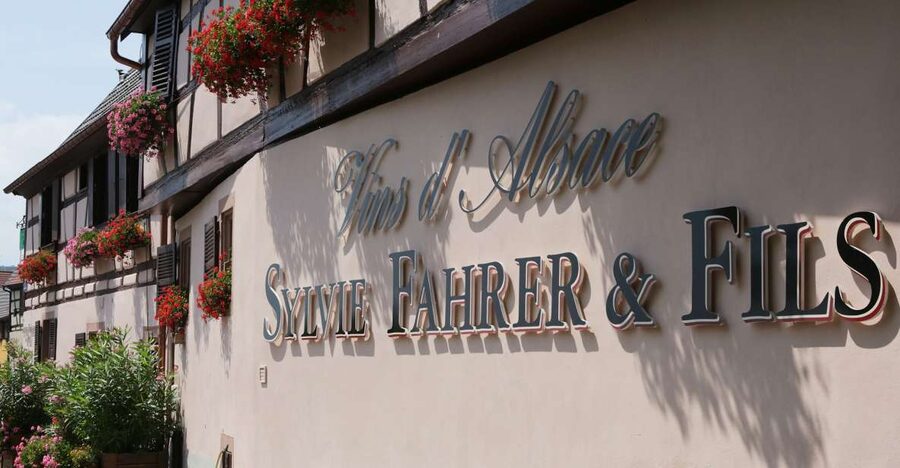
Alsace wine is best understood close to the ground, in the place where grapes become bottles. At Domaine Sylvie Fahrer et Fils, you walk through a fourth-generation family winery, see the cellar and underground tanks, and follow the wine from fermentation to ageing before tasting it yourself.
I like the chance to compare dry, sweet, red, white, and crémant d’Alsace wines in one sitting. I also like the relaxed, personal format, with guide Natalia explaining both the winery’s story and the wines in clear detail. The main drawback is the short one-hour schedule, and the tour involves stairs, so it is not the best choice if you want a long vineyard visit or have difficulty with steps.
Key Points
- Three tasting formats: Choose a standard tasting, a blind tasting with black glasses, or four wines matched with local food.
- A fourth-generation winery: The visit follows the family business from its beginnings through its current operation.
- Real production areas: See the cellar, underground tanks, and the stages of fermentation, maceration, and ageing.
- Flexible wine tasting: The standard option lets you try as many wines as needed to understand your own preferences.
- Easy regional access: Buses from Sélestat, Colmar, and other villages reach the winery, with route information available from the provider.
- Spanish-language guiding: Natalia leads the visit in Spanish, a useful choice for Spanish-speaking wine lovers.
A Close Look at Alsace Wine in One Hour
This experience is compact, practical, and focused. You are not signing up for a full day along the Alsace Wine Route. Instead, you spend about an hour inside one working winery, learn how the wine is made, and taste the results.
That short format is a real advantage if you are staying in Colmar, Sélestat, or a nearby village and want to add a wine stop without giving up half a day. It also works well at the start of an Alsace trip, when you want a basic guide to the region’s wines before ordering bottles in restaurants or visiting other producers.
The visit begins with the story of Domaine Sylvie Fahrer et Fils. You learn how the winery started and how it developed through four generations. This family angle gives the visit a human scale. Instead of hearing only general facts about Alsace wine, you get a picture of one family business and the way its work has changed over time.
The tour then moves through the winery itself. You see the cellar and underground tanks, with an explanation of how grapes become wine. The guide covers fermentation, maceration, and ageing, so you are not left with a vague idea that wine simply rests in a barrel until it is ready.
More Winery Tours in France
- Saint-Émilion: Grand Cru Classé Winery Visit and Tasting
★ 4.6 · 1,118 reviews - Saint Emilion Half-Day Trip with Wine Tasting & Winery Visit from Bordeaux
★ 4.5 · 1,034 reviews - Saint-Emilion: Grand Cru Classé Guided Winery Visit & Picnic
★ 4.7 · 296 reviews
From Fermentation to Ageing in the Cellar
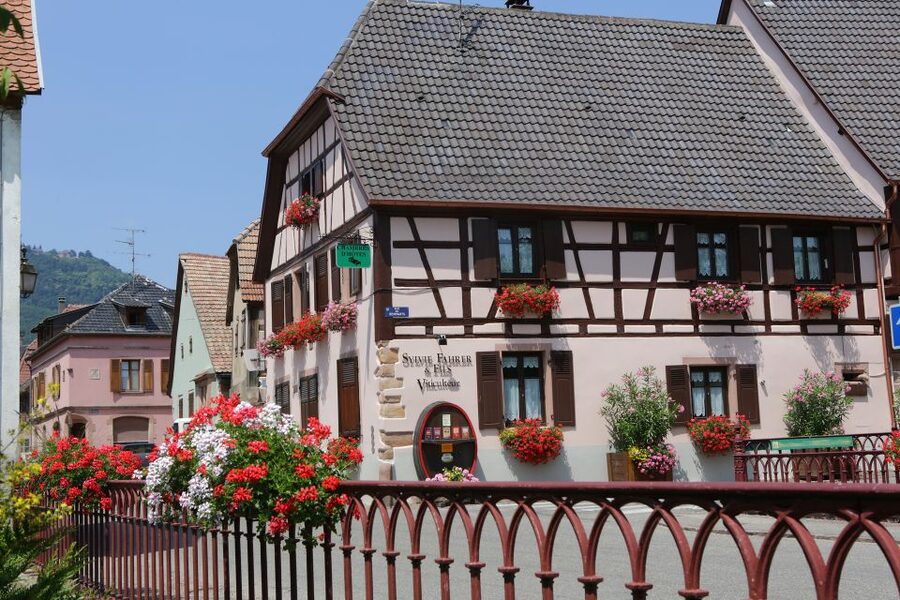
The most useful part of the tour is the production walk. You move through the different stages and can ask questions as you go. The setting helps connect the technical terms to real equipment and working spaces.
Fermentation is explained as part of the transformation from grape juice to wine. Maceration introduces the process that affects colour and flavour, especially when the grape skins remain in contact with the juice. Ageing then shows how the wine develops after the first stages are finished.
You do not need specialist wine knowledge to follow this. The format is aimed at both wine lovers and amateurs. I like that balance because Alsace wine can seem confusing at first, with dry and sweet whites, red wines, and sparkling crémant all appearing in the same region.
The underground tanks are an unusual detail for a short winery visit. They give you something physical to look at while the guide explains production. You also get a better sense of the winery as a working place, rather than a tasting room designed only for tourists.
The tour includes stairs. That point matters more here than it might on a simple tasting. You are moving through cellar and production areas, not staying at one table, so wear sensible shoes and consider this before booking if stairs are difficult for you.
Tasting Dry, Sweet, Red, White, and Crémant
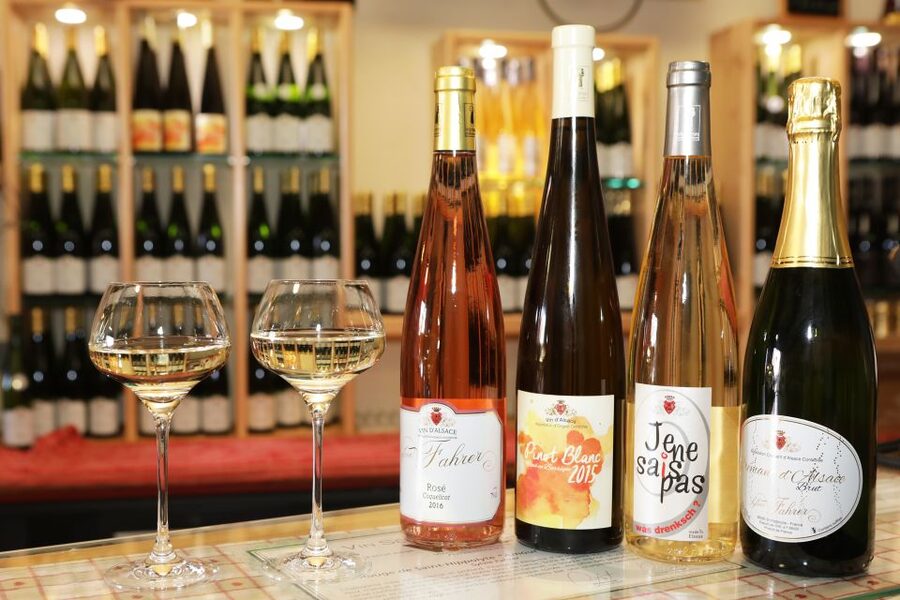
After the production tour, you taste the winery’s wines. The standard guided visit and tasting costs 12 euros per person in the supplied pricing, while the headline price is listed at about $14. Prices can change, so check the current amount when booking.
For the standard format, the tasting is designed to help you work out what you like. You can compare dry and sweet wines, red and white wines, and crémant d’Alsace, the region’s sparkling wine. The stated format places no limit on the wines you can taste during the session, allowing you to make comparisons rather than sample only one or two glasses.
That is strong value at this price. A short tasting can sometimes feel like a sales pitch with one tiny pour of each wine. Here, the purpose is more useful: you can test differences and ask questions while the guide explains the character of each wine.
I would especially recommend this option if you are still learning your preferences. You may discover that you enjoy a sweeter style, prefer a dry white, or like the sparkle of crémant more than expected. You do not need to arrive with a favourite grape or a list of wine terms.
The tasting also gives the production tour a clear ending. You first see how the wine is made, then taste several results. That order makes the information easier to remember. Fermentation and ageing stop being abstract subjects once you can connect them with what is in your glass.
Natalia’s Spanish-Language Explanation
The advertised live guide language is Spanish, and Natalia leads the visit. That makes this a particularly useful choice for Spanish-speaking visitors who want more than a silent tasting or a short explanation in English or French.
Natalia explains the stages of wine production and the characteristics of the wines served. The available feedback about her guiding points to a detailed explanation of the full process, from the winery’s history through production and tasting. You can also ask questions during the visit, which matters because wine terms often raise more questions than they answer.
The tone appears personal rather than formal. This is a small family winery, and the visit is built around its own story. That may suit you if you prefer direct contact with a producer over a large commercial wine centre.
The language detail deserves a quick check before booking. The supplied activity information lists Spanish as the guide language. If you need another language, contact the provider rather than assuming one will be available.
Same wine country, a different day out:
- Medoc or Saint Emilion Wine Tasting and Chateau from Bordeaux
★ 5.0 · 1,415 reviews - Champagne Day Trip with 6 Tastings, Reims and Winery from Paris
★ 5.0 · 902 reviews - From Reims: Champagne and Family-Run Wineries Tour
★ 4.8 · 671 reviews - Saint-Emilion Afternoon Wine Tour – 2 Wineries & delicacies
★ 5.0 · 614 reviews
Three Ways to Shape the Experience
You have three formats, and the best choice depends on how you like to taste wine.
Standard tour and tasting, 12 euros
This is the simplest and best-value option. You tour the cellar, underground tanks, and winery, then taste the wines while learning about their differences.
Choose this if your priority is variety and explanation. It gives you the clearest chance to compare dry, sweet, red, white, and sparkling styles. Since the format allows continued tasting, it is also the most useful option for figuring out your own preferences.
It is the right pick for first-time wine tasters, couples with different tastes, and anyone watching the budget. You receive the tour and tasting without paying for an added food course.
Blind tasting and winery visit, 15 euros
This option adds a playful test. The wine is served in black glasses, and you try to identify a white, a rosé, and a red without relying on colour.
The black glass removes an obvious clue. That makes you focus on aroma and flavour, and it can show how much your eyes influence your expectations. You do not need to be an expert. In fact, beginners may find this format less intimidating because everyone is making a guess.
The blind experience follows the same winery tour, and free tasting comes after it. At 15 euros, the small extra cost buys an activity rather than a larger meal or a longer visit. Choose it if you enjoy games, travel with family or friends, or want a tasting that feels less routine.
Wine pairings and winery visit, 22 euros
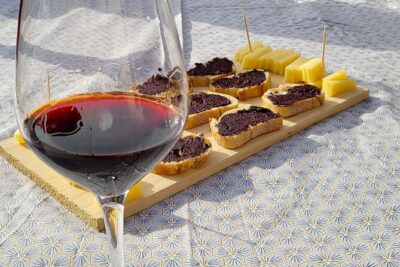
This is the most substantial option. You taste four wines with four appetizers made with local and seasonal products.
The plate includes pâté en croûte, smoked salmon, cheese, and chocolate. The winery works with village shops and a bakery for these items, so the food component connects the tasting to nearby businesses rather than treating wine as a stand-alone product.
Food changes the way wine tastes. Cheese can soften a sharp wine, chocolate can bring out different impressions in a sweeter pour, and savoury foods can make a dry wine seem more balanced. The pairing option is worth considering if you want a small food experience along with the winery visit.
At 22 euros, it costs 10 euros more than the standard format. That difference is reasonable if you value the four appetizers and want a more complete stop. If you mainly want to taste many wines and learn the basics, the 12-euro option is the better buy.
Getting There From Colmar and Sélestat
The winery can be reached by bus from Sélestat, Colmar, and other villages in the area. This is important because you do not need to treat the visit as a driving-only activity, especially when wine tasting is involved.
The exact bus information is not included here, so contact the provider before setting out. Ask for the current route, stop, and timetable. Public transport in a wine region may not run as often as city transit, and a missed connection can turn a one-hour tasting into a long wait.
If you are planning a larger day on the Alsace Wine Route, this visit can work as one planned stop. If you are relying on buses, give yourself enough time around the reservation rather than building a tight chain of connections.
The short duration helps with planning. You can fit the visit between other stops, but do not assume that the one-hour tour includes transport time. Your total outing will be longer once you add the bus journey and any wait before or after the appointment.
Who Will Get the Most From This Visit
I would recommend the standard tour to anyone who wants a low-cost introduction to Alsace wine. It gives you production context and a broad tasting without requiring a large time commitment.
The blind tasting suits people who enjoy an interactive activity. It is also a good choice if one person in your group knows more about wine than the others, since the black glasses level the playing field.
The pairing option works best for food-minded visitors and anyone looking for a fuller experience. Four appetizers make it more suitable as a planned tasting stop rather than a quick sample between sightseeing activities.
Spanish speakers should pay close attention to the language advantage. Natalia’s explanations cover the winery’s history, production, and wine characteristics in Spanish, giving you a chance to ask questions without struggling through unfamiliar technical vocabulary.
Children under 18 can attend free of charge, but the free ticket does not include the tasting plate. If you want a plate for a child, the added cost is 5 euros, and it includes four appetizers plus a glass of grape juice. That makes the pairing option workable for families, but you should budget for the extra plate if needed.
What Could Limit the Experience
This is a small winery visit, not a grand estate tour. The attraction is the direct look at production and the personal family story, not a long walk through extensive grounds or a full-day route among many vineyards.
The one-hour duration also puts a limit on the depth. You get a clear introduction to fermentation, maceration, ageing, and tasting, but you should not expect a long technical seminar. If you already know Alsace wines well, the standard tour may feel basic. The blind tasting or food pairing can add more interest.
The stairs are the main practical concern. The visit includes cellar and underground areas, so check your comfort level before booking.
Finally, the guide language is Spanish. That is a major benefit for Spanish speakers, but it may not suit you if you need an English-language explanation. Confirm the available language in advance.
Cancellation, Price, and Planning Tips
The activity allows free cancellation up to 24 hours before the scheduled start for a full refund. You can also reserve now and pay later, which helps if your Alsace plans are still shifting.
The base price is listed at $14 per person, while the detailed choices are priced at 12 euros for the standard tour, 15 euros for the blind tasting, and 22 euros for the food pairing. Treat the base amount as an approximate starting price and check the selected option before payment.
I would book ahead if the Spanish-language guide is important to you or if you want the food pairing. For the standard format, the short duration may offer some flexibility, but availability still depends on the starting times shown when you check.
Should You Book Domaine Sylvie Fahrer et Fils?
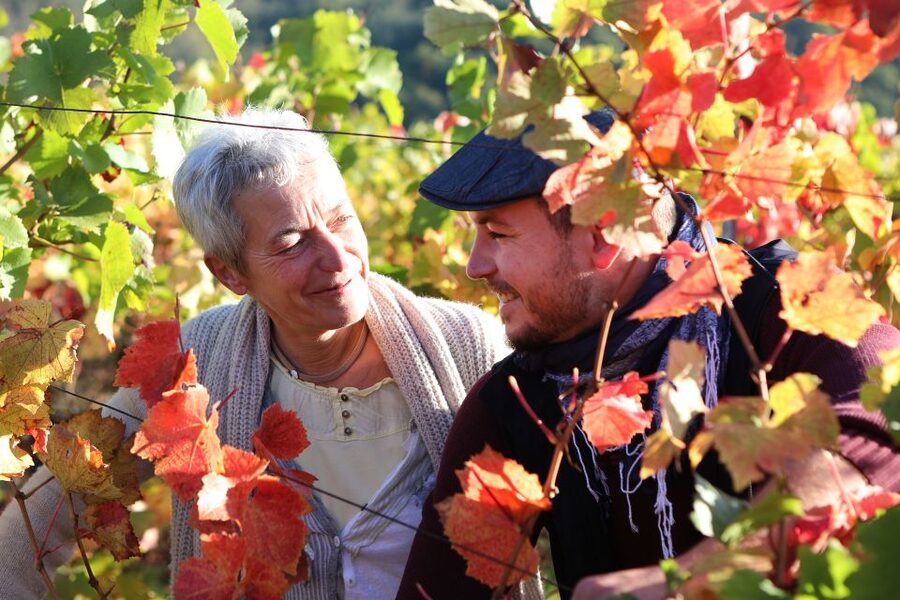
Book it if you want a short, personal introduction to Alsace wine with a real cellar visit and a tasting that lets you compare styles. The fourth-generation story, underground tanks, Spanish-language guiding with Natalia, and choice of three formats give the experience more substance than a quick pour at a shop.
Choose the 12-euro option for the best value, the 15-euro blind tasting for a playful group activity, and the 22-euro pairing for a food-focused stop. Skip it if you want a full-day vineyard tour, extensive outdoor scenery, or a guide in a language other than Spanish.
For most wine beginners and curious drinkers based near Colmar or Sélestat, this is an efficient way to learn what Alsace wine is about before buying a bottle or ordering another glass.
FAQ
How long does the winery tour last?
The experience lasts one hour.
Where does the experience take place?
It takes place at Domaine Sylvie Fahrer et Fils in the Grand Est region of France.
What does the standard tour cost?
The standard guided winery tour and Alsace wine tasting costs 12 euros per person in the detailed activity options. The headline price is listed at about $14.
What is included in the standard tour?
The standard option includes a guided winery visit and wine tasting. You see the cellar and underground tanks and learn about fermentation, maceration, and ageing.
What wines can I taste?
The tasting can include dry and sweet wines, red and white wines, and crémant d’Alsace. The standard format states that there are no limits on the wines you can taste during the visit.
What is the blind tasting option?
The blind option costs 15 euros per person and includes the winery visit followed by a blind tasting using black glasses. You try to identify a white, rosé, and red wine.
What does the wine pairing option include?
The 22-euro option includes the winery visit, four wines, and four appetizers: pâté en croûte, smoked salmon, cheese, and chocolate.
Can children attend for free?
Yes. Children under 18 can attend free of charge. The free ticket does not include the tasting plate. An added plate costs 5 euros and includes four appetizers plus grape juice.
Can I reach the winery by bus?
Yes. Buses from Sélestat, Colmar, and other villages arrive at the winery. Contact the provider for current route information.
Is the tour accessible without using stairs?
No specific step-free access is stated. The tour involves stairs, so contact the provider if this is a concern.
More Food and Drink Experiences in France
- Saint-Émilion: Bordeaux Vineyard Tour and Wine Tasting
★ 4.8 · 578 reviews - Bordeaux: Vineyards Wine Tasting Half-Day Trip
★ 4.2 · 470 reviews - Saint-Émilion: Vineyard Walking Tour and Tasting
★ 5.0 · 404 reviews - Paris Art of Pairing Cheese and Wine Tasting in a Cheese Cellar
★ 5.0 · 386 reviews
Just added around France
- Day Trip to the Sancerre and Pouilly Vineyards★ 5.0 · 20 reviews
- 3-Hour Private Painting tuition in a beautiful Cognac vineyard★ 3.5 · 2 reviews
- 4×4 tour in a winery followed by a tasting★ 5.0 · 46 reviews
- Winery Visit with Food and Wine in Carcassonne★ 5.0 · 59 reviews
- Walk in the vineyards of Chablis Grands Crus★ 4.5 · 7 reviews
- Wine Getaway with Tasting in the Chablis Vineyard★ 5.0 · 3 reviews
- Winery Tour & Wine Tasting – Deli Plate & 3 Wines★ 5.0 · 72 reviews
- Languedoc Vineyard Tours★ 5.0 · 25 reviews
France Vineyard Tours, compared.
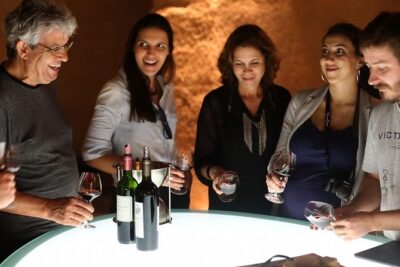
Medoc or Saint Emilion Wine Tasting and Chateau from Bordeaux
Read our review →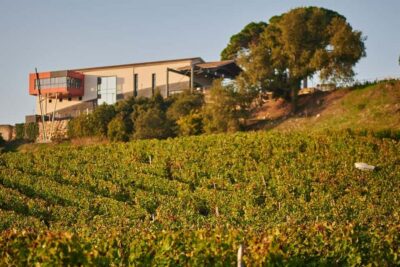
Saint-Émilion: Grand Cru Classé Winery Visit and Tasting
Read our review →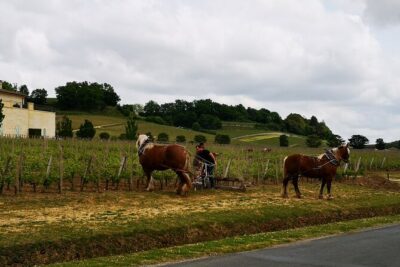
Saint Emilion Half-Day Trip with Wine Tasting & Winery Visit from Bordeaux
Read our review →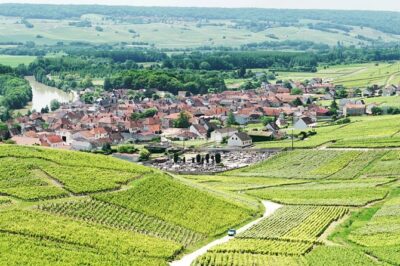
Champagne Day Trip with 6 Tastings, Reims and Winery from Paris
Read our review →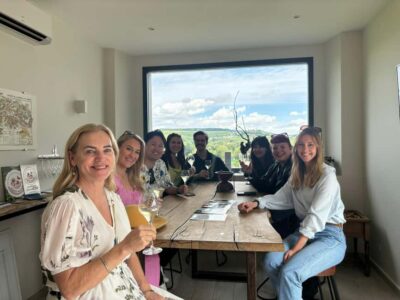
Saint-Emilion Afternoon Wine Tour – 2 Wineries & delicacies
Read our review →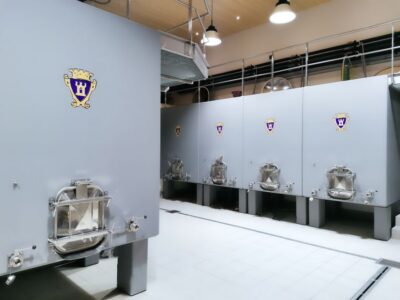
Saint-Émilion: Bordeaux Vineyard Tour and Wine Tasting
Read our review →
Browse the lists this tour appears in