
REVIEW · LANZAROTE
Wine Lovers: Wine Tasting Tour at El Grifo Bodega Lanzarote
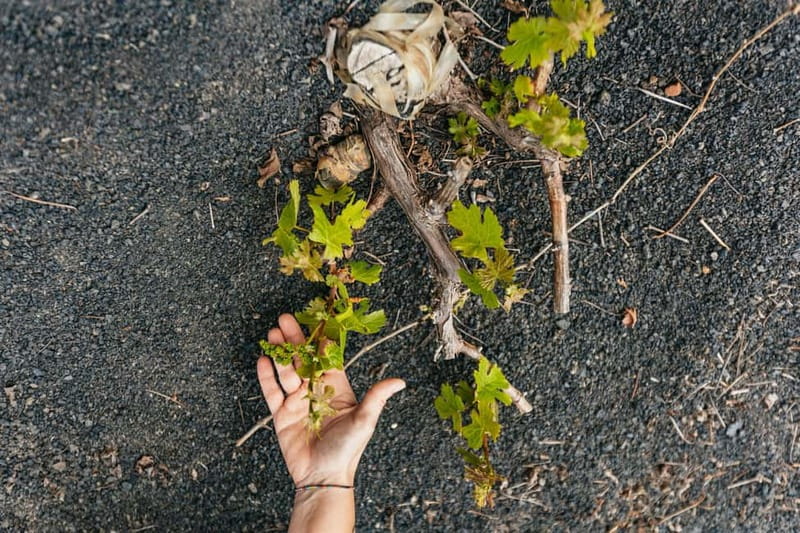
El Grifo is not a standard wine tasting in a polished room. You begin with Lanzarote’s strange, practical vineyards, where each vine grows inside a low semicircle of black volcanic stone to shelter it from the wind. Then you move through an old winery dating from 1775 before tasting six wines with local cheese.
I especially like the small group of no more than 10 and the way the tour connects the wine to Lanzarote’s soil, weather, and farming methods. The guides, including Ana, Charlie, Minerva, Jacqueline, Jacky, Sonia, and Alessandra, are praised for making the subject clear to beginners as well as serious wine fans.
The main thing to consider is the setting. Volcanic stones cover parts of the ground, and the island wind can be sharp. Wear trainers or shoes you can walk in comfortably, and bring a light jacket. Also, the tour is for adults only.
Key things to know before visiting El Grifo
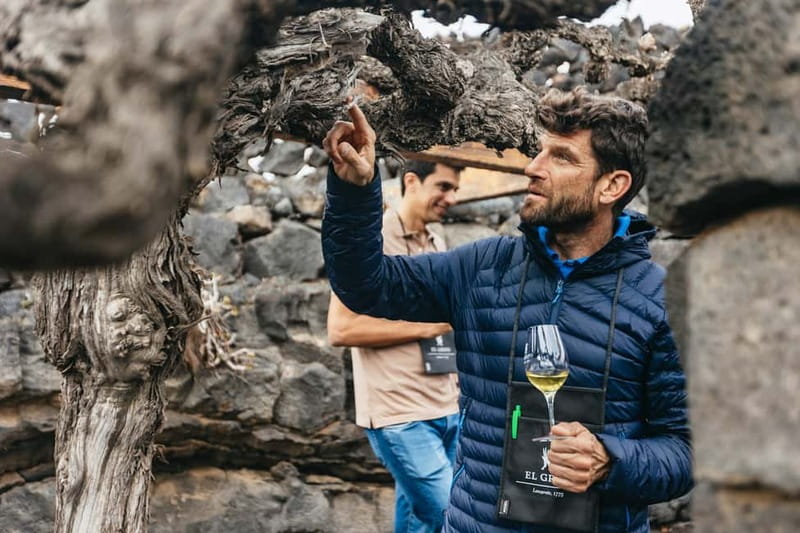
- Vines grow in stone hollows: Low semicircular walls protect the plants from Lanzarote’s strong trade winds.
- The old winery dates to 1775: The museum occupies the former production site, with historic tools and winemaking equipment.
- Six wines are included: The tasting focuses on El Grifo’s own wines, including varieties made from malvasia, listán negro, and syrah grapes.
- Cheese is part of the experience: Local island cheeses are served alongside the wines, with other snacks sometimes appearing in the tasting.
- The tour lasts two hours: That is enough time for the vineyard, museum, and tasting without feeling hurried.
- It is adults only: You must be at least 18, and there is no hotel pickup or drop-off.
Why Lanzarote wine is worth understanding
El Grifo gives you a useful lesson in how people adapt to difficult conditions. Lanzarote is not a gentle wine-growing region. The volcanic ground is dry and dark, and the trade winds can damage young vines. Instead of planting rows of vines behind tall hedges, growers use individual stone enclosures to protect each plant.
You will see these low walls around the vines during the outdoor part of the visit. They are not just decorative. They show how local farming developed around the island’s climate. The vines sit in shallow hollows, with the stone helping to block the wind while the volcanic soil supports growth.
This is the part of the tour I find most valuable. You are not simply told that the wine is local. You can see the work involved in producing it. The shape of the vineyards gives you a better feel for Lanzarote than a tasting room alone ever could.
The guide also explains how trade winds and volcanic soils affect the grapes. That context matters when you taste the wines later. Malvasia, listán negro, and syrah do not express themselves in quite the same way when grown in Lanzarote’s dry, volcanic conditions.
More Food and Drink Experiences in Spain:
- Toledo Tour & Vineyard Walk with Wine Tasting from Madrid
★ 5.0 · 2,546 reviews - Madrid Countryside Wineries Guided Tour with Wine Tasting
★ 5.0 · 740 reviews - Jerez: Bodegas Fundador Guided Tour with Tasting Session
★ 4.8 · 714 reviews
Walking through El Grifo’s old winery
The historic section of El Grifo was used as a winery from 1775 and continued operating until the 1990s. It now forms the basis of the Wine Museum, where you can see tools and utensils used in the 19th and 20th centuries.
This visit is more useful than a room filled with old objects and labels. The guide explains how the equipment fitted into the production process, so you can follow the path from grape growing to finished wine. You might see the old cellar, family spaces, and areas that are not normally open to regular visitors, depending on the day’s route.
The museum also gives El Grifo a sense of place. You are not visiting a new winery built only for tourism. You are seeing an old working site that changed over time and eventually closed as a production facility. That makes the modern tasting feel connected to the family’s earlier methods.
I would not expect a large museum visit with dozens of rooms. The museum is a brief part of a two-hour experience, and the main focus remains the vineyard and wine tasting. Still, it adds useful background, especially if you have little knowledge of how wine was made before modern equipment.
The vineyard walk and volcanic stone paths
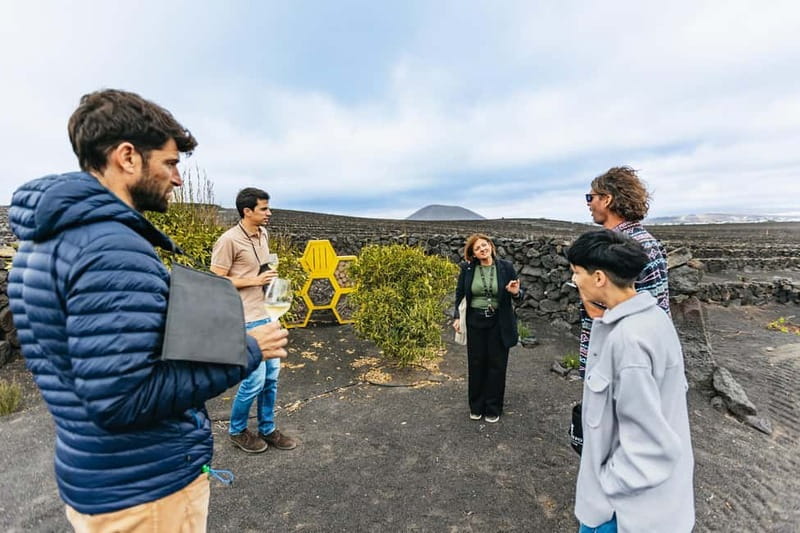
The outdoor portion lets you see the vines close up. The unusual planting method is the star here. Low walls curve around the individual plants, creating sheltered pockets across the black soil.
The setting is scenic, but it is not a smooth garden path. Volcanic stones cover the ground, and walking can be awkward in flimsy sandals or dress shoes. Several people found trainers the better choice, and I would follow that advice. Shoes that are easy to remove can also help if the tour moves between outdoor areas and older interior spaces.
Weather matters. Lanzarote can be windy, and one visit included drizzle. Waterproofs were offered on that occasion, but a light jacket is the simpler plan. You may be comfortable in the sun and then want another layer once the wind picks up.
The outdoor section is not a long hike. It is a guided look at the vines and their growing conditions, followed by the historic buildings and tasting. Still, the ground means this is not the best choice if you need a fully smooth route. The available information does not provide specific accessibility details, so contact the provider before booking if that is important for you.
Six wines, local cheese, and a useful tasting lesson
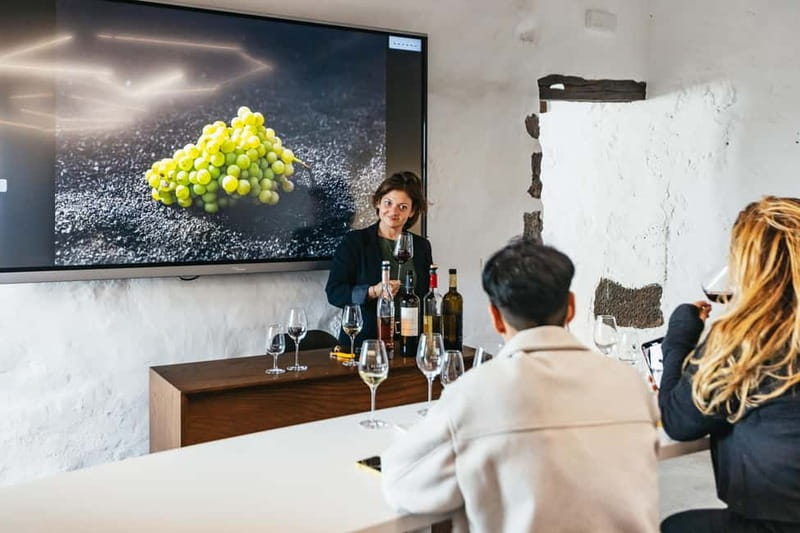
The tasting includes six of El Grifo’s wines, paired with local cheese. The official format promises six wines, though some past visits have included a slightly different number of pours. The exact selection can change, but you should expect a broad sample of the bodega’s production rather than one bottle repeated in several forms.
The tasting is presented as a professional session, with attention to smells, color, and flavor. You do not need to arrive with specialist wine terms. The guides explain how to use your senses and make the process approachable for people who are new to wine tasting.
Malvasia is one of the key grape varieties discussed. You will also learn about listán negro and syrah, including how the island’s climate and volcanic ground shape the grapes. The point is not to memorize technical details. It is to taste with a clearer idea of why each wine differs.
The local cheese is a smart pairing. It gives you something salty and creamy to compare with the wines, and it keeps the tasting from feeling like six isolated samples. Some visits have also included biscuits or chocolate, and alternatives were provided for a visitor who could not eat dairy.
You should have enough to make the tasting feel generous, but this is not a meal. If you want more food or another glass afterward, the on-site cafe and wine bar may offer a pleasant way to extend the visit. Those extras are not part of the stated tour price.
A few more vineyard days around Spain worth a look
- Barcelona: Montserrat, Cogwheel, Black Madonna & Winery Tour
★ 4.8 · 5,633 reviews - Montserrat with Black Madonna & Medieval Winery with Tapas/Lunch
★ 5.0 · 5,209 reviews - From Fuerteventura: Lanzarote Volcano and Wine Region Tour
★ 4.4 · 1,220 reviews - Montserrat Full Day Tour with Farmhouse Lunch and Winery Visit
★ 5.0 · 1,068 reviews
What makes the guides important
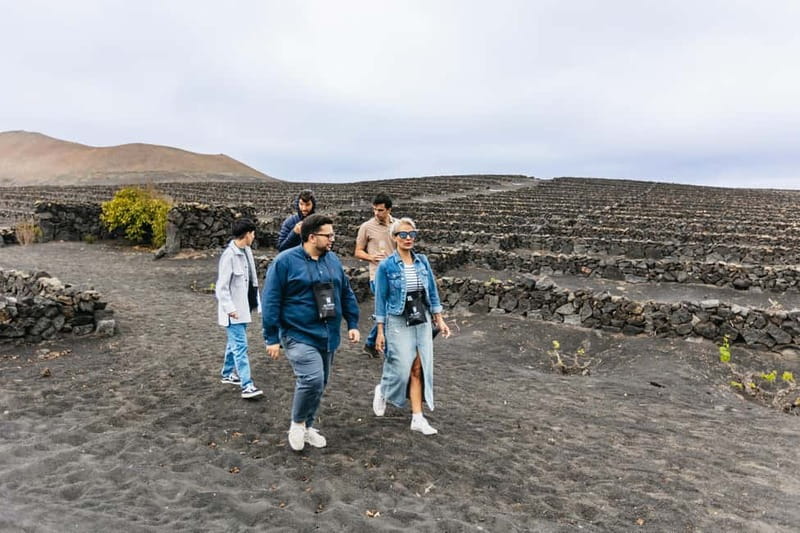
The head sommelier accompanies the tour, and the quality of the guide matters here because the setting needs explanation. The vines, museum, and bottles are interesting on their own, but the experience becomes much more useful when someone connects them.
Guides named in past visits include Ana, Charlie, Minerva, Jacqueline, Jacky, Sonia, Alessandra, Alexandra, and others. Their approach can vary, but the strongest pattern is clear: the tour works best when the guide explains rather than lectures.
You can ask about grape types, the old production methods, food pairings, or how Lanzarote’s conditions affect the crop. Guides have answered questions in both Spanish and English, and the sessions are designed for mixed groups.
This is also a good option if only one person in your group is keen on wine. The focus on history, farming, and local culture gives non-wine drinkers something to follow. One visitor even noted that a companion who was not especially interested in wine still enjoyed the experience.
Is $59 a fair price?
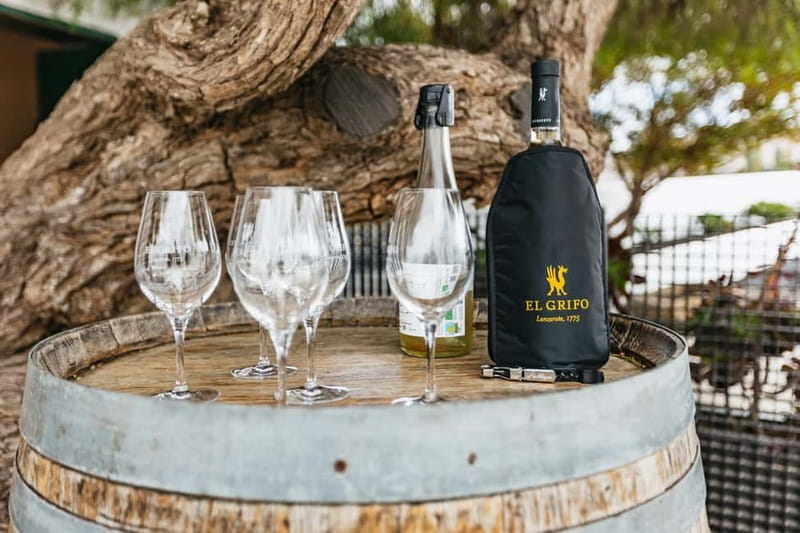
At $59 per person, the value depends on what you compare it with. You are paying for a two-hour guided visit, the vineyard walk, the museum, instruction from a wine professional, six tastings, and local cheese. There is no hotel transfer, so you need to arrange your own way to El Grifo.
For a simple flight of pours at a bar, $59 would be high. For a vineyard visit that includes historic buildings and a structured tasting, it is more reasonable. The small group size also matters. With no more than 10 participants, you have a better chance to hear the guide and ask questions than you would on a large coach excursion.
The tour can also save you from having to piece together a visit on your own. You see the old winery, learn how the vines are grown, and taste a range of bottles in one booking. If you already enjoy El Grifo wines, the visit gives you a better sense of where they come from.
There is also a shop where you can buy bottles, and European shipping discounts are included. That is useful if you find a favorite but do not want to carry bottles through the rest of your holiday. Shipping terms and destinations should be confirmed when you visit.
Who will enjoy this tour most?
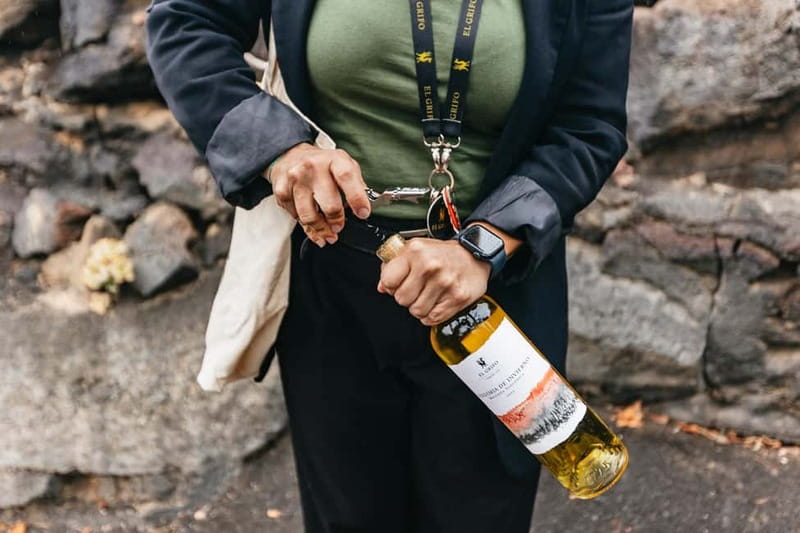
I would choose this experience if you want a local food-and-drink activity with some history attached. It works particularly well for couples, adult friends, and solo visitors who enjoy meeting a small mixed group.
It suits wine beginners because the tasting is guided step by step. You will not be expected to identify every aroma or already understand the difference between grape varieties. At the same time, experienced wine drinkers get a closer look at a distinctive growing method and a chance to taste several El Grifo wines together.
It is also a good break from Lanzarote’s beaches and resort areas. The visit connects wine to the island’s farming traditions and volcanic ground, so it feels more rooted in local life than a standard bar tasting.
I would think twice if you dislike wine, cannot walk over uneven volcanic stones, or want a full meal rather than snacks. Children cannot join, and there is no hotel transport included.
Practical advice for a smoother visit
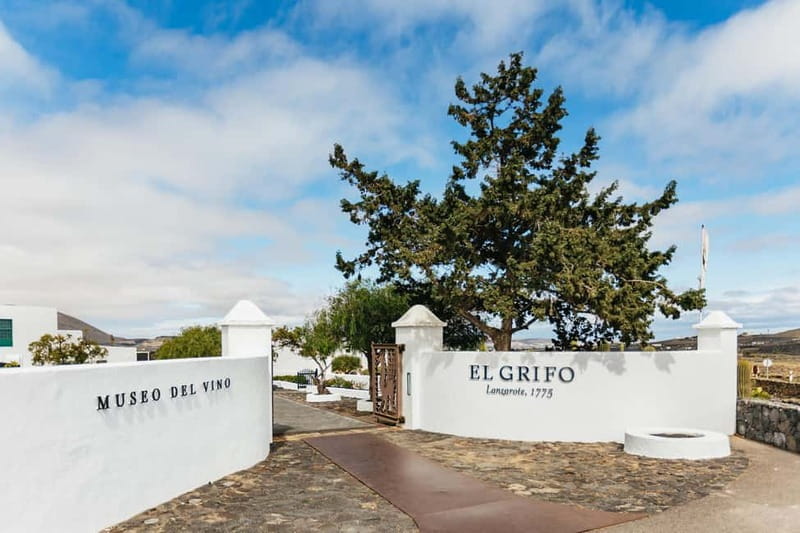
Plan on two hours, but leave extra time if you want to browse the shop or use the cafe afterward. The tour itself is designed to cover the vineyard, museum, and tasting without rushing.
Wear comfortable shoes with a firm sole. Avoid high heels, thin sandals, or anything you would struggle to walk in on loose lava stones. A light jacket is sensible even on a sunny day because the wind can change how the visit feels.
If you are coming from a cruise port, arrange transport ahead of time. Getting a taxi at the port can be difficult, and the tour does not include pickup or drop-off. The staff have helped visitors arrange taxis after the tour, but you should not rely on that without checking in advance.
The booking allows cancellation up to 24 hours before the start for a full refund, and you can reserve now and pay later. Check the available start times for your date, since the tour runs for two hours and spaces are limited.
Should you book El Grifo?
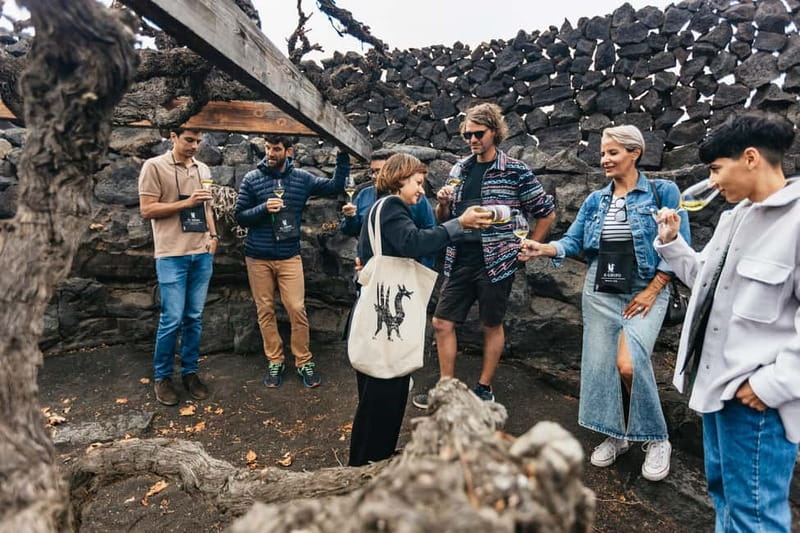
Yes, if you want more than a quick tasting. The best reason to book is the combination of volcanic vineyards, an old winery, and six guided pours in a small group. You leave with a better understanding of why Lanzarote wine looks and tastes different, not just a list of bottles you tried.
At $59, it is a sound choice for adults who enjoy wine, local produce, or island history. Bring proper shoes, a jacket, and your own transport plan. If those details suit you, El Grifo offers one of the more distinctive food experiences on Lanzarote.
FAQ
How long does the El Grifo wine tour last?
The tour lasts two hours, including the guided visit, museum stop, vineyard information, and wine and cheese tasting.
How many wines are included?
The experience includes a tasting of six El Grifo wines. The precise selection may vary by visit.
Is cheese included with the wine tasting?
Yes. Local cheeses from producers on Lanzarote are included with the tasting.
Which grape varieties are discussed?
The tour covers malvasia, listán negro, and syrah, including how volcanic soil and trade winds affect the grapes.
Is the tour available in English?
Yes. The live tour guide speaks Spanish or English.
How large is the group?
The group is limited to 10 participants.
Can children join the tour?
No. The experience is for adults aged 18 and over.
Is hotel pickup included?
No. Hotel pickup and drop-off are not included, so you must arrange your own transport.
Can I cancel the booking?
Yes. You can cancel up to 24 hours in advance for a full refund.
Can I reserve now and pay later?
Yes. The reserve-now, pay-later option lets you hold a place without paying at the time of booking.
Just added around Spain
- Tour Lanzarote South with Winery Visit★ 5.0 · 4 reviews
- Taste Tradition 4 Wineries and Tapas Bar★ 5.0 · 21 reviews
- Vineyards of La Geria hiking tour★ 5.0 · 69 reviews
- Lanzarote E-Bike Tour: Volcano Craters & Scenic Vineyards★ 5.0 · 28 reviews
- Visit Bodegas Teneguía winery in La Palma with wine Tasting★ 4.5 · 43 reviews
- Canarian Wine Experience at Bodega los Lirios★ 5.0 · 67 reviews
- Winery Tour, Wine Museum, and Tasting in Gran Canaria★ 5.0 · 35 reviews
- Gran Canaria Premium Tour: Volcanoes and Wine for cruisers★ 5.0 · 16 reviews
Lanzarote Vineyard Tours, compared.

Lanzarote E-Bike Tour: Volcano Craters & Scenic Vineyards
Read our review →
Sunset vineyard tour with wine and chocolate tasting
Read our review →

Lanzarote E-Bike Tour: Volcano Craters & Scenic Vineyards
Read our review →Browse the lists this tour appears in