
REVIEW · VIENNA
Vienna: Wine Tasting Experience in a Private Wine Cellar
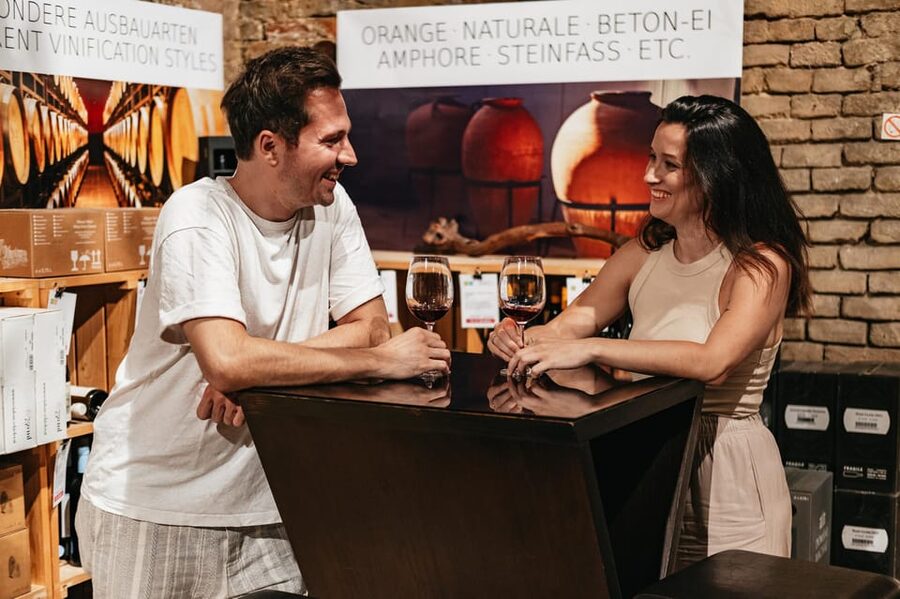
Vienna’s wine country begins closer to the city center than many visitors expect. This tasting takes you below street level into a private cellar for Austrian wines, regional snacks, and stories reaching back to Roman times. It is a compact way to meet Vienna’s local wine culture without spending a day in the surrounding vineyards.
I like the small-group setting and the chance to taste wine in a place you could not normally enter on your own. I also like the practical value: three pours, food pairings, and a guide such as Bernie, Cornelius, or Reinhard for $22 is a fair deal in central Vienna.
The main thing to keep in mind is that the experience varies by booking option. Some versions offer three wines in one cellar, while longer options visit three cellars. The shorter format may feel more like a seated tasting than a full guided tour, and some people want larger pours or more than three wines.
Key points at a glance
- Roman-era wine roots: Hear how winemaking around Vienna reaches back to the Roman Empire and continues in the city today.
- Three Austrian wines: The standard tasting usually includes two white wines and one red, with longer options offering three or four wines depending on the selection.
- Local food pairings: Expect regional cheese, cured meat, bread, and other small bites, with some vegetarian choices available.
- Private cellar access: Explore an old, non-public cellar with unusual rooms and stories about its former uses.
- Flexible timing: Choose a 30-minute self-guided visit, a 45 or 60-minute tasting, or a 2.5-hour visit to three cellars.
- Strong value at $22: The basic option combines wine, food, history, and a central Vienna location at a modest price.
Why Vienna wine belongs on your city itinerary
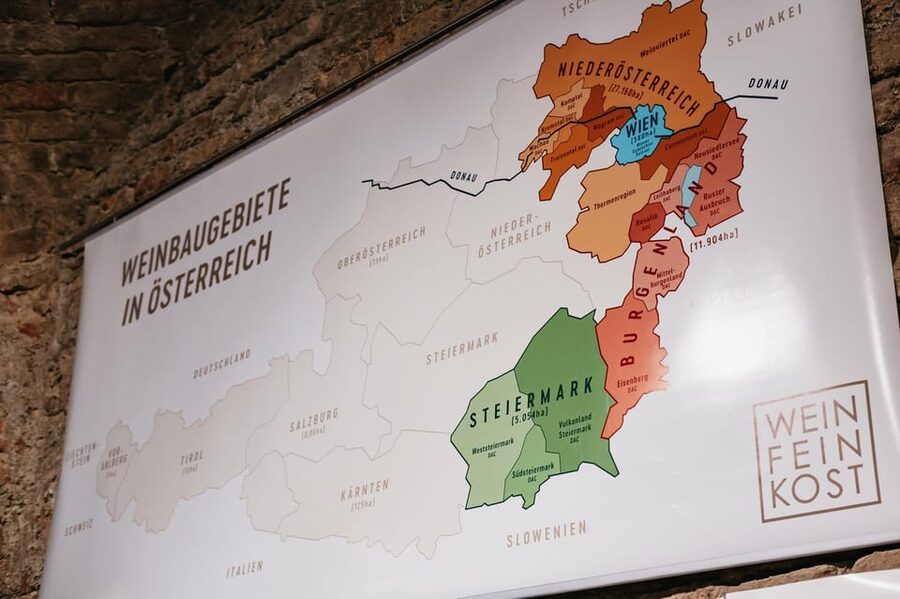
Vienna is not just an imperial city of palaces and coffeehouses. It also has about 600 hectares of vineyards around the city, making it one of Europe’s unusual wine capitals. You do not need to leave town to get an introduction to local wine production.
This tasting gives you a useful first look at that side of Vienna. The focus is not on famous international labels. Instead, you learn how Austrian wine fits into local life, how the city’s vineyards developed, and why wine has remained part of Vienna’s identity for centuries.
The Roman connection adds context without requiring a long history lesson. You hear that wine production in the area dates back to Roman rule, then follow the thread into present-day Viennese traditions. That helps explain why wine taverns, vineyard districts, and local grape varieties still matter here.
I would not book this as a substitute for a full vineyard day outside the city. It is better understood as a city-based introduction, one that combines a tasting with an unusual setting and a bit of Vienna’s underground past.
More Wine Cellar Visits in the world:
- Porto: Bridges Cruise & Sunset & Port Wine Cellar Option
★ 4.2 · 4,180 reviews - Porto: Cálem Cellar Tour, Interactive Museum & Wine Tasting
★ 4.5 · 4,113 reviews - Porto: Cálem Cellar Tour, Fado Show & Wine Tasting
★ 4.4 · 3,530 reviews
Entering a private cellar in central Vienna
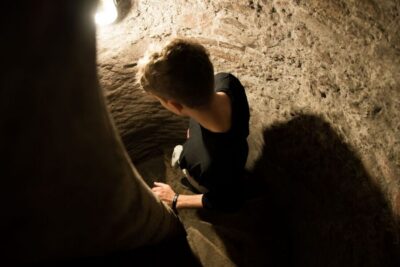
The most memorable part of the experience is the setting. Depending on your selected option, you enter one or more private cellars beneath the city. These are not standard restaurant dining rooms, and they are not designed as polished museum exhibits. Their appeal comes from their age, odd corners, and former uses.
One cellar is described as having several underground levels, with stories connected to its past. You may hear about wine storage, old trade, and other less comfortable chapters in the building’s history. The details vary by location, so do not expect every option to provide the same rooms or the same route.
Some people find the cellar itself more interesting than the wine. That is especially true if you enjoy old buildings, local history, and places normally closed to the public. The atmosphere is intimate and slightly mysterious, but it is still a seated tasting rather than an expedition through every underground room.
This distinction matters. The standard experience may take place mainly around one table, with the guide serving the wines and explaining the cellar. One account of the visit found that the tasting level felt more connected to the wine experience than the other cellar levels. If you are hoping to roam through a large underground complex, choose the longer option carefully and read its exact description before booking.
How the 45 and 60-minute tastings work
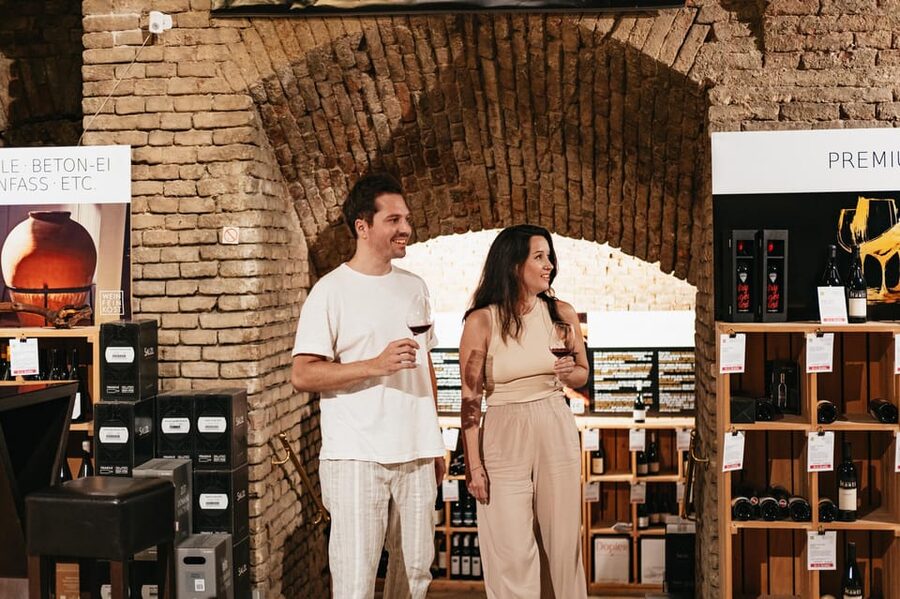
The classic formats last about 45 or 60 minutes. You sit in one private cellar and taste three or four Austrian wines, depending on the option you choose. The guide introduces each wine and connects it to Austrian wine culture, the local landscape, and the traditions of Viennese production.
The three-wine version commonly features two whites and one red. That is a sensible introduction because Austrian wine is especially associated with crisp white wines, while the red gives you a chance to compare a different style. If you already enjoy wine and want a broader tasting, choose the four-wine option when available.
The tasting is not presented as a formal certification class. You can ask about grape varieties, regional styles, and how to judge a wine, but the depth depends partly on your questions and on the guide. The guides are comfortable explaining the basics to people who know very little about wine, while also giving experienced drinkers more historical and regional detail.
Bernie is frequently praised for his friendly approach and easy explanations. Cornelius has led tastings that combine Vienna’s past with the development of the local wine trade. Reinhard is also associated with vivid stories about Vienna, wine cellars, and the city’s unusual underground spaces.
The small-group format makes a difference here. With fewer people, you can ask questions without turning the tasting into a lecture. It also makes it easier to chat with the other people at your table, which can be a pleasant bonus for solo visitors.
Choosing the 2.5-hour cellar route
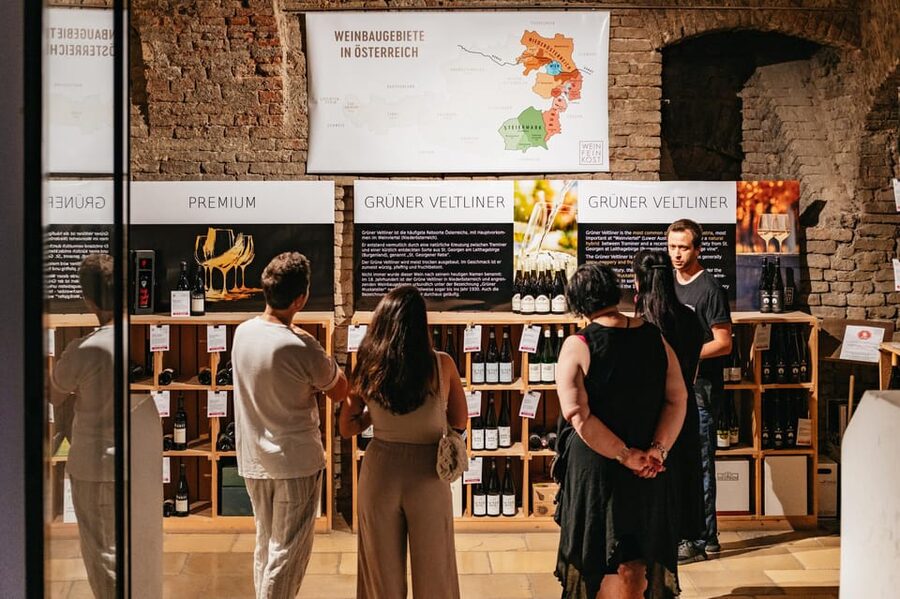
The longest option lasts about two and a half hours and visits three private cellars. This is the best choice if the cellar history matters as much to you as the wine. Each location offers a different setting, and the route gives you a broader sense of the city’s underground spaces.
You should check the exact option details before paying. The number of wines, food portions, and cellar stops can vary. The longer route is not simply the 60-minute tasting with extra time added. It may use different locations and a different structure.
This option suits visitors who want an afternoon activity rather than a quick stop between museums. It also gives you more time to compare locations and ask questions. The tradeoff is commitment: two and a half hours is a sizable block in a busy Vienna schedule, and the experience remains centered on tasting and conversation rather than a fast-moving sightseeing tour.
If you want a strong introduction but have limited time, the 45-minute version is likely enough. If you enjoy wine, old buildings, and slow conversation, the longer route offers more substance.
More Food and Drink Experiences in the world:
- Florence: Chianti Wineries Tour with Wine Tasting
★ 4.5 · 10,071 reviews - Toledo Tour & Vineyard Walk with Wine Tasting from Madrid
★ 5.0 · 2,546 reviews - Adelaide: Barossa Premium Wine Tasting tour & Winery Lunch
★ 4.8 · 1,452 reviews - Medoc or Saint Emilion Wine Tasting and Chateau from Bordeaux
★ 5.0 · 1,415 reviews
What goes into the food pairing
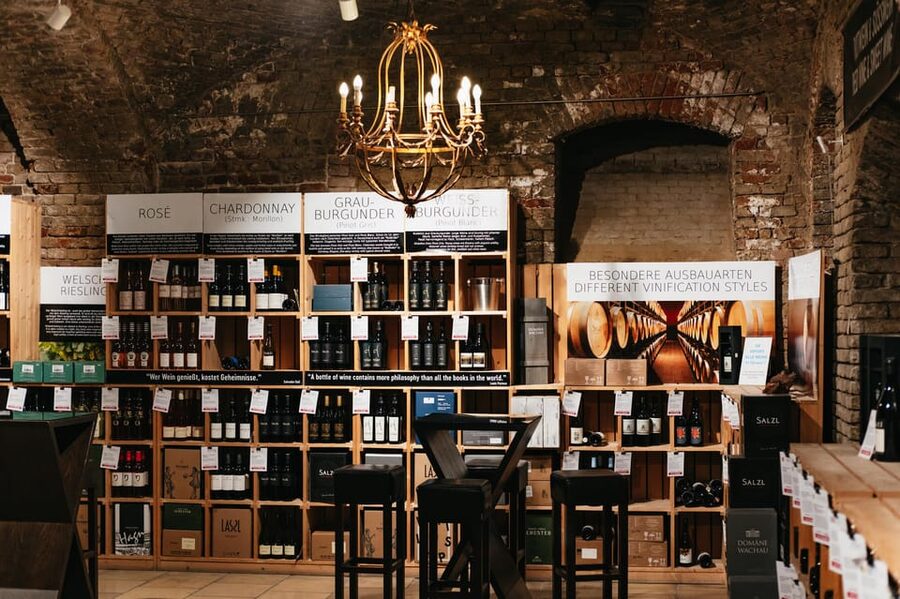
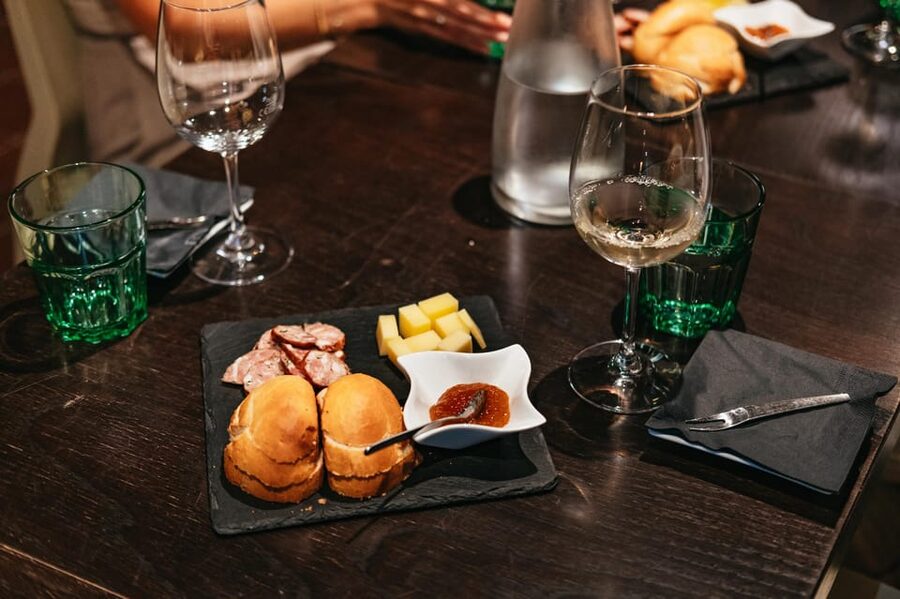
The food is simple, local, and useful. Expect small portions of regional delicacies such as cheese, cured meats, and bread. Some tastings also include other producer-made items, including chutney and vegetarian choices.
Do not expect a full lunch. The food is there to refresh your palate and show how Austrian wines work with local flavors. It also gives you something to eat during the tasting, which is welcome when several pours are served close together.
The pairings are one reason the $22 price feels fair. You are not paying only for three small glasses. You are also getting access to an unusual venue, a guide, and enough food to make the tasting feel more complete.
Still, portions are described as tasting portions rather than a meal. A few people have wanted more snacks or more wine for the price. I would schedule this before or after lunch, not in place of lunch.
Vegetarians should find at least some suitable food in the tasting, though the exact selection can vary. If food restrictions matter to you, ask when booking rather than assuming the same menu is used at every cellar.
How much wine do you actually get?
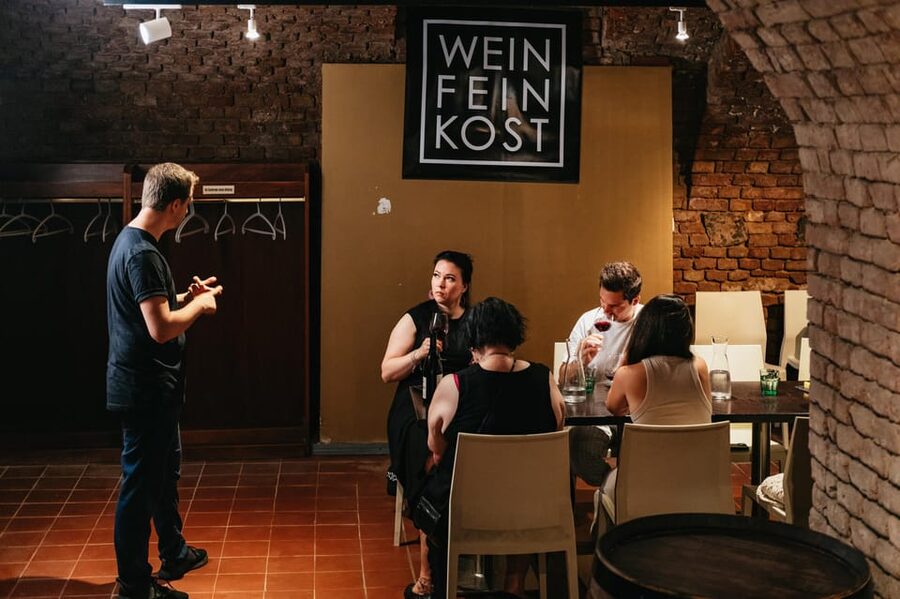
The basic option includes three local wines, and the pours are generally described as proper tasting servings. The usual mix is two whites and one red, though the exact wines can change.
That is enough to learn something, especially if you take notes or ask why each wine was selected. The guide can help you compare styles and point out what makes Austrian wines different from bottles you may know from France, Italy, or the New World.
Wine enthusiasts may find three samples a little thin. One visitor wished they had selected six wines instead, and another felt that a tasting event should offer more variety. If you already have a strong interest in wine, choose the option with four or more wines if available.
For casual drinkers, three is a reasonable number. It keeps the event focused, leaves room for conversation, and avoids turning a short cultural activity into an afternoon of drinking. You can also use it to identify a grape or style to look for at a wine shop or restaurant later in your trip.
The guide makes the difference
The wine itself matters, but the guide shapes the experience. A good guide explains the wine without making you feel tested, then adds enough local history to give each glass a sense of place.
Bernie is often singled out for his warmth, humor, and clear explanations. Cornelius is associated with thoughtful tastings that connect wine production to Vienna’s past. Reinhard has a reputation for lively stories and unusual facts about the city’s wine cellars. The guide assigned to your session may be different, and the tone can vary.
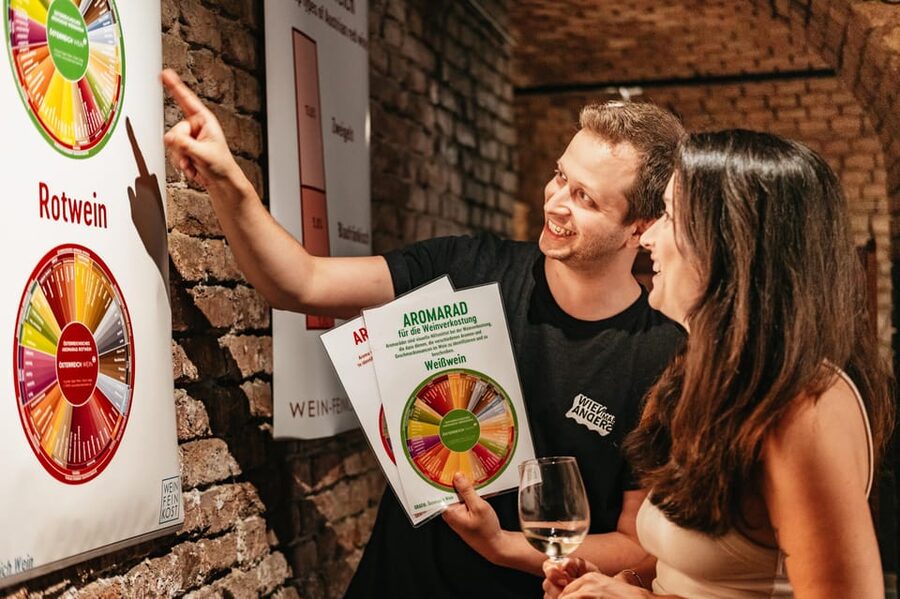
The best way to get more from the tasting is to ask questions. Ask why the wines were chosen, which Viennese districts produce wine, how Austrian whites differ from reds, or how locals traditionally enjoy wine. The guide has room to go further when the group shows interest.
Do not expect a rigid wine-school lesson. One version of the activity is quite informal, and the guide may wait for questions before explaining tasting technique, etiquette, or local customs in detail. If you want instruction on how to taste wine, say so at the beginning.
Who will enjoy this most?
I would recommend this for several types of visitors:
- First-time Vienna visitors who want more than palaces and museums.
- Wine beginners who want a relaxed introduction without technical jargon.
- Experienced wine drinkers who choose the longer or larger tasting option.
- Solo visitors looking for a small-group activity with easy conversation.
- History fans interested in old cellars, Roman-era wine production, and former underground uses.
- Couples and friends who want a low-key evening or afternoon activity.
You do not need to arrive with wine knowledge. The structure works well for beginners, and the food makes it comfortable even if wine is not your main interest.
This is not suitable for children under 16. It is also not suitable for wheelchair users or people with mobility impairments, since the experience takes place in private underground cellars. Wear comfortable shoes and expect that the setting may not provide the smooth, accessible layout of a modern attraction.
Price, timing, and practical value
At $22 per person, the standard tasting is inexpensive for central Vienna. Three wines, local food, cellar access, and a guide add up to a good package, especially when you compare it with the cost of a typical city meal or paid museum visit.
The value drops if you expect a full meal, a large number of wines, or a long guided walk through every part of the cellar. In that case, select the four-wine or multi-cellar option if the schedule and price suit you.
Durations range from 30 to 150 minutes. The 30-minute self-guided option is the shortest and includes a glass of local wine with an audio guide, if selected. It works for a quick introduction, but it will not offer the same conversation or personal explanation as a live tasting.
The 45 and 60-minute versions offer the best balance for most visitors. They fit neatly into a day of sightseeing while leaving enough time for three or four wines and the cellar story. The 2.5-hour route is more suitable when you want the cellar visits to be a main activity.
English and German live tours are available. An audio guide can also be selected in English or German, and you need to bring your own headphones if that option requires them. The meeting point varies by booking, so check your confirmation rather than heading to a standard location.
Free cancellation is available up to 24 hours before the activity, and reserve-now, pay-later booking may be offered. Those policies are useful if your Vienna plans are still shifting.
The drawbacks to consider before booking
The biggest weakness is inconsistency between the options. A short self-guided visit, a one-cellar tasting, and a three-cellar route will not feel like the same activity. Read the selected package closely so you know how many wines, cellars, and guide services are included.
The tasting can also feel more like a seated wine event than a tour. If you want constant movement and detailed access to every underground level, you may come away wanting more. The setting is old and unusual, but not every room is necessarily dressed as a working wine cellar.
Finally, the food is a supplement rather than a meal. Cheese, meat, bread, and small regional items are welcome, but you should not arrive hungry and expect dinner. These are small plates designed to support the tasting.
Should you book the Vienna private cellar tasting?
Book it if you want a short, affordable look at Vienna’s local wine culture, especially if old buildings and city history appeal to you. The strongest version for most people is the 45 or 60-minute live tasting with three or four wines, food pairings, and a small group.
Choose the longer three-cellar option if you care most about unusual spaces and stories. Pick the 30-minute self-guided version only if your schedule is tight and you mainly want a glass of Austrian wine in an atmospheric place.
I would not make this your only wine experience in Austria, but I would happily add it to a Vienna itinerary. It gives you a side of the city that many visitors miss, and the modest price makes it an easy choice for a free afternoon.
FAQ
How much does the Vienna private cellar wine tasting cost?
The listed price is $22 per person. Prices and inclusions may vary by the option you select, especially for longer tastings and visits to three cellars.
How long does the experience last?
Available formats range from 30 to 150 minutes. Options include a 30-minute self-guided visit, 45 or 60-minute tastings, and a 2.5-hour route visiting three private cellars.
How many wines are included?
The standard tasting includes three Austrian wines. Some options include four wines, while other packages may offer a different number, so check the selected option before booking.
What type of food is served?
The tasting includes regional delicacies made by local producers. Food can include cheese, cured meat, bread, chutney, and vegetarian items.
Are the wines only from Vienna?
The experience focuses on Viennese and Austrian wines. It also explains the vineyards around Vienna, which cover about 600 hectares, and the wider traditions of Austrian winemaking.
Is there a live guide?
Live tours are offered in English and German. Some options also include an audio guide in English or German.
Is the activity suitable for children or wheelchair users?
The experience is not suitable for children under 16, wheelchair users, or people with mobility impairments.
Can I cancel the booking?
You can cancel up to 24 hours in advance for a full refund. Reserve-now, pay-later booking may also be available, depending on the selected option.
Just added around the world
- Urban winery tour, premium tasting flight & tapas★ 5.0 · 4 reviews
- Arrábida Wine Tour – 3 Wineries, Traditions & Views from Lisbon★ 4.5 · 6 reviews
- Setúbal: Winery & Fish Market Tasting Tour from Lisbon★ 5.0 · 35 reviews
- Full Day Private Tour – Arrábida Beaches and Azeitão Wine Region★ 5.0 · 2 reviews
- Private Tour to Evora with wine tasting at the Cartuxa Winery★ 5.0 · 4 reviews
- Historic Winery Tour and Tasting in Bombarral★ 4.0 · 6 reviews
- Evora & Alentejo Wine Region Private Luxury Tour★ 5.0 · 2 reviews
- Évora Private Tour – Cork Factory and Wine Estate Included★ 5.0 · 12 reviews
Vienna Vineyard Tours, compared.
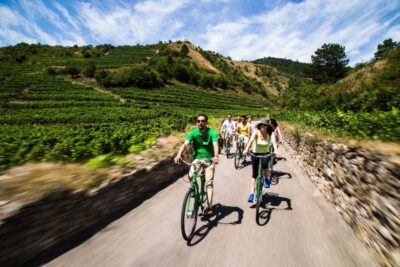
Grape Grazing: Wachau Valley Winery Biking Tour
Read our review →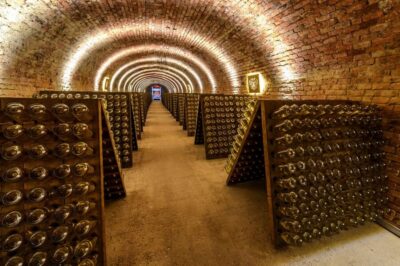
Schlumberger Wine Cellar Guided or Self-Guided Tour
Read our review →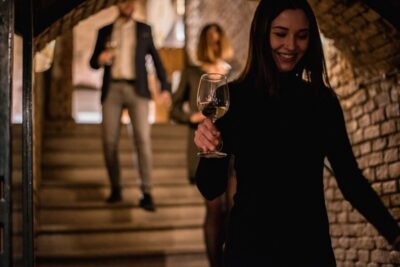
Schlumberger Sparkling Wine Cellar World Entrance Ticket in Vienna
Read our review →Browse the lists this tour appears in