
REVIEW · VIENNA
Grape Grazing: Wachau Valley Winery Biking Tour
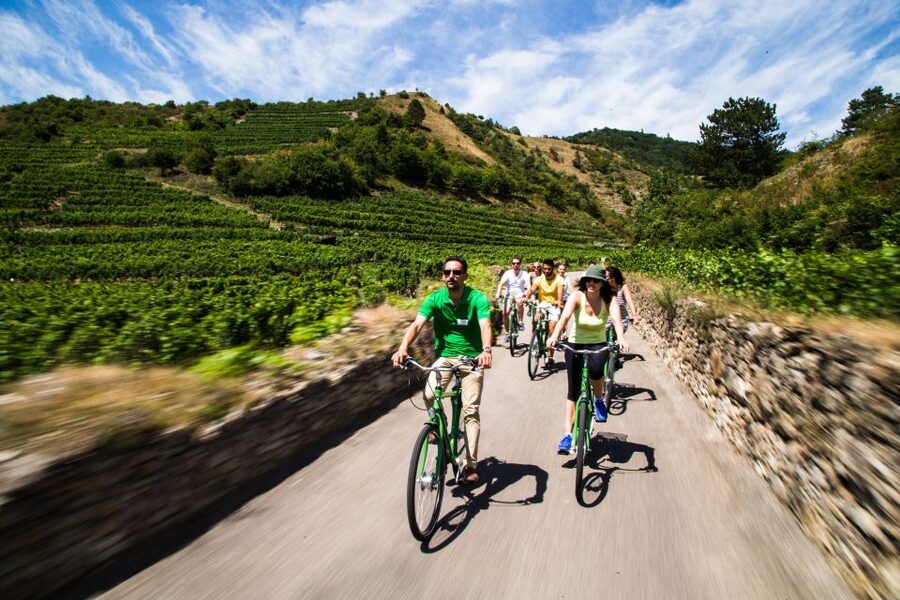
The best part of this day is the way wine tasting and cycling fit together. You leave Vienna by train, pedal through vineyards and villages, stop at small family wineries, and cross the Danube by ferry. It feels more like a day in the countryside than a standard sightseeing trip.
I like the personal winery visits and the chance to see Dürnstein at your own pace. Guides such as Tim, Nicolas, Tzana, and Felipe are praised for mixing wine knowledge with local history and practical help. The main drawback is the long 11-hour schedule, plus lunch costs extra and the group can sometimes be larger than you expect.
Key points at a glance
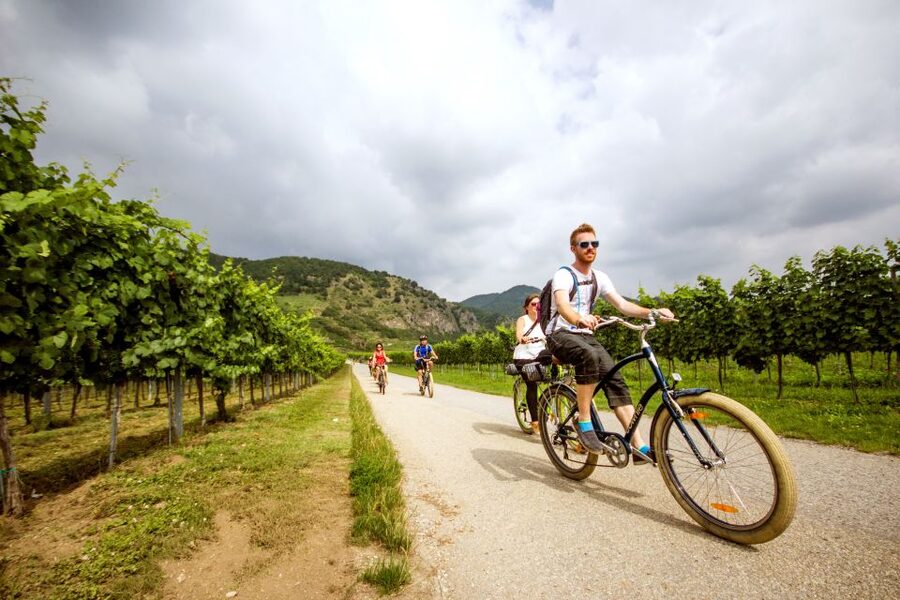
- About 25 kilometers of cycling: The route is mostly easy, with regular stops and no more than about 30 minutes of continuous riding at a time.
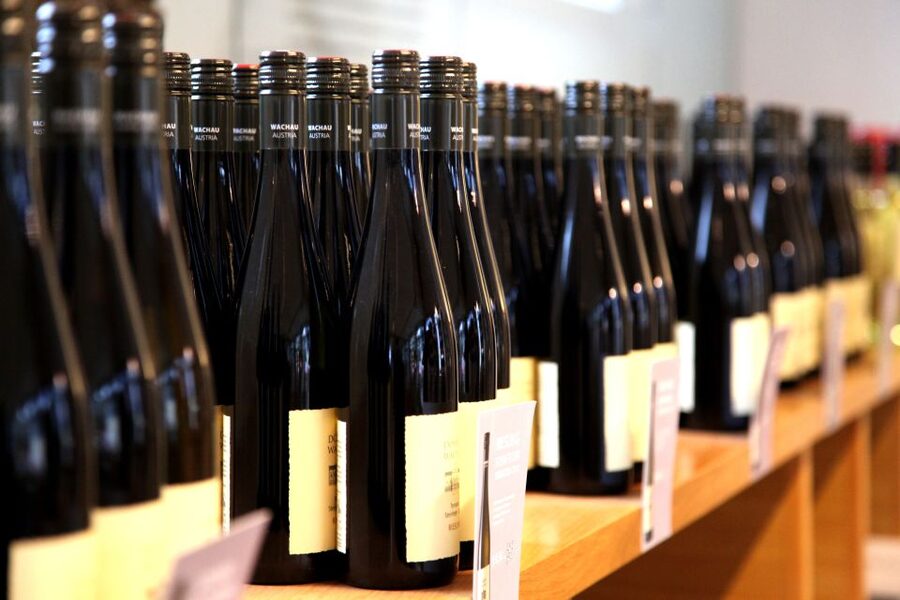
- Two very different wine stops: Expect visits to small family-run wineries, along with a stop connected to the well-known Domäne Wachau wine region.
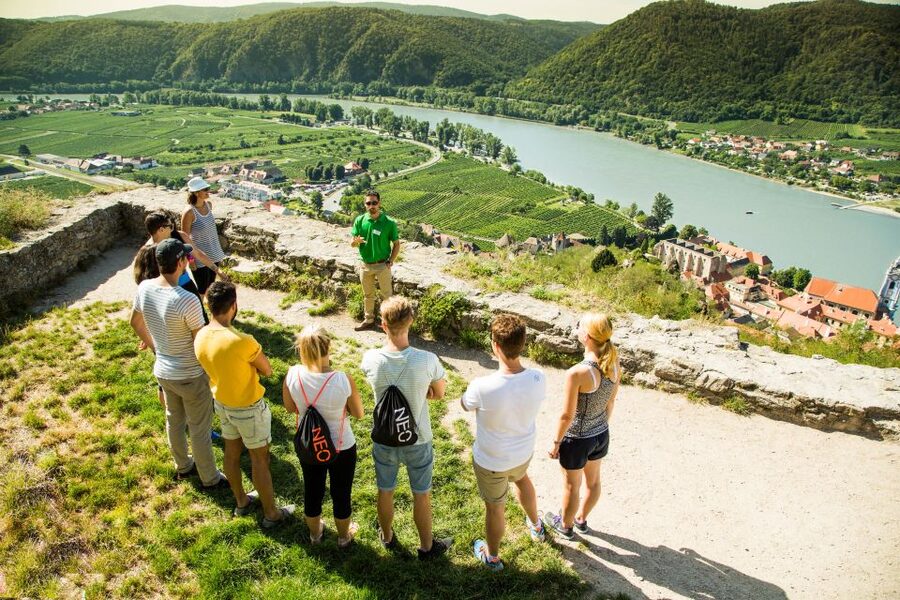
- Dürnstein is the scenic centerpiece: Use your free time to explore the medieval town or hike to the castle ruins linked with Richard the Lionheart.
- Train and ferry travel are part of the day: Your return train to Vienna is included, as is the short Danube crossing.
- Lunch is optional in theory, practical in reality: A local restaurant meal costs €17 in cash, and other choices may be available through your guide.
- Weather will not stop the tour: Rain ponchos are provided, but you should still bring comfortable clothing and shoes.
Why this Wachau Valley day trip works so well
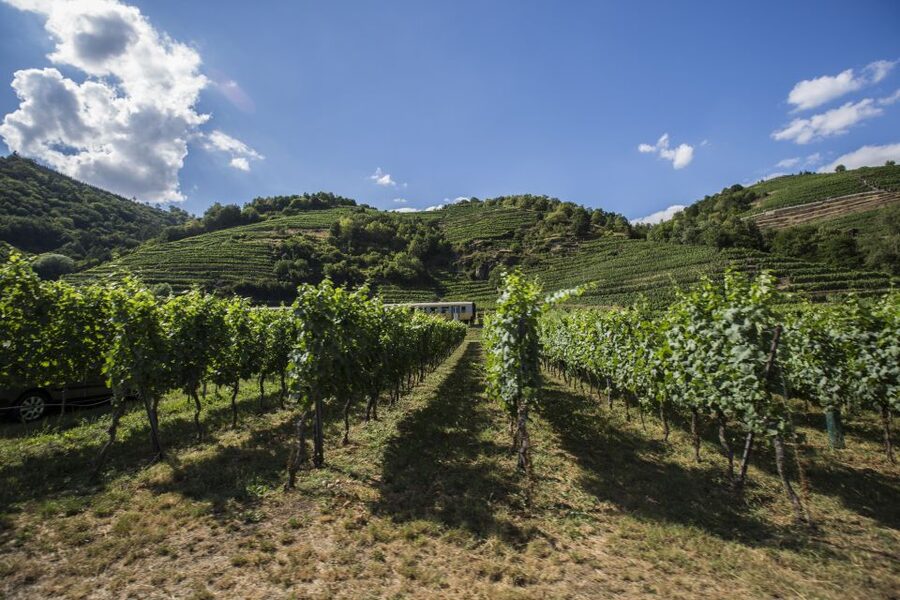
The Wachau Valley is one of Austria’s easiest countryside escapes from Vienna. The train from the Vienna Explorer office takes about an hour to Krems an der Donau, so you do not lose time with a long private transfer or a complicated rental-car plan. Once you arrive, the bike gives you a better view of the valley than a coach window ever could.
You pedal beside vineyards, historic villages, and the Danube, with stops to catch your breath and hear about the region. The route is about 14 miles, or 25 kilometers, but it is not designed as a race. You ride in sections, usually no more than 30 minutes before stopping. Wind direction and small hills can change how easy a section feels, so do not mistake the moderate distance for a completely effortless outing.
The tour earns its strong reputation for three reasons: the scenery, the winery access, and the guides. Tim is especially noted for his wine and regional knowledge, while Nicolas, Tzana, Felipe, Tomas, Miguel, and others have been praised for being warm, adaptable, and attentive to different cycling abilities. Guide quality can vary from day to day, but the repeated pattern is clear: the guide matters here because the day includes trains, bikes, wineries, a ferry, lunch, and free time.
A few more vineyard days around the world worth a look
- Tuscany Day Trip from Florence: Siena, San Gimignano, Pisa and Lunch at a Winery
★ 5.0 · 21,634 reviews - Florence: Chianti Wineries Tour with Wine Tasting
★ 4.5 · 10,071 reviews - Porto: Douro Valley with Winery Lunch, Tastings & Cruise
★ 4.7 · 7,002 reviews
From Vienna to Krems by regional train
Meet at the Vienna Explorer office and travel by train to Krems an der Donau. The journey takes roughly one hour and gives you a relaxed start, though you should remember that the day begins and ends with fixed transport times. The tour finishes at Spittelau S+U, rather than returning you to the original office.
The train is not just a transfer. It helps the outing feel like a proper day away from Vienna, and it avoids the hassle of arranging your own tickets, bike transport, and winery appointments. Several people who considered cycling or organizing the valley alone were glad to have the details handled for them.
At the rental shop, you collect your bike and helmet. Wi-Fi and snacks are available there, and hot and cold drinks can be purchased. Bring your own water bottle anyway. There are places to refill along the route, but the supplied information about snacks is not perfectly consistent, so I would pack a small snack rather than depend on one.
Cycling out from Krems
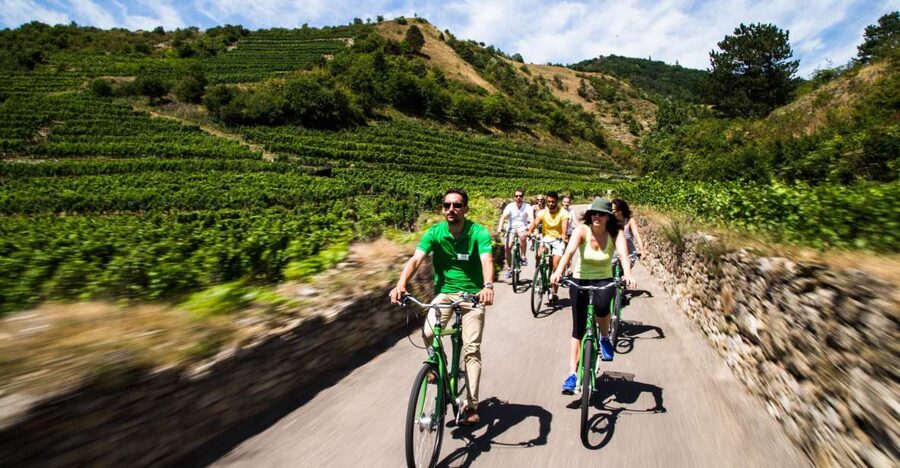
The first cycling section lasts about 45 minutes. This is where you settle into the pace and get your first broad views of the Wachau Valley. The ride uses mostly bike paths and quieter roads, with stops along the way for photos and short explanations.
Your guide may talk about the valley’s wine production, old families, local customs, and the effect of the climate on the grapes. This is one of the tour’s strengths. You are not simply pedaling between tasting rooms. The ride gives context to what you are drinking later.
The route suits many ages and ordinary recreational cyclists. You do not need to be an avid cyclist, but you should be comfortable riding for several hours with breaks. Some small hills can make you work, and one rainy outing left riders wet before the guide returned with ponchos. The tour runs in all weather, so check the forecast and dress for changeable conditions.
Electric bikes are not included. They can be enjoyable, but you need to arrange that option separately if available. If you are worried about the distance, ask before booking rather than assuming an e-bike will be waiting.
Dürnstein: wine, ruins, and free time
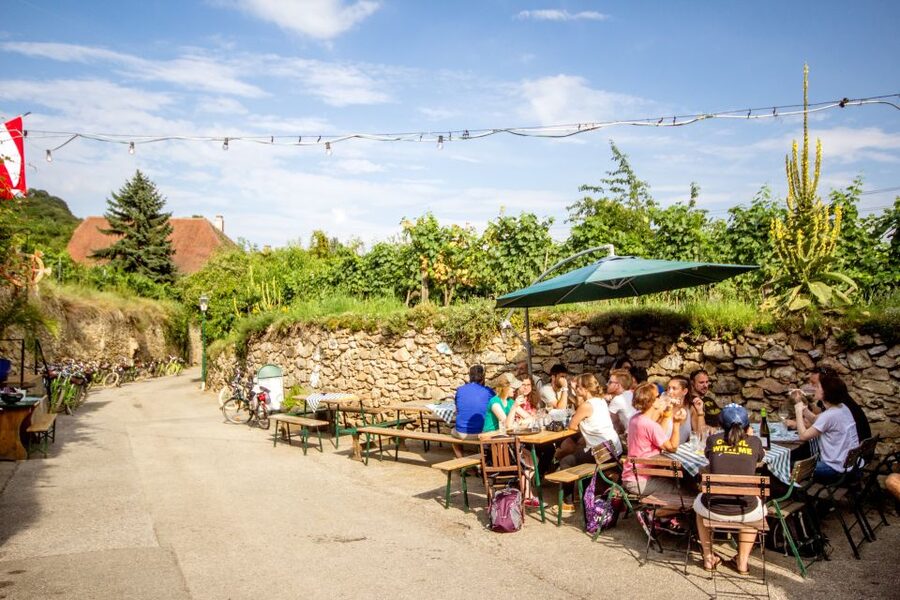
Dürnstein is the day’s most famous stop. Its medieval streets, church tower, vineyards, and hilltop ruins make it the place where many visitors want more time than the schedule allows.
The itinerary allows about an hour for wine tasting, followed by 45 minutes of free time and an hour for lunch. In practice, your guide may help you choose between wandering the town and walking uphill toward the castle ruins. The short hike is repeatedly recommended because the views over the Danube and vineyards are excellent.
The castle is associated with Richard the Lionheart, who was held there in the 12th century. You should treat the walk as an optional addition, not a guaranteed guided hike. It takes time and involves an uphill path, but it is manageable for many people who bring proper shoes.
Dürnstein can also be your chance to slow down. If you are more interested in town streets, local shops, and photographs than climbing, use the free time below. The schedule gives you a choice, though you may have to move efficiently to fit in both the town and the ruins.
Same wine country, a different day out:
- Barcelona: Montserrat, Cogwheel, Black Madonna & Winery Tour
★ 4.8 · 5,633 reviews - Montserrat with Black Madonna & Medieval Winery with Tapas/Lunch
★ 5.0 · 5,209 reviews - From Florence: Siena, San Gimignano, Pisa & Lunch at Winery
★ 4.8 · 4,538 reviews - Napa and Sonoma Wine Country Full-Day Tour from San Francisco
★ 4.5 · 4,455 reviews
Lunch in a family-run restaurant
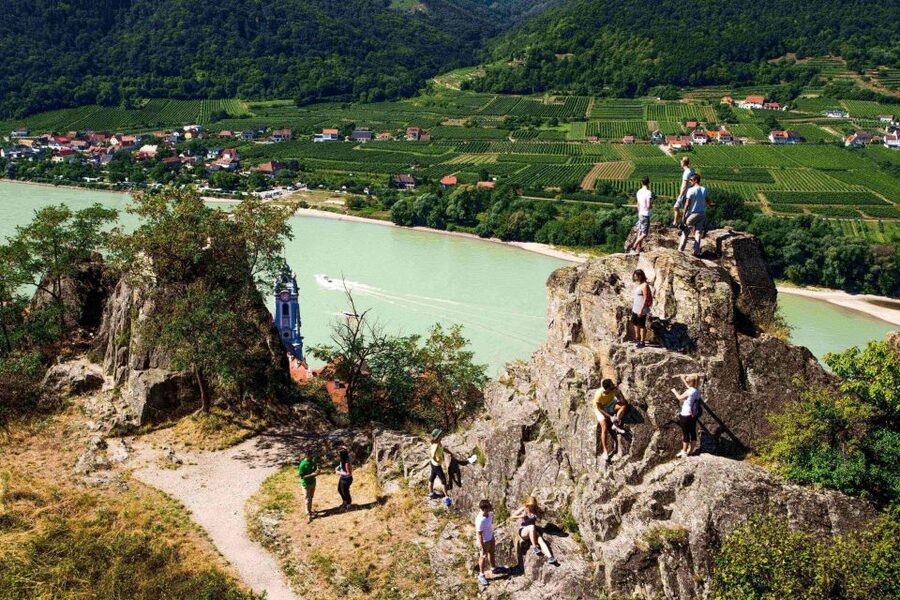
Lunch is not included in the $163 price. The usual local restaurant option costs €17 per person, payable in cash to your guide, and other choices may be available. Several outings included a family-run tavern with good, quick meals, and the restaurant stop has been described as both affordable and enjoyable.
I would carry the €17 in cash even if you are unsure about eating there. The long day, moderate cycling, and wine tastings make a proper meal useful. The lunch stop is also part of the local experience, rather than an interruption at a generic roadside restaurant.
One practical point: the meal can feel more like the expected plan than a completely free choice. If you have dietary needs or want to eat independently, ask your guide early in the day about the alternatives.
The second ride and the Danube ferry
After Dürnstein, you cycle for about 30 minutes toward Weißenkirchen in der Wachau. This section is short, scenic, and well placed after lunch. You are still riding through the valley, but the rhythm has changed: you have already seen the main town and are now moving toward the second tasting area.
The 15-minute ferry crossing to Rossatz-Arnsdorf is one of the most memorable details of the route. It breaks up the cycling and gives you a different view back toward the riverbanks and villages. It also makes the day feel like a connected journey rather than a loop around one town.
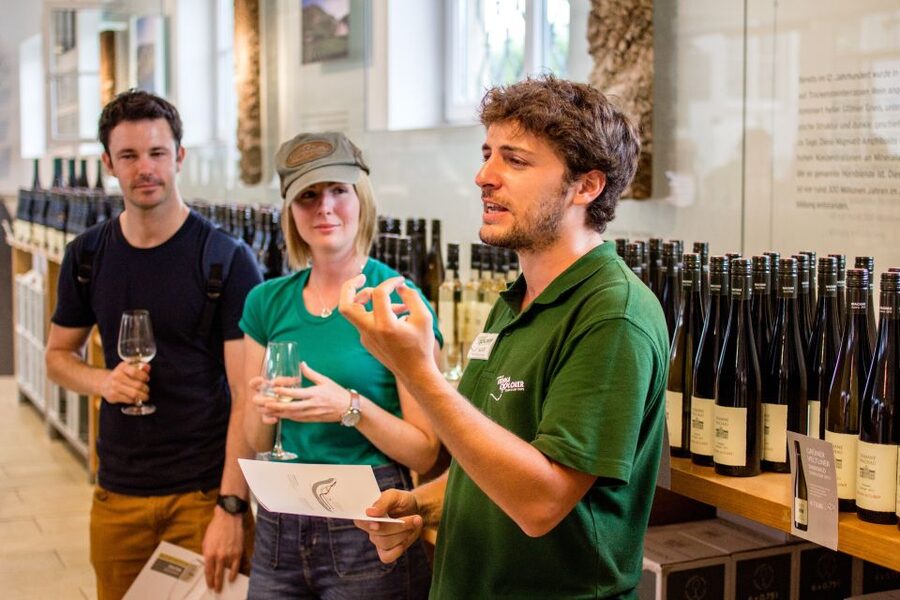
The next winery stop lasts about an hour. Expect dry and fruity white wines, with the Wachau’s famous whites taking center stage. You may also encounter local specialties such as apricot jam and liqueurs. At some family wineries, the owners or winemakers speak directly with the group, which gives the tasting more character than a standard counter service.
The two wine stops are not identical. One may feel more boutique and personal, while the other may offer a broader look at the region’s wine tradition. Domäne Wachau is among the recognized names connected with the tour, but the precise winery schedule can change.
Do not expect a full meal with the tastings. One person specifically wished for cheese and crackers, so eat lunch and consider carrying a small snack if that matters to you. The tastings are built around wine and explanation, not a large food spread.
What the cycling is really like
The route covers about 25 kilometers, but the breaks make a big difference. You are not riding for 11 straight hours, and the longest uninterrupted stretch is usually around 30 minutes, depending on the wind. Most riders find the bikes comfortable and in good condition.
The cycling is best described as easy to moderate rather than completely flat and effortless. You may face a few small hills, and wind can make a section harder. The tour is suitable for many ages, but people who rarely cycle should still prepare for a full active day.
Wear shoes you can pedal and walk in. Comfortable shoes are listed as essential, and they matter for the Dürnstein castle path. Bring sunscreen, a hat, and a camera. Swimwear and a towel are also suggested because the day may offer a chance to cool off near the Danube.
Take the swimming advice seriously and ask your guide about the conditions that day. The supplied information encourages swimwear, but some local advice has questioned swimming in the river because of current and cleanliness. Treat it as an optional possibility, not a promise.
Guides, group size, and the pace of the day
This experience depends heavily on the guide. The best guides do more than point toward the next turn. They explain how the vineyards work, tell stories about the valley, help with wine tasting, manage the train and ferry connections, and adjust the plan when weather changes.
Tim is repeatedly praised for his wine expertise and easy humor. Nicolas is noted for looking after people with different abilities, while Tzana and Sanja are praised for practical recommendations and flexibility. Other guides, including Felipe, Tomas, Miguel, and Reegan, have also received strong praise for their history, wine, and people skills.
The group size can vary. One outing had 18 people, which some people found larger than ideal for a bike-and-wine day. A bigger group can be social and fun, but it may mean more time getting everyone moving, tasting, or crossing a road. If you want a quieter, more personal trip, ask about private or small-group options.
The tone is generally casual rather than formal. You can expect jokes, local tips, and conversation instead of a nonstop lecture. That works well on a bike tour, though one outing felt the guide could have done more to help the group get acquainted during the first train wait.
Price and what you receive for $163
At $163 per person, this is not the cheapest way to see the Wachau Valley. The price includes the Vienna train, bike rental, helmet, rain poncho, guide, ferry-related transport, and tasting fees at the wineries. It also saves you from arranging a bike, finding open wineries, and working out the train connections.
That package gives the price solid value if you want the full day. Independent planning might cost less, especially if you skip tastings or use your own transport, but wineries may not be open when you arrive and the logistics are less simple than they appear.
Budget another €17 for the recommended lunch, in cash. Electric bikes are not included, and snacks may not be enough to replace a meal. The tour allows free cancellation up to 24 hours before departure, and you can reserve now and pay later, which helps if your Vienna schedule is still changing.
Who should book this experience
I would choose this for someone who wants a countryside day without giving up wine, local food, or historical sights. It suits couples, solo visitors, friends, and active families who can manage a full day and several hours on a bike.
It is especially good for:
- Wine drinkers who prefer small producers and direct conversation
- People who want scenery without driving
- Cyclists who enjoy a relaxed pace with plenty of stops
- Visitors who want Dürnstein plus more of the valley
- Solo visitors who like meeting a mixed group
- Anyone who values a guide’s local advice
I would think twice if you dislike fixed schedules, struggle with hills, or want a quiet private tasting. You should also avoid treating the tour as a beach day. River swimming depends on the conditions, and the main focus remains cycling, wine, villages, and history.
Should you book the Wachau Valley winery bike tour?
Yes, if you want an active and social day outside Vienna, especially if you like dry white wine and small winery visits. The mix of train, cycling, Dürnstein, ferry, lunch, and two tastings gives you a fuller sense of the Wachau than a quick coach stop.
Book it with realistic expectations. It is a long day, lunch costs extra, electric bikes are not part of the price, and a larger group is possible. Bring cash, water, sun protection, comfortable shoes, and a rain layer mindset. If the weather cooperates, the ride through the vineyards and the view from Dürnstein Castle can make this one of the most memorable days of an Austria trip.
FAQ
How long is the Wachau Valley winery biking tour?
The tour lasts 11 hours, including the train rides between Vienna and Krems an der Donau.
How far do you cycle?
The route is approximately 14 miles, or 25 kilometers. It includes regular stops, and the longest continuous riding section is about 30 minutes, depending on the wind.
Is the cycling difficult?
The route is described as non-strenuous and suitable for all ages, but you may encounter small hills and wind. Comfortable cycling shoes are recommended.
Are electric bikes included?
No. Standard bike rental, helmets, and rain ponchos are included, but electric bikes are not.
Is lunch included in the price?
No. A local restaurant lunch is available for €17 per person, payable in cash. Other lunch options may be available through your guide.
Can I swim in the Danube?
Swimwear and a towel are suggested, but swimming is not guaranteed. Ask your guide about river conditions that day, including current and cleanliness.
What language is the tour conducted in?
The tour is conducted in English with a live guide.
Just added around the world
- Urban winery tour, premium tasting flight & tapas★ 5.0 · 4 reviews
- Arrábida Wine Tour – 3 Wineries, Traditions & Views from Lisbon★ 4.5 · 6 reviews
- Setúbal: Winery & Fish Market Tasting Tour from Lisbon★ 5.0 · 35 reviews
- Full Day Private Tour – Arrábida Beaches and Azeitão Wine Region★ 5.0 · 2 reviews
- Private Tour to Evora with wine tasting at the Cartuxa Winery★ 5.0 · 4 reviews
- Historic Winery Tour and Tasting in Bombarral★ 4.0 · 6 reviews
- Evora & Alentejo Wine Region Private Luxury Tour★ 5.0 · 2 reviews
- Évora Private Tour – Cork Factory and Wine Estate Included★ 5.0 · 12 reviews
Vienna Vineyard Tours, compared.
Wine Tasting Experience in a Private Wine Cellar
Read our review →
Schlumberger Wine Cellar Guided or Self-Guided Tour
Read our review →
Schlumberger Sparkling Wine Cellar World Entrance Ticket in Vienna
Read our review →Browse the lists this tour appears in