
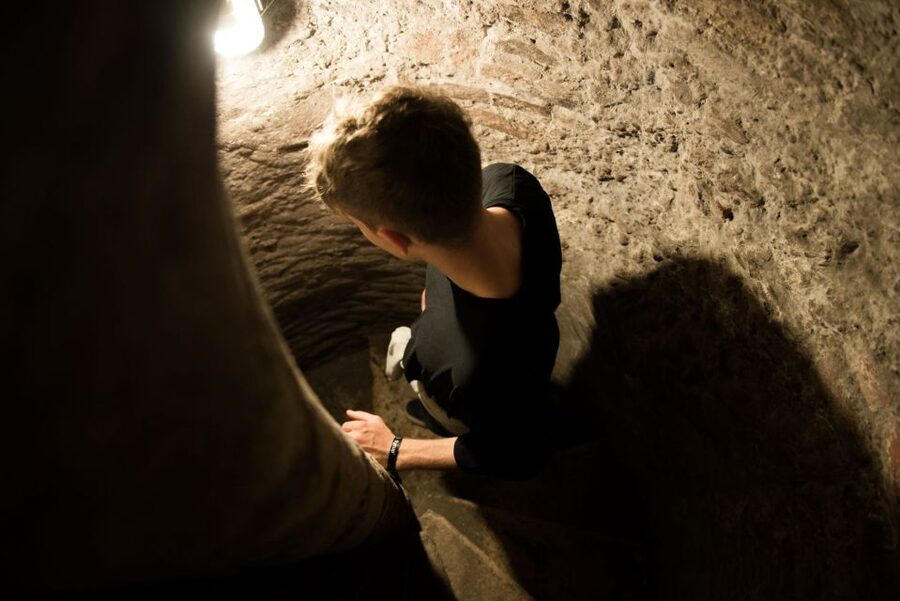
REVIEW · VIENNA
Vienna: Historical Pharmacy Cellar Guided Tour
Vienna’s underground world is not only tunnels and legends. Beneath the side entrance of Schutzengel Apotheke, you enter a private pharmacy cellar filled with old medicine-making spaces, laboratory relics, and traces of 160 years of pharmaceutical work. I like the small group of 10 and the chance to see a place that is not open to the public.
I also like the focused one-hour format. It fits neatly into a day of sightseeing and gives you a different view of Vienna without asking for half a day. The catch is practical: you must walk down many steps, with no elevator, and the tour is conducted in German. Closed-toe sports shoes are a smart choice.
Key points
- A private pharmacy cellar: Enter through the side entrance of Schutzengel Apotheke for access to a non-public underground space.
- 160 years of medicine: Follow the story of one of Vienna’s oldest pharmacies through cellar rooms and surviving objects.
- An old laboratory: See a former pharmaceutical work area and relics connected with medicine-making.
- A small group: With no more than 10 participants, the guide can handle questions without shouting across a crowd.
- A short, unusual stop: The one-hour visit works well between major museums and city walks.
- Many stairs: The cellar has no elevator and is not suitable for wheelchair users or people with limited mobility.
Starting beneath Taubstummengasse
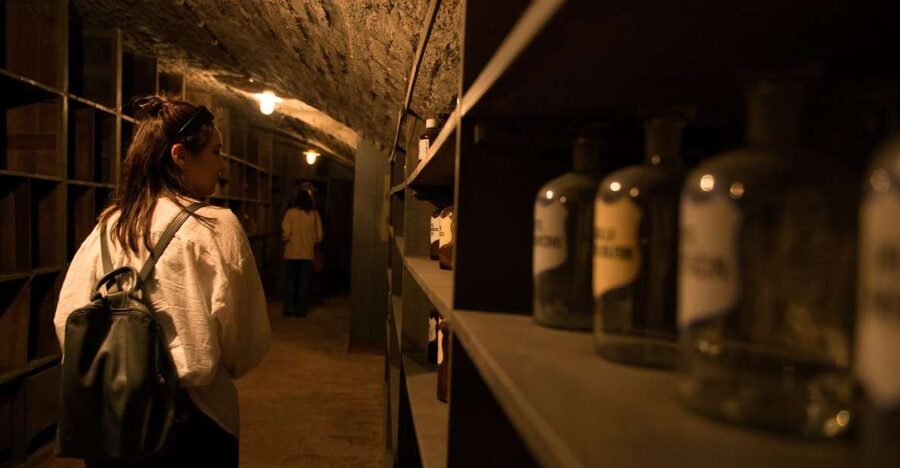
The tour begins at the side entrance of Schutzengel Apotheke on Taubstummengasse, opposite Taubstummengasse 17. That detail matters because the meeting point is not described as the main front door. I would arrive a little early, check the address, and look for the side entrance rather than wandering around the block at the last minute.
From there, your guide leads you below street level. Vienna has a larger underground network than many cities, with corridors, shafts, and subterranean buildings beneath its polished streets. This visit focuses on one small but revealing part of that world: an old pharmacy cellar.
You are not simply touring a basement. The cellar gives the underground setting a clear purpose. It was connected to the work of a pharmacy, so the rooms and objects help explain how medicine was stored, prepared, and handled in earlier periods.
The separate entrance also helps the visit feel distinct from an ordinary pharmacy stop. You are being taken into a private, non-public area rather than looking at a display behind glass in a regular museum.
More Wine Cellar Visits in the world:
- Porto: Bridges Cruise & Sunset & Port Wine Cellar Option
★ 4.2 · 4,180 reviews - Porto: Cálem Cellar Tour, Interactive Museum & Wine Tasting
★ 4.5 · 4,113 reviews - Porto: Cálem Cellar Tour, Fado Show & Wine Tasting
★ 4.4 · 3,530 reviews
Descending into Vienna’s pharmacy past
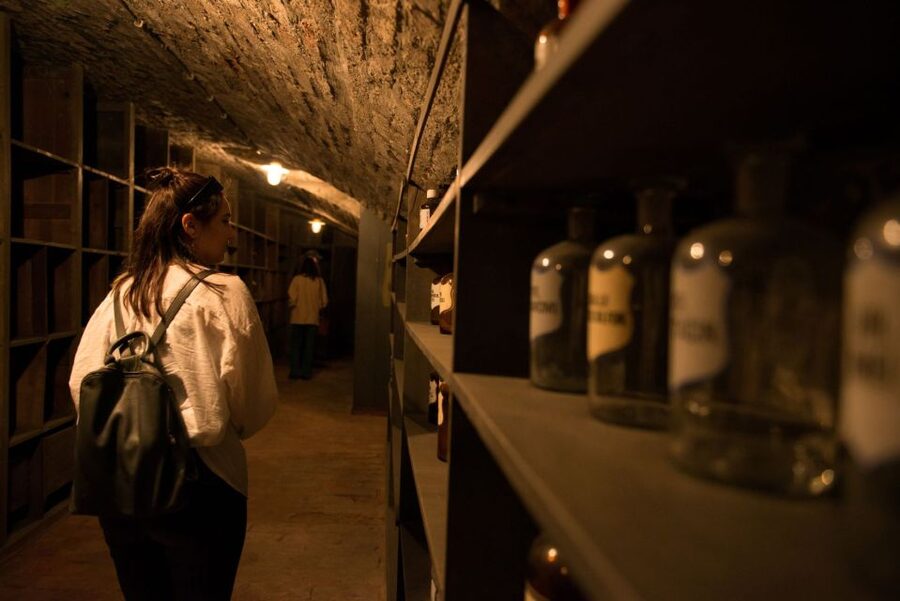
The first part of the experience is the descent itself. You go down several flights of stairs into hidden cellar spaces, and the absence of an elevator is central to the visit, not a minor footnote. If stairs are difficult for you, this is not the right tour.
Once below, the guide sets the cellar in the context of Vienna’s pharmaceutical past. You learn about one of the city’s oldest pharmacies and follow a story stretching across 160 years. That time span gives the tour more substance than a quick look at old bottles or dusty equipment.
I find this kind of setting useful because the place and the subject match. A pharmacy cellar is not a decorative historical room created for tourists. Its value comes from seeing medicine in the sort of working and storage space where it belonged.
The mood is gloomy and enclosed. That will appeal to you if you like old buildings, urban mysteries, and the less polished side of city history. If you prefer bright galleries, wide rooms, and a formal museum presentation, the cellar may feel cramped or rough around the edges.
The former laboratory and medicine cellar
The main sights include a unique laboratory and a former medicine cellar. The guide explains the objects and rooms as part of the history of medicine, rather than leaving you to guess what each item was used for.
The old laboratory is the most distinctive part of the visit. It connects the pharmacy to practical work: substances had to be prepared, measured, stored, and turned into treatments. The tour lets you see that process through the physical remains of the space.
The medicine cellar offers a different angle. Here, the emphasis is on storage and the hidden workings of the pharmacy. The rooms help you picture the supply side of medicine, away from the public counter and the more familiar face of an apothecary.
You will encounter relics from the past, though the available details do not provide a full item-by-item inventory. That is worth keeping in mind. Book this for the atmosphere, setting, and guided explanation, not because you expect a long list of individually famous artifacts.
The guide is also an important part of the experience. The tour is in German, and a recent booking note specifically praised the guide for answering questions fully and clearly. If you understand German, the small group should make it easier to ask about the rooms, objects, and history as you go.
The beautiful and ugly sides of the Viennese underworld
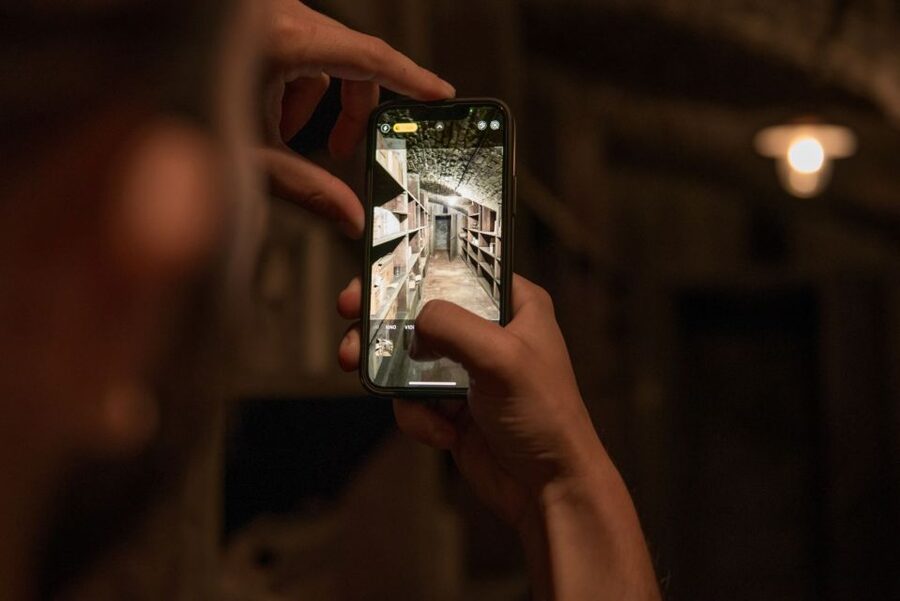
The tour presents underground Vienna as more than a pretty collection of old rooms. You hear about both the appealing and unpleasant sides of the city below ground. That wider idea gives the pharmacy cellar a place within Vienna’s larger subterranean world.
The beautiful side is easy to imagine: old construction, unusual spaces, and the sense of entering a part of the city that most people never see. The less attractive side comes from the cellar’s gloomy character and the practical conditions of working underground.
I like that the tour does not treat the underworld as a polished fantasy. You are there to see a real historic setting, with darkness, stairs, and enclosed rooms included in the experience. That makes the visit feel more honest than a staged attraction.
At the same time, you should keep your expectations in check. This is a one-hour guided visit, not a long expedition through Vienna’s entire underground network. The pharmacy cellar is the main focus, and the information provided does not promise access to every corridor or subterranean site in the city.
More Historical Tours in the world:
- Private Lisbon-Arrábida Wine Tour: 3 Wineries, Coast & Heritage
★ 5.0 · 450 reviews - From Albufeira: Wine Tasting & Historic Silves Tour
★ 4.9 · 421 reviews - Albufeira Wine Tasting: Boutique Winery Tour & Historic Silves
★ 5.0 · 380 reviews - Small-Group Full-Day Tour of Côte de Nuits, Côte de Beaune Vineyards and Beaune Historical District
★ 5.0 · 364 reviews
Why the one-hour format works
At $37 per person, this is not the cheapest hour you can spend in Vienna. There is no food or drink included, and the tour is short. Still, the price includes the guide and entrance fee, and the access is to a private cellar that is not open to the public.
I see the value mainly in the setting. You are paying for a guided look at a specific place that you could not reasonably visit on your own. The small group also helps. With up to 10 people, you have a better chance of hearing the explanation and asking a question than you would on a large underground walking tour.
The one-hour length makes the cost easier to justify for the right visitor. You can fit it between other plans instead of giving up a full morning or afternoon. It is especially useful if you have already seen Vienna’s main palaces, churches, and museums and want a less expected subject.
I would skip it if your main goal is a broad tour of Vienna’s underground passages. The experience centers on the pharmacy cellar, medicine history, and related relics. Its appeal comes from focus, not scale.
A small group with a clear language limit
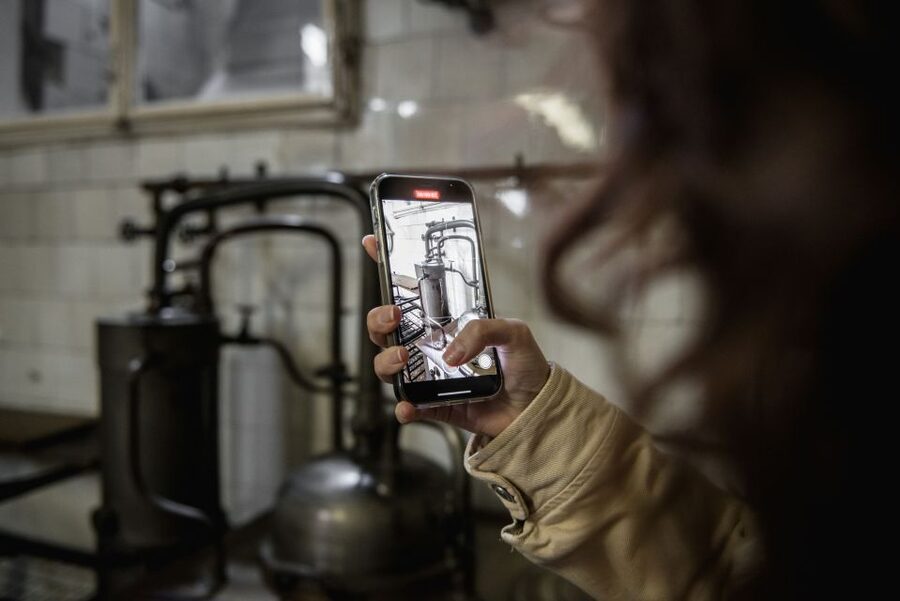
The group is limited to 10 participants, which is one of the strongest practical features. A small group suits a cellar tour because the rooms may be tight, and a large crowd would make it harder to see or hear.
Small groups also make a question-led explanation more useful. A recent booking note praised the guide for responding to questions in detail, so you should feel free to ask about the laboratory, medicine cellar, or the history of the pharmacy if your German is strong enough.
The stated tour language is German. There is no English-language option listed here, so do not book on the assumption that the guide will automatically switch languages. If you only speak English, the atmosphere and objects may still interest you, but you may miss much of the historical explanation.
The tour is not suitable for children under 10. That rule, along with the stairs and gloomy cellar rooms, makes the visit better suited to older children and adults who are comfortable with a serious historical setting.
Shoes, stairs, and the real physical demands
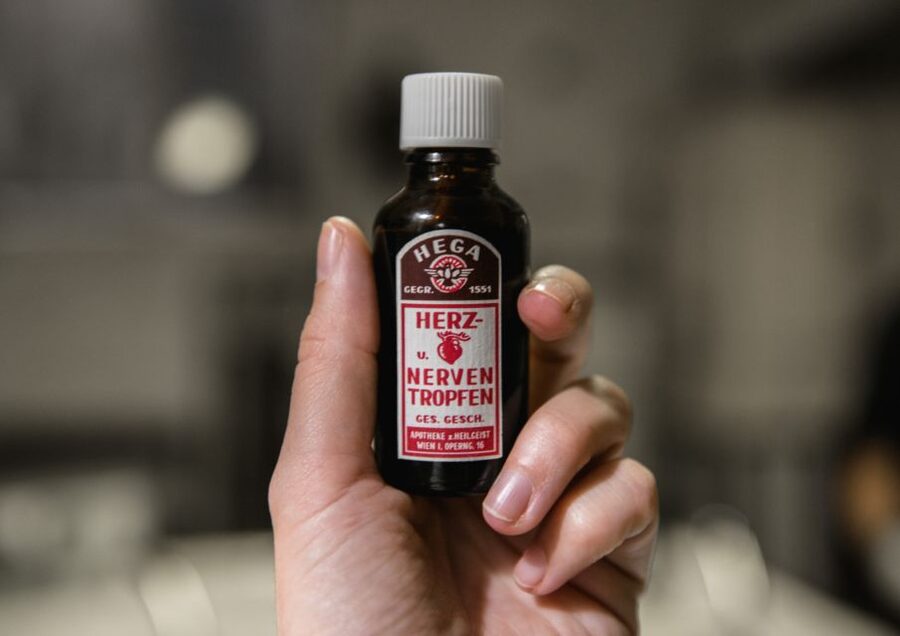
Wear closed-toe sports shoes. You will descend many steps into hidden cellars, and the tour information specifically warns that there are no elevators. Good footwear is not just a packing suggestion here. It is part of being prepared for the site.
People with limited mobility and wheelchair users should not book this experience. The stair access rules out wheelchairs, and the tour is not recommended for anyone who may struggle with repeated steps.
The experience is listed as participation at your own risk. That wording tells you to take the physical setting seriously. The cellar is old and underground, and you should move carefully rather than rushing to keep up with the group.
I would also avoid carrying more than you need. No special equipment is listed, but a light day bag is easier on stairs than a large suitcase or bulky backpack. The meeting point is in the city, so plan to arrive dressed for an ordinary walking day, with shoes that can handle both streets and cellar steps.
Who will get the most from this visit
I would recommend the tour to you if you enjoy:
- Medicine and social history: The cellar connects pharmacy work to everyday health care across 160 years.
- Unusual city spaces: You get access to a private underground site rather than another major public monument.
- Small guided groups: Ten people is a manageable size for questions and close viewing.
- Short specialty tours: One hour is enough to add a fresh subject to a busy Vienna schedule.
- Atmospheric places: The gloomy, enclosed setting is part of the appeal.
I would be more cautious if you need an English-language guide, dislike stairs, or want a large underground network with many different sites. The experience is narrow by design, and that is either its strength or its limitation depending on your interests.
Booking flexibility and timing
You can cancel up to 24 hours in advance for a full refund, and the reserve-now, pay-later option lets you hold a place without paying immediately. That flexibility helps if your Vienna plans are still shifting.
The tour lasts one hour, but you should allow extra time around it for finding the side entrance and getting comfortable before the descent. Starting times vary, so check availability when you plan your day.
There is a separate entrance for the tour, which provides skip-the-line access. The meeting point remains specific: the side entrance of Schutzengel Apotheke in Taubstummengasse, opposite Taubstummengasse 17.
Should you book the pharmacy cellar tour?
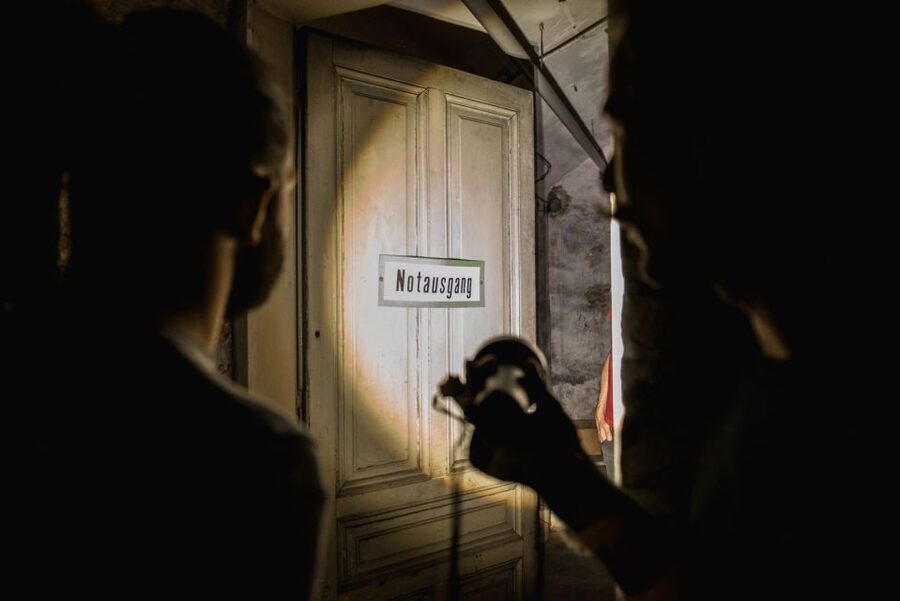
Book it if you want a compact, unusual look at Vienna from below street level. The private access, old laboratory, medicine cellar, and 160-year pharmaceutical story give the hour a clear identity. At $37, the value is strongest for visitors who care about places that are normally closed to the public.
Skip it if you cannot manage many stairs or need a tour in English. Also skip it if you want a sweeping underground adventure rather than a focused visit to one former pharmacy cellar.
For the right person, this is a smart add-on to a Vienna itinerary: short, atmospheric, and far removed from the usual imperial sights. Just wear proper shoes, confirm that German works for you, and arrive ready to climb down.
FAQ
Where does the Vienna Historical Pharmacy Cellar Tour meet?
Meet at the side entrance of Schutzengel Apotheke in Taubstummengasse, opposite Taubstummengasse 17.
How long does the tour last?
The tour lasts one hour.
What language is the tour in?
The live guided tour is conducted in German.
How much does the experience cost?
The listed price is $37 per person.
What is included in the price?
A guide and the entrance fee are included.
Is food or drink included?
No. Food and drinks are not included.
How large is the group?
The group is limited to 10 participants.
Is the tour suitable for wheelchair users?
No. The cellar requires many steps, has no elevator, and the experience is not suitable for wheelchair users or people with mobility impairments.
What should I wear?
Wear sports shoes with closed toes. The tour includes a descent into hidden cellars with many steps.
Just added around the world
- Urban winery tour, premium tasting flight & tapas★ 5.0 · 4 reviews
- Arrábida Wine Tour – 3 Wineries, Traditions & Views from Lisbon★ 4.5 · 6 reviews
- Setúbal: Winery & Fish Market Tasting Tour from Lisbon★ 5.0 · 35 reviews
- Full Day Private Tour – Arrábida Beaches and Azeitão Wine Region★ 5.0 · 2 reviews
- Private Tour to Evora with wine tasting at the Cartuxa Winery★ 5.0 · 4 reviews
- Historic Winery Tour and Tasting in Bombarral★ 4.0 · 6 reviews
- Evora & Alentejo Wine Region Private Luxury Tour★ 5.0 · 2 reviews
- Évora Private Tour – Cork Factory and Wine Estate Included★ 5.0 · 12 reviews
Vienna Vineyard Tours, compared.

Grape Grazing: Wachau Valley Winery Biking Tour
Read our review →
Wine Tasting Experience in a Private Wine Cellar
Read our review →
Schlumberger Wine Cellar Guided or Self-Guided Tour
Read our review →
Schlumberger Sparkling Wine Cellar World Entrance Ticket in Vienna
Read our review →Browse the lists this tour appears in