
REVIEW · VIENNA
Vienna: Schlumberger Wine Cellar Guided or Self-Guided Tour
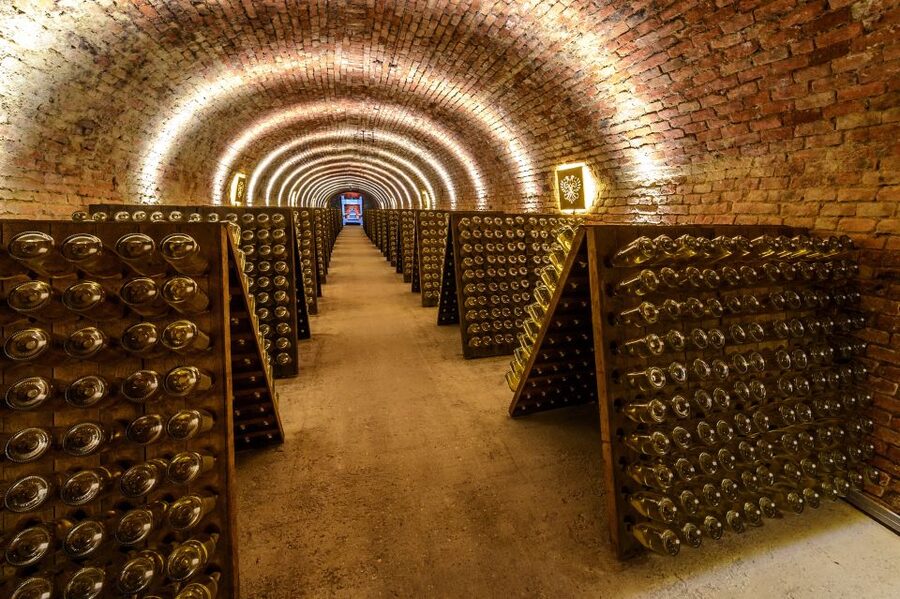
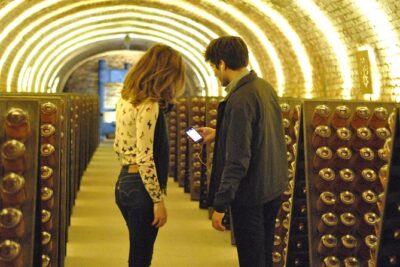
The best part of this Vienna experience is hidden below an unassuming building: a maze of old cellar vaults packed with sparkling-wine bottles. You’ll follow the traditional method from grape to glass, then try hand-riddling, the careful turning of bottles once done by cellar workers.
I like the freedom of the self-guided audio tour, which lets you pause and move at your own speed. I also like the strong value: the ticket includes the tour and a tasting set, and the wines are made in Vienna rather than shipped in from elsewhere.
The main drawback is location. Schlumberger is not in central Vienna, and the cellar can be cold, so allow roughly 20 minutes from Stephansplatz by public transport and bring a jacket. The audio equipment may also feel awkward if you do not have wired earbuds.
Key points to know before you book
- Carl Ritter von Ghega’s cellar design: Walk through an extensive underground maze built and designed by the famous Austrian engineer.
- A 60-minute audio tour: Learn how sparkling wine forms inside the bottle, with audio available in eight languages.
- A hands-on cellar tradition: Try turning bottles on wooden sloping racks to understand the riddling stage.
- Three tasting choices: Pick sparkling wines, rosé wines, or a mixed set after the tour.
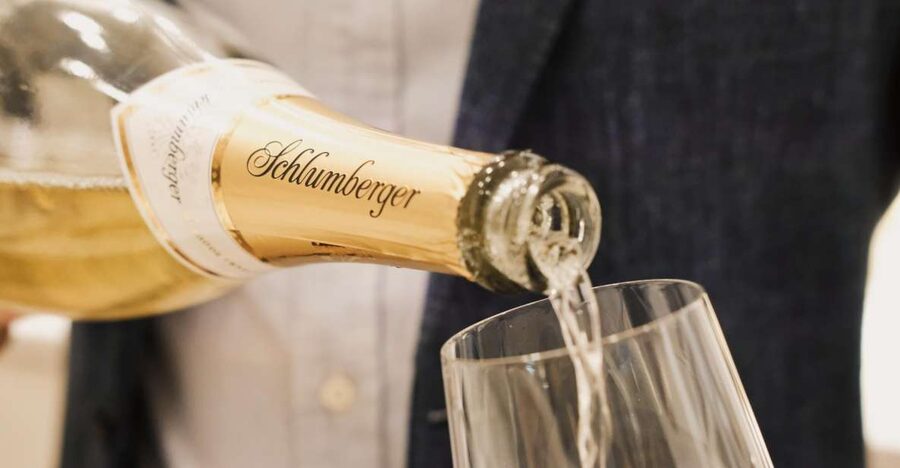
- Vienna-made bottles: Schlumberger’s sparkling wines are produced in Vienna and are not distributed in the United States.
- A quiet-time strategy: Arrive when the cellar opens at noon if you want a calmer visit before larger groups arrive.
What makes the Schlumberger cellar worth your time
Vienna is best known for imperial palaces, grand coffeehouses, and art museums. Schlumberger gives you a different side of the city: an operating sparkling-wine cellar where the main attraction is not a polished room but the work hidden behind every bottle.
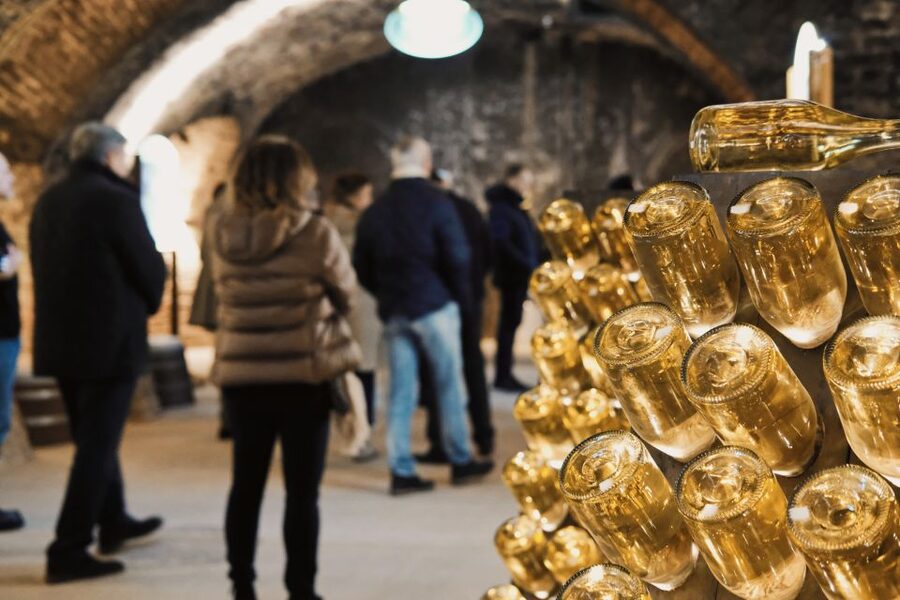
The cellar dates to 1842, when Schlumberger began producing sparkling wine. Underground, you walk through vaults filled with countless bottles and old-style equipment. The setting has a cool, slightly mysterious feel, and the low temperature helps explain why cellars have long been useful for wine production and storage.
I find the experience most appealing because it connects a finished glass of wine with the physical steps needed to make it. You are not simply shown a bottle and told that it is special. You see where bottles rest, learn why they are turned, and hear how the final sediment is removed.
The focus is on the traditional method of sparkling-wine production. This is the same broad process associated with Champagne, but the product here is Schlumberger sparkling wine from Austria. The distinction matters: you are learning about a winemaking method rather than visiting a Champagne house in France.
More Wine Cellar Visits in the world:
- Porto: Bridges Cruise & Sunset & Port Wine Cellar Option
★ 4.2 · 4,180 reviews - Porto: Cálem Cellar Tour, Interactive Museum & Wine Tasting
★ 4.5 · 4,113 reviews - Porto: Cálem Cellar Tour, Fado Show & Wine Tasting
★ 4.4 · 3,530 reviews
Walking through Carl Ritter von Ghega’s underground maze
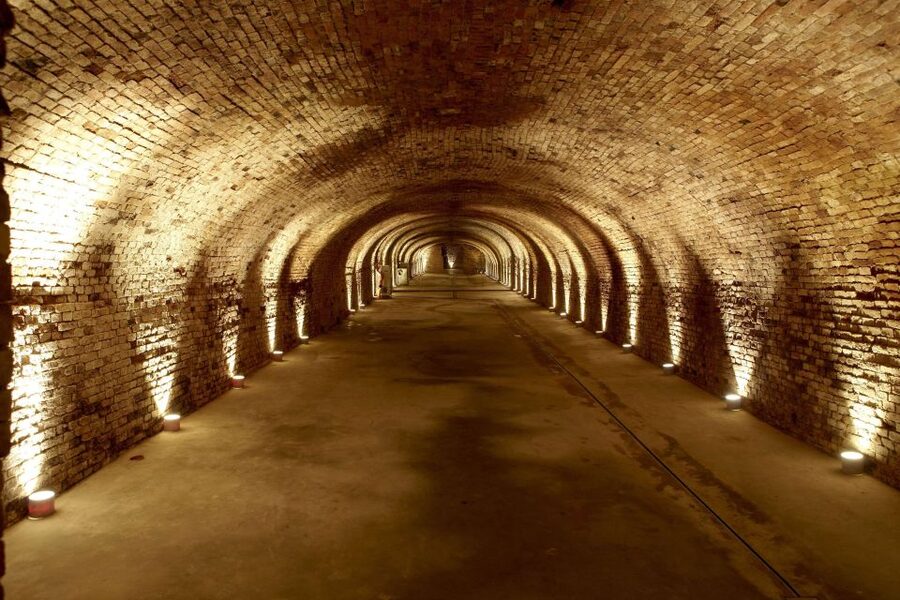
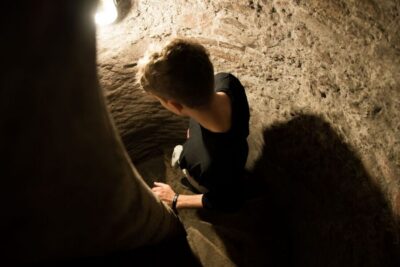
The cellar vaults are the visual heart of the visit. Their design is linked to Carl Ritter von Ghega, the Austrian engineer known for major nineteenth-century construction projects. Here, his engineering skill appears in the shape and structure of the underground spaces.
The route takes about an hour with the audio guide, though you can spend longer looking at displays and bottles. The self-guided format means you are not tied to a guide’s pace. Pause when a section catches your attention, or move along if the technical explanation is more than you need.
That freedom works well for couples and small groups with different interests. One person can listen closely to the production details while another takes in the old cellar walls. It also makes the tour less formal than a scheduled group walk.
Displays use German and English captions, which helps if you prefer reading rather than listening. The audio guide is offered in German, English, Spanish, Italian, French, Japanese, Russian, and Chinese.
The audio system deserves a practical note. Some visitors use their own phone, while the venue also offers an audio device. If you use the provided equipment, you may need to hold it near your ear unless you bring suitable wired earbuds. Headphones cost €1 and are not included.
From grape to bottle, without the wine-school lecture
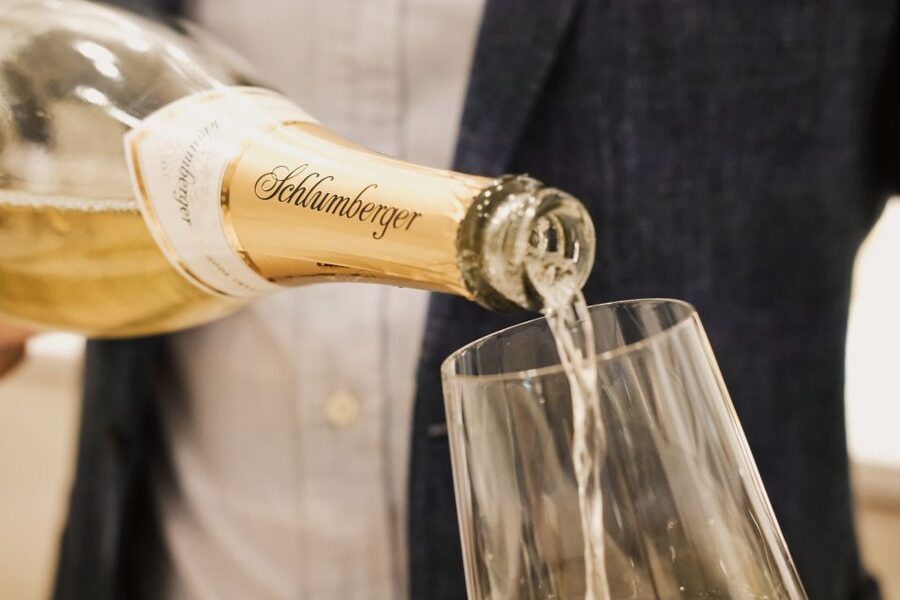
The audio tour explains how sparkling wine is made and how the bubbles develop inside the bottle. You will hear about the stages that turn still wine into a sparkling drink, including the work needed after the second fermentation.
This is a useful level of detail for anyone who enjoys wine but does not want a full technical course. The explanations give you enough background to understand what you are seeing, without requiring prior knowledge.
The cellar’s displays make the process easier to follow. Bottles, racks, and production areas give the explanation a physical setting. Instead of hearing a list of terms in a tasting room, you can connect each step to the tools and storage methods used in the cellar.
I especially like that the tour explains the less glamorous jobs. Sparkling wine demands patience and repeated handling. The bottle is not simply filled, sealed, and placed on a shop shelf. The cellar shows the human work behind the finished drink.
The format does have limits. Because the tour is audio-led and self-guided, the experience depends on your interest and attention. You cannot ask a live guide to adapt the explanation or answer a question on the spot. If you want a personal, guided wine lesson, this may feel too independent.
Try hand-riddling on the wooden racks
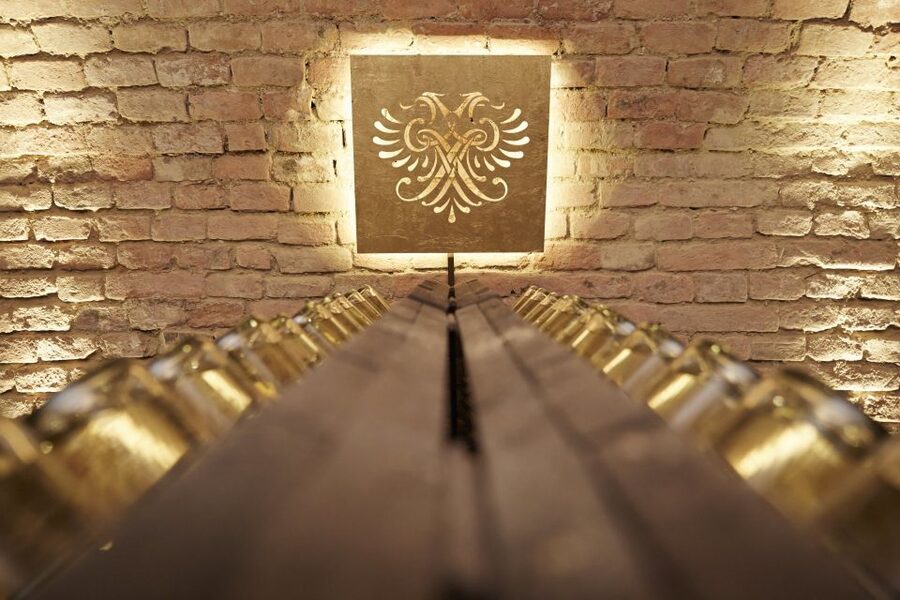
The most memorable activity is the chance to hand-riddle a bottle. Riddling means gradually turning and angling bottles so sediment moves toward the neck. The bottles rest on traditional wooden sloping racks, called pupitres.
You will not become a cellar master in one visit, but the demonstration makes the process easier to understand. A quick turn of the bottle may look simple. In production, the movement has to be controlled and repeated over time.
This hands-on moment gives the tour some character. You are not only looking at old racks behind glass. You get a sense of the physical work involved in preparing sparkling wine.
The next terms to understand are disgorging and dosage. Disgorging removes the sediment collected at the bottle neck. Dosage adds a measured amount of wine and sugar before the bottle receives its final cork and wire hood.
The audio guide explains these stages in the larger story of how the sparkle is born inside the bottle. You do not need to memorize every technical term, but knowing the basics makes the tasting more interesting.
A few more vineyard days around the world worth a look
- Private Self-Guided E-Bike Ride in Tuscany with Vineyard Visit
★ 5.0 · 775 reviews - Queenstown: Self-Guided Gibbston Valley Wineries Bike Tour
★ 4.7 · 128 reviews - Hawkes Bay Wineries Self-Guided Bike Tour
★ 4.5 · 83 reviews - Hawkes Bay Wineries Self-Guided Electric Bike Tour
★ 5.0 · 42 reviews
The tasting: sparkling, rosé, or a mixture
After the cellar route, you choose from three tasting sets. You can select sparkling wines, rosé wines, or a mixed option. The exact choice gives you a simple way to shape the visit around your preferences.
The standard ticket includes a tasting set, though one report describes the included serving as one standard glass. Additional glasses cost €3 for regular selections and €5 for premium selections, so ask about the current tasting arrangement before ordering more.
The rosé option has particular appeal if you already know you enjoy pink sparkling wine. A mixed set makes more sense if you want to compare styles rather than settle on one kind.
The tasting room gives you time to slow down after the cellar walk. This is not a rushed sample at the exit. You can consider the difference between what you learned about production and what you actually taste.
You are also free to buy a bottle or two, but there is no obligation. The tasting can help you decide, especially because the wines are made in Vienna and may not be easy to find at home.
For visitors from the United States, this is a useful point. Schlumberger is not connected to the Schlumberger winery name associated with California, and the Austrian wines are not distributed in the United States. If you enjoy the bottle, taking one home may be your best chance to drink it again.
Remember the practical wine-travel rule: check your airline and customs rules before packing bottles. The experience itself only promises the opportunity to purchase, not a special shipping service.
How much time should you allow?
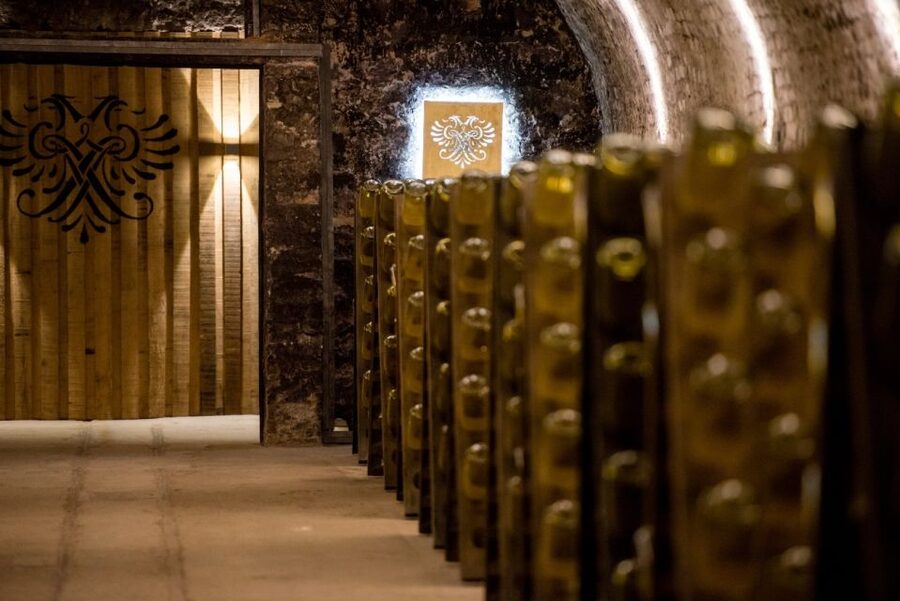
The audio portion is about 60 minutes. In practice, plan more time if you want to read the displays, try the riddling station, enjoy the tasting, or browse the shop.
A visit of around 90 minutes to two hours works well for many schedules. One useful timing tip is to arrive at noon, when the cellar opens. A larger group can make the route and tasting area feel crowded, so an early start gives you more breathing room.
The booking is valid for one day, with starting times based on availability. That gives you some planning flexibility, but you should still check the available entry time before building it into a tight sightseeing schedule.
The location is outside central Vienna. From Stephansplatz, the trip takes about 20 minutes by public transport, according to the practical information available for the visit. Add a little extra time if you are connecting from another part of the city.
The cellar temperature is cool. I would bring a light jacket even in warm weather. You may appreciate the cold once you are underground, but it is not the place for a short-sleeved outfit chosen only for summer streets.
Price and value at about $15
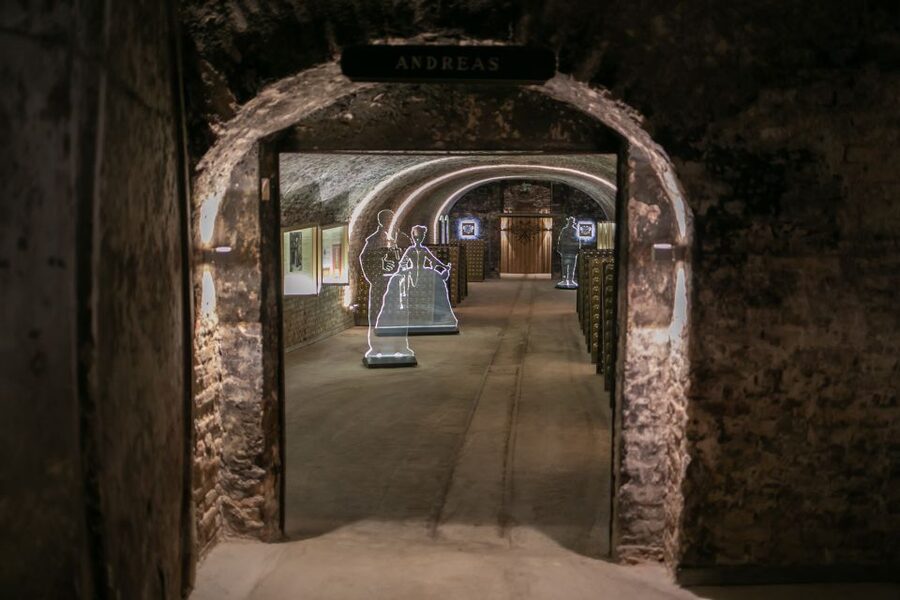
At about $15 per person, this is one of Vienna’s better-value food and drink outings. The admission includes the cellar visit, the self-guided audio tour, and a tasting set. That is a fair package for an experience that combines local history, production details, and wine.
The value is strongest if you already enjoy sparkling wine. You get a behind-the-scenes look at how the drink is made, then sample the result. If you do not drink alcohol, the price makes less sense because the tasting is a central part of the visit.
The self-guided format also helps keep the cost reasonable. You are not paying for a private guide, and you can spend as much or as little time as you want with each display.
Extra costs are limited but worth noting. Headphones cost €1, and extra glasses are not included. If you choose only the included tasting, the advertised price remains straightforward. If you want several premium pours, the final cost rises.
The experience can also work as a rainy-day plan. Much of it takes place indoors, and the cellar atmosphere gives you something different from another palace interior or museum gallery.
Who will enjoy this cellar visit most?
I would recommend Schlumberger to adults who enjoy wine, food production, local industry, or unusual city sights. It is especially good for couples and small groups who like to set their own pace.
It also suits visitors who have already seen Vienna’s major landmarks and want a less obvious stop. The cellar gives you a look at a local product with a long Austrian connection, rather than another grand room filled with royal furniture.
The experience is not suitable for children under 16. That rule applies even if a child would be interested in the cellar itself.
You should also choose this tour if you prefer audio guides to fixed group walks. You can pause, replay information, and take your time with the cellar. If you want lively conversation with a guide or a long, expert-led tasting, choose another wine experience.
Small details that improve the visit
A few simple choices can make the experience more comfortable:
- Bring a jacket because the cellar is cold.
- Arrive around opening time at noon if you prefer fewer people.
- Bring wired earbuds if you do not want to hold the audio device near your ear.
- Allow about two hours if you want a relaxed tasting rather than a quick sample.
- Decide in advance whether you prefer sparkling, rosé, or a mixed tasting set.
- Leave room in your luggage if you may want to buy a bottle.
The cellar is about 20 minutes from Stephansplatz by public transport, so do not treat it as a quick stop between two central sights. It works better as a planned outing, perhaps paired with other activities in the same general part of Vienna.
Free cancellation is available up to 24 hours before the visit, and you can reserve now and pay later. Those terms are useful if your Vienna schedule may change, but check the current time options before booking.
Should you book the Schlumberger Wine Cellar tour?
Book it if you like sparkling wine and want a compact, affordable experience with real production context. The old cellar vaults, hand-riddling activity, flexible audio tour, and tasting make this more worthwhile than a simple shop visit.
I would be less keen if you want a central Vienna attraction, a live guide, or a large meal with your wine. The location takes planning, the audio equipment is not perfect, and the included tasting is modest.
For most adults with an interest in Austrian wine, the price is easy to justify. Arrive early, wear a jacket, and choose the tasting set that fits your taste. You will leave with a better understanding of how sparkling wine is made and, quite possibly, a bottle for later.
FAQ
How long is the Schlumberger Wine Cellar tour?
The audio tour lasts about 60 minutes. You may want to allow additional time for the tasting, displays, and possible bottle purchases.
Is the tour guided or self-guided?
It is a self-guided audio tour. You move through the cellar at your own pace rather than following a live guide.
What languages are available for the audio guide?
The audio guide is available in German, English, Spanish, Italian, French, Japanese, Russian, and Chinese.
Is a wine tasting included?
Yes. The admission includes a tasting set of sparkling wine. You can choose from sparkling wines, rosé wines, or a mixed set.
Are headphones included?
No. Headphones cost €1. You may also be able to use your own phone and earbuds, depending on the audio setup provided at the venue.
Can children join the tour?
No. The experience is not suitable for children under 16.
How far is the cellar from central Vienna?
The cellar is not in central Vienna. It takes about 20 minutes to reach from Stephansplatz by public transport.
Just added around the world
- Urban winery tour, premium tasting flight & tapas★ 5.0 · 4 reviews
- Arrábida Wine Tour – 3 Wineries, Traditions & Views from Lisbon★ 4.5 · 6 reviews
- Setúbal: Winery & Fish Market Tasting Tour from Lisbon★ 5.0 · 35 reviews
- Full Day Private Tour – Arrábida Beaches and Azeitão Wine Region★ 5.0 · 2 reviews
- Private Tour to Evora with wine tasting at the Cartuxa Winery★ 5.0 · 4 reviews
- Historic Winery Tour and Tasting in Bombarral★ 4.0 · 6 reviews
- Evora & Alentejo Wine Region Private Luxury Tour★ 5.0 · 2 reviews
- Évora Private Tour – Cork Factory and Wine Estate Included★ 5.0 · 12 reviews
Vienna Vineyard Tours, compared.
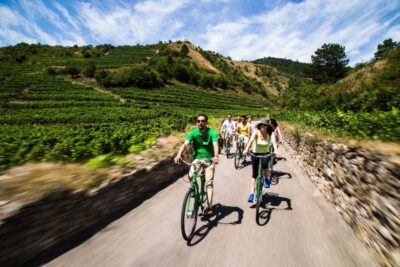
Grape Grazing: Wachau Valley Winery Biking Tour
Read our review →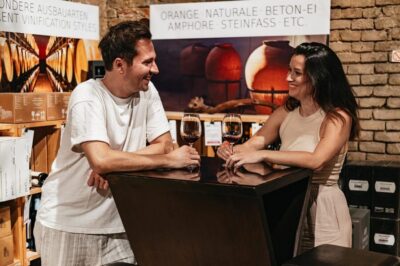
Wine Tasting Experience in a Private Wine Cellar
Read our review →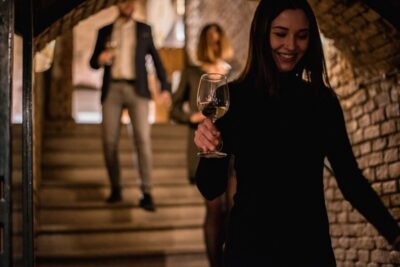
Schlumberger Sparkling Wine Cellar World Entrance Ticket in Vienna
Read our review →Browse the lists this tour appears in