
REVIEW · BEAUNE
Beaune: Wine Tasting at Château de Pommard
The most interesting part of this Château de Pommard visit is the way it connects a glass of wine to the ground beneath the vines. In one hour, you taste four wines while learning how Burgundy’s soils, vineyard classifications, and five subregions shape what ends up in your glass. Guides such as Alex, Pierre, and Manon have all led warm, informative tastings.
I like the small groups of up to eight, which give you a fair chance to ask questions, and I like the free access to the French Gardens, a pleasant extra before or after the tasting. The main consideration is simple: the cellars and winery are closed during restoration, so this is a tasting and vineyard experience rather than a full behind-the-scenes tour.
Key points to know before booking
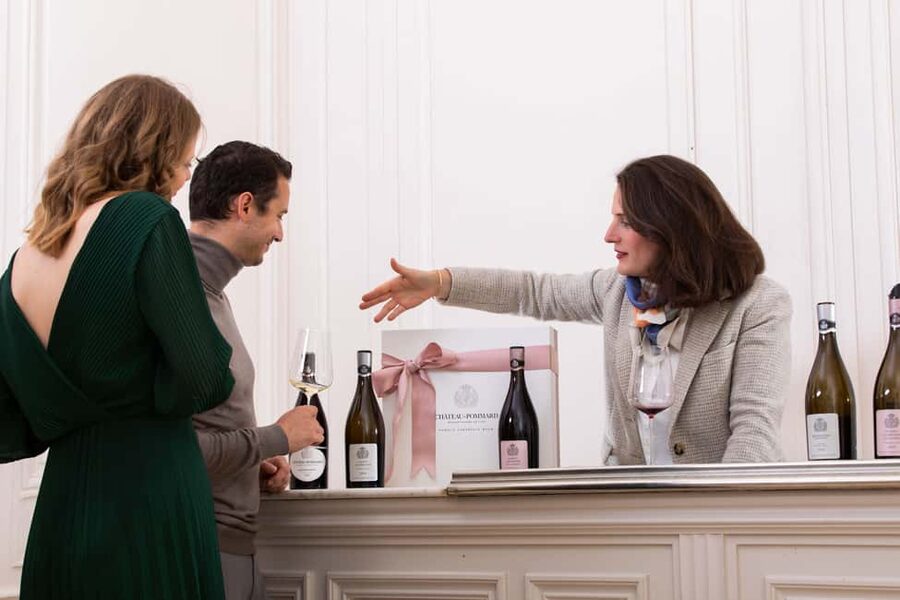
- Four wines in one hour: Taste selections from Château de Pommard and Famille Carabello-Baum.
- Terroir takes center stage: Learn how soil and other natural factors affect taste, style, and aging.
- Small-group format: Groups are limited to eight, with instruction in English or French.
- French Gardens included: You can visit the gardens at no extra charge.
- Cellars are closed: The château is undergoing restoration, so cellar and winery access is not available.
- Good value for a short stop: At $35, the experience suits a Burgundy itinerary with limited time.
What the Château de Pommard tasting actually offers
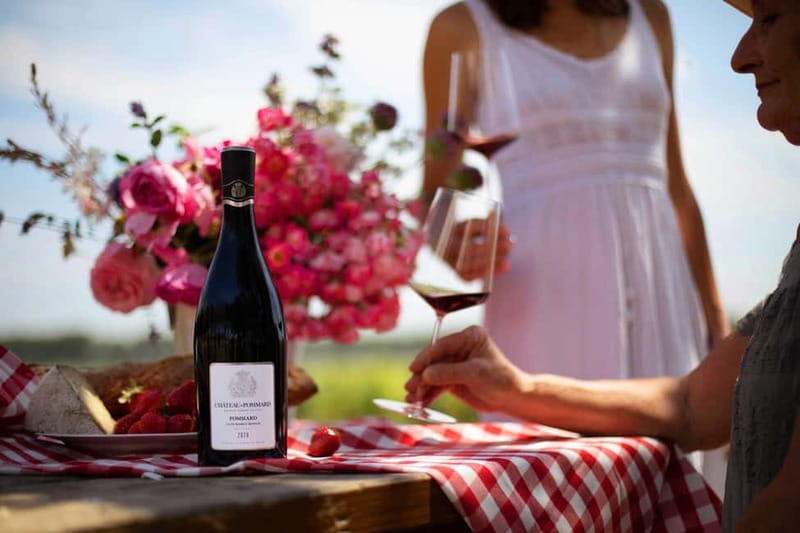
This is a focused introduction to Burgundy wine, not a long estate tour. You spend about an hour learning the basic structure of the region, then apply that information while tasting four wines from Château de Pommard and Famille Carabello-Baum.
The session covers Burgundy’s history, its five subregions, vineyard classifications, and the natural factors that influence wine. That is useful because Burgundy can feel confusing at first. Labels often depend heavily on place, classification, and producer, and the tasting gives you a framework for understanding those differences.
Your guide leads the discussion in English or French. Previous hosts have included Alex, Pierre, and Manon. Their approach appears to be conversational rather than stiff, with time for questions and explanations. That matters in a one-hour tasting because a fast lecture can leave you with a full glass and very little understanding.
You should expect the emphasis to be educational. The point is not simply to sample four wines and choose a favorite. You are asked to think about how the Clos Marey-Monge vineyard produces different tastes and styles, and why some wines may age better than others.
More Food and Drink Experiences in Beaune:
- Beaune: Maison Champy Guided Cellar Tour with Wine Tasting
★ 4.7 · 213 reviews - Private Wine Tasting Tour – Burgundy Uncorked!!
★ 5.0 · 74 reviews - Discovery by bike & Tasting in the vineyards
★ 4.5 · 36 reviews
Four wines and a lesson in Burgundy terroir
The tasting includes four wines from Château de Pommard and Famille Carabello-Baum. The supplied information does not identify the exact bottles or vintages, so you should not book this expecting a fixed list of wines that will remain unchanged.
That flexibility is normal in wine country. The selection may reflect current availability, and the value lies partly in comparing the wines side by side. Four pours are enough to notice differences without turning the visit into an exhausting drinking session.
The teaching focuses on terroir, a French wine term that describes how place affects a wine. Here, that means learning about soil types and other natural conditions that influence flavor, structure, style, and the ability to age. One of the most useful parts of the experience is seeing that a vineyard is not just a pretty setting. Its ground is part of the story.
You may not become an expert in Burgundy after one hour, but you should leave with better questions. You will be better prepared to understand terms such as vineyard classification and to see why two wines from the same broad region can taste quite different.
The Clos Marey-Monge vineyard and French Gardens
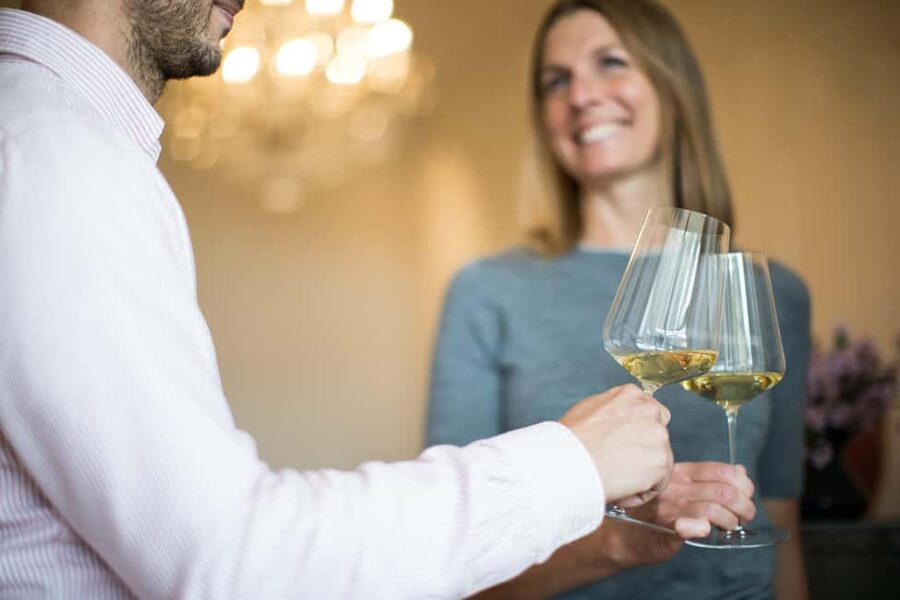
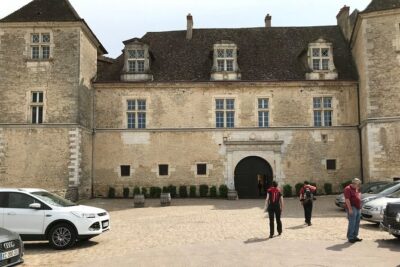
The Clos Marey-Monge vineyard is central to the experience. You learn about the vineyard’s natural factors and how they shape the wine, with the surrounding château grounds helping put the discussion in a real setting.
The French Gardens are included in the price, so allow a little time to walk through them. They give you something to see beyond the tasting room and make the visit feel less like a quick retail stop. The grounds are also one reason this works well as a pause during a day spent exploring Beaune and nearby wine villages.
The gardens are not a substitute for the closed cellars, of course. If your main aim is to see fermentation rooms, barrels, or underground storage, this visit will leave that part unanswered. But if you want a graceful setting, vineyard context, and a clear introduction to Burgundy wine, the outdoor portion adds real value.
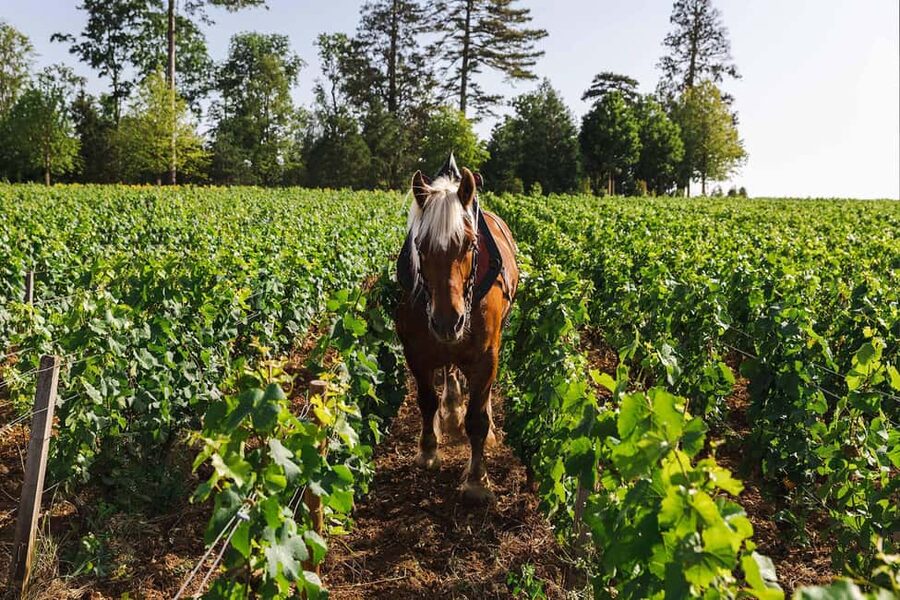
A previous visitor also recommended looking for the horses after the tasting. Since that detail comes from an individual visit rather than the formal program, treat it as a possible extra rather than a guaranteed stop.
Why the closed cellars matter
The château is nearly three centuries old and is undergoing a major restoration and expansion project. During the work, the cellars cannot be visited, and the winery is also excluded from the experience.
The staff address this directly rather than pretending you are getting a full estate tour. That honesty is helpful when deciding if the activity fits your plans. You will learn about the château, vineyard, and wines, but you will not see the production areas where the wine is made or stored.
This limitation is the one clear weakness of the visit. A cellar tour would normally help explain the path from grape to bottle, and one visitor specifically wanted more than the vineyard and a single room. Another felt the soil discussion could have gone further outdoors.
For now, think of the visit as a guided tasting with estate access, not as a winery tour. The restoration may eventually lead to a larger experience, but you should book based on what is available today.
A few more vineyard days around Beaune worth a look
- Half-day guided tour on the Burgundy wine Route in a classic car
★ 5.0 · 45 reviews - From: Dijon/Beaune: Burgundy Region Winery Tour with Lunch
★ 4.7 · 43 reviews - Burgundy Vineyards: Luxury Private Tours
★ 4.6 · 28 reviews - Full-day Private Burgundy Wine Route Tour from Beaune
★ 5.0 · 22 reviews
The one-hour schedule and pace
An hour is short, but it can work well if you want a taste of Burgundy without giving up half a day. You receive four wines and a compact lesson on the region, classification, and terroir.
The short format also makes this easy to fit between other activities. You can visit the gardens, attend the tasting, and continue on to another appointment without building your whole day around it.
The trade-off is depth. A one-hour session cannot cover every Burgundy appellation, explain every classification in detail, and provide a full vineyard walk. If your interest is serious or technical, you may wish for more time. The experience works best as an introduction or a well-organized first tasting.
The group limit of eight is important here. A large room full of people can make a short tasting feel rushed and impersonal. With a small group, you have a better chance of getting an answer when a particular wine, soil type, or classification puzzles you.
What the guides add to the visit
The individual guide can shape the experience more than the château itself. Alex has been praised for detailed explanations and a friendly manner. Pierre has hosted a quieter tasting with time to answer questions, while Manon has introduced the château’s wines in a clear and welcoming way.
I would use the question period well. Ask how the wines differ, what the classifications mean, and how soil affects the final style. The program specifically covers these subjects, so you are not forcing the guide off topic.
You can also ask for help connecting the tasting to your own preferences. If you usually prefer lighter, fuller, younger, or more age-worthy wines, say so. A small group makes that sort of exchange easier than a crowded tasting counter.
The language options are English and French. You should select the language that lets you follow a technical explanation comfortably, since Burgundy terminology can become difficult when translated on the fly.
How much value do you get for $35?
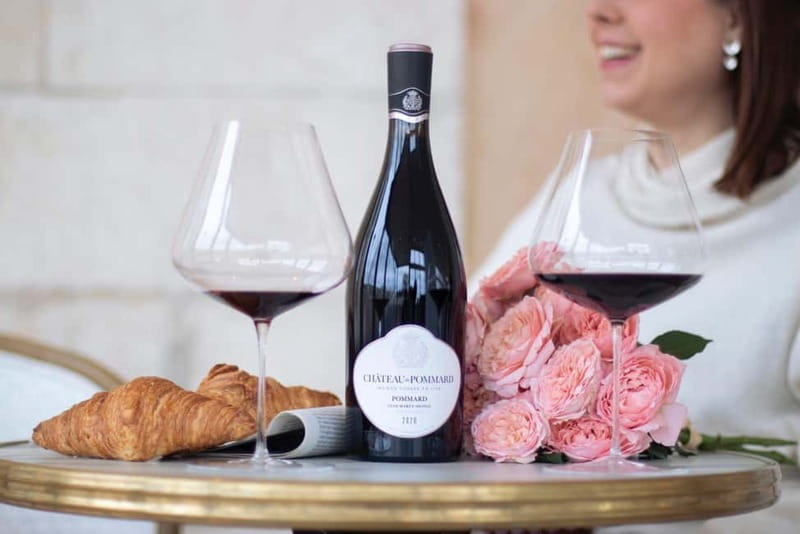
At $35 per person, this is reasonably priced for a château visit that includes four tastings, a guided lesson, the French Gardens, and a small group. The value is strongest if you care about learning how Burgundy works rather than simply getting a few samples.
The price becomes less attractive if you are paying mainly for cellar access. That part is not available, and the winery cannot be visited during the restoration. You are paying for the tasting, setting, instruction, and vineyard context.
I also like that the experience is long enough to feel purposeful without becoming a major expense. You can use it as your first Burgundy tasting of the trip, then approach later wine stops with more confidence.
Free cancellation up to 24 hours before the start and the option to reserve now and pay later add flexibility. Those terms are useful if your day in Burgundy depends on weather or changing transport plans, though the main decision should still be based on the closed-cellar limitation.
Practical details for your visit
Wear sensible shoes. High heels are discouraged, which makes sense for vineyard and garden paths. Comfortable footwear will serve you better even if much of the tasting takes place indoors.
The meeting point can vary by the option you book, so check your confirmation carefully. Parking has been described as easy, which helps if you are driving through the wine country around Beaune.
The experience is not suitable for wheelchair users. That is important to know before paying, since the current arrangement combines château grounds and tasting areas rather than offering a fully accessible visit.
Bring questions and arrive ready to listen. This is not a loud party tasting or a large guided bus stop. The best use of the hour is to pay attention to the differences between the four wines and connect them to the discussion of place.
Who will enjoy this most?
This is a good choice for first-time Burgundy visitors who want a clear introduction without committing to a full-day wine program. It also suits couples and small groups who prefer a calm tasting with room for conversation.
Wine beginners should find the structure helpful. You receive enough regional background to make the wines less mysterious, and the four pours give you a practical way to compare what you are hearing with what you are tasting.
Experienced Burgundy drinkers may still enjoy the setting and producer, but they should keep expectations in check. The closed cellars, unavailable winery, and one-hour limit mean this is not a detailed production tour or an exhaustive technical seminar.
It is also a sensible choice if you are already spending the day in Beaune and want one polished stop rather than several rushed tastings. The garden access gives you a reason to linger, while the small group keeps the tasting personal.
Should you book Château de Pommard?
Book this experience if you want four Burgundy wines, a useful introduction to classifications and terroir, and time in a historic château setting for $35. The strongest reasons are the small groups, friendly English-speaking guides such as Alex, Pierre, and Manon, and the chance to connect the wines with the Clos Marey-Monge vineyard.
Skip it for now if walking through cellars and seeing the winery are essential to your Burgundy plans. Those areas are closed during restoration, and the visit remains centered on the tasting, gardens, and vineyard explanation.
For most first-time visitors, I think it is a sensible one-hour introduction. Just book it for what it is: a well-priced, educational tasting with attractive grounds, not a full estate tour.
FAQ
How long does the Château de Pommard wine tasting last?
The tasting lasts one hour.
How many wines will I taste?
You will taste four wines from Château de Pommard and Famille Carabello-Baum.
What will the guide explain?
The session covers Burgundy’s history, its five subregions, vineyard classifications, and the natural factors that affect the taste, style, and ageability of wines from the Clos Marey-Monge vineyard.
Is the cellar included?
No. The cellars and winery cannot currently be visited because Château de Pommard is undergoing restoration.
Can I visit the gardens?
Yes. Free access to the French Gardens is included.
What languages are available?
The experience is offered in English and French.
Can I cancel the booking?
Yes. You can cancel up to 24 hours in advance for a full refund. You can also reserve now and pay later.
Just added around Beaune
- The Beautiful Escape, The Cellar Armand Heitz★ 5.0 · 20 reviews
- Full-day Private Burgundy Wine Route Tour from Beaune★ 5.0 · 22 reviews
- Half-day guided tour on the Burgundy wine Route in a classic car★ 5.0 · 45 reviews
- Burgundy wine trail from Beaune to Macon★ 5.0 · 3 reviews
- Discovery by bike & Tasting in the vineyards★ 4.5 · 36 reviews
- From: Dijon/Beaune: Burgundy Region Winery Tour with Lunch★ 4.7 · 43 reviews
- Small group full day tour in the Burgundy vineyards★ 4.9 · 12 reviews
- Côte de Nuits Private Local Wineries and Wine Tasting Tour★ 5.0 · 2 reviews
Beaune Vineyard Tours, compared.
Maison Champy Guided Cellar Tour with Wine Tasting
Read our review →
Private Wine Tasting Tour – Burgundy Uncorked!!
Read our review →
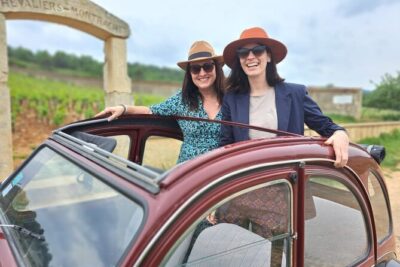
Half-day guided tour on the Burgundy wine Route in a classic car
Read our review →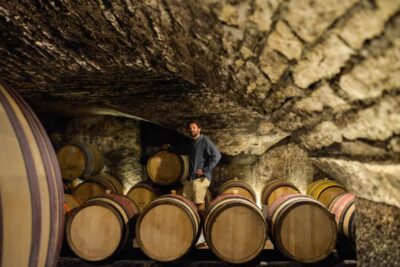
From: Dijon/Beaune: Burgundy Region Winery Tour with Lunch
Read our review →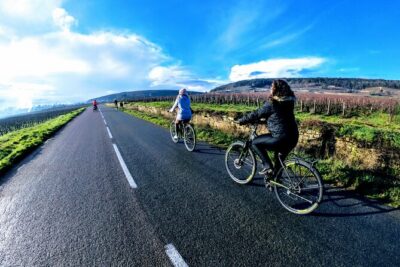
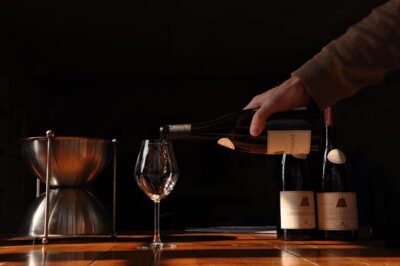
Browse the lists this tour appears in