
REVIEW · BEAUNE
The Beautiful Escape, The Cellar Armand Heitz
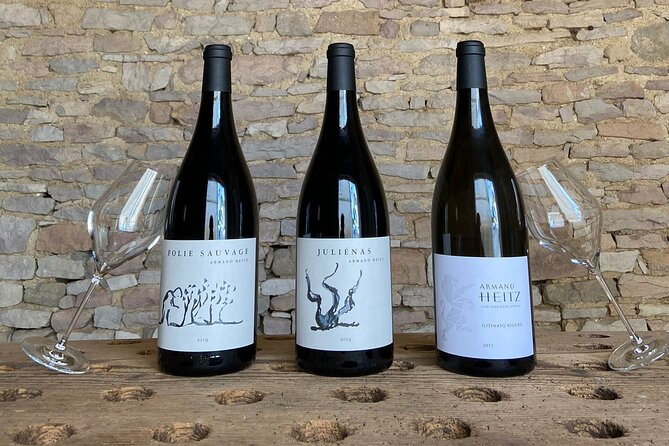
Pommard wine makes the most sense when you see the ground that produces it. This 75-minute visit takes you into the Clos des Poutures plot, explains how grasses, permaculture, and agroecology fit into the estate’s work, then finishes with six wines. It is a compact, focused introduction to Burgundy rather than a grand château tour.
I like the small group limit of 10, which gives the guide room to answer questions. I also like the tasting lineup: two village wines and three premier crus, with the sixth wine adding another point of comparison. Guides such as Pierre and Estelle have been praised for clear, friendly presentations.
The main consideration is price. At $42.01 per person, this is fair if you value guided vineyard access and a serious tasting, but it may feel costly if you mainly want a quick glass of local wine. The activity also depends on good weather, and you must reach the meeting point in Pommard yourself.
Key points at a glance
- A real vineyard visit: Walk through the Clos des Poutures plot and connect the wine to its growing conditions.
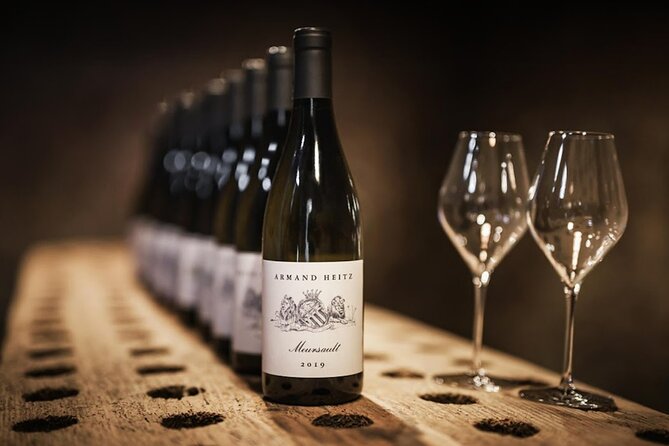
- Six wines at the finish: The tasting includes two village wines and three premier crus, with a mix of white and red Pommard reported during the experience.
- Permaculture in plain terms: The estate uses the vineyard visit to explain grasses, agroecology, and its wider farming philosophy.
- A small English-language group: The maximum of 10 people should make questions and conversation easier.
- Guides with different strengths: Pierre has been noted for a measured introduction, while Estelle has been praised for expert wine guidance and restaurant suggestions.
- Good for a short Beaune-area outing: The tour lasts about 1 hour and 15 minutes and returns to the starting point.
Why the Clos des Poutures makes a better classroom than a tasting room
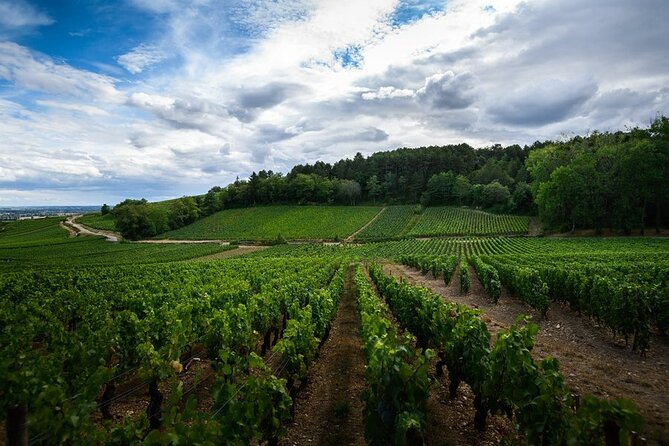
Burgundy wine can seem full of coded labels and tiny parcels. A bottle may be named for a village, a premier cru site, or a particular estate plot, and those terms matter more here than flashy cellar decor. This experience begins by taking you to the vines, where the guide can explain the estate’s background and philosophy before you taste anything.
That order is useful. You first hear how the domaine approaches its land, then see one of its plots, and only after that taste the results. I prefer this to a tasting where the bottles arrive with a long list of facts but no clear link to the soil or farming.
The featured site is the Clos des Poutures in Pommard, described as a Monopoly holding. In Burgundy, a named holding controlled by one estate gives the visit a specific focus. You are not simply looking at rows of vines somewhere outside Beaune. You are being shown one defined parcel and the way Armand Heitz works it.
The vineyard stop also gives the guide a chance to discuss permaculture and agroecology, especially the role of grasses. That is one of the more useful parts of the program for anyone who wants to understand modern wine farming. The subject is practical: how the ground is managed, how plant growth fits into the rows, and how the estate thinks about the health of its land.
More Wine Cellar Visits in France
- Beaune: Maison Champy Guided Cellar Tour with Wine Tasting
★ 4.7 · 213 reviews - Visit of our 15th century cellars
★ 5.0 · 57 reviews - Epernay: Guided Tour of Champagne Cellar with Tastings
★ 4.7 · 507 reviews
What you learn before the first sip
The opening presentation covers the history of the estate and its philosophy. The supplied details do not give a full timeline or a list of generations, so you should not expect a long archival lecture. Instead, the value lies in understanding the producer’s approach before tasting its wines.
Guides appear to keep the information at a sensible pace. Pierre, who had only recently joined the domaine when one group visited, was praised for being informative without piling on too many facts. That balance matters in Burgundy, where a guide can easily lose you in names, classifications, and vintage details.
You can also expect an explanation of terroir and how different winds affect the vines and their labels. This is a particularly helpful subject for first-time Burgundy drinkers. The terms on a Burgundy bottle are not decoration. They point to place, classification, and the identity of the vineyard.
I would ask questions during this opening section rather than saving everything for the tasting. If you are unsure how village wines differ from premier crus, ask the guide to connect the answer to the Clos des Poutures parcel. If you are curious about grasses between the vines, this is the moment to ask how they fit into the estate’s farming choices.
Walking the Clos des Poutures plot
The vineyard visit is the heart of the experience. The tour takes you to the Clos des Poutures plot rather than keeping you indoors for the entire presentation. That simple change gives the discussion a physical reference point. You can look at the rows while hearing about soil care, plant cover, and the estate’s relationship with its land.
Do not expect a long country walk. The full activity lasts about 75 minutes, including the presentation and tasting, so the vineyard portion is part of a compact program. The attraction is not distance. It is the chance to see the specific parcel tied to the wines.
The walk is also weather-dependent. That makes sense for an outdoor vineyard visit, but it adds a bit of uncertainty to your plans. If poor weather forces a cancellation, you are offered another date or a full refund. If you are arranging a tightly packed day around Beaune, leave some flexibility.
This stop should suit you if you enjoy seeing how a product is made. It is less suited to someone looking for a broad tour of several villages or a full day among vineyards. You get one estate, one featured plot, and a clear look at one producer’s methods.
Six wines that give the visit its value
The tasting includes six wines, with two village wines and three premier crus. The available description does not identify the sixth wine, so I would not book this expecting a precise bottle list in advance. The important point is the range of levels, which lets you compare the estate’s wines rather than taste six unrelated samples.
One experience included three white and three red Pommard wines. That is a useful indication of the tasting’s breadth, although exact bottles can vary. The white and red comparison gives you two ways to think about the same place, and the guide can explain how the wines differ in style and classification.
The premier cru portion is where the tasting can justify its price. These are not simply inexpensive pours offered as an afterthought. You are being introduced to higher-ranking Burgundy wines and shown how they relate to village-level bottles.
At the same time, high-end Burgundy can be expensive. One person found the wine prices steep, especially for the better bottles. That is not a criticism of the visit itself, but it is important if you are likely to buy after tasting. A good sample can make a bottle tempting, yet the cost may be higher than visitors expect.
I would treat the tasting as an educational comparison first and a shopping opportunity second. Pay attention to what changes from one wine to the next. Ask the guide which differences come from the vineyard classification, which come from the grape or color, and which come from the producer’s choices.
More Wine Cellar Visits in Beaune:
- Porto: Bridges Cruise & Sunset & Port Wine Cellar Option
★ 4.2 · 4,180 reviews - Porto: Cálem Cellar Tour, Interactive Museum & Wine Tasting
★ 4.5 · 4,113 reviews - Porto: Cálem Cellar Tour, Fado Show & Wine Tasting
★ 4.4 · 3,530 reviews - Porto: Taylor’s Port Cellars & Tasting
★ 4.6 · 3,374 reviews
Guides who keep the tone personal
The experience has been led by more than one guide, and the individual style seems to matter. Pierre has been described as a very good host who offered useful information without going too far. That is a strong fit for someone new to Burgundy and worried about being buried in technical language.
Estelle, identified as a sommelier, received especially warm praise for her command of the wines and her care with the tasting. She also provided restaurant recommendations where the domaine’s wines could be found. That sort of advice can be genuinely useful in Beaune, where pairing a local bottle with dinner is part of the pleasure.
A separate French-language account praised a guide who was both professional and warm during the vineyard visit and tasting. The booking information lists English as the offered language, so English-speaking visitors should choose this tour for that format. The guide on your date may differ, but the tone described across the experience is welcoming rather than stiff.
The group limit of 10 helps here. A small party does not guarantee a private tasting, but it should give you more room to ask about a particular wine or farming method. It also makes the vineyard explanation easier to follow than a large bus group would be.
Is $42.01 a fair price?
At $42.01 per person, the value depends on what you want from a Burgundy outing. You are paying for three parts: an estate introduction, a vineyard visit, and six wines. The inclusion of two village wines and three premier crus gives the tasting more substance than a basic local wine stop.
The price makes the most sense if you are curious about Burgundy’s classification system or want to understand why bottles from nearby plots can command different prices. The guide’s explanation of terroir, winds, grasses, and estate philosophy adds context that you do not get by ordering a bottle at a restaurant.
It is less compelling if your priority is quantity, a long cellar tour, or a broad survey of many producers. The activity is only about 75 minutes, and the route centers on one Clos des Poutures plot. You should see it as a concentrated lesson and tasting, not a full-day wine program.
There is also a practical difference between tasting premier cru wines and buying them. The tasting may show you what makes those bottles special, but the best wines can be expensive. Set your budget before you arrive, and ask about prices without feeling obliged to purchase.
Who should book this Pommard experience?
I would choose this tour if you are staying in or near Beaune and want a focused introduction to Pommard. It works well for a first visit because it explains the basics while still offering wines at several levels.
It also suits people who already know a little about Burgundy but want to connect the label to the vineyard. The discussion of terroir and wind patterns gives more depth than a simple tasting bar can provide.
This is a good fit for:
- Couples or small groups who prefer a calmer tasting
- First-time Burgundy visitors who want clear explanations
- Wine drinkers interested in organic-minded farming ideas, grasses, and agroecology
- People with only part of an afternoon available
- Anyone who wants to taste both village and premier cru wines
I would look elsewhere if you want a large estate with grand rooms, a long cellar route, or transportation from Beaune. The meeting point is at 21 Place de l’Église in Pommard, and the activity ends there, so you need to plan your own way to and from the village.
Most people can take part, and service animals are allowed. A mobile ticket makes entry simple. Free cancellation is available up to 24 hours before the start time, but changes or cancellations inside that window are not accepted.
The practical call: book it or skip it?
Book the Beautiful Escape if you want a short, personal look at one Pommard estate, especially if the idea of tasting six wines after seeing the vines appeals to you. The combination of a small group, a real vineyard plot, and village-to-premier-cru comparisons gives the experience a clear purpose.
Skip it if you want a cheap tasting, a long vineyard hike, or a tour covering several producers. At $42.01, the visit earns its keep through explanation and access, not sheer length.
For most wine-curious visitors in the Beaune area, I would book it. Go ready to ask questions, bring a flexible schedule because of the weather requirement, and remember that the best part is not simply the number of pours. It is learning how a particular patch of Pommard becomes a set of very different wines.
FAQ
Where does the wine experience begin?
It begins at 21 Pl. de l’Église, 21630 Pommard, France.
Where does the experience end?
The activity ends back at the meeting point in Pommard.
How long does the visit last?
The experience lasts approximately 1 hour and 15 minutes.
How many people can join the group?
The group is limited to a maximum of 10 participants.
Is the experience offered in English?
Yes. English is listed as an offered language.
How many wines are included?
The tasting includes six wines.
What types of wine are included?
The tasting includes two village wines and three premier crus. One account of the experience also describes a tasting of three white and three red Pommard wines.
Is the vineyard visit always guaranteed to operate?
No. The experience requires good weather. If poor weather causes cancellation, you are offered a different date or a full refund.
Can I cancel for a full refund?
Yes. You can cancel at least 24 hours before the start time for a full refund. Cancellations or changes made less than 24 hours before the start time are not accepted.
Just added around Beaune
- Full-day Private Burgundy Wine Route Tour from Beaune★ 5.0 · 22 reviews
- Half-day guided tour on the Burgundy wine Route in a classic car★ 5.0 · 45 reviews
- Burgundy wine trail from Beaune to Macon★ 5.0 · 3 reviews
- Discovery by bike & Tasting in the vineyards★ 4.5 · 36 reviews
- From: Dijon/Beaune: Burgundy Region Winery Tour with Lunch★ 4.7 · 43 reviews
- Small group full day tour in the Burgundy vineyards★ 4.9 · 12 reviews
- Côte de Nuits Private Local Wineries and Wine Tasting Tour★ 5.0 · 2 reviews
- Burgundy Vineyards: Luxury Private Tours★ 4.6 · 28 reviews
Beaune Vineyard Tours, compared.
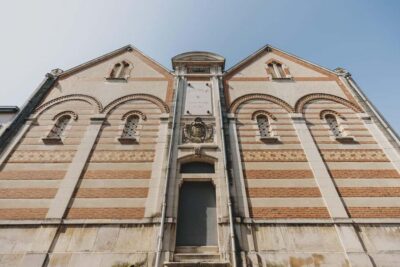
Maison Champy Guided Cellar Tour with Wine Tasting
Read our review →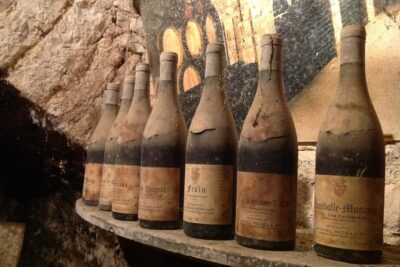
Private Wine Tasting Tour – Burgundy Uncorked!!
Read our review →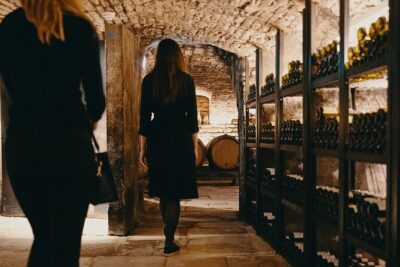
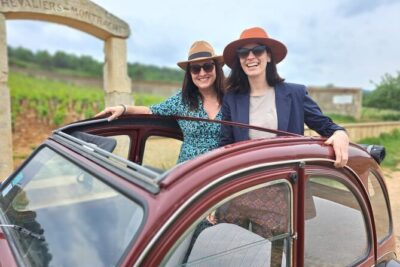
Half-day guided tour on the Burgundy wine Route in a classic car
Read our review →
From: Dijon/Beaune: Burgundy Region Winery Tour with Lunch
Read our review →
Browse the lists this tour appears in