
REVIEW · SAN SEBASTIAN
Coastal “Winery Camino Trail” Walking Tour from San Sebastian
The best part of this half-day outing is the way it links three very different Basque experiences: a seaside town, a working txakoli winery, and the old fishing port of Getaria. You ride a local train from San Sebastian, walk along Zarautz Beach, then follow a Roman path toward the coast with vineyard views and food stops along the way.
I like the personal angle here. The guide may be Jon, Sandra, or Telmo, and the route includes Jon’s home village of Zarautz, its market, and its stories. I also like the balance: walking, food, wine, and local culture share the day instead of one long winery visit.
The main consideration is the walking. You need moderate fitness for the uphill Roman path and several hours on your feet. The route is not presented as extreme, but wet weather can make the trail less comfortable, and the early 8:40 a.m. start may feel brisk on a holiday morning.
Key points at a glance
- Train to Zarautz: Your day begins with a roughly 30-minute one-way train ride from San Sebastian, included in the price.
- Zarautz from a local’s view: Walk the beach, market, medieval center, towers, and palaces with a guide who grew up here.
- A real Camino section: Follow a Roman path that forms part of the St. James Way toward Getaria.
- Txakoli with Basque food: Taste local white wine at a winery, paired with tuna, anchovies, cheese, bread, cider, and apple jelly.
- Finish in Getaria: End among outdoor grills, historic sights, restaurants, and a beach, with advice on returning to San Sebastian.
- Small-group format: The maximum is eight people, which makes questions and conversation much easier.
Why this route works so well from San Sebastian
San Sebastian is famous for its food and elegant bay, but the nearby coast gives you a different view of the Basque Country. This tour takes you west by train to Zarautz, then moves on foot toward Getaria. You spend less time being driven around and more time seeing how the towns connect.
That matters because the route feels like a journey rather than a collection of stops. You start at Easo Plaza in San Sebastian at 8:40 a.m., take public transport with your guide, and finish in Getaria. There is no need to return to the starting point as part of the formal tour.
The price is $192.23 per person, which is not cheap for five and a half hours. Still, it includes the train, a small-group guide, a market tasting, and a winery tasting with food. If you paid separately for a local guide, transport, several tastings, and the convenience of connecting Zarautz with Getaria, the cost becomes easier to justify.
The strongest value is the local access. This is not simply a wine tasting reached by taxi. Your guide explains the towns, points out places you might pass on your own, and helps you understand why txakoli, fishing, cider, and grilled seafood matter here.
More Walking Tours in Spain:
- Toledo Tour & Vineyard Walk with Wine Tasting from Madrid
★ 5.0 · 2,546 reviews - Sitges sailing, walking and winery tour
★ 3.5 · 6 reviews - Sitges: Sailboat trip + walking tour and wine cellar tour
★ 3.7 · 6 reviews
Zarautz begins with beach air and market flavors
The first stop is Zarautz, reached by a train ride of about 30 minutes. The train ticket is included, and the ride gives the morning a pleasant local feel instead of beginning in a tour vehicle.
Zarautz is the guide’s hometown, which shapes this part of the day. You walk along the beach, take in the sea air, and hear about the village from someone with a personal connection to it. That can make even ordinary details more interesting, especially if you enjoy hearing how a place works beyond its postcard view.
The town walk also includes the local market and the medieval center. You see towers and palaces, and the market provides the first food break: artisan Idiazabal cheese, apple jelly, homemade bread, and cider.
This is a smart opening. The tasting is small, but it introduces several Basque flavors before wine becomes the focus. Idiazabal is a firm sheep’s milk cheese, while the bread, apple jelly, and cider give you a simple taste of the region’s farm cooking.
Do not expect a long museum visit or a formal historical lecture at every building. The pleasure is in moving through the town with context, seeing the beach and old center in one compact walk. If you want a slow morning with time for independent shopping, this schedule may feel full.
The Roman path turns the outing into a hike
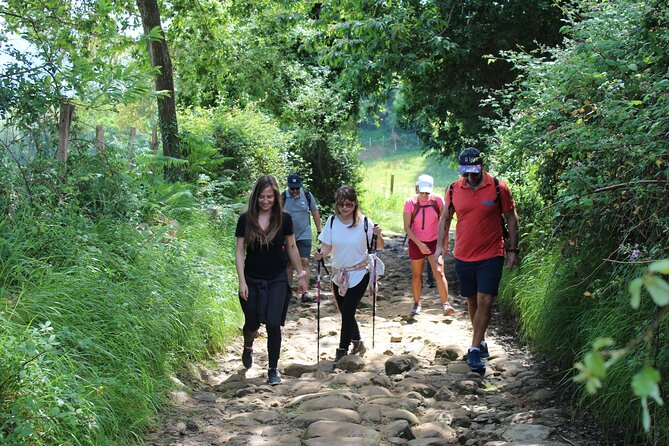
From Zarautz, you walk toward Getaria on a Roman path that is also part of the Camino de Santiago, or St. James Way. This is the physical center of the experience, lasting about two and a half hours with the winery visit included.
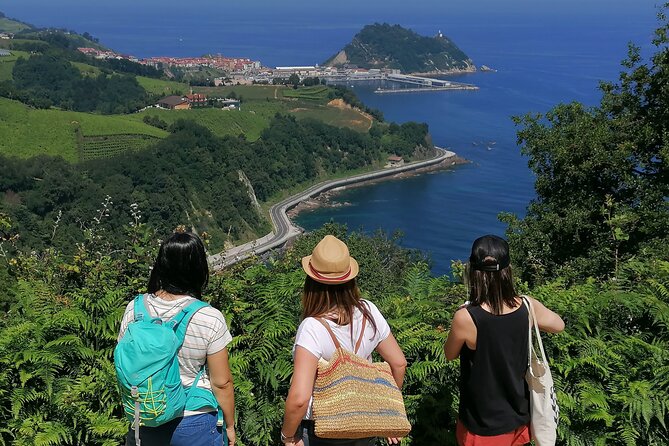
The route gives you a more open view of the coast than a standard town tour. You pass through the countryside, walk near working farms, and gain views back toward the sea. The scenery is a major reason to choose this tour over a simple tasting in San Sebastian.
The walk is described as light to moderate rather than punishing. Still, you should take the fitness note seriously. You need to manage an uphill section toward the Santa Barbara chapel, and the path may be damp in the area’s typical rainy weather. Wear shoes with a firm sole, bring a light waterproof layer, and do not treat this as a stroll in city sneakers.
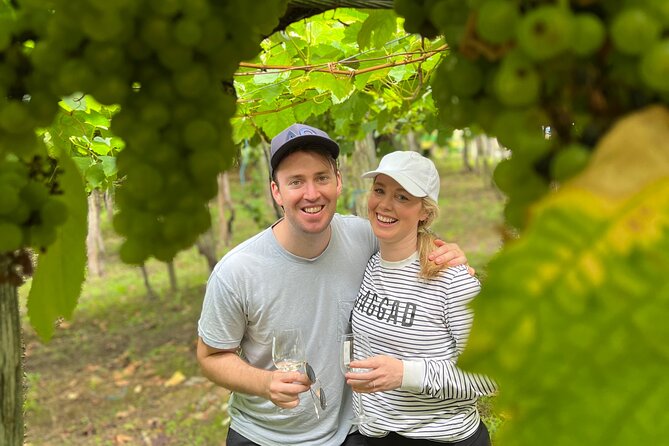
The walk also gives the wine its proper setting. Txakoli is closely tied to this coastal part of the Basque Country, and seeing vineyards and rural paths helps explain why this crisp local wine belongs on the table here. The walk is not just a way to burn time between tastings.
The guide can make a big difference. Telmo is praised for explaining the history of Basque fishing towns and for keeping the pace comfortable. Jon brings a hometown connection to Zarautz, while Sandra has led the route for very small groups, including a day with only two people booked. The guide assigned to your date may vary, so it is best to think of the personal style as part of the experience rather than expect one specific person.
Txakoli and tuna at the winery
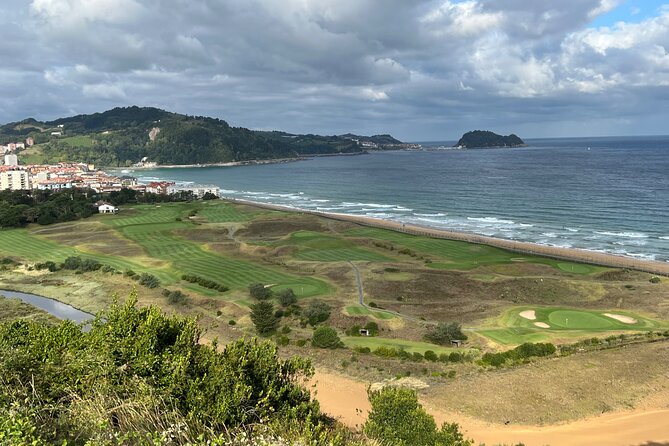
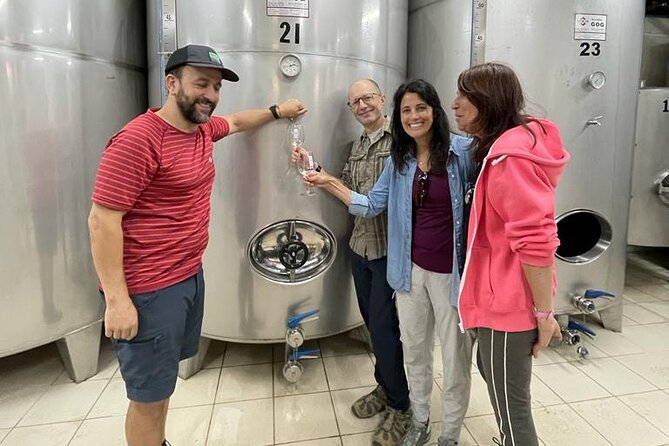
The winery stop is the reward for the walk. You taste txakoli at a local producer while taking in broad coastal views. The wine is generally fresh and lively, and the setting gives the tasting more character than a bar counter in town.
The food pairing centers on local tuna, with bonito or anchovies also mentioned as part of the regional tasting. The combination makes sense: coastal seafood and young white wine are a natural Basque match. The tasting is not designed as a full lunch, but it is substantial enough to keep the outing from feeling like a series of empty glasses.
The tour details describe at least two types of txakoli, while the included package refers to three wine tastings. I would confirm the exact number when booking, since the wording differs. In either case, you should expect a guided sampling rather than unlimited drinking.
Alcohol is not served to anyone underage. Grape juice and water are provided instead, so families with older children can still take part in the food and walking portions.
The winery view is one of the strongest moments of the day. You are not only tasting a product, you are seeing the coast from a rural vantage point and learning how the wine fits into the area. The experience is especially good for you if you enjoy wine as part of a place, not as a technical exercise.
A few more vineyard days around Spain worth a look
- Barcelona: Montserrat, Cogwheel, Black Madonna & Winery Tour
★ 4.8 · 5,633 reviews - Montserrat with Black Madonna & Medieval Winery with Tapas/Lunch
★ 5.0 · 5,209 reviews - From Fuerteventura: Lanzarote Volcano and Wine Region Tour
★ 4.4 · 1,220 reviews - Montserrat Full Day Tour with Farmhouse Lunch and Winery Visit
★ 5.0 · 1,068 reviews
Getaria finishes with grills and history
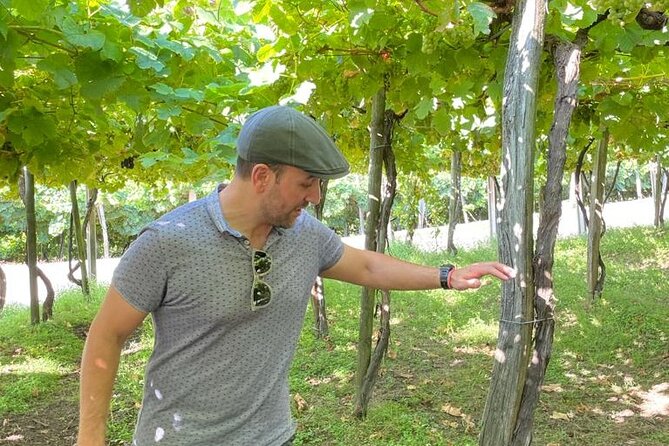
The path continues to Getaria, a compact coastal town with a strong food culture. You walk along the main street, where restaurants cook fish on outdoor grills. Even without sitting down for a meal, the smell and spectacle make a memorable finish.
The tour also includes a cultural monument and a look at local figures who changed the world in the late Middle Ages. The description does not specify which monument or personalities are covered, so you should expect a focused introduction rather than a long museum program.
Getaria is a good place to end because the formal touring stops do not swallow the rest of your day. The guide gives suggestions on where to eat, what else to see, and where to enjoy the beach. You can stay for lunch, stroll through town, or arrange your return to San Sebastian.
The tour ends at Gudarien Enparantza Plaza in Getaria. You are told where to catch the bus back to Donostia, or you may be able to return with your guide at 3:00 p.m. Since the tour itself ends in another town, check the return plan before setting a dinner reservation in San Sebastian.
Food is a central part of the experience
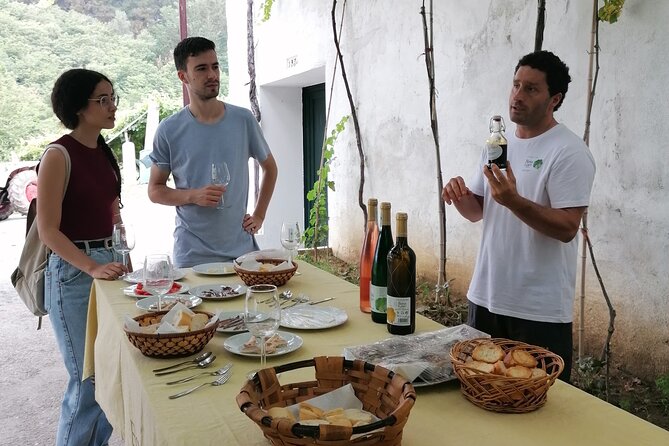
This is not a walking tour with a token snack. Food appears in each stage:
- At the Zarautz market, you taste Idiazabal cheese, apple jelly, homemade bread, and cider.
- At the winery, txakoli is paired with tuna, bonito, or anchovies.
- In Getaria, you receive advice about restaurants known for grilled seafood.
The included tastings are useful because they connect the landscape you walk through with what appears on the table. You get dairy and farm products early, then seafood and wine later. It is a simple progression, but it gives the day a clear Basque identity.
You should not count on the tastings as a replacement for lunch, especially if you have a large appetite. The outing runs from early morning into early afternoon, and the guide points you toward places to eat in Getaria. Plan on buying your own lunch if you want a full meal, since tips and personal restaurant costs are not included.
Small groups make the guide matter
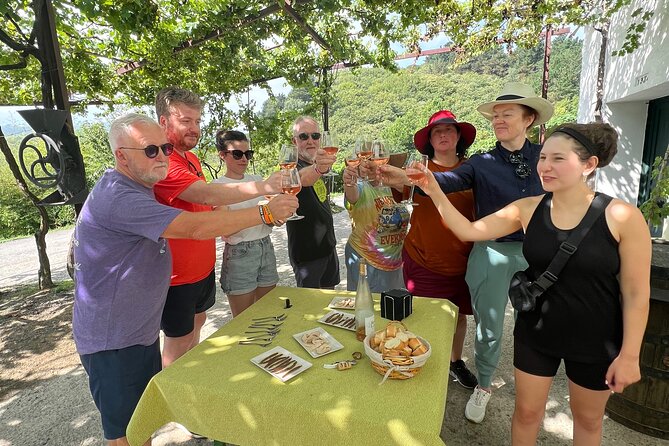
The maximum group size is eight. That is a real advantage on a walking route, where a large crowd can slow the pace and make conversation awkward.
A small group also lets you ask about food, local customs, the Camino route, or the towns you pass through. The guide can answer questions more naturally and adjust explanations to the people in front of them.
The personality of the guide seems to be one of the tour’s best features. Jon is closely tied to Zarautz and presents the area with obvious affection. Telmo brings strong local and historical knowledge to the path and wine stop. Sandra has been noted for making the day feel easy even when the group was only two people.
There is no promise that every date will have the same guide, so I would book this for the route and format first, then treat the individual guide as an added benefit.
Who should book this coastal walk
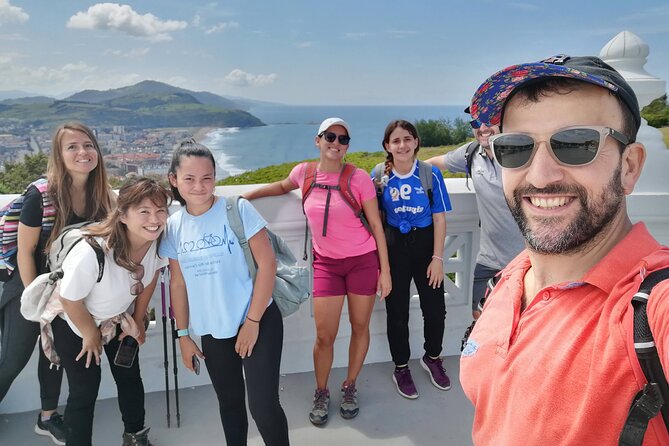
I would choose this tour if you want several kinds of Basque experience in one morning: a local train, a small town, a market, a Camino path, a winery, and a fishing port.
It suits you particularly well if:
- You enjoy walking but do not want a full-day mountain hike.
- You prefer local food and wine over formal sightseeing alone.
- You want to leave San Sebastian and see nearby towns without planning several connections.
- You like small groups and direct conversation with a guide.
- You are happy ending outside the city and arranging your own lunch or return trip.
I would think twice if you want a relaxed, mostly seated wine tour. The path takes real effort, the start is early, and the weather can be wet. You should also avoid booking it if you need a fully accessible route, since moderate fitness is required and the path includes an uphill section.
The free cancellation rule is useful: you can cancel for a full refund up to 24 hours before the start time. Changes or cancellations within 24 hours are not refunded, and confirmation for bookings made within two days of departure may take up to 48 hours, subject to space.
Is the $192.23 price fair?
For a simple five-hour walk, the price would be high. For this particular combination, it is more defensible. You are paying for a maximum group of eight, a local guide, train transport, two separate food tastings, winery access, and the planning needed to connect three places without wasting the day.
The value depends on how much you would normally organize yourself. You could take the train to Zarautz and bus back from Getaria on your own, but you would need to find the right trail, winery, market stops, and restaurant advice. You would also miss the personal stories that give Zarautz and the Camino path their shape.
The best reason to pay the premium is convenience with local context. The weakest reason is the tasting quantity. This is not a full wine course or a grand food tour. It is a scenic walking day where wine and food are woven into the route.
Should you book the Winery Camino Trail?
I would book it if you want a high-variety half-day and feel comfortable walking uphill on a possibly wet path. The strongest parts are the local guide, the Zarautz connection, the coast views, and the pairing of txakoli with tuna at the winery.
Choose another experience if your priority is a leisurely morning, a deep winery visit, or a guaranteed return to San Sebastian at the end. But if you want to understand the coast through its towns, farms, wine, and seafood, this is a smart use of one morning from San Sebastian. Stay in Getaria for lunch if your schedule allows. That is where the day naturally wants to continue.
FAQ
Where does the tour start?
It starts at Easo Plaza, 9, in San Sebastian. The scheduled start time is 8:40 a.m.
How do I reach Zarautz?
The group takes a train from San Sebastian to Zarautz. The ride takes about 30 minutes, and the one-way train ticket is included.
Where does the tour end?
The tour ends at Gudarien Enparantza Plaza, 1, in Getaria. The guide gives advice on restaurants, sights, the beach, and the bus back to San Sebastian.
How much walking is involved?
The experience includes a beach and town walk in Zarautz, followed by about two and a half hours covering the Roman path and winery section toward Getaria. Moderate physical fitness is recommended.
What food and drinks are included?
You receive Idiazabal cheese, apple jelly, homemade bread, and cider at the market. The winery tasting includes txakoli paired with local tuna, bonito, or anchovies. The tour information describes at least two txakoli types and also refers to three wine tastings.
Can I cancel for a full refund?
Yes. You can cancel up to 24 hours before the start time for a full refund. Cancellations or changes made less than 24 hours before departure are not refunded or accepted.
Just added around Spain
- Tour Lanzarote South with Winery Visit★ 5.0 · 4 reviews
- Taste Tradition 4 Wineries and Tapas Bar★ 5.0 · 21 reviews
- Vineyards of La Geria hiking tour★ 5.0 · 69 reviews
- Lanzarote E-Bike Tour: Volcano Craters & Scenic Vineyards★ 5.0 · 28 reviews
- Visit Bodegas Teneguía winery in La Palma with wine Tasting★ 4.5 · 43 reviews
- Canarian Wine Experience at Bodega los Lirios★ 5.0 · 67 reviews
- Winery Tour, Wine Museum, and Tasting in Gran Canaria★ 5.0 · 35 reviews
- Banana Museum, Rum Distillery & Winery with Tasting: Premium tour★ 4.5 · 62 reviews
San Sebastian Vineyard Tours, compared.
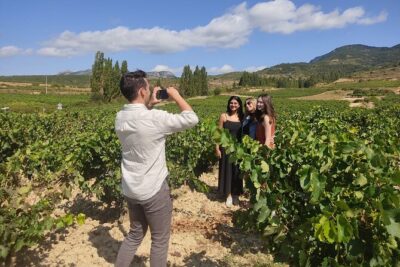
Rioja Wine Tour: 2 Wineries Visit with Tasting from San Sebastian
Read our review →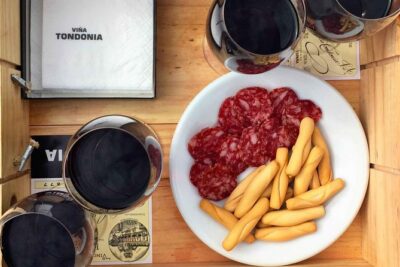
Rioja Wineries and Laguardia Tour with Picnic from San Sebastian
Read our review →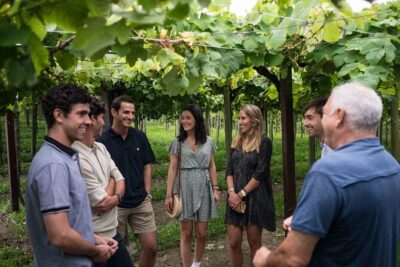
Private Tour at a Family Winery and Basque Coast Route
Read our review →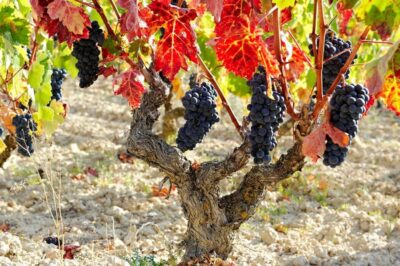
From San Sebastian/Bilbao/Vitoria: La Rioja Wineries Tour
Read our review →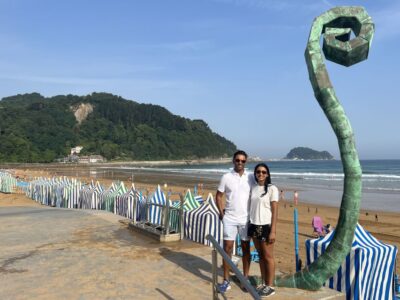
From San Sebastian: Guided Coastal Hike with Winery Tasting
Read our review →Browse the lists this tour appears in