
REVIEW · CRETE
Crete: 2 Wineries Private Tour with Wine Tasting & Lunch
Crete’s wine country is best understood through its small producers, and this tour gives you plenty of time with them. You visit an olive mill, two family-run wineries, vineyards, cellars, and production areas before sitting down to a generous Cretan meal in a village tavern. The focus is on people, methods, and local food rather than a quick tasting-room stop.
I like the small-group format, limited to eight people, and the chance to compare two wineries with different approaches. I also like the olive oil stop, which adds a useful piece of Cretan food culture that many wine tours skip. The main consideration is the amount of food and alcohol: tastings happen at several stops, lunch is substantial, and raki may also be served, so this is not a light outing.
Key points at a glance
- An olive mill starts the day: See how Cretan olive oil is made, then taste fresh oil with local snacks.
- Two wineries offer a useful comparison: One follows organic growing methods, while the second has a different winemaking style and techniques.
- Expect several tastings: The experience is advertised with 10 wines, though the detailed stop descriptions specify five wines at the first winery and four at the second.
- The lunch is away from the main tourist circuit: A village tavern serves local dishes, wine, and a relaxed Cretan meal.
- Guides add local context: Antonis, Rodoula, Georgios, and George have led tours, explaining agriculture, wine, olive oil, culture, and history.
- The price works best for two people: At $471 per group of up to two, the cost is easier to justify when shared.
Why this tour gives you more than a winery tasting
A standard winery visit can mean a short walk, a few pours, and a sales counter. This experience is broader. You move through the countryside around Crete’s vineyards and olive groves, learn how local products are made, and spend time with the producers themselves.
The area’s farming traditions reach back to the Minoan era. You will not be sitting through a long history lecture, but the setting gives the day a clear sense of place. Olive trees and vineyards are not decorative scenery here. They are the basis of daily food, local business, and Cretan hospitality.
The tour also avoids the feel of a large bus excursion. The vehicle is a van, not an off-road Land Rover, and the group is limited to eight. One couple ended up with only their guide, while another family of eight, including a baby, found the pace comfortable. Group size can affect the feel of the day, but the small format should make questions and conversation easier.
Pickup and return to your accommodation are included. That matters on a wine day. You do not need to plan a designated driver, find unfamiliar rural roads, or arrange a taxi between scattered stops.
A few more vineyard days around Crete worth a look
- Rethymno: Private Winery & Olive Oil Tasting Tour with Lunch
★ 5.0 · 56 reviews - Crete: Knossos Palace, Winery & Olive Oil Tour with Lunch
★ 4.9 · 49 reviews - Semi Private Wine Tour of 2 wineries with Transfer and Lunch
★ 4.0 · 15 reviews
The olive mill: a useful first taste of Crete
The first stop is a modern olive mill surrounded by olive groves. You walk through the grove and mill, meet the olive oil maker, and learn how olives become the oil served at tables across the island.
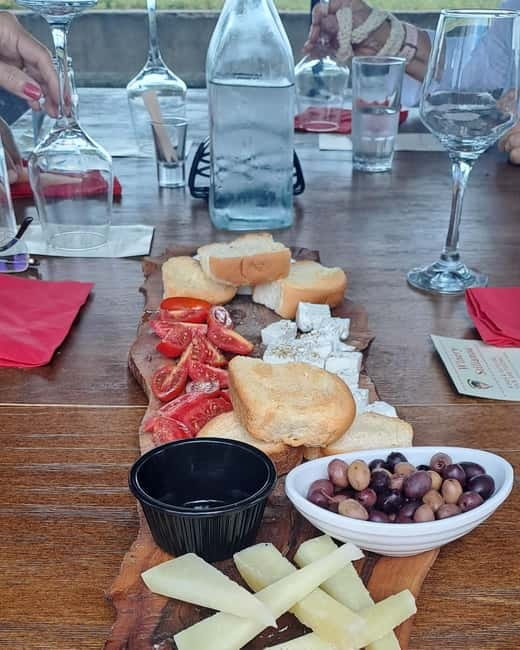
The tasting comes with local snacks, so you can notice how the oil works with other Cretan ingredients rather than sampling it alone. Fresh olive oil can be peppery, grassy, or surprisingly bitter, and this stop gives you a practical way to understand those flavors.
Do not arrive after a large breakfast. The day includes food at several points, and the olive oil tasting is more generous than a single symbolic spoonful. One guide also served raki at different stops, described locally as holy water or medicine. That can be fun, but the alcohol adds up quickly.
The olive mill is especially useful if you care about food beyond wine. You see why olive oil is so central to Cretan cooking, and you get an early look at the family-run, hands-on spirit that continues at the wineries.
First winery: organic farming and five wine tastings
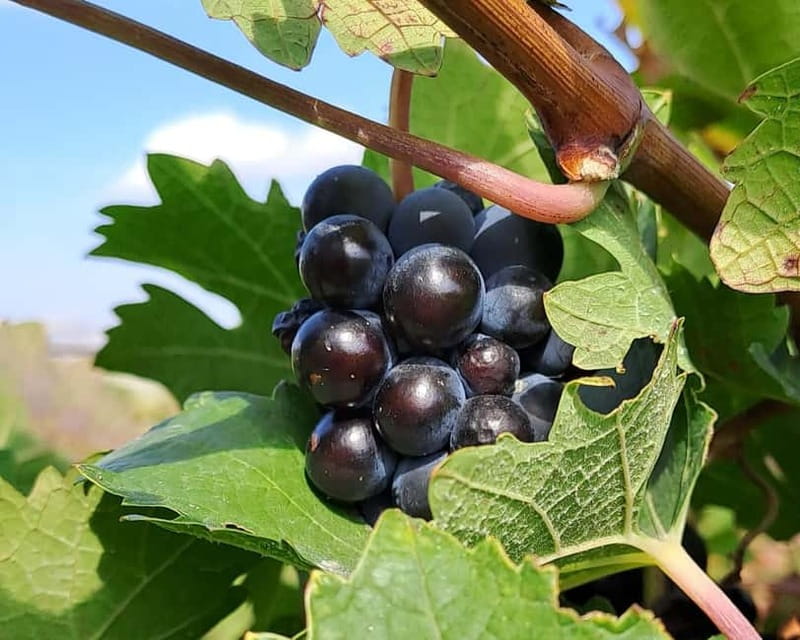
The first winery is family-owned and uses organic methods in its vineyards. The tour takes you around the vines and through the winery before the tasting of five different wines.
The value here is the connection between farming and what ends up in your glass. Instead of treating wine as a finished product, the guide can explain cultivation, production, and the choices made by the winery. You can ask about organic growing methods and compare the wines with what you taste at the second property.
The setting also helps. Vineyards are more meaningful when you understand that the vines are part of an agricultural area filled with olive trees and village life. This is not a polished city tasting room. It is a look at wine production in the place where the grapes are grown.
The exact wine selection can change, and the tour description does not name the grape varieties. If you have a particular interest in Cretan grapes, ask your guide during the visit rather than expecting a fixed tasting list.
Second winery: a different method and a fuller tasting
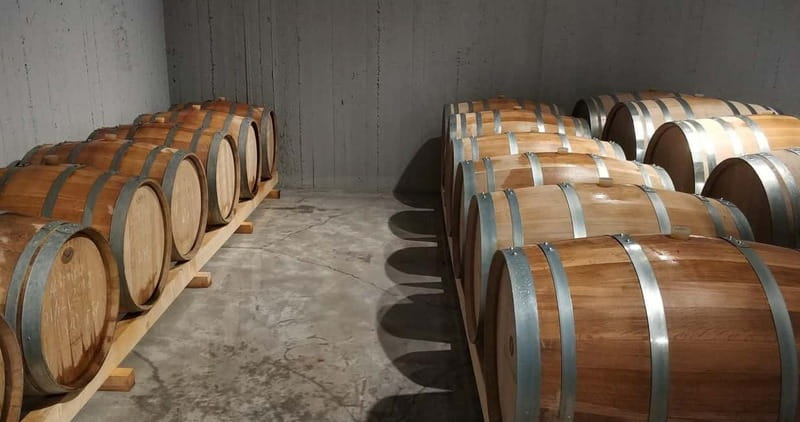
A short drive takes you to another winery in the same general area. It follows a different winemaking philosophy and uses different techniques, making this stop more useful than visiting two nearly identical producers.
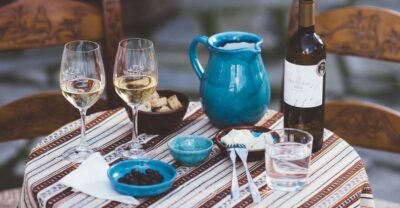
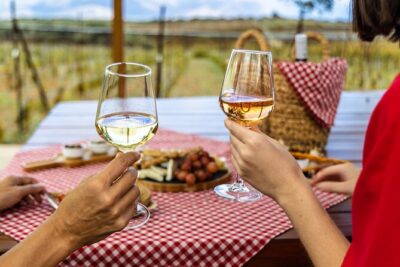
You tour the winery and cellar, then taste four wines with a platter. The food pairing gives your palate a break and shows how local wine works with cheese and other regional foods. It also makes this stop feel less like a formal tasting and more like a shared meal.
The winery is described as producing premium bottles that may be distributed mainly to restaurants and hotels rather than ordinary grocery shops. That makes the tasting a chance to try wines you might not easily find during the rest of your holiday.
The advertised total is 10 wines. The detailed schedule spells out five at the first winery and four at the second, so the count appears to vary by how the tasting is presented or what is poured. If the number matters to you, confirm the current tasting lineup before booking.
More Food and Drink Experiences in Crete:
- PRIVATE-Knossos Palace-Zeus Cave-Olive Oil Tasting-Old Villages
★ 5.0 · 81 reviews - “YAMAS” – Winery tour &wine tasting
★ 5.0 · 66 reviews - “ARISMARI” – Vineyard Tour & Wine Tasting
★ 5.0 · 20 reviews - Heraklion Private Half-Day Wine Tasting Tour in Lyrarakis Winery
★ 5.0 · 7 reviews
Meeting the people behind the bottles
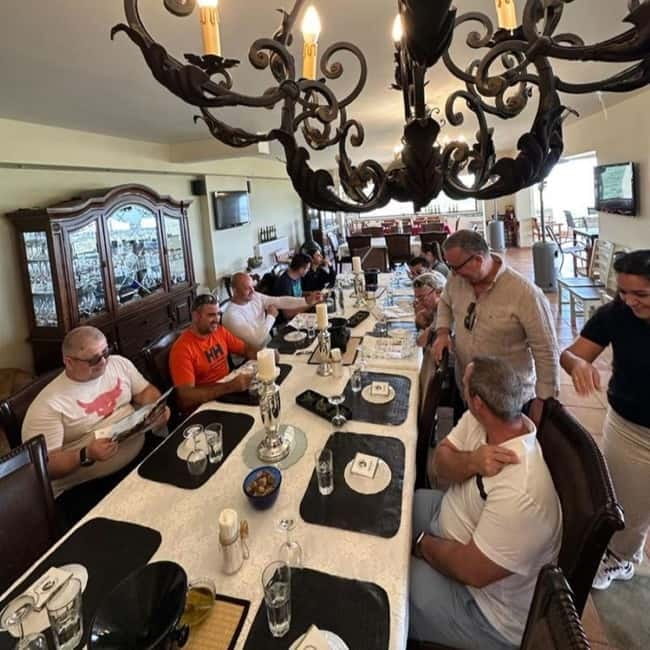
One of the strongest parts of this experience is the access to the producers. You have the chance to meet winemakers, ask about methods, and talk through flavors instead of simply receiving a scripted explanation.
Guides have included Antonis, Rodoula, Georgios, and George. Antonis has been praised for explaining Cretan wine and the local setting clearly. Rodoula has led days praised for warmth, humor, and a strong grasp of olive and wine agriculture. Georgios and George have also guided tours with commentary on food, production, culture, and history.
The guide matters because the wineries alone do not tell the whole story. A good guide links the olive grove, vineyard, cellar, meal, and village into one day. The supplied guide names are not a guarantee of who will lead your tour, but they give you an idea of the local team involved.
Village lunch: the day’s most authentic pause
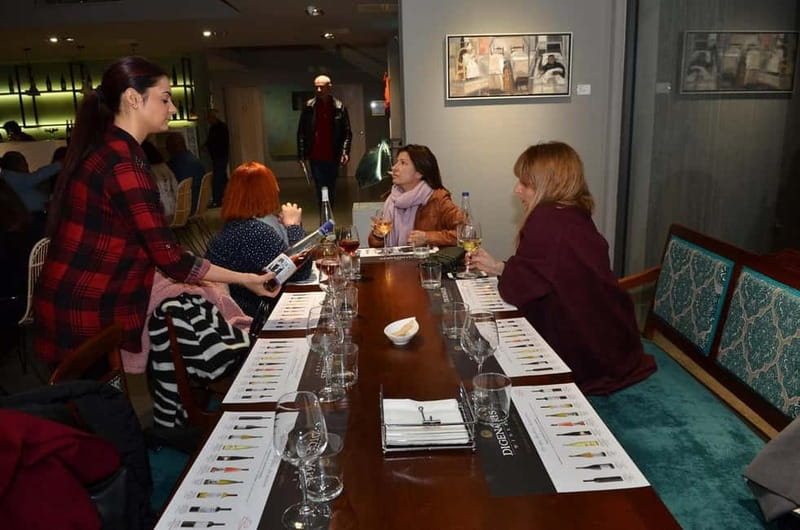
After the winery visits, you head to a picturesque village for lunch at a traditional local tavern. This is not a quick sandwich stop. You get local dishes, wine, time to walk, and a chance to enjoy the slower rhythm of a Cretan village.
The meal is one of the tour’s biggest draws. Food described during the day includes olive oil, cheese, tomatoes, wine, and other local dishes, with portions generous enough that you should save room. The menu is not specified in advance, so you should expect a selection of regional food rather than a particular dish.
The village setting also changes the pace. After several explanations and tastings, you can sit, eat, and talk with your guide or fellow participants. You are away from the city and the usual tourist streets, which helps the lunch feel like part of local life rather than a restaurant chosen only for convenience.
If you have dietary restrictions, ask before booking, since the available information does not specify vegetarian, vegan, gluten-free, or allergy arrangements.
Timing, transport, and group size
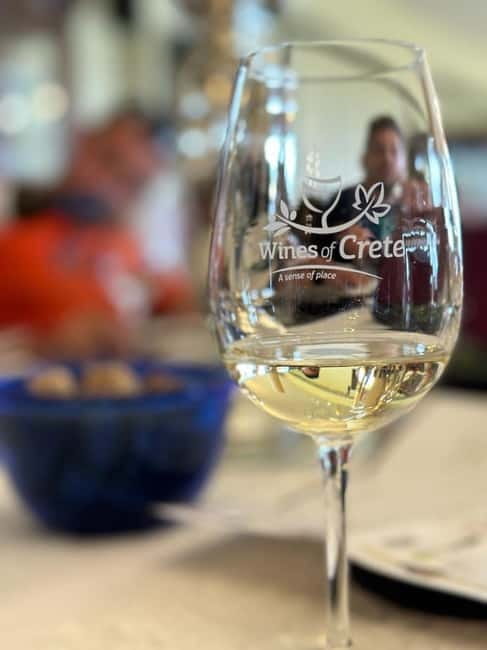
The experience lasts about seven hours, with pickup from your hotel lobby or the address you provide. The listed driving segments between stops are short, about 10 minutes each, while the main visits last roughly 90 minutes.
The published schedule includes:
- About 90 minutes at the first winery
- About 90 minutes at the second winery
- About 90 minutes for village lunch, photos, and a walk
- Additional time for the olive mill and transfers
The detailed schedule does not show a separate time block for the olive mill, even though the full description includes it as the first stop. Plan on a full day, not a strict minute-by-minute program.
A van makes sense for this route. You are not being taken off-road, and the experience is built around accessible agricultural and winery visits rather than an adventure drive. The small group limit of eight keeps the vehicle and conversations manageable, though private-group travelers may prefer booking when only two people are on the reservation.
What $471 means in practical terms
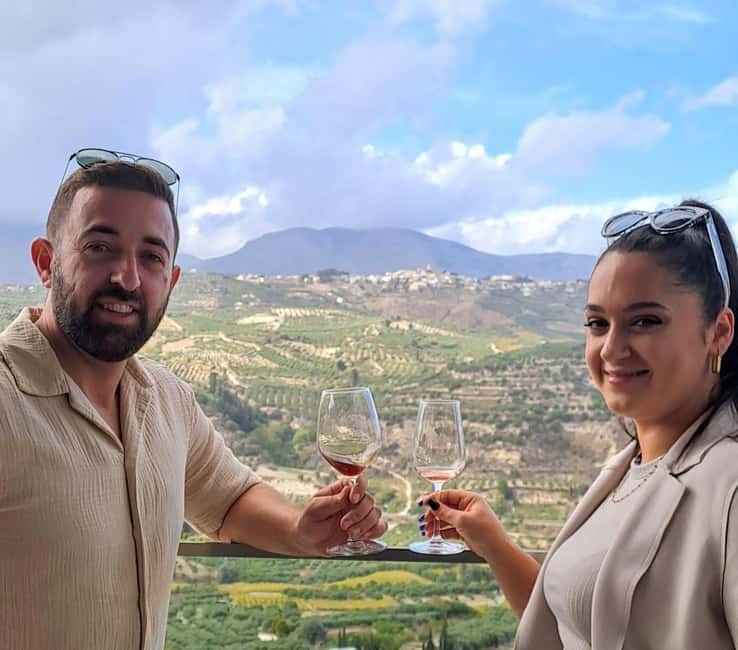
The price is $471 per group of up to two people, not $471 per person. That makes the cost $235.50 each for a pair, before personal expenses.
For that price, you receive transport, hotel pickup and return, an experienced guide, tours at two wineries, the wine tastings, the olive mill visit, the olive oil tasting, and a full lunch. You are paying for a long guided day with food, drink, and transport, not only for access to two cellars.
The value is strongest if you want convenience and local interpretation. Renting a car could cost less for transport alone, but it would leave one person unable to taste freely and would not provide the same guided access to producers or a prepared village lunch.
The value is weaker if you only want to sample a few wines quickly. This is a seven-hour commitment, and the food and drink are plentiful. You should choose it because you want the whole agricultural and culinary picture, not because you want the shortest possible winery visit.
Who will enjoy this day most
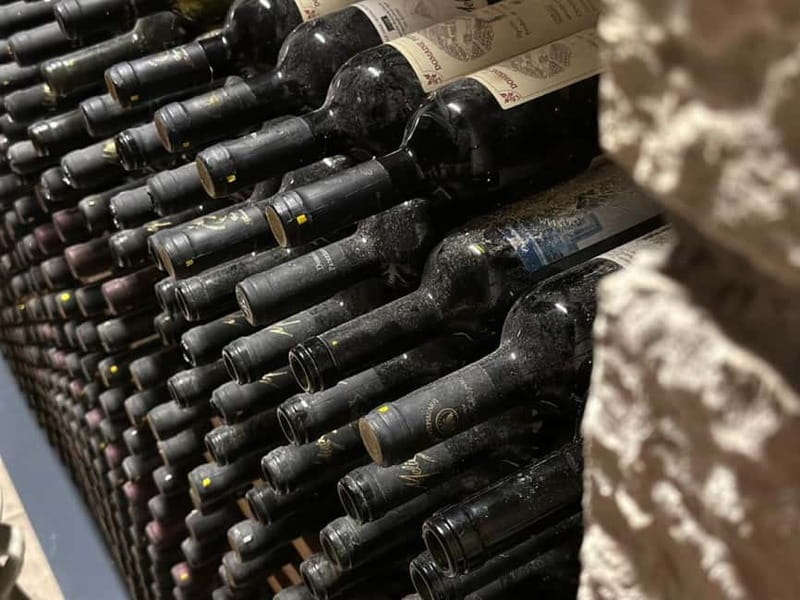
I would recommend this tour to couples, food-focused visitors, wine enthusiasts, and anyone staying in Crete who wants a rural day without arranging a car. It also suits people who prefer conversations with local producers to formal sightseeing.
The tour works for mixed interests. One person can focus on wine while another enjoys olive oil, village food, scenery, or Cretan culture. The lunch and tastings give the day enough variety that you do not need to be a serious wine expert.
Families can also manage the pace, as one group of eight including a baby completed the full day. Still, the experience centers on alcohol tastings, so families should consider how well the format fits their children and schedule.
I would be more cautious if you dislike long meals, cannot drink alcohol, or prefer a very active day. Walking is part of the program, but this is mainly a food, drink, conversation, and countryside outing. It is not a hike or a physical adventure.
Practical tips before you book
Eat a light breakfast. Olive oil snacks, wine, a platter, lunch, and possible raki create a full day of eating and drinking.
Plan to ask questions. The best parts of the tour come from talking with the guide, olive oil maker, and winemakers. If you want to know about grape varieties, organic farming, cellar methods, or where a wine is sold, speak up.
Wear comfortable clothes and shoes suitable for walking around vineyards, an olive grove, and winery buildings. The supplied information does not give a dress code or accessibility details, so contact the operator if you need specific arrangements.
Keep the schedule flexible. The stated duration is seven hours, but tastings and lunch are social experiences. A group that lingers over food may not move with the precision of a museum tour.
Cancellation is free up to 24 hours before the start time, and you can reserve now and pay later. English and Greek are available, and pickup is included.
Should you book the two-winery tour?
Book it if you want to connect wine, olive oil, food, and village life in one organized day. The strongest reasons are the family-run wineries, the organic farming stop, the chance to meet producers, and the tavern lunch away from the main tourist areas.
Think twice if you want a short tasting, a fixed list of exactly 10 wines, or a more active outdoor excursion. The wine count should be confirmed because the detailed tasting breakdown lists nine pours, and the full day includes a lot of food and alcohol.
For two people sharing the $471 group price, I see solid value in the transport, guide, tastings, olive mill, and lunch. If that combination matches your idea of a good day in Crete, this is a well-rounded way to get beyond the beach and into the island’s working countryside.
FAQ
How long does the tour last?
The tour lasts seven hours, including transportation, winery visits, tastings, the village lunch, and the olive mill experience.
How many wineries will I visit?
You will visit two family-owned wineries, with guided tours of the vineyards, winery areas, and cellar spaces.
How many wines are included?
The experience is advertised as including 10 different wines. The detailed descriptions list five wines at the first winery and four at the second, so confirm the current tasting lineup if the exact number is important to you.
Is the olive mill included?
Yes. The experience includes a visit to a modern olive mill, a tour of the olive grove and production area, a meeting with the olive oil maker, and an olive oil tasting with local snacks.
Is lunch included?
Yes. A full lunch at a traditional tavern in a village is included, along with local dishes and wine.
Is hotel pickup provided?
Yes. Pickup and return are included from your hotel lobby or the address you provide in Crete.
How large is the group?
The tour is limited to eight participants. It uses a van rather than an off-road vehicle.
What languages are available?
The live tour guide service is available in English and Greek.
Just added around Crete
- Semi Private Wine Tour of 2 wineries with Transfer and Lunch★ 4.0 · 15 reviews
- Semi-Private Wine Tour of 2 wineries with wine Tastings★ 5.0 · 2 reviews
- Crete in a Day: Knossos, Soap Workshops, Olive Oil & Wine Tasting★ 5.0 · 5 reviews
- Heraklion Private Half-Day Wine Tasting Tour in Lyrarakis Winery★ 5.0 · 7 reviews
- “ARISMARI” – Vineyard Tour & Wine Tasting★ 5.0 · 20 reviews
- Private Tour: Soap, Olive Oil & Lyrarakis Winery with Lunch★ 4.5 · 15 reviews
- Guided Tasting of 3 Extra Virgin Olive Oils at Douloufakis Winery★ 5.0 · 2 reviews
- Digenakis winery – Wine tasting experience★ 4.5 · 3 reviews
Crete Vineyard Tours, compared.
PRIVATE-Knossos Palace-Zeus Cave-Olive Oil Tasting-Old Villages
Read our review →
PRIVATE-Zeus Cave-Knossos-Olive oil Factory-Traditional Villages.
Read our review →
Rethymno: Private Winery & Olive Oil Tasting Tour with Lunch
Read our review →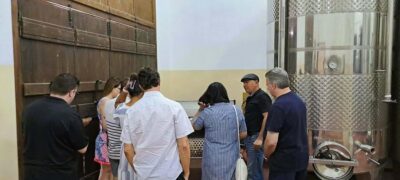
Crete: Knossos Palace, Winery & Olive Oil Tour with Lunch
Read our review →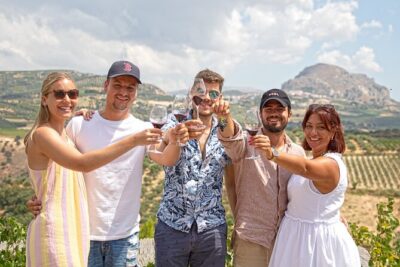
Private Tour: Soap, Olive Oil & Lyrarakis Winery with Lunch
Read our review →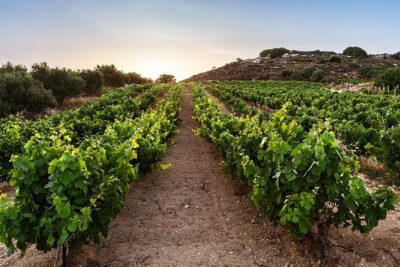
Semi Private Wine Tour of 2 wineries with Transfer and Lunch
Read our review →Browse the lists this tour appears in