
REVIEW · GERMANY
Small Group Rheingau Vineyards Tour with Castles and Abbeys
The heart of this tour is Kloster Eberbach, a 1,000-year-old monastery tied to the rise of Riesling in the Rheingau. You taste four to six wines in its old tasting room, then continue to Rüdesheim and a family-run estate for more regional bottles. It is part wine lesson, part countryside outing.
I like the small maximum of seven people and the way guide Jérôme adjusts the tasting to your preferences. I also like the mix of places: a grand monastery, a wine hall with bottles from 80 producers, and a working estate. The main drawback is the pace. With only five to six hours, you see several places but do not have much time to linger at each one.
Key points to know before booking
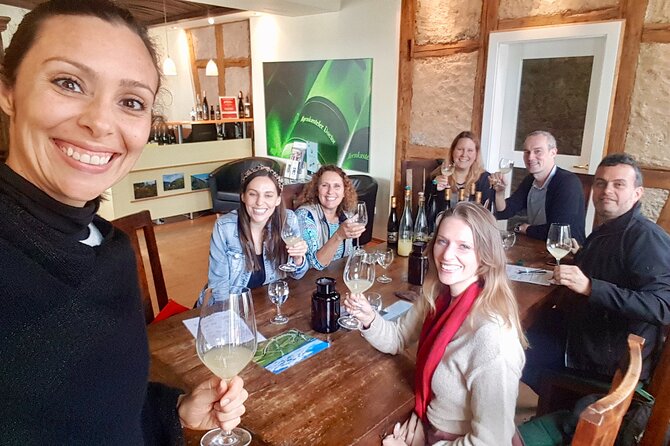
- Kloster Eberbach sets the scene: Learn how Cistercian monks shaped Rheingau wine and taste four to six wines in the monastery.
- Three distinct tasting stops: Expect around 15 wines, moving from historic estate bottles to regional producers and family winery selections.
- Jérôme leads in English: His local knowledge and flexible approach are a major part of the tour.
- Lunch costs extra: Choose a cooked meal, cheese board, or charcuterie board at RheinWeinWelt in Rüdesheim.
- Private transport keeps the day simple: The air-conditioned vehicle returns you to the Mainz meeting point.
- Plan for stairs and uneven ground: Comfortable shoes matter, and the tour is not suited to people with limited mobility.
Why this Rheingau tour works so well
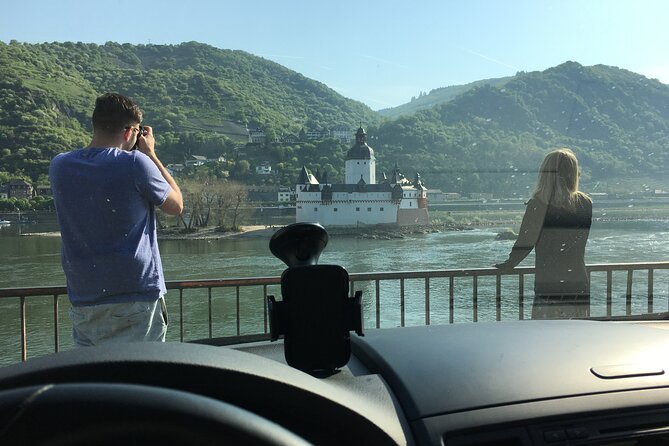
The Rheingau is one of Germany’s best places to understand Riesling. Vineyards run along the Rhine, grand estates sit above small wine towns, and old religious foundations are woven into the story of winemaking. This tour gives you several ways into that story rather than taking you to three similar tasting rooms.
You begin in Mainz at BottleStops, on Binger Schlag. From there, an air-conditioned vehicle takes you into the wine country. The group can include no more than seven people, which makes it easier to ask questions, compare tastes, and hear the guide while driving between stops.
The tour is offered in English and lasts about five to six hours. That makes it a useful half-day plan if you are based in Mainz, or a good add-on for a longer stay in the Rhine region. People staying in Frankfurt can also reach Mainz by train and meet the tour there. Pickup arrangements need to be followed carefully, but the meeting point is near public transportation.
I would not treat this as a quick tasting with a few scenic photo stops. The focus is on understanding German wine, especially Riesling, while seeing the places that shaped it. Jérôme’s role matters here. He explains the wine, the region, and the history, while also paying attention to what you actually enjoy in the glass.
A few more vineyard days around Germany worth a look
- Trier: Discovery Tour – Germany’s Oldest Wine Cellar
★ 4.7 · 218 reviews - Stuttgart: Vineyard Tour by Covered Wagon
★ 4.1 · 217 reviews - Stuttgart: Guided Vineyards Tour
★ 4.3 · 146 reviews
Kloster Eberbach and the beginnings of Rheingau wine
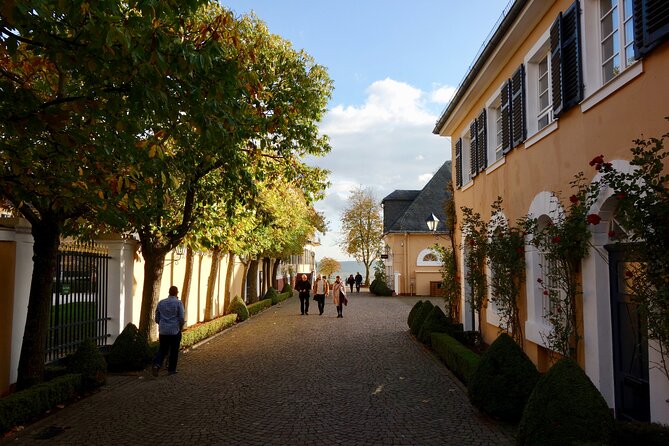
The first stop, Kloster Eberbach, is the tour’s strongest cultural sight. The monastery is about 1,000 years old and is often described as the cradle of Riesling. Its importance is not just architectural. The monks played a major part in developing the vineyards and wine production that made this part of the Rhine famous.
You explore the old buildings with attention to winemaking, rather than simply walking through a pretty religious site. That context makes the tasting more useful. Instead of hearing that a wine is dry, sweet, floral, or mineral, you begin to see how climate, place, tradition, and grape variety fit together.
The tasting includes four to six wines in the monastery’s tasting room. That is enough to give you a good first comparison without turning the morning into a blur of similar glasses. The setting also gives this stop a sense of occasion. You are not tasting in a generic bar. You are drinking in a place linked to centuries of wine production.
Allow for stairs, uneven surfaces, and old paving. The monastery is not a smooth, modern attraction designed for easy rolling access. Wear shoes with a firm grip, especially if the ground is damp.
This stop is likely to appeal most if you enjoy a story with your wine. If you only want to sample as many labels as possible, the historical explanation may feel like extra time. I think it earns its place because it gives the rest of the day a clear starting point.
A glimpse of Johannisberg Palace
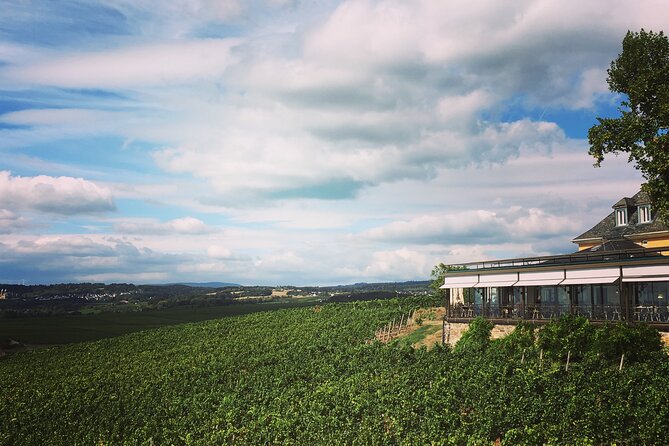
The route passes the impressive setting of Johannisberg Palace, one of the Rheingau’s best-known wine landmarks. If time allows, the group makes a short stop. This is not presented as a full palace visit, so you should think of it as a scenic and cultural addition rather than a major tour stop.
That distinction matters. The day already includes a full monastery visit, lunch, and a final estate tasting. Johannisberg adds another useful piece of the region’s story without taking over the schedule.
If you are hoping for an extended palace tour, this outing may not meet that expectation. If you want to see more of the Rheingau from the vehicle and collect a few memorable views along the way, it fits nicely.
Rüdesheim’s RheinWeinWelt: 80 producers under one roof
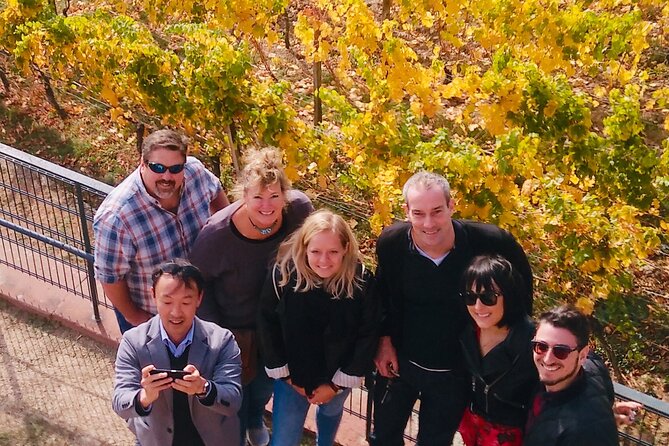
The second main stop is RheinWeinWelt in Rüdesheim, where lunch and tasting share the same visit. The tasting room brings together wines from about 80 Rhine-region producers. That gives you a wider view than a single-estate visit and helps show how different winemakers interpret the same broad regional traditions.
You taste five wines while lunch is being prepared. Jérôme can use your preferences to guide the choices, so this is the point where you can say what you liked at Kloster Eberbach and what you did not. If you prefer crisp, dry Riesling, fuller white wines, or Pinot varieties, speak up. The tasting is meant to respond to your palate rather than follow one fixed list.
Lunch is not included in the tour price. You choose from a menu of locally sourced food, or order a cheese or charcuterie board. The boards make particular sense if you want to keep the meal tied to the wine tasting, while a cooked dish may suit you better if you need a more substantial break.
This is a practical stop because you are not losing touring time while waiting for food. You taste first, eat, and continue. The setting is also different from Kloster Eberbach. The monastery gives you old stone and religious history; RheinWeinWelt gives you a broad look at the modern regional wine scene.
The drawback is the extra cost. At $199.55 per person, you should budget separately for lunch and any bottles you want to take home. The price covers the vehicle, guide, tastings, and entrance fees listed for the tour, but not the meal.
Same wine country, a different day out:
- From Dresden: Saxon Wine Route Steamer Day Cruise
★ 4.4 · 95 reviews - Heidelberg: Hills and Wine Region Segway Tour
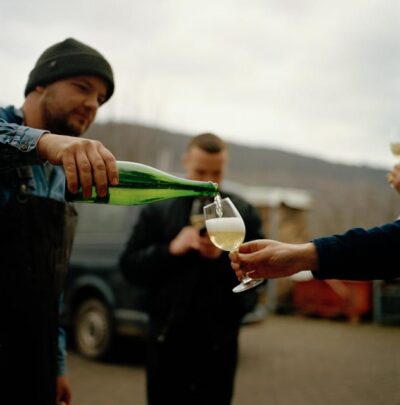
★ 4.9 · 89 reviews - Reil, Mosel: Guided organic wine tasting and cellar tour
★ 4.8 · 84 reviews - Bremen: Underworld Tour with the Cellar of the Theatre
★ 4.2 · 74 reviews
The family-run estate and the final six-wine flight
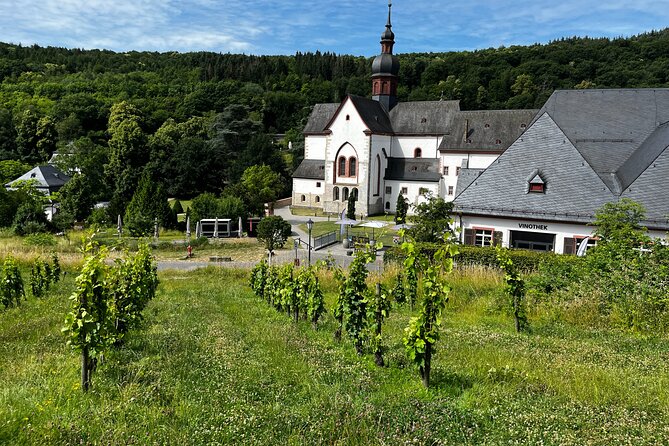
The last stop is a family-run estate, listed as Weingut Kaufmann, Ress, or another similarly well-rated winery depending on the day. The six-wine flight usually moves through the estate’s main styles, from Riesling to Pinot wines.
This stop gives the day a more personal finish. At the monastery, the emphasis is on a major historic site. At RheinWeinWelt, the emphasis is comparison across many producers. At the family estate, you focus on one winery’s approach and see how its bottles relate to one another.
Six wines at the final stop is generous, especially after the earlier tastings. By this point, you will have a better vocabulary for describing what you like. You can compare the estate’s Rieslings with those from the earlier stops, then see how Pinot wines change the picture.
Pacing is worth keeping in mind. A day that includes four to six wines at the monastery, five at RheinWeinWelt, and six at the estate involves a lot of tasting. Eat lunch, drink water when available, and use the small group to ask for explanations instead of trying to rush through every glass.
The exact estate can vary, so do not book this expecting one fixed winery building every time. The consistent idea is a well-regarded family operation and a representative flight of wines.
What the $199.55 price buys you
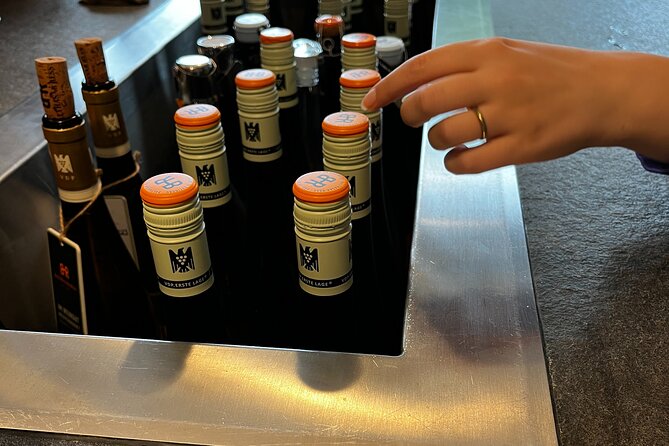
The price is not cheap, but it covers more than a basic tasting. You get private transportation, an English-speaking guide, monastery admission, winery tasting fees, and a full half-day route through the Rheingau. It also removes the need to plan several rural connections or arrange a designated driver.
The value improves if you care about context. A self-guided visit to a tasting room may cost less, but it will not necessarily connect the monastery, palace, village, regional producers, and family estate into one clear story. You are paying for the route and for Jérôme’s ability to explain what you are drinking.
The price is less attractive if you do not drink wine, dislike long tasting sessions, or want a slow visit at one place. This is an active half-day with three tasting settings and several glasses at each stop.
Lunch is extra, and any wine purchases are extra. Factor those costs in before booking. Still, the tour includes enough tastings to make it feel like a serious wine outing rather than a quick sample before lunch.
Jérôme’s guiding style
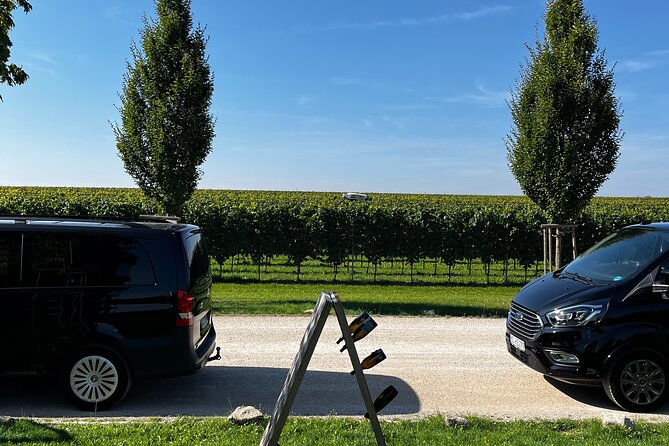
The guide can make or break a wine tour, and Jérôme receives repeated praise for being friendly, clear, and flexible. More important than memorizing facts, he adjusts the discussion to the people in the vehicle. If you are new to German wine, he can explain the basics. If you already know Riesling, you can ask about producers, styles, and regional differences.
His communication before the tour is also useful. Meeting instructions are provided clearly, and pickup at the Mainz meeting point is meant to be prompt. One important note: a review refers to being picked up at the train station, but the stated departure point is BottleStops on Binger Schlag. Confirm your exact meeting instructions before setting out.
The small group helps. With no more than seven people, you can hear the guide, ask questions, and discuss the wines without shouting across a crowded bus. It also gives Jérôme room to adjust the order or emphasis of the tasting conversation.
The tour is restricted to people aged 18 and over. That is sensible given the amount of wine, but it means this is not an outing for a mixed-age family group.
Comfort, walking, and timing
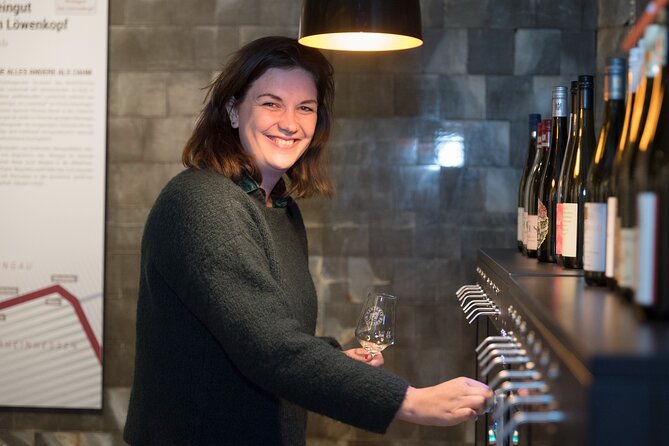
The air-conditioned vehicle is a real advantage because the tour covers several stops outside Mainz. You avoid the hassle of arranging rural transport and can focus on the scenery and tastings.
The walking is manageable for most active adults, but the surfaces are not all level. Kloster Eberbach includes stairs and uneven areas, and the tour information specifically warns about steep stairs and uneven pavements. Wear comfortable shoes with good support.
The five to six-hour length is long enough for a satisfying day but short enough to fit around other Mainz plans. Do not expect unlimited free time at each stop. Johannisberg Palace may receive only a brief stop, and each tasting follows a schedule so the group can reach the next location.
The tour ends back at the Mainz meeting point. That makes it easy to continue exploring the city afterward or return to the train station, provided you allow time for your onward plans.
Who should book this tour?
I would choose this tour if you want more than a tasting flight. It suits you best if you enjoy old buildings, regional stories, small wineries, and a guide who can connect the glass in front of you with the place where it was made.
It is also a good fit for couples, friends, and solo wine fans who value a small group. The format feels more personal than a large coach tour, and the range of stops keeps the day from becoming repetitive.
You may want a different option if you need step-free access, want a fully private schedule, or prefer to spend several hours at one estate. The possibility of visiting a different family winery also means you should book for the overall format, not one guaranteed producer.
Cancellation is free if you cancel at least 24 hours before the start time. Changes made inside that window are not accepted, and the tour requires a minimum number of bookings. If that minimum is not met, you are offered another date or experience, or a full refund.
Should you book the Rheingau Vineyards Tour?
Book it if you want a well-rounded introduction to German wine from Mainz. The monastery gives the day depth, RheinWeinWelt gives you breadth, and the family estate gives you a closer look at one producer. Add in private transport and Jérôme’s personal guidance, and the $199.55 price can be fair value for a wine-focused half-day.
I would skip it only if lunch costs, multiple tastings, or uneven walking are likely to bother you. For everyone else, this is a strong choice for seeing the Rheingau without having to organize the route yourself.
FAQ
Where does the tour start?
The tour starts at BottleStops, Binger Schlag, 55122 Mainz, Germany.
Where does the tour end?
The tour ends back at the Mainz meeting point.
How long does the tour last?
The tour lasts approximately five to six hours.
Is transportation included?
Yes. The tour includes private transportation in an air-conditioned vehicle.
Is lunch included in the price?
No. Lunch is not included. You choose and pay for lunch at RheinWeinWelt.
How many wines will I taste?
The planned tastings include four to six wines at Kloster Eberbach, five wines at RheinWeinWelt, and six wines at the family-run estate.
Is the tour available in English?
Yes. The tour is offered in English.
Can children join the tour?
No. The experience is restricted to people aged 18 and over.
Is the tour suitable for people with limited mobility?
It is not recommended for people with restricted mobility because the route includes steep stairs, uneven pavements, and other uneven surfaces. Comfortable shoes are recommended.
Just added around Germany
- Get Pfalzed – wine tour to unique wine region to taste Red wines★ 4.5 · 9 reviews
- Wine Tasting in the Winery in Kröv★ 4.0 · 2 reviews
- Bremen: Underworld Tour with the Cellar of the Theatre★ 4.2 · 74 reviews
- Heidelberg: Hills and Wine Region Segway Tour★ 4.9 · 89 reviews
- Reil, Mosel: Guided organic wine tasting and cellar tour★ 4.8 · 84 reviews
- Neustadt: Wine tasting with cellar tour and vineyard visit★ 4.8 · 5 reviews
- Mosel: Accompanied wine tasting directly at the winery★ 5.0 · 3 reviews
- Mendig: Guided tour in the 30m deep volcanic beer cellar★ 5.0 · 2 reviews
Germany Vineyard Tours, compared.
Trier: Discovery Tour – Germany’s Oldest Wine Cellar
Read our review →
From Dresden: Saxon Wine Route Steamer Day Cruise
Read our review →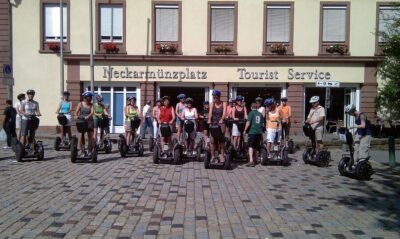
Reil, Mosel: Guided organic wine tasting and cellar tour
Read our review →
Bremen: Underworld Tour with the Cellar of the Theatre
Read our review →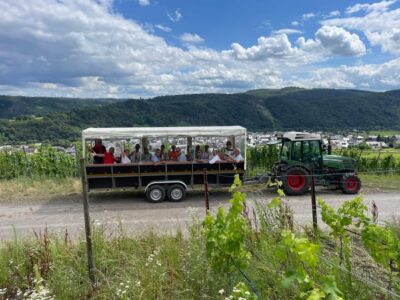
Kröv, Mosel: Covered wagon ride through the vineyards with wine tasting
Read our review →Browse the lists this tour appears in