
REVIEW · GERMANY
Bremen: Underworld Tour with the Cellar of the Theatre
Bremen’s underworld is less a tunnel network than a set of forgotten rooms below important buildings. You’ll visit a synagogue cellar turned memorial, cramped prison cells, a bunker used as an art venue, and the Theater Bremen’s maze of stage machinery and backstage corridors. The theater cellar is the tour’s most unusual stop.
I like the way this tour connects Bremen’s past to places still tied to daily city life. I also like the mix of serious history and odd backstage machinery. The main drawback is that underworld may suggest long underground passages, while much of the tour takes place in separate cellars and vaulted rooms.
Key points to know before you book
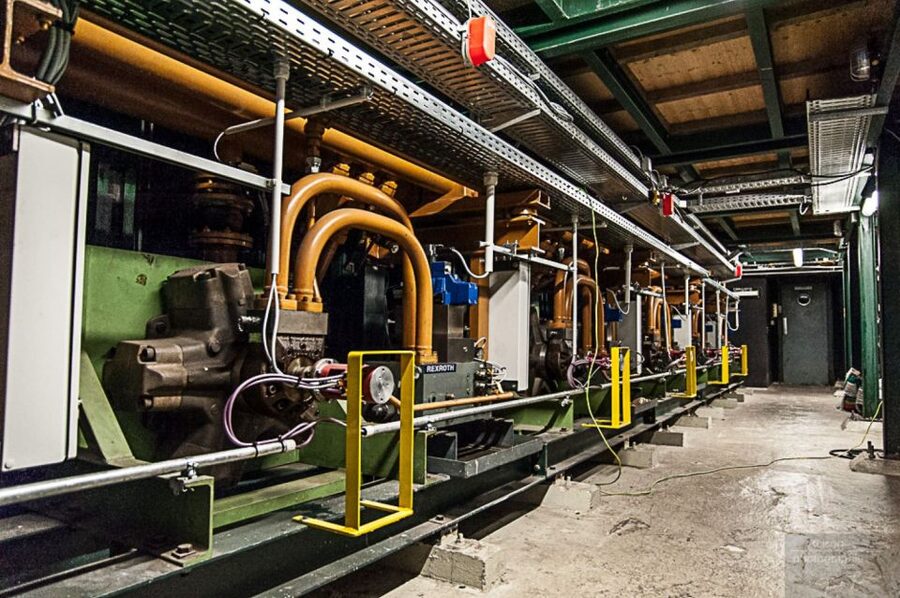
- The Theater Bremen cellar is the likely highlight: You may see stage machinery, backstage areas, and the large Kulissenkeller, sometimes while a production is being prepared.
- The synagogue cellar is a memorial site: The stop recalls the former synagogue destroyed by the Nazis in 1938.
- The Ostertorwache cells are stark and confined: You enter the old prison’s cells for impure women, a difficult reminder of past social judgment.
- The tour lasts two hours: It packs several very different locations into one walking experience in central Bremen.
- The tour is in German: A live guide leads the visit, and no pickup or drop-off is included.
- The $18 price is fair for variety: You receive the guide and entry to the places visited, though the value depends on how much you enjoy historical interiors and backstage spaces.
Bremen’s underground story begins with separate rooms
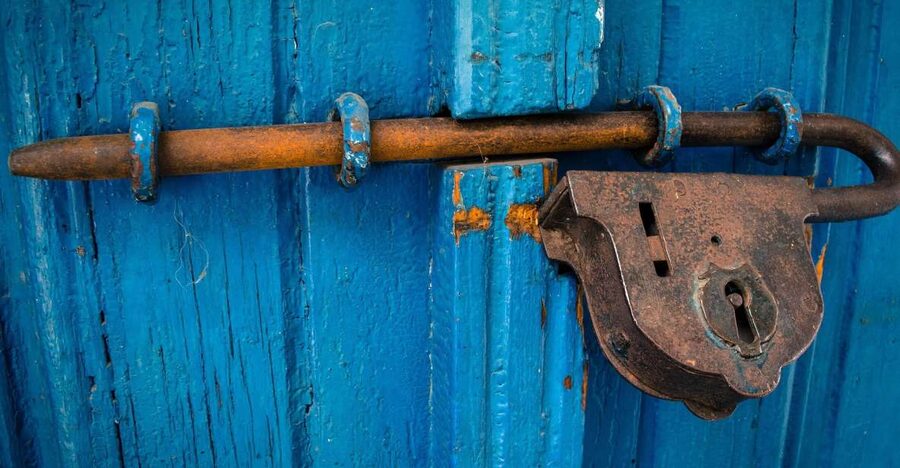
This tour does not present one continuous subterranean city. Instead, it links several below-street spaces in central Bremen, each with its own story and mood. That distinction matters because the title can set up the wrong picture.
You will not spend two hours crawling through a single tunnel system. You will move between different buildings and underground rooms, with the guide explaining how each place fits into Bremen’s past. Some stops are quiet and solemn. Others are strange, mechanical, and almost theatrical.
That variety is the point. Bremen’s story here is not only about grand churches, merchants, and waterfront trade. It also includes prison cells, damaged religious sites, bomb shelters, work areas, and service spaces that most people pass without noticing.
The tour begins at the waterside of Passage Bischofsnadel, between the tunnel and the sculpture Das Ende. Look for the guide carrying a bag marked with the red and white StattReisen-Bremen footprints. Since there is no hotel pickup, allow enough time to reach this meeting point on your own.
More Wine Cellar Visits in Germany:
- Trier: Discovery Tour – Germany’s Oldest Wine Cellar
★ 4.7 · 218 reviews - Reil, Mosel: Guided organic wine tasting and cellar tour
★ 4.8 · 84 reviews - Discovery tour – cellar tour with wine tasting
★ 4.2 · 26 reviews
The former synagogue cellar carries the heaviest history
One of the tour’s most important stops is the cellar of a former synagogue. The synagogue was destroyed by the Nazis in 1938, and the surviving cellar now serves as a memorial site.
This is not a light sightseeing stop. The room offers a direct physical link to a destroyed Jewish place of worship, and the setting can make the history feel more immediate than a display case or a date in a museum. The value comes from the contrast between the ordinary cellar structure and the terrible events connected to it.
Your guide explains the site and its place in Bremen’s history. The exact amount of time spent here can vary with the group and the day’s program, but you should expect a serious pause rather than a theatrical presentation.
Some people may find this stop less visually dramatic than the theater cellar or the prison. That does not make it less important. If you want a tour built only around spooky rooms, this section may feel subdued. If you want the tour to explain what happened to Bremen’s Jewish community under Nazi rule, it gives the experience needed weight.
The memorial also helps correct a common problem with underground tours. Cellars can be presented as curiosities, but this one is not just an old room below ground. It is part of a place that was deliberately destroyed, and the tour asks you to remember what that means.
The Ostertorwache cells show a harsher Bremen
The next stop takes you into the old prison known as the Ostertorwache. Here you see the cramped cells referred to as the Cells for Impure Women.
The name alone tells you that the site is tied to old ideas about morality, punishment, and social control. The rooms are not presented as comfortable historic interiors. Their value is in their oppressive scale and in the way they reveal how certain women were treated and labeled by the authorities of the time.
Expect a more straightforward historic-site visit here. You enter the old prison spaces, listen to the explanation, and take in the physical limits of the cells. The experience is strongest when you focus on the human consequences of confinement rather than expecting elaborate displays.
If you have already visited several former prisons, this stop may feel familiar. The architecture does much of the work, and the rooms may not offer the visual surprise of the theater’s mechanical areas. Still, the Ostertorwache adds a needed social angle to the tour. It shows that the city below street level was not only used for storage and machinery. It also held people whom society wanted to control or hide.
The narrow cells can also be worth considering if you dislike confined spaces. The provided information does not specify accessibility or the exact dimensions, so ask the operator before booking if that is a concern.
A bunker becomes an art venue
The tour also introduces a bunker that later became an art venue. This stop links wartime construction with Bremen’s later cultural life.
The important idea is the change in use. A bunker begins as a place shaped by fear and protection. Used as an art venue, the same type of structure gains a new public role. The tour uses that shift to show how difficult buildings can be given a second purpose without erasing their past.
The supplied details do not identify the bunker by name or describe the exact exhibition space, so you should not expect a fixed art program or a particular installation. The stop is best understood as part of the tour’s larger pattern: ordinary city buildings often contain earlier layers that are easy to miss from the pavement.
This section may appeal to you if you like adaptive reuse and unusual cultural spaces. It may be less satisfying if you want a long gallery visit or a detailed art exhibition. The bunker is one part of a two-hour route, not a standalone museum tour.
Same wine country, a different day out:
- Stuttgart: Vineyard Tour by Covered Wagon
★ 4.1 · 217 reviews - Stuttgart: Guided Vineyards Tour
★ 4.3 · 146 reviews - Small Group Rheingau Vineyards Tour with Castles and Abbeys
★ 5.0 · 100 reviews - From Dresden: Saxon Wine Route Steamer Day Cruise
★ 4.4 · 95 reviews
The Theater Bremen cellar turns practical machinery into a show
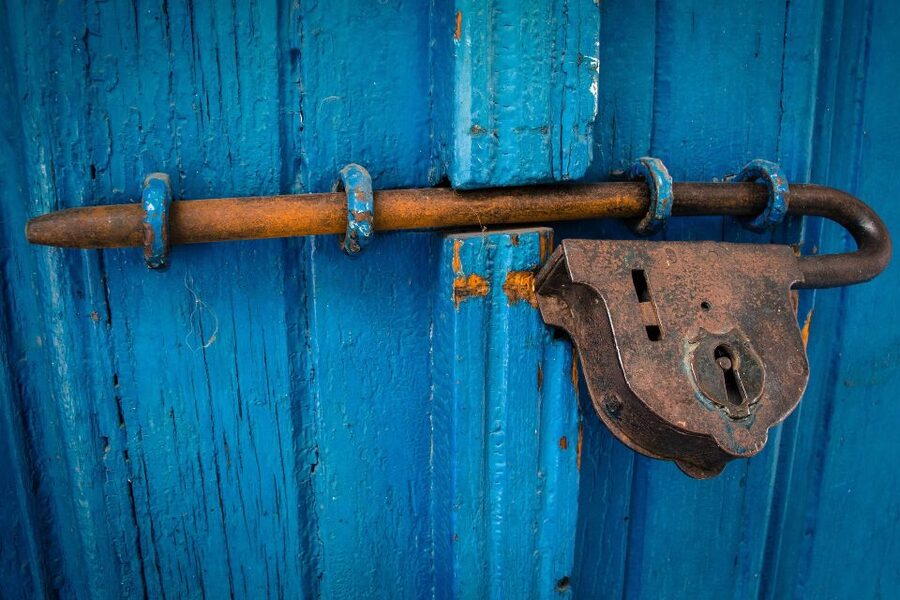
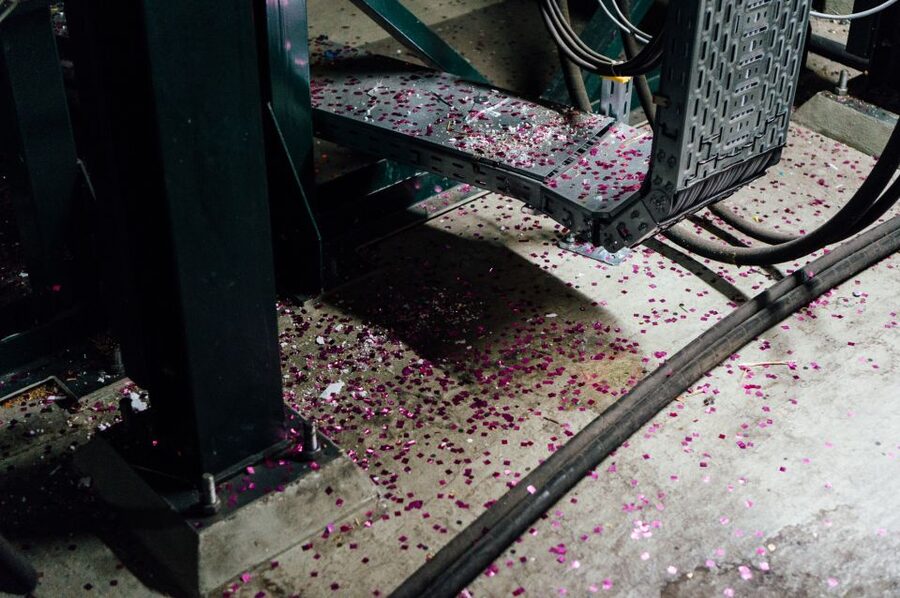
The most distinctive part of the experience is the basement of Theater Bremen, including the large Kulissenkeller. Here the tour moves from memorial history and prison architecture into the working world of theater production.
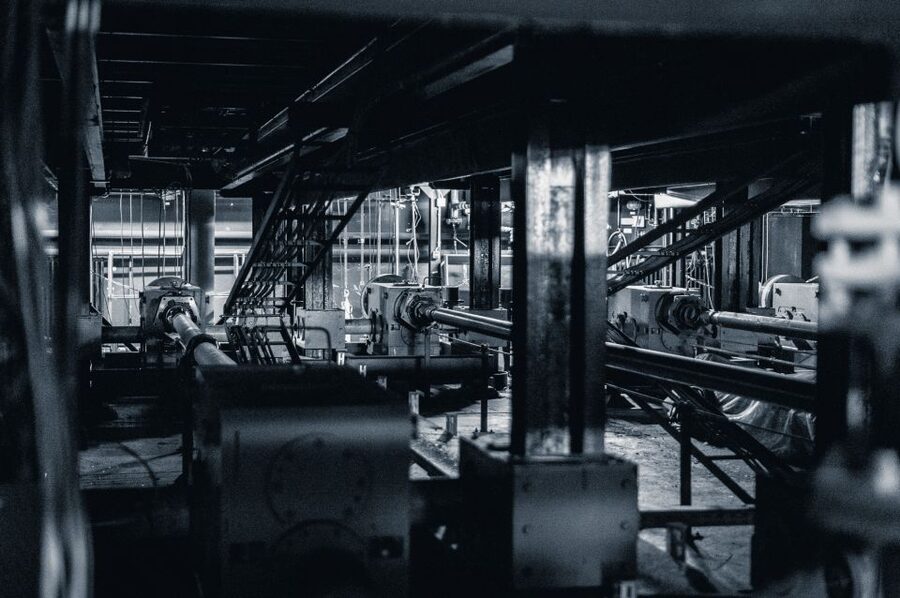
You may see theatrical machine rooms, backstage areas, and labyrinthine corridors beneath the theater. The space is described as gigantic, which gives you a sense of the scale needed to support performances above. Instead of seeing only the finished stage, you get a look at the rooms and systems that help make a performance possible.
This is also the stop where timing can change the experience. During one visit, the stage was being prepared for an evening premiere, allowing the group to go onto and below the stage and look into the scenery cellar. That kind of access makes the theater feel active rather than preserved behind glass.
You should not assume every tour will have the same view. Theater work changes from day to day, and the operator warns that the program can change for organizational reasons. Ask shortly before your visit if a particular location matters most to you.
Even with that caution, the theater section gives the tour its strongest sense of discovery. The corridors, machinery, and stored scenery show the practical side of performance. You see that a theater is not only seats, lights, and actors. It is also a large working building with rooms that need to move scenery, support productions, and keep the stage running.
The theater can also make the tour more appealing to families and younger visitors. The machinery and backstage setting offer something concrete to look at, while the earlier stops provide the historic context. One recent booking included children who were enthusiastic about the experience, which fits the hands-on character of this section.
What the guide adds to the underground rooms
This tour depends heavily on the guide. Cellars and corridors do not explain themselves, and the meaning of the synagogue memorial or prison cells can be lost without clear historical context.
The strongest guide style for this experience is lively, focused, and personal. One recent guide was noted for showing real enthusiasm and for bringing broad background knowledge to the stories, including details around the main subjects. That energy matters here because the tour moves between very different kinds of places.
The tour is conducted in German. If you understand German, you can expect spoken explanations at each stop. If you do not, the buildings may still be interesting to see, but you will miss much of the historical and social context that gives the route its purpose.
No guide names are provided for the experience, and the guide can vary by departure. The operator is StattReisen Bremen e. V., a local provider whose red and white footprint bag identifies the meeting guide.
Is $18 a fair price for two hours?
At $18 per person, the tour offers good value if you want several unusual interiors in one outing. The fee includes the guide and access to all places visited on your booked option. You are paying for variety and interpretation rather than for one major museum collection.
The value is especially strong if the Theater Bremen cellar is open and the group can see active stage areas or backstage machinery. A working theater offers something difficult to find on a standard city walk. The synagogue memorial and Ostertorwache then add historical depth, so the tour does not rely only on novelty.
The calculation is less favorable if you expect an extensive underground network. Much of the route consists of separate vaulted rooms and building cellars, not a continuous world beneath Bremen. If your main interest is military bunkers, prisons, Jewish history, or theater production, you may find the tour more satisfying by focusing on the stops that match your interests.
There are no transfers, hotel pickup, or drop-off services. That is normal for a central walking tour, but remember to plan your own route to Passage Bischofsnadel. The duration is about two hours, long enough to feel substantial without taking up an entire day.
Program changes are possible
The operator warns that organizational needs can change the program. A particular location may be unavailable shortly before your date, but an alternative is provided.
This matters most if you are booking specifically for the Theater Bremen cellar or the synagogue memorial. Ask the operator close to the tour date if one stop is essential for you. The tour remains worthwhile as a collection of underground sites, but your expectations should allow for substitutions.
The policy also reflects the nature of a working theater. Stage preparation, building access, and other practical issues can affect what the group can see. A flexible attitude will serve you well.
Free cancellation is available up to 24 hours before the tour for a full refund. You can also reserve now and pay later, which helps if your Bremen schedule is still shifting.
Who should book this Bremen tour?
I would recommend this experience to you if you enjoy local history told through real rooms rather than only through monuments. It suits visitors who want to see the city from an unusual angle, especially those interested in Jewish history, former prisons, adaptive reuse, or theater production.
Families may also like the mix of serious stories and physical spaces. The children’s response noted above makes sense, particularly if the theater cellar is open and active. The route has enough visual variety to hold attention better than a lecture-only tour.
You should think twice if you want a polished museum visit, a continuous tunnel system, or an English-language experience. The tour is in German, and the first sections may feel restrained if you have already seen many old prisons or have visited several Jewish history sites.
Should you book it?
Book this tour if you want to see parts of Bremen that standard sightseeing rarely reaches, and if you can accept that underworld means separate cellars rather than one connected maze. The former synagogue cellar gives the route moral weight, the Ostertorwache adds a stark look at confinement, and the Theater Bremen cellar supplies the most memorable sense of access.
For $18 and two hours, I consider it a sensible addition to a Bremen stay, particularly for German speakers and anyone curious about how a city’s old spaces are still used. Before you commit, ask about the exact program if the theater or memorial is your main reason for going. If those priorities align, this is a thoughtful, unusual tour with more substance than its spooky title suggests.
FAQ
How long does the Bremen Underworld Tour last?
The tour lasts about two hours.
What language is the tour conducted in?
The live guided tour is conducted in German.
Where is the meeting point?
Meet at the waterside of Passage Bischofsnadel, between the tunnel and the sculpture Das Ende. The guide carries a bag with the red and white StattReisen-Bremen footprints.
What places are visited?
The tour can include a bunker used as an art venue, the cellar of a former synagogue destroyed in 1938, the Ostertorwache prison cells, and the basement and Kulissenkeller of Theater Bremen.
Is access to the Theater Bremen cellar guaranteed?
The program can change because of organizational constraints. Ask the tour operator shortly before your date if a particular location is important to you. An alternative is provided if a site is closed.
Is hotel pickup included?
No. Pickup and drop-off are not included.
What does the $18 price include?
The price includes the tour guide and access to all places visited on the booked option.
Can I cancel for a full refund?
Yes. You can cancel up to 24 hours in advance for a full refund. You can also reserve now and pay later.
Just added around Germany
- Get Pfalzed – wine tour to unique wine region to taste Red wines★ 4.5 · 9 reviews
- Wine Tasting in the Winery in Kröv★ 4.0 · 2 reviews
- Heidelberg: Hills and Wine Region Segway Tour★ 4.9 · 89 reviews
- Reil, Mosel: Guided organic wine tasting and cellar tour★ 4.8 · 84 reviews
- Neustadt: Wine tasting with cellar tour and vineyard visit★ 4.8 · 5 reviews
- Mosel: Accompanied wine tasting directly at the winery★ 5.0 · 3 reviews
- Mendig: Guided tour in the 30m deep volcanic beer cellar★ 5.0 · 2 reviews
- Meißen: Wine hike in the Proschwitzer vineyards including a 3-part wine tasting★ 4.4 · 4 reviews
Germany Vineyard Tours, compared.
Trier: Discovery Tour – Germany’s Oldest Wine Cellar
Read our review →
Small Group Rheingau Vineyards Tour with Castles and Abbeys
Read our review →
From Dresden: Saxon Wine Route Steamer Day Cruise
Read our review →
Reil, Mosel: Guided organic wine tasting and cellar tour
Read our review →
Kröv, Mosel: Covered wagon ride through the vineyards with wine tasting
Read our review →Browse the lists this tour appears in