
REVIEW · BEAUNE
Visit of our 15th century cellars
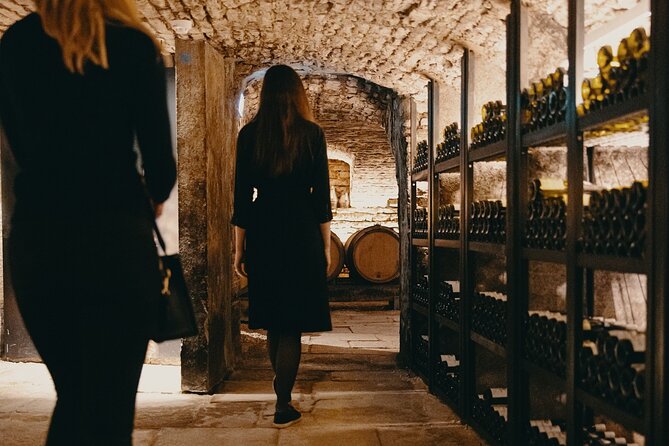
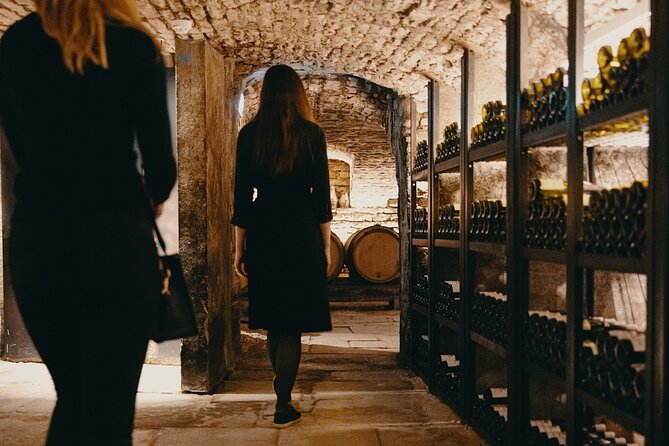
Maison Champy takes you below central Beaune into 15th-century wine cellars, then brings the story forward to a striking building inspired by the Eiffel School. Founded in 1720, it is Burgundy’s first wine estate, with a past tied to both winemaking and local science.
I like the small maximum of eight people, which gives the guide room to answer questions. I also like the clear English format and the chance to connect historic places with modern Burgundy wine, including Maison Champy’s Corton-Charlemagne Grand Cru.
The main consideration is time. At about 90 minutes, this is a focused introduction rather than a full vineyard day. You will learn a lot, but you will not tour all 21 hectares or visit several separate domaines.
Key points to know before booking
- 15th-century cellars: See historic underground spaces at Maison Champy in the heart of Beaune.
- Founded in 1720: Visit Burgundy’s first established wine estate.
- Eiffel School architecture: The winery building is listed as a Historic Monument.
- Small English tour: The group is limited to eight people, with guides including Mathis, Mathias, and Cyriane.
- Grand Cru focus: Maison Champy is known for wines such as Corton-Charlemagne.
- Easy short activity: The visit lasts about 90 minutes and costs $30.17 per person.
What makes Maison Champy different in Beaune
Beaune has no shortage of wine cellars, tasting rooms, and polished wine shops. Maison Champy gives you something more specific: one place where Burgundy’s old underground storage tradition meets a working estate with a long modern identity.
The estate dates to 1720 and is recognized as the first wine estate founded in Burgundy. That detail matters because the visit is not simply about sampling local bottles. You are seeing a property that has been part of Beaune’s wine story for more than three centuries.
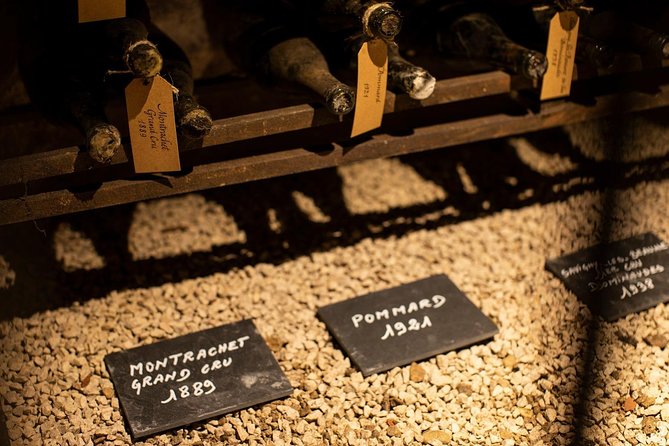
The cellars are the centerpiece. Their 15th-century date gives the visit a physical sense of age that a newer tasting room cannot match. You can connect the cool, old stone setting with the reason Burgundy wine has long depended on careful storage, patient aging, and close attention to individual parcels.
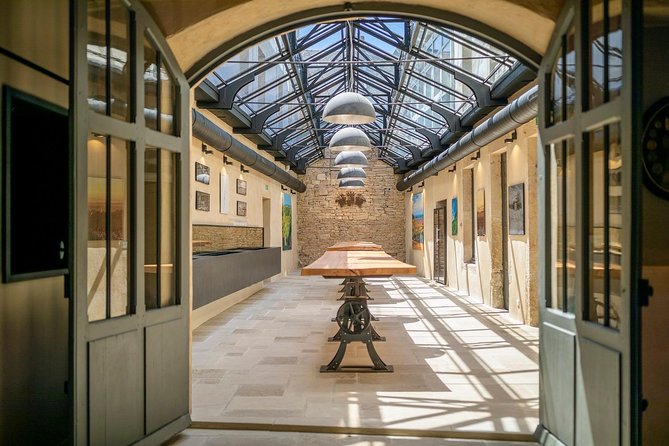
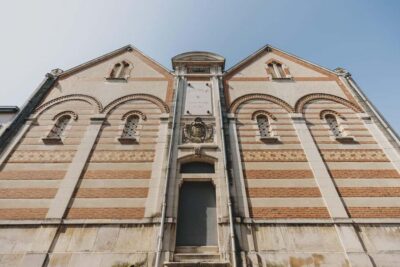
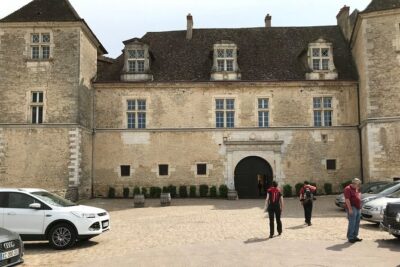
The above-ground building adds another layer. It was inspired by the Eiffel School and is listed as a Historic Monument, so the architecture is part of the tour rather than just a backdrop. If you enjoy places where design and local history matter as much as the main attraction, Maison Champy gives you more to notice than a basic tasting counter.
More Wine Cellar Visits in France
- Beaune: Maison Champy Guided Cellar Tour with Wine Tasting
★ 4.7 · 213 reviews - The Beautiful Escape, The Cellar Armand Heitz
★ 5.0 · 20 reviews - Epernay: Guided Tour of Champagne Cellar with Tastings
★ 4.7 · 507 reviews
The 90-minute route through old cellars and historic architecture
The visit centers on Maison Champy itself, located in the heart of Beaune. You are not being driven from one distant site to another, so the experience works well as a compact stop during a day of sightseeing.
The first major setting is the historic cellar network. The supplied details do not specify the exact rooms or route, so you should expect a guided visit to the estate’s historic cellar areas rather than assume access to every underground space. The age of the cellars is the important point: these are working parts of a wine property with roots in the 15th century.
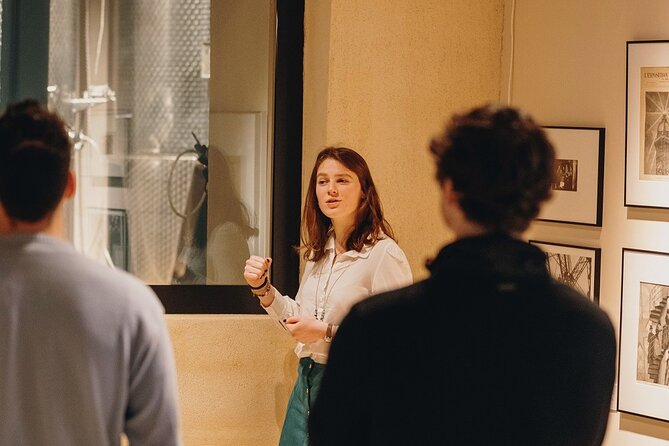
Your guide explains how the estate developed and how Burgundy wine is made. Previous English-language visits have been led by Mathis, Mathias, and Cyriane, with the spelling of Mathis and Mathias appearing differently in the available information. Cyriane is identified as the wine tourism manager and has led an English explanation of Maison Champy’s past and Burgundy wine differences.
That personal guide element matters. Burgundy can be confusing even for people who already know wine. Names often refer to a vineyard parcel, a village, or a larger appellation, and the price differences between bottles can be dramatic. A small group makes it easier to stop and ask what those terms mean.
The historic building inspired by the Eiffel School is another key stop. Its listing as a Historic Monument gives the architecture official importance, but you do not need to be an architecture specialist to enjoy it. It helps explain why this is a place to visit, not just a place to buy wine.
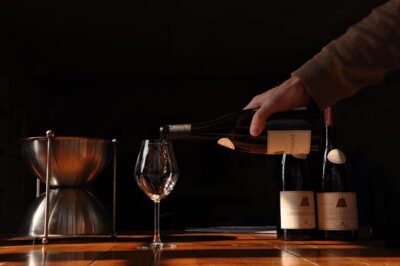
The tasting follows the cellar and estate presentation. The available information does not give a fixed list of wines, so you should not book expecting a particular number of pours or a guaranteed bottle. You can expect a selection from Maison Champy’s Burgundy range, with the estate’s Grand Cru wines, including Corton-Charlemagne, providing important context for its reputation.
Learning Burgundy wine without getting lost in jargon
The strongest educational value here is the chance to compare Burgundy’s way of thinking about wine with the way many other regions market it. Maison Champy owns 21 hectares on the Côte de Beaune, but the identity of each parcel matters as much as the size of the estate.
The tour explains differences in Burgundy wine and how the region’s places affect what appears in the glass. That is useful if you are new to Burgundy and want more than a tasting of attractive names. You can begin to understand why two wines made in the same broad region may have different styles, prices, and reputations.
The estate’s Corton-Charlemagne is especially important in that discussion. It is a Grand Cru, the top classification level in Burgundy’s vineyard hierarchy. The information provided does not promise that every visit includes a pour of Corton-Charlemagne, so treat it as part of Maison Champy’s identity rather than a guaranteed tasting selection.
A large part of the vineyards is cultivated using organic farming methods. This does not mean the entire 21 hectares are necessarily organic, and the tour information does not give certification details or a full farming breakdown. Still, it gives you a useful point of discussion about how Maison Champy works to protect the character of its vineyard parcels.
I would listen for how the guide connects farming, soil, vineyard location, and winemaking. Those links are what make a Burgundy tasting worthwhile. Without that context, you may simply decide which wine you like. With it, you have a better chance of understanding why the bottles differ.
The tasting: a practical introduction rather than a grand wine course
The tasting is likely to be the most immediately enjoyable part of the visit, but its value depends on how you approach it. This is not advertised as an advanced wine certification class or a long meal paired with multiple courses. It is a compact estate visit with wine samples at the end or during the explanation.
That makes it a good choice for a first introduction to Burgundy. You can learn the basic regional distinctions, hear about Maison Champy’s vineyards, and taste the wines while the information is still fresh.
The experience also works for people who already drink Burgundy wine. The historic cellars and the estate’s old foundation provide a sense of place that you cannot get from opening a bottle at home. You may find the tasting more satisfying if you ask how the wines relate to the Côte de Beaune and to specific vineyard parcels.
The available comments place strong emphasis on both the explanations and the quality of the wines. One French-language assessment specifically praised the standard of the explanations, the wines tasted, the beauty of the cellars, and the historical connection with Eiffel and Pasteur. Pasteur’s connection is part of the feedback about the visit, but the supplied tour details do not explain exactly how he relates to Maison Champy, so ask your guide for that context rather than assuming a particular exhibit or room.
Do not expect a tasting to feel identical on every date. Wine selections can change, and the description does not promise a set menu. The estate’s Grand Cru reputation may raise expectations, but a sensible visit is about learning how the range fits together, not simply collecting the most expensive pour.
More Wine Cellar Visits in Beaune:
- Porto: Bridges Cruise & Sunset & Port Wine Cellar Option
★ 4.2 · 4,180 reviews - Porto: Cálem Cellar Tour, Interactive Museum & Wine Tasting
★ 4.5 · 4,113 reviews - Porto: Cálem Cellar Tour, Fado Show & Wine Tasting
★ 4.4 · 3,530 reviews - Porto: Taylor’s Port Cellars & Tasting
★ 4.6 · 3,374 reviews
Why a group of eight changes the experience
The maximum group size is eight people. That is small enough to keep the cellar walk and explanation personal, without requiring you to book a private tour.
This matters most in a place like Burgundy. A guide can slow down for questions about a label, explain the difference between a village wine and a Grand Cru, or clarify a point about organic vineyard work. In a large group, those questions often disappear because everyone is waiting to move on.
A last-minute booking can also work out well. One small party booked shortly before the visit and ended up with only four people, giving the guide plenty of time to explain Maison Champy and Burgundy wine. You should not count on having a private or nearly private tour, but the eight-person limit makes that possibility more realistic than on a coach excursion.
The guide names associated with the experience include Mathis, Mathias, and Cyriane. The information describes Mathis as patient and helpful, while Cyriane is noted for explaining the estate’s history and regional wine differences in English. Guide assignments can change, so book for the Maison Champy experience rather than for a guaranteed individual.
Is $30.17 a fair price?
At $30.17 per person, this is not the cheapest way to taste wine in Beaune. You can often find a simple tasting for less, especially if you only want a few samples and do not care about the building or cellar.
The price makes more sense when you count the full package: admission to Maison Champy, a guided visit, historic 15th-century cellars, an Eiffel School-inspired building, regional wine instruction, and a tasting. You are paying for a place with an unusual setting and a clear historical identity, not only for the liquid in the glass.
It is also a better value for couples or small groups who want one structured activity during a Beaune stay. The 90-minute length leaves most of the day free for the Hôtel-Dieu, local restaurants, or other tastings. You get enough explanation to orient yourself without giving up half a day.
The price is less attractive if you already know Maison Champy well, have visited several Beaune cellars, or want extensive vineyard time. This experience does not include a tour of the wider Côte de Beaune, a full-day winery route, or a stated food pairing.
Who should book this Beaune cellar visit?
I would recommend Maison Champy to first-time Burgundy visitors who want a clear starting point. The English explanations, compact duration, and central Beaune location make it easy to fit into a larger itinerary.
Wine learners should also consider it. You can ask direct questions in a small group and see how the estate’s history, vineyards, architecture, and tasting all fit together. It is especially useful before visiting other Burgundy producers because it gives you basic regional vocabulary.
The tour suits architecture and history fans who are willing to let wine share the spotlight. The Eiffel School building, Historic Monument status, 15th-century cellars, and references to Pasteur add interest even if you are not yet confident choosing between Burgundy labels.
It may not be the right pick for someone seeking a rural vineyard walk. The experience is based at Maison Champy in central Beaune, and the stated duration is about 90 minutes. You will learn about the estate’s 21 hectares on the Côte de Beaune, but you should not expect to spend that time walking through all of them.
It may also disappoint serious collectors who want a guaranteed tasting of a particular Grand Cru. Corton-Charlemagne is part of the estate’s reputation, but no fixed tasting list is provided. If a specific bottle is essential, ask Maison Champy before booking.
Timing, transport, and cancellation details
The experience is offered in English and includes a mobile ticket. It is near public transportation, which makes it practical if you are staying in Beaune without a car.
Most people can participate, and the maximum group size is eight. The information does not provide detailed access notes for the cellar, so anyone with mobility concerns should confirm the physical arrangements with Maison Champy before paying.
The activity lasts approximately one hour and 30 minutes. It is often booked about 11 days ahead, so reserving around that point is sensible if your schedule is fixed, although the small group size may affect availability.
Free cancellation is available if you cancel at least 24 hours before the local start time. A cancellation made less than 24 hours ahead, or a change within that period, is not refunded.
Should you book Maison Champy?
Book this visit if you want a compact, historic Beaune experience that combines cellars, architecture, wine education, and tasting. The small group limit and English-speaking guides make it more useful than a quick, anonymous sample at a shop.
Skip it if your priority is a full vineyard excursion, a long food-and-wine pairing, or a guaranteed pour of a particular Grand Cru. For most first visits to Beaune, though, Maison Champy offers a sensible introduction at a fair price, with enough history and local detail to make the wine taste more meaningful.
FAQ
Where does the wine cellar tour take place?
The visit takes place at Maison Champy in the heart of Beaune, France.
How long does the Maison Champy experience last?
The tour lasts approximately one hour and 30 minutes.
What is the price per person?
The listed price is $30.17 per person.
Is the tour offered in English?
Yes. The experience is offered in English.
How many people can join the tour?
The maximum group size is eight people.
What is included in the admission?
Admission to Maison Champy is included, along with the guided visit and wine tasting described as part of the experience.
Does the tour include historic cellars?
Yes. The visit includes Maison Champy’s 15th-century cellars.
What is special about Maison Champy?
Maison Champy was founded in 1720 and is identified as Burgundy’s first wine estate. It owns historic cellars and a building inspired by the Eiffel School, both listed as Historic Monuments.
Does Maison Champy produce Grand Cru wine?
Yes. The estate is recognized for wines including the Grand Cru Corton-Charlemagne.
Can I cancel for a full refund?
Yes, if you cancel at least 24 hours before the experience’s local start time. Cancellations made less than 24 hours ahead are not refunded.
Just added around Beaune
- The Beautiful Escape, The Cellar Armand Heitz★ 5.0 · 20 reviews
- Full-day Private Burgundy Wine Route Tour from Beaune★ 5.0 · 22 reviews
- Half-day guided tour on the Burgundy wine Route in a classic car★ 5.0 · 45 reviews
- Burgundy wine trail from Beaune to Macon★ 5.0 · 3 reviews
- Discovery by bike & Tasting in the vineyards★ 4.5 · 36 reviews
- From: Dijon/Beaune: Burgundy Region Winery Tour with Lunch★ 4.7 · 43 reviews
- Small group full day tour in the Burgundy vineyards★ 4.9 · 12 reviews
- Côte de Nuits Private Local Wineries and Wine Tasting Tour★ 5.0 · 2 reviews
Beaune Vineyard Tours, compared.
Maison Champy Guided Cellar Tour with Wine Tasting
Read our review →
Private Wine Tasting Tour – Burgundy Uncorked!!
Read our review →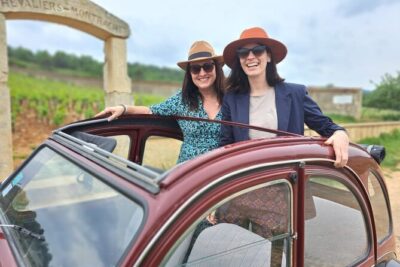
Half-day guided tour on the Burgundy wine Route in a classic car
Read our review →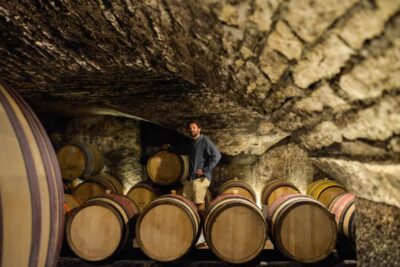
From: Dijon/Beaune: Burgundy Region Winery Tour with Lunch
Read our review →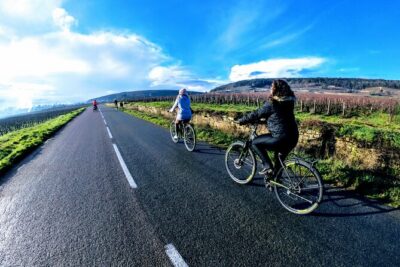
Browse the lists this tour appears in