
REVIEW · PORTUGAL
Porto: Taylor’s Port Cellars & Tasting
Taylor’s Port Cellars gives you a close look at the old working world behind one of Porto’s best-known drinks. You walk through 300-year-old cellars, follow the story with a handheld audio guide, and finish with three Port styles in a garden with views toward Porto. I especially like the freedom to set your own pace and the tasting, where staff explain each glass at your table.
I also like the setting. The cellars feel substantial, the grounds are attractive, and the final tasting is far more relaxed than a quick sample at a shop counter. The main drawback is the steep, uneven walking route, both inside and on the approach from central Porto. The audio tour is detailed, but it can feel repetitive if you already know Port well.
Key points
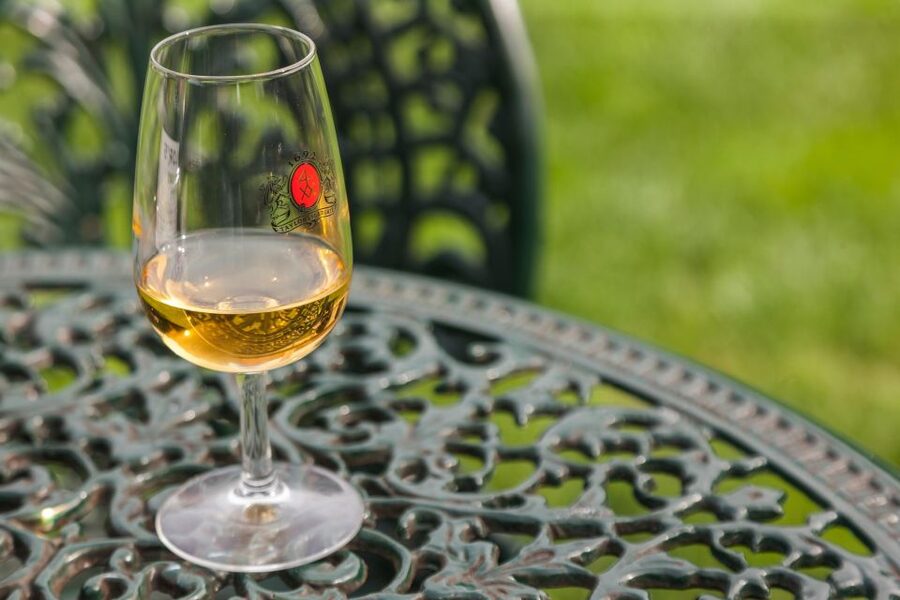
- Three distinct Port styles: Taste Chip Dry Extra Dry White, Late Bottled Vintage, and 10-year Tawny.
- A self-guided cellar visit: Use the audio device in one of 13 languages and move at your own speed.
- A genuine working setting: See the large casks and cellar spaces at Taylor’s historic Vila Nova de Gaia home.
- A fine finish in the garden: The tasting takes place in a pleasant outdoor area with views across Porto.
- Good value at $29: The price includes the tour, audio guide, three pours, and grape juice for children.
- Allow about two hours: You can move quickly, but the displays reward a slower visit.
Why Taylor’s Cellars Is Worth Your Time
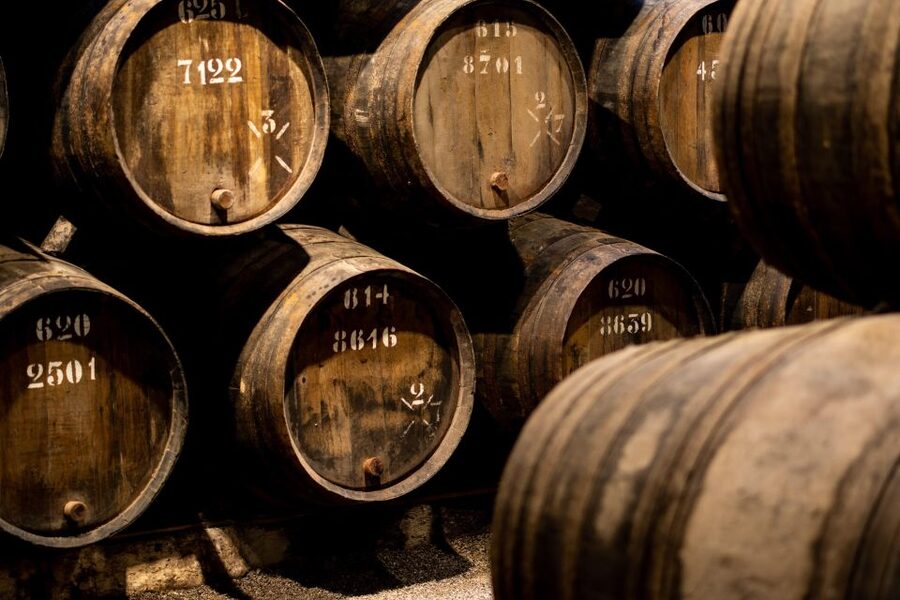
Porto’s Port houses line the Vila Nova de Gaia side of the Douro River, facing the city’s steep historic center. Taylor’s is one of the oldest names here, established in 1692. Its cellars give you more than a branded tasting room. You see the place where Port is stored, learn how the drink is made, and connect the wine to the Douro Valley upstream.
I find this useful because Port can seem simple at first: a sweet fortified wine served after dinner. The tour explains the decisions behind the different styles, from white Port to barrel-aged Tawny. It also introduces Taylor’s role in developing Dry White Port and creating Late Bottled Vintage, a style that helped make quality Port easier to enjoy without waiting for a traditional vintage bottle to mature.
This is not a formal group walk led by a guide from stop to stop. You receive an audio device and follow a marked route through the cellars and displays. That arrangement suits independent visitors, couples, and families who do not want to keep pace with a large group. You can replay information, pause for photographs, or move on when a section has given you enough.
The tradeoff is personal contact. The audio guide covers the main facts clearly, but your questions will mostly wait until the tasting. That is where staff can explain the wines and respond to what you want to know.
More Wine Cellar Visits in Portugal
- Porto: Bridges Cruise & Sunset & Port Wine Cellar Option
★ 4.2 · 4,180 reviews - Porto: Cálem Cellar Tour, Interactive Museum & Wine Tasting
★ 4.5 · 4,113 reviews - Porto: Cálem Cellar Tour, Fado Show & Wine Tasting
★ 4.4 · 3,530 reviews
Arriving in Vila Nova de Gaia
The official meeting point is Taylor’s Port Cellars, Rua do Choupelo, number 250, in Vila Nova de Gaia. From Porto’s center, you can walk, but the climb toward the cellars is steep in places. A taxi is a practical choice if you have limited energy, heavy bags, or difficulty with hills. One recent visit described a short taxi ride from central Porto costing about 5 euros, though fares can change.
The approach matters because Gaia is built on slopes. The reward is a higher position with fine views back toward Porto, but you should not treat this as a flat riverside stop. Inside the property, surfaces can also be steep and uneven. Wear shoes with a secure grip and take your time.
Taylor’s is open daily from 10:00 in the morning until 6:15 in the evening, with last entry at 6:15. Bank holiday hours can vary. Your visit is self-guided on the selected date and time, so check the available start time when booking.
Walking Through the 300-Year-Old Cellars
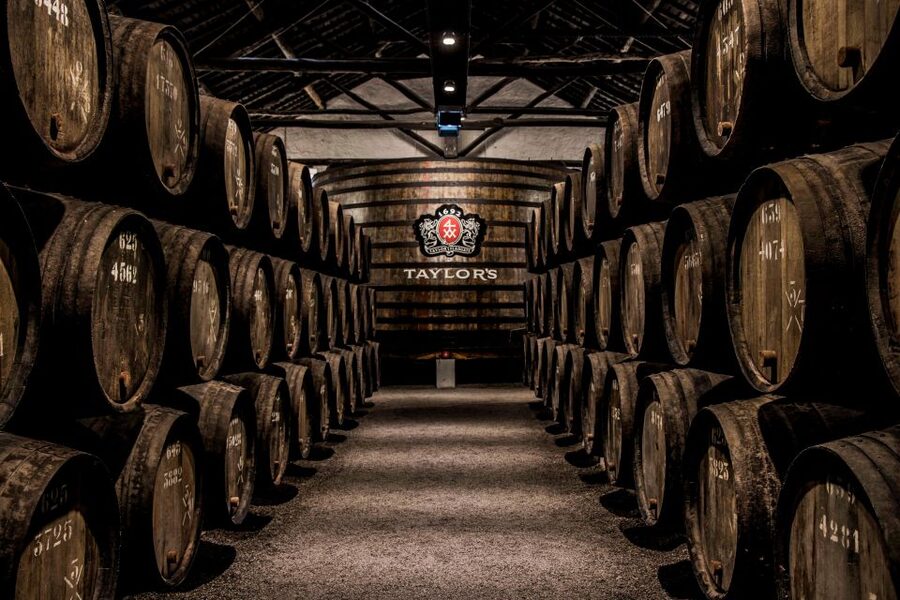
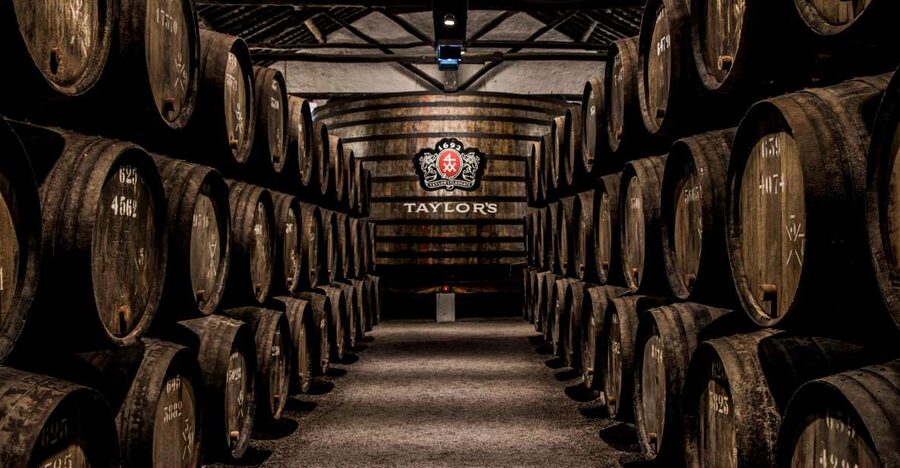
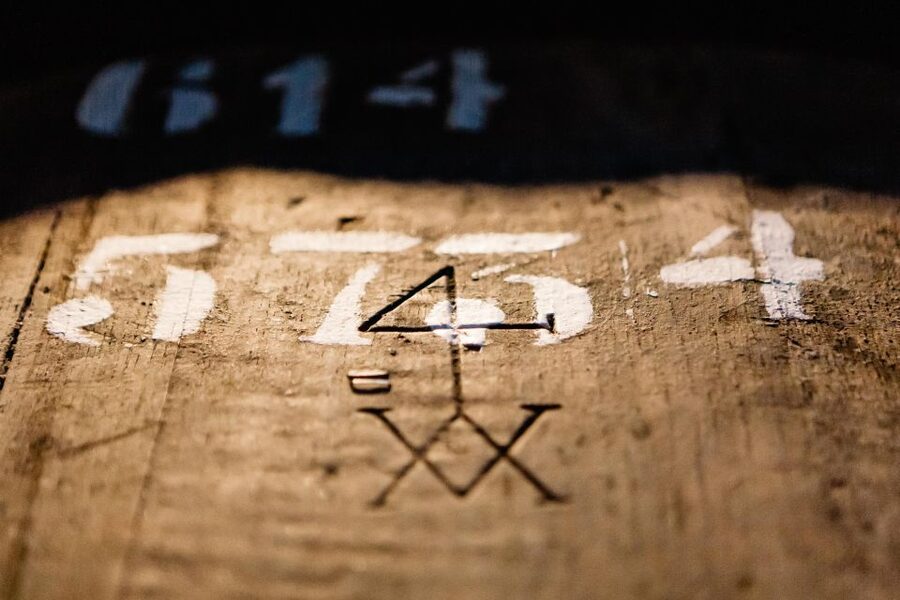
The cellar section is the heart of the visit. You move through cool, dim spaces filled with casks and large vats, then continue into displays about the company and the wine. The scale is part of the appeal. This is not simply a small museum with a few barrels placed for decoration.
Bring a light sweater or jacket. The cellars stay cool, which is welcome on a warm day but noticeable if you arrive in summer clothing. The cool air and aroma of wood give the visit a physical sense of place that a tasting bar cannot provide.
The audio guide explains several layers of the Port story:
- How Port is produced and fortified
- The role of the Douro Valley and its vineyards
- The history of Taylor Fladgate
- The differences between key Port styles
- Taylor’s work with Dry White Port and Late Bottled Vintage
I like the audio format here because you can stop beside a cask without blocking a group. The numbered route is easy to follow, and staff are available if you need help with the device or directions. At one point, the property’s numbered areas may cause a little confusion, so pay attention to the route markers rather than assuming every number follows a simple sequence.
The audio presentation is detailed enough for someone new to Port. Families can also adjust the pace. Children may lose interest in some of the company history, but they can move ahead and rejoin the group later. If you already visited several Port houses or spent a day in the Douro Valley, some explanations may repeat information you have heard before.
What the Port Story Adds to the Visit
Taylor’s history gives the tour a useful focus. You learn how the house grew from its 1692 beginnings and how Port developed as a product linked to the Douro Valley and the cellars of Gaia. The story is not only about old bottles and famous names. It shows how storage, blending, aging, and presentation shape what reaches your glass.
The explanation of Late Bottled Vintage is especially worthwhile. The style offers some of the character associated with vintage Port while being ready to drink sooner. Taylor’s helped establish it as a successful category, so this part connects the company’s past to the way many people drink Port today.
The Dry White Port story is another good detail. Many first-time visitors expect Port to be red and sweet. Chip Dry gives you a different starting point, with a white style described as extra dry. Tasting it beside the red LBV and the older Tawny makes the lesson much easier to remember.
You should not expect a full vineyard visit here. The grapes come from the Douro Valley, but the experience focuses on the cellars, production, company history, and tasting in Gaia. If you want vines, terraces, and a trip through the wine country itself, that requires a separate outing.
More Port Wine Quinta Tours in Portugal:
- Porto: Magic Train Tour and Port Wine Cellar with Tastings
★ 3.9 · 730 reviews - Porto: Port Cellar Visit and Wine Tasting at Fonseca
★ 4.2 · 450 reviews - Port Wine Tour | 3 Cellars | 7 Tastings | 12 Participants Maximum
★ 5.0 · 443 reviews - Porto: Taylor’s Port Cellars Visit & Port Wine Tasting
★ 5.0 · 414 reviews
The Three-Glass Tasting
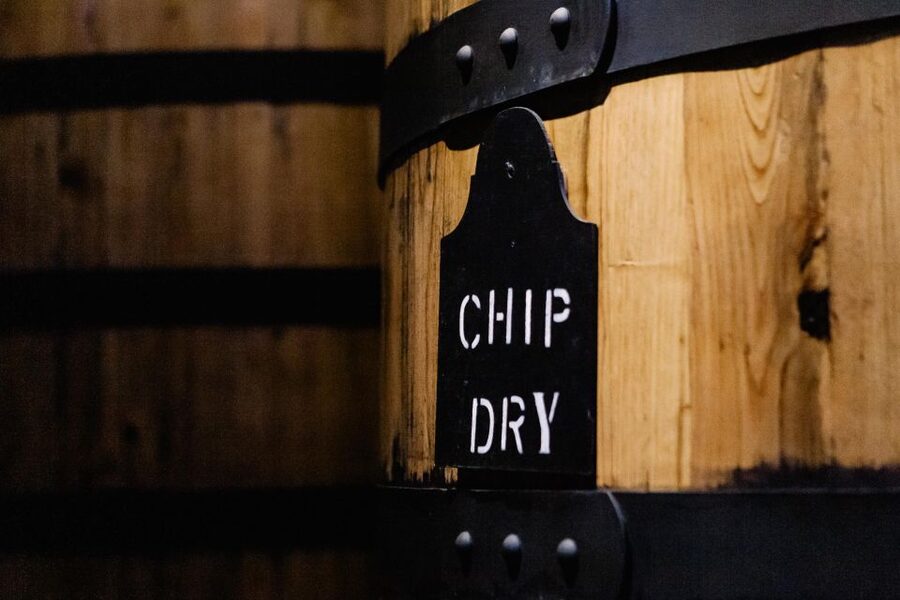
At the end, you receive three glasses:
- Chip Dry, Extra Dry White
- Late Bottled Vintage, or LBV
- 10-year-old Tawny
This is a well-chosen flight because the wines show three different directions. Chip Dry challenges the idea that all Port is heavy and sweet. LBV gives you a fuller, fruit-driven red style. The 10-year-old Tawny brings in the effects of longer wood aging, with a different color, texture, and character.
The tasting is served by a member of staff rather than left entirely to you. Staff explain each Port and answer questions at the table. Names noted during visits include Pedro, Mari, Armando, Jose, and trainee David, though the person serving you will depend on the day. The common thread is a friendly, informed presentation without pressure to buy.
The pours are generous for a tasting. That is good value, but pace yourself. Three fortified wines can catch up with you faster than expected, especially after walking up the hill and through a cool cellar.
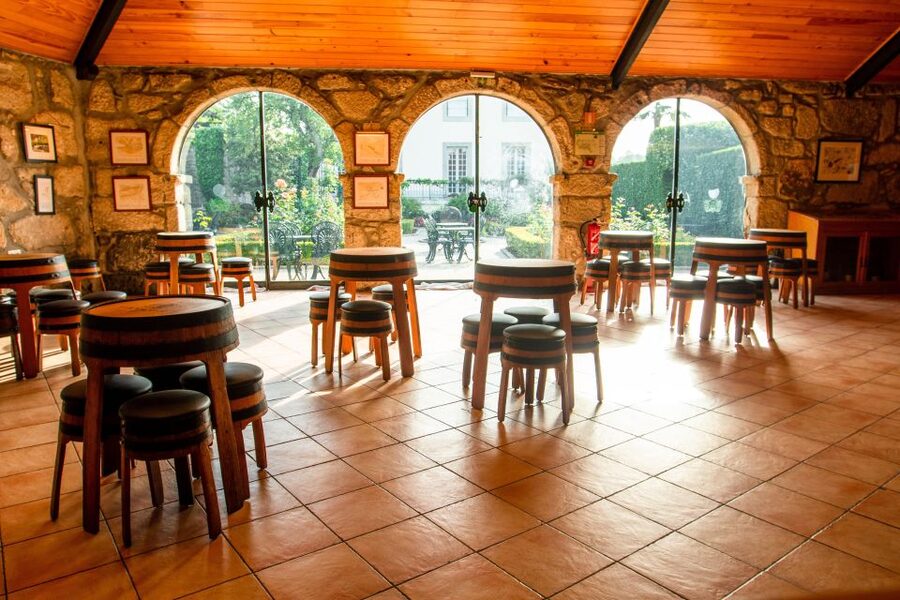
The tasting area is in a garden or courtyard, and the outdoor setting is one of the strongest parts of the experience. On a clear day, you can relax with views toward Porto. In bad weather, the indoor elements still give you a useful visit, and one visitor found the tour a good rainy-day activity.
You can sometimes order food or extra drinks after the tasting. The menu suggests pairings for individual Ports, though prices for food may feel high. Small snacks are not part of the included ticket, so consider ordering something if you want food with the wine. Service can be less consistent after the included tasting, so do not build a tight schedule around a long meal there.
Is $29 a Fair Price?
At $29 per person, the package offers solid value if you want both context and tasting. You receive entry to the cellars, an audio guide, the full production and history route, and three glasses of Port. A child receives grape juice, which makes the activity easier to include in a family day.
The value is strongest for first-time Port drinkers. You are not just paying for three samples. You are learning why those samples differ, seeing the scale of the storage spaces, and placing the wine in the history of the Douro Valley.
Port enthusiasts may judge the value differently. If you have already visited several houses and mainly want rare or premium bottles, the standard flight may feel basic. Taylor’s does offer special Ports at extra cost, but those are not part of the stated ticket and can become expensive. The included tasting is the sensible choice for comparing styles without turning the visit into a major purchase.
Compared with a full Douro Valley day, this experience is shorter and more focused. It does not replace a vineyard trip, but it costs less time and gives you a better look at the cellaring and serving side of Port. If your Porto schedule is tight, two hours here can teach you more about the drink than a quick tasting at a restaurant.
How Long You Should Allow
The official activity is valid for one day, but the actual visit is normally a focused stop rather than an all-day event. Plan on about two hours for the cellar route and tasting. A shorter visit is possible if you skip audio sections, while a careful listener may need closer to two hours or a little more.
One detailed estimate placed the audio portion at roughly 90 minutes to 1 hour and 45 minutes, followed by the tasting. That range makes sense because the experience is self-paced. I would avoid booking another fixed activity immediately afterward.
Give yourself extra time if you want photographs, garden views, food, or additional wine. There is a photo spot beside a large vat, and a complimentary photo can be emailed to you, a thoughtful touch for solo visitors. The property also gives you room to pause rather than forcing you through a timed group schedule.
Who Will Enjoy Taylor’s Most
I would recommend this for:
- First-time Port drinkers who want a clear introduction
- Couples who enjoy a relaxed tasting in a scenic setting
- Families who need freedom to move at different speeds
- Solo visitors who prefer an audio guide to a fixed group
- Wine fans interested in storage, aging, and production
- Anyone looking for a rainy-day activity in Porto
It is less suited to anyone who struggles with steep or uneven surfaces. It also may not satisfy someone seeking a technical tasting led by a winemaker or a full day among Douro Valley vineyards. The format is polished and accessible, but it remains a self-guided heritage visit with a tasting at the end.
The audio guide is available in English, Portuguese, Spanish, French, German, Italian, Japanese, Danish, Chinese, Dutch, Polish, Korean, and Russian. That wide language choice makes the visit practical for international groups.
There are no lockers listed, so avoid arriving with bulky luggage. Bring a light layer for the cellars and shoes suitable for sloped surfaces. If you want to drink at the tasting, a taxi or a slow walk back may be more comfortable than rushing uphill or across the river.
Should You Book It?
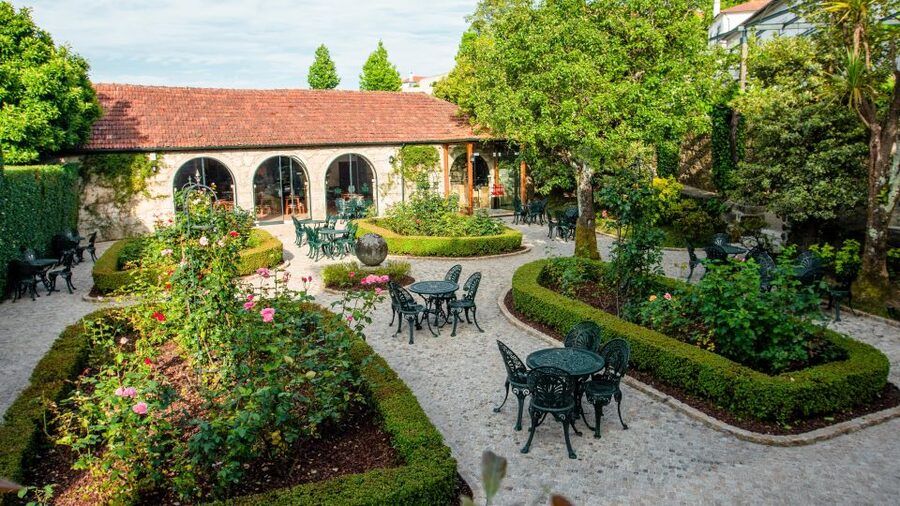
I would book Taylor’s Port Cellars if you want a well-priced introduction to Port with a strong sense of place. The large cellars, clear audio route, three contrasting wines, and garden setting give the visit a satisfying rhythm. You learn, walk, taste, and then have time to enjoy the view.
Choose another activity if your main goal is a vineyard visit in the Douro Valley, a small private tasting, or a fully guided tour with constant conversation. For everyone else, especially first-time visitors to Porto who want to understand what is in the glass, this is a smart two-hour stop. Book it, wear sensible shoes, carry a light layer, and leave room in your schedule to sit with the final Tawny.
FAQ
Where is Taylor’s Port Cellars located?
Taylor’s Port Cellars is at Rua do Choupelo, number 250, 4400-088 Vila Nova de Gaia, Portugal. It is on the Gaia side of the Douro River, across from Porto.
How long does the visit take?
The visit is self-guided, so the timing varies. Allow about two hours for the audio tour and tasting. The audio route alone may take roughly 90 minutes to 1 hour and 45 minutes if you listen carefully.
Which wines are included in the tasting?
The tasting includes one glass of Chip Dry Extra Dry White, one glass of Late Bottled Vintage, and one glass of 10-year-old Tawny. Children receive grape juice from the Douro Valley.
Is the tour guided by a person?
The cellar visit is self-guided with an audio device. At the tasting, a member of staff explains the wines and can answer questions.
Which languages are available for the audio guide?
The audio guide is available in English, Portuguese, Spanish, French, German, Italian, Japanese, Danish, Chinese, Dutch, Polish, Korean, and Russian.
Is the visit suitable for people with walking difficulties?
The cellars and approach include steep and uneven surfaces, so the activity may be challenging if you have difficulty walking. Comfortable shoes are advisable, and you may prefer a taxi for the uphill approach from central Porto.
More Food and Drink Experiences in Portugal
- Porto: Burmester Cellar Tour with Tasting & Pairing Options
★ 4.4 · 1,534 reviews - Loulé: Quinta da Tôr Winery Guided Tour and Wine Tasting
★ 4.7 · 661 reviews - Private Wine Tasting in the Setúbal Wine Region, from Lisbon
★ 5.0 · 611 reviews - From Albufeira: 4×4 Off-Road Safari & Vineyard Wine Tasting
★ 4.6 · 571 reviews
Just added around Portugal
- Lisbon & The South Side Wine Regions Private Luxury Tour★ 5.0 · 4 reviews
- Urban winery tour, premium tasting flight & tapas★ 5.0 · 4 reviews
- Arrábida Wine Tour – 3 Wineries, Traditions & Views from Lisbon★ 4.5 · 6 reviews
- Lisbon: Sintra Town,Pena Palace, Moorish Castle& Quinta Regaleira★ 5.0 · 7 reviews
- Pena Palace, Moorish Castle and Quinta da Regaleira Walking tour★ 5.0 · 2 reviews
- Setúbal: Winery & Fish Market Tasting Tour from Lisbon★ 5.0 · 35 reviews
- Sintra Palaces Private Tour with Pena Palace and Quinta da Regaleira★ 4.5 · 31 reviews
- Full Day Private Tour – Arrábida Beaches and Azeitão Wine Region★ 5.0 · 2 reviews
Portugal Vineyard Tours, compared.

Douro Valley with Winery Lunch, Tastings & Cruise
Read our review →
Cálem Cellar Tour, Interactive Museum & Wine Tasting
Read our review →
Douro Valley Tour: 2 Vineyard Visits, River Cruise, Winery Lunch
Read our review →

Tastings at 2 Wineries, Chef’s Lunch & Boat Tour
Read our review →
Douro Valley with Two Winery, Boat Trip and Lunch From Porto
Read our review →Browse the lists this tour appears in