
REVIEW · PORTO
Porto: Port Cellar Visit and Wine Tasting at Fonseca
Port wine makes more sense after you see where it rests. At Fonseca, you walk through cellars dating to 1815, follow Port from the Douro Valley to the bottle, and finish with a tasting of Bin 27 and Siroco extra dry white Port. The setting also gives you a fine view toward Porto and the Dom Luís I bridge.
I like the freedom of a self-guided visit, especially if you want to pause over old tools, photographs, and the scent-matching display. I also like the generous, relaxed tasting at the end, where staff explain the wines and help you compare red and white Port. The main drawback is that the tour depends on information panels and an audio guide, so it may feel less lively than a guided cellar walk.
- A cellar story dating from 1815: See how Fonseca grew into one of Port’s established houses.
- A clear route from Douro to glass: Learn about Quinta do Panascal, Port production, aging, and sustainable winemaking.
- Two included tastings: Sample Fonseca Bin 27 and Siroco extra dry white Port.
- A useful self-guided format: Move at your own speed instead of following a fixed group.
- A scenic tasting room: Sit with views toward Porto and the Dom Luís I bridge.
- A practical Porto alternative: Get a taste of Port culture without making the trip to the Douro Valley.
Entering Fonseca’s 200-year-old cellars
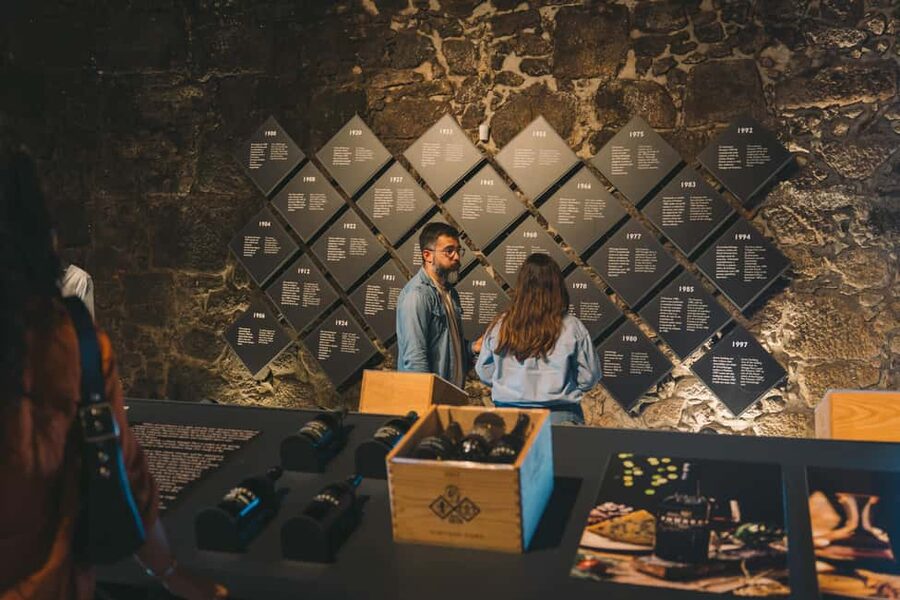
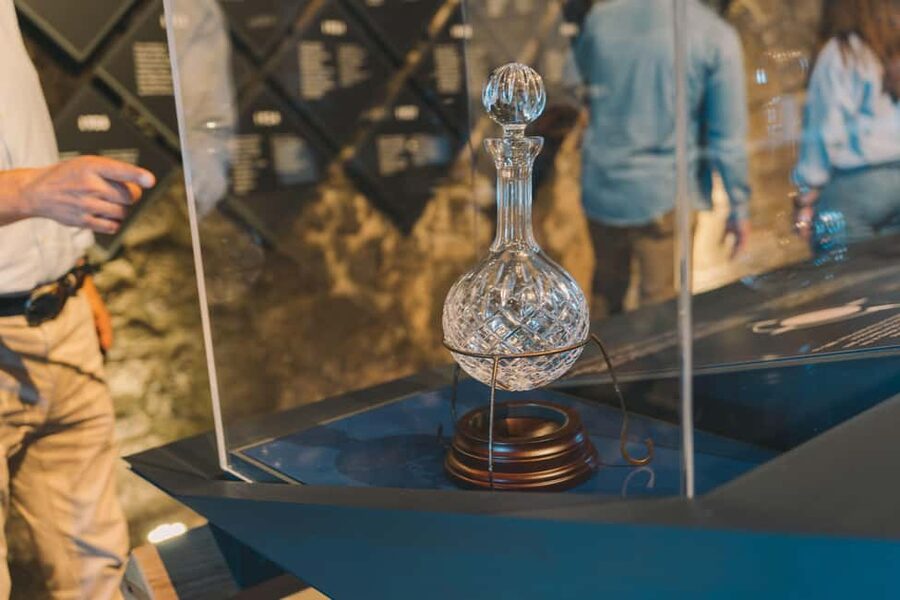
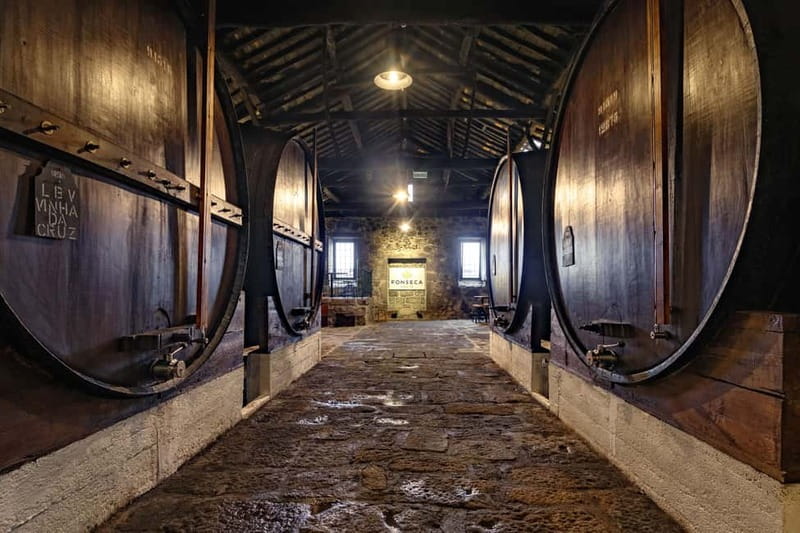
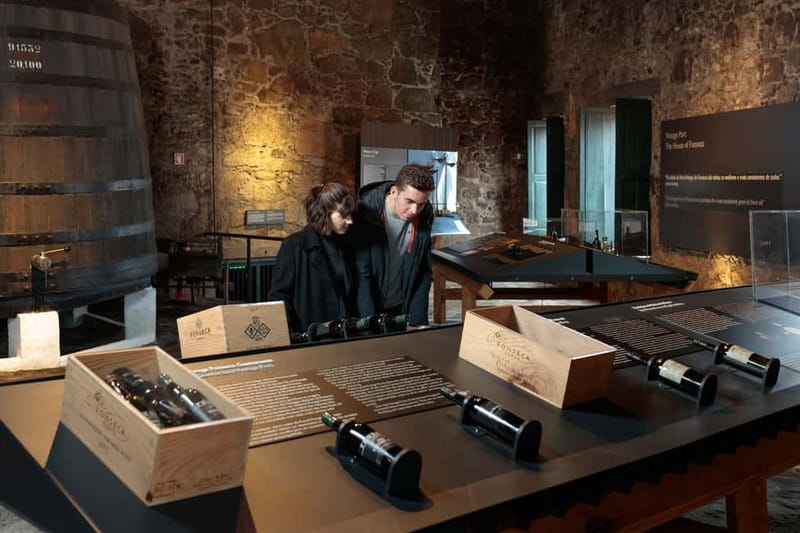
Start at the Fonseca Port Wine Cellars, where the visit follows a museum-style route through the house’s history and production story. The setting is not a modern wine bar dressed up as a cellar. It is built around the working identity of a Port producer, with photographs, objects, old tools, and displays that explain how the wine reached its present form.
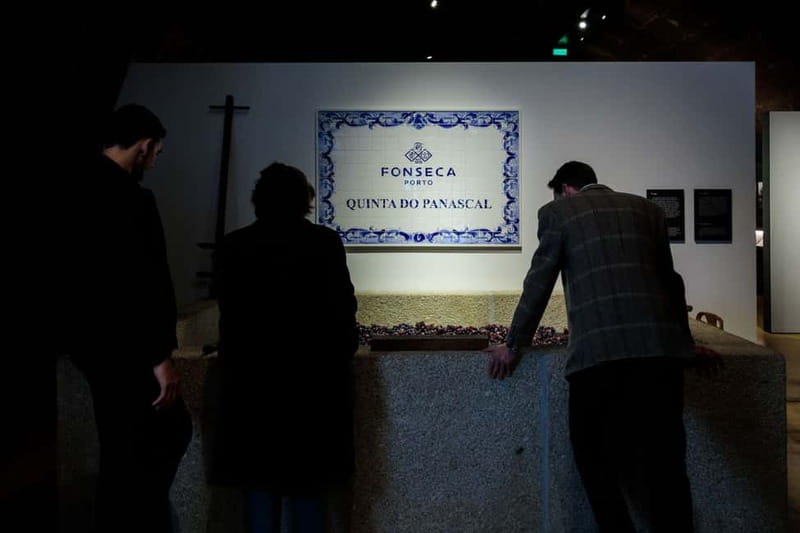
Fonseca dates its story to 1815, giving the visit a useful historical frame. You are not simply shown a few barrels and sent to the tasting room. The displays connect the company’s past with the methods used today, including the role of Quinta do Panascal in the Douro Valley.
That approach works best for visitors who like to read and stop when something catches their eye. The route is self-guided, so you are not locked into the pace of a group. You can spend more time with the history, move quickly through a familiar section, or linger before the tasting.
How the Douro Valley shapes Port
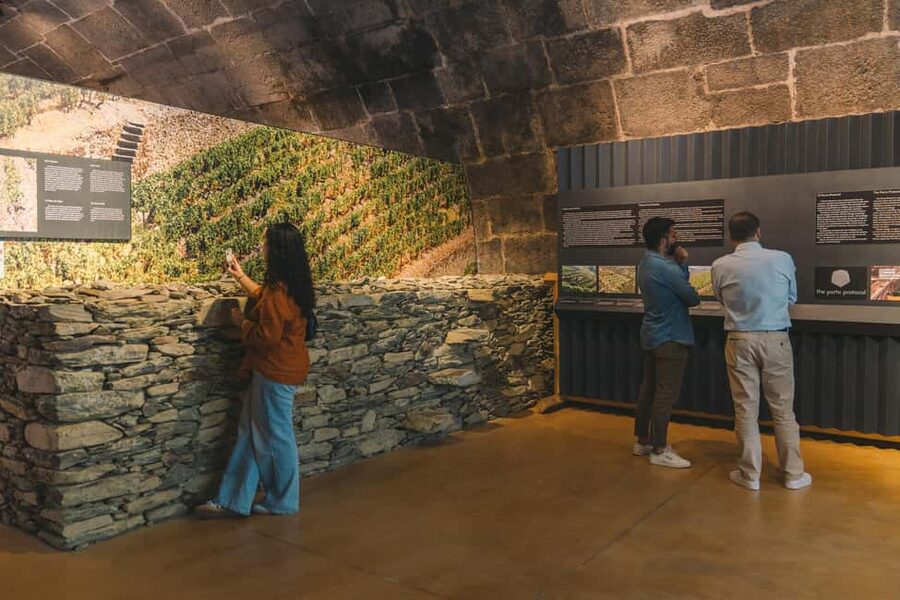
The most valuable part of the visit is the explanation of place. Port begins in the Douro Valley, not in Porto’s cellars. The grapes are grown in the Douro, and Fonseca’s Quinta do Panascal is presented as the source of the house’s Port wine.
You learn how the wine moves from its origin in the valley to the cellars, where it ages before reaching the bottle. This gives you a better understanding of why a Port cellar visit in Porto is still useful even when you do not have time for a full trip upriver.
The Douro’s role is more than a scenic backdrop. Its vineyards provide the grapes, while Porto’s cellar tradition provides the setting for aging and presentation. Fonseca’s displays explain that chain in a straightforward way, using photographs and objects rather than relying only on technical language.
If you have already visited the Douro Valley, this section helps join the two experiences together. If you have not, it gives you a basic map of how the region and the city work together in Port production.
More Wine Cellar Visits in Porto
- Porto: Bridges Cruise & Sunset & Port Wine Cellar Option
★ 4.2 · 4,180 reviews - Porto: Cálem Cellar Tour, Fado Show & Wine Tasting
★ 4.4 · 3,530 reviews - Porto: City Train Tour, River Cruise & Wine Cellar
★ 3.9 · 2,601 reviews
From traditional production to sustainable winemaking
Fonseca also gives attention to sustainable winemaking, which adds a current note to an otherwise historic visit. You learn that Port production is not only about old cellars, long aging, and established labels. The house has also played a role in more sustainable methods.
The exact amount of detail you absorb depends on how closely you read the panels and use the audio guide. Still, this section matters because it places Fonseca in the present rather than treating Port as a museum subject.
The information is available in Portuguese and English on the displays. French and Spanish information is available through QR codes, and the audio guide supports Portuguese, English, French, Spanish, German, and Korean. That makes the visit more accessible for international visitors, although you should be ready to use your phone for some language options.
A self-guided route with room to set your own pace
The audio guide gives you structure without forcing you into a group. You can take in the displays, listen to the explanations, and move onward when you are ready. For some people, that is a major benefit. You control the rhythm, and you do not have to wait while a large group gathers around one display.
The tradeoff is equally clear. A self-guided visit does not provide a dedicated host answering questions throughout the cellar. Some visitors find the audio explanations a little long, while others appreciate having time to absorb the material without a tour leader talking over it.
The displays use photographs and historical objects, and one scent-matching activity gives the route a more hands-on moment. It is a small feature, but it breaks up the reading and helps you think about the aromas associated with wine.
I would allow enough time to listen properly rather than racing through. At the same time, this is a good option if you have only an extra hour in Porto and want something more substantial than a quick glass at a bar.
The cellar route and what you will see
The visit moves through several parts of Fonseca’s story rather than presenting one long tasting session. You first get the company background, then the Douro connection, then the production and aging process.
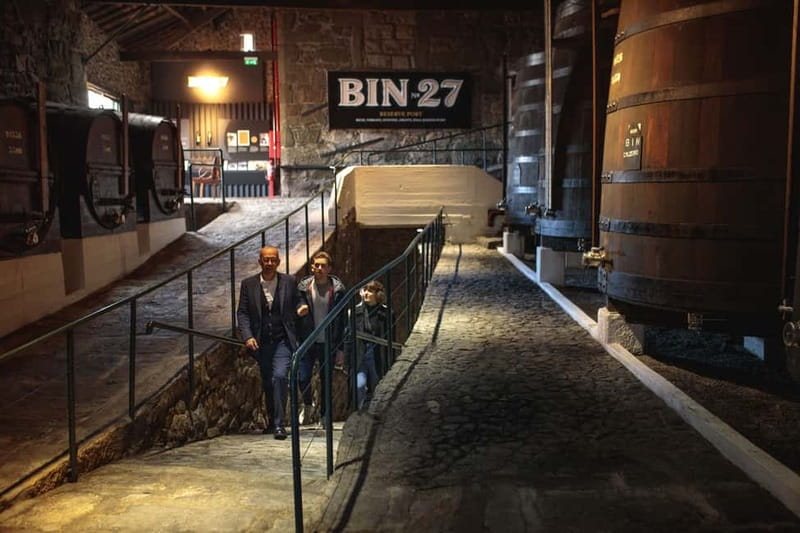
The cellar itself is the main setting. Uneven and steep surfaces are part of the route, so this is not a good choice for anyone with difficulty walking or a mobility impairment. Wear comfortable shoes and take care on the slopes and changes in level.
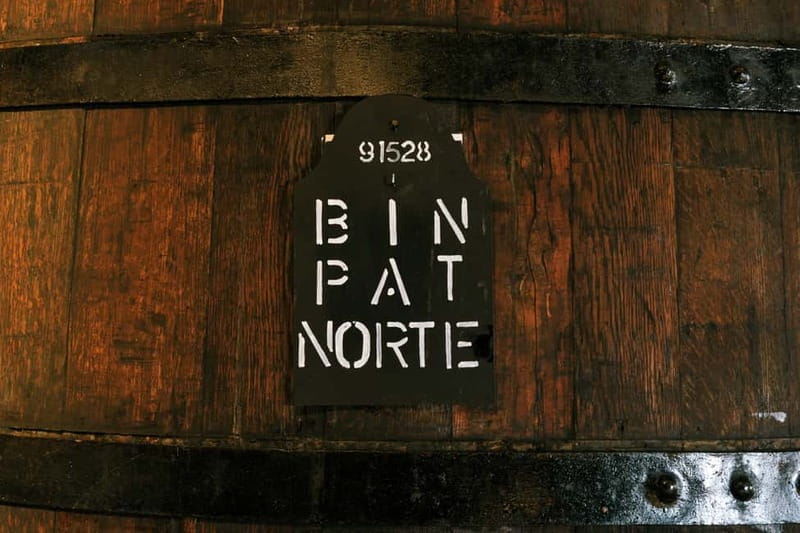
The historical displays work well because they explain the objects around you. Old tools and photographs are not presented as decoration alone. They help show how Port production developed and how a major house kept its identity over time.
The final section leads you toward the tasting area. That change of mood is part of the appeal. You move from reading and listening to sitting down, looking at the glass, and putting the earlier explanations to use.
More Wine Cellar Visits in Portugal
- Porto: Hop-on Hop-off Bus with Optional Cruise & Wine Cellar
★ 4.1 · 934 reviews - Porto: Magic Train Tour and Port Wine Cellar with Tastings
★ 3.9 · 730 reviews - Visit to Cockburn’s Cellars
★ 5.0 · 526 reviews - Port Wine Tour | 3 Cellars | 7 Tastings | 12 Participants Maximum
★ 5.0 · 443 reviews
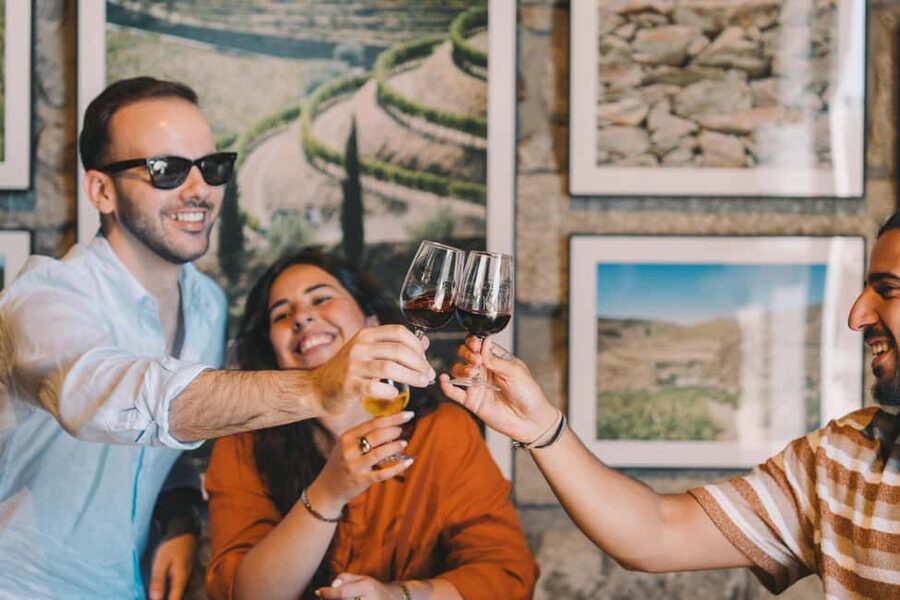
Bin 27 and Siroco at the tasting table
The standard tasting includes one glass of Fonseca Bin 27 Port and one glass of Siroco extra dry white Port. That gives you two very different ways to approach Port. Bin 27 is the house’s signature Port, while Siroco brings a drier white style into the comparison.
The tasting is commented, so staff explain what is being poured and how to think about it. Christian, who has been praised for his good humor and clear presentation, is one of the staff members associated with the tasting experience. Staff may also suggest food combinations, with cheese and biscuits available in some tasting setups.
You should remember that Port is strong. One visitor specifically noted that the wines were around 20 percent alcohol. Sip slowly, especially if you are not used to fortified wine.
Bin 27 is likely to appeal to people who prefer a fuller, sweeter red Port. It can also surprise visitors who do not usually choose red wine. Siroco may suit you better if you prefer a lighter, drier style. The point is not to choose a winner, but to notice how much the style changes from one glass to the next.
Extra tasting sets are available for visitors who want to compare more Fonseca wines. These are not part of the basic included tasting, so ask about the options and price before ordering.
Views toward Porto and the Dom Luís I bridge
The tasting room adds one of the nicest touches to the visit. You can sit near a window with views toward Porto and the Dom Luís I bridge, turning the tasting into a proper pause rather than a quick stand-up sample.
That view is especially useful if you have spent the day walking. You can take your time with the glasses, look across the river, and let the visit slow down. The combination of cellar atmosphere and city scenery gives the experience more character than a tasting counter alone.
The view also helps place Port in its setting. You are tasting a wine tied to the Douro Valley while looking across the city that made Port cellars famous. It is a simple connection, but it gives the visit a stronger sense of place.
The Fonseca shop and taking Port home
After the tasting, you can browse the Fonseca Shop. It carries bottles and Port-related gifts, so you can take home a wine you liked instead of trying to remember the label later.
Bin 27 is reported to sell for about €14 a bottle at the shop, though prices can change. At that level, buying a bottle makes sense if you enjoyed the tasting and want a practical souvenir. You also avoid choosing blindly from a shelf because you have already sampled the house style.
The shop is not a reason to book the visit by itself, but it rounds out the experience. The tasting helps you make a more informed choice, and staff can explain the different bottles if you want to try something beyond the included pours.
Is $18 a fair price?
At $18 per person, the experience is good value if you want more than a tasting. You receive cellar access, historical and production information, a multilingual audio guide, two Port samples, and time to enjoy the setting.
The price is less compelling if all you want is a quick glass of Port. The visit is built around the story of Fonseca, so you should be willing to spend time with the displays and audio material. If you already know Port well and prefer a formal, expert-led tasting, the basic visit may feel limited unless you add one of the larger tasting sets.
For most first-time Port drinkers, the value is solid. You get a clear introduction to the Douro connection, a look at cellar traditions, and a direct comparison between red and white Port. You also get a scenic place to sit at the end.
Timing, access, and practical details
Fonseca is open daily from 11:00 a.m. until 6:00 p.m., with last entrance at 6:00 p.m. Opening times can change on bank holidays, so check the official website before setting out.
The experience is valid for one day at the selected date and time. It is self-guided, so the practical advantage is flexibility once you are inside. The booking also allows cancellation up to 24 hours in advance for a full refund, and you can reserve now and pay later.
The route has steep and uneven surfaces. If you have mobility concerns, this is not the right cellar visit for you. Children aged 8 to 17 can receive grape juice from the Douro Valley instead of the wine tasting, which makes the experience possible for families, though the historical displays may appeal more to older children.
There is a clean visitor toilet, and the staff are generally friendly and quick during the tasting. One visitor did not receive an English audio device, so if you depend on a particular audio format, confirm the available option when you arrive.
Who should book this Fonseca visit?
I would choose this experience if you are staying in Porto and want a manageable introduction to Port without traveling into the Douro Valley. It suits curious first-time drinkers, couples who want a relaxed afternoon stop, and visitors who like combining history with a drink.
It is also a good choice for people who dislike large guided groups. You can move at your own speed, and the tasting staff provide the personal explanation at the point where it matters most.
I would hesitate if you want vineyard views, a full day in the Douro, or a detailed lesson led by a wine specialist from start to finish. This is an urban cellar experience, not a vineyard excursion. The self-guided format is convenient, but it places more responsibility on you to read, listen, and ask questions.
Should you book it?
Book it if you have about an extra hour, enjoy Port, and want context for the glass in your hand. The strongest parts are the clear Douro-to-cellar story, the freedom to explore at your own pace, the Bin 27 and Siroco comparison, and the view of Porto from the tasting room.
Skip it if steep surfaces are a problem or if you have already seen several similar Port cellars and want a more specialized tasting. For most visitors who want a first look at Fonseca without committing to a full-day wine trip, $18 is a sensible spend.
FAQ
Where does the Fonseca Port cellar visit begin?
You begin at the Fonseca Port Wine Cellars.
How long is the experience?
The booking is valid for one day, but the visit is self-guided and does not state a fixed tour length. It can fit into an extra hour if you move at a steady pace.
What are the opening hours?
Fonseca is open daily from 11:00 a.m. until 6:00 p.m., with last entrance at 6:00 p.m. Bank holiday hours may vary.
Is the visit guided by a person?
The cellar visit is self-guided. An audio guide is available in Portuguese, English, French, Spanish, German, and Korean.
What languages are used in the displays?
The displays are in Portuguese and English. French and Spanish information is also available through QR codes.
Which Port wines are included?
The standard tasting includes one glass of Fonseca Bin 27 Port and one glass of Siroco extra dry white Port.
Is there a non-alcoholic option for children?
Yes. Children aged 8 to 17 can receive one glass of grape juice from the Douro Valley.
Can I taste more than two wines?
Yes. Additional tasting sets with several Fonseca wines are available for visitors who want a broader comparison.
Is the cellar suitable for people with mobility impairments?
No. The route includes steep and uneven surfaces and is unsuitable for anyone who has difficulty walking.
Can I cancel the booking?
You can cancel up to 24 hours in advance for a full refund. A reserve-now, pay-later option is also available.
More Food and Drink Experiences in Porto
- Porto: Cálem Cellar with Chocolate, Cheese, and Wine Tasting
★ 4.6 · 310 reviews - Porto: Cálem Cellar Tour, Live Fado Show and Wine Tasting
★ 4.0 · 295 reviews - MagicTrain Tour and Port Wine Cellar Visit & Tasting
★ 3.0 · 125 reviews - Porto Full-Day Tour with Douro River Cruise and Port Wine Tasting
★ 5.0 · 93 reviews
More Port Wine Quinta Tours in Porto
- Porto: Taylor’s Port Cellars Visit & Port Wine Tasting
★ 5.0 · 414 reviews - Porto Half-Day Guided Historical Tour with Port Cellar Visit and Tasting
★ 5.0 · 217 reviews - Douro Valley: Winery Tour at Quinta do Tedo and Tastings
★ 4.6 · 147 reviews - Porto: Taylor’s Port Cellar Tour & WOW The Wine Experience
★ 4.5 · 136 reviews
Just added around Porto
- Porto to Gaia Experience: City Walk and Wine Cellars★ 4.7 · 12 reviews
- Porto tour with Port Wine tasting in a hidden wine cellar!★ 5.0 · 3 reviews
- Porto: Douro Valley Private Grand Experience – Private★ 5.0 · 16 reviews
- Porto: Guided City Walking Tour & Port Wine Cellar★ 4.9 · 18 reviews
- Private Porto Half-Day Tour – Wine Cellars & Cheese Tasting★ 5.0 · 3 reviews
- Porto: Fonseca Wine Cellar & WOW The Wine Experience★ 4.6 · 25 reviews
- Porto: Douro Valley Tour with 2 Wineries, Lunch and Cruise★ 4.9 · 18 reviews
- Porto: Fonseca Cellar Tour & WOW Museum Pack★ 3.7 · 3 reviews
Porto Vineyard Tours, compared.
Douro Valley with Winery Lunch, Tastings & Cruise
Read our review →
Douro Valley Tour: 2 Vineyard Visits, River Cruise, Winery Lunch
Read our review →

Tastings at 2 Wineries, Chef’s Lunch & Boat Tour
Read our review →
Douro Valley with Two Winery, Boat Trip and Lunch From Porto
Read our review →
Douro Valley Wine Tour: 3 Vineyard Visits, Wine Tastings, Lunch
Read our review →
Douro Valley with Small Wineries, Lunch and Boat Tour
Read our review →Browse the lists this tour appears in