
REVIEW · SPAIN
Ribera del Duero: Experience, vineyard, and 4×4 ride, plus an aperitif and tasting.
The unusual part comes first: you climb into a 1964 Mercedes UNIMOG 401, rumble through Viñas del Jaro’s 65 hectares, and stop to taste wine beside the vines and at scenic points above the estate. Later, you taste wine straight from the barrel and compare it with bottled wine.
I like the clear link between soil, vines, and flavor, and I like that sommelier-led guide Miguel makes the technical side easy to follow. The main consideration is the weather: the outdoor aperitif depends on conditions, and the open-air 4×4 ride may be less comfortable in heat, cold, or rain.
Key points to know before booking
- A 1964 UNIMOG is your vineyard transport: This is a working historic 4×4, not a standard coach, so the ride itself is part of the fun.
- Five soil types shape the tasting: Viñas del Jaro covers part of the valley and rises toward Mount Jaro, with distinct ground conditions across the estate.
- You taste wine at several stages: Expect samples from fermentation or the barrel, followed by bottled wine in the winery.
- Miguel brings the vineyard to life: His explanations cover vine age, vine types, soil, harvest work, and fermentation in a friendly, relaxed way.
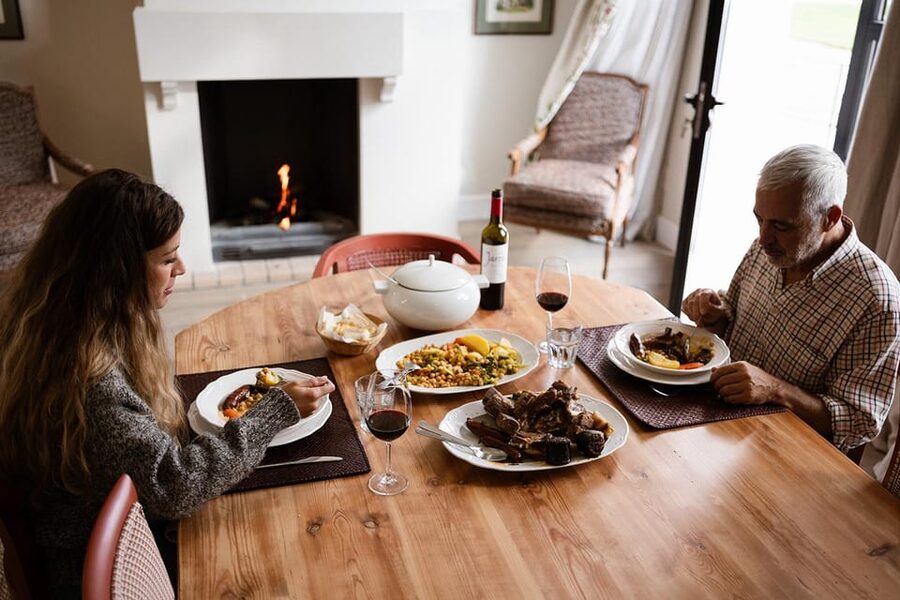
- The food is simple and local: Local artisan cheese, Iberian cold cuts, and other small bites accompany the wines.
- The group is limited to eight: That small size should make it easier to ask questions and hear the guide.
Why this Ribera del Duero outing feels different
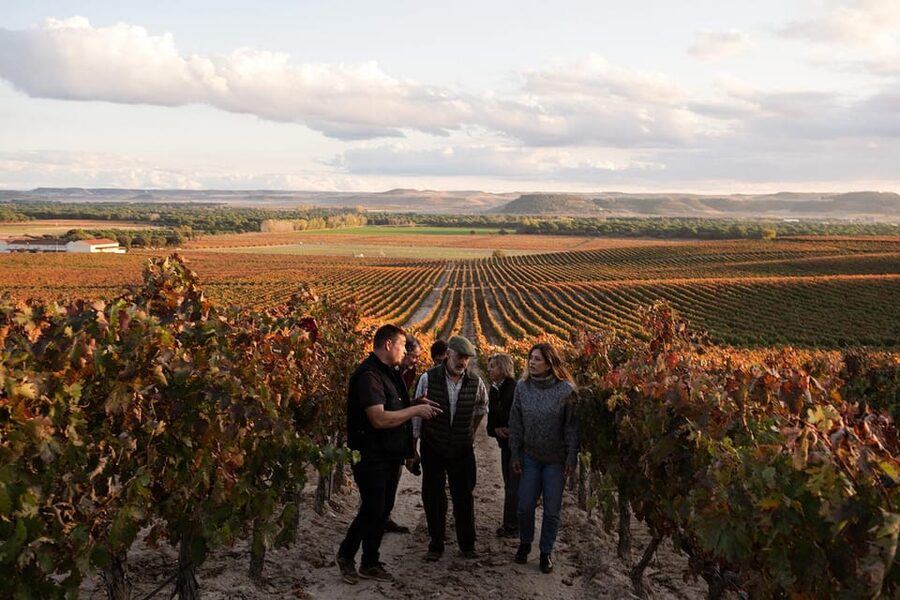
Many winery visits keep you inside a tasting room or production building. This one begins by taking you across the estate itself, from the valley toward Mount Jaro. You get a physical sense of the place before tasting what comes from it.
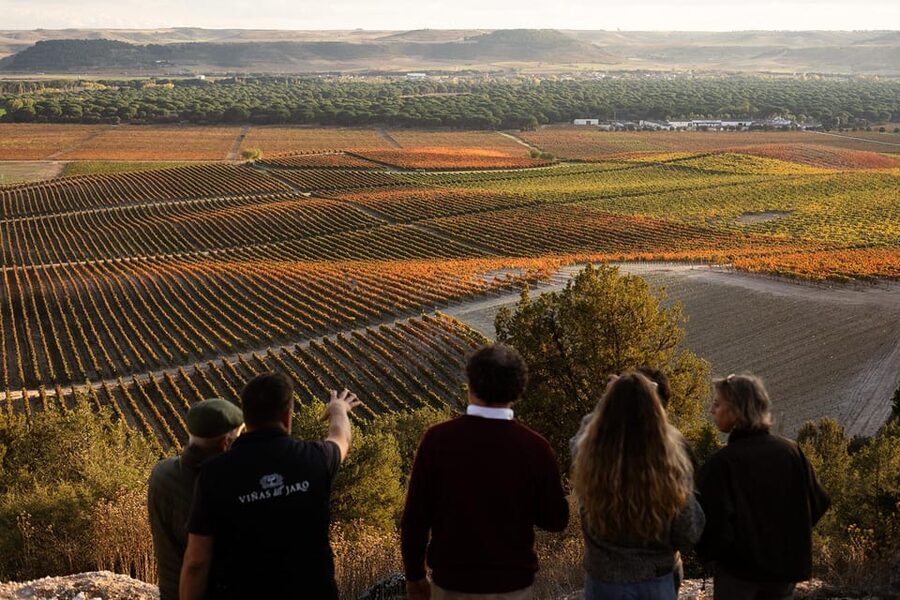
That matters in Ribera del Duero. The estate has up to five types of soil across its 65 hectares, and the tour uses those differences to explain why wines from the same broad region can have distinct character. I find that far more useful than hearing a long list of wine terms without seeing the ground beneath the vines.
The visit also follows wine through its working stages. You do not only taste a finished bottle. You may taste wine from fermentation or from a barrel, then compare it with bottled wine. You can notice how the flavor and texture change as the wine develops, which gives the tasting a practical purpose.
At $41 per person, this is not simply a quick glass of wine with a short talk. You are paying for a two-hour small-group visit, a historic vehicle ride, guided vineyard time, three wines, and food. For anyone interested in how wine is made, that makes the price reasonable.
More Rioja and Ribera Wine Tours in Spain:
- Ribera del Duero Wineries Guided Tour & Wine Tasting from Madrid
★ 5.0 · 328 reviews - Ribera del Duero:4 Wineries, tasting & Lunch included from Madrid
★ 5.0 · 199 reviews - From Madrid: Ribera del Duero Tour of 3 Wineries w/ Tastings
★ 4.9 · 150 reviews
Meeting the estate in a 1964 UNIMOG
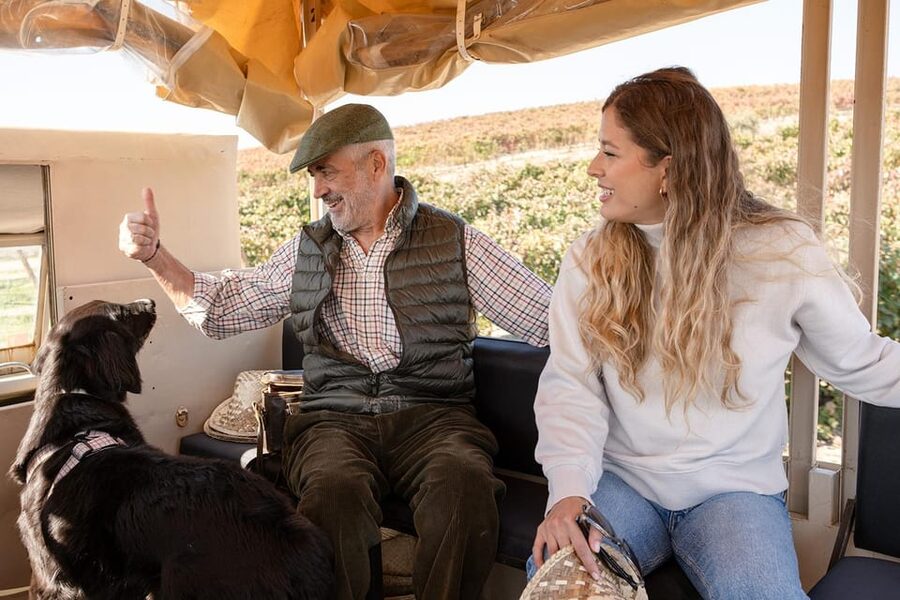
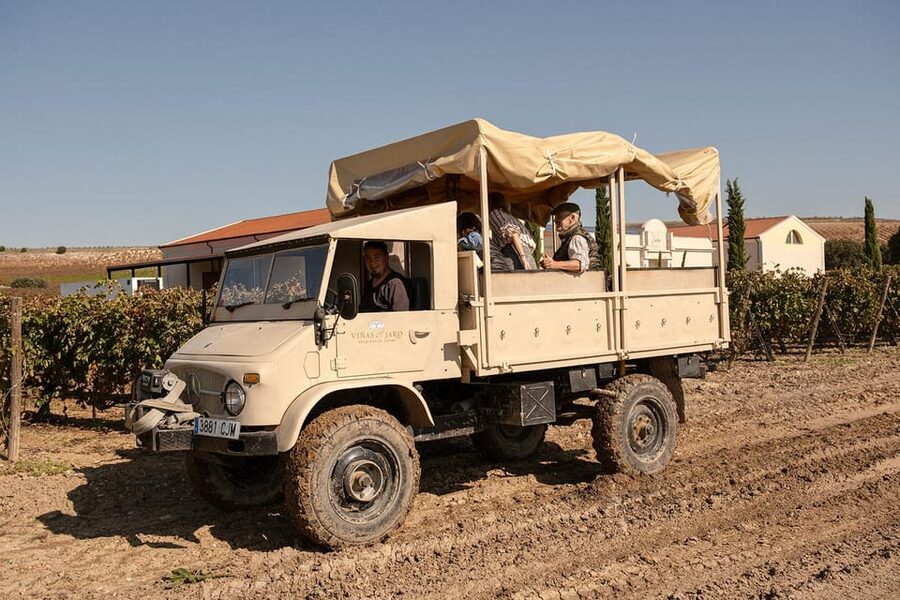
You meet at the main entrance of Viñas del Jaro, then board the historic 4×4 with a driver and guide. The Mercedes UNIMOG 401 dates from 1964, and its old-fashioned character adds something that a modern minibus cannot.
I would think of the UNIMOG as a safari truck rather than a comfortable tour bus. The point is to get outdoors, move through the vineyard, and reach parts of the estate that would feel remote from a standard tasting room. You should expect a more rustic ride and keep your clothing practical.
The route crosses Finca del Quiñón, an estate that includes part of the valley and climbs toward Mount Jaro. The high point is the viewpoint, where you can look across the winery’s own vines and surrounding mountain area. The views are one of the strongest reasons to choose this experience over a conventional indoor visit.
The estate is also home to wildlife such as roe deer, rabbits, and imperial eagles. Seeing an animal is never guaranteed, and the tour is not presented as a wildlife excursion, but the presence of these species helps explain the setting. This is a working vineyard with living space around it, not just rows of vines arranged for photographs.
Reading the vines, soil, and mountain
The guide explains the estate while you move through it, with stops at useful points rather than one long speech. That format works well because you can connect the explanation to what is in front of you.
You learn about different types of soil, different ages of vines, and different vine varieties. These details help you understand why the winery does not treat every part of its property in the same way. Soil affects drainage and growing conditions, while vine age and variety contribute to the final wine.
Guide Miguel receives especially strong praise for making this information approachable. Even if you know little about wine, you can follow his explanations. He has a warm style and uses the ride, the stops, and the tastings to keep the visit moving.
I like that this is not built only for serious wine collectors. You can arrive with very little knowledge and still get something useful from it. At the same time, the chance to taste wine in production gives more experienced drinkers something to examine.
Harvest season adds another layer. In September and October, you might see harvesting activity, depending on the timing of your visit. One September visit included grape picking and pressing by foot, but those activities should be treated as seasonal possibilities rather than guaranteed parts of every departure.
The Mount Jaro viewpoint and outdoor aperitif
The ride climbs toward the estate’s viewpoint on Mount Jaro. This is the tour’s most scenic stop and a good place to understand the scale of the property. You can see how the vines occupy both the valley and the rising ground above it.
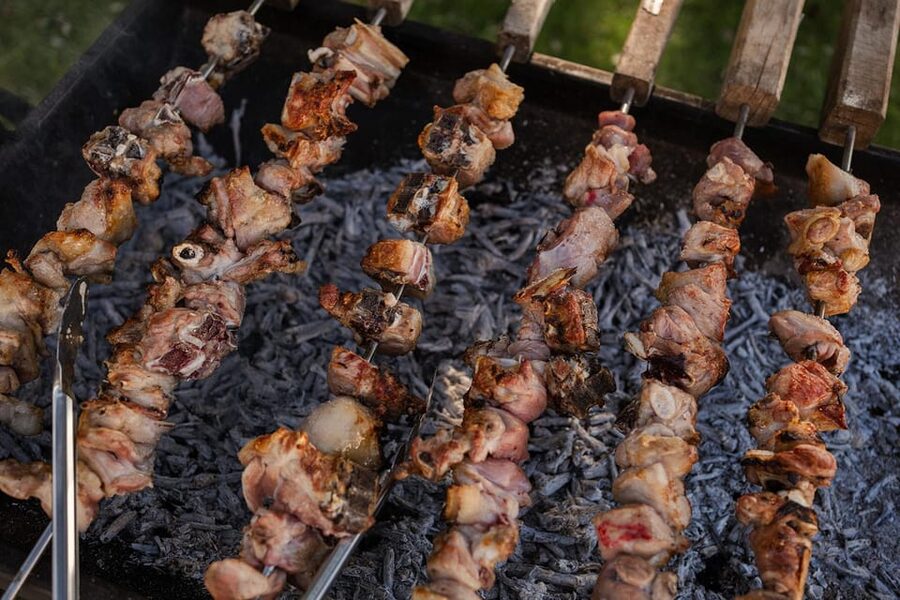
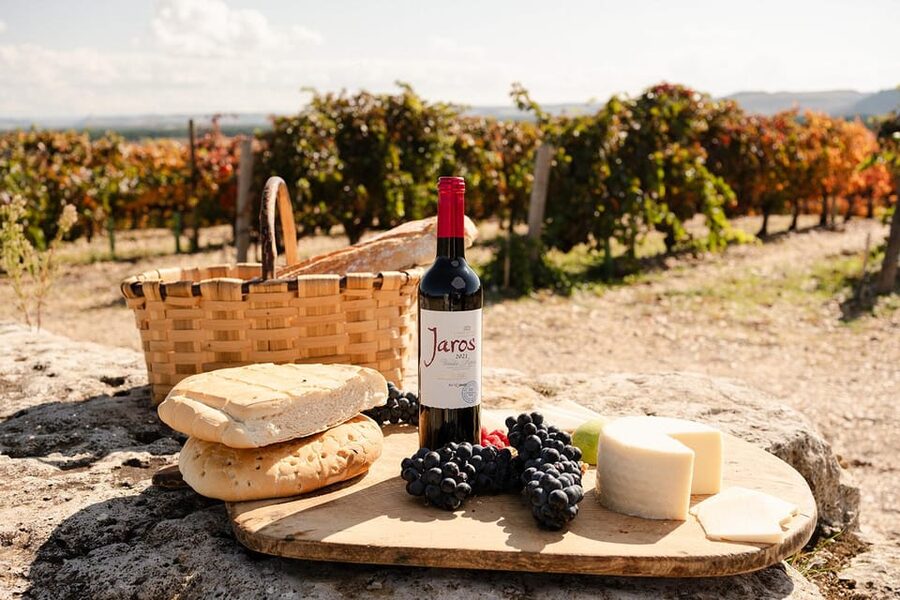
Depending on the weather, you may have an aperitif in the vineyard. The food includes local artisan cheese and Iberian cold cuts, with wine served as part of the stop. This is a small spread, not a full meal, so I would have lunch beforehand if you normally need more than a snack.
The outdoor tasting gives the wine a useful sense of place. You are not just sitting at a table hearing about the vineyard. You are tasting near the vines, with the soil and views around you. That can make the talk about growing conditions feel less abstract.
Weather is the main variable here. A sunny day should make the stop especially pleasant, while poor conditions may move the aperitif indoors or change the feel of the visit. Bring clothing suited to being outside, even if the forecast looks mild. The estate reaches higher ground, and the experience is designed around open-air movement.
More Food and Drink Experiences in Spain:
- Toledo Tour & Vineyard Walk with Wine Tasting from Madrid
★ 5.0 · 2,546 reviews - Madrid Countryside Wineries Guided Tour with Wine Tasting
★ 5.0 · 740 reviews - Jerez: Bodegas Fundador Guided Tour with Tasting Session
★ 4.8 · 714 reviews - Jerez: Guided Winery Tour with Wine Tasting
★ 4.4 · 636 reviews
Tasting wine straight from the barrel
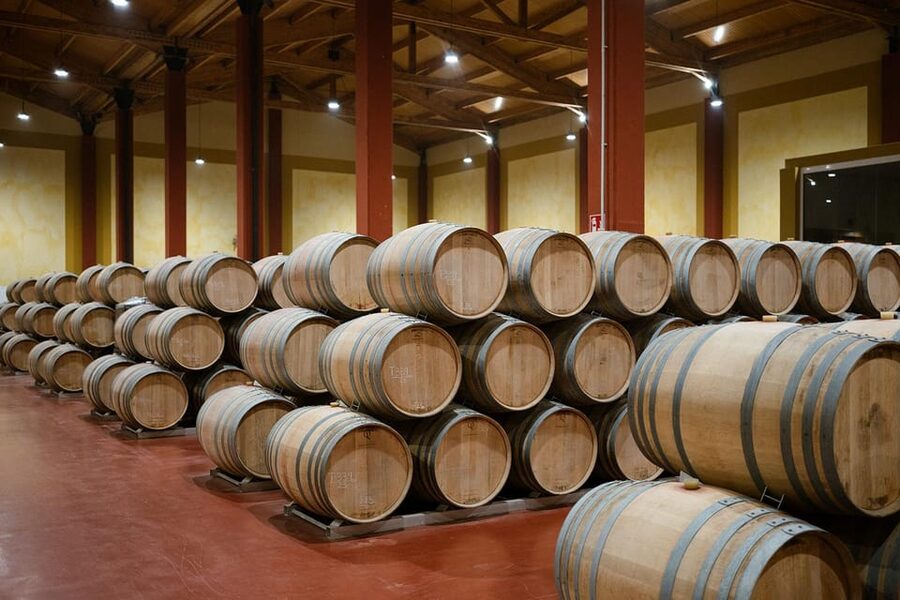
After returning from the viewpoint, you go into the winery for the production side of the visit. Here, the focus shifts from the property to fermentation, aging, and refinement.
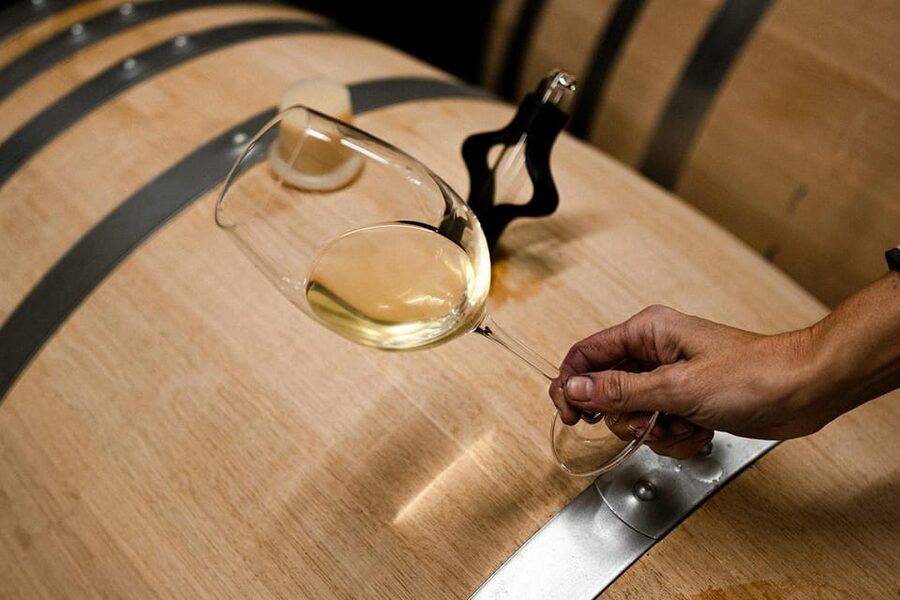
The guide or winemaking team explains how the wine changes during these stages. You taste directly from the barrel and may also sample wine from fermentation. These are not finished products in the usual sense, so the flavors can be less polished and less predictable than what you find in a bottle.
That is precisely the point. You get to compare wine while it is still developing with wine that has already been bottled. The difference can show up in the aroma, texture, balance, and length of the finish. I find this kind of tasting more revealing than sampling three finished wines with no explanation of how they got there.
The winery section also helps you connect the earlier vineyard talk to the final drink. Soil and vine conditions begin the process, but fermentation, storage, and refinement shape what reaches the glass. The tour gives you a brief look at each part without pretending that a two-hour visit can cover every detail of winemaking.
Three wines and a simple Iberian bite
The experience includes three different wines. One portion is tasted from the barrel or during production, while another is served bottled in the winery rooms. The exact wines can vary with what is being made and what the estate chooses to show that day.
Food is kept straightforward: local cheese and Iberian cold cuts. That is the right scale for a wine tasting because the food supports the wine without turning the visit into a formal meal. The salt and fat of the cold cuts can also make younger or more structured wines easier to taste.
Do not book this expecting a large lunch or a long restaurant-style pairing. Book it for a thoughtful snack during an outdoor estate visit. If you want more food before or after, plan that separately.
The bottled wine portion gives you the clearest idea of what you might want to buy. The winery offers special prices for purchases made there, but any bottles you buy are extra. I would wait until after the barrel samples and final tasting before deciding. You may prefer a wine that seemed less obvious at the start.
What makes the guide important
The quality of this experience depends heavily on the person leading it. Miguel’s role is not limited to driving you between points. He explains the vineyard, soil, vine age, varieties, fermentation, and the changes you can taste in the wine.
That personal approach is particularly useful for beginners. Miguel has been praised for explaining wine without making the visit feel like a lesson. If you ask questions, the small group should give you room to do so. The limit is eight participants, which is a real advantage compared with a large coach group.
The tour can also be led by a sommelier, field technician, or winemaker, and English and Spanish are available. The precise guide may vary, but the design is clearly intended to connect vineyard work with wine production.
The experience suits curious drinkers better than people who only want a polished tasting flight. You will hear about work in progress, taste samples that are still changing, and see the production setting. That makes the visit more honest, but it also means the experience is less formal and predictable than a luxury wine presentation.
Who will get the most from two hours here
I would choose this for you if you want to see more than a cellar and tasting room. It works especially well for:
- First-time visitors to Ribera del Duero who want regional context
- Wine drinkers curious about soil, fermentation, and barrel aging
- Couples or small groups who prefer an outdoor activity
- People who enjoy historic vehicles and scenic viewpoints
- Anyone who wants a short winery experience rather than a full-day wine route
The tour is also a good choice if one person in your group knows little about wine. The guide’s style makes the subject accessible, while the barrel tasting gives more serious drinkers something distinctive.
I would hesitate if you dislike rough vehicle rides, outdoor stops, or wine that is still in production. The experience is not built around a long list of finished bottles, a formal meal, or a grand architectural tour of the winery.
Unaccompanied minors are not allowed. English and Spanish are offered, and some content may be presented in its original language, so check the language arrangement when booking if that matters to you.
Timing, price, and practical planning
The visit lasts about two hours and begins and ends at Viñas del Jaro. That compact schedule makes it easy to fit into a day in the Ribera del Duero area, though you should allow a little extra time around the start and end for arriving at the main entrance and making any wine purchases.
The $41 price includes the historic 4×4 ride, driver, professional guide, three wines, and the cheese and Iberian cold cuts. It does not include bottles you decide to buy. The winery discount can improve the value if you already know you want to take wine home, but you should not count on purchases to justify the cost.
The small group limit of eight is important. You are not paying for a mass-market stop with a fixed speech and a crowded tasting counter. You are getting more access to the guide and a better chance to ask about the particular vines or samples in front of you.
You can cancel up to 24 hours ahead for a full refund, and you can reserve now and pay later. Those terms help if your plans around Castile and León are still shifting. Starting times depend on availability, so check the schedule before building the rest of your day.
The 4.9 rating in context
The experience has a 4.9 rating from 17 reviews, with praise focused on the guide, the vineyard ride, the views, and the connection between the outdoor and indoor parts. That pattern makes sense because the tour has a clear rhythm: ride through the property, stop for views and tasting, then return to the winery for production samples.
The strongest part for many people is the human explanation. Miguel is often singled out for his friendly delivery and ability to make soil, vines, fermentation, and wine flavor easy to understand. Another highly praised element is the chance to taste near the vines, especially during harvest season.
The one four-star assessment still found the tour and guide excellent, which suggests that the overall format is reliable. But the exact feel will depend on weather, seasonal work, the wines being made at the time, and who leads your departure.
Should you book the Viñas del Jaro experience?
Book it if you want an active, small-scale introduction to Ribera del Duero. The 1964 UNIMOG, Mount Jaro viewpoint, vineyard aperitif, and barrel tasting give you more variety than a standard winery visit. At $41, the combination is strong value, especially for anyone interested in how wine changes from grape to bottle.
Skip it if you want a formal tasting room, a full meal, or a guaranteed set of finished wines. For everyone else, I would choose this as a practical two-hour stop that lets you see the estate, taste its wines at different stages, and meet the work behind the label.
FAQ
How long does the Viñas del Jaro experience last?
The experience lasts two hours, with the start and finish at Viñas del Jaro.
What vehicle is used for the vineyard tour?
You ride through the estate in a historic 1964 Mercedes UNIMOG 401 4×4.
How many wines are included?
Three different wines are included. The tasting may include wine from fermentation or the barrel, followed by bottled wine.
Is food included?
Yes. The experience includes local artisan cheese and Iberian cold cuts as an appetizer.
What languages are available?
The live tour is available in English and Spanish. Some content may be presented in its original language.
Can I cancel or pay later?
You can cancel up to 24 hours in advance for a full refund. You can also reserve now and pay later, subject to the booking conditions.
Just added around Spain
- Tour Lanzarote South with Winery Visit★ 5.0 · 4 reviews
- Taste Tradition 4 Wineries and Tapas Bar★ 5.0 · 21 reviews
- Vineyards of La Geria hiking tour★ 5.0 · 69 reviews
- Lanzarote E-Bike Tour: Volcano Craters & Scenic Vineyards★ 5.0 · 28 reviews
- Visit Bodegas Teneguía winery in La Palma with wine Tasting★ 4.5 · 43 reviews
- Canarian Wine Experience at Bodega los Lirios★ 5.0 · 67 reviews
- Winery Tour, Wine Museum, and Tasting in Gran Canaria★ 5.0 · 35 reviews
- Gran Canaria Premium Tour: Volcanoes and Wine for cruisers★ 5.0 · 16 reviews
Spain Vineyard Tours, compared.
Montserrat, Cogwheel, Black Madonna & Winery Tour
Read our review →
Montserrat with Black Madonna & Medieval Winery with Tapas/Lunch
Read our review →
Montserrat Full Day Tour with Farmhouse Lunch and Winery Visit
Read our review →
Montserrat & Winery Visit Tour with Traditional Farmhouse Lunch
Read our review →
Madrid Countryside Wineries Guided Tour with Wine Tasting
Read our review →
Bodegas Fundador Guided Tour with Tasting Session
Read our review →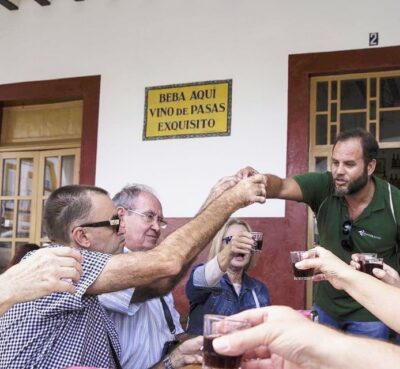
Browse the lists this tour appears in