
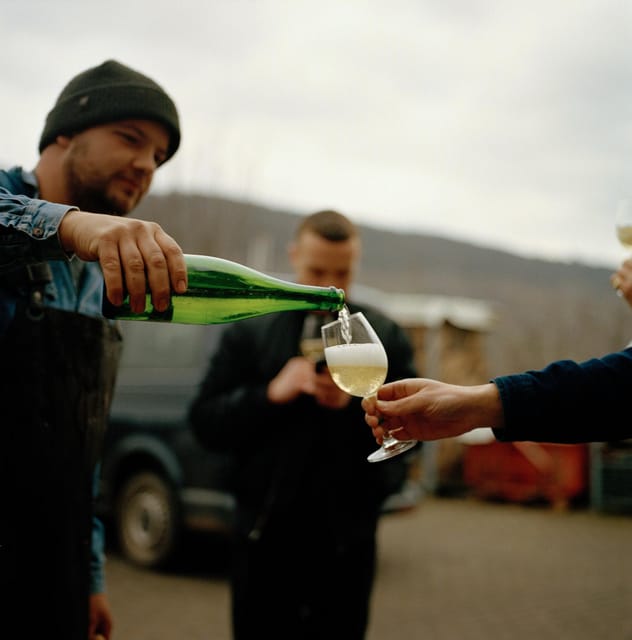
REVIEW · GERMANY
Reil, Mosel: Guided organic wine tasting and cellar tour
The most interesting part of this Reil wine tour is the chance to see how organic winegrowing works before tasting the result. At Weingut Arns, the questions are practical: how does biodiversity help a vineyard, what does the soil add to a wine, and can a family winery farm in a more sustainable way?
I like two things right away. First, you meet the people who actually grow the grapes, rather than being handed a polished sales talk. Second, the tasting covers more than the usual Mosel white wine lineup, with red wine and traditionally made sparkling wine included. The one thing to consider is that the experience lasts two hours, so it is a focused introduction rather than a full day among the vines.
Key points
- A family-run organic winery: You visit Weingut Arns and meet the winemakers behind the bottles.
- One hour in the vineyard: The guided walk connects farming methods with the wine in your glass.
- A varied tasting: Expect four to five organic wines, including still whites, reds, and traditional-method sparkling wine.
- A modern cellar: The second hour shows how traditional winegrowing and current cellar methods work together.
- English and German guidance: Alexander has switched between both languages during tours, helping mixed-language groups follow along.
- Good practical value: The $29 price includes the vineyard tour, cellar visit, tasting, bread, and water.
Organic Mosel wine, explained at the source
Reil is in Rhineland-Palatinate, in the Mosel wine region. This tour gives you a useful change of pace from simply ordering a glass in a village restaurant. You walk among the vines, hear how they are farmed, then taste several wines with that background fresh in your mind.
That order matters. When a winemaker points out the role of soil, plant life, and vineyard care, the wine stops being just a label and a flavor. You get a clearer sense of why two bottles from the same broad region can taste so different.
The focus here is organic winegrowing. You can ask what biodiversity means in a working vineyard, how sustainable farming is possible, and how soil affects quality. Those are not abstract subjects in this setting. They are tied to the daily decisions made by the Arns family.
The experience also presents organic wine as more than a marketing term. You hear about the relationship between the vines, the soil, and the wider living system around them. If you are curious about responsible farming but do not want a technical lecture, the two-hour format should suit you well.
More Organic and Biodynamic Wineries in Germany:
- Malaga Organic Vineyard and Winery Six Wines Tapas and Transfer
★ 5.0 · 356 reviews - Malaga: Organic Vineyard Tour with 6 Wines, Tapas & Transfer
★ 4.8 · 334 reviews - Small Group Guided E-bike Tour in Nice’s Organic Vineyard
★ 5.0 · 220 reviews
Starting at Kringstraße 36 in Reil
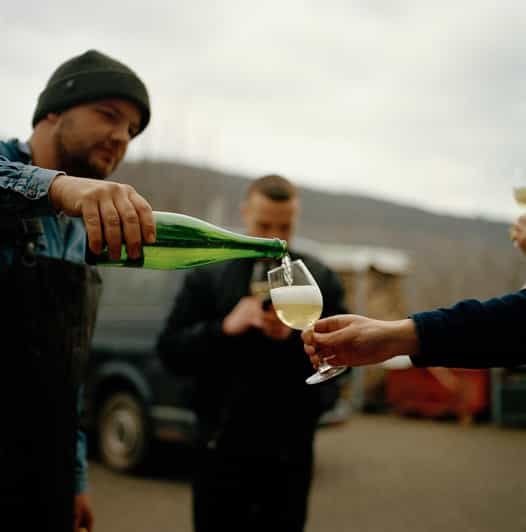
The meeting point is Weingut Arns at Kringstraße 36, marked by a blue flag. That detail is worth noting because you should head directly to the winery rather than expect to meet in a central village square or at a separate vineyard entrance.
The tour returns to the same address, which makes the timing simple. You begin at the winery, walk out to the vineyard for the first hour, then come back for the cellar tour and tasting.
You will need to arrange your own way to Kringstraße 36, since no transport is included in the experience details. Once there, the route is straightforward. The activity is wheelchair accessible, though you may still want to confirm the exact vineyard conditions if you have particular mobility needs.
The guide speaks English and German. That is especially helpful for couples or groups who do not share the same preferred language. Alexander has been praised for moving between German and English during a mixed group without leaving anyone behind.
One hour among organic vines
The first half takes place in the vineyard. This is where the tour earns its place on a Mosel itinerary, since you are not only tasting finished bottles. You are looking at the setting and farming choices that shape them.
Expect the guide to explain the basics of organic winegrowing and to connect those methods with biodiversity. You can ask how other plants and living organisms fit into a productive vineyard, rather than treating the vines as isolated rows.
Soil is another central subject. The tour looks at how ground conditions influence wine quality, giving you a better framework for tasting the wines later. The explanation is aimed at curious visitors, not only people with formal wine training.
The view over the vineyard adds to the appeal. You are outside, with the vines in front of you, while the winemaker explains the work behind them. That setting gives the conversation some life. It is easier to understand farming choices when you are standing beside the plants instead of hearing about them in a generic tasting room.
Still, keep your expectations in check. This is a one-hour guided vineyard tour, not an extended hike through every parcel owned by the winery. The strength is the personal explanation and direct connection with the family business.
Inside the modern cellar
After the vineyard walk, you return to Weingut Arns for the cellar portion. The cellar is described as modern, but the tour also places current methods alongside traditional winegrowing. That combination should interest you if you want to see how a small family winery balances inherited practice with newer ideas.
You can ask questions about how the grapes move from vineyard to finished wine. The exact cellar route and equipment demonstrations can vary, so you should think of this as an introduction to the winemaking process rather than a technical production course.
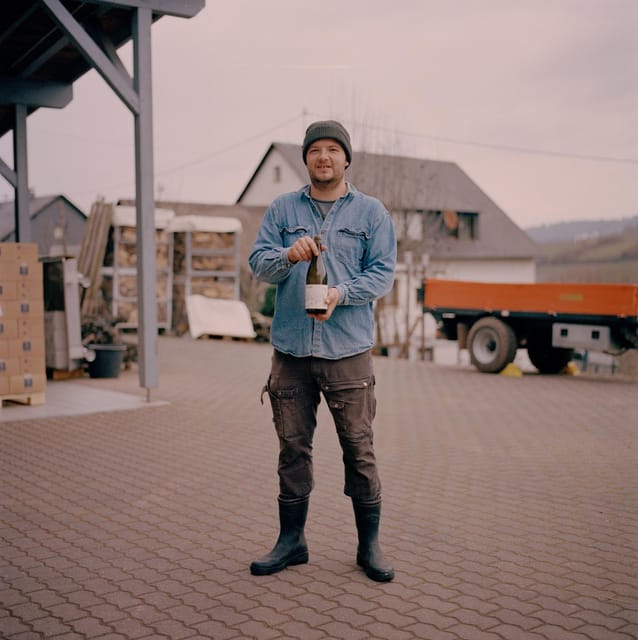
The family presence is an important part of the visit. The guide is not simply reciting information about an anonymous brand. You are hearing about work done by people who grow, make, and present the wine themselves.
That personal link came through strongly in the tour feedback. Guests described the winemaker as friendly, thorough, and clearly devoted to the work. One German-language comment praised the way everything was explained with real care for the profession. That is the kind of detail I value in a winery visit: not grand claims, but a clear sense that the host takes the craft seriously.
More Wine Cellar Visits in Germany:
- Trier: Discovery Tour – Germany’s Oldest Wine Cellar
★ 4.7 · 218 reviews - Bremen: Underworld Tour with the Cellar of the Theatre
★ 4.2 · 74 reviews - Discovery tour – cellar tour with wine tasting
★ 4.2 · 26 reviews - Neustadt: Wine tasting with cellar tour and vineyard visit
★ 4.8 · 5 reviews
Tasting four to five organic wines
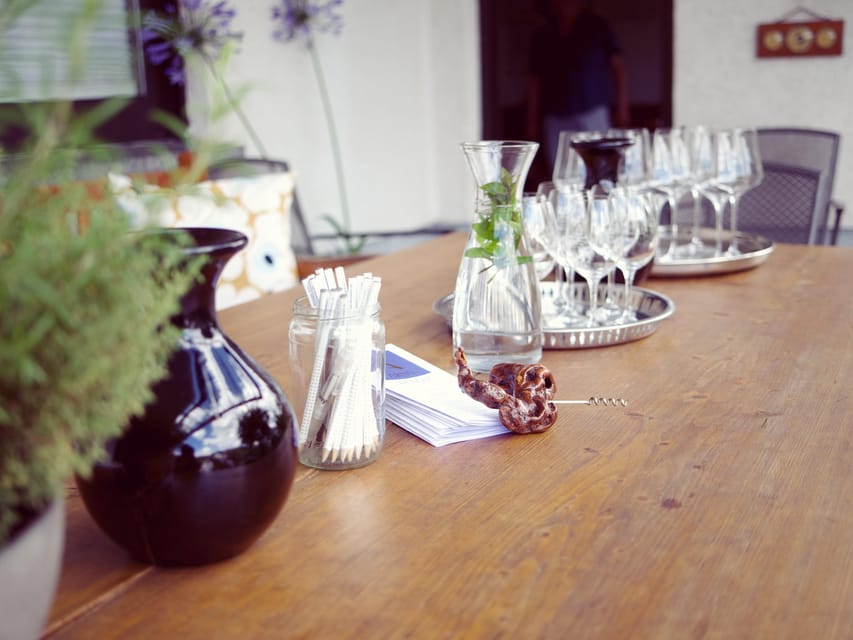
The tasting fills the second hour, together with the cellar visit. You receive four to five different organic wines, plus bread and water.
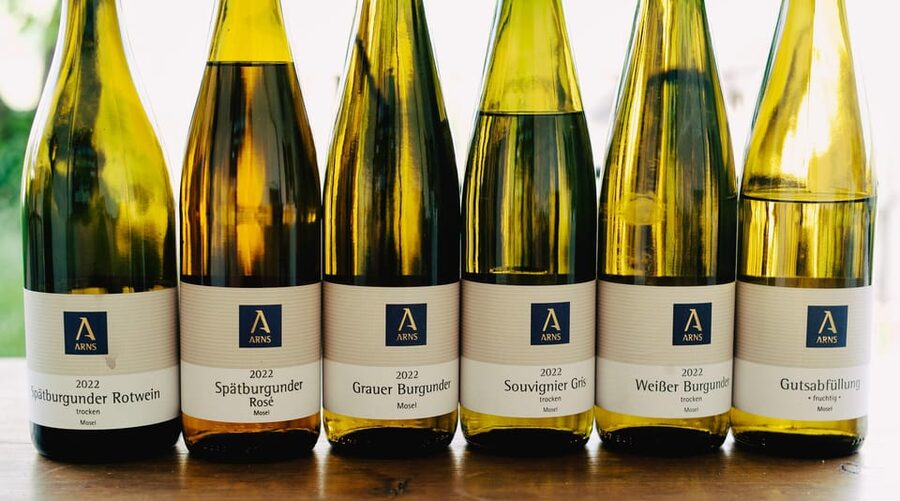
The range is broader than a standard Mosel introduction. You can taste still white wine and red wine, along with sparkling wine made by the traditional method. That gives you a chance to compare different styles from the same family winery rather than spending the whole session on one familiar category.
The sparkling wine is a particularly useful addition. Traditional-method production involves a more involved approach than simply adding bubbles, and tasting it beside still wines gives the session extra variety. The available selection can change, so do not assume every listed style will appear at every sitting, but the experience is designed to include a mix.
Bread helps keep the tasting comfortable, while water lets you pace yourself. You should still eat a proper meal before or after if you need more than a light accompaniment. This is a tasting, not lunch.
The best way to use the session is to ask questions as you go. Ask how the soil shows up in the whites, what makes the red wines different, and how the sparkling wine is made. The guides have been praised for giving detailed answers and allowing plenty of time for questions.
If you enjoy a relaxed tasting, you should feel at home here. If you prefer a silent, highly formal tasting with precise scripted pours, the family approach may feel more conversational than expected.
Meeting Alexander and the Arns family
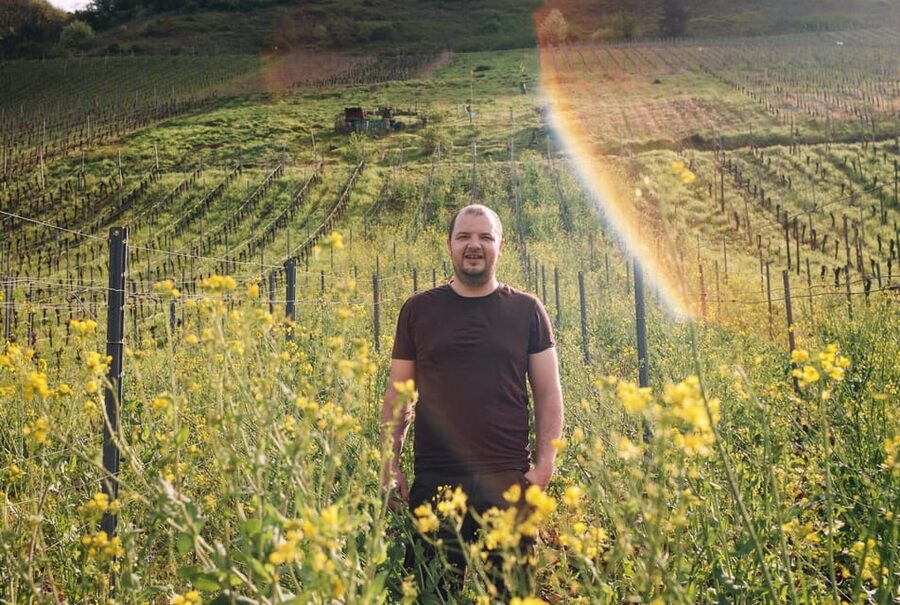
The human side is one of the strongest reasons to choose this activity. Alexander has led tours with clear explanations and visible enthusiasm, and the experience is tied closely to the Arns family rather than a large commercial operation.
That means the tone can feel personal. The winemaker may talk about the work with the warmth of someone explaining a family trade, not presenting a museum display. At the same time, the visit remains structured: one hour in the vineyard, one hour at the winery.
The language flexibility is practical, too. If your group includes German and English speakers, the guide can switch between the two. You will want to be comfortable asking questions, since the tour seems to reward curiosity.
Dogs are also welcome according to the experience information shared by one visitor, who brought a dog without trouble. Since individual conditions can change, confirm this when booking if your dog is part of your plan.
What the $29 price includes
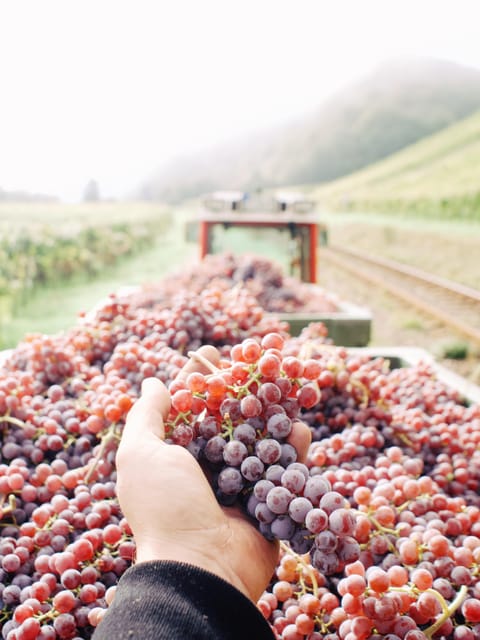
At $29 per person, the value is solid for a two-hour experience that combines a guided vineyard visit, cellar tour, four to five wines, bread, and water. You are paying for more than the liquid in the glasses. The price also covers direct time with the people who grow and make the wine.
The comparison to a simple tasting-room visit is important. A few pours at a winery may cost less, but you would not necessarily get an hour among the vines or a structured explanation of organic farming. Here, the vineyard portion gives the tasting context.
It is also a good choice if you are trying to avoid an expensive, full-day wine excursion. Two hours fits neatly into a Mosel schedule, leaving time for another village, a meal, or a separate outing.
The value depends less on the number of samples than on your interest in the process. If you only want a quick drink, the tour may feel too long. If you want to understand how organic farming and cellar work shape the final wine, the price is fair.
Who will enjoy this Reil wine tour
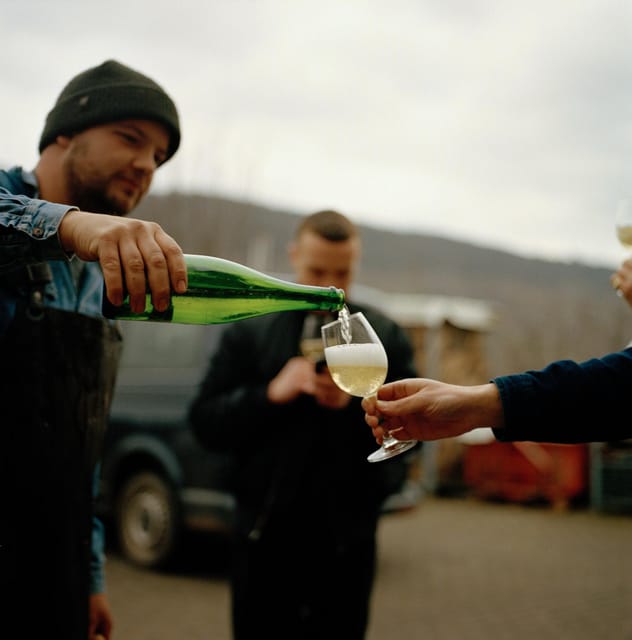
I would recommend this experience to visitors who want a personal introduction to Mosel wine without spending an entire day on organized transport. It suits couples, small groups, and anyone who likes meeting the producer rather than only sampling the product.
It is also a good match for people interested in sustainable agriculture. You do not need specialist wine knowledge. The tour is built around understandable questions about biodiversity, soil, farming, and production.
Mixed-language groups should find the English and German format useful. Families with an interest in farming may enjoy the vineyard discussion, though the supplied details do not state a minimum age or a special children’s program.
Wheelchair users can consider it because the activity is listed as wheelchair accessible. Since the tour includes an outdoor vineyard section, ask the winery about the route if you need information about surfaces or slopes.
You may want to skip it if you dislike guided explanations, have limited time, or are seeking a large-scale winery with elaborate visitor facilities. The appeal here is the family setting, the organic focus, and the chance to ask direct questions.
Timing, cancellation, and booking flexibility
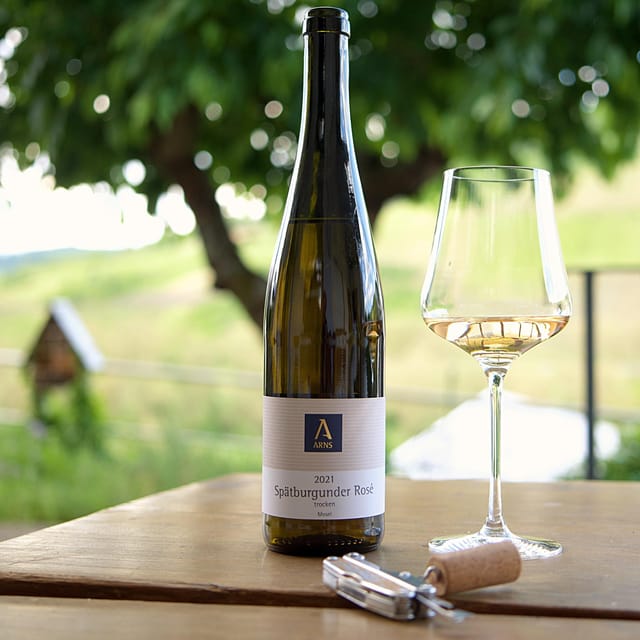
The tour lasts two hours, with starting times based on availability. Check the schedule before building the rest of your day around it.
You can cancel up to 24 hours before the start for a full refund. The reserve-now-and-pay-later option also helps if your Mosel plans are still shifting. Those policies are useful in a region where weather can affect how much you want to spend outdoors.
The meeting point is at Weingut Arns, Kringstraße 36, and the activity ends there. Plan to arrive with enough time to find the blue flag and get settled before the vineyard portion begins.
Should you book the Arns organic wine tour?
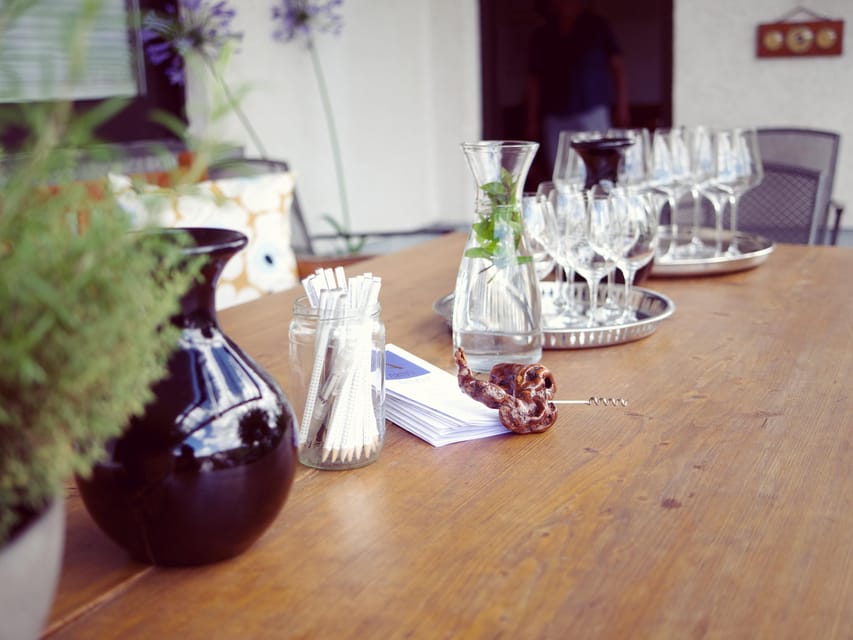
Book it if you want a direct introduction to organic Mosel winemaking, especially one led by the family behind the bottles. The strongest parts are the vineyard explanation, the welcoming guide, and the tasting range that includes white, red, and traditional-method sparkling wine.
I would choose it over a basic tasting if you want to understand what you are drinking. I would also choose it for a short Mosel visit, since two hours gives you real substance without taking over the day.
Skip it only if you want a very quick tasting or a broad regional wine survey. Weingut Arns offers a focused look at one family winery and its organic approach. For $29, that personal connection and the chance to ask questions make it a worthwhile stop in Reil.
FAQ
Where does the wine tour begin?
The tour begins at Weingut Arns, Kringstraße 36 in Reil, Rhineland-Palatinate. The meeting point is marked by a blue flag.
How long does the experience last?
The experience lasts two hours. One hour is spent on a guided vineyard tour, followed by one hour at the winery for the cellar visit and tasting.
How many wines are included?
You taste four to five different organic wines. The selection can include still white wines, red wines, and sparkling wine made by the traditional method.
Is food included?
Bread and water are included with the wine tasting. A full meal is not included.
Is the tour available in English?
Yes. Live guidance is available in English and German.
Is the activity wheelchair accessible?
Yes, the activity is listed as wheelchair accessible. You can contact the winery if you need more detail about the outdoor vineyard route.
Can I cancel for a refund?
Yes. You can cancel up to 24 hours before the experience for a full refund.
Can I reserve now and pay later?
Yes. The reserve-now-and-pay-later option lets you book without paying at the time of reservation.
More Food and Drink Experiences in Germany
- Kröv, Mosel: Covered wagon ride through the vineyards with wine tasting
★ 4.8 · 46 reviews - Kröv/Gut Hermes: Wine tour & tasting through vineyard, winery & champagne factory
★ 4.6 · 5 reviews - Meißen: Wine hike in the Proschwitzer vineyards including a 3-part wine tasting
★ 4.4 · 4 reviews - Mosel: Accompanied wine tasting directly at the winery
★ 5.0 · 3 reviews
Just added around Germany
- Get Pfalzed – wine tour to unique wine region to taste Red wines★ 4.5 · 9 reviews
- Wine Tasting in the Winery in Kröv★ 4.0 · 2 reviews
- Bremen: Underworld Tour with the Cellar of the Theatre★ 4.2 · 74 reviews
- Heidelberg: Hills and Wine Region Segway Tour★ 4.9 · 89 reviews
- Neustadt: Wine tasting with cellar tour and vineyard visit★ 4.8 · 5 reviews
- Mosel: Accompanied wine tasting directly at the winery★ 5.0 · 3 reviews
- Mendig: Guided tour in the 30m deep volcanic beer cellar★ 5.0 · 2 reviews
- Meißen: Wine hike in the Proschwitzer vineyards including a 3-part wine tasting★ 4.4 · 4 reviews
Germany Vineyard Tours, compared.
Trier: Discovery Tour – Germany’s Oldest Wine Cellar
Read our review →
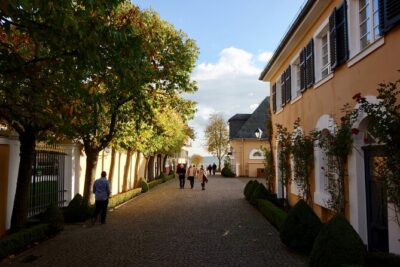
Small Group Rheingau Vineyards Tour with Castles and Abbeys
Read our review →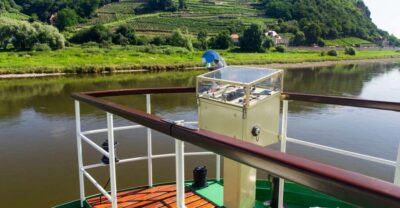
From Dresden: Saxon Wine Route Steamer Day Cruise
Read our review →
Bremen: Underworld Tour with the Cellar of the Theatre
Read our review →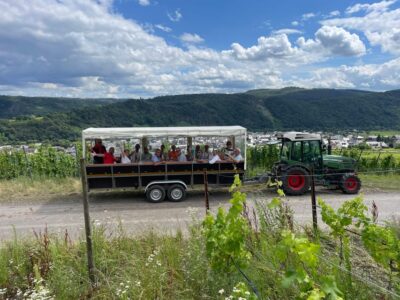
Kröv, Mosel: Covered wagon ride through the vineyards with wine tasting
Read our review →Browse the lists this tour appears in