
REVIEW · SIENA
Siena: Organic Winery Tour and Wine Tasting
At Azienda Agricola La Lastra, wine tasting is not just a row of glasses on a table. You start among the vines, examine how organic farming works, then follow the grapes into the cellar before sitting down to taste five organic wines with seasonal Tuscan food. That full chain, from soil to supper, gives the experience real purpose.
I especially like the small organic winery setting and the way the tour connects wine with soil, insects, animals, and farming. I also like the food. Fresh vegetables from the estate’s garden form part of the tasting, and the pairings turn the wine into a proper afternoon meal rather than a few bites of cheese.
The main thing to plan for is transportation. The winery is described as about 2 kilometers from Siena, but it is not a casual stroll from the old center. You will probably want a taxi, and the meeting point is the courtyard at St. della Befana n. 5.
Key points
- A complete farm-to-glass visit: See the vineyards, cellar, and tasting room in one 2.5-hour experience.
- Organic farming takes center stage: Learn how soil, insects, animals, pruning, and hillside sunlight affect the grapes.
- Five wines with Tuscan food: The tasting includes seasonal produce, freshly cooked vegetables, and thoughtful food pairings.
- Strong guides: Maia, Mya, and Gianluigi have been praised for clear, lively explanations, while owners Renato and Nadia add a personal touch.
- Close to Siena, but plan a taxi: The winery is near the city by car, not necessarily convenient on foot.
- Good for curious beginners: The explanations are detailed without requiring a wine course or specialist vocabulary.
Why this Siena winery visit feels different
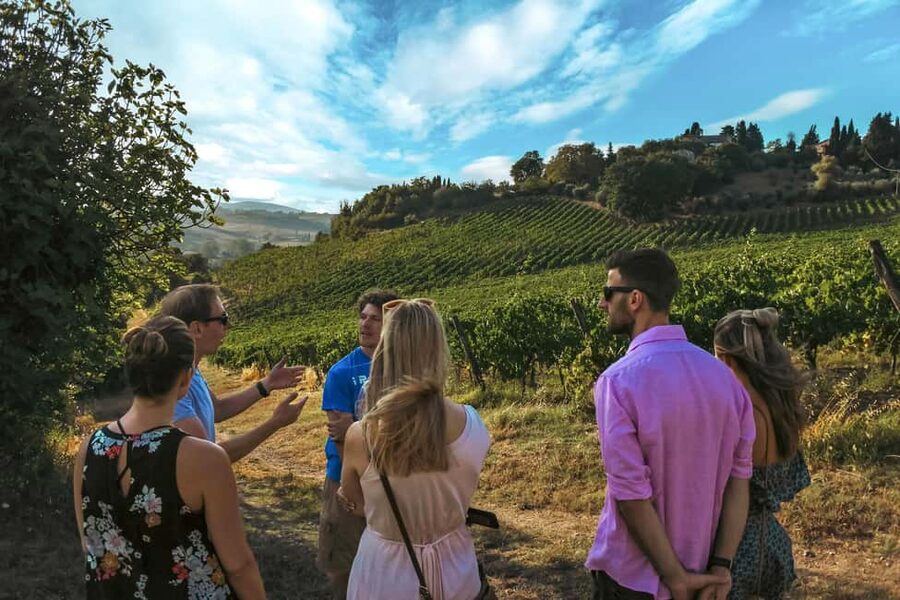
Many Tuscan wine tastings begin and end in a tasting room. La Lastra gives you more context first. You see the vineyard, hear how the organic grape cycle works, visit the cellar, and only then taste the wines.
That order matters. When you taste a red wine after learning about fermentation, stainless steel tanks, or French oak barrels, the glass has a story behind it. You are not expected to identify every aroma like a professional. Instead, you learn how to slow down, notice fragrance, and compare the wines with the food in front of you.
The setting helps, too. The winery sits in the Tuscan hills close to Siena, with views that give you a clear sense of rural life just outside the medieval city. It is a useful choice if you want countryside without giving up a full day to reach the Chianti area.
The tour lasts 2.5 hours, which is long enough for a serious introduction but short enough to fit into a Siena sightseeing day. It works particularly well in the afternoon, when you can follow the tasting with dinner in town.
More Organic and Biodynamic Wineries in Italy
- Wine and food tasting in an organic family winery
★ 5.0 · 170 reviews - Winemaker for a Day: Tour an Organic Winery
★ 5.0 · 135 reviews - Tour and Tasting at an Organic Winery in the Heart of Chianti Classico Area
★ 5.0 · 132 reviews
Reaching La Lastra from central Siena
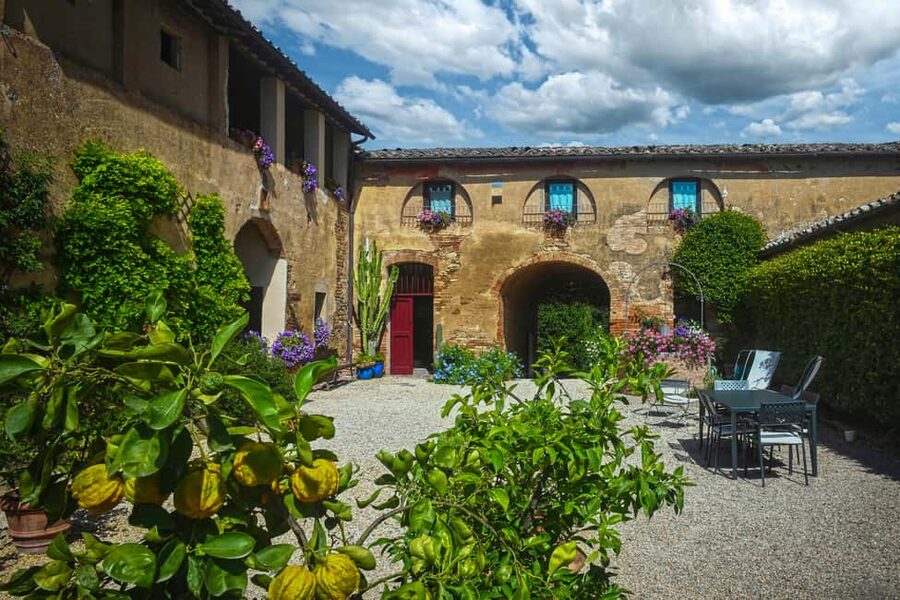
The address is St. della Befana n. 5, Siena, with the visit beginning in the courtyard. The winery is listed as 2 kilometers from the center, and one visitor estimated about 15 minutes by taxi.
That distance can sound walkable on a map, but do not treat the phrase a stone’s throw from Siena as a promise of an easy stroll from Piazza del Campo. The practical choice is to arrange a taxi or ask the winery for help. Staff have called taxis for visitors in the past, and in one difficult situation an owner drove a family back to the station when a storm disrupted phone service.
You should allow a little extra time for the ride and make sure you have the exact meeting address. This is a rural winery visit, not a shop on a central Siena street.
Starting among the organic vines
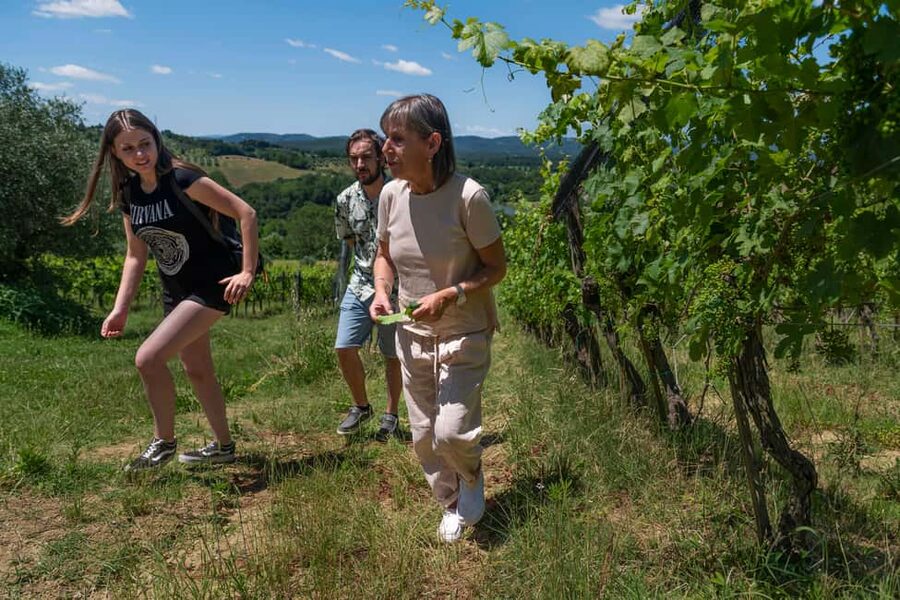
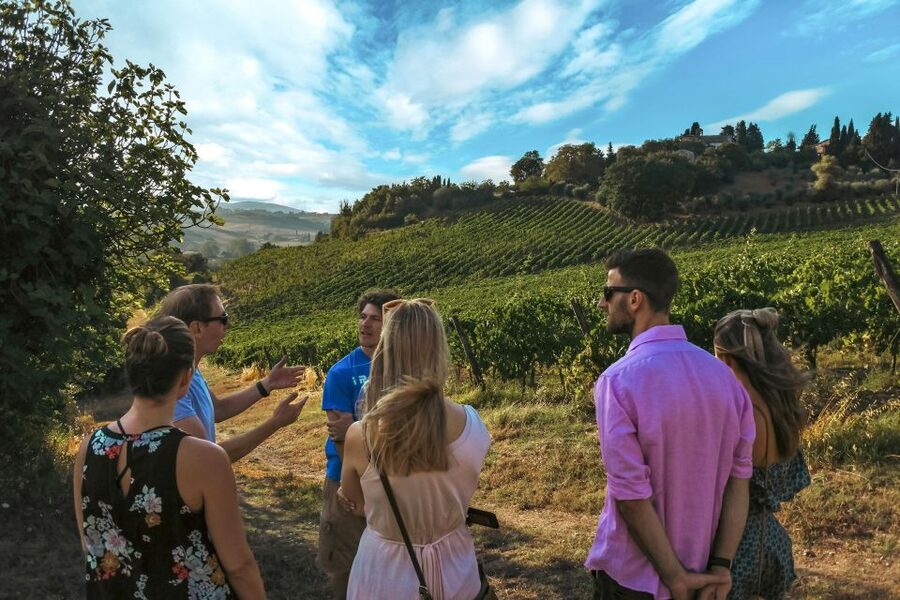
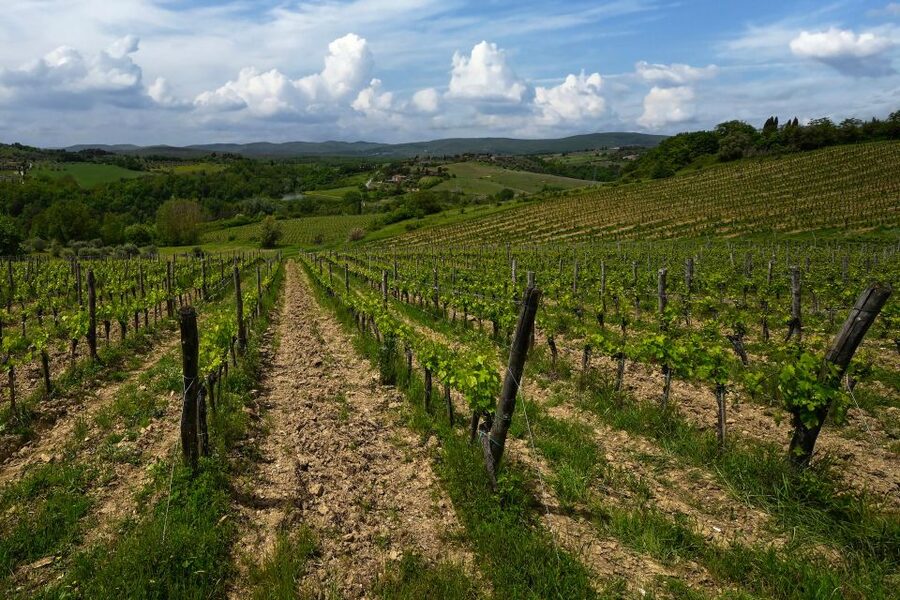
The first part takes place outdoors in the vineyard, weather permitting. Here, the guide explains the agronomic cycle of organic grapes and the way the vineyard functions as a small living system.
The useful part is that organic farming is explained as more than a label. You learn about caring for the soil, protecting rural resources, and encouraging biodiversity. One detailed tour covered three connected elements: soil, insects, and animals. Together, they help support healthier vines and reduce the need for harsh interventions.
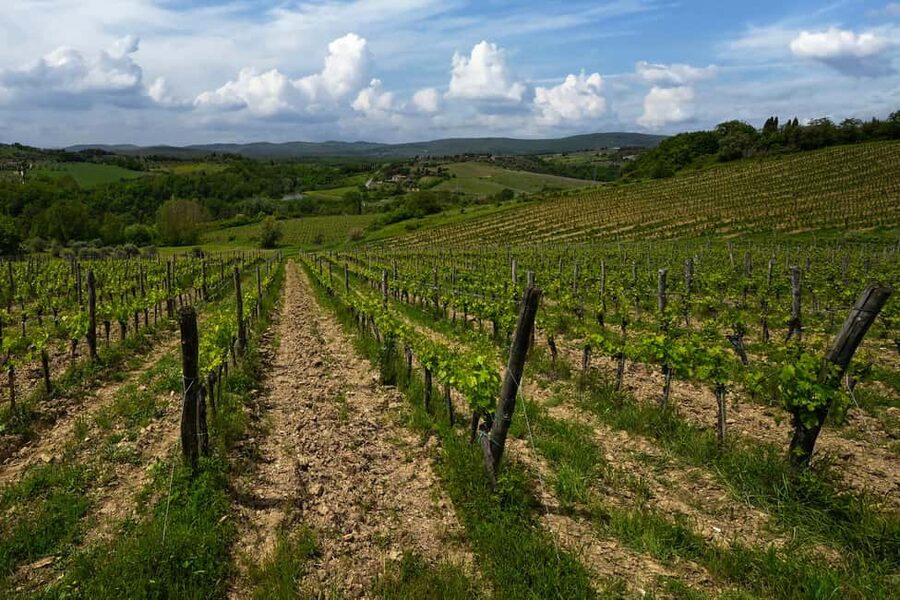
You also look at practical vine work, including growth and pruning. The hillside position matters because sunlight and local climate affect how grapes develop. These points give you something specific to watch for instead of simply hearing that the winery is organic.
The vineyard walk is also the most weather-sensitive part of the outing. If rain prevents you from going outside, the experience can move indoors, with the cellar, wine discussion, and food still forming the core of the visit. That is worth knowing if you are visiting in spring or autumn.
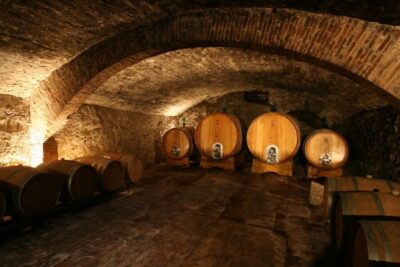
Inside the old cellar
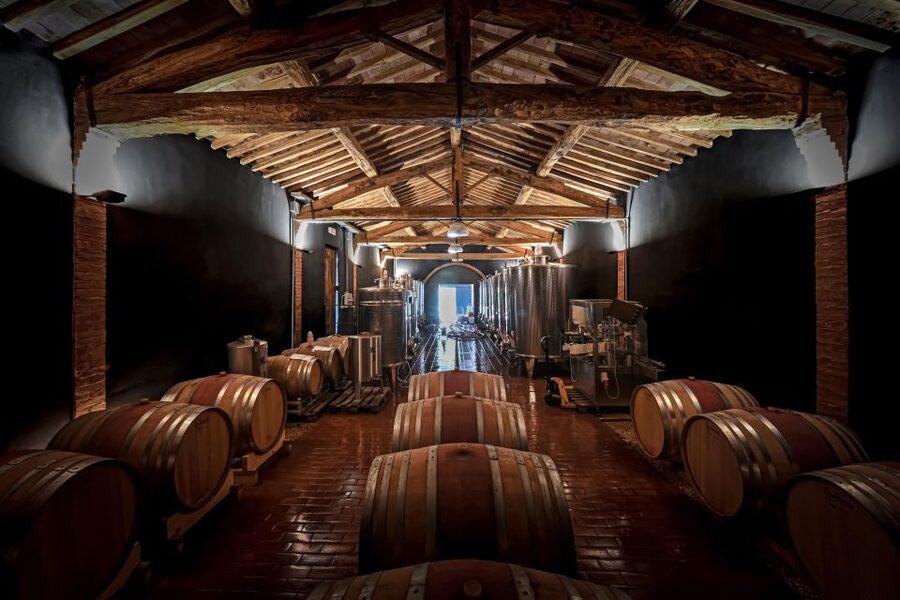
The cellar is where the tour shifts from farming to winemaking. The guide explains what happens after the grapes leave the vines, including crushing, fermentation, and the handling of young and older wines.
The exact cellar equipment can vary with the day’s presentation, but visitors have learned about stainless steel fermentation tanks and French oak barrels used for red wines. The barrel discussion is especially useful if you are new to wine. Barrel size and charring can affect oxidation and flavor development, and the guide explains why those choices matter.
This is also where the tour earns its price. You are not only told that a wine is organic or Tuscan. You get a better idea of the work behind the bottle and how farming decisions carry through to the final taste.
The explanations are aimed at real people, not exam candidates. Beginners can follow along, while wine enthusiasts still have room to ask detailed questions. Guides named Maia, Mya, and Gianluigi have been singled out for making technical subjects clear, entertaining, and easy to discuss.
More Winery Tours in Italy
- Lucca: Guided Winery Tour with Wine Tasting
★ 4.7 · 611 reviews - Olbia: Gallura Winery Guided Tour with Tasting
★ 4.7 · 451 reviews - Bolgheri: Classic Wine Tasting with Winery Tour
★ 4.5 · 325 reviews - Lazise: Winery Tour with Garda Wines and Food Tasting
★ 4.8 · 278 reviews
Five wines in the tasting room
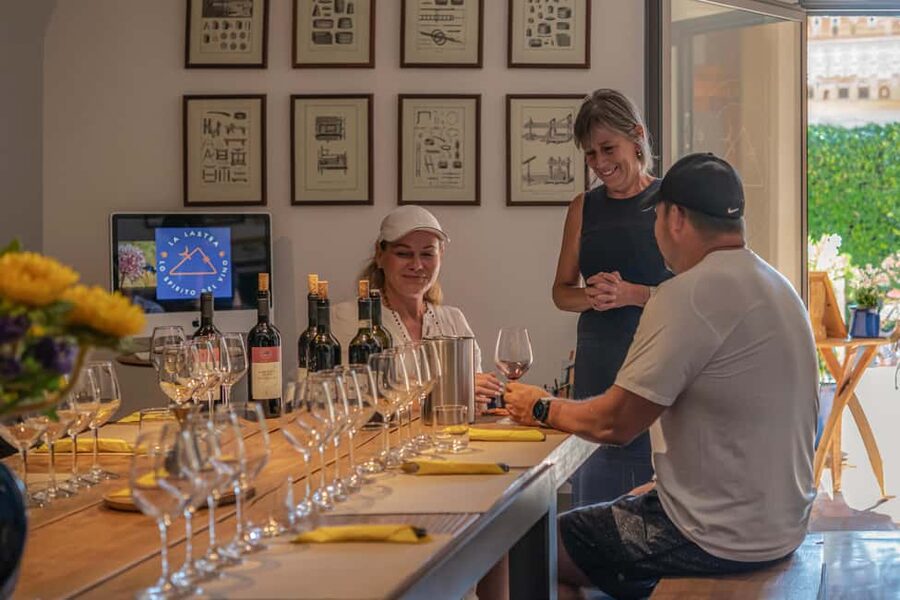
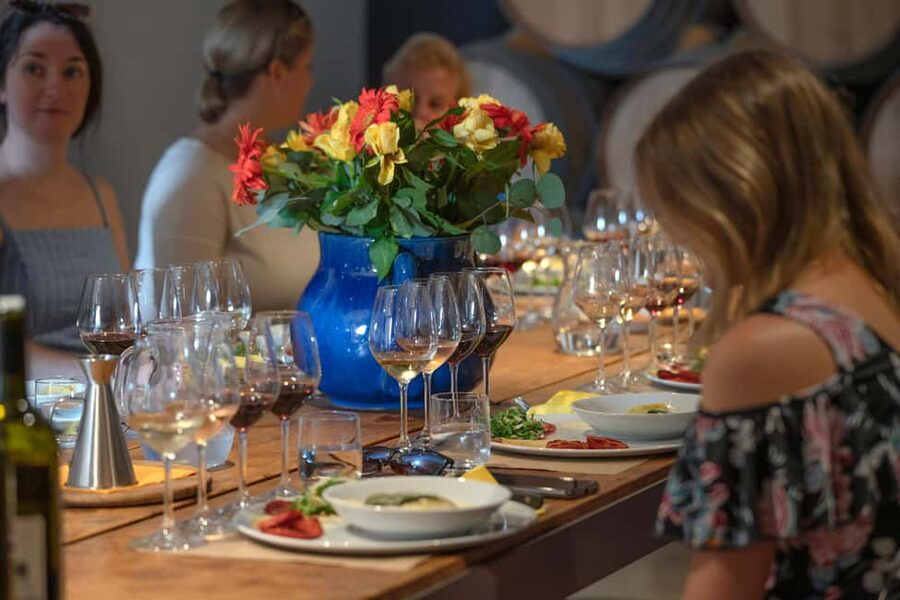
The tasting closes the visit in the winery’s tasting room. You sample five organic wines, including young and vintage selections, and learn how to notice their sensory qualities.
A good tasting is not about finding the one correct answer. You may be guided to consider fragrance, texture, balance, and how the wine changes with food. The suggested method is simple: take your time, smell the wine, taste it carefully, and notice different layers rather than swallowing quickly.
The wines are served as part of a guided tasting, not simply poured without explanation. You learn why a particular wine works with a particular dish. That makes the experience useful after your trip, since you can apply the same approach at a restaurant or when choosing a bottle.
The number of wines is clearly stated as five, although one visit included more samples. Treat five as the reliable expectation. If extra pours are offered, consider them a bonus rather than part of the guaranteed program.
The estate also produces olive oil, and some visits include a discussion or tasting of extra virgin olive oil. You might hear about how genuine extra virgin oil is made and how to use it in cooking. Since the main experience is built around wine, do not book this expecting a separate olive-oil tour, but it can add another useful layer to the farm visit.
The seasonal Tuscan meal
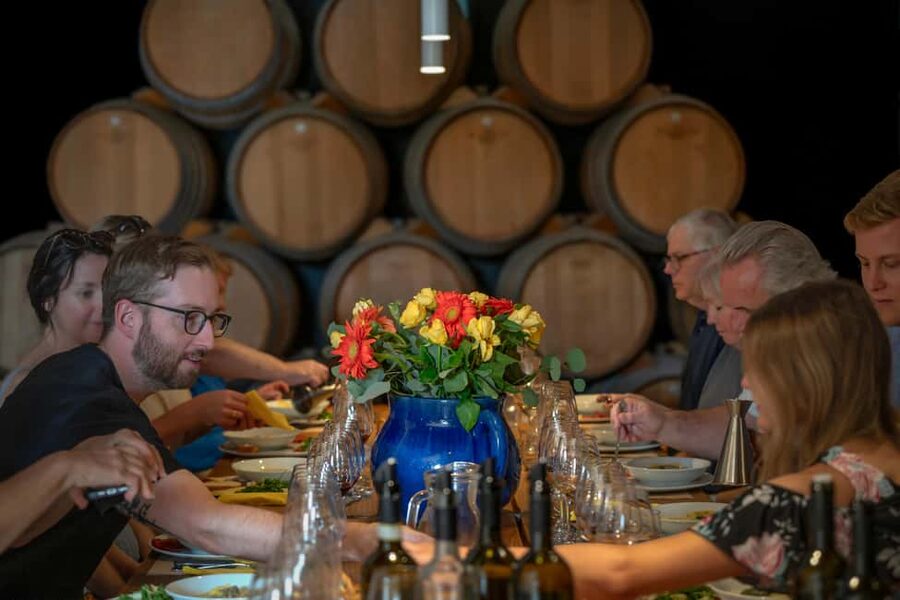
The food is one of the strongest reasons to choose this experience over a basic wine stop. The meal is built around seasonal Tuscan products, with freshly cooked vegetables from the organic garden used in the proposed pairings.
This is not described as a large restaurant lunch. Think of it as a generous tasting meal that gives the wines something substantial to meet. The food may include home-cooked dishes, vegetables, dessert, and other local products, depending on the season.
The pairings are not an afterthought. Each wine is matched with food chosen to show something about its taste. That might help you understand acidity, body, or how a dish changes the impression of a wine.
Dietary needs should be shared when booking. Vegetarian and vegan meals have been accommodated, including vegan dessert, and special care was taken for a serious nut allergy during one visit. You should still communicate your needs in advance rather than assuming every request can be handled on the spot.
The atmosphere can feel more like a meal in a country home than a formal restaurant. Owner Nadia has prepared food for some visits, and the warm hospitality is part of the appeal. If you want a polished restaurant service with a printed menu, this may feel informal. If you like food connected to the farm and season, that informality is a strength.
The guides make or break the afternoon
The experience depends heavily on the person leading it, and the named guides have received unusually strong praise. Maia and Mya are described as lively, humorous, and highly informed about organic viticulture. Gianluigi has been praised for explaining wine in a way that people could happily listen to for hours.
Owners Renato and Nadia have also led or supported visits. Renato brings detailed knowledge of farming and wine growing, while Nadia is associated with the home-cooked food. Staff have also helped with taxis, dietary needs, birthday surprises, and practical problems.
Guide names can vary by date, so you should not assume one particular person will lead every departure. What you can reasonably expect is an English or Italian-speaking host or greeter and a format that encourages questions.
English and Italian are the available languages. If wine vocabulary makes you nervous, this is a good setting for learning because the teaching is tied to what you can see, smell, and taste.
Group size and atmosphere
The group size is not fixed in the information provided, but several visits were described as small, including one group of four. That makes it easier to ask questions and follow a conversation about the wines.
A small group also means the meal can feel social. People from different countries may share the table, and the tasting has a chance to become a relaxed conversation instead of a quick stop between bus groups.
This style will suit you if you enjoy meeting people and talking over food. It may be less appealing if you want a private couple’s tasting or a completely quiet meal. If privacy matters, ask about group arrangements before booking.
Is $88 a fair price?
At $88 per person, this is not the cheapest way to taste Tuscan wine. You are paying for more than five pours. The price includes the vineyard and cellar tour, a guide, the educational presentation, the food, and the setting close to Siena.
I see the value in the complete sequence. A simple tasting may last less time and provide less food. A full-day wine excursion may cost more and take up most of your schedule. This visit sits between those options: enough substance to teach you something, but compact enough to fit into a city break.
The meal improves the value, especially if you would otherwise pay separately for an afternoon meal in Siena. The organic focus also gives the visit a clear theme rather than making it a general wine stop.
The cost is harder to justify if you do not drink wine, want a very large meal, or already have several winery visits planned. It is also worth adding the cost of a taxi, since transportation is not listed among the included features.
Who should book this experience?
I would choose this tour for first-time winery visitors, couples who want a relaxed afternoon, food-focused travelers, and anyone curious about organic farming. The explanations are accessible enough for beginners, while the cellar and barrel details give experienced wine drinkers something to consider.
It is also a good fit for a short stay in Siena. You do not need to commit to a long trip through the countryside, yet you still get vineyards, rural views, wine production, and Tuscan food.
Families should check the suitability of the tasting format for their children, since the core activity is centered on wine. People with food allergies or dietary restrictions should provide details ahead of time.
I would think twice if you want a walkable city activity, a purely private tasting, or a tour focused only on prestigious labels. La Lastra is more interested in organic methods, farming, food, and hospitality than in showing off expensive bottles.
Booking and cancellation details
The advertised experience lasts 2.5 hours, with starting times depending on availability. You can reserve and pay later, which helps if your Siena plans may shift.
Free cancellation is available up to 24 hours in advance for a full refund. That gives you some flexibility, but it does not remove the need to plan transportation and arrive at the correct rural meeting point.
Should you book La Lastra?
Book it if you want to understand how a Tuscan wine is made, not just taste one. The best parts are the organic vineyard lesson, the clear cellar explanations, the five-wine tasting, and the seasonal food prepared around the estate’s produce.
The only real caution is logistics. Arrange a taxi, confirm the meeting point, and tell the winery about dietary needs. If you do that, $88 buys a well-rounded half-day experience with enough food and instruction to feel worthwhile, without taking over your entire Siena visit.
FAQ
Where is the winery located?
Azienda Agricola La Lastra is in the Tuscan hills about 2 kilometers from the center of Siena. The meeting point is the courtyard at St. della Befana n. 5, Siena.
How long does the experience last?
The winery tour and tasting last 2.5 hours.
How many wines are included?
The stated tasting includes five organic wines. Some visits may include additional samples, but five is the reliable expectation.
What does the tour include?
It includes a guided visit to the vineyards and cellars, a tasting of five organic wines, and a tasting of Tuscan food.
Is the meal included?
Yes. Seasonal Tuscan food is included, with freshly cooked vegetables from the organic garden forming part of the proposed pairings.
Can I request vegetarian or vegan food?
Dietary requirements are requested when booking, and vegetarian and vegan options have been provided. You should share your needs in advance.
Which languages are available?
The host or greeter can conduct the experience in English or Italian.
Do I need transportation from Siena?
The winery is close to Siena but is not necessarily an easy walk from the old center. A taxi is the practical option, and the journey has been estimated at about 15 minutes.
Can I cancel the booking?
You can cancel up to 24 hours in advance for a full refund. You can also reserve now and pay later.
More Food and Drink Experiences in Italy
- Florence: Chianti Wineries Tour with Wine Tasting
★ 4.5 · 10,071 reviews - From Florence: Private Chianti Hills Tour with Tasting
★ 4.3 · 809 reviews - Montepulciano: Wine Tasting and Cellar Tour
★ 4.8 · 545 reviews - Private 6-Hour Tour of Three Etna Wineries with food&wine tasting
★ 5.0 · 417 reviews
Just added around Italy
- Primitivo and Negroamaro wine tour: a visit to two wineries and typical lunch. From Lecce★ 5.0 · 19 reviews
- Visit to a Winery in Salento with Wine tasting and light lunch. From Lecce★ 4.5 · 10 reviews
- Discover the best cellars of Salento★ 5.0 · 30 reviews
- Full Day Tour to Gallipoli, Galatina, Coast, Beaches and Winery★ 5.0 · 39 reviews
- “Between Langhe and Monferrato” – Wine Tasting and Cellar Visit★ 5.0 · 86 reviews
- Visit among vineyards and wine cellar with wine tasting in Nizza Monferrato★ 5.0 · 10 reviews
- Barolo Tasting and Vineyard Tour and Winery Visit★ 4.5 · 2 reviews
- Guided Walk and Lunch in the Vineyard in Alba★ 4.5 · 2 reviews
Siena Vineyard Tours, compared.
A Brunello Cooking Class with Vineyards View Winery
Read our review →
Vespa Tour with Lunch&Chianti Winery from Siena
Read our review →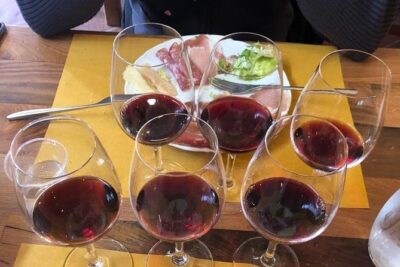
Brunello di Montalcino Wine Tour of 2 Wineries with Pairing Lunch
Read our review →
From Siena/Chianti: Dinner & Drinks in the Chianti Vineyards
Read our review →
Chianti: Wine and Olive Oil Tasting with Cellar Tour
Read our review →Browse the lists this tour appears in