
REVIEW · SIENA
Chianti: Wine and Olive Oil Tasting with Cellar Tour
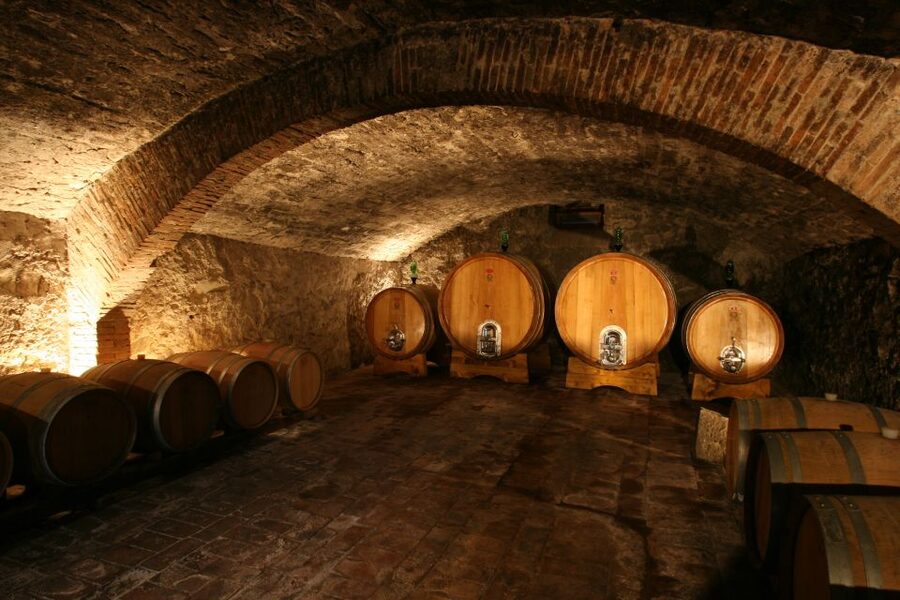
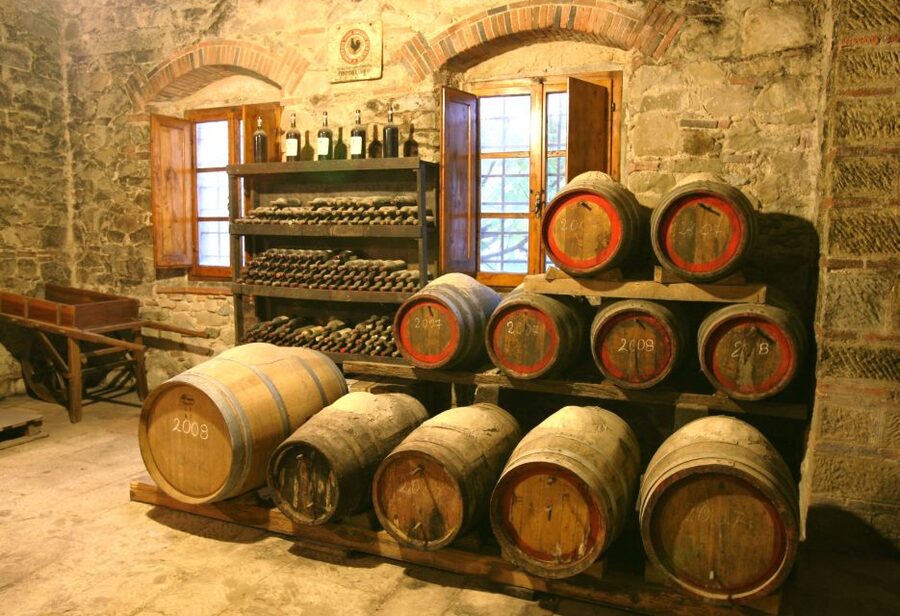
Chianti wine takes center stage here, but the most memorable part may be the small 18th-century cellar, where French oak barrels hold wine for six months and little casks are used for Vinsanto. You also visit the farmhouse’s modern production rooms and its olive-oil storehouse before sitting down to taste.
I like the tour’s family-farm setting and its compact one-hour format. The tasting includes food as well as wine and olive oil, which makes the $39.86 price feel fair. The main drawback is that transportation is not included, so you need to reach Fattoria Santo Stefano in Greve in Chianti on your own or book a transfer.
Key points to know
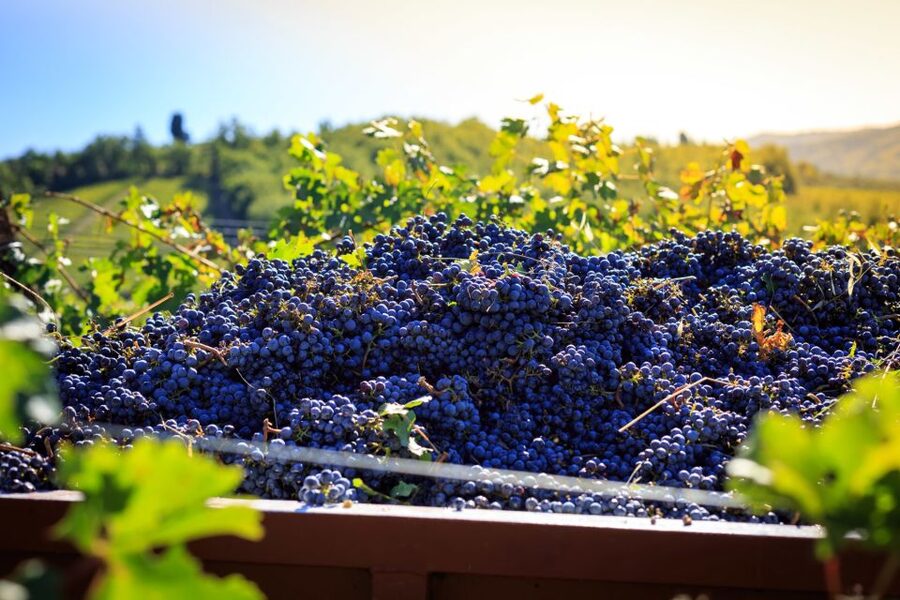
- The old cellar is the star: See large French oak barrels in an 18th-century room and small casks used for Vinsanto.
- You taste more than wine: The final tasting includes Chianti varieties, extra-virgin olive oil, and local food.
- The setting is an active farmhouse: Fattoria Santo Stefano offers a glimpse of Tuscan production rather than a polished city tasting room.
- The tour lasts one hour: It works well as a short stop during a day around Greve in Chianti.
- The group is private: Tours are offered in English or Italian, with a private-group format.
- Plan your shoes and transport: Comfortable footwear is advised, and getting to the farm is your responsibility unless you add transportation.
Arriving at Fattoria Santo Stefano near Greve
Fattoria Santo Stefano sits at Via Collegalle 3, 50022 Greve in Chianti, in the Tuscan countryside. This is not a tasting bar in central Florence. You are visiting a working farmhouse, so the appeal begins before the first glass is poured.
The tour opens with an introduction to the grounds and the farmhouse itself. You learn how the building was constructed and how local food and wine production fit into life on the property. That short introduction matters because it gives the tasting a sense of place. You are not simply sampling bottles with Tuscan labels. You are seeing where the products are made and stored.
The property has a rustic character, and that can be a real advantage if you want something more grounded than a large commercial winery. The tradeoff is that the setting may feel less slick and organized than a major wine estate built for large-scale tourism. I would choose this experience for its working-farm atmosphere, not for elaborate displays or a long formal lecture.
Because the tour lasts only one hour, you should arrive ready to start. There is no need to set aside half a day, but you also should not expect an extensive walk through vineyards, a full meal, or a long technical seminar. This is a focused introduction to wine and olive oil.
More Wine Cellar Visits in Italy
- Montepulciano: Wine Tasting and Cellar Tour
★ 4.8 · 545 reviews - Modena: Balsamic Lunch with Vinegar Cellar Tour and Tasting
★ 5.0 · 395 reviews - Tasting Tour in One of The Most Beautiful Cellars in the World
★ 5.0 · 278 reviews
Stainless steel and cement tanks: how Chianti begins
The first cellar stop is the farmhouse’s larger wine cellar. Here, stainless steel and cement tanks are used during fermentation. These materials may look plain compared with the old barrels in the next room, but they help explain the practical side of winemaking.
This section is useful for anyone who knows wine mainly from the tasting glass. You can connect the finished Chianti to the stages that come first: fermentation, storage, and later aging. The guide speaks in English or Italian, and the private-group format gives you a better chance to ask questions than you would have in a crowded public tour.
The modern tanks also create a nice contrast with the farmhouse’s older rooms. Tuscany often gets presented as a place frozen in time, but wine production combines old spaces with current equipment. You see both sides in a short span.
Do not expect every part of the winemaking process to be demonstrated in detail. The supplied description focuses on the tanks and fermentation, not on a full explanation of grape harvesting, bottling, or vineyard management. If your main goal is a technical wine course, this may feel brief. If you want a clear, approachable look behind the scenes, it should give you enough context without taking over your day.
The 18th-century cellar and French oak barrels
The tour then moves into the smaller cellar dating from the 18th century. This is the part I would pay close attention to. Its low-key, rustic character gives the visit a stronger sense of age than the modern fermentation room.
Large French oak barrels hold the wine after fermentation. The wine remains there for six months as it develops its flavor. Even if you are new to wine, the room helps make aging easier to understand. You can see the scale of the barrels and the conditions in which the wine rests, rather than hearing only abstract talk about oak and maturation.
The cellar is also home to the small barrels used for Vinsanto, a local dessert wine with an amber color. Vinsanto gives the visit a distinctly Tuscan touch. It is not just another version of the red wine you may expect from Chianti. The small casks point to a different style and a different place in local food traditions.
The old cellar is compact, and that is worth keeping in mind. It is a historic production space, not a grand underground complex with rows of dramatic corridors. Its charm comes from the barrels, the age of the room, and the direct connection to the farmhouse.
Wear comfortable shoes. The tour takes place across cellar and farm areas, and practical footwear is more useful here than dress shoes. The setting is casual, so you can focus on the explanation and tasting rather than worrying about looking formal.
The Orciaia and Tuscan extra-virgin olive oil
Wine is only half of the story. You also visit the farmhouse’s Orciaia, where extra-virgin olive oil is stored after harvesting and pressing. This stop adds welcome variety to the tour and shows how closely wine and olive oil are linked to Tuscan farm life.
The Orciaia is especially helpful for anyone who has tasted olive oil only as a restaurant condiment. You learn that the oil is stocked directly after the olives are harvested and pressed. That simple detail gives the tasting more meaning. You can think about the product as something made on the farm, not just something poured from a bottle at the table.
The olive-oil visit also breaks up the wine focus. If someone in your group is less interested in wine, this part may be a highlight. The activity remains centered on local products, so it suits couples, friends, and families with different levels of wine interest.
The provided details do not specify the olive varieties, harvest date, or oil-production method beyond harvesting and pressing. I would not book this expecting a long olive-oil class. Instead, treat it as a useful and flavorful part of a broader farmhouse visit.
More Chianti Wine Tours from Italy:
- Florence: Chianti Wineries Tour with Wine Tasting
★ 4.5 · 10,071 reviews - Half day Chianti Vineyard Escape from Florence with Wine Tastings
★ 4.5 · 2,196 reviews - From Florence: Private Chianti Hills Tour with Tasting
★ 4.3 · 809 reviews - Chianti Wineries Tour with Tuscan Lunch and San Gimignano
★ 5.0 · 793 reviews
The tasting: Chianti, Vinsanto, oil, and local food
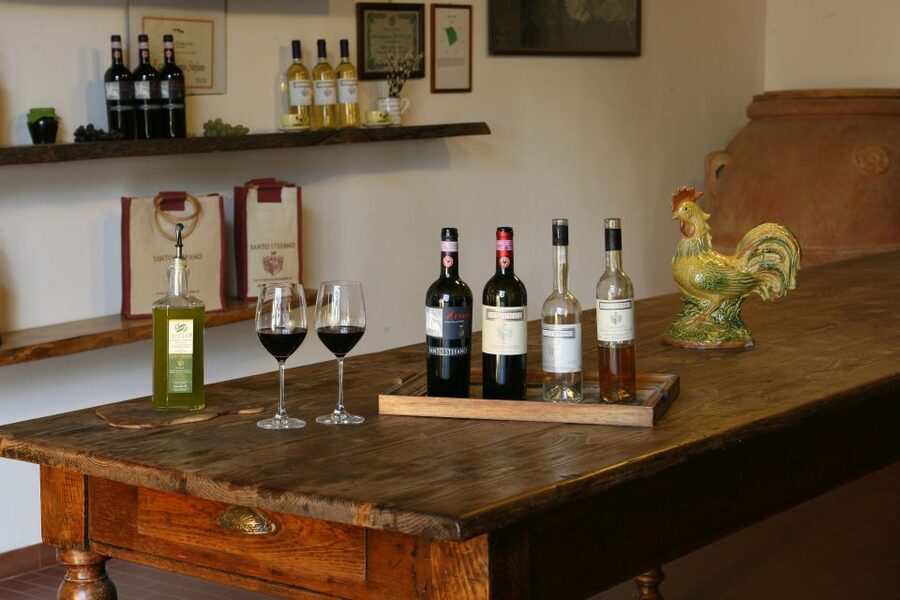
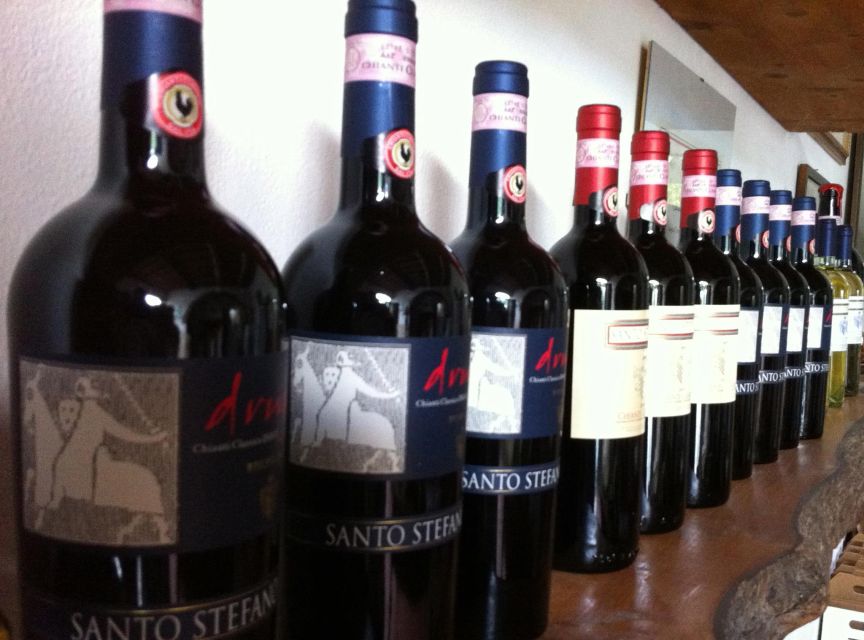
After the cellar visits, you return to the small wine shop for the tasting. You sample local wine varieties and extra-virgin olive oil, along with local food. This food matters. A tasting with snacks is more comfortable and more useful than a line of small pours on an empty stomach.
The tasting lets you compare the production rooms with the final products. You have just seen fermentation tanks, aging barrels, Vinsanto casks, and the Orciaia. Now you can taste what those spaces are used to produce.
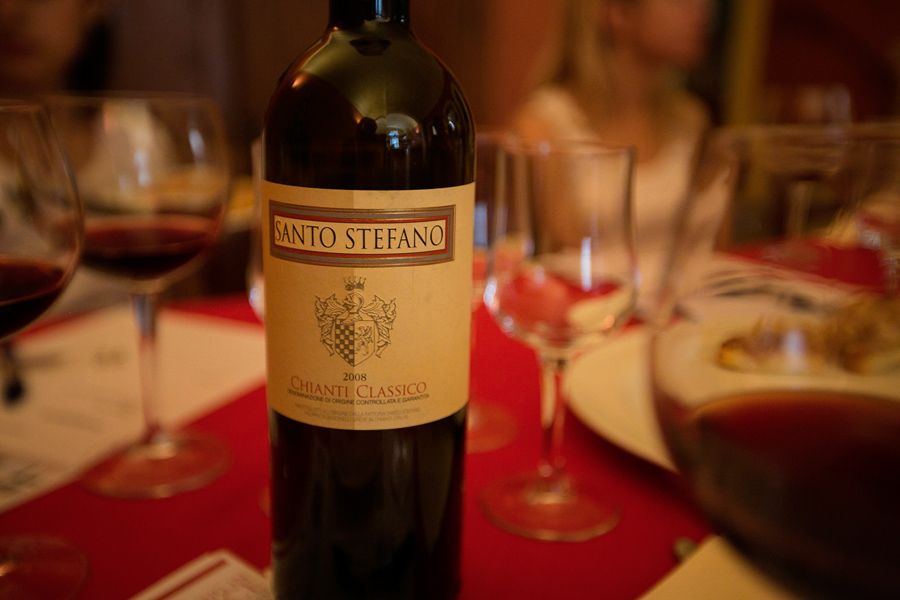
The exact wine lineup is not specified, so you should not expect a fixed list of named bottles. The tasting centers on local Chianti wines, and Vinsanto is part of the farmhouse’s cellar story. The food selection is also not listed in detail, but it is described as local fare served with the tasting.
This is where the tour’s strongest praise comes through in practical terms: the combination of generous food, wine, and olive oil makes the experience feel like more than a quick sip. One especially enthusiastic account described the tasting as a chance to eat and drink well while learning a lot. That is a useful expectation, although the amount and selection can vary.
If you are hoping to purchase something for later, the tour ends back at the meeting point and includes the small wine shop. The information provided does not promise shipping, special discounts, or a formal buying session, so ask on site if you want to take bottles or oil home.
Is one hour enough?
For a first look at Tuscan wine production, yes. The hour is well suited to a day trip or a driving route through Chianti. You receive an introduction to the farmhouse, visit the modern cellar, enter the old cellar, see the Orciaia, and finish with a tasting.
The short duration also keeps the activity from becoming tiring. You can pair it with other stops in Greve in Chianti without giving up most of your day. This is valuable if you are building a route around several villages, food stops, or viewpoints.
The limit is depth. You will not have time for a long vineyard walk, an extended meal, or a detailed study of several vintages. The activity is best understood as a concentrated sample of farm life and local production.
I would also allow a little extra time around the scheduled hour. The formal tour is one hour, but tasting and conversation can make the visit feel less rushed or slightly longer. Do not stack it too tightly with another timed booking.
Value at $39.86 per person
At $39.86 per person, the price is reasonable for a private-group visit that includes a cellar tour, wine tasting, olive oil, and local food. The value comes from the combination. A basic wine tasting may cost less, but it may not include access to an 18th-century cellar or a look at the olive-oil storehouse.
The private format is another point in its favor. You are not simply joining a large crowd for a standard pour. An English- or Italian-speaking guide leads the visit, and a smaller setting should make it easier to ask about the barrels, tanks, Vinsanto, or oil.
Still, the price does not include transportation. That can change the total cost, especially if you are staying in Florence and need a private transfer or organized ride. Fattoria Santo Stefano is in Greve in Chianti, so check your route before booking. If you already have a car or are spending the day in the area, the price looks stronger.
The tour includes wine tasting, but the formal inclusions do not separately list olive oil or food. The activity description does describe both as part of the tasting, and the experience is clearly built around them. I would still confirm the current tasting details when booking if those extras are central to your decision.
Who will enjoy this farmhouse tour?
I would recommend it to you if you want a short, friendly introduction to Chianti production in a real farmhouse setting. It suits first-time visitors who want to connect the wine in the glass with tanks, barrels, and storage rooms.
It is also a good choice for people who enjoy food as much as wine. The olive-oil stop and local snacks give the visit more range. If one person in your group is not a serious wine drinker, those parts may keep the experience appealing.
The private-group format works well for couples and small parties. The tour is available in English and Italian, and the activity ends at the same place where it starts. You can build it into a wider Chianti day without arranging a complicated point-to-point schedule.
I would look elsewhere if you want a full-day wine education, a long vineyard walk, a large estate with many buildings to explore, or a meal with a detailed menu. The one-hour format is efficient, but it naturally limits how much you can see and taste.
Practical details before you book
The meeting point is Fattoria Santo Stefano, Via Collegalle 3, 50022 Greve in Chianti. The activity ends there as well. Transportation is available as an add-on, but it is not part of the listed price.
Tours run in English or Italian, and starting times vary. You need to check availability for the date and time you want. The tour is offered for a private group, which may help if you prefer a more personal pace.
Wear comfortable shoes. That is the only clothing advice provided, but it is sensible for a farmhouse and cellar visit. The tour is not described as accessible, so contact the provider directly if you have mobility concerns or need specific arrangements.
You can cancel up to 24 hours before the activity for a full refund. The reserve-now, pay-later option also gives you some flexibility while planning a Tuscany itinerary.
Should you book the Fattoria Santo Stefano tasting?
Book it if you want an authentic, compact Chianti experience with more substance than a simple tasting-room stop. The old cellar, Vinsanto barrels, olive-oil storehouse, and local food give the hour a clear sense of place.
Think twice if transportation from your base will cost more than the tour itself, or if you want a full winery day with extensive vineyard time. For most people already exploring Greve in Chianti, though, the $39.86 cost is a sensible buy. You get a private visit, useful production details, and a tasting that includes food, wine, and oil without surrendering half your day.
FAQ
Where does the Chianti wine and olive-oil tour begin?
The tour begins at Fattoria Santo Stefano, Via Collegalle 3, 50022 Greve in Chianti, Tuscany.
Where does the activity end?
The activity ends back at the Fattoria Santo Stefano meeting point.
How long does the tour last?
The tour lasts one hour. Starting times depend on availability.
Is transportation included?
No. Transportation is not included in the listed price, but it can be booked as an add-on.
What languages are available?
The live guide leads tours in English or Italian.
What will I taste?
You will taste local Chianti wine varieties, extra-virgin olive oil, and local food. The farmhouse also produces Vinsanto, a local amber-colored dessert wine.
What should I wear?
Wear comfortable shoes for the farmhouse and cellar visit.
More Food and Drink Experiences in Italy
- Lucca: Guided Winery Tour with Wine Tasting
★ 4.7 · 611 reviews - Olbia: Gallura Winery Guided Tour with Tasting
★ 4.7 · 451 reviews - Private 6-Hour Tour of Three Etna Wineries with food&wine tasting
★ 5.0 · 417 reviews - Lucca: Wine Tasting Experience – Tenuta Adamo Winery
★ 5.0 · 400 reviews
More Wine and Olive Oil Estates in Italy
- Bardolino: Vineyard Tour with Wine, Olive Oil & Food Tasting
★ 4.6 · 221 reviews - Bologna: Olive Grove and Vineyard Tour with Product Tastings
★ 4.8 · 109 reviews - Tour through the vineyards and wine and olive oil tasting in Tuscany
★ 5.0 · 97 reviews - Balsamic Vinegar, Olive oil and Organic Winery Tour in Assisi with tasting
★ 5.0 · 66 reviews
Just added around Italy
- Primitivo and Negroamaro wine tour: a visit to two wineries and typical lunch. From Lecce★ 5.0 · 19 reviews
- Visit to a Winery in Salento with Wine tasting and light lunch. From Lecce★ 4.5 · 10 reviews
- Full Day Tour to Gallipoli, Galatina, Coast, Beaches and Winery★ 5.0 · 39 reviews
- Discover the best cellars of Salento★ 5.0 · 30 reviews
- “Between Langhe and Monferrato” – Wine Tasting and Cellar Visit★ 5.0 · 86 reviews
- Visit among vineyards and wine cellar with wine tasting in Nizza Monferrato★ 5.0 · 10 reviews
- Barolo Tasting and Vineyard Tour and Winery Visit★ 4.5 · 2 reviews
- Guided Walk and Lunch in the Vineyard in Alba★ 4.5 · 2 reviews
Siena Vineyard Tours, compared.
A Brunello Cooking Class with Vineyards View Winery
Read our review →
Vespa Tour with Lunch&Chianti Winery from Siena
Read our review →
Brunello di Montalcino Wine Tour of 2 Wineries with Pairing Lunch
Read our review →
From Siena/Chianti: Dinner & Drinks in the Chianti Vineyards
Read our review →
Browse the lists this tour appears in