
REVIEW · FRANCE
Margaux: Winery Tour with Barrel and Vertical Tasting
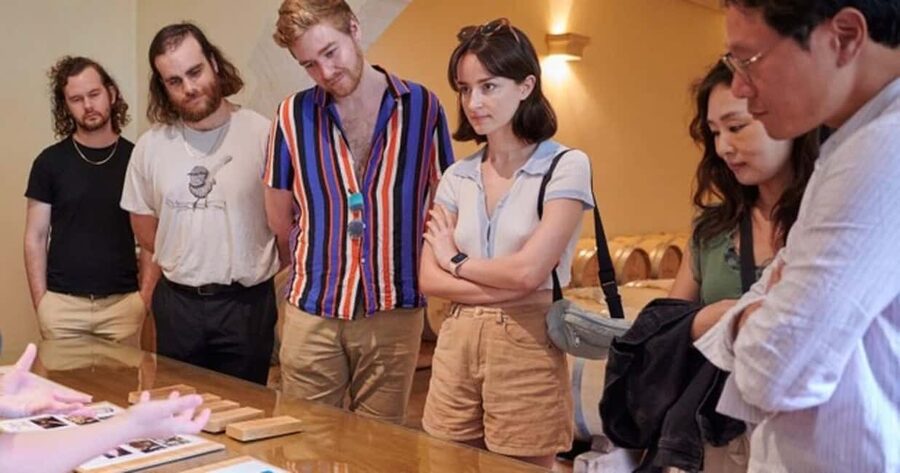
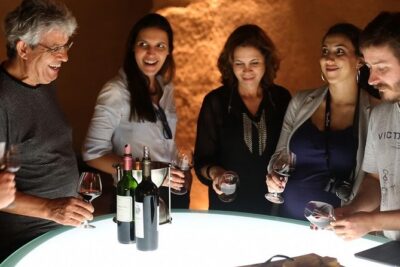
Margaux is best understood with a glass in hand, and this private visit gets you there quickly. You walk through a vineyard parcel and the working winery, then taste Cabernet Sauvignon straight from the barrel before comparing four finished vintages of Château Haut-Breton Larigaudière.
I like the hands-on barrel tasting, especially the chance to compare French oak with American oak and different toast levels. I also like the vertical tasting, since four vintages of the château’s first label let you see how the same wine changes from year to year.
The main consideration is timing. Ninety minutes gives you a focused introduction, not a long, leisurely estate visit. At $47 per person, the value is strongest if you care about winemaking technique and want a private setting rather than a broad tourist stop.
Key points at a glance
- Taste Cabernet Sauvignon directly from two barrels, with French and American oak comparisons.
- Compare four vintages of Château Haut-Breton Larigaudière AOC Margaux in one sitting.
- Try Le Créateur, the château’s special cuvée, alongside its first label.
- Tour the vineyard parcel, technical areas, and barrel cellar with a French or English-speaking guide.
- Enjoy a private group visit, useful if you want to ask questions at your own pace.
- Allow 90 minutes, with the tour beginning at the château shop.
Why the barrel tasting is the heart of the visit
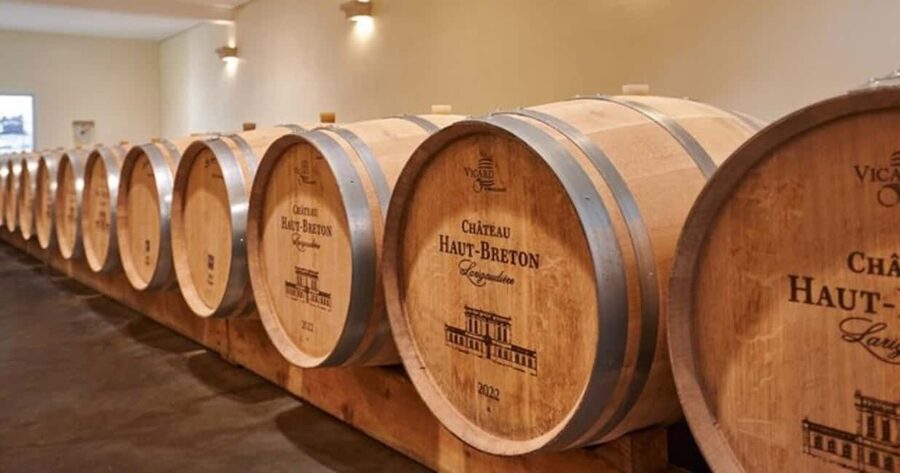
The most unusual part of this experience comes before the main tasting. In the barrel cellar, you taste Cabernet Sauvignon while it is still aging, then compare the effect of the wood around it.
You taste from two barrels. One uses French oak, the other American oak. The barrels also have different levels of toasting, meaning the inside wood has been heated to different degrees before the barrel is made. That treatment affects the wine’s aroma, texture, and sense of spice.
This is far more useful than simply hearing that oak matters. You can taste the difference directly. One sample may seem more restrained or structured, while another may show stronger oak notes or a rounder impression. The point is not to pick a winner. It is to notice how the same Cabernet Sauvignon can change because of the vessel around it.
I especially like this format for anyone who has visited wineries before but has mostly tasted finished bottles. Barrel samples show wine in progress. They help you understand that winemaking is not only about the grape or the vineyard. Choices made in the cellar also shape the final bottle.
The samples are not finished wines, so do not expect the polish of the four vintages served later. That is part of the lesson. Young barrel wine can seem firm, raw, or uneven compared with a bottle ready to drink. A good guide will help you treat that roughness as information, not as a flaw.
More Winery Tours in France
- Saint-Émilion: Grand Cru Classé Winery Visit and Tasting
★ 4.6 · 1,118 reviews - Saint Emilion Half-Day Trip with Wine Tasting & Winery Visit from Bordeaux
★ 4.5 · 1,034 reviews - Saint-Emilion: Grand Cru Classé Guided Winery Visit & Picnic
★ 4.7 · 296 reviews
Starting at the château shop and vineyard parcel
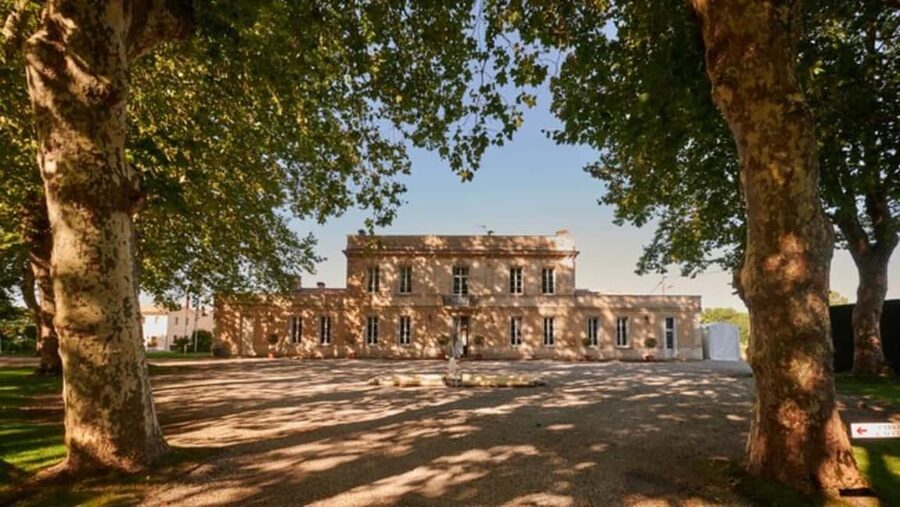
The meeting point is the château shop. This is practical because you have a clear place to begin, and the visit finishes with wines you have already come to understand. You do not need to work out a separate meeting location within the estate.
From there, the tour takes you through a vineyard parcel. The provided details do not specify the exact parcel, planting age, or grape mix, so you should not expect a technical vineyard lecture on points that are not listed. What you can expect is a guided look at the estate before moving into its production areas.
That order makes sense. You first see where the grapes begin, then follow them into the technical areas and finally to the barrel cellar. Even in a short visit, this gives you a simple chain to remember: vineyard, winery, barrel, bottle.
The private format matters here. In a large group, questions about oak, vintages, or the special cuvée can be difficult to fit in. With a private group, you can ask for clarification when a detail interests you. The experience is offered in French and English, so choose the language that lets you ask precise questions.
A useful tip is to arrive ready to pay attention to process, not only scenery. This is not presented as a grand estate sightseeing tour. Its strongest point is the way it explains what happens to the wine after the grapes leave the vines.
Inside the technical areas and winemaking facility
The next section covers the estate’s technical areas and winemaking techniques. Specific equipment and production methods are not provided, so the tour should be approached as a guided introduction rather than a promise of a full production master class.
Still, this stop has real value. It gives context to the barrel tasting that follows. Without seeing the working side of the winery, the oak comparison could feel like a party trick. With the winery visit included, you can place the barrel samples within the larger process of making Margaux.
The guide’s role is important. A verified visit in August was handled in fluent English, with a warm welcome and an extensive explanation for a two-person booking. That suggests the language choice can work well for English speakers, though no individual guide’s name is provided.
Because the group is private, the pace may feel more conversational than scripted. You can ask about the purpose of different areas or return to a point you did not understand. Do not assume that private means every part of the winery will be open for unrestricted access. The stated route covers the vineyard parcel, technical areas, and barrel cellar.
The winery section also helps you prepare for the final tasting. You will have just seen how wine is handled before it reaches the bottle. That makes it easier to taste the finished vintages with some idea of what you are looking for.
The barrel cellar and the effects of oak
The barrel cellar is where the tour becomes most distinctive. Here, Cabernet Sauvignon is tasted directly from the barrel, with two samples set up for comparison.
French oak and American oak are not interchangeable choices. The wood can affect aroma and flavor, while the toast level adds another variable. By placing these samples side by side, the visit gives you a practical way to think about decisions that can otherwise sound abstract.
I would take small sips and pause between them. Look for differences in oak flavor, firmness, freshness, and the way the wine feels across your palate. You do not need a trained vocabulary. Simple observations such as more vanilla, more spice, firmer, softer, or more noticeable wood are enough.
This is also the part most likely to appeal to wine students and curious drinkers. You are not just tasting a finished product and being told where it came from. You are tasting a stage in its development and comparing the tools used to shape it.
The limitation is that barrel tasting can be demanding for people who prefer ready-to-drink wine. Young Cabernet Sauvignon may taste less smooth than the bottled vintages. If you want an easy sequence of polished wines, the final tasting will be more immediately comfortable.
Same wine country, a different day out:
- Medoc or Saint Emilion Wine Tasting and Chateau from Bordeaux
★ 5.0 · 1,415 reviews - Champagne Day Trip with 6 Tastings, Reims and Winery from Paris
★ 5.0 · 902 reviews - From Reims: Champagne and Family-Run Wineries Tour
★ 4.8 · 671 reviews - Saint-Emilion Afternoon Wine Tour – 2 Wineries & delicacies
★ 5.0 · 614 reviews
Four vintages of Château Haut-Breton Larigaudière
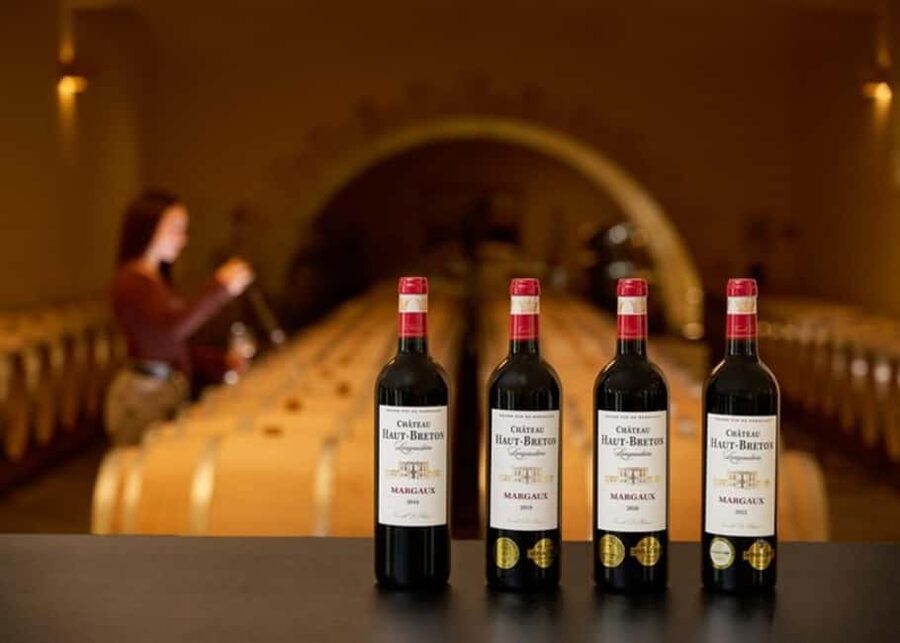
The tour ends with four vintages of Château Haut-Breton Larigaudière AOC Margaux. This is a vertical tasting, meaning you taste the same label from different years rather than sampling unrelated wines from many estates.
That structure is valuable because it keeps the comparison focused. The château and appellation remain constant, while the vintage changes. You can pay attention to the way age affects the wine without also trying to compare different producers, grape blends, or regions.
The available information does not identify the four vintage years, so you should check the current selection when booking or arriving. The wines may not be identical from one date to the next. The useful point is the format: four vintages of the first label, tasted together.
I like vertical tastings because they make wine aging easier to understand. A younger vintage may show more direct fruit and firm structure, while an older one may feel more settled or developed. Those are general possibilities, not guarantees, and the point is to taste the differences for yourself.
Do not rush this portion. The barrel samples show how wood affects young wine, while the vertical tasting shows how bottled wine changes over time. Together, they give you two different lessons in development.
The tasting also gives you a chance to decide which style you prefer. You may like the energy of a younger vintage, the smoother character of an older one, or the balance of something between the two. There is no correct answer, and that freedom is part of what makes the format useful.
Sampling Le Créateur after the first label
The final tasting includes Le Créateur, the château’s special cuvée. The information provided does not describe its grape blend, aging method, production volume, or exact style, so you should not arrive expecting a specific flavor profile.
What you can expect is a point of comparison with the four vintages of Château Haut-Breton Larigaudière. The first label gives you a vertical look at one wine across several years. Le Créateur adds a different expression from the same producer.
That makes the special cuvée a good closing wine. It broadens the tasting without turning the visit into a long list of unrelated samples. You can ask the guide what makes Le Créateur special and how it differs from the château’s AOC Margaux wines.
The tasting is substantial for a 90-minute visit. You get two barrel samples, four vintages, and the special cuvée. The exact pour sizes are not specified, so you should not calculate the experience by the number of full glasses. The value comes from the comparisons, not simply from the amount of wine served.
If you plan to buy a bottle, the château shop is also the natural place to do so. A two-person visit in August ended with several bottles going home, which makes sense after tasting across vintages. You can make a more informed choice than you could from a single pour.
Is $47 a fair price?
At $47 per person, this is not the cheapest way to taste wine in the Margaux area. It is also not simply a standard tasting at a shop. The price includes a private guided visit, the vineyard parcel, technical areas, barrel cellar, two barrel tastings, four vintages, and Le Créateur.
I consider that fair value if you want instruction and comparison. You are paying for access to a working winery and for a tasting designed around oak and vintage differences. That is more useful for an interested wine drinker than a quick sample of one or two bottles.
The value is less clear if you mainly want a scenic walk, a long lunch, or a broad introduction to Bordeaux wines. The visit is short and focused. It does not promise a meal, transportation, or a tour of several estates.
Private access also changes the calculation. A couple or small group can ask more questions and set the conversation around its own interests. If you are already comfortable with wine, ask about the barrel choices, the four vintages, and Le Créateur. If you are new to Bordeaux, ask the guide to explain each contrast in plain language.
The flexible booking terms help if your Bordeaux plans are still moving. You can cancel up to 24 hours ahead for a full refund, and you can reserve without paying immediately. These are useful safeguards, especially when you are fitting several château visits into a short stay.
Who will enjoy this Margaux visit?
I would choose this tour for wine drinkers who want to understand production rather than simply collect a tasting stop. It suits couples, families, or private groups who value a quieter visit and want to ask questions in French or English.
It is also a strong choice for anyone curious about oak. The French oak and American oak comparison gives you a clear tasting exercise, while the different toast levels show how small production choices can matter.
The vertical tasting makes it appealing to people who enjoy comparing vintages. You do not need to know Bordeaux in advance. The format itself gives you something to focus on, and the guide can help explain what changes from bottle to bottle.
I would be more cautious about booking it if you want a long half-day estate experience. Ninety minutes passes quickly once you include the vineyard, technical areas, barrel cellar, barrel samples, four vintages, and Le Créateur. This is a concentrated visit, not an entire day at the château.
Wheelchair access is listed, which is important if access affects your planning. The tour is private, but the available details do not describe the exact route, surfaces, or restroom arrangements. If you need a specific accommodation, confirm it with the provider before booking.
Practical details for a smooth visit
Plan to meet at the château shop. The tour runs for 90 minutes, and starting times depend on availability, so check the schedule before building the rest of your day around it.
French and English are available. If you are booking for a private group, decide in advance which language you want to use so the conversation stays easy for everyone.
Keep the tasting focused. You will be comparing barrel samples, vintages, and a special cuvée, so taking a moment between pours will help you notice the differences. You do not need to know formal wine terms, but it helps to think about aroma, structure, oak, freshness, and finish.
The experience is offered in a genuine Margaux winery, but the details do not include transportation to the château. You should arrange your own way to the meeting point and allow enough time to arrive before the start.
The visit may be particularly pleasant on a weekday, when a private booking can feel calm and personal. One August couple had the guide and estate to themselves, though you should not assume every booking will have exactly the same setting.
Should you book it?
Book this tour if you want a private, hands-on Margaux experience built around how wine changes in oak and across vintages. The two barrel samples are the main reason to choose it, and the four-vintage tasting gives the visit a strong finish.
Skip it if you are looking for a long estate outing, food pairing, or a broad tour of several Bordeaux producers. At $47, the tour earns its price through access, explanation, and comparison rather than length.
For an interested wine drinker, I think the format is well judged. You see the estate, follow the wine into production, taste it from the barrel, then compare finished bottles. That clear progression makes the 90 minutes count.
FAQ
How long does the Margaux winery tour last?
The tour lasts 90 minutes. Starting times vary, so check availability when booking.
Where does the tour begin?
The meeting point is at the château’s shop.
Which languages are available?
The live tour guide is available in French and English.
Is the tour private?
Yes. The activity is offered as a private group experience.
What wines are included in the tasting?
You taste Cabernet Sauvignon from two barrels, four vintages of Château Haut-Breton Larigaudière AOC Margaux, and the special cuvée Le Créateur.
Can I cancel or pay later?
You can cancel up to 24 hours in advance for a full refund. You can also reserve now and pay later, so no payment is required at the time of booking.
More Food and Drink Experiences in France
- Saint-Émilion: Bordeaux Vineyard Tour and Wine Tasting
★ 4.8 · 578 reviews - Bordeaux: Vineyards Wine Tasting Half-Day Trip
★ 4.2 · 470 reviews - Saint-Émilion: Vineyard Walking Tour and Tasting
★ 5.0 · 404 reviews - Paris Art of Pairing Cheese and Wine Tasting in a Cheese Cellar
★ 5.0 · 386 reviews
Just added around France
- Day Trip to the Sancerre and Pouilly Vineyards★ 5.0 · 20 reviews
- 3-Hour Private Painting tuition in a beautiful Cognac vineyard★ 3.5 · 2 reviews
- 4×4 tour in a winery followed by a tasting★ 5.0 · 46 reviews
- Winery Visit with Food and Wine in Carcassonne★ 5.0 · 59 reviews
- Walk in the vineyards of Chablis Grands Crus★ 4.5 · 7 reviews
- Wine Getaway with Tasting in the Chablis Vineyard★ 5.0 · 3 reviews
- Winery Tour & Wine Tasting – Deli Plate & 3 Wines★ 5.0 · 72 reviews
- Visit to the Faugères Vineyards with Picnic from Béziers★ 5.0 · 7 reviews
France Vineyard Tours, compared.
Medoc or Saint Emilion Wine Tasting and Chateau from Bordeaux
Read our review →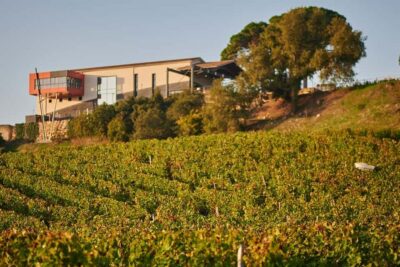
Saint-Émilion: Grand Cru Classé Winery Visit and Tasting
Read our review →
Saint Emilion Half-Day Trip with Wine Tasting & Winery Visit from Bordeaux
Read our review →
Champagne Day Trip with 6 Tastings, Reims and Winery from Paris
Read our review →
Saint-Emilion Afternoon Wine Tour – 2 Wineries & delicacies
Read our review →
Saint-Émilion: Bordeaux Vineyard Tour and Wine Tasting
Read our review →
Browse the lists this tour appears in