
REVIEW · SPAIN
Aranda de Duero: Martín Berdugo Winery – Tour and Tasting
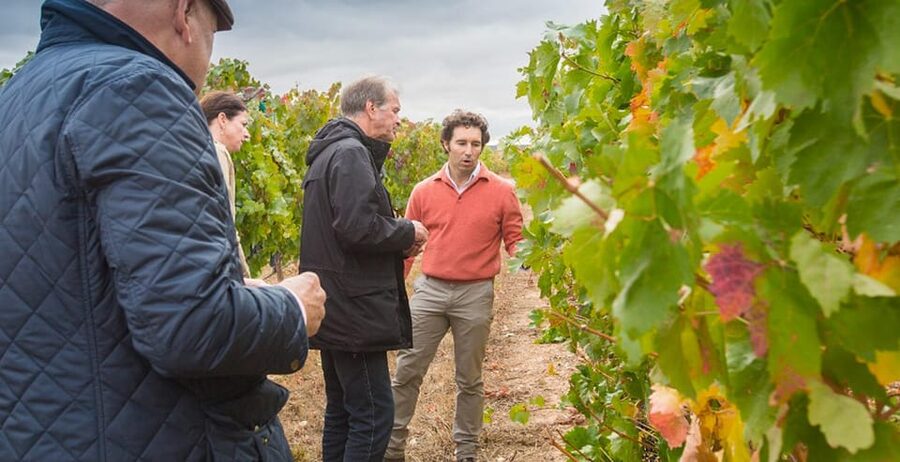
The most interesting feature here is the close link between vineyard and winery. At Martín Berdugo, the grapes grow beside the buildings where they are turned into wine, so you can follow the path from alluvial soils to tanks, barrels, and glass without a long bus ride or a polished showpiece separating you from the working estate.
I like two things in particular: the small group size, capped at 16, and the tasting’s simple comparison of two wines, usually a younger style and a barrel-aged wine. Guides such as Emma, also referred to as Ema, explain the process in clear Spanish and have handled questions from complete beginners and families with children.
The main drawback is timing. A 90-minute visit gives you a useful introduction, not a full study of Ribera del Duero. January can also be a quiet month in the vineyard, with the vines resting in the cold, so the visit feels more focused on the winery than on active growth outdoors.
Key points to know before booking
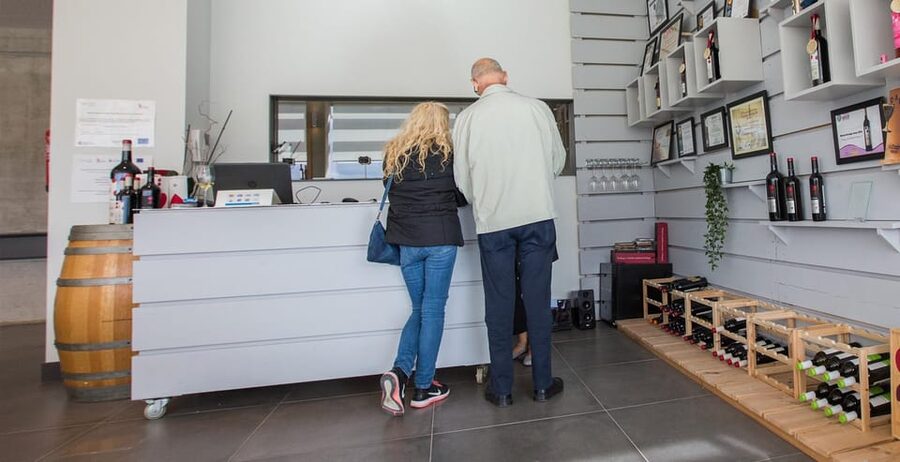
- The winery sits within its own vineyard, making it easy to connect the grapes, soil, and winemaking process.
- The tour lasts about 90 minutes, split between a 50-minute visit and a 40-minute tasting.
- You taste two Martín Berdugo wines, accompanied by local cheeses and bread sticks.
- The tour is in Spanish, with guides praised for explaining technical ideas in a friendly, accessible way.
- Groups range from 2 to 16 people, which keeps the visit smaller than many commercial winery tours.
- Vegan visitors can be accommodated, but you need to request the option ahead of time.
A vineyard visit with the winery next door
Ribera del Duero is one of Spain’s best-known wine regions, and Martín Berdugo gives you a direct way to see how its wines are made. The estate is a single-vineyard operation, meaning the winery is placed right among the vines rather than somewhere distant from the agricultural work.
That arrangement matters. You do not simply hear a general explanation of how wine is produced and then move on to a tasting room. You can see how the estate links its soil, vines, harvest, and cellar work. The visit also puts attention on minimal intervention and on keeping the surrounding natural setting in balance.
I like this approach because it gives the tour a clear thread. The guide can begin with the ground under your feet, move to the vines, and then show how the fruit is handled once it arrives at the winery. For a first wine visit, that makes the subject easier to follow.
The vineyard includes different types of alluvial soil. You will learn why those soils matter to the vines and how the grapes are cared for before harvest. The available information does not promise an active harvest experience, so you should think of this as an educational estate visit rather than a hands-on grape-picking activity.
More Food and Drink Experiences in Spain:
- Toledo Tour & Vineyard Walk with Wine Tasting from Madrid
★ 5.0 · 2,546 reviews - Madrid Countryside Wineries Guided Tour with Wine Tasting
★ 5.0 · 740 reviews - Jerez: Bodegas Fundador Guided Tour with Tasting Session
★ 4.8 · 714 reviews
Following the grapes from field to winery
The guided portion lasts about 50 minutes. It begins at the winery and vineyard, with the guide explaining how grapes move from the estate into the production rooms.
This is where the tour earns much of its $21 price. You are not paying only for two small glasses of wine. You are getting a short but organized lesson in the full production chain, from vineyard care to fermentation and aging.
The guide discusses the estate’s effort to use minimal intervention. That idea can sound vague when presented as a slogan, but here it is connected to specific choices. The goal is to protect the character of the fruit and maintain a natural balance around the vines.
The production room uses gravity technology. In plain terms, this lets the winery move wine and grapes with less force, helping the fruit stay intact. You do not need technical wine knowledge to appreciate the basic point: the equipment is designed to handle the grapes gently and avoid unnecessary disturbance.
The guides are an important part of the experience. Emma, or Ema, has been praised for explaining the subject with patience and an easy manner. One family found that she kept the tour friendly even with children present. Another visitor noted that a Romanian guide spoke excellent Spanish and explained the process in great detail.
Those comments point to a useful strength for beginners. You do not need to arrive knowing the difference between crianza and young wine, or understanding barrel aging. The tour is built to explain those ideas as you go.
The barrel cellar and the quiet part of wine production
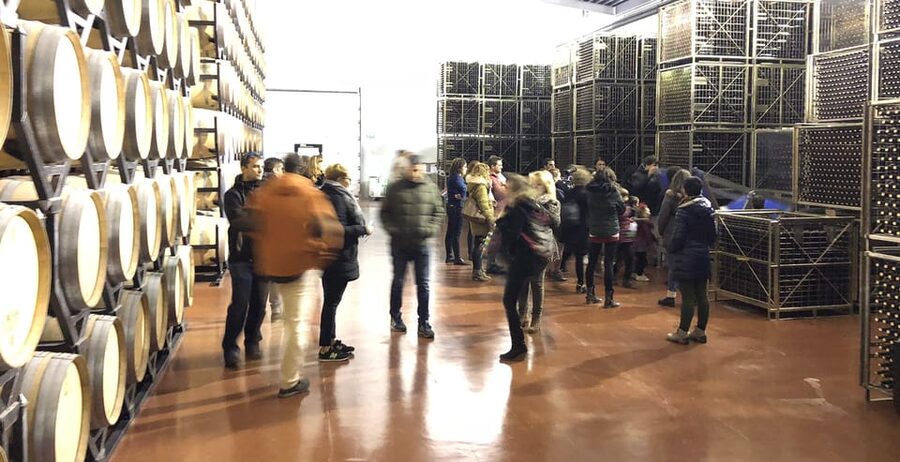
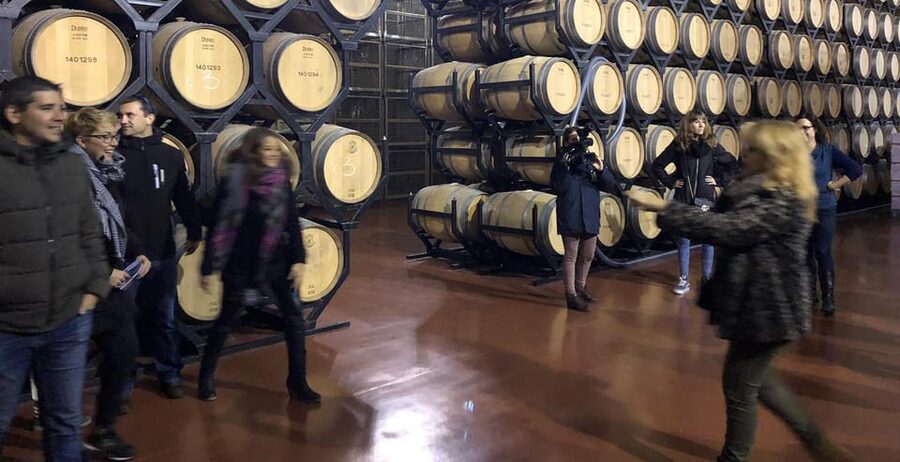
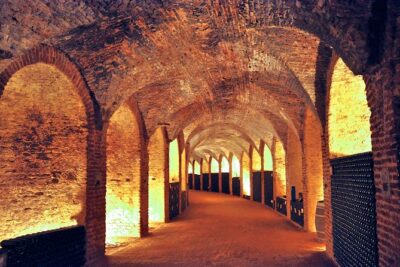
The barrel cellar provides a change of mood from the vineyard and production rooms. Here, the emphasis is on time. Wine matures in a calm, quiet setting rather than being rushed from one stage to the next.
That contrast helps you understand why a winery visit is more than a look at machinery. Wine is made through a series of choices, but also through waiting. The barrel room gives the guide a chance to explain how different styles develop and why aging affects the final glass.
The tour does not promise a large collection of wines or an extended cellar walk. It offers a focused look at the role of the barrel cellar in Martín Berdugo’s production. If you want an extensive comparison of many vintages, this is likely too short. If you want a clear introduction to why barrel-aged wine tastes different from younger wine, it should suit you well.
The winery’s gravity-based methods and minimal-intervention approach are especially useful details for visitors who want more than a scenic stop. You can ask about how the grapes are treated and how the estate tries to preserve their fruit character. The guide’s explanations are likely to matter more than the machinery itself.
Two wines, local cheese, and a useful comparison
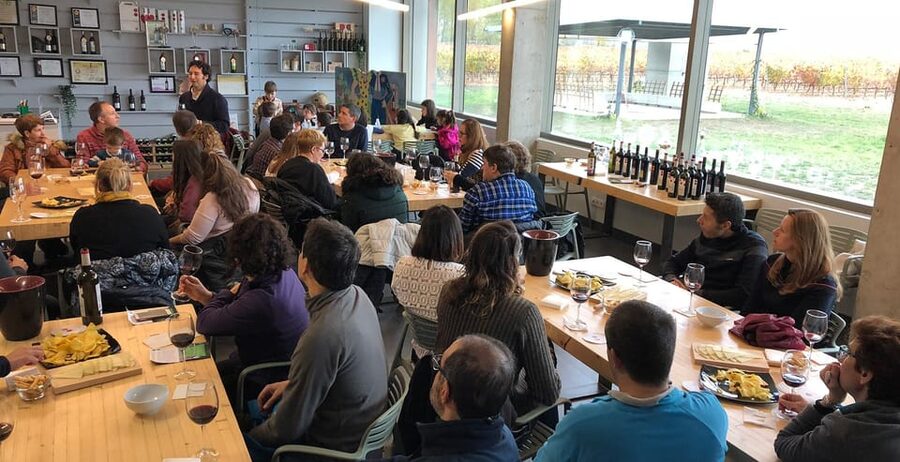
The final 40 minutes are devoted to tasting. You receive two Martín Berdugo wines with traditional local cheeses and bread sticks. A common pairing compares a younger wine with one that has spent time in oak, often described as a crianza.
This is a sensible format for a short tour. Two wines are enough to show a clear difference without turning the tasting into a blur of names and flavors. You can compare the fresher character of a young wine with the deeper, more developed notes of the barrel-aged style.
I like that the tasting includes local cheese rather than treating wine as an isolated product. Cheese gives you something to eat, but it also shows how the wine works with food. The bread sticks keep things simple and practical.
The tasting is guided, so you are not left to guess what you should notice. You can expect the guide to connect the wine back to the production steps discussed earlier. That makes the tasting feel like the conclusion of the visit rather than a separate sales stop.
The available details do not specify the exact labels or vintages poured on every date. Wine selections can change, so you should not book this expecting a particular bottle unless the winery confirms it. The format is reliable, but the precise wines may vary.
For visitors who do not drink wine, the main value lies in the vineyard and cellar visit. The experience is designed around wine tasting, though, so people who want little or no wine may find the second half less useful.
A few more vineyard days around Spain worth a look
- Barcelona: Montserrat, Cogwheel, Black Madonna & Winery Tour
★ 4.8 · 5,633 reviews - Montserrat with Black Madonna & Medieval Winery with Tapas/Lunch
★ 5.0 · 5,209 reviews - From Fuerteventura: Lanzarote Volcano and Wine Region Tour
★ 4.4 · 1,220 reviews - Montserrat Full Day Tour with Farmhouse Lunch and Winery Visit
★ 5.0 · 1,068 reviews
What $21 buys you at Martín Berdugo
At $21 per person, this is a reasonably priced introduction to Ribera del Duero wine. You receive access to the vineyard and winery, a guided explanation lasting about 50 minutes, and a 40-minute tasting with food.
I see the value most clearly for people who have limited time in the region. A 90-minute visit fits neatly into a day of sightseeing around Aranda de Duero, and you get enough context to make later wine choices with more confidence.
The price also compares well with the group size. The estate accepts between two and 16 people, so this should feel more personal than a large coach-style winery stop. A group of 16 is not intimate, but it is still small enough for questions if the guide manages the visit well.
The tradeoff is depth. You are not getting a full-day wine course, a broad regional tasting, or a meal. The tour gives you a compact introduction and two wines. I would call it good value for a first visit, especially if you want practical information rather than a luxury tasting ritual.
Choosing the best season and time
Visits are offered Monday through Saturday at 12:00 and 4:30 pm. Check the exact available time when booking, since the information lists the first slot as 12:00 without clearly specifying morning or afternoon.
The 4:30 pm visit may fit well after a morning in Aranda de Duero, while the earlier time leaves room for other plans later in the day. Allow more than the stated 90 minutes if you need to drive onward, find the entrance, or prefer not to rush after the tasting.
Season affects what you see outside. In January, the vines can be in their winter rest, and the cold means there is little visible activity in the rows. That does not make the visit pointless, but it shifts the focus toward the winery, cellar, and explanation of the production process.
In warmer months, the vineyard should provide a more active visual setting, although the information does not guarantee a particular stage of growth. If seeing green vines is important to you, avoid assuming that every month will look the same. The winery can confirm current conditions.
You need to reserve in advance because the estate requires time to prepare the visit. A minimum of two people is required, and the maximum group size is 16. If your party is smaller, the visit can still go ahead as long as the minimum is met and availability is confirmed.
Practical arrival details at the estate
The meeting point is the main door of the warehouse, on the left as you enter by vehicle. The door is normally open. If it is closed, use the intercom beside it.
This is a useful detail because winery entrances are not always obvious. Do not assume the most prominent door or office is the meeting point. Look for the warehouse entrance on the left side of the drive.
The tour is wheelchair accessible. Pets are not allowed, although assistance dogs are permitted, and smoking is not allowed indoors.
The live guide speaks Spanish. If you need the tour in another language, the supplied information does not promise that option. Some content may appear in its original language, so Spanish speakers will get the easiest access to the full explanation.
The winery offers free cancellation up to 24 hours before the visit, and you can reserve while paying later. Those terms are useful if your route through Castile and León is still changing, but you still need to check availability before arriving.
Who will enjoy this wine tour most
I would recommend Martín Berdugo to first-time wine visitors, couples, small groups, and families who want a short, structured activity. The explanations are suited to people who do not already know the technical language of wine.
It also works for wine drinkers who care about production methods. The discussion of alluvial soils, gravity technology, barrel aging, and minimal intervention gives you more substance than a quick tasting at a bar.
Families should note that the tour includes a cellar and tasting, not a separate children’s program. Still, the guide has shown patience with children, and the 90-minute length is easier for a family than a long estate program.
Vegan visitors can take part if they request the vegan option in advance. The standard tasting comes with local cheeses and bread sticks, so do not wait until you arrive to explain your dietary needs.
This is less suitable for someone seeking a grand food-and-wine event. There is no meal, no stated tasting of a large number of wines, and no promise of a particular vintage. The strength is clarity and access, not spectacle.
Should you book Martín Berdugo?
Book this tour if you want a well-priced introduction to Ribera del Duero that connects the vineyard directly to the cellar. The 90-minute format, two-wine tasting, local cheese, and small group limit give you a lot of useful content without taking up half a day.
I would choose a warmer season if the vineyard itself is a priority, and I would accept January if you are more interested in winemaking and cellar work. Confirm the time, reserve ahead, and request the vegan option before you go.
The visit is a good match for curious beginners and anyone passing through Aranda de Duero with limited time. It is not the right pick if you want a long tasting menu, many wines, or a full-day study of the region. At $21, though, it offers a straightforward and authentic look at how one Ribera del Duero estate makes its wine.
FAQ
How long does the Martín Berdugo winery visit last?
The visit lasts approximately 90 minutes. About 50 minutes are spent on the guided winery and vineyard visit, followed by about 40 minutes of wine tasting.
How many wines are included?
The tasting includes two Martín Berdugo wines. The selection may include a younger wine and a barrel-aged wine, though specific labels and vintages are not guaranteed.
What food accompanies the tasting?
The wines are served with traditional local cheeses and bread sticks. A vegan option is available if you request it in advance.
Is the tour offered in English?
The live tour guide language is Spanish. The provided information does not confirm an English-language tour.
What are the available visit times?
Visits are offered Monday through Saturday at 12:00 and 4:30 pm. Check availability for the exact date and time you want.
Is the winery accessible by wheelchair?
Yes. The activity is listed as wheelchair accessible. Pets are not allowed, but assistance dogs are permitted.
Just added around Spain
- Tour Lanzarote South with Winery Visit★ 5.0 · 4 reviews
- Taste Tradition 4 Wineries and Tapas Bar★ 5.0 · 21 reviews
- Vineyards of La Geria hiking tour★ 5.0 · 69 reviews
- Lanzarote E-Bike Tour: Volcano Craters & Scenic Vineyards★ 5.0 · 28 reviews
- Visit Bodegas Teneguía winery in La Palma with wine Tasting★ 4.5 · 43 reviews
- Canarian Wine Experience at Bodega los Lirios★ 5.0 · 67 reviews
- Winery Tour, Wine Museum, and Tasting in Gran Canaria★ 5.0 · 35 reviews
- Gran Canaria Premium Tour: Volcanoes and Wine for cruisers★ 5.0 · 16 reviews
Spain Vineyard Tours, compared.
Montserrat, Cogwheel, Black Madonna & Winery Tour
Read our review →
Montserrat with Black Madonna & Medieval Winery with Tapas/Lunch
Read our review →
Montserrat Full Day Tour with Farmhouse Lunch and Winery Visit
Read our review →
Montserrat & Winery Visit Tour with Traditional Farmhouse Lunch
Read our review →
Madrid Countryside Wineries Guided Tour with Wine Tasting
Read our review →
Bodegas Fundador Guided Tour with Tasting Session
Read our review →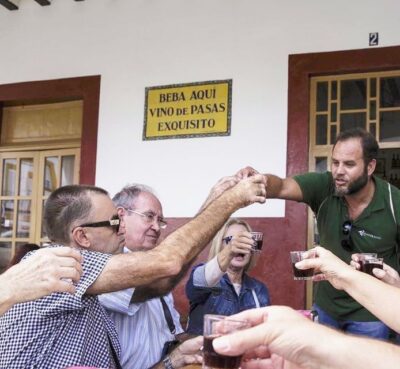
Browse the lists this tour appears in