
REVIEW · SPAIN
La Rioja: Guided tour of Bodega CVNE and wine tasting
CVNE’s Haro winery turns wine production into a walk through old cellars, barrel caves, giant vats, and the unusual Wine Cemetery, where bottles and wines from past years are kept. The visit also connects Rioja tradition with Gustave Eiffel, a name that adds an unexpected engineering note to the tour.
I like the clear tasting lineup of three different wines, and I like the small food pairing of Los Cameros cheese. The main drawback is that the tasting may feel modest if you are hoping to sample CVNE’s most prestigious bottles, such as Imperial.
- The Wine Cemetery: See centuries-old bottles and learn why some wines are kept rather than sold.
- A 90-minute cellar visit: The timing works well for a morning or afternoon in Haro.
- Three named wines: Taste Monopole, Asúa Crianza, and Asúa Reserva in one sitting.
- Gustave Eiffel connection: The winery’s story includes historic architecture and engineering.
- Spanish-language guiding: The tour is conducted in Spanish, with some content presented in its original language.
- A simple Rioja pairing: Los Cameros cheese gives the tasting a useful local food connection.
Entering CVNE in Haro
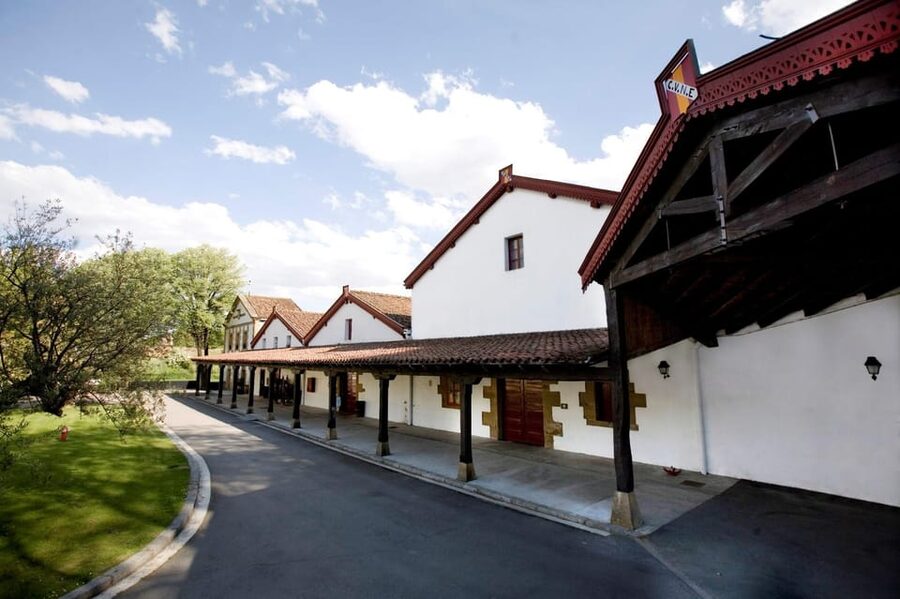
CVNE is one of the best-known names in Rioja, and this visit takes place at its winery in Haro. The company has more than 140 years of wine-making history, so the tour is not simply a tasting room appointment. You get a look at the places where wine is stored, aged, and prepared for release.
The setting matters here. Haro is one of Rioja’s key wine towns, and CVNE’s buildings and cellars help explain why the area became so important. Instead of seeing only polished displays, you move through working spaces tied to the long life of Rioja wine.
The tour lasts about 90 minutes. That is enough time to see the main parts of the winery and enjoy the tasting without giving up most of your day. I would pair it with a visit to Haro or another nearby winery rather than treating it as a full-day activity.
The guide speaks Spanish. If you understand Spanish, you should get the fullest version of the explanations, particularly when the tour turns to wine-making terms, local history, and the differences between the bottles. Some material is shown in its original language, so you should not book this expecting an English-language tour.
Historic warehouses and the CVNE story
The tour introduces you to CVNE’s long history through its winery buildings and storage areas. The company began more than 140 years ago, and the visit uses that age to show how Rioja wine developed from cellar work, vineyard production, and long bottle aging.
One unusual part of the story is the connection with Gustave Eiffel. The supplied details do not specify exactly which structure or feature is associated with him, so do not expect a full Eiffel-themed tour. Still, the reference adds a memorable layer to the visit, especially for anyone interested in old industrial design and the practical side of wine production.
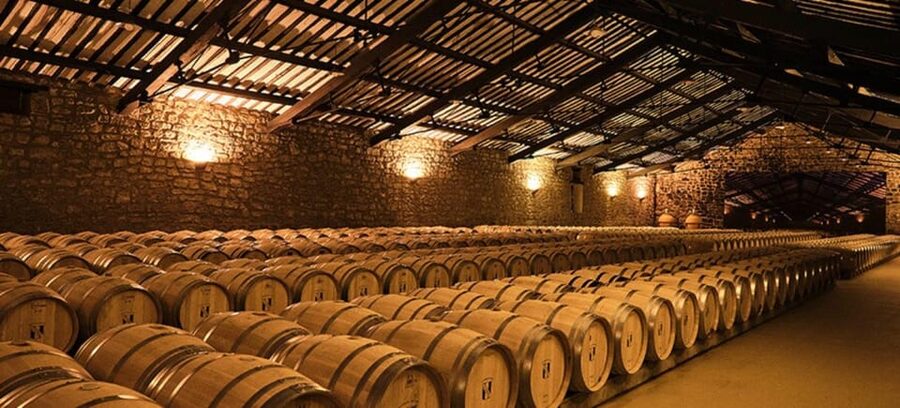
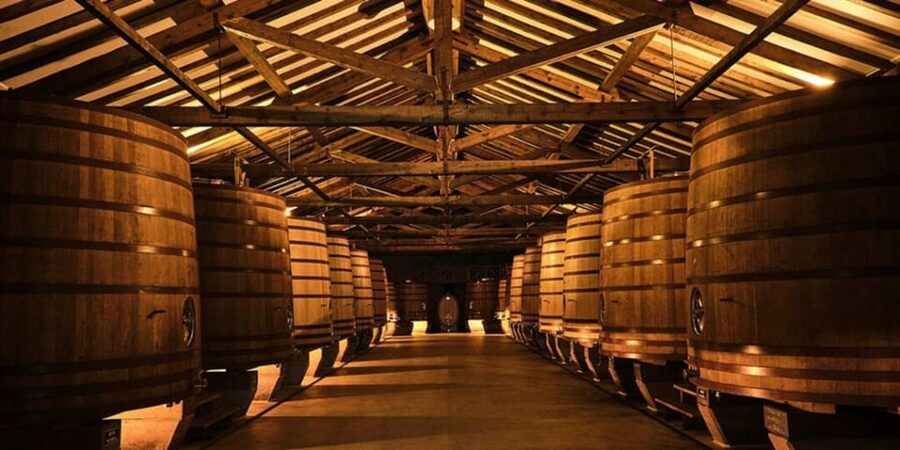
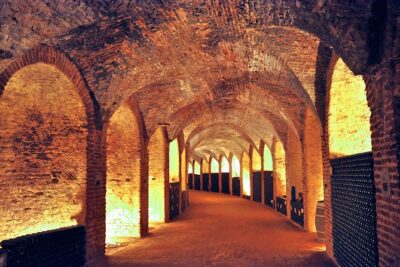
You can expect to see large vats, old warehouses, and rows of barrels and bottles. These spaces give you a better sense of the patience built into Rioja wine. A bottle may spend years moving through different stages before it reaches your table, and the cellars make that delay easier to understand.
This is where the tour has its strongest educational value. You are not only told that Rioja ages its wines. You can see the containers and storage spaces that make aging possible. The scale of the winery also helps explain why Rioja production is more than a small family operation, even though the final bottle may still reflect a particular vineyard or style.
More Rioja and Ribera Wine Tours in Spain:
- Ribera del Duero Wineries Guided Tour & Wine Tasting from Madrid
★ 5.0 · 328 reviews - Ribera del Duero:4 Wineries, tasting & Lunch included from Madrid
★ 5.0 · 199 reviews - From Madrid: Ribera del Duero Tour of 3 Wineries w/ Tastings
★ 4.9 · 150 reviews
The barrel caves and Wine Cemetery
The cellar areas are likely to be the most atmospheric part of the visit. CVNE has caverns holding thousands of barrels and bottles, creating a cool, enclosed setting that feels very different from a standard retail tasting room.
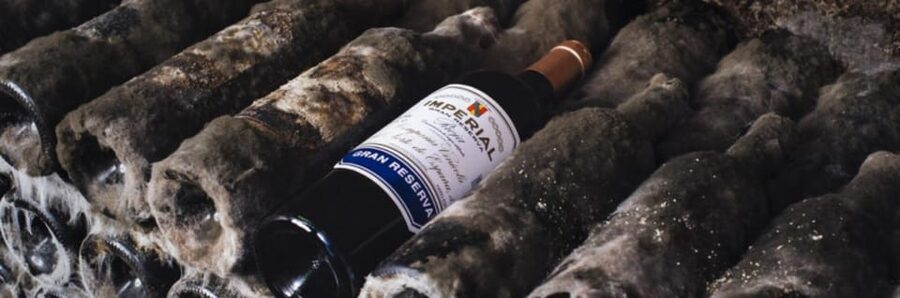
The Wine Cemetery is especially distinctive. This is where old wines and bottles from past years are preserved, allowing the winery to keep a record of its production across time. The name sounds dramatic, but the idea is practical: these bottles show how wine changes, ages, and remains part of a winery’s identity even after its usual sales period has passed.
For you, the value of this stop is the sense of time. New wine is easy to understand because you can taste its fruit and freshness. Older bottles raise different questions about storage, patience, vintage variation, and the way a wine develops. The Wine Cemetery gives the guide a natural place to explain those ideas.
Do not assume you will taste the oldest bottles. The listed tasting is built around three specific wines, not a selection from the Wine Cemetery. That distinction is important. You see the historic collection, then taste the current program rather than sampling rare cellar treasures.
The old cellars may also appeal to people who are less interested in wine itself. The caves, bottles, and storage rooms create a strong sense of place, and the visit gives you something to look at between technical explanations.
A tasting built around three Rioja wines
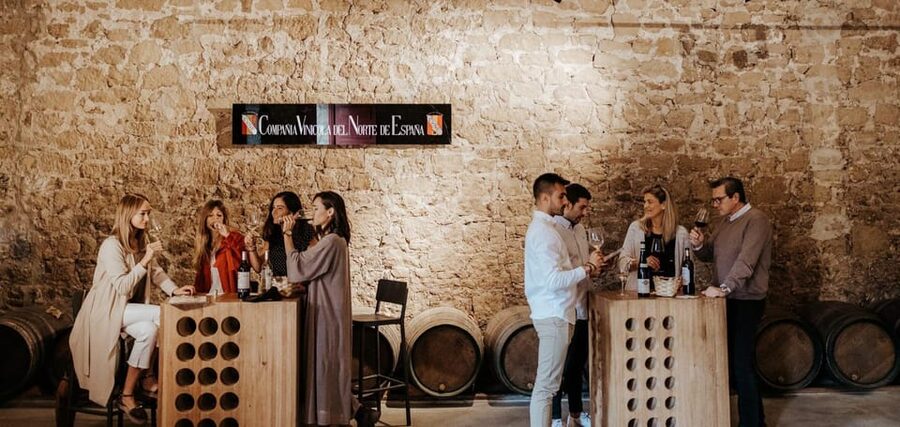
The tasting includes Monopole, Asúa Crianza, and Asúa Reserva. Having three named wines is useful because it gives you a small comparison rather than one isolated sample.
Monopole provides a different point of reference from the two Asúa wines. The Asúa bottles let you compare a Crianza with a Reserva, which is one of the clearest ways to understand how Rioja aging affects a wine’s character. The tour is therefore not just about drinking three glasses. It gives you a basic structure for noticing differences between styles and aging levels.
The exact tasting notes are not provided, so the guide will be the person to explain what to look for in each glass. Listen for comments about aroma, body, oak, fruit, acidity, and finish. You do not need advanced wine knowledge to get something from the tasting. A simple side-by-side comparison can help you identify which style you prefer.
Los Cameros cheese is served as an aperitif. This is a small detail, but it improves the tasting because food changes how wine tastes. Cheese can soften a wine’s sharper edges and gives you a local pairing to consider, rather than leaving you with three glasses and no food.
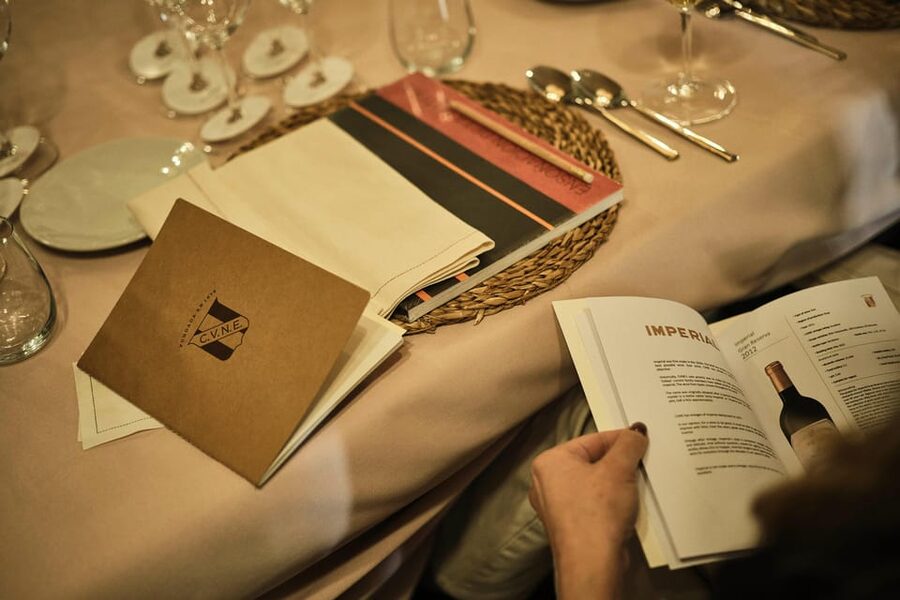
The tasting is also where expectations need managing. The listed bottles are a sensible introduction to CVNE, but the program does not include Imperial. If Imperial is the wine you most want to try, this particular experience may leave you wanting more. One recent booking rated the visit highly but specifically wished Imperial had been included, and that is a fair point for serious CVNE fans.
Another recent rating found the tour very informative but felt less impressed by the tasting itself. I would read that as a difference in priorities. If you mainly want a polished tasting of top-label wines, this may not be the ideal choice. If you want a winery visit with a straightforward tasting at the end, the balance is better.
The guide can shape the experience
A good guide matters in a winery because barrels and bottles do not explain themselves. Valentin has been praised for his strong command of the wine business and CVNE’s story, as well as for hosting the visit with energy and care.
Since the official language is Spanish, Valentin or another guide will be most useful to you if you can follow Spanish conversation. The experience is not advertised with an English-language guide, so check your comfort level before booking.
The best questions to ask during the visit are practical ones. Ask why some bottles go into long storage, how Crianza differs from Reserva, what role the old cellars play today, and how the three tasting wines fit into CVNE’s wider range. These questions connect the historical sections with the glasses waiting at the end.
The tour is designed for a broad audience. You do not need to be a wine expert, and the winery’s program includes sensory activities and experiences suited to different interests. This specific 90-minute visit, however, is the simpler option: a guided cellar tour followed by three wines and cheese.
More Food and Drink Experiences in Spain:
- Toledo Tour & Vineyard Walk with Wine Tasting from Madrid
★ 5.0 · 2,546 reviews - Madrid Countryside Wineries Guided Tour with Wine Tasting
★ 5.0 · 740 reviews - Jerez: Bodegas Fundador Guided Tour with Tasting Session
★ 4.8 · 714 reviews - Jerez: Guided Winery Tour with Wine Tasting
★ 4.4 · 636 reviews
Is $33 a fair price?
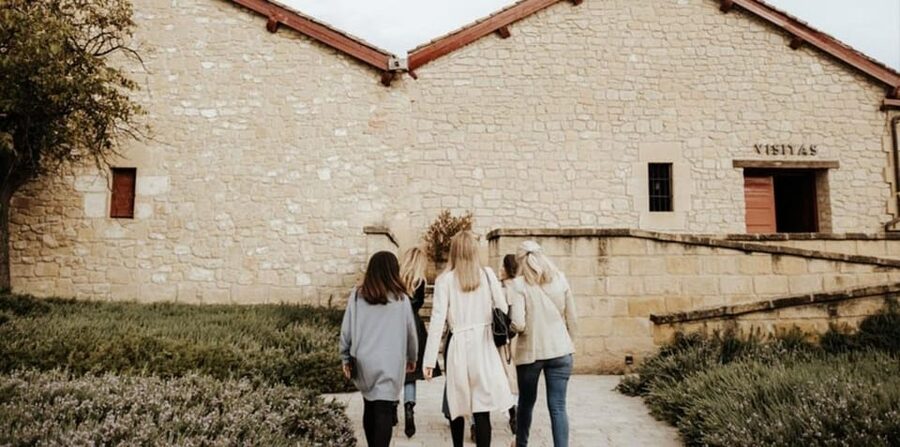
At $33 per person, the value depends on what you want from a wine visit. You are paying for more than three samples. The price includes the guided tour of CVNE in Haro, access to its historic winery areas, the Wine Cemetery, and a commented tasting with three wines and cheese.
That is a reasonable package for a 90-minute winery experience, especially if you value the cellar and company history as much as the drinking. The Gustave Eiffel connection, old storage areas, and thousands of barrels and bottles add substance that a basic bar tasting would not provide.
The price is less convincing if your main goal is rare or premium wine. The tasting list is fixed at Monopole, Asúa Crianza, and Asúa Reserva, and Imperial is not included. You should think of this as an introduction to CVNE rather than a high-end collector’s tasting.
I also like that the program has a clear time limit. A 90-minute stop fits neatly into a day in Haro and leaves room for lunch, more wine country visits, or a walk through town. You get a focused look without committing to an elaborate half-day program.
Who will enjoy this winery visit?
I would recommend this experience to you if you want a practical introduction to Rioja wine and prefer a structured visit over an unplanned tasting. It suits first-time wine visitors, couples, and people who enjoy old buildings, cellar spaces, and food pairings.
It is also a good fit if you are curious about how wine is aged. The barrel caves and Wine Cemetery give you something concrete to see, while the Crianza and Reserva tasting gives you a simple way to think about time in the bottle.
You may want to choose another CVNE experience if you are already familiar with the winery and want rare labels, a longer tasting, or a more specialized sensory workshop. The company offers a wider program of visits, and this option appears to be the accessible entry point rather than the most exclusive one.
The tour is wheelchair accessible, which makes it easier for visitors with reduced mobility to consider. Still, the supplied information does not describe every surface or cellar route, so contact the provider if you need details about particular areas.
Timing, language, and cancellation
The experience runs for 1.5 hours, or 90 minutes, with starting times shown according to availability. I would allow extra time around the appointment if you plan another winery visit or a meal in Haro.
The live guide speaks Spanish. Some content appears in its original language, so Spanish ability will affect how much detail you can follow. The booking also allows free cancellation up to four days in advance for a full refund, which gives you useful flexibility when planning a Rioja itinerary.
The experience provider is Tixalia. No transport is included in the supplied details, so plan to reach CVNE in Haro on your own.
Should you book CVNE?
Book this tour if you want a compact, history-focused winery visit with old cellars, the Wine Cemetery, a Spanish-speaking guide, and three clear tasting samples. The price is fair for the combination of tour and tasting, and the 90-minute format works well in a busy Rioja schedule.
Think twice if your priority is Imperial or a broad range of rare wines. For that purpose, this tasting may feel restrained. For a first look at CVNE, especially if you enjoy seeing the barrels and bottles behind the label, it offers a useful and well-paced introduction.
FAQ
How long does the CVNE winery tour last?
The visit lasts 1.5 hours, or 90 minutes.
Which wines are included in the tasting?
The tasting includes Monopole, Asúa Crianza, and Asúa Reserva.
Is food included?
Yes. The tasting includes Los Cameros cheese as an aperitif.
What language is the tour in?
The live tour guide speaks Spanish. Some content is shown in its original language.
Is the visit accessible for people with reduced mobility?
Yes, the visit is listed as wheelchair accessible.
Can I cancel for a full refund?
Yes. You can cancel up to four days in advance for a full refund.
Just added around Spain
- Tour Lanzarote South with Winery Visit★ 5.0 · 4 reviews
- Vineyards of La Geria hiking tour★ 5.0 · 69 reviews
- Taste Tradition 4 Wineries and Tapas Bar★ 5.0 · 21 reviews
- Lanzarote E-Bike Tour: Volcano Craters & Scenic Vineyards★ 5.0 · 28 reviews
- Visit Bodegas Teneguía winery in La Palma with wine Tasting★ 4.5 · 43 reviews
- Canarian Wine Experience at Bodega los Lirios★ 5.0 · 67 reviews
- Winery Tour, Wine Museum, and Tasting in Gran Canaria★ 5.0 · 35 reviews
- Gran Canaria Premium Tour: Volcanoes and Wine for cruisers★ 5.0 · 16 reviews
Spain Vineyard Tours, compared.
Montserrat, Cogwheel, Black Madonna & Winery Tour
Read our review →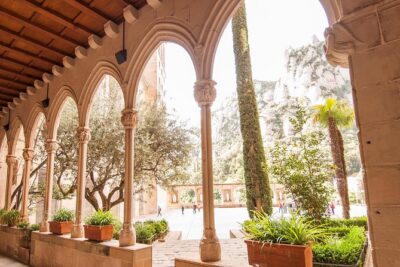
Montserrat with Black Madonna & Medieval Winery with Tapas/Lunch
Read our review →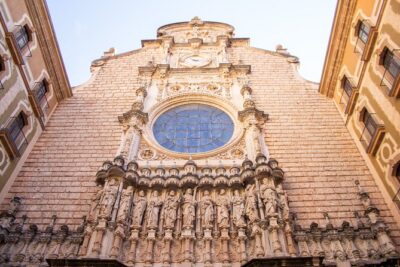
Montserrat Full Day Tour with Farmhouse Lunch and Winery Visit
Read our review →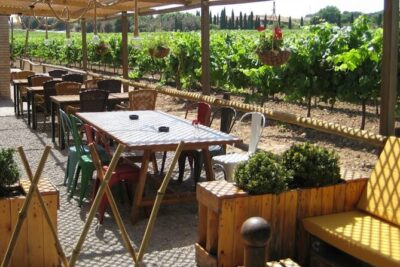
Montserrat & Winery Visit Tour with Traditional Farmhouse Lunch
Read our review →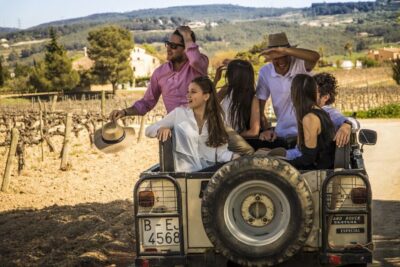
Madrid Countryside Wineries Guided Tour with Wine Tasting
Read our review →
Bodegas Fundador Guided Tour with Tasting Session
Read our review →
Browse the lists this tour appears in