
REVIEW · GERMANY
Koblenz: The Living Vineyard, Nature & Wine Enjoyment
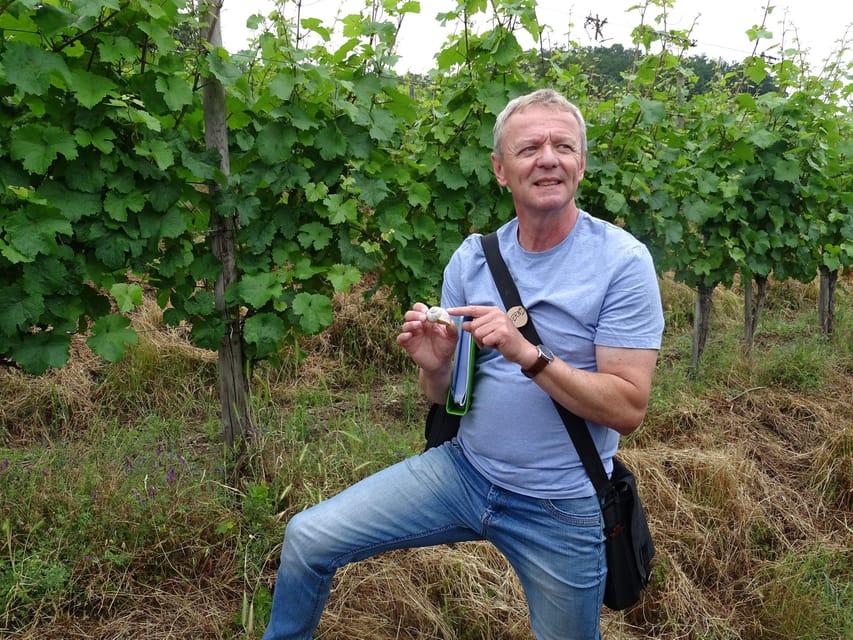
The best part of this three-kilometer Moselle vineyard walk is the way wine and nature stay connected. You follow a leisurely uphill path from Weingut Lunnebach, glass in hand, while Bernd Doetsch explains the vines, slate soil, local history, and the plants and animals living between the rows.
I like the thoughtful route through vineyards, dry stone walls, meadows, fruit trees, fallow ground, and the Brauewald. I also like that the wine tasting is spread through the walk rather than saved for one crowded table. The main drawback is clear: the tour is only in German, and the trail is not suitable for wheelchair users or people with mobility impairments.
Key points to know before you book
- A nature walk with wine stops: Taste one welcome Secco and three selected wines during the three-hour outing.
- A gentle uphill route: The trail covers about three kilometers and rises slowly, so comfortable shoes matter.
- A real Moselle setting: Walk among steep vineyard slopes, slate soil, dry stone walls, orchards, meadows, and woodland.
- Personal guiding: Bernd Doetsch leads the walk, with Bettina helping serve wine and snacks at points along the route.
- A strong value at $30: The price includes the guided outing and four pours, with the scenery and interpretation included.
- German only: You need enough German to follow the explanations and ask questions.
Starting at Weingut Lunnebach with a welcome Secco
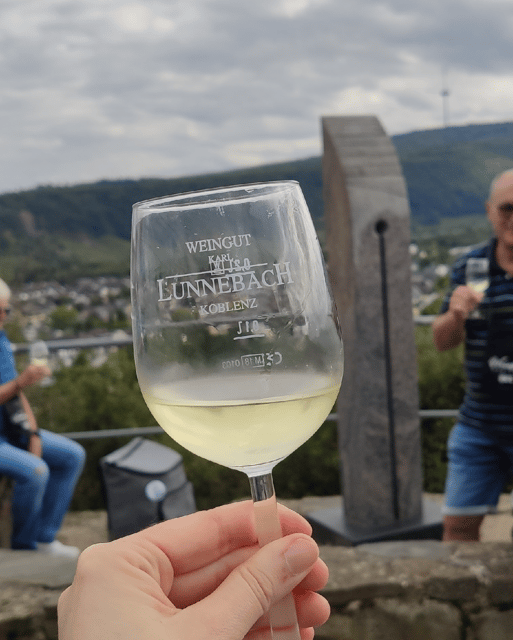
Your visit begins at Weingut Lunnebach, where Riesling is the main grape. The winery works with vines planted on the steep Moselle slopes, where slate soils and good sun exposure help produce wines described as fruity and mineral.
The first drink is a Secco, a pleasant way to begin before setting off. You receive a wine glass and a holder, so you can walk without trying to juggle a glass in one hand. That small detail makes the format feel relaxed and practical.
The winery follows a near-natural approach to viticulture. The point is not simply to drink wine at the end of a walk. You are seeing the setting in which the wine is grown and hearing how care in the vineyard affects the finished bottle.
This is also where you should get clear about the language. Bernd Doetsch leads the tour in German. If you understand German well enough for a guided talk, you can expect explanations and answers to questions. If you do not, the wine and views remain, but much of the value of the tour will be difficult to follow.
A few more vineyard days around Germany worth a look
- Trier: Discovery Tour – Germany’s Oldest Wine Cellar
★ 4.7 · 218 reviews - Stuttgart: Vineyard Tour by Covered Wagon
★ 4.1 · 217 reviews - Stuttgart: Guided Vineyards Tour
★ 4.3 · 146 reviews
Walking the Moselle path used by Napoleon
The route climbs gently from the winery toward the vineyard. The path is about three kilometers in total, and the pace is deliberately easy. A German-language description of the route notes that Napoleon Bonaparte once walked along this path, giving the opening section a small historical connection without turning the outing into a formal military history tour.
The uphill stretch is worth treating as a real part of the activity. It is not described as strenuous, and a group of about 20 people was able to follow it comfortably, but you should still wear supportive shoes. Loose clothing and sensible layers will serve you better than anything dressy.
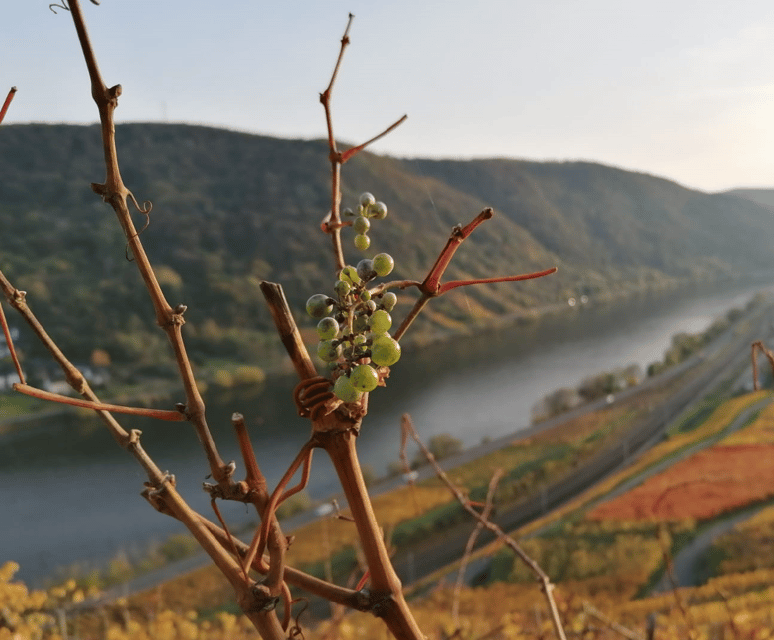
As you move upward, the view opens over the Moselle valley and toward Koblenz. This is one reason the tour works better than a tasting held entirely indoors. You get a sense of the slope, the sun, the soil, and the distance between the vineyards and the city.
The route is not a fast hike. Bernd stops often to explain something, sometimes only a short distance apart. That makes the walk easier to manage, especially for a mixed group, but it also means you should not expect a quiet private stroll or a brisk countryside workout.
Reading the vineyard beyond the grapevines
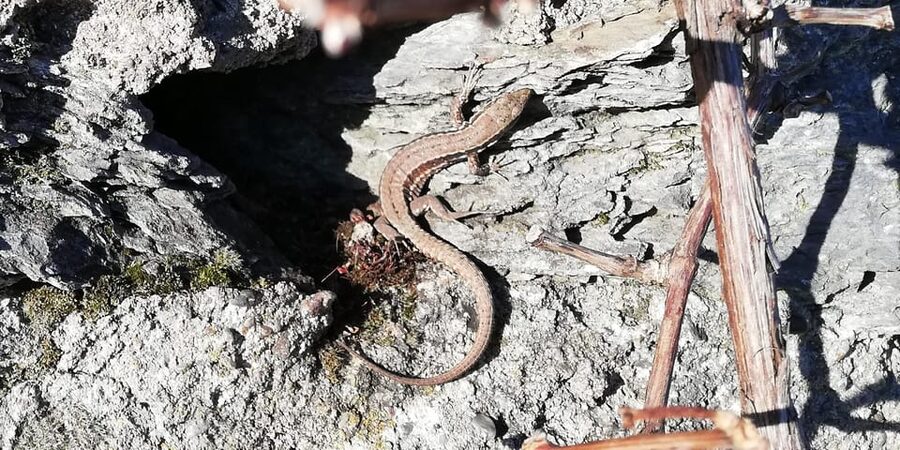
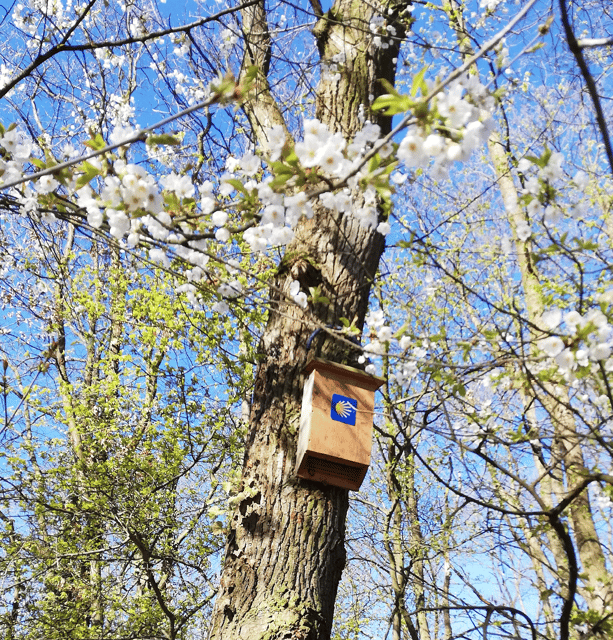
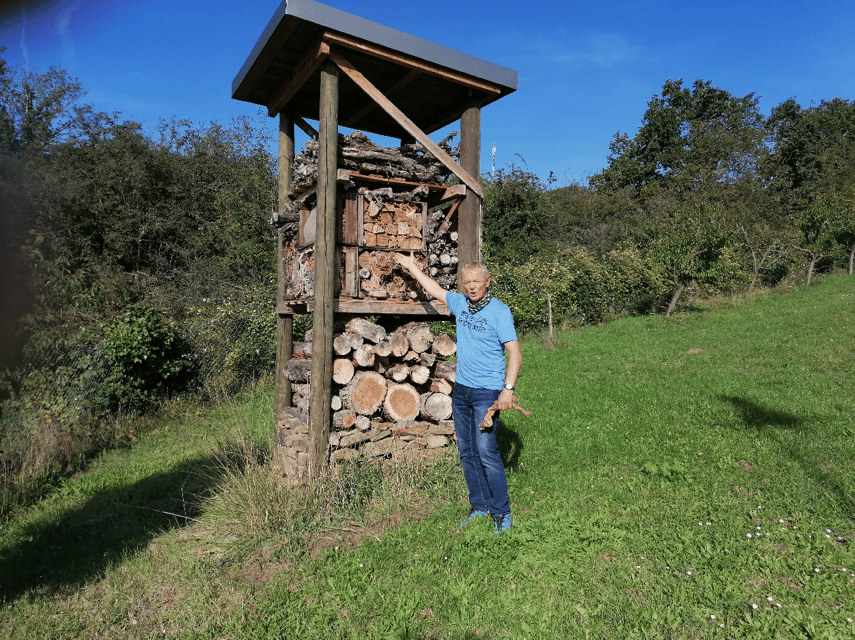
The most interesting feature of this outing is the range of habitats along the way. You do not simply walk between neat vine rows and hear a few facts about Riesling. The route includes dry stone walls, fallow areas, meadows with fruit trees, and the Brauewald.
Each setting changes the feel of the walk. Dry stone walls offer a look at older vineyard construction and create shelter for small creatures. Fallow ground gives plants and insects room outside the cultivated rows. Meadows and fruit trees add another layer to the agricultural picture, while the woodland section brings a different mix of shade and vegetation.
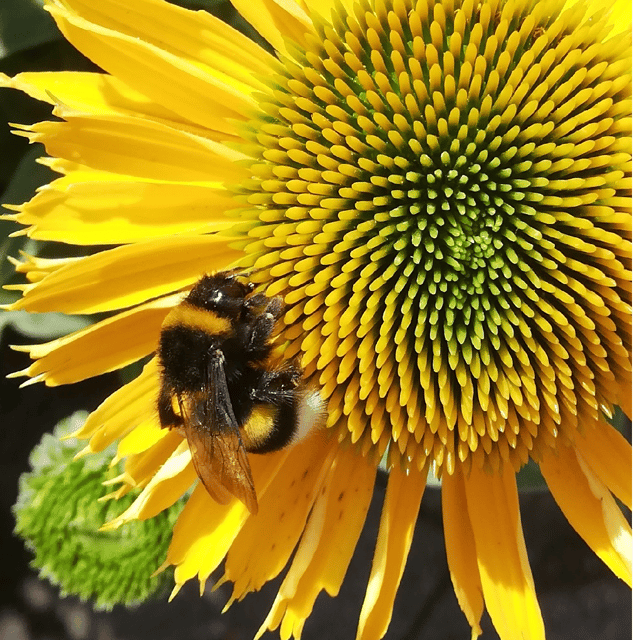
The guide discusses flowers and herbs, insects, reptiles, mammals, and birds. You should not expect a wildlife-spotting excursion with guaranteed sightings. The value is in learning how many kinds of life share a working wine-growing area.
That focus also helps explain near-natural viticulture. Protecting nature here is not an abstract idea. It means paying attention to what grows between and beside the vines, and to the habitats that make the vineyard more than a production site.
For me, this is the strongest reason to choose the tour over a standard cellar tasting. You leave with a better sense of why the vineyard looks and functions as it does. The wine is part of the story, not the entire story.
Understanding slate, sun, and Moselle Riesling
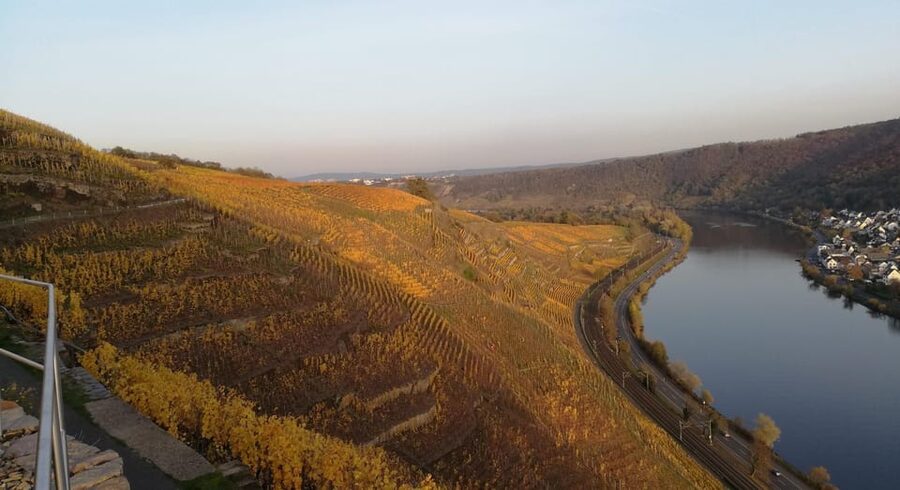
At several points, Bernd explains the geology and history of the Moselle region. The slate-shaped soils and steep slopes are central to the winery’s approach. The grapes ripen with a favorable exposure to sunlight, and the winery aims for wines with both fruit and mineral character.
These explanations give the tasting some useful context. A glass of Riesling tastes different when you have just walked through the soil where the vines grow and seen the angle of the slope. You may not become a wine expert in three hours, but you will have a clearer idea of why the Moselle is associated so strongly with Riesling.
The walk also covers the winemaker’s work in the vineyard and cellar. That is practical information for anyone curious about how a small winery turns grapes into finished wine. The discussion connects vineyard care, harvest, cellar work, and the final pour.
One strong feature is the flexibility of the conversation. Bernd has answered questions beyond the core subjects of wine, nature, and local history. That matters because a good guide can adjust to the group rather than reciting the same narrow speech at every stop.
Same wine country, a different day out:
- Small Group Rheingau Vineyards Tour with Castles and Abbeys
★ 5.0 · 100 reviews - From Dresden: Saxon Wine Route Steamer Day Cruise
★ 4.4 · 95 reviews - Heidelberg: Hills and Wine Region Segway Tour
★ 4.9 · 89 reviews - Reil, Mosel: Guided organic wine tasting and cellar tour
★ 4.8 · 84 reviews
Tasting four wines along the route
The tasting includes one welcome Secco and three selected wines from the cellar. The wine is served during the walk, with several stops along the route and a final pour accompanied by small snacks.
This arrangement gives the tasting a pleasant rhythm. You are not seated in one place trying to remember four glasses at once. Instead, you have time between pours to walk, listen, look at the valley, and consider how the setting relates to the wine.
The final stop comes with a broad view over the Moselle valley toward Koblenz. It is a fitting place for the last wine and a bite to eat. The view is not an extra paid add-on or a separate sightseeing stop. It is built into the walk, which helps the $30 price feel fair.
The exact wines can change because the tasting uses selected bottles from the cellar. You should book this for the chance to taste the winery’s choices, not for a guaranteed list of vintages or grape varieties beyond the winery’s strong focus on Riesling.
The quantity is also worth understanding. Four pours over three hours is a tasting, not an evening of heavy drinking. That makes the activity a good fit for people who want wine with fresh air and information rather than a large drinking session.
Bernd Doetsch and the feel of the group
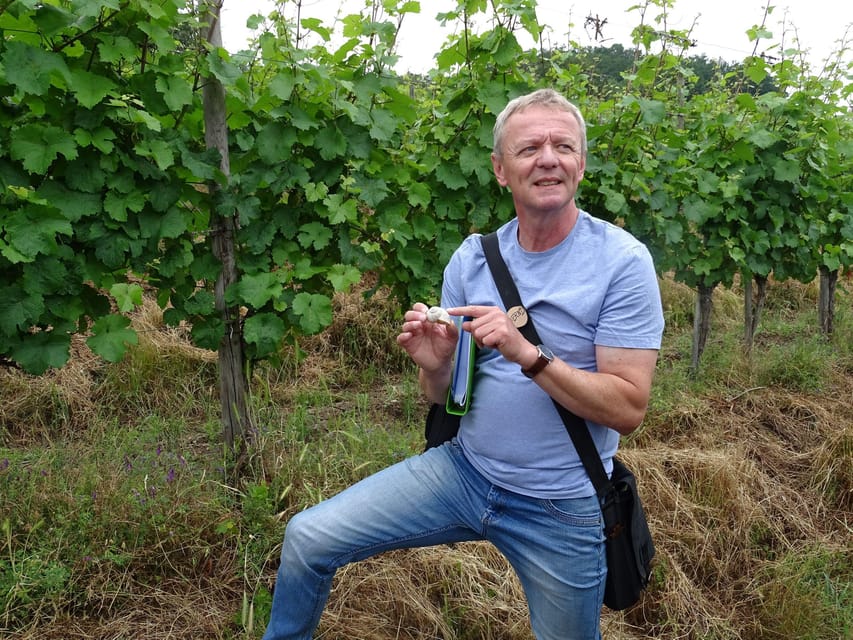
Bernd Doetsch leads the tour, and his wife Bettina has helped serve wine and snacks at the different stations. The guiding style is described as lively, informative, friendly, and authentic. Those qualities matter on a walk where the guide is responsible for both the pace and the atmosphere.
The tour can include a fairly large group. One outing had about 20 participants from different parts of Germany and a neighboring country. A group that size can make the experience social, but it may feel less personal than a private walk.
The frequent explanations help keep the group together. Bernd speaks every few meters or at regular points, so people are not left racing ahead or waiting through long silent stretches. That is useful on a gentle uphill route where everyone may have a slightly different walking speed.
You should also expect a hosted group outing rather than a self-guided nature trail. The route, commentary, and tasting are organized for you. If you prefer wandering alone or stopping whenever you like, this format may feel structured. If you enjoy a guide who fills in the details and keeps things moving, it is a good match.
How the $30 price holds up
At $30 per person, this is a solid value for a three-hour activity. The fee covers the guided walk, the nature and wine explanations, one Secco, three wines, and small snacks at the end. You are also paying for access to a working winery and a scenic route that would be harder to understand on your own.
The strongest value comes from the combination. A short tasting alone might not justify the price for every visitor. A guided nature walk alone might be cheaper in another setting. Here, the two parts support each other: the walk explains the wine, and the wine gives the walk a local purpose.
The value is lower if you do not understand German. The tour’s interpretation is a major part of what you are paying for, so non-German speakers should not book it expecting an English-language substitute.
The outing also suits visitors who want a slower half-day activity. You are not rushing between sights or trying to fit a major monument into a tight schedule. Instead, you spend three hours in one area, with enough time to notice the valley, ask questions, and enjoy the wine without haste.
Practical details for a comfortable outing
The tour runs rain or shine. Check the forecast, but do not assume bad weather automatically cancels the activity. Comfortable shoes are essential because the path rises gently and includes outdoor surfaces. Comfortable clothing is recommended as well.
The route is not suitable for wheelchair users or people with mobility impairments. The uphill section and uneven outdoor setting are important limitations, even though the pace is leisurely.
You return to Weingut Lunnebach at the end, so the activity begins and ends in the same place. The stated duration is three hours, but allow yourself enough time around the start so you are not arriving in a rush.
The tour is offered with free cancellation up to 24 hours before the start, and a reserve-now, pay-later option is available. These policies can help if your Koblenz plans depend on changing weather or transport, but the rain-or-shine format still makes footwear and clothing worth taking seriously.
Who will enjoy this Moselle vineyard walk
I would choose this tour if you want to understand how wine fits into the land around Koblenz. It is especially suitable for adults who enjoy gentle walking, local wine, geology, plants, and countryside views.
It is also a good pick for a small group outing or team event. The format gives people time to talk while moving, then brings them together for tastings at several points. The combination of guided facts and shared pours makes it more engaging than a simple winery visit.
You may want to skip it if you need English, dislike uphill walking, or want a quiet private tasting. You should also avoid booking if you are looking for a long hike. The route is leisurely and only about three kilometers.
Families and mixed-age groups may find the pace manageable, but the tour is not specifically described as a children’s activity. The wine tasting is the central feature, and the guide’s explanations are in German.
Should you book Weingut Lunnebach?
Book it if you want a clear link between Moselle wine and the natural world around it. You will taste four drinks, walk through varied habitats, hear about slate and Riesling, and finish with a view toward Koblenz.
The best match is a German-speaking visitor who values a lively guide, a gentle outdoor route, and a tasting with real local context. Bernd Doetsch’s frequent stops and Bettina’s help with the wine service create a well-paced group outing.
Skip it if language, mobility, or weather limitations are likely to spoil the day. For everyone else, $30 buys a relaxed and unusually broad introduction to a Moselle winery, with enough scenery and nature to make it more than a cellar stop.
FAQ
Where does the tour begin and end?
The tour starts and finishes at Weingut Lunnebach.
How long is the walk?
The trail is about three kilometers long and takes place within a three-hour guided activity. It goes leisurely uphill.
Is the tour offered in English?
No. The live guide conducts the tour exclusively in German.
What wine is included?
You receive one welcome Secco and three selected wines from the winery’s cellar.
What should I wear?
Wear comfortable shoes and comfortable clothing. The activity takes place outdoors and runs rain or shine.
Is the tour accessible for wheelchair users?
No. The tour is not suitable for wheelchair users or people with mobility impairments.
Just added around Germany
- Get Pfalzed – wine tour to unique wine region to taste Red wines★ 4.5 · 9 reviews
- Wine Tasting in the Winery in Kröv★ 4.0 · 2 reviews
- Bremen: Underworld Tour with the Cellar of the Theatre★ 4.2 · 74 reviews
- Heidelberg: Hills and Wine Region Segway Tour★ 4.9 · 89 reviews
- Reil, Mosel: Guided organic wine tasting and cellar tour★ 4.8 · 84 reviews
- Neustadt: Wine tasting with cellar tour and vineyard visit★ 4.8 · 5 reviews
- Mosel: Accompanied wine tasting directly at the winery★ 5.0 · 3 reviews
- Mendig: Guided tour in the 30m deep volcanic beer cellar★ 5.0 · 2 reviews
Germany Vineyard Tours, compared.
Trier: Discovery Tour – Germany’s Oldest Wine Cellar
Read our review →
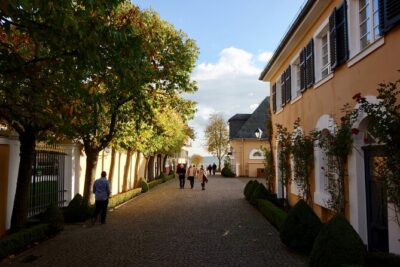
Small Group Rheingau Vineyards Tour with Castles and Abbeys
Read our review →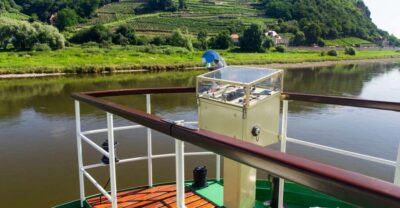
From Dresden: Saxon Wine Route Steamer Day Cruise
Read our review →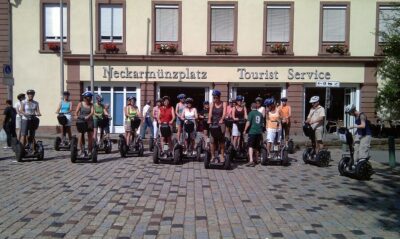
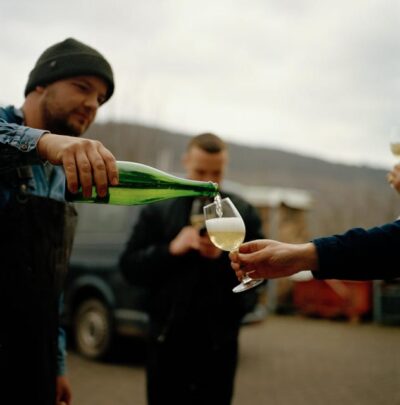
Reil, Mosel: Guided organic wine tasting and cellar tour
Read our review →
Bremen: Underworld Tour with the Cellar of the Theatre
Read our review →Browse the lists this tour appears in