
REVIEW · VERONA
Verona: Montresor Winery Visit with Wine Tasting and Snacks
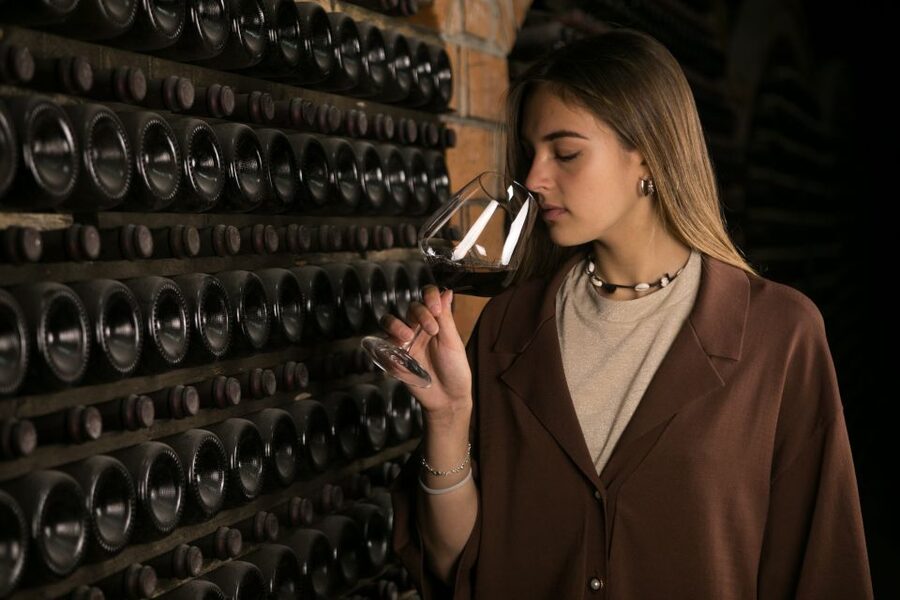
Montresor Winery turns a wine tasting into a compact lesson in Verona’s past and present. You’ll move from old winemaking tools and family history to an aroma quiz, drying grapes, large aging casks, and a guided tasting. The most interesting detail is the full-wall historical mural in the cellar, viewed as you pass beneath a historic barrel.
I like the choice between five Valpolicella reds, including Amarone Riserva, and four fresh Lake Garda whites. I also like the museum and sensory room, which give you something to do beyond sipping and nodding at a glass of wine. The main drawback is access: the winery sits outside the center, and parts of the visit may be difficult for people with reduced mobility.
Key points to know before you book
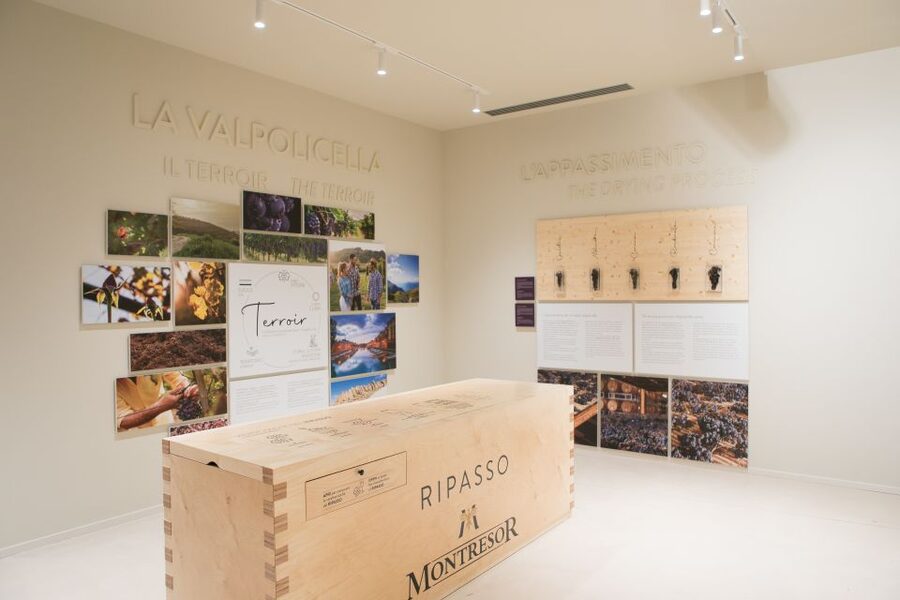
- See Amarone grapes at different stages, from harvest to the drying process called appassimento.
- Choose your wine path: five Valpolicella reds or four Lake Garda whites.
- Test your sense of smell in an interactive aroma room before tasting.
- Meet guides such as Emma, Leonardo, Silvia, or Emmanuele, depending on the day and language.
- Allow about 15 minutes from central Verona by car or taxi, with buses 21 and 93 also serving the route.
- Expect a modern indoor visit, useful on a hot day or during rain.
Why this winery visit feels different from a quick tasting
Many wine tastings begin and end at a table. Montresor gives you a short route through the machinery, stories, smells, and storage rooms that explain what eventually lands in your glass.
The winery is closely tied to Verona, and the museum places its story from the late 1800s to today beside the city’s changing fortunes. You’ll see original winemaking tools and learn how the Montresor family kept its identity while adapting through major historical events.
That context matters most if you are new to Italian wine. Instead of treating Valpolicella as a list of unfamiliar names, the visit shows how place and method affect the final bottle. You begin to see why Valpolicella Classico, Ripasso, Amarone, and Amarone Riserva are related, but not interchangeable.
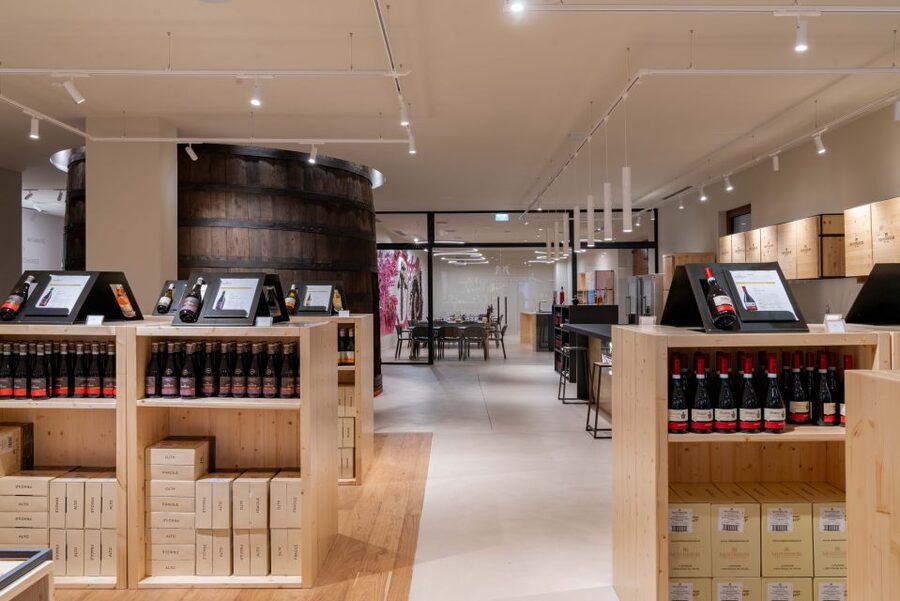
The setting is also more modern than a countryside vineyard visit. The tour takes place at the winery and wine shop, with professionally designed displays and controlled indoor conditions. You will not get a broad rural vineyard panorama from the information provided, but you do get a focused look at production and presentation without leaving Verona for a full day.
More Winery Tours in Italy
- Lucca: Guided Winery Tour with Wine Tasting
★ 4.7 · 611 reviews - Olbia: Gallura Winery Guided Tour with Tasting
★ 4.7 · 451 reviews - Bolgheri: Classic Wine Tasting with Winery Tour
★ 4.5 · 325 reviews
Starting in the Montresor museum
The museum is the right first stop because it gives meaning to the wine tasting later. Original tools show the practical side of older winemaking, while the displays connect the winery to Verona’s story over more than a century.
I would pay close attention here rather than treating the museum as a hallway on the way to the drinks. The tour is only 90 minutes, and one visitor found there was not quite enough time to examine every piece of information. If you enjoy old equipment, company history, and museum displays, you may want to arrive ready to listen rather than rush.
The museum has some interactive touches, too. That helps keep the visit from feeling like a formal lecture. Guides have been praised for making the history light and engaging, with humor and questions woven into the presentation.
Emma has led sessions that include a quiz about the winery and its wines. Other tours have featured Silvia, who was praised for a lively presentation, and Emmanuele, who worked with Emma to explain the wines and cellar. The exact guide is not guaranteed, but the experience is designed for live guidance in English or Italian.
The aroma room puts your nose to work
The sensory room is one of the most useful parts of the visit. You’ll try to identify aromas associated with the wines, turning a vague instruction such as smell the wine into a simple challenge.
You do not need a trained nose to enjoy this section. In fact, it works well for beginners because it gives you a set of things to notice before the tasting begins. The quiz format also adds a bit of fun for couples and small groups who want more than a quiet pour at a counter.
This is not just entertainment. Smell shapes much of what you perceive in wine, and the aroma room gives you a way to connect particular notes with the glass in front of you. Once you reach the tasting room, you can pay more attention to how the wine smells before you take a sip.
The sensory room is also a practical reason to choose this visit over a basic wine-shop tasting. You get a small lesson in how to taste, not only an opportunity to buy a bottle.
Seeing Valpolicella from grape to cellar
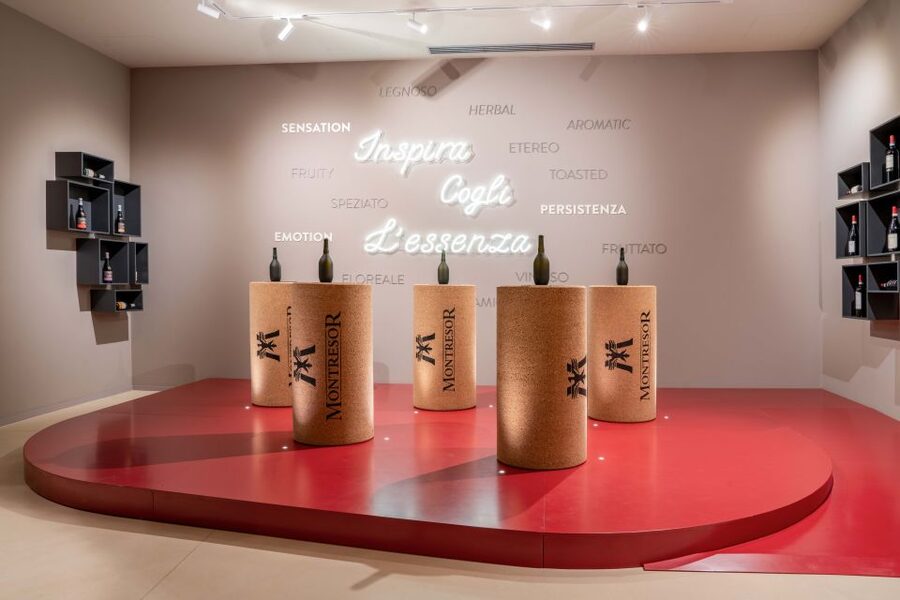
The production section explains Valpolicella through its grapes and methods. You’ll see examples of grapes at different stages, from harvest through drying, and learn how the area’s wines develop their different styles.
The appassimento process is central to Amarone. Grapes are dried before fermentation, concentrating their character and helping produce the powerful style associated with the region. Seeing the grapes in different stages makes this process easier to understand than hearing the word in a tasting note.
The tour also covers Valpolicella Classico, Ripasso, and Amarone. The point is not to memorize technical terms. It is to understand that these wines use related territory and grape traditions, but production choices change the body, intensity, and flavor.
This part has special value if Amarone is expensive or hard to find where you live. The tasting may let you try Amarone Riserva in a guided setting, then compare it with other Valpolicella wines. That comparison gives the price and reputation of Amarone some practical context.
Same wine country, a different day out:
- Tuscany Day Trip from Florence: Siena, San Gimignano, Pisa and Lunch at a Winery
★ 5.0 · 21,634 reviews - Florence: Chianti Wineries Tour with Wine Tasting
★ 4.5 · 10,071 reviews - From Florence: Siena, San Gimignano, Pisa & Lunch at Winery
★ 4.8 · 4,538 reviews - Half day Chianti Vineyard Escape from Florence with Wine Tastings
★ 4.5 · 2,196 reviews
Entering the barrel room and aging area
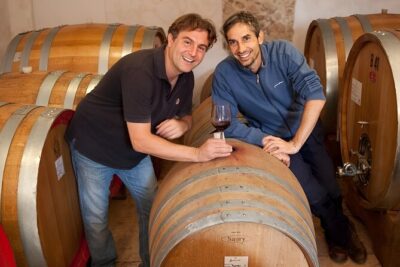
You’ll pass beneath a historic barrel before entering the aging room. Large casks hold wine as it rests, and the room also shows where the appassimento process takes place.
A full-wall historical mural gives this section a strong visual focus. It is a detail unique to this winery and adds a sense of place to what could otherwise be a plain storage room.
Keep your expectations sensible. This is a historic winery visit, not a long walk through a vast country estate. The experience lasts about an hour and a half, so the cellar portion is a guided introduction rather than a complete technical tour of every production stage.
Still, the barrel room helps connect the museum’s old tools with the wine in your glass. You see that aging is not simply a line on a bottle label. It is part of the physical life of the wine, carried out in a working cellar with large casks and controlled conditions.
Choosing between five reds and four white wines
Your main decision comes at booking: choose the Valpolicella red tasting or the Lake Garda white tasting.
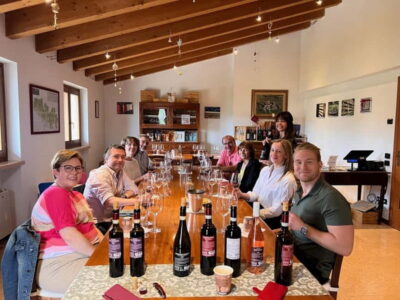
The red option includes five glasses and can progress through Valpolicella styles up to Amarone Riserva. This is the better fit if you want to understand Verona’s best-known red wines, compare lighter and fuller expressions, or try Amarone without ordering a full bottle.
The white option includes four glasses from Lake Garda. Expect the emphasis to be on fresh, elegant white wines rather than the darker, more powerful style of Valpolicella. It makes sense if you prefer white wine or want a different view of the wider Veneto area.
The two options are not simply the same tasting with a color change. They point to different wine territories and styles. If you already know you enjoy Amarone and Valpolicella, select the reds. If you usually reach for crisp whites, the Lake Garda choice may make the visit more enjoyable.
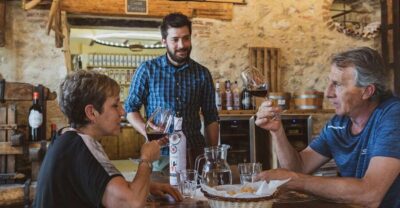
A wine specialist leads the tasting and explains each glass. The strongest part of the tasting is the chance to compare rather than sample one isolated wine. You can ask questions, connect the aromas to the earlier sensory room, and see how the production methods affect what you taste.
Snacks, bottle buying, and the real value at $34
At $34 per person, the price is fair for a 90-minute guided visit that includes the museum, sensory room, cellar areas, sommelier-led tasting, and food pairing. The value is stronger if you care about learning how the wines are made, not just drinking four or five pours.
The listed pairing includes bread, olive oil, soppressa salami, and cheese. One practical caution: the food served may not always match that full description. A visit reported breadsticks rather than meat and cheese, and another described receiving only a small bag of breadsticks. I would treat the snacks as a light accompaniment, not a meal.
That distinction matters if you are booking this around lunch. Eat beforehand or plan food afterward, particularly if you choose the red tasting and expect several pours. The tasting is designed to support the wine, not replace a proper meal.
The winery offers a discount on bottle purchases. Shipping is available, and one visitor received bottles at home within five days, with a small customs fee handled online. Delivery results and customs costs can depend on your destination, so ask the staff for current shipping details before buying.
The shop can make the tasting more expensive if you are easily tempted. On the other hand, it is useful to taste first and then buy only the bottles you actually enjoyed. If you are carrying luggage, shipping may be easier than transporting bottles yourself.
Getting there from Verona’s historic center
Montresor Winery is just outside Verona’s historic center. From the Arena, a taxi is the simplest choice, and the journey takes roughly 15 minutes according to the practical information supplied by visitors.
You can also take bus 21 or 93 from Castelvecchio Castle, opposite the castle entrance. A bus stop is close to the winery, and the route can work well if you are comfortable checking the departure time and allowing a little extra margin.
Parking is available at the winery, so a car is practical if you are already driving around the Veneto. Remember that the tasting includes several wines, making a designated driver important.
The winery is not presented as a walk-up stop beside the Arena. Build in time for the trip, especially if you have a timed museum visit, train, or dinner reservation afterward. A delay has occurred on at least one occasion, so I would avoid placing another fixed booking immediately after the tasting.
Who will enjoy this visit most
This is a good choice for adults who want a structured introduction to Veronese wine without committing to a full-day excursion into the countryside. You get history, production, aromas, and tasting in one compact visit.
It also suits people who want an indoor activity. The winery’s controlled conditions make it useful during intense heat or heavy rain, when walking around Verona may be tiring.
You should consider it if:
- You want to taste Amarone alongside other Valpolicella wines.
- You prefer a museum and cellar presentation to a simple bar tasting.
- You enjoy asking questions during a guided tasting.
- You want to buy bottles after trying them first.
- You can manage a short trip outside the historic center.
It is less suitable for children and anyone under 18. Minors must be accompanied by an adult, and the activity is not suitable for children under 18 as presented. It is also not suitable for pregnant women, vegans, or anyone who needs full step-free access throughout the route.
The activity requires at least two participants to operate. Guides speak English or Italian, and the host may vary, so you should not book expecting one particular person, even though Emma, Leonardo, Silvia, and Emmanuele have led highly praised visits.
Booking and timing tips
The visit lasts 1.5 hours, but I would reserve extra time around it for transport and a look through the shop. Check the available start times before booking, since the schedule can change by day.
Cancellation is free up to 24 hours before the activity for a full refund, and you can reserve now and pay later. That flexibility helps if your Verona plans depend on weather or train connections.
Bring a camera if you want to record the museum displays or cellar details. Bad storms and other unexpected extreme events can affect the activity, and a full refund is not guaranteed in those cases because the provider assesses each situation.
The tour is guaranteed with a minimum of two participants. If you are traveling alone, confirm that the departure is operating before relying on it as your only wine plan.
Should you book Montresor Winery?
Book this visit if you want more than a glass of wine and a sales pitch. The museum, aroma challenge, appassimento display, barrel room, and guided comparison of Valpolicella or Lake Garda wines give you a clear sense of how the bottle came to be.
Choose the red tasting for the strongest Verona connection and the chance to try Amarone Riserva. Choose the white tasting if you prefer fresh wines or want to explore Lake Garda styles instead.
I would skip it only if you want a rural vineyard setting, a substantial meal, or a completely accessible route. For most adults staying in Verona, $34 is a sensible price for an indoor, well-organized wine lesson with a real tasting at the end. Just allow time to reach the winery, keep your food expectations modest, and save room in your luggage or shipping budget for a bottle you like.
FAQ
Where is Montresor Winery?
The winery is just outside Verona’s historic center. You can reach it by taxi from the Arena, by bus 21 or 93 from Castelvecchio Castle, or by car, with parking available at the winery.
How long does the winery visit last?
The experience lasts about 1.5 hours. Check the available starting times when booking.
Which wines can I taste?
You can choose a Valpolicella red tasting with five glasses, including wines up to Amarone Riserva, or a Lake Garda white tasting with four glasses.
Is the tour offered in English?
Yes. Live guides speak English or Italian. The guide may vary, with Emma, Leonardo, Silvia, and Emmanuele among the people who have led visits.
Are snacks included?
Yes. The listed pairing includes bread, olive oil, soppressa salami, and cheese. The food served may vary, and some visits have included breadsticks instead, so do not plan on this as a full meal.
Can children or pregnant women join?
The activity is not suitable for children under 18 or pregnant women. Minors must be accompanied by an adult, and the experience is not suitable for vegans.
More Food and Drink Experiences in Italy
- From Florence: Private Chianti Hills Tour with Tasting
★ 4.3 · 809 reviews - Montepulciano: Wine Tasting and Cellar Tour
★ 4.8 · 545 reviews - Private 6-Hour Tour of Three Etna Wineries with food&wine tasting
★ 5.0 · 417 reviews - Lucca: Wine Tasting Experience – Tenuta Adamo Winery
★ 5.0 · 400 reviews
Just added around Italy
- Visit to a Winery in Salento with Wine tasting and light lunch. From Lecce★ 4.5 · 10 reviews
- Primitivo and Negroamaro wine tour: a visit to two wineries and typical lunch. From Lecce★ 5.0 · 19 reviews
- Full Day Tour to Gallipoli, Galatina, Coast, Beaches and Winery★ 5.0 · 39 reviews
- Discover the best cellars of Salento★ 5.0 · 30 reviews
- “Between Langhe and Monferrato” – Wine Tasting and Cellar Visit★ 5.0 · 86 reviews
- Visit among vineyards and wine cellar with wine tasting in Nizza Monferrato★ 5.0 · 10 reviews
- Barolo Tasting and Vineyard Tour and Winery Visit★ 4.5 · 2 reviews
- Guided Walk and Lunch in the Vineyard in Alba★ 4.5 · 2 reviews
Verona Vineyard Tours, compared.
Discover Valpolicella Vineyards and Wine Tasting Experience
Read our review →
The Grand tour of Valpolicella: 2 Wineries, Lunch & Amarone focus
Read our review →
The grand tour of Amarone: 2 wineries with delicious lunch
Read our review →Browse the lists this tour appears in