
REVIEW · VERONA
Discover Valpolicella Vineyards and Wine Tasting Experience
The best part of this experience is its small family-winery setting. At Tenuta Santa Maria Valverde, you walk among the vines, enter a 17th-century cellar, see the old grape-drying room, and taste Valpolicella, Ripasso, and Amarone where they are made. It feels more like being welcomed into a working home than being sent through a polished visitor center.
I like the personal guiding, especially when Giovanni, Claudia, Ilaria, Rachel, or another family team member leads the visit. I also like the generous local pairings: Monte Veronese cheese, Soppressa salami, bread, organic olive oil, and sometimes chutney or mustard. The main drawback is transport confusion. The winery is outside Verona, and the advertised experience does not always make it clear that a bus, taxi, or paid shuttle may be needed.
Key points to know before booking
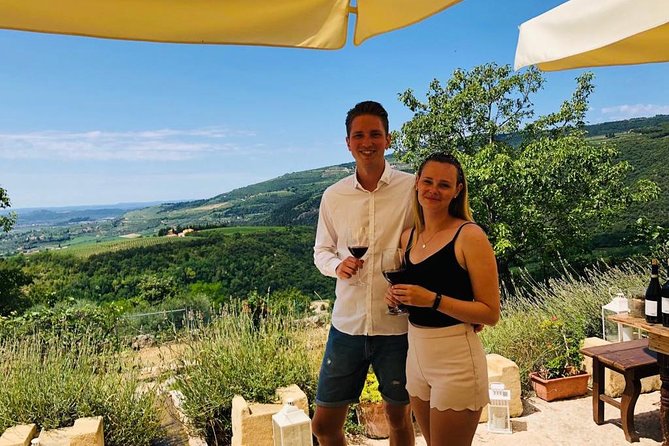
- A real family estate: You visit Tenuta Santa Maria Valverde in Marano di Valpolicella, not a tasting room in central Verona.
- Three important wine styles: The tasting centers on Valpolicella, Ripasso, and Amarone, with an explanation of how to judge wine by sight, smell, and taste.
- Historic working spaces: The tour includes a 17th-century cellar, oak barrels, and a traditional fruttaio, the room used to dry grapes.
- A generous food match: Expect local cheese, salami, bread, organic extra virgin olive oil, and other regional accompaniments.
- Allow time for the journey: Public transport from Verona can take about 30 minutes to the pickup area, followed by a short car ride to the estate.
- Small-group atmosphere: The maximum group size is 18, and some departures may feel nearly private.
What the visit is really like
This is a wine-country outing built around one estate. The advertised duration is about two and a half hours, which gives you enough time for a walk, cellar visit, tasting, and conversation without turning the day into a full winery marathon.
You begin at Tenuta Santa Maria Valverde, in the hills around Marano di Valpolicella. The order can vary, but the experience generally moves from the vineyards to the historic rooms and then to the tasting area. The pace is relaxed, with the guide explaining the family’s connection to the property and the local wine tradition.
I like this format because you see the production story before tasting the finished wine. You are not simply handed a glass and given a list of tasting notes. You learn where the grapes grow, how they are handled, and why Amarone takes more work than an ordinary young red.
The property itself is one of the main attractions. The old architecture, converted stable, cellar, terrace, and surrounding hills give the visit a sense of place. If the weather is clear, you can sit outside with a wide view over the Valpolicella hills. In mist or rain, the cellar and tasting rooms still provide a comfortable setting, though poor weather can reduce the outdoor portion.
More Food and Drink Experiences in Italy:
- Florence: Chianti Wineries Tour with Wine Tasting
★ 4.5 · 10,071 reviews - From Florence: Private Chianti Hills Tour with Tasting
★ 4.3 · 809 reviews - Lucca: Guided Winery Tour with Wine Tasting
★ 4.7 · 611 reviews
Walking the vineyards around Marano di Valpolicella
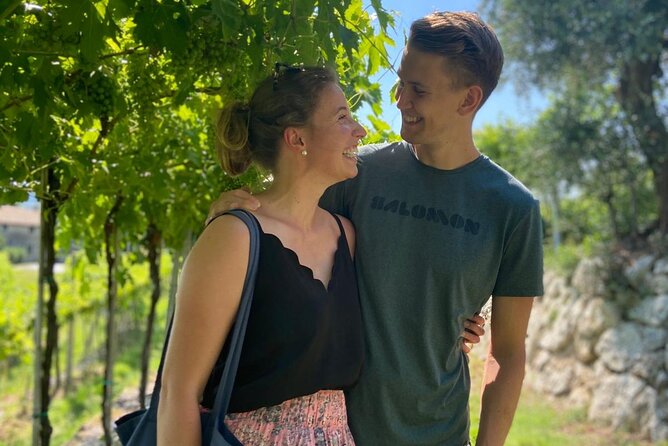
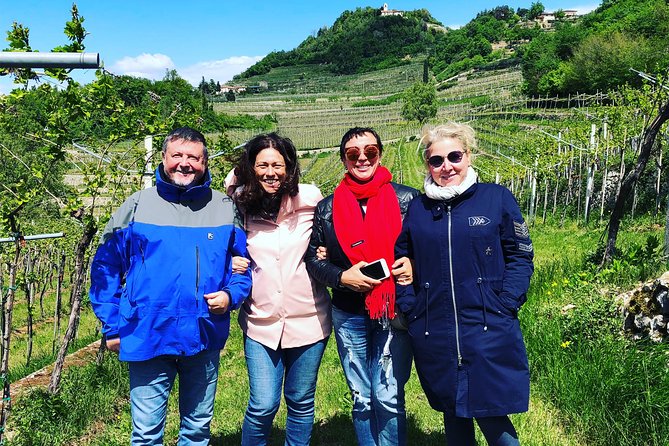
The vineyard walk gives you a useful introduction to the area. Your guide explains the family’s estates, the history of the winery, and the role of the local vines. This is a gentle walk rather than a strenuous hike, but comfortable shoes are still sensible because you are visiting a rural property.
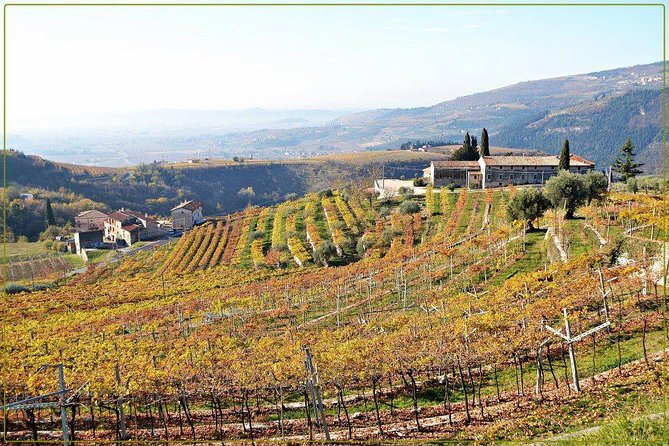
The view is a major reward. From the upper parts of the estate, you look across the hills north of Verona, a sharp change from the city’s streets and Roman monuments. This is the kind of countryside experience that is hard to get from Verona alone unless you make the effort to leave town.
The walk also helps you understand the wines in your glass. Valpolicella is not just a name on a bottle. It is a wine region shaped by hillside vineyards, family estates, drying rooms, and long-standing production methods. The guide connects those pieces in a way that makes the tasting more meaningful.
The outdoor portion depends on the weather and the group. On a wet day, the talk may be shorter, and on a misty day the views may disappear. The experience still works, but the terrace and vineyard walk are strongest on a clear morning or afternoon.
Inside the 17th-century cellar and fruttaio
The historic cellar is where the visit gains depth. You see the older side of the estate, including the traditional room used to dry grapes, known as a fruttaio. This is especially important for understanding Amarone, which is made with grapes that have been dried before fermentation.
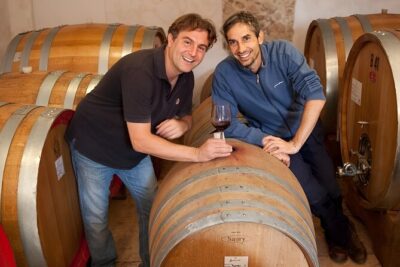
You also see oak barrels used to refine the red wines. The guide explains the steps from grape to finished bottle, including how the wines change during aging. For anyone who usually drinks wine without thinking about production, this is the point where the tasting becomes more than a pleasant snack stop.
The family history adds a human scale. Guides such as Giovanni have been praised for explaining the business with genuine warmth, while Claudia, Ilaria, and Rachel have also led visits with a friendly, clear approach. The exact guide is not guaranteed, but the experience is designed around conversation rather than a scripted lecture.
The old stable has also been used as a tasting room, and its atmosphere is part of the appeal. You may find the architecture more memorable than the formal cellar itself. The setting feels restored and cared for without losing its rural character.
Tasting Valpolicella, Ripasso, and Amarone
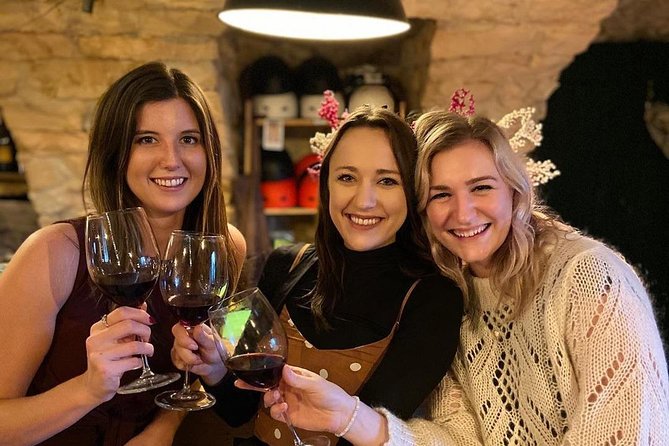
The wine tasting is the center of the visit. You sample a selection of the estate’s Valpolicella wines, Ripasso, and Amarone, then learn to assess each one by sight, smell, and taste.
Valpolicella is generally the lighter and more direct style in the lineup. Ripasso is made with an additional contact with Amarone grape skins, giving it more body and depth. Amarone is the powerful headline wine, made from dried grapes and often showing concentrated fruit, warmth, and a longer finish.
The exact number and size of pours can vary. Several descriptions refer to three main wines, while another account mentions four small measures plus a very small taste of a sweet wine. If you are expecting a large commercial tasting, keep your expectations in check. This is a guided sampling with food, not an open-ended drinking session.
That said, the quality and setting give the tasting good value. You are not paying only for the liquid in the glass. You are paying for the vineyard visit, the cellar explanation, the family story, and the chance to ask questions directly at the estate.
The tasting method is straightforward. You look at the color, smell the wine, and then taste it. The guide helps connect what you notice to the grapes, drying process, barrel aging, and local style. You do not need prior wine knowledge to follow along.
A few more vineyard days around Italy worth a look
- Tuscany Day Trip from Florence: Siena, San Gimignano, Pisa and Lunch at a Winery
★ 5.0 · 21,634 reviews - From Florence: Siena, San Gimignano, Pisa & Lunch at Winery
★ 4.8 · 4,538 reviews - Half day Chianti Vineyard Escape from Florence with Wine Tastings
★ 4.5 · 2,196 reviews - Tuscany Wine Tour: 2 Wineries & San Gimignano from Florence
★ 5.0 · 1,007 reviews
Local food makes the tasting feel like lunch
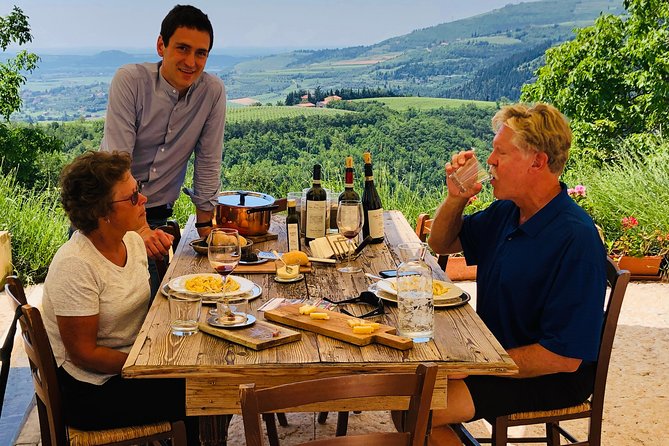
The food is more substantial than a token bowl of crackers. Pairings include Monte Veronese cheese, Soppressa from Valpolicella, bread, and the estate’s organic extra virgin olive oil. Some tastings also include mustard, cherry chutney, cake, or another small local item.
I like this part because the food shows you how the wines fit into everyday regional eating. Salami and cheese bring out the fuller side of Ripasso and Amarone, while olive oil and bread make the experience feel relaxed and social.
Portions have generally been described as generous, though one account found the wine pours small. If you are hungry, think of the food as a light lunch or substantial tasting plate, not a full restaurant meal. The listed menu identifies wine and local delicacies rather than a multi-course meal.
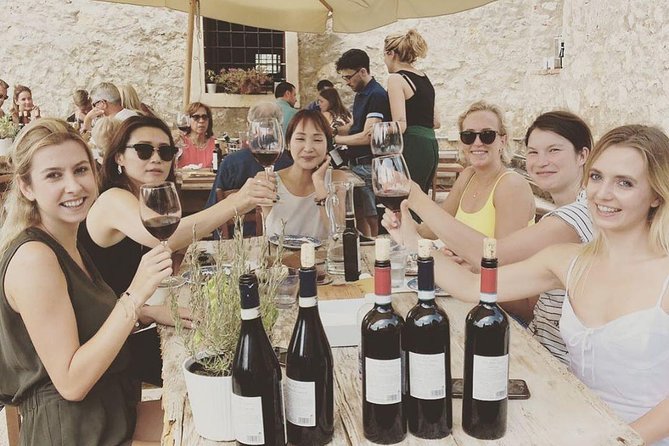
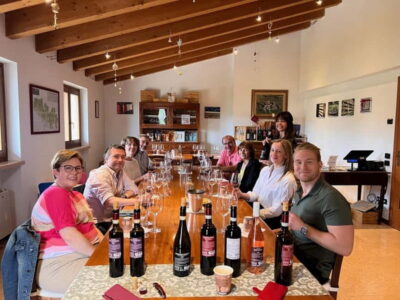
The tasting room can also be a pleasant place to meet other people. The group limit is 18, but the atmosphere may feel smaller depending on the departure. Solo visitors can take part comfortably, and some small bookings have become almost private experiences.
Getting from Verona to the winery
This is the part you must read carefully before paying. The activity is marketed as a Verona experience, but the winery is in Marano di Valpolicella, outside the city. The tasting itself takes place at the estate, not at a central Verona meeting room.
Public transport can involve a bus from Verona, often taking about 30 minutes to a stop roughly 10 minutes by car from the winery. The winery may arrange pickup from the final bus stop. You need the correct address and clear instructions, since map pins and platform details have caused confusion.
A taxi or private transfer can cost about €100 round trip. That amount may be shared if other people are joining the same vehicle, but it can become expensive if you are alone. One account describes a shared shuttle at about €100 split among the people using it. Confirm the transport price and arrangement before departure.
This is the biggest practical weakness of the experience. The tour summary suggests round-trip transportation from Verona, yet the operating details and several visitor accounts indicate that transportation to the winery may not be included in the $84.69 price. Treat the wine experience and the transfer as separate costs unless the provider confirms otherwise in writing.
Contact Tenuta Santa Maria Valverde before the day of the visit. Ask for the exact address, bus stop, pickup instructions, and whether a shuttle is included in your booking. Do not rely only on the map link attached to a booking app.
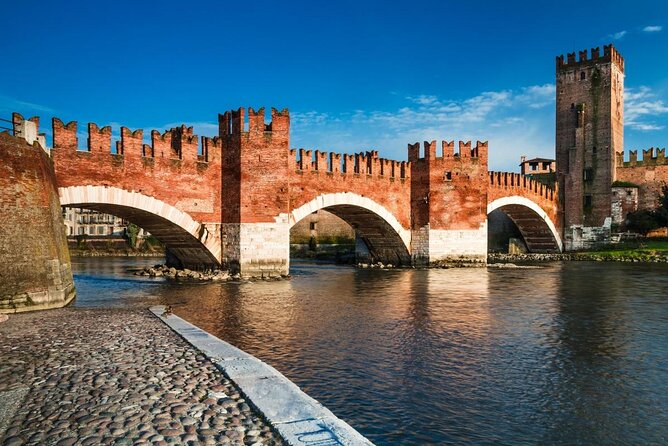
The itinerary also lists several Verona landmarks, including Cortile Mercato Vecchio and Scala della Ragione, Ponte della Vittoria, Dante’s statue, and Ponte Scaligero. These appear to identify the city area or route context rather than sightseeing stops during the winery visit. You should not expect a guided walking tour of those monuments.
Is $84.69 a fair price?
The price is reasonable if you value a personal winery visit, a historic estate, three or more tastings, and a well-prepared plate of local food. Compared with a basic city tasting, you receive much more context and scenery.
The value becomes less clear if you must add a €100 private transfer. A couple sharing that cost may find the total acceptable, especially for a special occasion. A solo visitor paying the full amount should compare the transfer options before booking.
The visit works best when you think of it as a half-day outing from Verona, even though the official activity lasts about two and a half hours. Add time for the bus, the pickup, and the return journey. The wine experience itself is not rushed, but transport delays or confusion can eat into your day.
The booking is also popular well in advance, with an average booking lead time of about 33 days. If your schedule is fixed, reserving early is sensible. The maximum group size of 18 keeps the visit from becoming a large coach-style production.
Who will enjoy Tenuta Santa Maria Valverde?
You should consider this experience if you want a family-run winery rather than a large industrial operation. It suits anyone curious about Amarone, especially if you want to see the grape-drying room and barrels before tasting the wine.
It also fits couples, families, solo visitors, and small groups. The setting works well for a birthday or anniversary, and one family celebration included a traditional cookie presented as a birthday cake and a song in Italian. Small touches like that depend on the occasion and the hosts, but they show the personal nature of the estate.
You may want another option if you need a simple city-center activity with no extra planning. The transport can be costly, public transport requires attention, and the confusing meeting information has caused avoidable stress.
The experience is also less suitable if you want a full meal, a long vineyard hike, or a large number of wine samples. This is a focused tasting and estate visit, not a full-day wine route through several producers.
Booking, cancellation, and practical details
You receive confirmation at booking, and the activity is offered in English. Service animals are allowed, and the meeting area is near public transportation. Most people can participate, but you should ask the provider directly about any personal mobility concerns because the experience includes vineyard and historic estate areas.
The activity ends back at the meeting point, though you should confirm whether that means the winery, a bus stop, or a Verona pickup point. Free cancellation is available up to 24 hours before the start time. Cancellations or changes made less than 24 hours before the start are not accepted for a refund.
Bring a phone with the provider’s direct contact details, not just the booking app. Wear practical shoes, allow extra time for the rural journey, and confirm the transport plan a day before you go.
Should you book this Valpolicella wine experience?
I would book it if you want a warm, personal introduction to Amarone country and are willing to organize the journey carefully. The estate, cellar, vineyard walk, food pairings, and terrace views offer a much more grounded experience than a quick tasting in Verona.
I would not book it blindly assuming transportation is included. Confirm the bus or shuttle arrangement first, then decide if the total cost fits your budget. Once that issue is clear, Tenuta Santa Maria Valverde offers a rewarding change of pace from Verona, with enough wine education to satisfy beginners and enough local character to make the outing memorable.
FAQ
Where does the wine experience take place?
It takes place at Tenuta Santa Maria Valverde in Marano di Valpolicella, outside Verona.
How long does the experience last?
The winery visit lasts approximately 2 hours and 30 minutes.
Which wines are included?
The tasting includes a selection of Valpolicella, Ripasso, and Amarone wines. The number and size of pours can vary.
What food is served with the wine?
The pairings include local Monte Veronese cheese, Soppressa salami, bread, and organic extra virgin olive oil. Other small items may also be served.
Is transportation from Verona included?
You should confirm this directly before booking. The winery can provide travel instructions and may arrange a paid shuttle or pickup, but several transport options involve an additional cost.
How do I reach the winery by public transport?
A bus from Verona can take about 30 minutes to a stop near the winery, followed by a pickup by car. Request the exact route, stop, and pickup instructions before departure.
How many people can join the experience?
The maximum group size is 18 people.
Can I cancel for a full refund?
Yes. You can cancel at least 24 hours before the experience start time for a full refund. Changes or cancellations made less than 24 hours before the start are not accepted.
Just added around Italy
- Visit to a Winery in Salento with Wine tasting and light lunch. From Lecce★ 4.5 · 10 reviews
- Primitivo and Negroamaro wine tour: a visit to two wineries and typical lunch. From Lecce★ 5.0 · 19 reviews
- Full Day Tour to Gallipoli, Galatina, Coast, Beaches and Winery★ 5.0 · 39 reviews
- Discover the best cellars of Salento★ 5.0 · 30 reviews
- “Between Langhe and Monferrato” – Wine Tasting and Cellar Visit★ 5.0 · 86 reviews
- Visit among vineyards and wine cellar with wine tasting in Nizza Monferrato★ 5.0 · 10 reviews
- Barolo Tasting and Vineyard Tour and Winery Visit★ 4.5 · 2 reviews
- Guided Walk and Lunch in the Vineyard in Alba★ 4.5 · 2 reviews
Verona Vineyard Tours, compared.
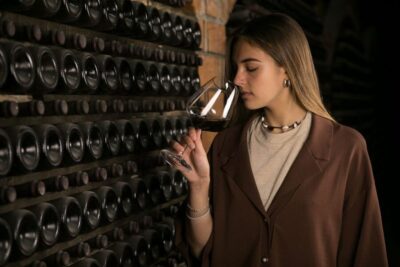
Montresor Winery Visit with Wine Tasting and Snacks
Read our review →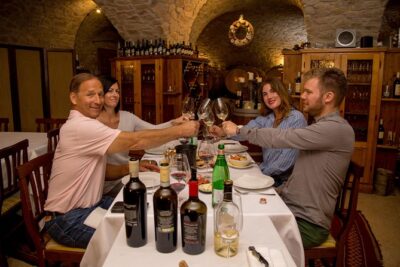
The Grand tour of Valpolicella: 2 Wineries, Lunch & Amarone focus
Read our review →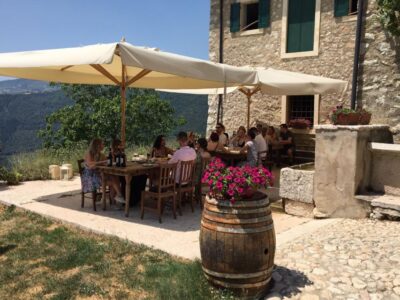
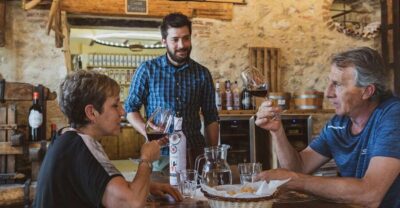
The grand tour of Amarone: 2 wineries with delicious lunch
Read our review →Browse the lists this tour appears in