REVIEW · ITALY
Wine tasting at the Apicella winery
The most interesting part of this experience comes before the first sip: you walk five minutes from the cellar to A’ Scippata, a historic family vineyard with prephylloxera vines. The Apicella family has made wine here for generations, and the visit connects the bottle to the soil, vines, and working cellar.
I like the small private format and the clear look at each stage of production, from fermentation to stabilization and ageing. I also like the local food pairing, with Tramonti cheeses, cured meats, and toasted bread rather than a token bowl of crackers.
The main consideration is the price, $101.27 per person for about two hours. That is a serious tasting fee, so this suits you best if you want family wine-making, local history, and a vineyard visit, not simply a quick glass of wine.
Key points at a glance
- A five-minute walk to A’ Scippata: Begin in the family’s historic prephylloxera vineyard before entering the cellar.
- A true family winery: The Apicella label began with Giuseppe Apicella’s 1977 vintage, about 3,000 bottles of Tramonti red wine.
- Production explained step by step: Learn about red and white wine fermentation, stabilization, and ageing.
- Local food with the tasting: Expect typical Tramonti products, including cheeses, cured meats, and toasted bread.
- Private English-language visit: Only your group takes part, with a start at 11:30 a.m.
- Flexible cancellation: You can cancel up to 24 hours before the start time for a full refund.
Why Apicella is a worthwhile Amalfi Coast wine stop
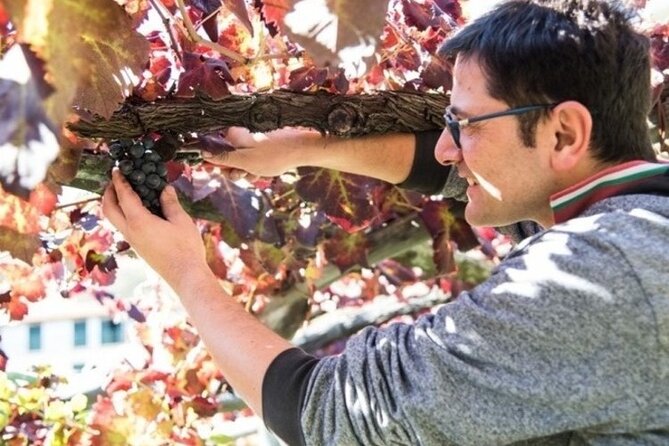
When you picture the Amalfi Coast, wine may not be the first thing that comes to mind. The Apicella winery offers a different side of the region, one tied to farming and family work in Tramonti.
The family cultivated grapes for generations before Giuseppe Apicella created his own label. Until the early 1970s, the family produced table wine. In 1977, Giuseppe bottled the first wine sold under the Apicella name, a small run of roughly 3,000 bottles of Tramonti red wine.
That detail gives the tasting a useful sense of scale. This is not presented as a large commercial operation built around a polished visitor center. I would choose it if you want to understand how a local wine tradition moved from household and table production into a named winery while keeping its traditional style.
The visit also gives you a reason to look beyond the famous coastal towns. Tramonti is part of the Amalfi area, but the experience centers on agricultural life rather than sea views, shopping streets, or famous monuments. If you have already spent time among the coast’s crowded attractions, this offers a quieter subject and a more grounded kind of sightseeing.
More Food and Drink Experiences in Italy:
- Florence: Chianti Wineries Tour with Wine Tasting
★ 4.5 · 10,071 reviews - From Florence: Private Chianti Hills Tour with Tasting
★ 4.3 · 809 reviews - Lucca: Guided Winery Tour with Wine Tasting
★ 4.7 · 611 reviews
Starting at Cantine Apicella at 11:30 a.m.
You meet at Cantine Apicella, Via Castello Santa Maria, 1, in Tramonti. The experience begins at 11:30 a.m. and ends at the same place, which keeps the plan simple.
The timing matters. A two-hour visit fits neatly into a half-day plan, but you should allow extra time around it for reaching Tramonti and continuing to your next stop. The experience does not include a separate transfer service in the details provided, so you need to arrange your own way to the winery.
The winery is near public transportation, which helps if you are building your day without a private vehicle. Still, the information does not specify routes, travel times, or the nearest stop. I would check your route before booking rather than assume the connection will be direct from Amalfi or another coastal town.
Because this is a private activity, only your group participates. That is a useful feature if you want to ask questions about the vines, production methods, or family business without keeping pace with a large group. It also means the experience may feel more personal than a standard public tasting.
The host’s name is not provided, so you should not book this expecting a particular guide. What is clear is the style of the visit: an English-language explanation paired with a close look at the winery and vineyard.
Walking to A’ Scippata, the family’s old vineyard
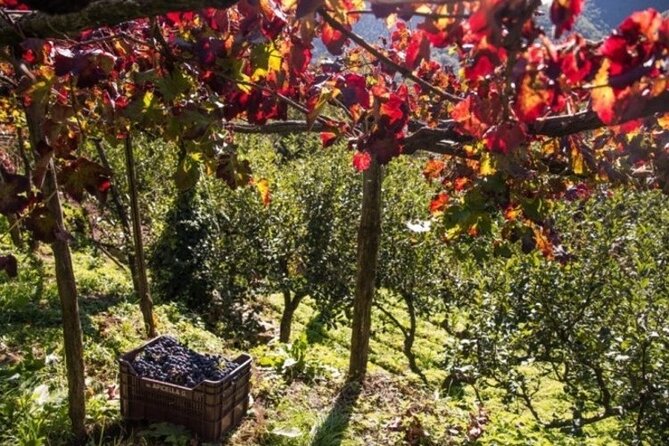
The first major stop is A’ Scippata, a family vineyard about five minutes on foot from the cellar. The short walk is important because it lets you see the source of the wine before hearing about bottling and ageing.
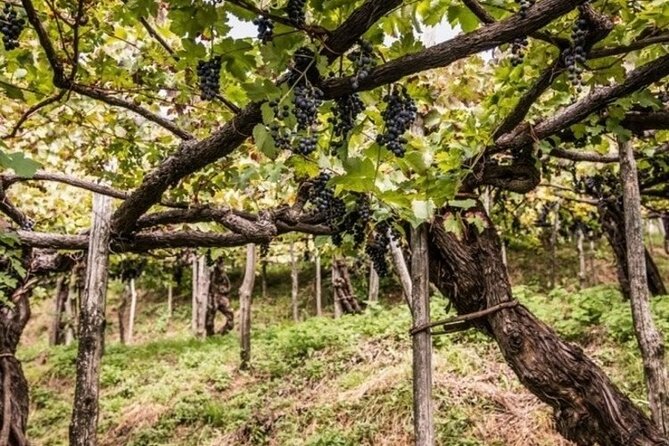
The vineyard is described as prephylloxera, a term that points to vines surviving from before the widespread damage caused by phylloxera in European vineyards. You do not need a technical background to appreciate why this matters. The vines connect the present winery to older agricultural practice and to the character of the area.
The visit focuses on the vineyard’s pergola form. That style of cultivation is part of the traditional appearance and working method of the area, and it gives you something concrete to examine before the tasting begins.
I like this order. Starting with the vineyard keeps the wine from becoming an abstract list of aromas and flavors. You first see where the family’s work begins, then follow the grapes into the cellar. If you are interested in farming, old vines, or regional traditions, this may be the most distinctive part of the morning.
The five-minute walk is short, but you should still treat this as an outdoor portion of the visit. The experience requires good weather, and poor conditions can lead to a different date or a full refund. Wear shoes suitable for a brief walk between the vineyard and cellar, though the available information does not describe the path in detail.
Inside the cellar, from fermentation to ageing
After the vineyard, you return to the cellar for an explanation of production. This section covers the main steps involved in making both red and white wine.
You can expect discussion of fermentation, stabilization, and ageing. That sequence helps you understand what happens after the grapes leave the vines. Fermentation is the stage that turns grape juice into wine, while stabilization and ageing prepare the wine for storage, refinement, and eventual bottling.
The visit does not promise a long technical lecture, and the total duration is about two hours. That is probably the right length for a focused introduction. You get enough structure to understand the process without turning the morning into a formal winemaking course.
The cellar visit is also where the family story becomes practical. Apicella was the first winery to bottle wine in Tramonti, and the business has continued with a traditional approach. You are not simply tasting finished products. You are learning how a local producer manages the transition from vineyard to bottle.
I would ask questions here about which wines are currently in production, how the red and white wines differ in their treatment, and how long particular bottles age. The experience specifically includes wines in production, so the exact lineup may vary. You should think of the tasting as a look at the winery’s current work rather than a fixed flight guaranteed year-round.
A few more vineyard days around Italy worth a look
- Tuscany Day Trip from Florence: Siena, San Gimignano, Pisa and Lunch at a Winery
★ 5.0 · 21,634 reviews - From Florence: Siena, San Gimignano, Pisa & Lunch at Winery
★ 4.8 · 4,538 reviews - Half day Chianti Vineyard Escape from Florence with Wine Tastings
★ 4.5 · 2,196 reviews - Tuscany Wine Tour: 2 Wineries & San Gimignano from Florence
★ 5.0 · 1,007 reviews
Tasting Tramonti wines with local food
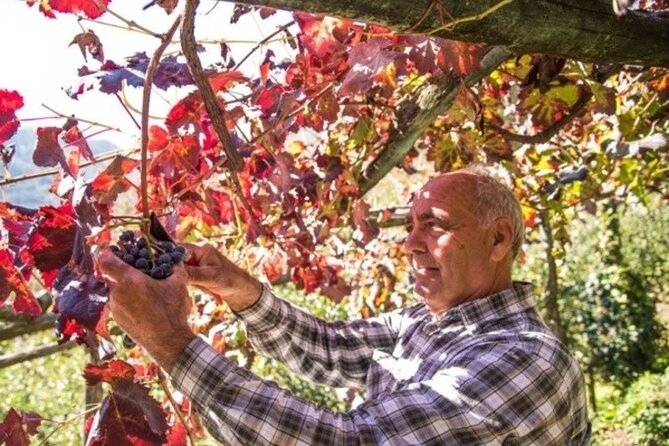
The tasting includes wines in production alongside typical Tramonti products. The listed food includes cheeses, cured meats, and toasted bread.
That pairing is more useful than it may sound. Cheese and cured meat give you salt, fat, and texture to compare against the wines. Toasted bread offers a plain base between tastes. These are simple foods, but they are tied to the local table and help make the tasting feel like a regional experience rather than a technical exercise.
The tasting is not described as a full meal. You should plan another meal if you need lunch afterward. The food is best understood as an accompaniment, not a substitute for a restaurant stop.
The number of wines and exact pours is not specified, so I would not book this expecting a particular number of glasses. The experience includes wines being produced by the winery, and the selection may depend on what is available at the time.
The wine itself received very strong praise in the supplied feedback. One detailed account singled out the pairing between the food and wines, while another described every wine tasted as excellent. That fits the purpose of the visit: you are there to connect the winery’s methods with the finished drink.
Still, taste is personal. I would recommend this most to someone who enjoys trying regional wines and asking questions about them. If you prefer a guaranteed list of famous labels, large pours, or a formal sommelier-style class, the description does not promise those things.
What the family story adds to the tasting
A family winery can mean different things. Here, the family connection is specific. The business began with Giuseppe Apicella’s decision to bottle his own wine, and later generations continued the work. The family story includes a grandfather as the starter and the next generation, including sons and a daughter, taking over.
That continuity gives the visit a human focus. You can place the wine within several generations of farming rather than viewing the winery as a new tourism project. I find that especially valuable in a region where agriculture can be easy to miss behind the coast’s famous scenery.
The 1977 first vintage also gives you a concrete marker. About 3,000 bottles of Tramonti red wine began the label’s commercial life. The number is modest, and it helps explain why this experience feels tied to a small local production tradition.
The winery’s approach is described as traditional and connected to biodiversity in Tramonti. You should not read that as a promise of a particular farming certification or production method, since none is specified. Instead, take it as a sign that the visit places importance on local grape growing and the area’s agricultural character.
How the private format affects the experience
A private tour changes the pace. Only your group participates, so you can spend more time on the topics that interest you and less time waiting for a large group to gather.
That matters at a winery. Some people want to hear about old vines and fermentation. Others care more about food pairings, the family business, or which bottle to seek out later. A private format gives you room to shape the conversation, although the exact amount of interaction will depend on your host.
The tour is offered in English. Confirmation arrives when you book, and the experience allows service animals. Most people can participate, but the available details do not provide specific information about wheelchair access or the walking surface between the cellar and vineyard. If you have mobility concerns, ask the operator before booking.
The five-minute walk is short, but it is still part of the experience. If someone in your group needs a fully step-free or entirely indoor visit, confirm the practical details first.
Is $101.27 a fair price for two hours?
At $101.27 per person, this is not a bargain tasting. The value depends on how much you want from the visit.
You are paying for more than a sample of wine. The price includes a private English-language experience, a walk to a historic family vineyard, a cellar explanation, wine tasting, and local food pairings. It also buys you access to a family business with a clear place in Tramonti’s wine history.
I think the price is easier to justify for a couple or small group that values personal attention and regional context. It is harder to justify if your main goal is simply to drink wine at the lowest possible cost. In that case, a wine bar or restaurant tasting may suit you better, though it will not offer the vineyard and cellar visit.
The two-hour duration is also worth considering. The experience is compact, not an all-day winery outing. That makes it useful in a busy Amalfi Coast schedule, but it limits how much technical detail or food you can expect.
Practical planning for your morning in Tramonti
Book with the 11:30 a.m. start in mind. The meeting point is Cantine Apicella, Via Castello Santa Maria, 1, and the activity returns there at the end.
Since the booking is often made about 93 days in advance, I would reserve early if your dates are fixed. That lead time may matter to you if you are planning a short Amalfi Coast stay and need to fit the winery around ferries, buses, or other timed activities.
Free cancellation is available until 24 hours before the start time. Changes or cancellations inside that window are not accepted for a refund. The cut-off follows local time, so check the timing carefully if you are booking from another time zone.
Good weather is required. If poor weather cancels the visit, you are offered another date or a full refund. This condition makes sense because the itinerary includes the walk to A’ Scippata, but it also means you should avoid placing the experience on the only day of a tightly scheduled trip if weather would cause major problems.
Who should book the Apicella wine tasting?
I would choose this experience if you want a private introduction to Tramonti wine, enjoy meeting family producers, and care about the link between agriculture and local food.
It suits couples, small groups, and wine-interested visitors who prefer a focused two-hour activity. It is also a good choice if you have already seen the better-known coastal sights and want a different view of the Amalfi area.
I would be more cautious if you need a full meal, a specified wine list, a long technical class, or detailed transportation from your hotel. Those features are not included in the information provided.
Final verdict: book it if the story matters as much as the wine
I would book the Apicella visit if you want to see where Tramonti wine begins, walk through an old family vineyard, and taste the current wines with local food. The vineyard stop and family history give the experience more substance than a quick cellar pour.
The price is the main hurdle, and the two-hour schedule keeps the visit focused. But for a private English-language experience with a historic vineyard, cellar instruction, and regional pairings, it can be a good value for the right audience. Reserve it when your schedule allows extra time around the 11:30 start, and keep the weather requirement in mind.
FAQ
Where does the wine tasting take place?
The experience takes place at Cantine Apicella, Via Castello Santa Maria, 1, 84010 Tramonti, in the Amalfi area of Italy.
What time does the experience start?
The visit starts at 11:30 a.m.
How long does the Apicella winery visit last?
The experience lasts about two hours.
Is the tour private?
Yes. Only your group participates in the activity.
Is the experience offered in English?
Yes. English is one of the listed languages for the experience.
Does the visit include a vineyard walk?
Yes. The visit begins with a walk of about five minutes from the cellar to A’ Scippata, the family’s historic prephylloxera vineyard.
What happens in the cellar?
You receive an explanation of the wine-making process, including the fermentation of red and white wines, stabilization, and ageing.
What food accompanies the tasting?
The tasting is accompanied by typical Tramonti products, including cheeses, cured meats, and toasted bread.
What does the experience cost?
The listed price is $101.27 per person.
Can I cancel for a full refund?
Yes. You can cancel at least 24 hours before the scheduled start time for a full refund. If poor weather causes the operator to cancel the experience, you are offered another date or a full refund.
Just added around Italy
- Vineyard Tour and Tasting of Lugana Wines★ 4.5 · 6 reviews
- Picnic and Lugana Tour at Perla del Garda winery★ 5.0 · 6 reviews
- Visit winery and vineyards, tasting 4 wines with 3 matching dishes★ 5.0 · 3 reviews
- Guided tour of vineyards and winery with tasting 4 wines★ 4.5 · 12 reviews
- Winery tours and tastings in Bolgheri with Wine Guide★ 5.0 · 16 reviews
- Private Chianti and SuperTuscan Tour 2 wineries with Light Lunch from Livorno★ 4.5 · 5 reviews
- Winery Tour & Tasting in Pisa Countryside★ 5.0 · 2 reviews
- San Gimignano and Winery Experience with Lunch from Livorno★ 5.0 · 3 reviews
Italy Vineyard Tours, compared.
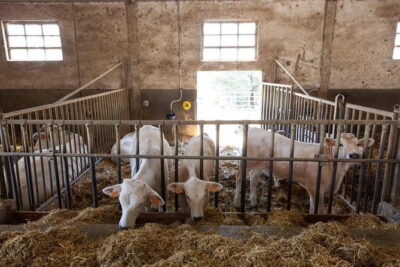
Tuscany Day Trip from Florence: Siena, San Gimignano, Pisa and Lunch at a Winery
Read our review →

Half day Chianti Vineyard Escape from Florence with Wine Tastings
Read our review →
Tuscany Wine Tour: 2 Wineries & San Gimignano from Florence
Read our review →
Chianti Wineries Tour with Tuscan Lunch and San Gimignano
Read our review →
Private Self-Guided E-Bike Ride in Tuscany with Vineyard Visit
Read our review →