
REVIEW · FRANCE
Saint-Émilion: Family Vineyard Visit with Wine Tasting
Saint-Émilion wine country makes the most sense when you see what happens between vine and bottle. At Château Haute-Nauve, Marie-Anne or Florent, a mother and son from the estate’s fourth generation, lead you through the vineyard, tanks, presses, and barrel cellar before pouring four of their wines.
I like two things right away: the tour gives you the full production story rather than stopping at a tasting table, and the small group size keeps it personal. I also like that the tasting includes two Saint-Émilion Grand Cru wines, along with a Saint-Émilion wine and a rosé.
The one thing to consider is transport. You go directly to Château Haute-Nauve, and transportation is not included, so plan your route from Saint-Émilion before booking. Comfortable shoes and a hat are useful, especially if you spend time outside in the vineyard.
Key points about Château Haute-Nauve
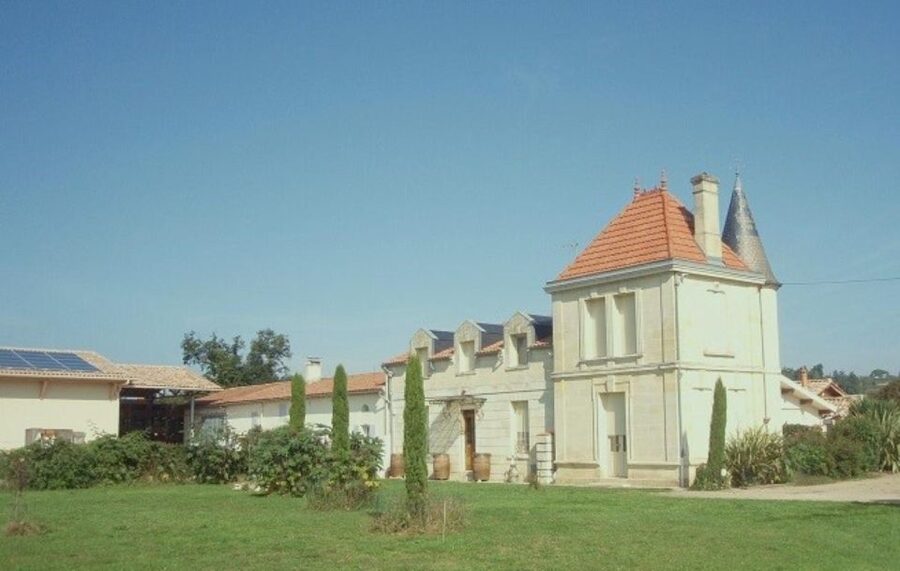
- Fourth-generation family ownership: Marie-Anne and Florent share the story of an estate that has been in the family since 1930.
- A full look at production: You see the vineyard, vinification cellar, tanks, pressing equipment, and barrel cellar.
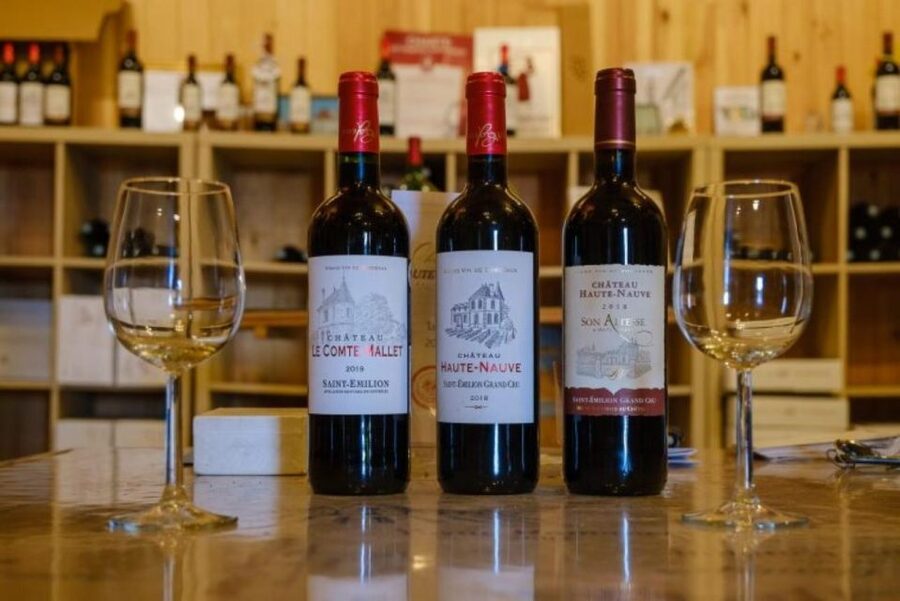
- Four wines included: The tasting covers two Saint-Émilion Grand Cru selections, one Saint-Émilion wine, and one rosé.
- Small groups: The tour is limited to 10 people, making it easier to ask questions and follow the explanation.
- French and English tours: You can choose a live guide in either language.
- Wine to take home: You can buy bottles at the estate or arrange shipping for your favorites.
A family estate with a story you can follow
Château Haute-Nauve has been a family estate in Saint-Émilion since 1930. That matters because the visit is not only about regional wine terms and polished tasting notes. You hear how one family has carried the work across four generations, with Marie-Anne and Florent representing the current owners.
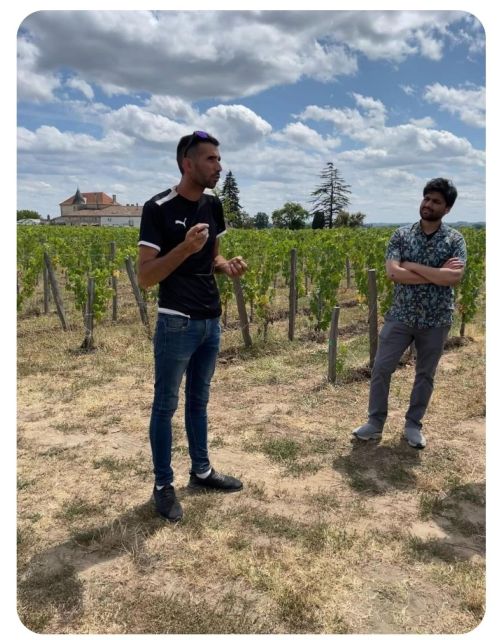
Florent is often the guide, and the experience appears to lean toward an informal, personal style. You can expect him to explain the work in plain language, answer questions, and add humor along the way. Marie-Anne also leads tours, so the exact tone may vary slightly, but the focus remains on the family estate and its methods.
I find this kind of visit useful if you want some connection to the people behind the bottle. A large commercial cellar can explain the same equipment, but here the owner or a close family member is showing you the operation. That gives the story a more direct feel.
The family also presents Château Haute-Nauve as a producer with respect for traditional methods while still making room for new ideas. One especially interesting point is the estate’s willingness to question some established French wine-industry habits while keeping traditional practices in its work. You will need to ask the guide for the exact details, but this gives the visit more substance than a simple walk through a room of barrels.
More Food and Drink Experiences in France:
- Medoc or Saint Emilion Wine Tasting and Chateau from Bordeaux
★ 5.0 · 1,415 reviews - Saint-Émilion: Grand Cru Classé Winery Visit and Tasting
★ 4.6 · 1,118 reviews - Saint Emilion Half-Day Trip with Wine Tasting & Winery Visit from Bordeaux
★ 4.5 · 1,034 reviews
Starting in the vineyard
The visit begins with the vineyard and the story of Saint-Émilion’s grape varieties. This is a useful starting point because it puts the wine in its setting before you taste it. You learn about the grapes connected with the appellation and how the estate’s history relates to the local wine tradition.
The vineyard portion is not described as a long hike, and the whole activity lasts about 75 minutes. Still, you will be outside for at least part of the visit, so wear shoes that can handle uneven ground. A hat is also recommended. On a wet day, the tour can still go ahead, but practical clothing will make it more comfortable.
Do not expect the vineyard section to be a scenic photo stop only. The point is to understand how the process starts. The guide connects the vines with what you later see in the cellar, helping you make sense of why harvesting, grape varieties, fermentation, and aging all affect the final bottle.
The timing of your visit can change what you see outdoors. The tour does not promise that every stage of the annual wine cycle will be taking place during your arrival. You are there to understand the process and the estate’s methods, not to take part in a harvest or production session.
From grapes to wine in the vinification cellar
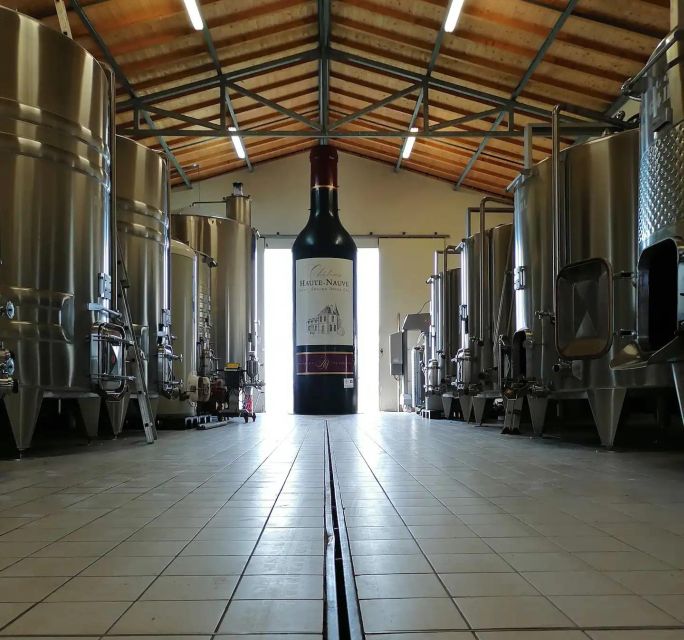
The next part moves indoors to the vinification cellar. Here, the focus shifts from growing grapes to turning them into wine. You learn about fermentation, pumping, and pressing, three technical stages that can sound abstract until you see the tanks and equipment used to manage them.
The guide explains how the cellar works and how the different steps fit together. You might see tanks and pressing equipment while hearing about the choices made during production. This is where the tour earns its low price: you are not merely tasting a finished product, you are learning how the estate handles the work before the wine reaches the barrel or bottle.
Florent has also used videos to make parts of the process easier to understand. That can help if you are new to wine production or if technical explanations in a second language become difficult. The tour is offered in French and English, and the small group limit gives you a better chance to pause and ask for clarification.
The visit stays accessible to beginners, but it should also satisfy anyone who wants more than a basic introduction. You do not need to know the difference between fermentation and pressing before you arrive. If you already have wine experience, ask specific questions about the estate’s choices and traditional methods.
One practical note: the tour does not include food. The tasting is about wine only, so plan a meal or snack separately if you are visiting around lunchtime or later in the day.
The barrel cellar and traditional aging methods
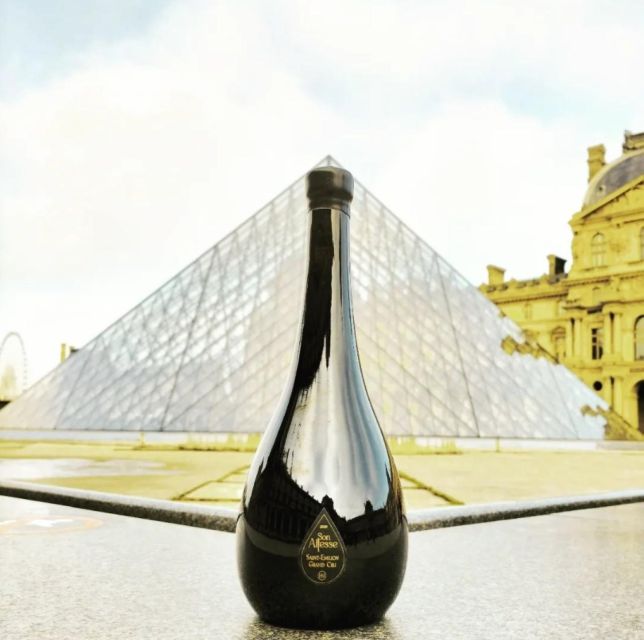
The barrel cellar provides the most atmospheric part of the indoor visit. You see where the wine ages and hear how traditional methods shape the finished style. The cellar is not just a backdrop for photographs. It gives you a physical sense of the time between production and release.
The guide explains the role of barrels and the aging process in clear stages, linking what you see to the wines you will taste later. This is particularly helpful when you are trying to understand why two wines from the same general area can differ in character.
I like the order of the visit. You first hear about the family and vineyard, then see production in the tanks, then move to aging in barrels. By the time you reach the tasting, you have a simple mental map of the estate. That makes the four glasses more meaningful.
The cellar may appeal most to people who enjoy the craft side of wine. If your main goal is a long tasting with many wines, this tour may feel short because the tasting is only one part of the 75-minute experience. If you want to understand how the bottle was made, the balance is a strength.
A few more vineyard days around France worth a look
- Champagne Day Trip with 6 Tastings, Reims and Winery from Paris
★ 5.0 · 902 reviews - From Reims: Champagne and Family-Run Wineries Tour
★ 4.8 · 671 reviews - Saint-Emilion Afternoon Wine Tour – 2 Wineries & delicacies
★ 5.0 · 614 reviews - Saint-Émilion: Bordeaux Vineyard Tour and Wine Tasting
★ 4.8 · 578 reviews
Four wines at the end
The tasting closes the visit with four Château Haute-Nauve wines:
- Two Saint-Émilion Grand Cru selections
- One Saint-Émilion wine
- One rosé
This gives you a useful comparison rather than four similar pours. You can taste across different estate styles and consider how the production details you just heard about show up in the glass.
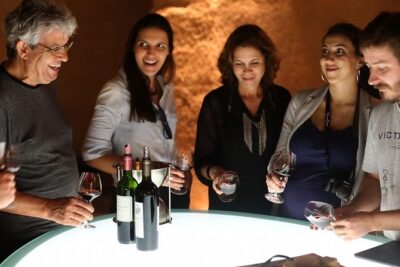
The tasting is guided, but the mood is relaxed. The guide talks through the wines and leaves room for questions. This is not presented as a formal, highly structured tasting class, so it should suit you if you want information without a stiff or intimidating format.
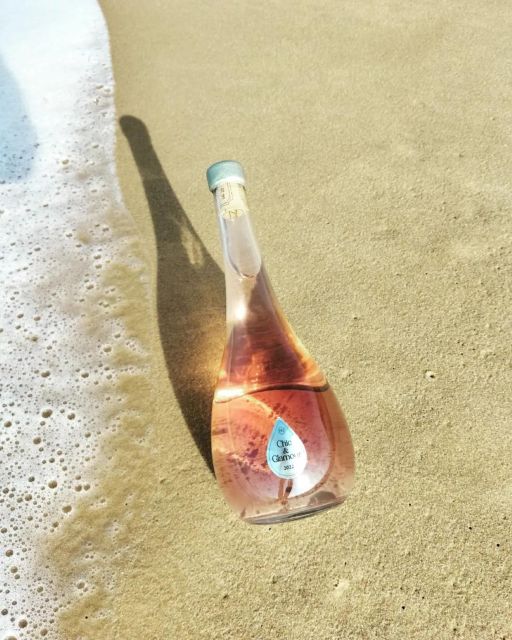
The rosé is an especially useful addition. Bordeaux visits often focus heavily on red wine, so having a rosé in the lineup gives the tasting some variety. The two Grand Cru selections offer the chance to compare the estate’s higher-designation wines with the Saint-Émilion bottling.
Wine preferences are personal, and the tour does not promise that you will like every pour. The value comes from tasting four wines directly at the estate and having the guide explain them in context. You can decide for yourself instead of relying only on a shop description.
Why the $18 price is strong value
At $18 per person, the experience is priced well for Saint-Émilion. You receive a 75-minute guided visit, access to the vineyard and cellars, an explanation of production from vine to bottle, and four wines at the end.
The price is particularly fair if you compare it with a tasting that includes only a few pours and little production information. Here, your fee covers the time of a family owner or estate guide and a walk through the working parts of the property.
The value is not only in the quantity of wine. It is in the setting and the explanation. You are tasting wines where they are made, and the guide can connect the contents of your glass with the vineyard, cellar, barrels, and family history.
Still, keep your expectations in check. This is a short estate visit, not a full-day wine course. There is no food included, no transportation, and no promise of a large selection beyond the four wines. If those limits match what you want, the price is easy to justify.
You can also buy bottles at the end, and the estate can arrange shipping. That is handy if you like a wine but do not want to carry bottles through the rest of your trip. Several people have bought bottles or boxes after tasting, and the direct-from-the-estate option can make a more personal souvenir than a bottle picked at random in a shop.
Getting there and planning the visit
You must make your own way to Château Haute-Nauve. The meeting point is the château itself, and transportation is not part of the booking. If you are staying in Saint-Émilion, check the route and timing before you set off.
A taxi or ride service may be useful. One practical suggestion is to check Bolt or Uber from Saint-Émilion, but availability can vary, so do not depend on a last-minute car without checking. If you arrange a ride, think about the return trip too.
The activity lasts 75 minutes, though the exact starting time depends on availability. Some visits have run longer when the guide spends extra time answering questions, but you should plan around the stated 75 minutes rather than assuming an extended tour.
Groups are limited to 10 people. That is small enough for a more direct exchange than you usually get in a large coach group. It also means popular times can fill, particularly during the summer, so booking ahead is sensible if your schedule is tight.
Wear comfortable shoes and bring a hat. The tour includes outdoor time and cellar visits, so practical clothing is better than dressing only for the tasting photographs.
Free cancellation is available up to 24 hours before the visit for a full refund. You can also reserve now and pay later, which helps if your Saint-Émilion plans are still shifting.
Who will enjoy this visit most
I would choose this tour if you want a clear introduction to Bordeaux wine without committing half a day. The 75-minute format fits neatly into a Saint-Émilion itinerary, especially if you also want time in the town.
It is a good match for couples, families with older children interested in food or farming, and small groups who prefer a personal guide. The English option makes it accessible if you do not speak French, and the guide’s use of plain explanations and occasional videos can help first-time wine visitors.
It also suits wine drinkers who want to buy directly from a family estate. You can taste before purchasing, ask about the bottles, and arrange shipping rather than carrying everything yourself.
I would look elsewhere if your priority is a long, highly technical tasting with a wide range of producers. This visit focuses on one estate and four wines. That narrow focus is exactly what makes the story easy to follow, but it will not replace a broader regional wine seminar.
The experience is also not ideal if you need included transport or a meal. You must reach the château independently, and the tasting does not come with food.
The personal touch makes the difference
The strongest feature is the human scale. Marie-Anne and Florent are not simply reciting a standard script about Saint-Émilion. The tour centers on their family’s work, their estate, and the choices behind their bottles.
Florent’s style is warm, funny, and patient. He has spent extra time explaining points when people needed it, and he has offered practical suggestions for restaurants in Saint-Émilion. Those small touches matter because wine can become overly formal very quickly.
You should feel free to ask questions, even if they seem basic. The format is designed for conversation, and the group limit helps. Ask about the grapes, the tanks, barrel aging, the difference between the four wines, or the estate’s approach to tradition and new ideas.
The tour also works well in poor weather because much of the production explanation takes place inside. A rainy day may reduce the pleasure of the vineyard walk, but it does not remove the cellar and tasting portions. Bring suitable clothing and keep your expectations realistic.
Should you book Château Haute-Nauve?
Yes, if you want a well-priced, family-led introduction to Saint-Émilion wine with more substance than a quick tasting. The combination of vineyard, vinification cellar, barrel cellar, and four wines gives you a complete story in a manageable 75 minutes.
Book it if you value direct contact with the people who make the wine, want to taste two Grand Cru selections, or plan to take bottles home. Choose another experience if you need transport, food, or a much longer tasting focused on several estates.
For most visitors, the decision comes down to logistics rather than quality. Get yourself to Château Haute-Nauve, wear sensible shoes, and allow time for the visit. At $18, with a small group and a fourth-generation owner at the center of the story, this is one of the more practical ways to add a working family winery to your Saint-Émilion plans.
FAQ
Where does the Château Haute-Nauve wine tour meet?
You should go directly to Château Haute-Nauve. Transportation to the estate is not included.
How long does the experience last?
The scheduled duration is 75 minutes. Starting times depend on availability.
Which wines are included in the tasting?
You taste four estate wines: two Saint-Émilion Grand Cru selections, one Saint-Émilion wine, and one rosé.
Who leads the tour?
The tour is led by Marie-Anne or Florent, members of the estate’s fourth generation. The visit is available in French or English.
How large is the group?
The tour is limited to 10 participants, making it a small-group experience.
What should I bring?
Bring comfortable shoes and a hat. The visit includes time in the vineyard and cellar areas.
Can I buy or ship wine after the tasting?
Yes. You can purchase your favorite wines at the estate or arrange for them to be shipped.
Just added around France
- Day Trip to the Sancerre and Pouilly Vineyards★ 5.0 · 20 reviews
- 3-Hour Private Painting tuition in a beautiful Cognac vineyard★ 3.5 · 2 reviews
- 4×4 tour in a winery followed by a tasting★ 5.0 · 46 reviews
- Winery Visit with Food and Wine in Carcassonne★ 5.0 · 59 reviews
- Walk in the vineyards of Chablis Grands Crus★ 4.5 · 7 reviews
- Wine Getaway with Tasting in the Chablis Vineyard★ 5.0 · 3 reviews
- Winery Tour & Wine Tasting – Deli Plate & 3 Wines★ 5.0 · 72 reviews
- Visit to the Faugères Vineyards with Picnic from Béziers★ 5.0 · 7 reviews
France Vineyard Tours, compared.
Medoc or Saint Emilion Wine Tasting and Chateau from Bordeaux
Read our review →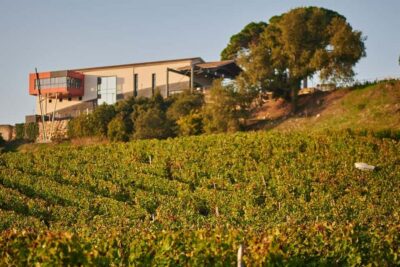
Saint-Émilion: Grand Cru Classé Winery Visit and Tasting
Read our review →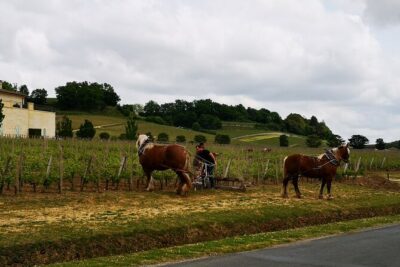
Saint Emilion Half-Day Trip with Wine Tasting & Winery Visit from Bordeaux
Read our review →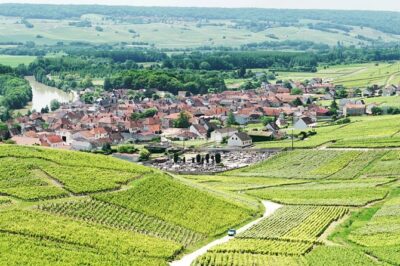
Champagne Day Trip with 6 Tastings, Reims and Winery from Paris
Read our review →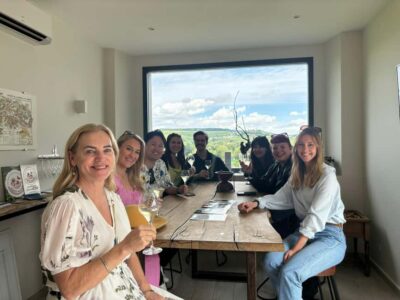
Saint-Emilion Afternoon Wine Tour – 2 Wineries & delicacies
Read our review →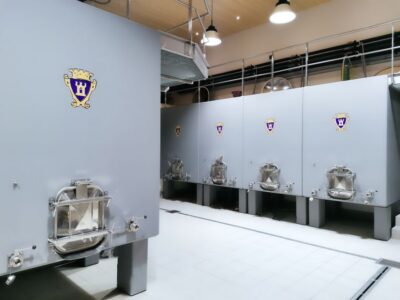
Saint-Émilion: Bordeaux Vineyard Tour and Wine Tasting
Read our review →
Browse the lists this tour appears in