
REVIEW · PORTUGAL
Reguengos de Monsaraz: José de Sousa Winery Tour and Tasting
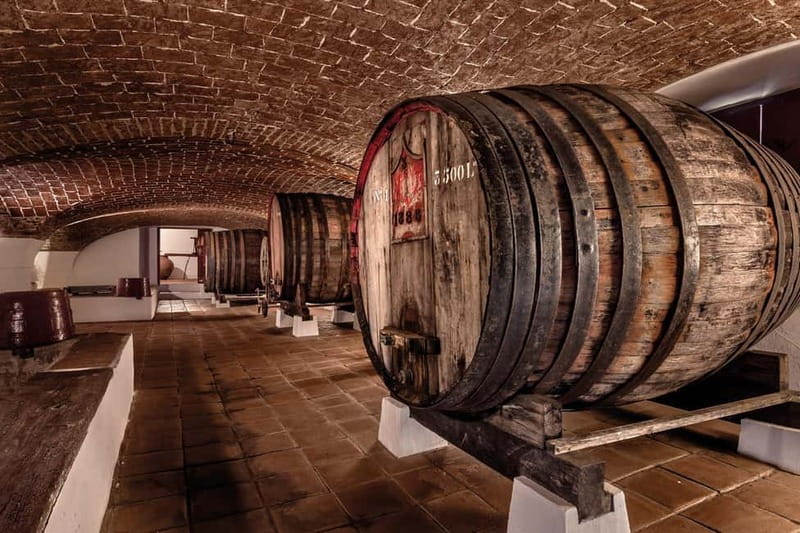
José de Sousa Winery is unusual for one clear reason: 114 clay pots still shape its most special wines. This is not just a polished cellar with rows of steel. You see ancient Talha winemaking beside modern equipment, plus a nearly 5-meter Menir found on the estate.
I like the mix of working winery and archaeology room, and I like the small groups, limited to 10 people. The tour gives you both the practical side of wine production and a look at older traditions. The main drawback is that some of the tour route may feel more display-oriented than active, and one recent visitor found the guide lacking energy.
Key points
- 114 clay pots in the Adega dos Potes: See the large amphorae still used for Talha wine.
- 44 stainless steel tanks: Compare the winery’s modern production area with its older methods.
- An archaeology room on the estate: See artifacts found at Monte da Ribeira Estate, including a Menir almost 5 meters tall.
- A vineyard lesson before the cellar: Learn about the main grape varieties used in the wines.
- A tasting at the end: Choose from several tasting options after the guided visit.
- A compact small-group visit: The 1.5-hour tour is limited to 10 participants and runs in English or Portuguese.
Why the Clay Pots Matter at José de Sousa
The heart of this visit is the Talha wine method. Talha refers to wine made in large clay amphorae, an old technique that remains in use at José de Sousa. Instead of treating this as a museum piece, the winery still uses the vessels for selected production.
That gives the tour a useful contrast. You first see how a modern winery handles wine with stainless steel tanks, then you enter the Adega dos Potes and see 114 clay pots preserved for production. The point is not simply that the pots look old. They show how an older method continues beside present-day equipment.
You should expect an explanation of the basic vinification process and the role of the clay vessels. The exact technical depth may depend on your guide, but the setting itself makes the subject easier to understand. Seeing the pots in their own winery is more useful than hearing about Talha wine in a tasting room with no production context.
The Adega dos Potes is also likely to be the most memorable stop for photographs. Bring a camera, as recommended, but remember that this is still a working wine space. Take pictures respectfully and follow any instructions from the guide.
More Winery Tours in Portugal
- Loulé: Quinta da Tôr Winery Guided Tour and Wine Tasting
★ 4.7 · 661 reviews - Albufeira Wine Tasting: Boutique Winery Tour & Historic Silves
★ 5.0 · 380 reviews - Albufeira/Vilamoura: Winery Tour with Wine Tasting and Tapas
★ 4.7 · 336 reviews
Starting at the Educational Vineyard
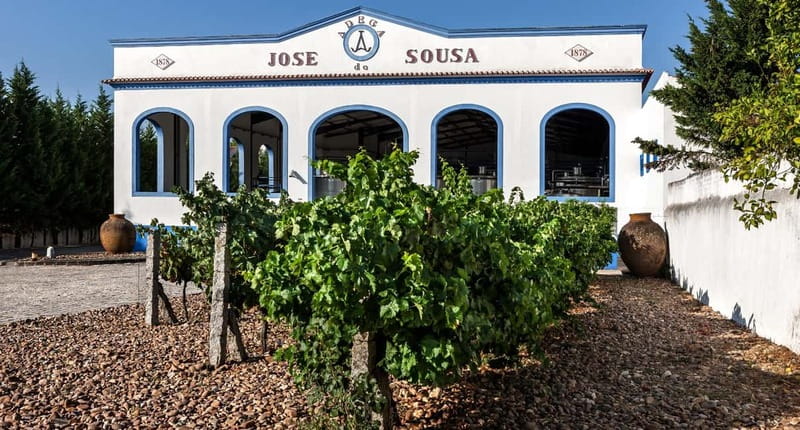
The visit begins at the meeting point, the wine shop, before moving into the educational vineyard. This opening stop gives you a simple introduction to the grapes used by José de Sousa.
The winery does not list the grape varieties by name in the tour information, so you should not expect a full grape encyclopedia lesson in advance. Instead, the guide introduces the main varieties used in the winery’s wines and helps connect the vineyard to what you taste later.
I like this order. You begin with the plant, move through production, and finish with wine in the glass. It gives the tasting more meaning because you have already seen the setting where the process begins.
The vineyard visit also adds some walking, so wear comfortable shoes. The total tour lasts about 1.5 hours, and the walking is manageable for most people who are comfortable on their feet. Carry water, especially if you are visiting during a warm spell.
Inside the Modern Winery’s 44 Stainless Steel Tanks
After the vineyard, the route continues through the modern winery. Its 44 stainless steel tanks show the practical side of current wine production.
This part may appeal most to you if you like seeing how wine is handled at scale. Stainless steel tanks are not as visually romantic as clay amphorae, but they make the contrast clear. José de Sousa is not relying on only one old method. The modern facility has a substantial production area, while the traditional pots remain central to selected wines.
One point to keep in mind is the character of the tour route. A recent visitor felt that the part of the cellar shown was not used much and seemed more prepared for display than daily production. That does not make the stop worthless, but it may shape your expectations. You are seeing the winery’s facilities and learning how they fit together, not necessarily walking through every active work area.
The guide is important here. A lively explanation can turn stainless steel tanks into a useful lesson about fermentation, storage, and production choices. A less animated presentation may leave this section feeling more like a walk past equipment. The experience has received mixed reactions on guiding style, so keep that in mind if you want a highly technical or energetic tour.
The Archaeology Room and the Nearly 5-Meter Menir
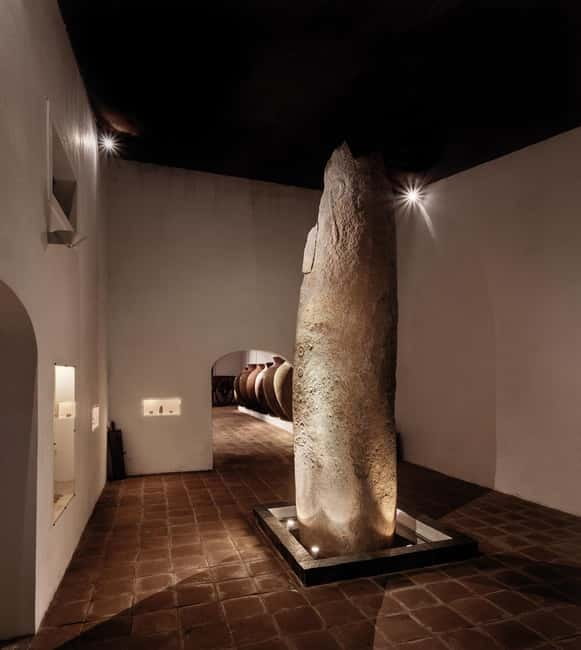
The archaeology room gives the winery another layer. It displays artifacts found at the Monte da Ribeira Estate, including a Menir almost 5 meters tall.
That is a striking change of subject. You move from grape varieties and tanks to objects connected with the land itself. The room helps show that the estate is more than a place where grapes are processed. It also gives you something to look at while the guide explains what was found there.
The Menir is the standout object because of its size. A stone nearly 5 meters tall is difficult to ignore, and it provides a strong visual pause in the middle of the wine visit. You do not need to be an archaeology specialist to appreciate it. The simple value is that the winery connects wine production with the older traces discovered on its grounds.
The available information does not specify the dates or full details of every artifact, so expect an introduction rather than a long archaeology lecture. If ancient sites and objects interest you, this room adds real value. If you came only for tasting, it may feel like a short detour, but it remains one of the more distinctive parts of the visit.
Same wine country, a different day out:
- Porto: Douro Valley with Winery Lunch, Tastings & Cruise
★ 4.7 · 7,002 reviews - From Porto: 2 Wine Regions, Farm-to-Table Lunch & Boat
★ 4.9 · 5,724 reviews - Porto: Bridges Cruise & Sunset & Port Wine Cellar Option
★ 4.2 · 4,180 reviews - Porto: Cálem Cellar Tour, Interactive Museum & Wine Tasting
★ 4.5 · 4,113 reviews
Entering the Adega dos Potes
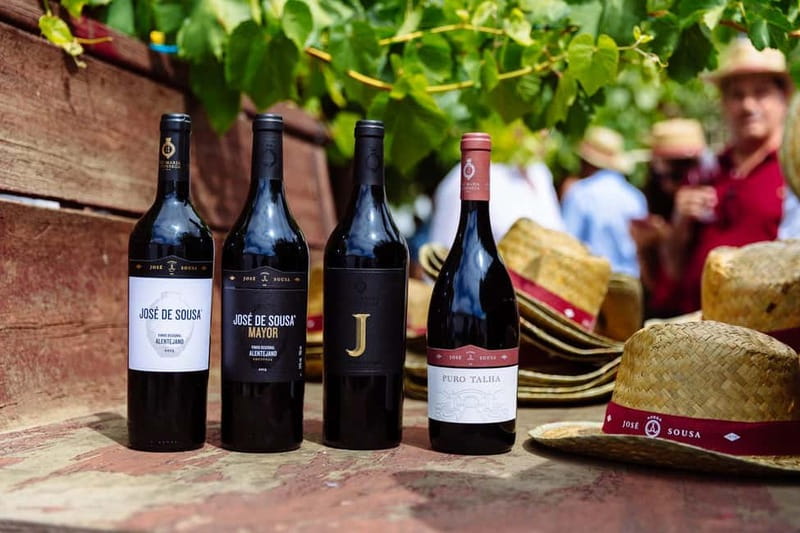
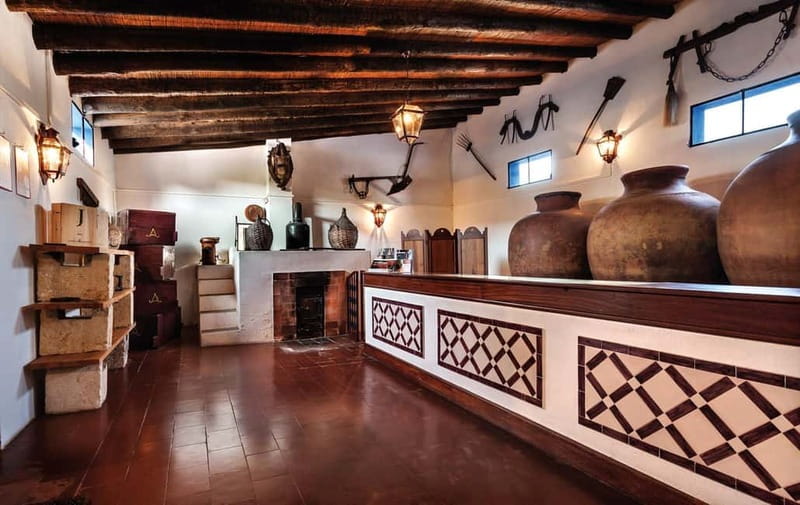
The final winery stop is the Adega dos Potes, the room where the 114 clay pots are preserved and still used for special wines. This is the section that gives the experience its strongest sense of place.
The pots are not just scattered around as decoration. They are part of the winery’s production story. You can see how a traditional method fits into a present-day business, which is more interesting than a simple old-cellar display.
The room also provides the clearest reason to choose this tour over a standard tasting. Many winery visits give you vines, tanks, and a glass of wine. José de Sousa adds a rare production method that you can see at close range.
Still, it is worth keeping the scope in proportion. The visit lasts only 1.5 hours, so you should expect a focused introduction, not an extended course in Talha winemaking. If you want detailed chemistry, vintage comparisons, or a long cellar conversation, the available time may feel short.
Wine Tasting After the Tour
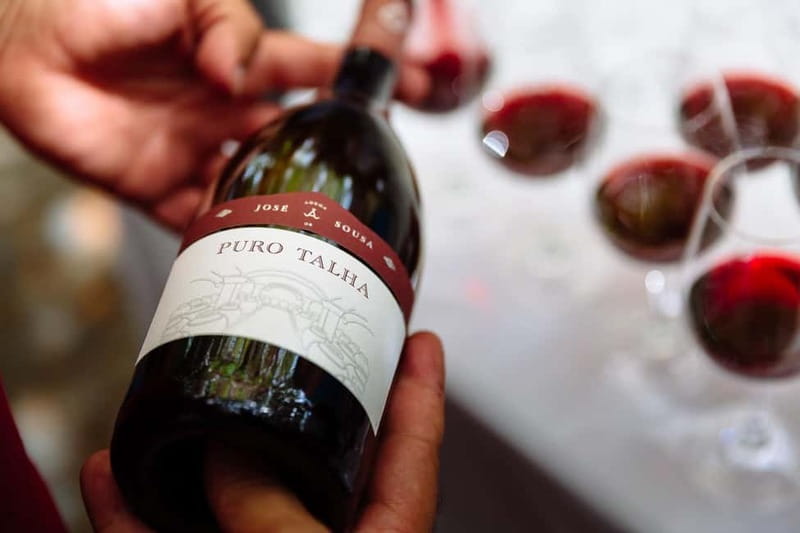
The tasting comes after the guided walk, and you can choose from several wine tasting options. The information does not specify the exact number of wines or the names of each tasting package, so check the available choice when you book or arrive.
This final step works best because the tour has already given you a framework. You have seen the vineyard, modern tanks, archaeological material, and clay pots. Now you can consider how the winery’s methods appear in the finished wines.
The wines have received strong praise overall, but the experience is not only about the glass. If you are already familiar with Portuguese wine, the Talha focus should give you a particular angle. If you are new to it, the tasting gives you a practical introduction without requiring specialist knowledge.
Do not expect a meal. Food is not included, and the activity is built around the winery visit and wine tasting. Have a meal before or after if you need more than a tasting pour.
What the $31 Price Buys You
At $31 per person, this is not the cheapest quick tasting, but it offers more than a glass at the wine shop. Your fee covers the full guided visit, educational vineyard, modern winery, archaeology room, Adega dos Potes, and tasting options.
I see the value in the range of stops. You get several different subjects in one compact visit: grape varieties, production equipment, archaeology, Talha wine, and finished bottles. The small group, capped at 10 people, also gives the guide a better chance to answer questions than a large coach group would.
The value depends partly on what you want from a winery visit. If your priority is a long, highly technical tour of active production areas, you may find the price less convincing, especially if your route includes spaces that feel more presentational. If you want a distinctive cultural stop with wine at its center, the clay pots and Menir make the fee easier to justify.
The tasting quality matters too. Recent feedback describes the wines positively, while the comments on the guiding are less consistent. Sofia received particular praise for her friendliness and professional manner, but you should not assume she leads every departure.
Timing, Group Size, and Languages
The tour takes about 90 minutes from start to finish and returns to the same winery. That makes it easy to fit into a day in Reguengos de Monsaraz, especially if you do not want a full-day wine program.
Groups are limited to 10 people. This is a useful size for a cellar visit because you can usually hear the guide and see the equipment without being part of a crowd. It also keeps the tasting more personal than a large bus tour.
Live guiding is available in English and Portuguese. If you need another language, this activity is not presented as a multilingual tour. You meet at the wine shop, so allow enough time to find the correct starting point at Adega José de Sousa.
You can reserve and pay later, and cancellation is allowed up to 24 hours in advance for a full refund. Those terms are useful if your route through the Alentejo is still changing. Transportation is not included, so you need to arrange your own way to the winery.
Accessibility and What to Wear
The winery is partially wheelchair accessible, and the route can be adapted in some cases. At the same time, the activity is marked as not suitable for wheelchair users, so you should contact the provider before booking if access is important to you.
The route includes walking, and some areas may have uneven or less convenient surfaces. Comfortable shoes are the sensible choice. Bring water and a camera, and do not smoke during the tour.
This is not a good pick if you need a fully accessible experience with guaranteed step-free access. It may work for some mobility needs if the route is adjusted, but that must be confirmed ahead of time.
Who Will Enjoy This Winery Visit Most
I would choose this tour if you want a short visit with a strong local identity. The clay amphorae are the main reason to come, and the archaeology room makes the stop more unusual than a basic vineyard and tasting.
It also suits you if you like seeing contrasts. The 44 stainless steel tanks represent modern production, while the 114 clay pots show a traditional method still in use. That side-by-side comparison is the clearest educational feature of the experience.
Wine beginners can follow the visit without prior knowledge. The vineyard introduction gives you a starting point, and the tasting lets you try the results afterward. You do not need to recognize grape varieties in advance to get something from the tour.
You may want to choose another activity if you dislike guided displays, want a long technical cellar session, or need a fully wheelchair-accessible route. The tour is short and focused, not an all-day wine study.
Should You Book José de Sousa Winery?
Book it if you want to see Talha wine production in a real winery, especially the 114 clay pots in the Adega dos Potes. The archaeology room and nearly 5-meter Menir add an unexpected cultural angle, while the modern tanks show how old and new methods work side by side.
The main caution is guide quality and presentation. The strongest experience will come when the explanation is lively and detailed. Since feedback on guiding has varied, keep your expectations centered on the unusual cellar and the wine itself rather than assuming a perfect performance.
At $31, I think the tour is a fair choice for a 1.5-hour visit, provided you value more than tasting alone. Wear good shoes, bring water, and ask about accessibility before paying. For a compact introduction to José de Sousa’s wines and Talha tradition, this is a worthwhile stop in Reguengos de Monsaraz.
FAQ
How long does the José de Sousa Winery tour last?
The guided visit and tasting take about 1.5 hours.
Where does the tour begin?
You meet at the wine shop at Adega José de Sousa.
What languages are available?
The live tour guide speaks English or Portuguese.
What will I see during the visit?
You will visit the educational vineyard, modern winery with 44 stainless steel tanks, archaeology room, and Adega dos Potes with 114 clay pots.
Is wine tasting included?
Wine tasting is part of the experience, with several tasting options available after the tour.
Is transportation included?
No. You must arrange your own transportation to and from Adega José de Sousa.
Can wheelchair users join the tour?
The winery is partially wheelchair accessible and may adapt the route in some cases, but the activity is listed as not suitable for wheelchair users. Contact the provider before booking if you need an accessible route.
More Food and Drink Experiences in Portugal
- Porto: Cálem Cellar Tour, Fado Show & Wine Tasting
★ 4.4 · 3,530 reviews - Porto: Taylor’s Port Cellars & Tasting
★ 4.6 · 3,374 reviews - Porto: Burmester Cellar Tour with Tasting & Pairing Options
★ 4.4 · 1,534 reviews - Private Wine Tasting in the Setúbal Wine Region, from Lisbon
★ 5.0 · 611 reviews
Just added around Portugal
- Wine tasting at Quinta das Murgas★ 4.5 · 11 reviews
- Óbidos, Nazaré and Wineries, Day Private Tour by SUV from Lisbon★ 5.0 · 2 reviews
- Évora, Esporão Winery & Monsaraz | Exclusive Private Wine Tour★ 3.5 · 2 reviews
- Sintra,Palácio da Pena,Quinta da Regaleira and Cascais★ 5.0 · 11 reviews
- Tile painting experience and visit Azeitão wine cellar★ 5.0 · 2 reviews
- 1 day tour of Sintra and Cascais, Palácio da Pena, Quinta da Regaleira ….★ 3.0 · 4 reviews
- South Portugal Wine Route Private Full Day Tour from Lisbon★ 4.0 · 2 reviews
- Quinta da Regaleira and Cabo da Roca Half Day Private Tour★ 5.0 · 2 reviews
Portugal Vineyard Tours, compared.

Douro Valley with Winery Lunch, Tastings & Cruise
Read our review →

Cálem Cellar Tour, Interactive Museum & Wine Tasting
Read our review →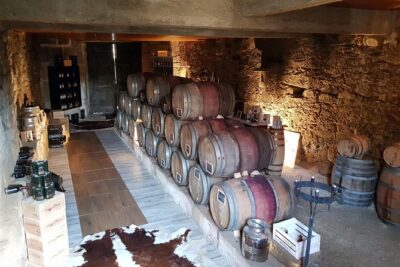
Douro Valley Tour: 2 Vineyard Visits, River Cruise, Winery Lunch
Read our review →
Tastings at 2 Wineries, Chef’s Lunch & Boat Tour
Read our review →
Douro Valley with Two Winery, Boat Trip and Lunch From Porto
Read our review →Browse the lists this tour appears in