
REVIEW · SORRENTO
Pompeii, Herculaneum and Winery on Vesuvius with an Archaeologist
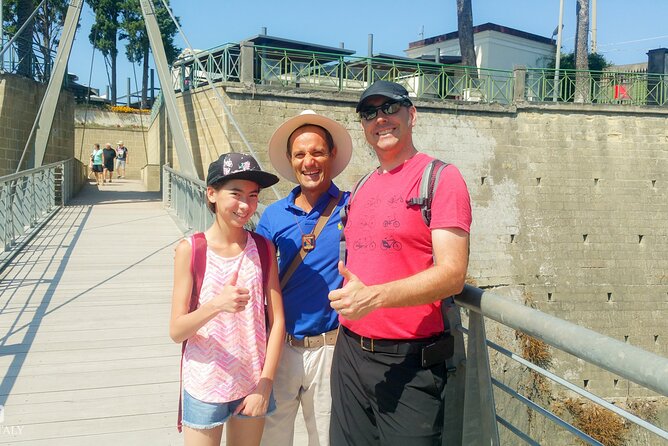
Pompeii and Herculaneum are not interchangeable ruins. Pompeii gives you a whole Roman city, with forums, theaters, shops, houses, and broad streets. Herculaneum gives you finer domestic detail, including wooden furniture, mosaics, baths, and a shoreline marked by tragedy. Fabrizio Belleni, an archaeologist with 27 years of experience in Pompeii, connects the two sites in a way that makes the long day feel purposeful rather than rushed.
I like two things especially: the private vehicle lets you avoid public transport hassles, and the route can shift around heat, crowds, children, and your interests. I also like the pause at Cantina del Vesuvio, where a winery lunch breaks up the archaeology with local food and Lacryma Christi wines. The main drawback is the pace. You are covering two large archaeological parks in one day, and the uneven paving can be tiring.
Key points to know before booking
- Two very different Roman cities: Pompeii is broad and civic, while Herculaneum is smaller, more intimate, and often easier to appreciate in a shorter visit.
- An archaeologist leads the walking tours: Fabrizio explains buildings, art, daily life, and the eruption rather than simply pointing out ruins.
- The winery stop is a real meal: Expect bruschetta, cheese, olives, cured meats, pasta with Vesuvius cherry tomatoes, Pastiera cake, and five local wines.
- Private transport saves time: Pickup is available anywhere in Naples or the Sorrento area, with a comfortable air-conditioned vehicle, water, and Wi-Fi.
- Admission and lunch cost extra: Allow about €40 per adult for both sites and about €50 per person for the winery lunch and tasting.
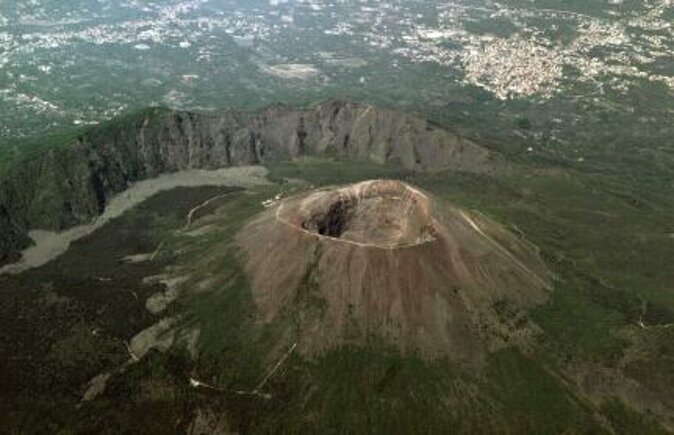
- You do not climb to the summit of Vesuvius: The winery is inside Vesuvius National Park, but this is not a crater hike.
Why this private Pompeii and Herculaneum day works
The great strength of this experience is the combination of expert guiding, private transport, and a well-placed food stop. You are not trying to find two archaeological parks, a winery, and a car service on your own. Fabrizio handles the driving and adjusts the order when conditions call for it.
That flexibility matters. The day may begin at Herculaneum and finish at Pompeii, or run in the opposite direction. Starting at Herculaneum can be smart when the smaller site is quieter in the morning. Pompeii is much larger, and afternoon heat and crowds can make it feel harder to cover.
You should still set realistic expectations. Eight or nine hours is enough for a strong overview, not every street and building. This is best for you if you want the major sights explained clearly and prefer a personal route over an audio guide or a large group.
The private price is $861.07 for up to seven people. Split among seven, that is about $123 per person before admissions and lunch. For two or three people, the cost is much higher per head, but the value improves if you care about a private vehicle, door-to-door pickup, an archaeologist, and a route adjusted to your needs.
More Etna and Volcanic Wine Tours in Italy:
- Private 6-Hour Tour of Three Etna Wineries with food&wine tasting
★ 5.0 · 417 reviews - Private tour of Etna and Winery Visit with Food and Wine Tasting from Taormina
★ 5.0 · 221 reviews - Mount Vesuvius: Vineyard Tour with Wine Tasting and Lunch
★ 4.8 · 193 reviews
Pompeii begins at Porta Marina
Piazza Porta Marina is a practical and fitting entrance to Pompeii. You pass from the modern town through the ancient double-arched gate, then move toward Via Marina and the center of the old city.
The Antiquarium is near this entrance and may be included as part of the Pompeii visit. It gives useful context before you walk among the ruins, especially through plaster casts of eruption victims and other fragile finds. These displays make the disaster personal before you begin studying the larger city.
From here, Fabrizio can shape the route around your priorities. The site includes public baths, private houses, taverns, shops, theaters, and religious buildings. The walking surfaces are ancient stone, so wear firm shoes and expect some uneven footing.
The Temple of Apollo and Pompeii’s Forum
The Temple of Apollo is one of the oldest sacred areas in Pompeii. Its columns and podium show how religious life changed as Greek influence gave way to Roman practice. Replicas of Apollo and Diana help you picture the sanctuary, while Mount Vesuvius provides a stark backdrop.
The Forum is the city’s main civic space. Here you can see the Temple of Jupiter, the Basilica, the Macellum market, and the official weighing table known as the mensa ponderaria. This is where Pompeii’s government, commerce, religion, and public ceremonies came together.
I find this part of Pompeii most useful when the guide explains how the buildings worked as a group. Without that context, the Forum can look like a large rectangle surrounded by columns. With it, the paving stones and foundations begin to show the shape of city life.
Frescoes at the House of the Vettii
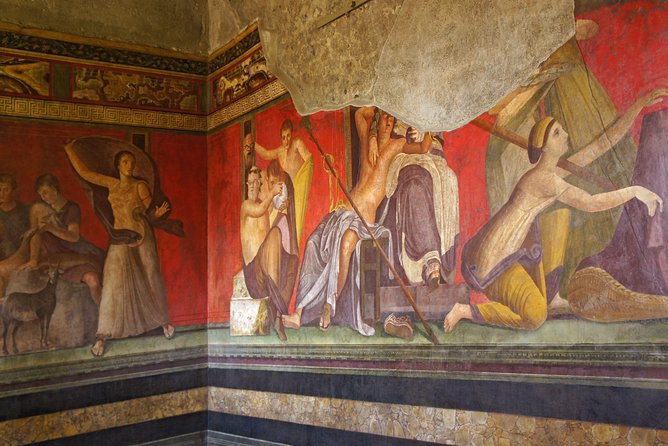
The House of the Vettii is a major highlight for anyone interested in Roman painting and domestic life. The house belonged to two wealthy former slaves and contains exceptionally vivid Fourth Style frescoes.
The restored rooms include mythological scenes, a room decorated with cupids at work, and the famous Priapus painting near the entrance. The central garden and fountain help you understand that Roman luxury was not only about painted walls. It also involved outdoor space, water, shade, and the careful display of wealth.
Allow time to look closely. A rushed visit can reduce the house to a quick sequence of colorful walls. Fabrizio’s explanations are particularly useful here because he can connect the paintings with status, dining, religion, and Roman taste.
A few more vineyard days around Italy worth a look
- Tuscany Day Trip from Florence: Siena, San Gimignano, Pisa and Lunch at a Winery
★ 5.0 · 21,634 reviews - Florence: Chianti Wineries Tour with Wine Tasting
★ 4.5 · 10,071 reviews - From Florence: Siena, San Gimignano, Pisa & Lunch at Winery
★ 4.8 · 4,538 reviews - Half day Chianti Vineyard Escape from Florence with Wine Tastings
★ 4.5 · 2,196 reviews
The Chaste Lovers and Teatro Grande
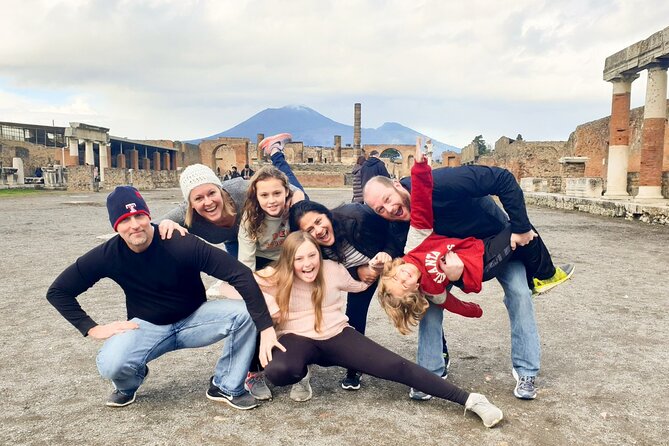
The Insula dei Casti Amanti, or Insula of the Chaste Lovers, offers a different view of Pompeii. Elevated walkways allow you to look down into a full city block, including houses and a bakery. You may also see active archaeological work, with excavation and cleaning taking place below.
The delicate fresco of a kissing couple gives the house its name. Charcoal drawings made by children, including gladiator sketches, are a striking reminder that Pompeii was not only a city of wealthy homeowners. Children lived, played, and left marks here too.
Nearby, Teatro Grande shows Pompeii’s social life on a larger scale. The horseshoe-shaped theater dates from the second century BC and could hold about 5,000 people. Its seating reflects social rank, with the best places reserved for those with higher status.
The theater is a short stop, but it helps round out the visit. You see where people gathered for entertainment, after studying the places where they worshipped, traded, bathed, and lived.
A winery lunch inside Vesuvius National Park
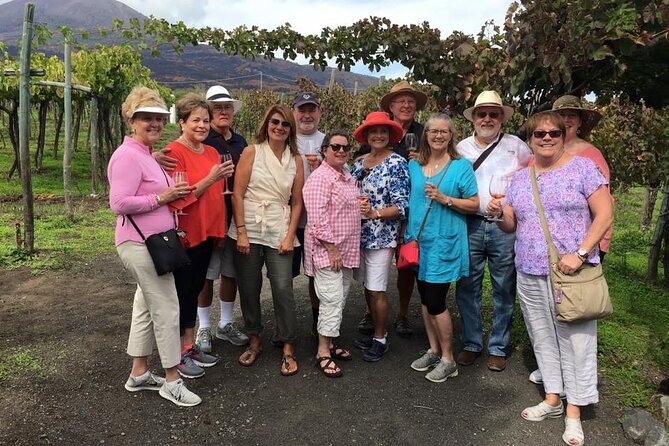
Cantina del Vesuvio is more than a place to grab a sandwich between ruins. The winery sits inside Vesuvius National Park, with views toward the Bay of Naples and the volcano. A guided walk through the vineyards takes about 15 minutes and introduces the local vines and Lacryma Christi wines.
The standard meal includes:
- Bruschetta with tomatoes
- Provolone, olives, salami, capocollo, grilled vegetables, and beans
- Spaghetti with Vesuvius cherry tomatoes
- Neapolitan Pastiera cake
- Five local wines
The lunch and wine experience costs about €50 per person, with a superior wine option at about €60. Fabrizio makes the reservation, and you pay the winery on site by card or cash. Vegetarian and gluten-free choices are available, which is useful if your group has different dietary needs.
This stop earns its place in the day because it gives your feet a break and lets you taste food tied to the volcanic soil of the area. It is not a formal winery expedition lasting half a day. The vineyard walk is brief, followed by lunch and tasting. If wine is your main interest, you may find the visit too short. If you want a pleasant regional meal between two demanding sites, the timing is excellent.
Herculaneum’s shoreline and Boat Pavilion
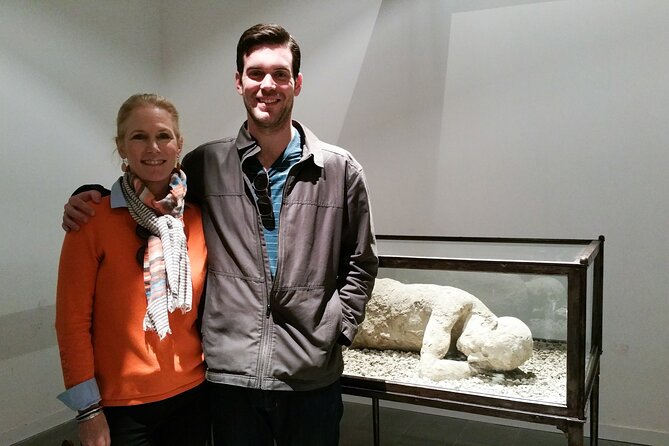
Herculaneum feels different from Pompeii almost immediately. The site is smaller, and volcanic mud preserved more organic material, including wood and other objects that usually disappear over time.
The Antiquarium helps explain that difference. Displays include carbonized wooden furniture, textiles, statues, frescoes, and the so-called Herculaneum Treasure. It is an intimate museum, and a short visit here can sharpen your eye for details in the archaeological park.
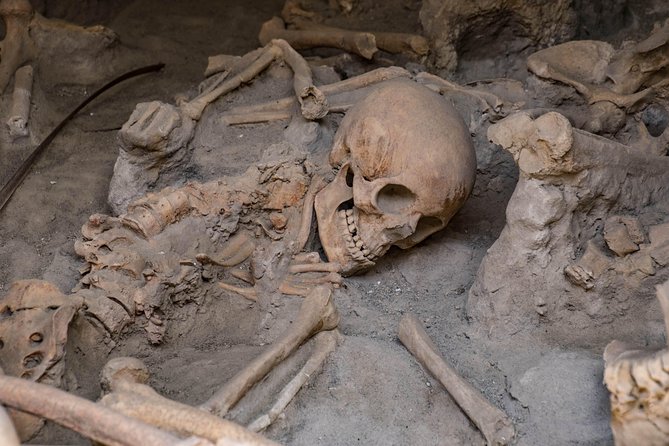
The Boat Pavilion and Ancient Beach bring the eruption into sharp focus. The pavilion contains the carbonized keel of a boat about nine meters long, along with fishing equipment, rope, and other maritime objects. At the Ancient Beach, you can see the shoreline and the boat sheds where more than 300 people were found.
This is one of the most emotional sections of the day. You are not simply looking at grand houses. You are seeing the place where residents tried to escape by sea and where the volcanic flows changed the coastline forever.
Herculaneum’s houses show Roman luxury
The House of the Stags is a wide aristocratic residence built around views, air, and outdoor space. Its large garden and terrace faced the Gulf of Naples, while the marble statues of stags attacked by dogs explain the house’s name.
The House of Neptune and Amphitrite is smaller but packed with detail. Its gold and blue glass mosaic is one of Herculaneum’s most memorable works. Next door, a shop preserves wooden shelves and carbonized containers that once held foodstuffs. This pairing is useful because it connects a wealthy home with the everyday business nearby.
The Women’s Baths provide another close look at Roman life. You can see the changing room mosaic featuring Triton and dolphins, wooden storage shelves, decorated vaulted ceilings, and the sequence of warm and hot rooms. The labyrinth-patterned floor and heating system show how much engineering went into a public bath.
At the Palestra, the scale changes again. This gymnasium included a large swimming pool and a five-headed hydra fountain. It is a good place to imagine organized physical training and civic activity, though the broad complex can feel less immediately understandable without a guide.
Near the end, an ancient wine advertisement known as Ad Cucumas offers a small but enjoyable detail. After a day of houses, temples, and baths, it is satisfying to see an ordinary Roman sales message still visible on a wall.
What the guide adds to the day
Fabrizio’s archaeological background is the reason to choose this private format. His explanations cover more than dates and names. He can point out how Roman homes were arranged, how shops operated, why fresco styles changed, and what daily life looked like behind the grand monuments.
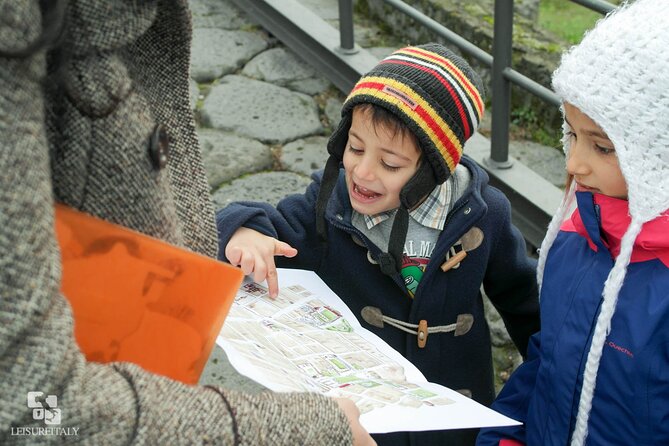
His approach also fits mixed groups. Children can be given questions and simple details to watch for, while adults with a strong interest in Roman history can ask more demanding questions. Families with children aged nine and eleven found the day manageable when the route included changes of pace and carefully chosen highlights.
The guide can also respond to physical limits. One account describes help over Pompeii’s uneven stones, while another notes that the route was adjusted during fierce heat. This is not an easy walking day, but the private format lets you shorten, reorder, or focus sections when energy drops.
Timing, walking, and practical limits
Plan on eight to nine hours from pickup to drop-off. The vehicle is air-conditioned and includes water and Wi-Fi, a welcome comfort in summer. Pickup is available anywhere in Naples or the Sorrento area. If you are staying on the Amalfi Coast, contact the provider before booking to confirm arrangements.
A moderate level of fitness is needed. Pompeii is large, sunny, and paved with irregular stones. Herculaneum also involves walking through ancient streets and buildings, and the route may include slopes or steps. Bring water, sun protection, and shoes with a good grip.
Admission is not included. The combined cost is about €40 per adult for both sites, while visitors under 18 can enter free with valid identification. Check the current admission rules when booking, since archaeological sites can change access arrangements.
Free cancellation is available up to 24 hours before the start time. Changes or cancellations inside that window are not accepted for a refund.
Who should book this experience
I would choose this tour for a family, a group of friends, or anyone who wants both major Vesuvian sites without handling the transport alone. It is especially useful if you are staying in Sorrento and want a full day away from the coast, or if you are based in Naples and want pickup at your accommodation.
It suits people who want history explained in plain language and a schedule that can respond to heat, crowds, and tired legs. The family-friendly upgrade is worth considering if children need more interaction than a standard walking lecture provides.
I would hesitate only if you want a slow, highly specialized study of one site, a full Vesuvius summit hike, or a serious wine-focused day. For those aims, separate experiences would give you more time.
Should you book Fabrizio’s Pompeii and Herculaneum tour?
Book it if you want a well-supported day that combines two outstanding archaeological parks with a good regional lunch. The strongest reasons are Fabrizio’s long experience, private transportation, flexible routing, and ability to keep both children and history enthusiasts involved.
The cost is not low, especially for a small party, and the admission fees and winery lunch are extra. But for a full group of seven, the price becomes much easier to justify. You get a private vehicle, an English-speaking archaeologist, door-to-door service, and a carefully balanced day rather than three disconnected bookings.
FAQ
How long is the tour?
The experience lasts approximately eight to nine hours.
Where can pickup take place?
Pickup is available anywhere in Naples or the Sorrento area. If you are staying on the Amalfi Coast, contact the provider about arrangements.
Who guides the tour?
The guide is Fabrizio Belleni of Leisure Italy Private Guide. He is an archaeologist and has guided in Pompeii for 27 years.
Is the tour private?
Yes. Only your own group participates, with a maximum group size of seven people.
Are Pompeii and Herculaneum admission fees included?
No. Admission costs approximately €40 per adult for both sites. Visitors under 18 can enter free with valid identification.
Is lunch included in the tour price?
No. The winery lunch and wine experience costs about €50 per person, or about €60 with the superior wine option.
What food is served at the winery?
The meal includes bruschetta, cheeses, olives, cured meats, grilled vegetables, beans, spaghetti with Vesuvius cherry tomatoes, and Neapolitan Pastiera cake.
Does the tour climb to the top of Mount Vesuvius?
No. The winery is inside Vesuvius National Park, but the tour does not go to the summit.
Is the tour suitable for children?
Yes. A family-friendly upgrade is available, and the route can be adapted to help keep children engaged. A moderate level of physical fitness is still required.
What is the cancellation policy?
You can cancel up to 24 hours before the experience for a full refund. Cancellations or changes made less than 24 hours before the start time are not accepted.
Just added around Italy
- Primitivo and Negroamaro wine tour: a visit to two wineries and typical lunch. From Lecce★ 5.0 · 19 reviews
- Visit to a Winery in Salento with Wine tasting and light lunch. From Lecce★ 4.5 · 10 reviews
- Full Day Tour to Gallipoli, Galatina, Coast, Beaches and Winery★ 5.0 · 39 reviews
- Discover the best cellars of Salento★ 5.0 · 30 reviews
- “Between Langhe and Monferrato” – Wine Tasting and Cellar Visit★ 5.0 · 86 reviews
- Visit among vineyards and wine cellar with wine tasting in Nizza Monferrato★ 5.0 · 10 reviews
- Barolo Tasting and Vineyard Tour and Winery Visit★ 4.5 · 2 reviews
- Guided Walk and Lunch in the Vineyard in Alba★ 4.5 · 2 reviews
Sorrento Vineyard Tours, compared.
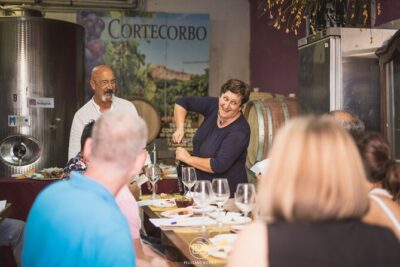
Cortecorbo Irpinia-wines: tour of the vineyards- Cooking class- wine tasting
Read our review →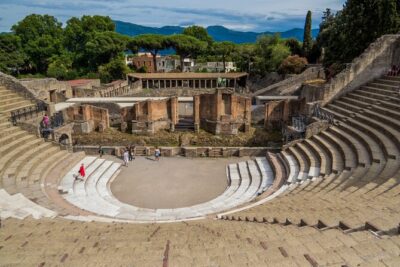
Private Pompeii Tour with Archaeologist & Winery on Mt Vesuvius
Read our review →
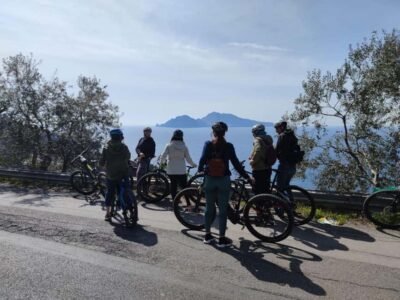
Sorrento Coast E-Bike Tour and Visit at Vinegar Cellar
Read our review →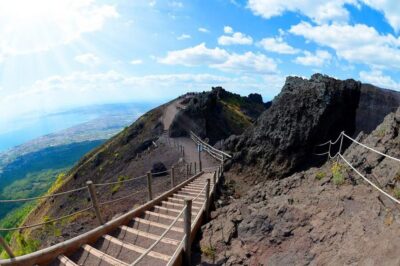
Campania Express Train Pompeii Tour with Vesuvius or Winery
Read our review →
Browse the lists this tour appears in