
REVIEW · PINHAO
Pinhão: Quinta do Bomfim Visit and Tasting
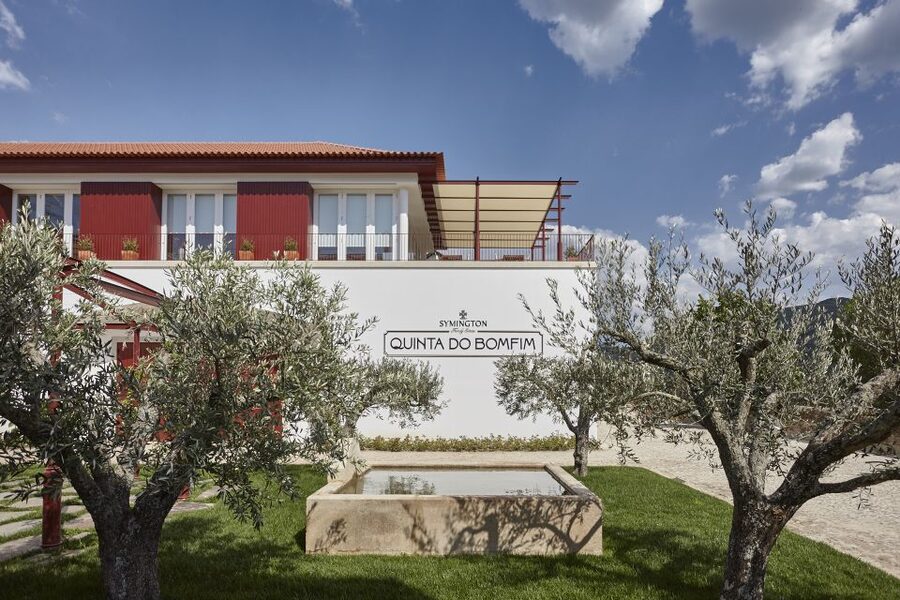
Quinta do Bomfim gives you a clear look at how Douro wine moves from steep, hand-built terraces to the glass. The visit combines a small museum, vineyard paths, an old barrel cellar, and a terrace tasting at the Symington family estate. The setting is the star, but the port history gives the stop real weight.
I like the three vineyard walks, since you can choose a route that fits your time and energy. I also like the chance to taste different styles, from Douro DOC wine to vintage port and Dow’s Old Tawnies. The main drawback is that the visit can feel slow during the tasting, especially when one guide is explaining several different tasting flights to a small group.
Key points at a glance
- A five-generation family estate: Learn how the Symington family has made wine here for five generations.
- Three vineyard routes: Walk through mountain vineyards and see hand-built dry stone terraces from the 18th and 19th centuries.
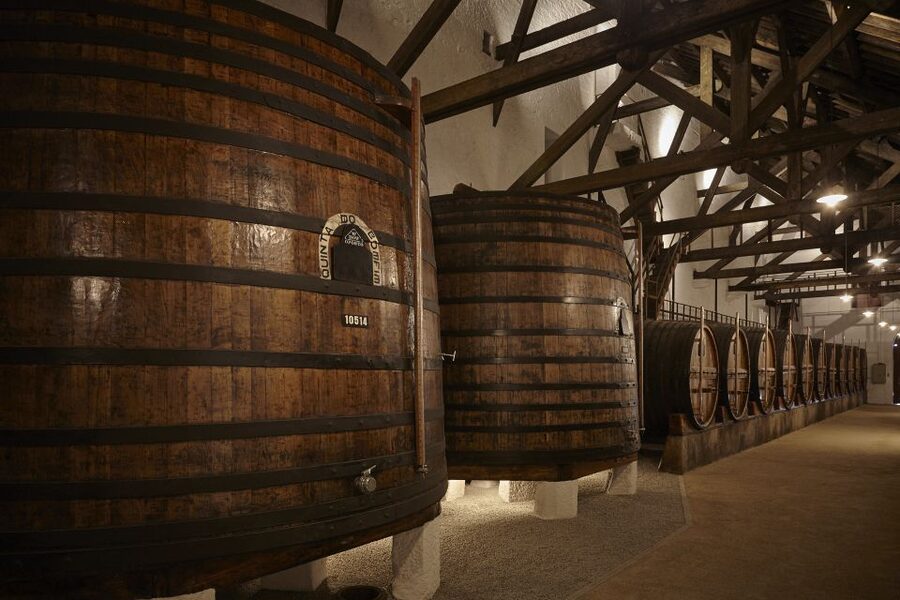
- The 1896 lodge: Visit a vast vat and barrel cellar still tied to the estate’s port-making story.
- Four tasting choices: Select Douro DOC wines, port, premium vintage port, or Dow’s Old Tawnies.
- Terrace views over the Douro: The final tasting takes place outdoors when conditions allow, with vineyards and river scenery in view.
- Small-group format: Groups are limited to 10, with English and French tours available.
Why Quinta do Bomfim makes sense in Pinhão
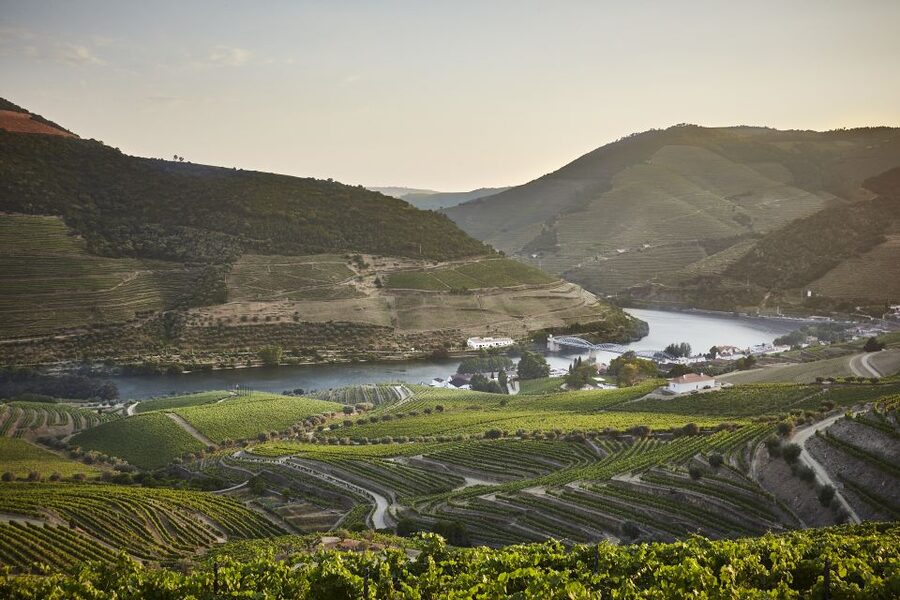
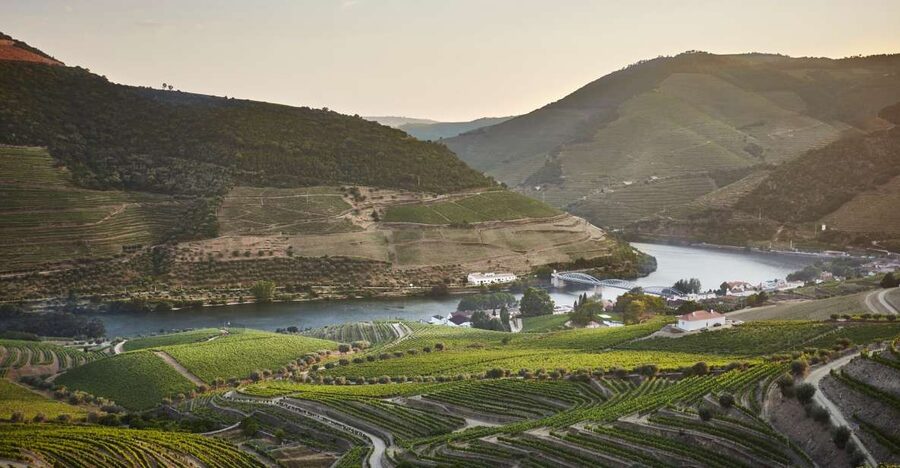
Pinhão is one of the Douro Valley’s most useful bases for wine visits. Quinta do Bomfim sits in the Upper Douro Valley, where the mountains press close around the river and vineyards climb the slopes in narrow bands. You are not simply tasting a bottle from the region. You are seeing the place where the grapes are grown and where the estate holds wine from each harvest.
The property belongs to the Symington family, now in its fifth generation. That family connection gives the tour a personal thread. The visit explains the estate, the people behind it, and the work needed to produce port in a difficult mountain setting.
The experience costs about $47 per person and lasts roughly 1.5 hours. I consider that a fair price if you want a guided introduction rather than a quick pour at a wine bar. You receive the grounds visit, a guide, and three glasses. The value improves if you care about how Douro wine is made, not just how it tastes.
More Port Wine Quinta Tours in Portugal:
- Porto: Bridges Cruise & Sunset & Port Wine Cellar Option
★ 4.2 · 4,180 reviews - Porto: Taylor’s Port Cellars & Tasting
★ 4.6 · 3,374 reviews - Porto: Magic Train Tour and Port Wine Cellar with Tastings
★ 3.9 · 730 reviews
Start with photographs and family records
The visit begins in a small museum. Do not expect a large collection with hours of exhibits. Its strength is focus. Early 20th-century photographs show the Douro before modern tourism changed the valley, while documents trace the property, family, and local wine trade.
This opening helps you read the rest of the visit. The Douro’s steep vineyards are not easy farmland. Dry stone terraces were built by hand in the 18th and 19th centuries, creating narrow shelves where vines could grow on slopes that would otherwise be too steep to use.
The museum also places port in its proper setting. Wine from these estates was traditionally sent downriver to Vila Nova de Gaia, near Porto, for further aging. That movement by river was once central to the business. You may find the museum brief, but it gives enough background to make the cellar and vineyard walk more meaningful.
Guides have included Rodrigues, Mariana, Leonor, André, and Gabriel. The best guides make the technical side easy to follow, explaining fermentation, aging, and the difference between port styles without turning the visit into a lecture. English and French are available, and the small group limit of 10 allows room for questions.
Choose one of three vineyard walks
After the museum, you choose among three walks through the vineyard. Each route offers views of the surrounding mountain vineyards, but the choice gives the visit some flexibility. You can select the walk that suits your time and comfort rather than following one fixed path.
Wear comfortable shoes. The property is not suitable for people with mobility impairments or wheelchair users, and the vineyard setting means you should expect uneven ground or sloping paths. The supplied information does not give exact distances for the three walks, so ask your guide which route best fits your ability before setting off.
The walk is valuable because it shows how much human work is built into the Douro. The stone terraces are not just pretty lines on the hills. They are working structures that made grape growing possible. From the paths, you can also understand why Douro wine has such a strong sense of place. The vines are surrounded by steep mountains, exposed stone, and the winding river below.
This portion is also the best time for photographs. The valley views are open, and the terrace walls create a strong pattern across the hillsides. Bring water if you need it, though the activity details only specifically require comfortable clothing and shoes.
Step inside the old lodge from 1896
The route includes the old lodge, built in 1896. This is one of the most interesting stops because it connects the vineyard outside with the storage work inside.
The building contains large vats and barrels, and its complicated roof structure has protected the space for more than a century. Port from each estate harvest was held here before being transported downriver to Vila Nova de Gaia for further maturing.
For me, this is where the estate becomes more than a scenic wine stop. You can see that port is not made only in a tasting room. It depends on harvest timing, cellar space, storage, transport, and years of aging. The old lodge gives a physical sense of that process.
The cellar may be quieter and less immediately photogenic than the terrace, but it is a key part of the visit. Ask questions here if you want to understand why a vintage port differs from an old tawny, or why the wine’s life continues after it leaves the estate.
More Food and Drink Experiences in Portugal:
- Porto: Cálem Cellar Tour, Interactive Museum & Wine Tasting
★ 4.5 · 4,113 reviews - Porto: Cálem Cellar Tour, Fado Show & Wine Tasting
★ 4.4 · 3,530 reviews - Porto: Burmester Cellar Tour with Tasting & Pairing Options
★ 4.4 · 1,534 reviews - Loulé: Quinta da Tôr Winery Guided Tour and Wine Tasting
★ 4.7 · 661 reviews
Harvest season changes what you see
If you visit during harvest, you may see grapes arriving at the winery and port being made in the lagares, the traditional stone or masonry troughs used for treading grapes. That is the most active version of the experience, since you can see the fruit entering the production process.
Outside harvest, a short film shows the winery in operation and traditional treading at other Symington family vineyards. This is a sensible substitute, but it is not the same as seeing the work happen in front of you. If seeing production matters to you, check the season before booking.
The tour explains the blend of older and newer methods used in Douro wine production. That balance came through clearly in the way the visit is structured: historic photographs and traditional lagares sit alongside a working winery and modern presentation.
Choose your three-glass tasting carefully
The tasting is not one fixed flight. You choose from four options:
- Douro DOC tasting
- Port tasting
- Premium vintage tasting
- Dow’s Old Tawnies tasting
Each choice gives you a different look at the estate and its wine styles. The standard wine route is useful if you want to compare Douro table wine with the region’s fortified wines. The port option is the natural pick for a first visit to a Douro quinta.
The premium vintage tasting suits someone who wants to focus on the estate’s top-end port. Quinta do Bomfim is associated with Dow’s 2007 Vintage Port, the only vintage port made in the 21st century to receive a perfect 100-point score from Wine Spectator. Dow’s 2011 Vintage Port was named the publication’s number one wine in the world in 2014.
Those awards do not guarantee that every bottle will match your taste. They do explain why the premium tasting can be worth the extra attention for serious port fans. You are sampling wines connected to one of the region’s most closely watched modern vintages.
The Dow’s Old Tawnies option offers a different experience. Vintage port is about a particular harvest, while old tawny port is shaped by long aging in wood and blending over time. If you prefer softer, more developed flavors, this may be the better choice.
The tasting includes three glasses, but the exact wines depend on the option you select. If you are visiting with someone who chooses another flight, you may hear about more bottles than you taste yourself.
The terrace is the right place to finish
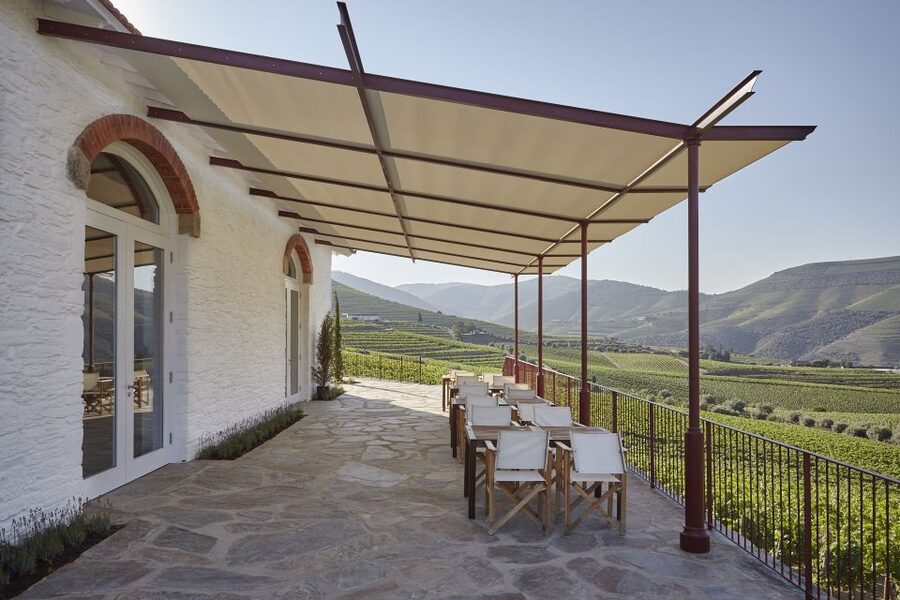
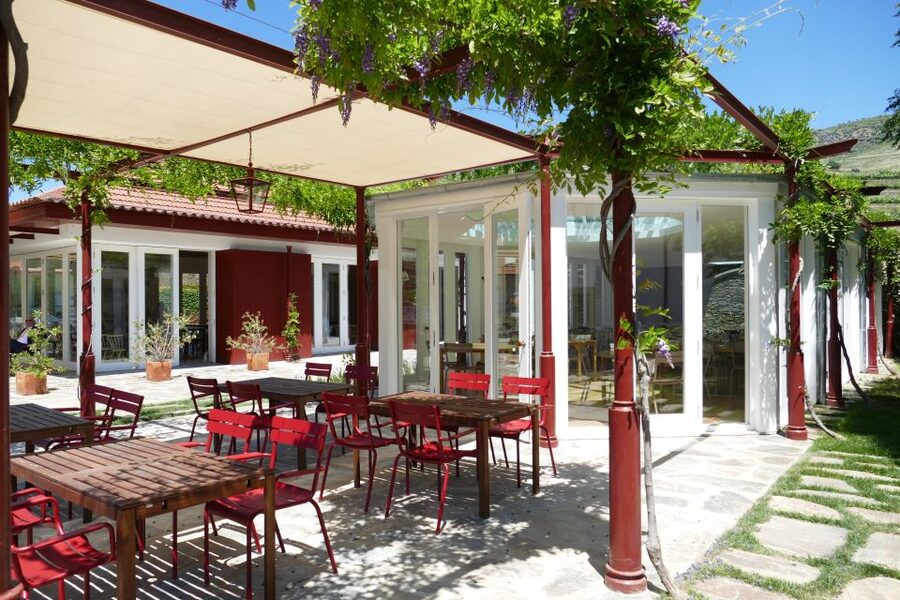
The final tasting takes place on the terrace, looking over the Douro River and the surrounding vineyards. This is the most relaxed part of the visit. After the museum, walk, and cellar, you can sit down and pay attention to the wine and the view.
The terrace setting adds real value to the price. You are not tasting in a generic indoor room. The valley is in front of you, and the vineyards you have just walked through are part of the experience. I would try to schedule this visit when you are not rushing to catch a train, boat, or another appointment.
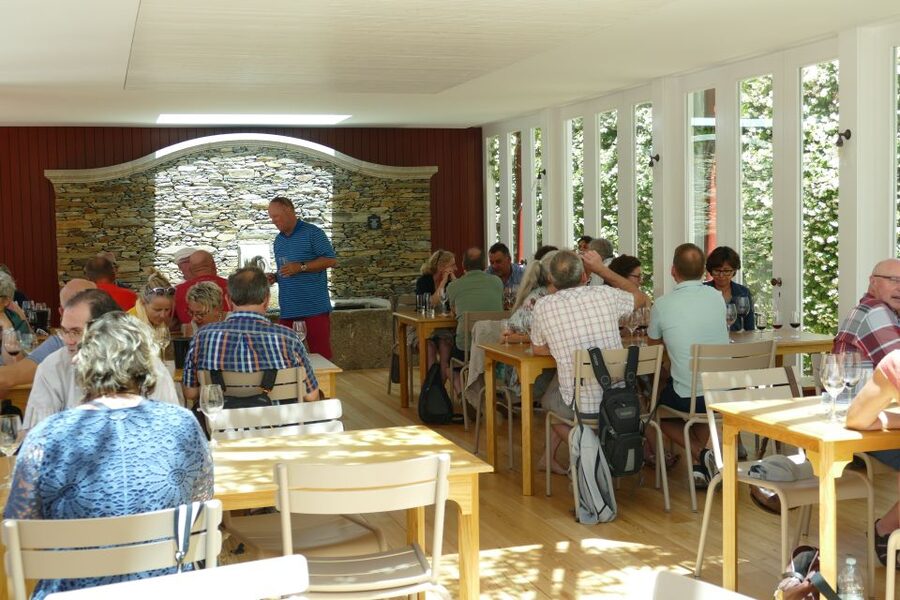
There is one practical wrinkle. The group may have several tasting choices, and the guide may move from table to table to explain them. That can work well when the group is small, but it may feel uneven if the first tables take a long time. One visitor found that the later explanations felt rushed.
The fix is simple: ask your questions when the guide reaches your table, and listen to the explanations for the other flights too. You may pick up useful clues about styles you did not choose. The tasting is social, but it is not a private wine lesson.
You should not expect a food pairing. The included experience lists three glasses of wine, and a request for cheese or another snack came up as a possible improvement. Eat beforehand if you need more than a few sips with your tasting.
How the guides shape the visit
The guide matters here because port production can become technical fast. Mariana and Leonor have been praised for clear explanations, while André has been noted for bringing enthusiasm and humor to the visit. Rodrigues and Gabriel have also guided tours, with Gabriel particularly useful for visitors who want to talk about different Porto experiences after the formal tour.
Of course, guide style varies by date. The important point is that the tour depends on spoken explanation, especially in the museum and cellar. The strongest guides connect the family story to the physical work of the vineyard instead of simply listing dates and wine terms.
If you are new to port, ask about the difference between Ruby, Tawny, and Vintage styles, even if those exact categories are not all part of your flight. If you already know port, ask why the estate chose the wines in your tasting and how the aging method changes the result.
Who will enjoy this visit most
I would choose Quinta do Bomfim if you want a well-rounded introduction to Douro wine in a short visit. It suits first-time port drinkers, people interested in family-run wine estates, and anyone who wants vineyard scenery without committing to a full-day wine program.
It is also a good fit for wine fans who want a premium tasting option. The connection to Dow’s 2007 and 2011 vintage ports gives the estate extra interest beyond its attractive setting.
You may want a different experience if you are looking for a long food-and-wine afternoon, a private tasting, or a fully active harvest visit outside harvest season. The tour is structured and educational, not a loose day of wandering. At 1.5 hours, it gives you a useful introduction, but it does not explore every corner of a large wine property.
The small-group format helps. With no more than 10 people, the guide can usually respond to questions and keep the pace manageable. Still, a small group does not guarantee equal attention during the final tasting, particularly when people choose different flights.
Practical details before you book
Meet at the Quinta do Bomfim Visitor Center 15 minutes before the start. Bring a passport or ID card, comfortable shoes, and comfortable clothes.
The activity is available in English and French. It is not suitable for wheelchair users or people with mobility impairments. The vineyard walks and old cellar make footwear more important than dress clothes.
You can cancel up to 24 hours before the activity for a full refund, and the reserve-now, pay-later option lets you hold a place without paying immediately. Availability and starting times vary, so check the schedule for your date.
The property also has a Bomfim 1896 restaurant, which may suit you if you want to pair the visit with a meal. The tour itself does not include food, so plan accordingly.
Should you book Quinta do Bomfim?
Yes, if you want scenery, family history, a real old cellar, and three well-chosen glasses in one compact visit. The terrace tasting and vineyard views are the biggest pleasures, while the museum and 1896 lodge give the wine a useful sense of place.
Book it with realistic expectations. You may not see active production unless you visit during harvest, and the tasting commentary can feel a little scattered when several flights are in play. But at about $47, this is a solid value for a guided introduction to the Upper Douro Valley, especially if you choose the premium vintage or Old Tawnies option and have an interest in port beyond the postcard view.
FAQ
How long does the Quinta do Bomfim visit last?
The activity lasts about 1.5 hours. It is listed as valid for one day, with the visit itself taking roughly 90 minutes.
What is included in the price?
The experience includes a guided tour and a wine tasting of three glasses.
Which tasting options are available?
You can choose a Douro DOC tasting, a port tasting, a premium vintage tasting, or a Dow’s Old Tawnies tasting.
What languages are available?
Tours are available in English and French.
How large is the group?
The group is limited to 10 participants.
Where do I meet the guide?
Meet at the Quinta do Bomfim Visitor Center and arrive 15 minutes before the activity begins.
What should I bring?
Bring a passport or ID card, comfortable shoes, and comfortable clothes.
Is the visit suitable for wheelchair users?
No. The activity is not suitable for wheelchair users or people with mobility impairments.
Just added around Portugal
- Lisbon & The South Side Wine Regions Private Luxury Tour★ 5.0 · 4 reviews
- Urban winery tour, premium tasting flight & tapas★ 5.0 · 4 reviews
- Arrábida Wine Tour – 3 Wineries, Traditions & Views from Lisbon★ 4.5 · 6 reviews
- Lisbon: Sintra Town,Pena Palace, Moorish Castle& Quinta Regaleira★ 5.0 · 7 reviews
- Pena Palace, Moorish Castle and Quinta da Regaleira Walking tour★ 5.0 · 2 reviews
- Setúbal: Winery & Fish Market Tasting Tour from Lisbon★ 5.0 · 35 reviews
- Sintra Palaces Private Tour with Pena Palace and Quinta da Regaleira★ 4.5 · 31 reviews
- Full Day Private Tour – Arrábida Beaches and Azeitão Wine Region★ 5.0 · 2 reviews
Pinhao Vineyard Tours, compared.
Douro Valley Pinhao Quinta da Foz Tour and Tasting 5 Wines
Read our review →
Quinta da Formigosa Vineyard Tour and Wine Tasting
Read our review →
Rabelo Boat Cruise with a Port Tasting at a Winery
Read our review →
Douro offroad experience: visit to a winery and a picnic
Read our review →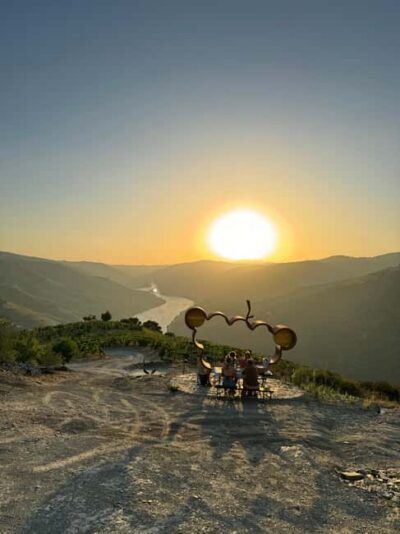
Browse the lists this tour appears in