
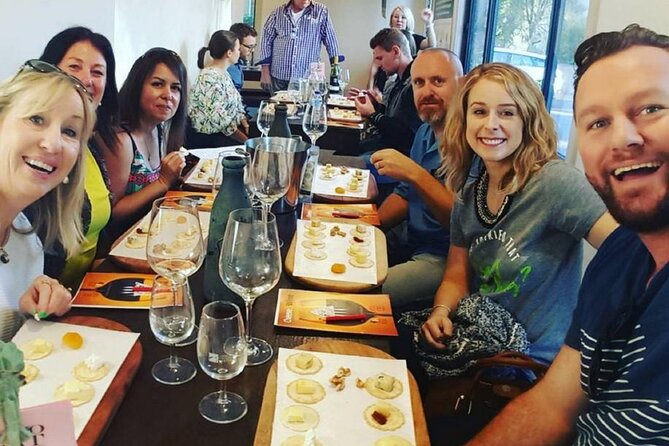
REVIEW · BILBAO
Mastering The Rioja Wine Region with a Sommelier (With Cheese Pairings)
Rioja gets far more interesting when you move past the usual Tempranillo shorthand. In this 90-minute tasting, sommelier Irene guides you through five Rioja wines, pairing each with local cheese and explaining how grape choice, ageing, and winemaking shape what you taste.
I like the small maximum of 12 people, which should leave room for questions rather than rushed pours. I also like the focus on boutique family wineries, giving you a chance to taste wines selected for their character and tradition, not just familiar supermarket labels.
The main drawback is the narrow focus. If you want a full meal, a vineyard visit, or a broad tour of Bilbao’s food scene, this is not that. It is a seated wine lesson and tasting, and the 11:30 a.m. start may not suit every schedule.
Key points about this Bilbao Rioja tasting
- Five Rioja wines are paired with local cheeses, so you taste the effect of food alongside the wine.
- Sommelier Irene leads the session, explaining the wines in a warm, approachable style.
- Tempranillo is only part of the story, with attention given to Rioja’s other authorised grape varieties.
- Crianza, Reserva, and Gran Reserva ageing rules are explained, helping you understand Spanish wine labels.
- The group is capped at 12 people, a useful size for a guided tasting with questions.
- The tasting takes place at Gastronomía Bilbao, a wine bar and tasting room near Salbe Plaza.
Why Rioja makes a good Bilbao tasting
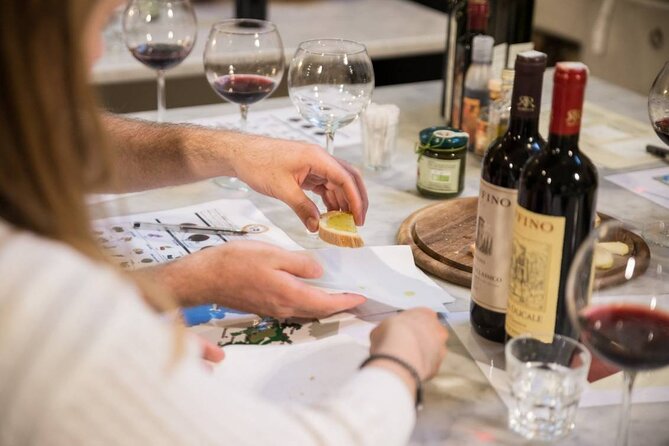
Bilbao is in the Basque Country, while Rioja lies farther south, but the wine region is a natural subject for a food-and-drink experience here. Rioja is one of Spain’s best-known wine areas, and its bottles often appear on restaurant lists across the country. A short lesson can help you read those lists with more confidence.
The useful part is that Rioja is not just one grape or one style. Tempranillo is the familiar name, but the tasting also covers other authorised varieties. That matters because grape variety can change the wine’s colour, aroma, body, acidity, and ageing potential.
You will not simply hear a string of wine terms and then sip five unrelated glasses. The aim is to connect the technical points to what is in front of you. When Irene discusses ageing, for example, you can compare the character of wines labelled Crianza, Reserva, and Gran Reserva rather than treating those words as decoration on a bottle.
The format also suits people who enjoy wine but do not want a stiff classroom. Irene’s approach is described as warm and enthusiastic, and the session includes room for the human side of wine: family producers, long-running traditions, and the skill needed to turn grapes into finished bottles.
More Rioja and Ribera Wine Tours in Bilbao:
- Semi-Private Rioja Tour of 3 Premium Wineries from Bilbao
★ 5.0 · 128 reviews - From Bilbao: La Rioja Wineries Day Trip with Wine Tastings
★ 4.6 · 118 reviews - Rioja Wine Tour: 2 Wineries From Bilbao
★ 5.0 · 111 reviews
Inside the 90-minute tasting room session
The experience begins at Gastronomía Bilbao, at Salbe Plaza, 6. It takes place in the venue’s wine bar and tasting room, so you are not being moved between several locations. That keeps the session focused and makes the most of its short length.
The meeting time is 11:30 a.m. The timing works well if you want a wine activity before lunch, or if you are building a Bilbao day around food. It is less convenient if you prefer wine tastings later in the afternoon. Since the activity lasts about an hour and a half, you should have plenty of the day left afterward.
The central part is the tasting of five Rioja wines. Five is a sensible number for a 90-minute session. It gives you enough range to notice differences without turning the experience into a blur of glasses and tasting notes. The cheese pairings add a practical layer, too. You can see how a wine changes when tasted alone and alongside food, which is more useful than learning about wine in isolation.
The exact order of the wines and cheeses is not specified, so I would not book this expecting a fixed menu of named bottles. What is clear is the shape of the session: five wines, local cheeses, and guidance from a sommelier who explains why the pairings work.
That distinction matters. You are paying for interpretation as much as liquid. A bottle’s label may tell you the region and ageing category, but it will not explain how the wine fits with cheese or why a family winery’s choices produce a particular style.
Learning Rioja beyond Tempranillo
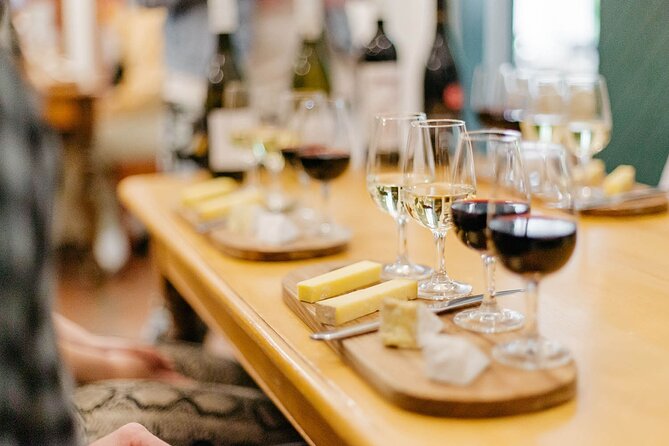
Many first-time Rioja tastings begin and end with Tempranillo. This experience promises a wider view. You learn about the authorised grape varieties used in Rioja, which gives you a better sense of the region’s range.
I like this approach because it turns the tasting into a decision-making tool. Afterward, you may be more comfortable asking what grape is in a bottle, how long it was aged, and what sort of food might suit it. The point is not to memorise a list. It is to notice that Rioja can offer more than one familiar red-wine profile.
The session also covers the Rioja DOCa designation. In practical terms, this gives you context for why the region is regulated and why the name on the label carries meaning. You are learning how the region defines and presents its wines, not just sampling products with a Spanish place name.
The technical material is balanced by the tasting itself. Wine education works best when each point has something in the glass to illustrate it. Here, the five pours give Irene a working set of examples, while the cheese helps you test the wines in a more everyday setting.
Crianza, Reserva, and Gran Reserva made clear
Ageing labels can confuse even people who regularly drink Spanish wine. Crianza, Reserva, and Gran Reserva are not simply rankings from ordinary to fancy. They indicate different ageing requirements, and those requirements affect how the finished wine tastes and feels.
This tasting explains those categories while you sample Rioja wines. That is one of the strongest reasons to choose this activity over a casual glass at a bar. A restaurant server may recommend a bottle, but a sommelier-led session gives you a framework you can use later.
You may find that the lesson changes how you shop. Instead of assuming the oldest-sounding label is always the best choice, you can consider whether you prefer fruit, oak, freshness, or a more developed style. The most expensive bottle is not automatically the right one for your meal.
The information is also useful if you plan to visit Rioja itself later. You will have a basic vocabulary for asking about producers and styles, even if this particular experience does not take you out to the vineyards.
More Wine and Cheese Pairings in Bilbao:
- Tacoronte: Guided Winery Tour with Wine and Cheese Tastings
★ 4.6 · 481 reviews - Paris Art of Pairing Cheese and Wine Tasting in a Cheese Cellar
★ 5.0 · 386 reviews - Porto: Cálem Cellar with Chocolate, Cheese, and Wine Tasting
★ 4.6 · 310 reviews - Queenstown Classic Wine Tour: 3 Winery Visits, Cave Tour & Cheese
★ 5.0 · 207 reviews
Small family wineries with a sense of place
The wines come from small boutique family wineries. That choice gives the tasting a more personal angle than a flight made entirely from large, widely distributed brands.
I would not read this as a promise that every bottle will suit your taste. Boutique production is not a guarantee of personal preference, and the experience does not identify the wineries in advance. Still, the focus on family producers can help you see the connection between wine and people: decisions in the vineyard, cellar practices, local tradition, and the character a producer wants to express.
The session aims to show the technical skill involved in transforming grapes into wine. That makes the tasting useful for beginners, but it should also give experienced drinkers something to compare. You can listen for the balance between traditional methods and the choices that make each bottle distinct.
One practical tip: if you find a wine you especially like, ask for its name and producer before the session ends. The supplied details do not promise bottles for sale or a take-home purchase, so note-taking may be the best way to remember a favourite.
The cheese pairings are more than a snack
The local cheeses are an important part of the value here. Without food, a wine tasting can become an exercise in smelling and sipping. Cheese shows you how the same wine behaves with something salty, creamy, or firm.
The pairings are selected to work with the wines, not simply to fill a plate. That makes the tasting easier to follow because you have a direct comparison: wine on its own, then wine with cheese. You can pay attention to whether the cheese softens the wine, brings out its fruit, or makes its acidity more noticeable.
The cheese also gives the experience a clear regional character. This is not just a generic international wine flight. You are tasting Rioja in Bilbao, with local food on the table and Basque wine culture in the background.
A written description cannot tell you which pairing will be your favourite, and the specific cheeses are not listed. That uncertainty is minor for most people, but it matters if you have strict dietary needs or are hoping for a particular cheese style. Contact the provider before booking if ingredients are a concern.
Irene’s role makes the difference
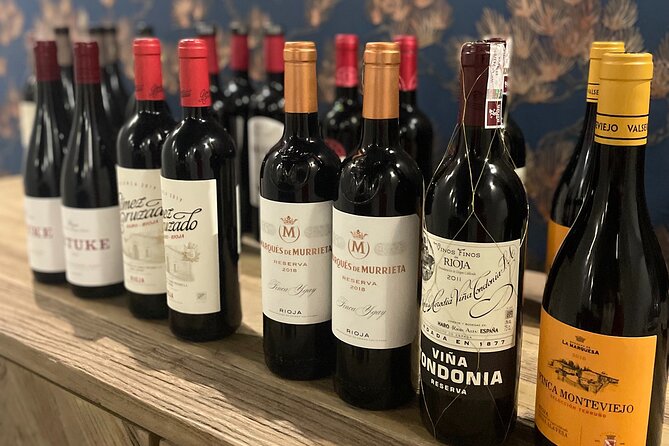
A tasting like this depends heavily on the person leading it. Irene is the named sommelier, and her role is more than pouring wine. She explains both wine and cheese with enthusiasm and aims to make the subject comfortable for people who may not know the vocabulary.
That welcoming tone is important. Wine language can become fussy very quickly, especially when a group includes people with different levels of experience. A good guide gives you permission to like what you like while still showing you how to describe it.
Irene also brings in Txakoli and other Spanish wines when helping participants feel more at ease with the country’s wine styles. Txakoli is not the main subject here, but the reference is useful if you are exploring Basque food and drink during your time in Bilbao.
The group limit of 12 supports this style of teaching. It is not a private tasting, but it is small enough that questions should feel possible. A larger room would make the session more anonymous and could reduce the time available for personal guidance.
Price and what you receive for $66.51
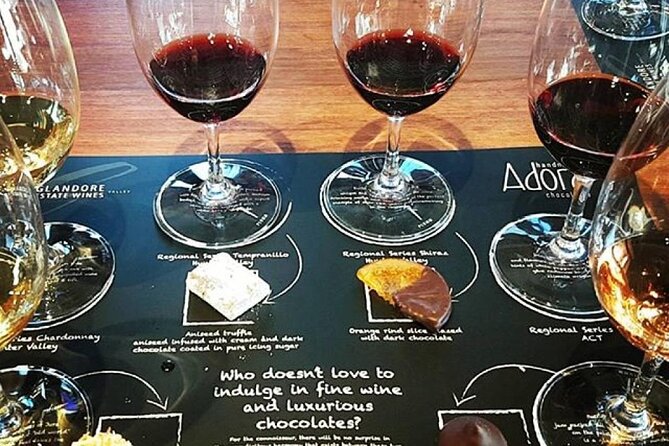
At $66.51 per person, this is not the cheapest way to drink Rioja. You could buy a bottle for less, especially if you are shopping in Spain. The comparison is not quite fair, though, because this price includes five wines, cheese pairings, a tasting-room setting, and roughly 90 minutes with a sommelier.
The value is strongest if you want to learn as you taste. Irene’s explanations can help you avoid buying bottles based only on a familiar name or a vague ageing term. You are also sampling wines from boutique family wineries that may not be easy to identify on your own.
The value is weaker if you already know Rioja well and mainly want a large pour or a full meal. This is a guided educational tasting, not a dinner and not a winery tour. You should book it for the explanation and comparison, not simply for the volume of wine.
For a couple or small group, the session can be a good way to add structure to a Bilbao food day. For a solo visitor, the small maximum may make it easier to ask questions and meet people without committing to a long group excursion.
Who should book this experience
I would recommend it to wine-curious visitors who want a clear introduction to Rioja. You do not need advanced wine knowledge. In fact, the explanations of grape varieties and ageing categories are most useful if Crianza and Reserva still sound like labels you recognise but cannot fully explain.
It also suits anyone who enjoys local food. The cheese pairings make the session more relaxed and give you something concrete to discuss between pours.
This may not be the best choice for you if you want to tour vineyards, walk through a cellar, or see the Rioja countryside. Nothing in the experience suggests transport outside Bilbao. It is a city-based tasting in one room.
It is also not ideal if you need a flexible start time. The session begins at 11:30 a.m., and the activity has a fixed length of about 90 minutes. Plan around that appointment rather than treating it as a drop-in tasting.
Service animals are allowed, and the experience is near public transportation. Most people can participate, but the supplied information does not give detailed accessibility specifications, so ask Gastronomía Bilbao directly if you need particular arrangements.
Booking, cancellation, and practical details
You meet at Salbe Plaza, 6, 48007 Bilbao, and return to the same meeting point when the session ends. A mobile ticket is accepted, and the experience is offered in English.
Confirmation is provided when you book. The group has a maximum of 12 people, though a minimum number is also required for the experience to run. If that minimum is not met and the activity is cancelled, you are offered another date or experience, or a full refund.
You can cancel for a full refund up to 24 hours before the 11:30 a.m. start time. Changes or cancellations made within 24 hours are not accepted for a refund. The cut-off follows Bilbao local time, so keep that in mind if you are booking from another country.
Should you book this Rioja tasting?
Book it if you want five well-explained Rioja wines, local cheese, and a friendly lesson from sommelier Irene in a small Bilbao setting. The strongest reasons are the range beyond Tempranillo, the clear look at Crianza, Reserva, and Gran Reserva, and the chance to taste boutique family-winery bottles with food.
Skip it if your main goal is a vineyard excursion, a full lunch, or an afternoon appointment. For everyone else, the $66.51 price is fair when you value guidance as much as the wine itself. It is a compact, useful introduction to Rioja that can make your next Spanish wine list far less mysterious.
FAQ
Where does the Rioja wine tasting take place?
It takes place at Gastronomía Bilbao, at Salbe Plaza, 6, 48007 Bilbao, Bizkaia, Spain.
What time does the experience start?
The tasting starts at 11:30 a.m.
How long does the experience last?
It lasts approximately 1 hour and 30 minutes.
How many Rioja wines are included?
You taste five Rioja wines during the experience.
Are cheese pairings included?
Yes. The wines are paired with local cheeses.
Is the tasting offered in English?
Yes. The experience is offered in English.
What Rioja topics are explained?
The session covers authorised grape varieties, the Rioja DOCa designation, and ageing requirements for Crianza, Reserva, and Gran Reserva wines.
What is the cancellation policy?
You can cancel up to 24 hours before the start time for a full refund. Cancellations or changes made less than 24 hours before the experience are not accepted for a refund.
Just added around Bilbao
- Rioja wine region with visit to winery & Vitoria-Gasteiz★ 4.5 · 32 reviews
- San Sebastian Private Tour, Pintxos & Winery Visit from Bilbao★ 5.0 · 14 reviews
- La Rioja wine tour: winery and traditional lunch from Bilbao★ 5.0 · 13 reviews
- Visit Marques de Riscal & Boutique Winery from Bilbao★ 5.0 · 8 reviews
- San Juan de Gaztelugatxe with Winery Visit and Lunch (From Bilbao)★ 5.0 · 6 reviews
- Private tour to La Rioja : Visit 2 premium wineries with lunch★ 5.0 · 9 reviews
- Rioja Wine Tour: Winery & Traditional Lunch From Vitoria★ 5.0 · 3 reviews
- A Sip-By-Sip Tour of 3 Boutique Rioja Family Wineries (Private Tour with Lunch)★ 5.0 · 22 reviews
Bilbao Vineyard Tours, compared.
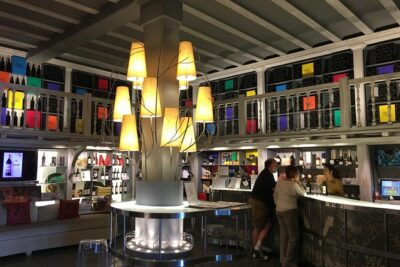
Semi-Private Rioja Tour of 3 Premium Wineries from Bilbao
Read our review →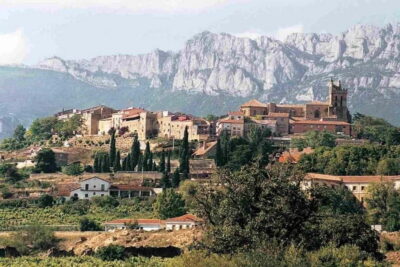
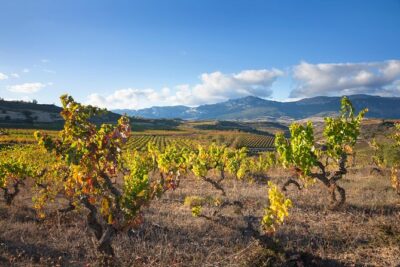
Rioja wine region with visit to winery & Vitoria-Gasteiz
Read our review →
A Sip-By-Sip Tour of 3 Boutique Rioja Family Wineries (Private Tour with Lunch)
Read our review →
San Sebastian Private Tour, Pintxos & Winery Visit from Bilbao
Read our review →Browse the lists this tour appears in