
REVIEW · FRANCE
Loire Valley: Vouvray Vineyard Tour and Wine Tasting
Vouvray wine country is best understood from the ground up, and this tour does exactly that. You walk among the vines with Myriam, hear how the appellation rules shape each bottle, follow the grapes into the winery, and finish in a family-dug limestone cellar. I love the clear link between vineyard, production, and tasting, and I like that the food is more than a token snack. The main consideration is practical: uneven ground, cellar access, and a three-hour walking program make this a poor fit for anyone with limited mobility.
The setting in Chançay feels properly local rather than staged for quick tastings. You meet at Vignoble Alain Robert, a family winery connected to Myriam’s husband and his parents, who have owned it since 1973. The group is limited to 14 people, which gives the visit a personal feel, but you will need your own transport to reach the winery.
Why this Vouvray visit is worth your afternoon
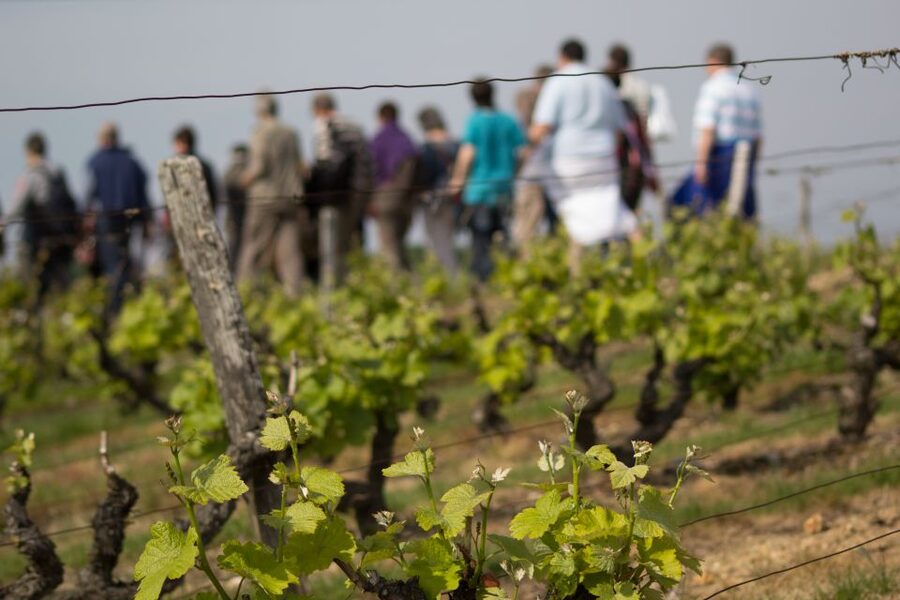
- The vineyard walk explains the appellation system: You learn why Vouvray is not simply a label on a bottle, but a place with rules governing how grapes are grown and wine is made.
- The limestone cellar is genuinely part of local life: This is a man-made rock-hewn cellar dug by Myriam’s family, not a decorative tasting room built for tourists.
- Six wines show Vouvray’s range: The tasting includes sparkling white and rosé, plus dry and sweet white wines.
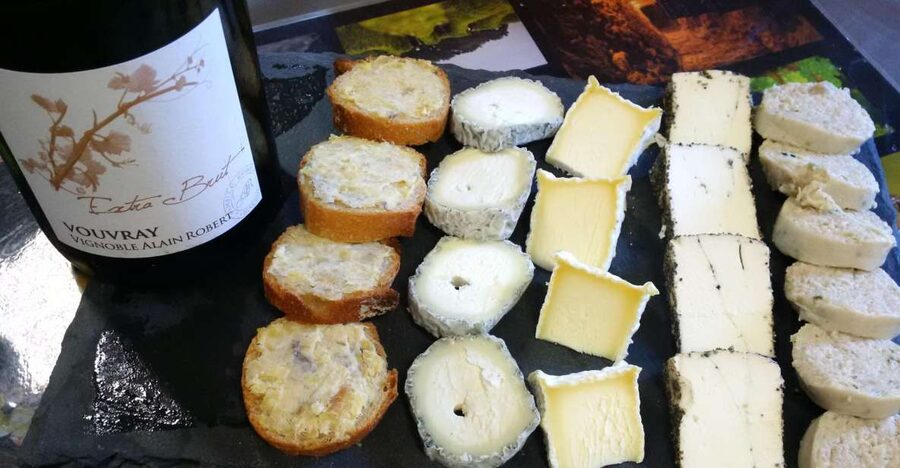
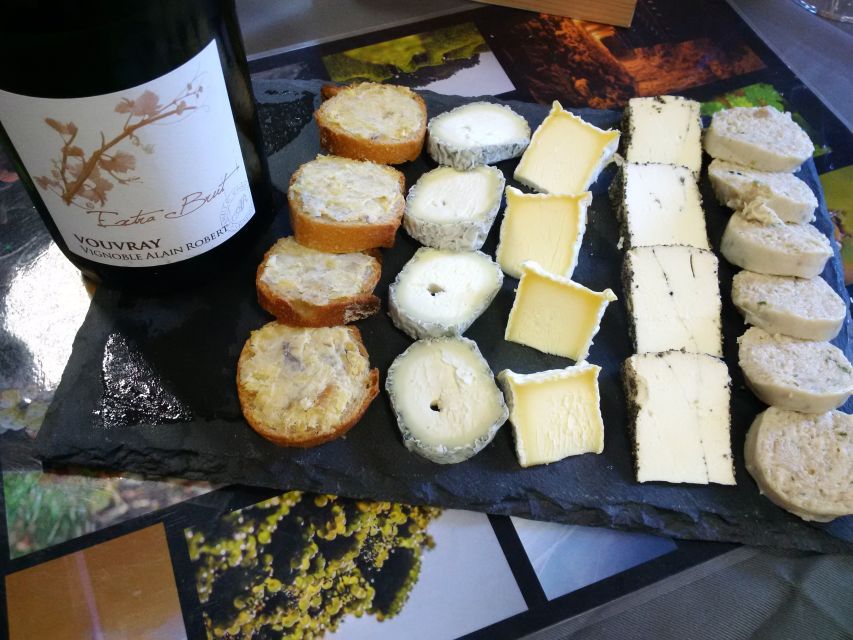
- Food is matched to the wines: Loire fish rillettes, charcuterie, cheeses, and local desserts give the tasting a useful regional context.
- The family connection matters: The winery has been in Myriam’s in-laws’ hands since 1973, and her husband is a winemaker.
- The small group keeps questions easy: With a maximum of 14 people and an English or French guide, you can ask about growing, pressing, fermentation, and local wine styles.
Starting among the vines in Chançay
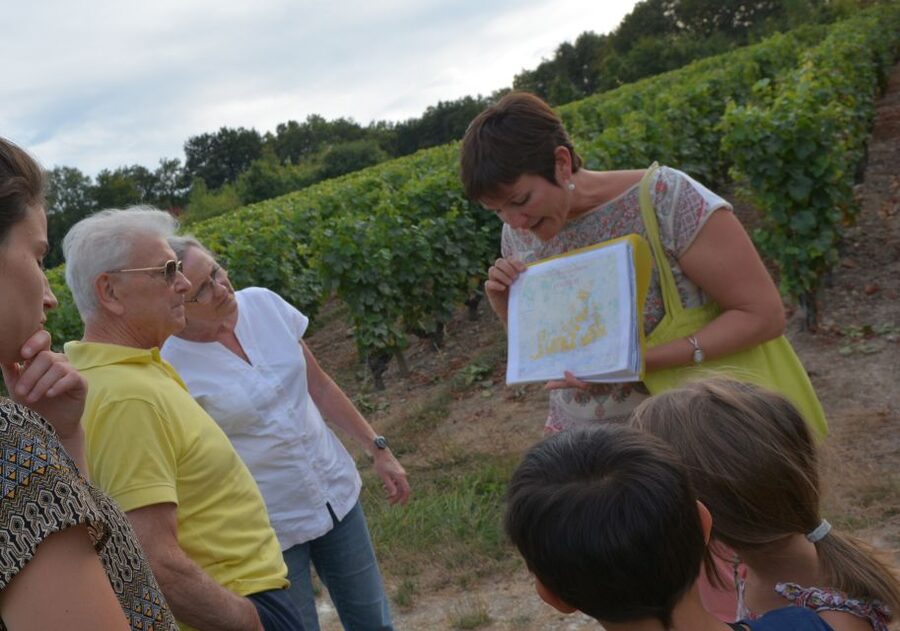
Your visit begins at Vignoble Alain Robert in Chançay, a village at the heart of the Vouvray appellation. You can park in the village square or on the grass opposite the winery entrance. There is no hotel pickup, so plan the drive carefully and allow enough time to find the meeting place without rushing.
Myriam leads the experience in English or French. Her role is one of the tour’s best features because she is connected directly to the winery through her husband and his family. You are not getting a generic wine lecture detached from the place. The story starts with a working family property owned by her parents-in-law since 1973.
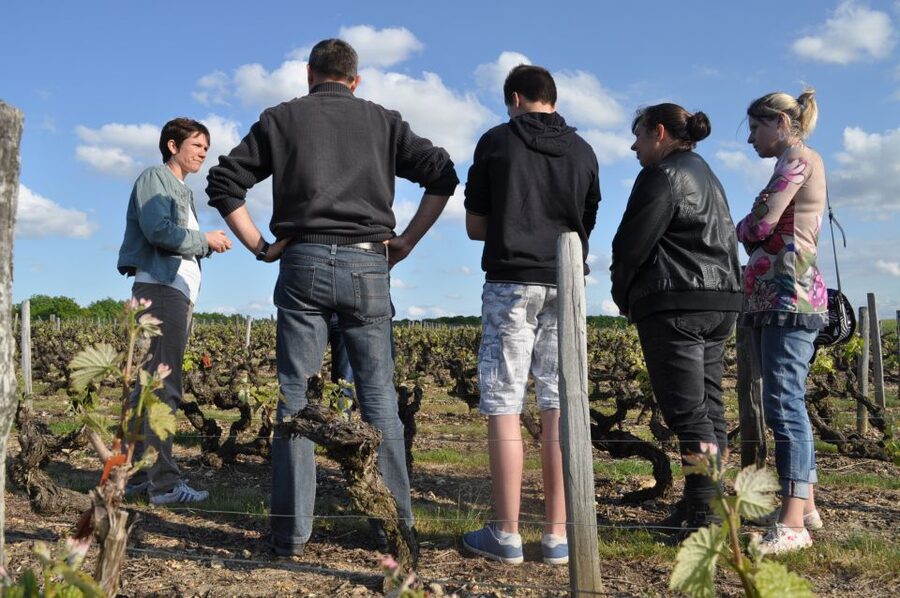
The first walk takes you through the vineyard surrounding the winery. This is not just a pleasant stroll for photographs. You learn how vines are cared for during the year and how the rules of the French appellation system affect what producers can do.
That explanation is useful even if you know little about wine. French appellations can seem confusing when you first encounter them, but seeing the vines and hearing how the rules apply to this particular area gives the system a practical shape. You begin to understand why the location, soil, grape growing, and production methods all matter before wine reaches your glass.
The views include vineyards, winemakers’ houses, and the rock-hewn cellars typical of the area. You get a sense of how closely production is tied to the village itself. This is one of the tour’s more authentic details: the cellar is not an isolated attraction, but part of the local pattern of homes, vines, and underground storage spaces.
Wear comfortable shoes. The tour is not recommended for people with limited mobility, and the combination of vineyard paths and a rock cellar may be difficult if you are unsteady on uneven ground.
More Food and Drink Experiences in France:
- Medoc or Saint Emilion Wine Tasting and Chateau from Bordeaux
★ 5.0 · 1,415 reviews - Saint-Émilion: Grand Cru Classé Winery Visit and Tasting
★ 4.6 · 1,118 reviews - Saint Emilion Half-Day Trip with Wine Tasting & Winery Visit from Bordeaux
★ 4.5 · 1,034 reviews
Following the grapes from harvest to winery
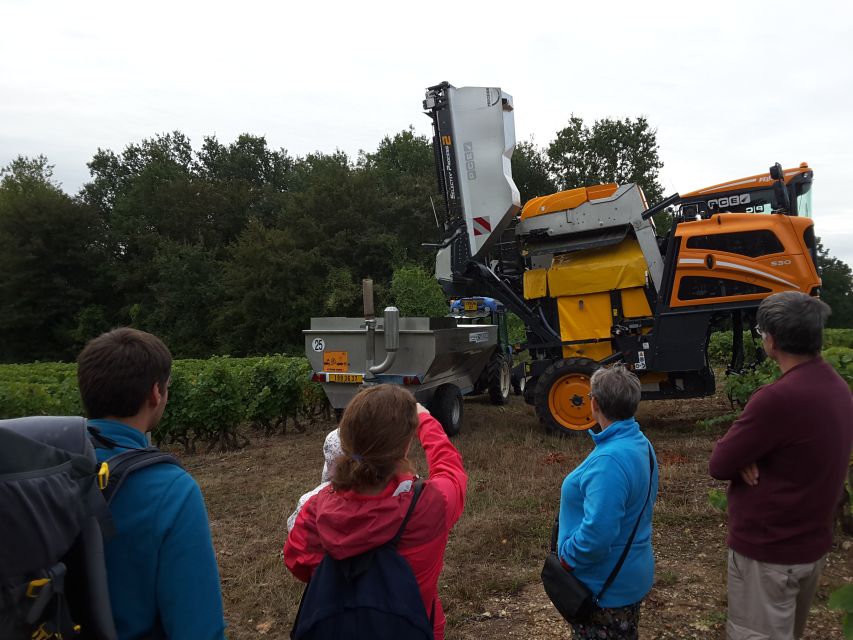
After the vineyard walk, the tour follows the route the grapes take during harvest. You see how the fruit moves from the vines into the winery, where it is pressed and prepared for fermentation. This step helps connect the agricultural work outside with the wine in your glass later.
I find this kind of sequence more useful than a tasting alone. A tasting can tell you what a wine tastes like, but the walk explains why it tastes that way. You hear about vine growing first, then pressing and wine-making techniques, and finally taste the finished products.
The winery visit also gives you a chance to ask about the different styles made here. Vouvray is often associated with white wine, but the tasting covers a broader range than a single dry style. The selection includes sparkling white and rosé, along with dry and sweet white wines.
That range is a strong reason to choose this experience over a brief cellar-door stop. You can compare wines made in different styles and see how the same local identity can appear in a fresh sparkling wine, a dry white, and a sweeter bottling. The tasting is not limited to one safe crowd-pleaser.
The guide also explains the traditional method used in the area for Vouvray’s famous sparkling wines. This gives the bubbles a local and technical context. You are not simply told that a wine is sparkling. You learn about the method connected with the region and how it differs from the broader category of fizzy wine.
Because the tour lasts three hours, the pace leaves room for explanation. That is useful for beginners, while people who already enjoy wine can ask more specific questions. The five-star rating from 19 published ratings, along with repeated praise for the guide’s detailed information, supports what the structure promises: this is an educational visit as much as a tasting.
Entering the family-dug limestone cellar
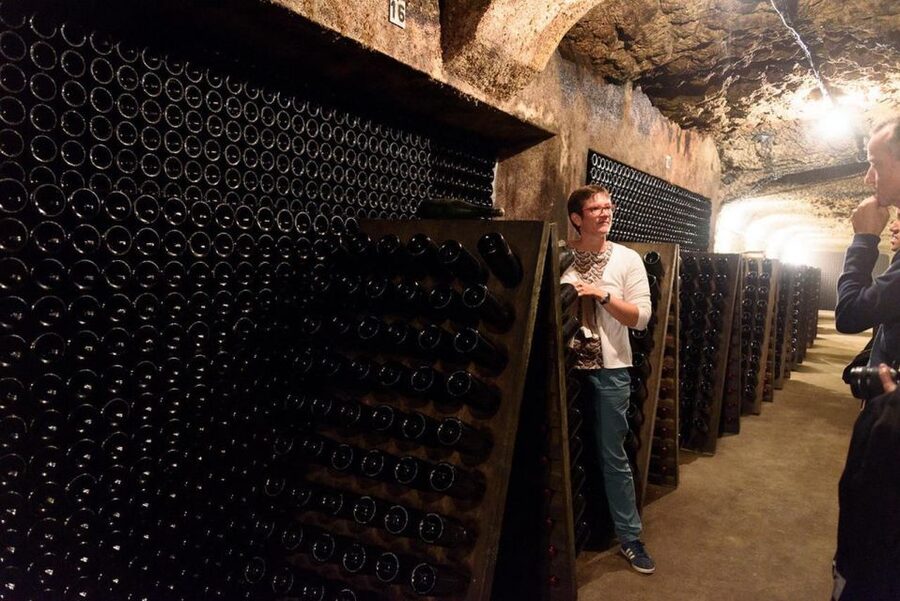
The rock-hewn cellar is the most distinctive stop. Myriam’s family dug it into the local limestone, creating a space tied to the geology and building traditions of the area. It helps you see why underground cellars are such a familiar part of Vouvray’s wine country.
The cellar visit is also where the winery’s family story becomes physical. Instead of hearing only about a business passed down over time, you see one of the places where that work happens. The limestone setting gives the wine-making process a strong sense of place.
Bring a jacket. The tour specifically recommends one, and a rock cellar can feel cooler than the outdoor vineyard, even if the day is warm. Comfortable clothing also makes sense because this is a working visit with walking rather than a formal seated tasting from start to finish.
The mobility warning deserves attention. This tour is not suitable for people with mobility impairments, and you should take that seriously rather than treating it as a minor note. The vineyard walk and cellar access are essential parts of the experience, so there is no easy way to skip the more demanding sections and still get the full visit.
Six wines with a proper Loire food pairing
The tasting comes after the vineyard, winery, and cellar portions. You sample six wines produced at the winery, including sparkling white and rosé, dry white, and sweet white styles. That progression gives you plenty to compare, especially if your usual Loire experience has been limited to one type of white wine.
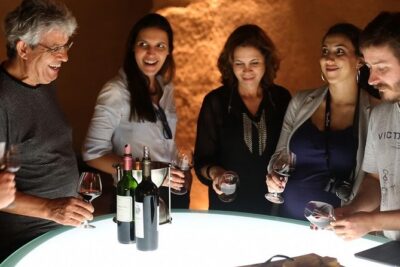
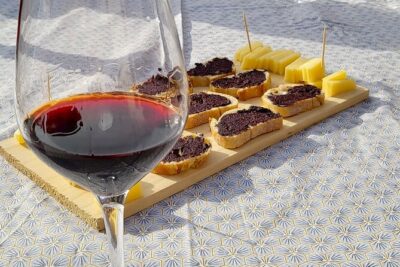
The food makes the tasting more generous and more practical. You are served Loire fish rillettes, charcuterie, cheeses, and local desserts. These are not random snacks placed beside the bottles. They introduce regional flavors and show how different wines work with salty, savory, creamy, and sweet foods.
I especially like this format for people who are still learning how to taste. Wine can feel abstract when you focus only on color, aroma, and finish. Food gives you an immediate point of comparison. A dry wine may seem sharper alone, then feel more balanced beside cheese. A sweeter wine can make more sense with dessert. The pairings help you form your own opinions without needing specialist vocabulary.
The tasting is also described as generous in the published feedback, with repeated praise for both the food and the wine. The strongest compliments focus on the detailed information, the friendly approach, the quality of the pairings, and the way the experience covers the route from vine to bottle. Those are meaningful strengths because they concern the substance of the tour, not just the setting.
You can buy wine at cellar-door prices at the end. That can add value if you find a bottle you like, though buying is optional. The tour still works if you only want to learn and taste without carrying wine onward.
A few more vineyard days around France worth a look
- Champagne Day Trip with 6 Tastings, Reims and Winery from Paris
★ 5.0 · 902 reviews - From Reims: Champagne and Family-Run Wineries Tour
★ 4.8 · 671 reviews - Saint-Emilion Afternoon Wine Tour – 2 Wineries & delicacies
★ 5.0 · 614 reviews - Saint-Émilion: Bordeaux Vineyard Tour and Wine Tasting
★ 4.8 · 578 reviews
What the $68 price covers
At $68 per person, this is not the cheapest way to sample Loire wine. It is also more than a quick tasting at a shop or a single winery counter. The value comes from the full three-hour program: a guided vineyard walk, an explanation of appellation rules and vine growing, a winery visit, a rock-cellar tour, six wines, and regional food.
The small group matters here. With no more than 14 people, the guide can explain the winery without shouting across a large room. You also have a better chance to ask about the cellar, the family history, wine-making methods, or the differences among the bottles.
The price does not include transportation. You must arrange your own drive to Chançay, and there is no hotel pickup or drop-off. That is the main extra cost to consider if you are staying elsewhere in the Loire Valley.
For someone already planning to visit Vouvray and able to drive to the winery, I think the price is fair. You are paying for access to a working family property, several connected parts of the wine-making process, and a substantial tasting with food. If you only want a glass and a short explanation, you can probably find a simpler option. If you want to understand the region, this offers more.
Who will enjoy this tour most
This experience suits you if you like meeting local producers and prefer a working winery to a polished visitor center. It is also a good choice if you want a clear introduction to Vouvray styles, since the six wines cover sparkling, rosé, dry, and sweet expressions.
Wine beginners should feel comfortable here. The guide explains the process from the vines forward, so you do not need a strong background. The detailed explanations praised in the published feedback suggest that the educational side is a real focus.
It also suits experienced wine drinkers who want to compare several styles in one sitting. You can use the walk and cellar visit to ask more pointed questions about growing conditions, production methods, and the traditional method for sparkling wine.
Families with young children may find the tasting and cellar setting less appealing, although no age policy is provided. Because mobility is limited by the paths and cellar, anyone with an impairment should choose a different activity.
You should also be comfortable giving three hours to one place. This is not a fast stop between castles. Its appeal comes from slowing down and letting the guide build the story in order.
Practical details before you reserve
The tour lasts three hours, with starting times dependent on availability. Check the time carefully against your other Loire plans, especially if you are combining it with château visits or a long drive.
Meet at Vignoble Alain Robert in Chançay. Parking is available on the park place or on the grass opposite the winery entrance. Since transport is not included, a car or another independent way to reach the meeting point is necessary.
English and French are available. The group limit is 14 people, and the tour is led by a live guide rather than delivered as a self-guided tasting.
Wear comfortable shoes and bring a jacket. Those two suggestions are simple but important because the experience moves between outdoor vineyard paths, winery spaces, and a rock-hewn cellar.
You can cancel up to 24 hours before the tour for a full refund, and the reserve-now, pay-later option keeps your plans flexible. Those policies are useful if your Loire schedule is still changing, but the practical issue remains the same: arrange your own route to Chançay.
Should you book the Vouvray vineyard tour?
Book it if you want more than a tasting counter. The strongest parts are the family connection, Myriam’s clear explanations, the walk through the vines, the unusual limestone cellar, and the broad six-wine selection served with proper local food.
Skip it if you have limited mobility, dislike walking on uneven ground, or only want a quick glass before moving on. You should also account for the cost and time of reaching the winery yourself.
For most wine lovers who can get to Chançay, this is a well-rounded way to spend three hours in Vouvray. You leave with a better sense of how the appellation works, how grapes become wine, why the cellars are dug into rock, and which styles you actually prefer.
FAQ
Where does the tour begin?
The tour begins at Vignoble Alain Robert in Chançay, in the heart of the Vouvray appellation.
How long does the experience last?
The experience lasts three hours.
How much does the tour cost?
The price is $68 per person.
Is transportation included?
No. Drive to and from the winery, as well as hotel pickup and drop-off, are not included.
Where can I park?
You can park on the park place or on the grass opposite the entrance to the winery.
What languages does the guide speak?
The live tour guide speaks English and French.
How many people can join the group?
The tour is limited to a maximum of 14 people.
How many wines will I taste?
You will taste six wines made at the winery, including sparkling white and rosé, dry white, and sweet white wines.
What food is served with the wine?
The tasting includes Loire fish rillettes, charcuterie, cheeses, and local desserts.
Is the tour suitable for people with limited mobility?
No. The tour is not recommended for people with limited mobility or mobility impairments.
What should I bring?
Bring comfortable shoes and a jacket.
Can I buy wine after the tasting?
Yes. You can buy wine from the winery at cellar-door prices.
Can I cancel for a refund?
Yes. You can cancel up to 24 hours in advance for a full refund.
Just added around France
- Day Trip to the Sancerre and Pouilly Vineyards★ 5.0 · 20 reviews
- 3-Hour Private Painting tuition in a beautiful Cognac vineyard★ 3.5 · 2 reviews
- 4×4 tour in a winery followed by a tasting★ 5.0 · 46 reviews
- Winery Visit with Food and Wine in Carcassonne★ 5.0 · 59 reviews
- Walk in the vineyards of Chablis Grands Crus★ 4.5 · 7 reviews
- Wine Getaway with Tasting in the Chablis Vineyard★ 5.0 · 3 reviews
- Winery Tour & Wine Tasting – Deli Plate & 3 Wines★ 5.0 · 72 reviews
- Visit to the Faugères Vineyards with Picnic from Béziers★ 5.0 · 7 reviews
France Vineyard Tours, compared.
Medoc or Saint Emilion Wine Tasting and Chateau from Bordeaux
Read our review →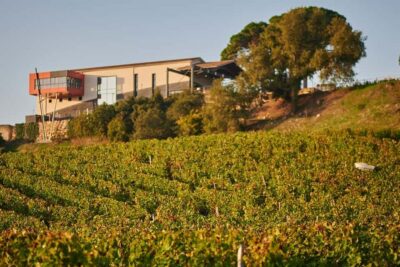
Saint-Émilion: Grand Cru Classé Winery Visit and Tasting
Read our review →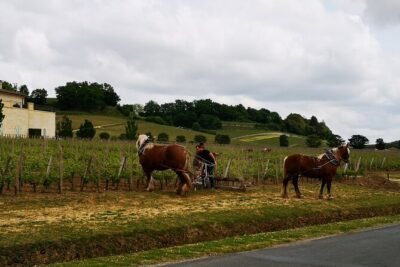
Saint Emilion Half-Day Trip with Wine Tasting & Winery Visit from Bordeaux
Read our review →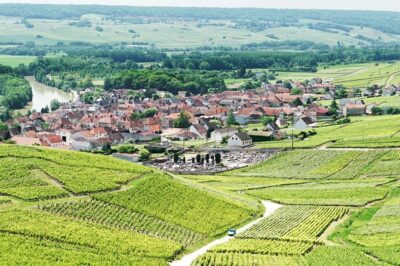
Champagne Day Trip with 6 Tastings, Reims and Winery from Paris
Read our review →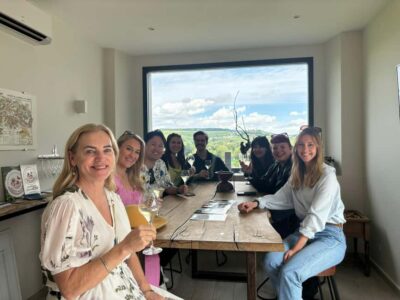
Saint-Emilion Afternoon Wine Tour – 2 Wineries & delicacies
Read our review →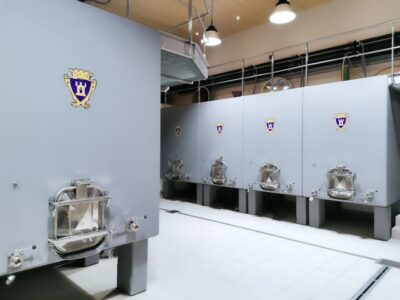
Saint-Émilion: Bordeaux Vineyard Tour and Wine Tasting
Read our review →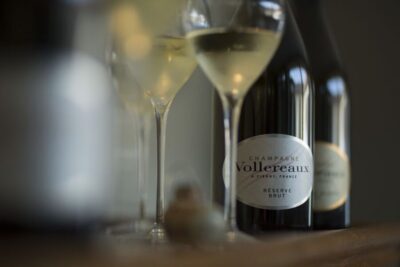
Browse the lists this tour appears in