
REVIEW · FRANCE
Languedoc: Tour and Tasting at Domaine de Baronarques
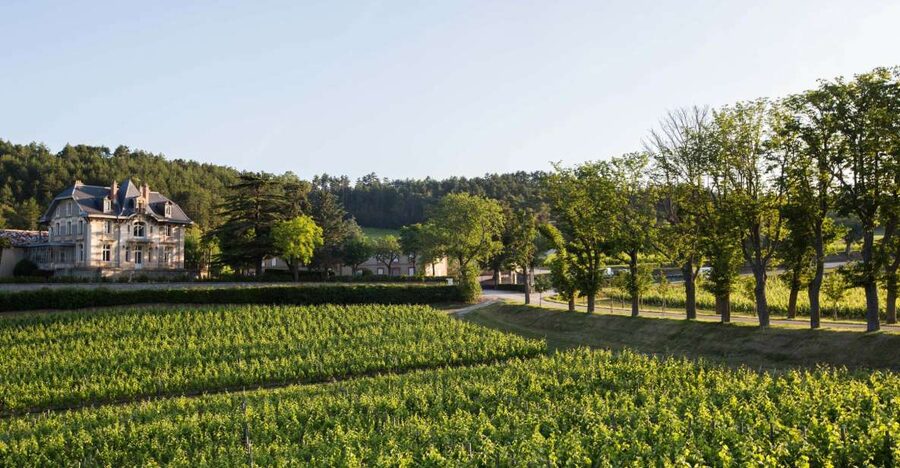
Domaine de Baronarques gives you a close look at how Languedoc wine is made, from the working vats to the barrels where the wine rests. The estate dates to the 17th century, and its 19th-century château sits among trees on a hill outside Limoux. You finish with three estate wines, including a red, a white, and La Capitelle de Baronarques.
I like the way the tour connects old estate history with present-day wine production, rather than treating the château as a pretty backdrop. I also like the guides, especially Flore and Jacky, who explain the property and winemaking in clear French or English. The main drawback is transport: you need your own car or a taxi, and a taxi from Limoux or Carcassonne can cost more than the tasting itself.
Key points at a glance
- A 17th-century estate: Learn how Domaine de Baronarques developed from property linked with the Abbey of Saint-Polycarpe.
- Behind-the-scenes cellar access: Visit the vat-house, vineyard, and new barrel aging cellar instead of only viewing the tasting room.
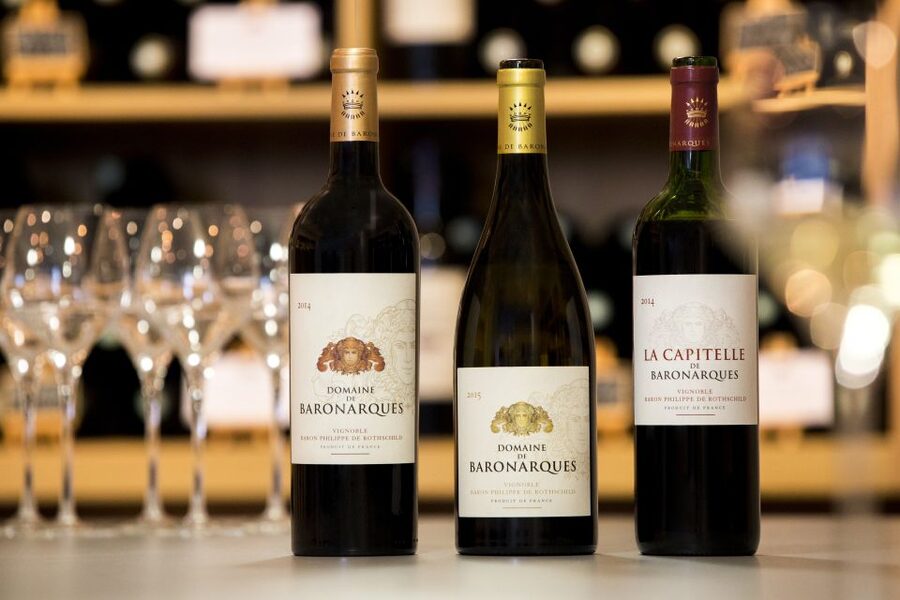
- Three wines at the finish: Taste Grand Vin Rouge, La Capitelle de Baronarques, and Grand Vin Blanc.
- Strong guiding in English: Flore and Jacky are praised for their friendly, clear explanations of the estate and production methods.
- A short one-hour visit: It fits neatly into a day based in Limoux or Carcassonne, but transport must be arranged in advance.
- Good value at $24: The price covers the property visit and three-wine tasting, with personal purchases extra.
Why this estate near Limoux is worth your time
Domaine de Baronarques is not simply a stop for a glass of wine. The visit works because you see the place where the wine is made before you taste it. That order matters. Once you have looked at the vats and barrel room, the final tasting feels like the answer to the questions raised during the tour.
The estate has been in existence since the 17th century, when it was connected with the Abbey of Saint-Polycarpe. In 1998, Baroness Philippine de Rothschild and her two sons acquired the property. That gives the visit two useful layers: a long local past and a more recent chapter under a family known for high-profile French wine production.
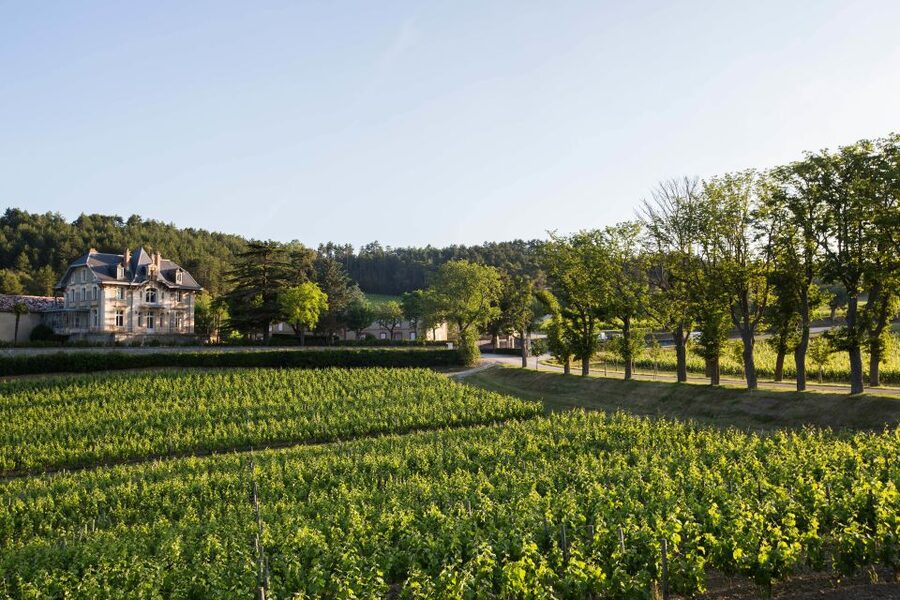
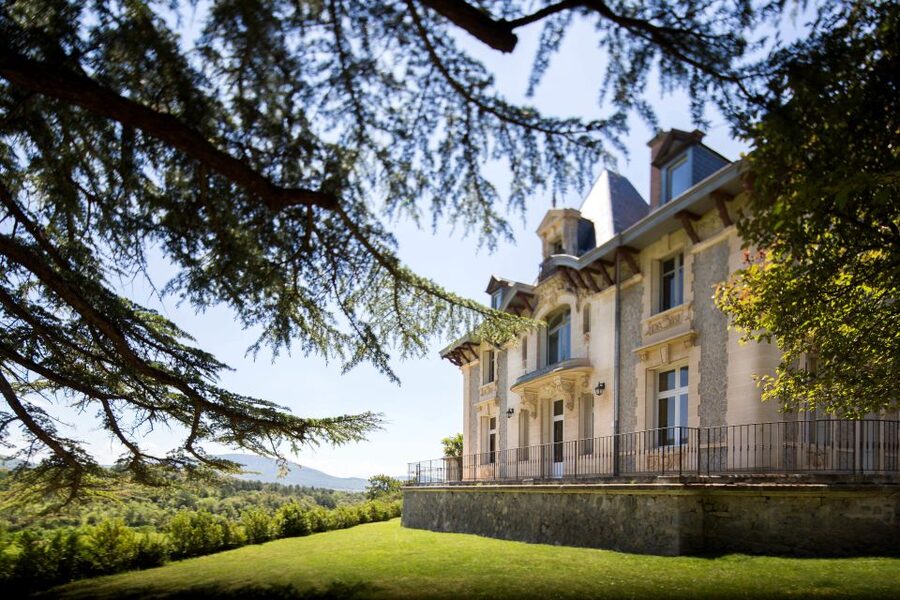
You will also see a 19th-century French château set into a tree-covered hill. The château is part of the character of the property, but the tour does not stop at architecture. The useful part is seeing how the historic setting works alongside a modern wine operation.
I would choose this visit if you want more than a quick tasting in Limoux. It is especially good for someone who wants a compact explanation of the full process, from fermentation in the vat-house to aging in barrels and tasting the finished wines.
More Food and Drink Experiences in France:
- Medoc or Saint Emilion Wine Tasting and Chateau from Bordeaux
★ 5.0 · 1,415 reviews - Saint-Émilion: Grand Cru Classé Winery Visit and Tasting
★ 4.6 · 1,118 reviews - Saint Emilion Half-Day Trip with Wine Tasting & Winery Visit from Bordeaux
★ 4.5 · 1,034 reviews
The visit begins with the property and its past
After you arrive, the guide introduces the estate and its history before taking you into the working areas. The story reaches back to the 17th century and the Abbey of Saint-Polycarpe, giving you a sense of how long wine production has been tied to this part of the Languedoc.
The property’s 19th-century château adds a strong visual anchor. It sits among trees on a hill, so you get a proper country-estate setting rather than an industrial winery on the edge of town. You should allow a little time to take in the buildings and grounds, though the formal visit itself lasts about one hour.
The guides make a real difference here. Flore has been singled out for her passion and detailed explanations, while Jacky is described as warm and informative. You may be led by another member of the French and English-speaking team, but the format is designed to work well in either language.
This is not a long historical lecture. You get the background needed to understand the place, then move toward the practical work of making wine. That keeps the tour moving and suits a short visit.
Inside the vat-house
The vat-house is where the tour becomes practical. You see the equipment used during fermentation and learn how the estate handles the wine before it reaches the barrel cellar. The experience is more useful than simply hearing a list of grape varieties because you can connect the explanation with the actual working space.
The provided details do not specify the exact size of the tanks, the type of fermentation equipment, or the full production schedule. I would not expect a technical winemaking course in one hour. Instead, you get a clear introduction to the part of the process that turns harvested grapes into young wine.
This stop will suit you if you like seeing the working side of a food or drink product. It also gives children and casual wine drinkers something concrete to look at, though the property does not accept children under 10.
The tour includes a visit to the vineyard as well as the vat-house. The supplied information does not promise a long walk through the vines or a detailed agricultural lesson, so wear sensible footwear but do not book this expecting a full vineyard hike.
The new barrel aging cellar
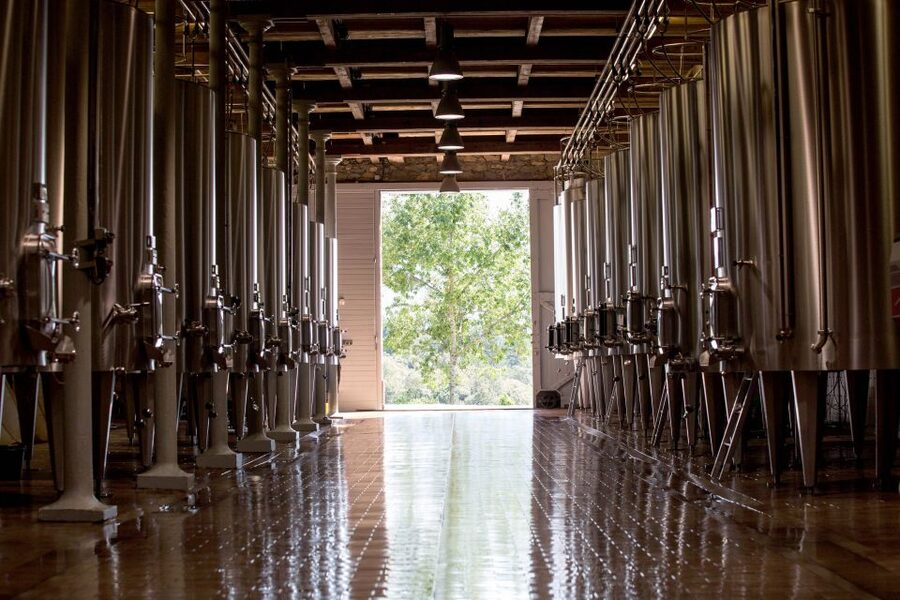
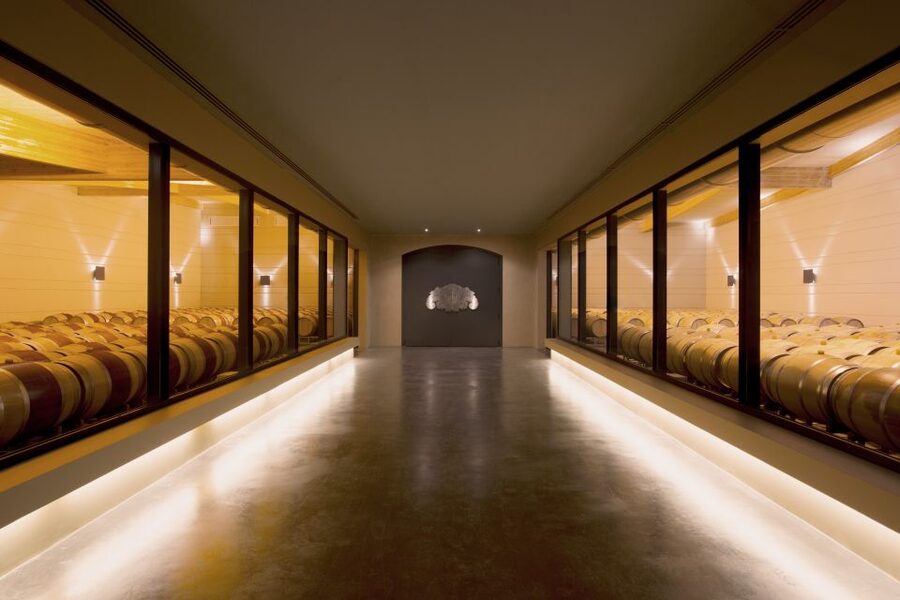
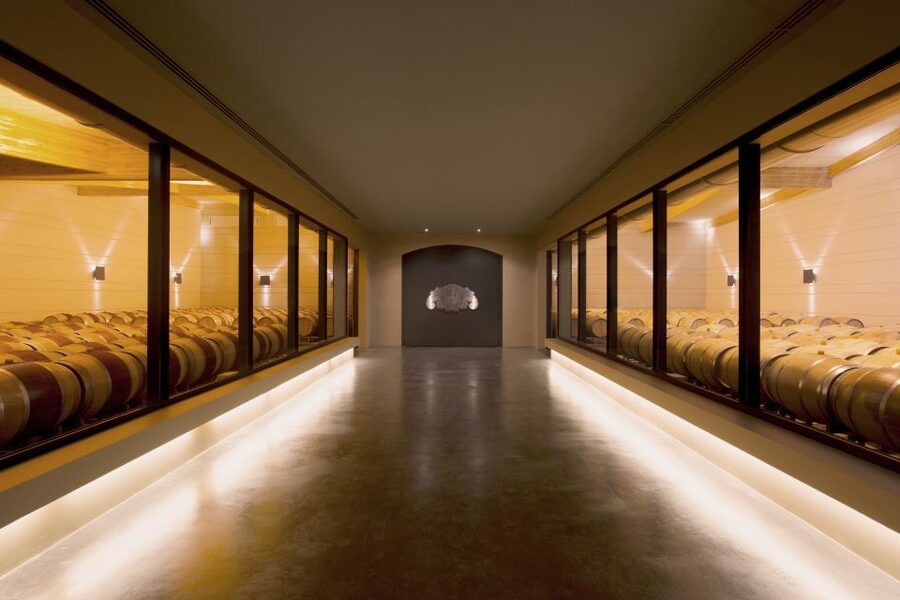
Next comes the barrel aging cellar. Here, the emphasis shifts from fermentation to time. The wine rests and develops in barrels, and seeing that stage helps explain why a bottle from a historic estate can involve much more than picking grapes and filling a tank.
The new cellar is one of the more distinctive parts of this experience because it lets you compare the estate’s older identity with its current facilities. The 19th-century château tells one story, while the newer barrel room shows that the property is still an active producer.
Your guide explains the production process as you move through the space. Several people found the tour particularly useful because it made the steps of winemaking easier to understand. I would listen for the link between what happens in the vat-house and what happens in the barrels, since that connection gives the visit its shape.
You should also keep your expectations sensible. A one-hour tour cannot cover every detail of cellar management, blending, bottling, and vintage variation. What it does well is give you a solid framework, so the tasting afterward has some context.
Same wine country, a different day out:
- Champagne Day Trip with 6 Tastings, Reims and Winery from Paris
★ 5.0 · 902 reviews - From Reims: Champagne and Family-Run Wineries Tour
★ 4.8 · 671 reviews - Saint-Emilion Afternoon Wine Tour – 2 Wineries & delicacies
★ 5.0 · 614 reviews - Saint-Émilion: Bordeaux Vineyard Tour and Wine Tasting
★ 4.8 · 578 reviews
Three wines to finish the tour
The tasting includes three wines produced at Domaine de Baronarques:
- Grand Vin Rouge
- La Capitelle de Baronarques
- Grand Vin Blanc
This is a good selection for a short visit because it lets you compare red and white wine from the same estate. The tasting is not an unrelated add-on. You have just seen the property and the production spaces, so you can consider how the estate’s methods and setting appear in the glass.
The supplied information does not give the grape blends, vintage, tasting notes, or serving order. That means the exact character of each wine can change, and you should ask the guide what is being poured on the day. The guide can also explain the difference between the estate’s main red, its La Capitelle wine, and the white.
The tasting has been a major strength of the experience. It is described as superb and delicious, and one earlier visit included four wines rather than three. The advertised format is three wines, so treat any fourth pour as an occasional variation, not something to count on.
Personal purchases are not included in the $24 price. If you find a bottle you like, you can ask about buying it at the property, but keep that separate from the tour cost.
Is $24 good value?
At $24 per person, I consider this a fair price for an hour that includes the property, vineyard, vat-house, new barrel cellar, guide, and three wines. Many tastings give you a pour and a short explanation. This one adds access to the places where the wine is made, which gives the fee more substance.
The value is strongest if you are already staying in Limoux or have a car. In that case, the tour is an affordable addition to your day, and you can combine it with time in town or a visit to the Abbey of Saint-Polycarpe. One family specifically paired the vineyard with Limoux and the abbey nearby.
The calculation changes if you need a taxi. Several people found transport from Limoux or Carcassonne expensive, particularly when splitting the fare among a small group. For a group of six, the taxi cost was the main complaint, not the tour itself.
I would think of the $24 as the easy part of the budget. Before booking, work out the full journey to and from the estate. A low-cost wine tour can become less cheap if you leave transport until the last minute.
Getting there from Limoux or Carcassonne
The meeting point is Domaine de Baronarques, reached via Limoux. Once you are in Limoux, entering the property name into your GPS should guide you directly to the estate.
The vineyard is roughly a 30-minute drive from Carcassonne, based on one reported journey. That makes it a practical outing from Carcassonne by car, but it is not a casual walk from the city or a last-minute stop beside the train station.
If you arrive in Limoux by train or bus, arrange transport to the estate beforehand. A taxi or other connection may not be available at short notice. This is the most important practical warning attached to the booking.
I would plan the route before reserving the time slot. If you are driving, check the address and allow enough time to arrive without rushing. If you are using public transport, confirm the onward ride before you leave Carcassonne or Limoux.
Who will enjoy this most?
This tour suits adults and older children who want a clear introduction to wine production without committing to a half-day excursion. The minimum age is 10, so it is not an option for families with younger children.
It is also a good match for visitors based in Carcassonne who want a countryside outing. You get the historic estate, a look at working wine facilities, and a tasting in a compact format. The one-hour length leaves room for lunch or another stop in Limoux.
Wine beginners should feel comfortable here. The guides explain the process from the start, and you do not need expert knowledge to get something from the tasting. Wine enthusiasts may appreciate the access to the cellar, though anyone seeking detailed technical information should ask questions during the visit.
I would be less likely to recommend it if you cannot arrange transport, dislike wine tasting, or want a full day among the vines. The tour is focused and short. Its strength is clarity, not a packed schedule of many activities.
Language, access, and booking flexibility
Tours are offered in French and English. That matters if you want to ask questions about the estate or the wines rather than simply follow a set presentation. Flore and Jacky are two guides associated with especially friendly and clear visits.
The activity is wheelchair accessible. The supplied details do not explain which parts of the property have uneven ground or how every cellar area is reached, so you should contact the provider if you need specific access information.
You can cancel up to 24 hours before the activity for a full refund. You can also reserve now and pay later, which is useful if you are building a wider Languedoc itinerary and have not fixed every detail.
The booking time is only one hour, but the transport planning may take more effort than the tour itself. Do not confuse a short visit with a quick arrival. The estate is outside Limoux, and the journey needs thought.
My recommendation for Domaine de Baronarques
I would book this tour if you are near Limoux or Carcassonne, have a car or a confirmed taxi, and want a compact but substantial wine experience. The combination of the 17th-century estate, 19th-century château, vat-house, new barrel cellar, and three wines gives you more context than a stand-alone tasting.
The strongest reasons to go are the guides and the structure. Flore and Jacky have made the visit feel friendly and easy to follow, and the route from history to cellar to tasting makes sense. You come away with a better idea of what happens before wine reaches your table.
I would skip it only if transport costs outweigh the appeal, or if you are looking for an all-day vineyard experience with a long walk through the vines. For most adults interested in Languedoc wine, $24 is a sensible price, provided you solve the journey to the estate first.
FAQ
How long does the Domaine de Baronarques tour last?
The scheduled duration is one hour. It includes the property visit, the vat-house, vineyard, new barrel aging cellar, and tasting.
Which wines are included in the tasting?
The tasting includes Grand Vin Rouge, La Capitelle de Baronarques, and Grand Vin Blanc.
Can I take the tour in English?
Yes. Live tours are available in English and French. Flore and Jacky are among the guides who have led English-language visits.
How do I reach Domaine de Baronarques?
First make your way to Limoux, then enter Domaine de Baronarques into your GPS. If you arrive in Limoux by train or bus, arrange transport to the property in advance because last-minute transport is not available.
Is the tour suitable for children?
Children under 10 are not permitted. The experience is suitable for children aged 10 and older, according to the stated age restriction.
Can I cancel or pay later?
You can cancel up to 24 hours before the tour for a full refund. Reserve now and pay later is also available.
Just added around France
- Day Trip to the Sancerre and Pouilly Vineyards★ 5.0 · 20 reviews
- 3-Hour Private Painting tuition in a beautiful Cognac vineyard★ 3.5 · 2 reviews
- 4×4 tour in a winery followed by a tasting★ 5.0 · 46 reviews
- Winery Visit with Food and Wine in Carcassonne★ 5.0 · 59 reviews
- Walk in the vineyards of Chablis Grands Crus★ 4.5 · 7 reviews
- Wine Getaway with Tasting in the Chablis Vineyard★ 5.0 · 3 reviews
- Winery Tour & Wine Tasting – Deli Plate & 3 Wines★ 5.0 · 72 reviews
- Visit to the Faugères Vineyards with Picnic from Béziers★ 5.0 · 7 reviews
France Vineyard Tours, compared.
Medoc or Saint Emilion Wine Tasting and Chateau from Bordeaux
Read our review →
Saint-Émilion: Grand Cru Classé Winery Visit and Tasting
Read our review →
Saint Emilion Half-Day Trip with Wine Tasting & Winery Visit from Bordeaux
Read our review →
Champagne Day Trip with 6 Tastings, Reims and Winery from Paris
Read our review →
Saint-Emilion Afternoon Wine Tour – 2 Wineries & delicacies
Read our review →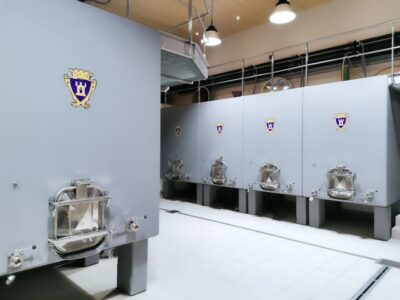
Saint-Émilion: Bordeaux Vineyard Tour and Wine Tasting
Read our review →
Browse the lists this tour appears in