
REVIEW · FRANCE
Kaysersberg Vineyard Discover the vineyard and wine, Domaine Meyer-Krumb
Domaine Meyer-Krumb gives you a useful look at Alsatian wine from the grower’s point of view, not just a tasting at a counter. Aurélie and Pierre-Emmanuel lead you through their Vineyard Garden, cellar, and wines in a one-hour visit that stays friendly and hands-on.
I like the clear three-part format: 20 minutes outside, 20 minutes in the cellar, and 20 minutes tasting. I also like the family-run feel and the fact that children get grape juice, while adults can ask direct questions about the work behind each bottle.
The main consideration is the short duration. You get a good introduction, but not a long vineyard walk or a large-scale winery tour. Some content may be presented in its original language, so ask questions if you need a point explained more fully in English.
Key points to know before you go
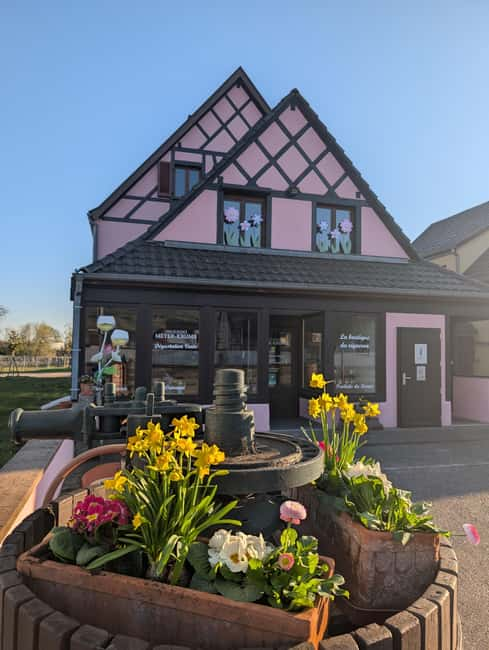
- Meet at the pink and yellow houses: The winery sits directly on the Alsace Wine Route at the exit of Sigolsheim, at 9 Rte des Vins.
- Hear from the winemakers themselves: Aurélie and Pierre-Emmanuel explain the estate’s work rather than handing you off to a generic guide.
- Start in the Vineyard Garden: This educational area introduces grape varieties, soil, climate, and environmentally friendly wine practices.
- Follow the wine into the cellar: You’ll see how harvesting, fermentation, aging, and bottling fit together.
- Taste Alsatian wines at the end: The final 20 minutes allow time to compare vintages and ask questions.
- Children are included: Grape juice gives younger family members something to enjoy during the tasting.
A small estate with a personal welcome
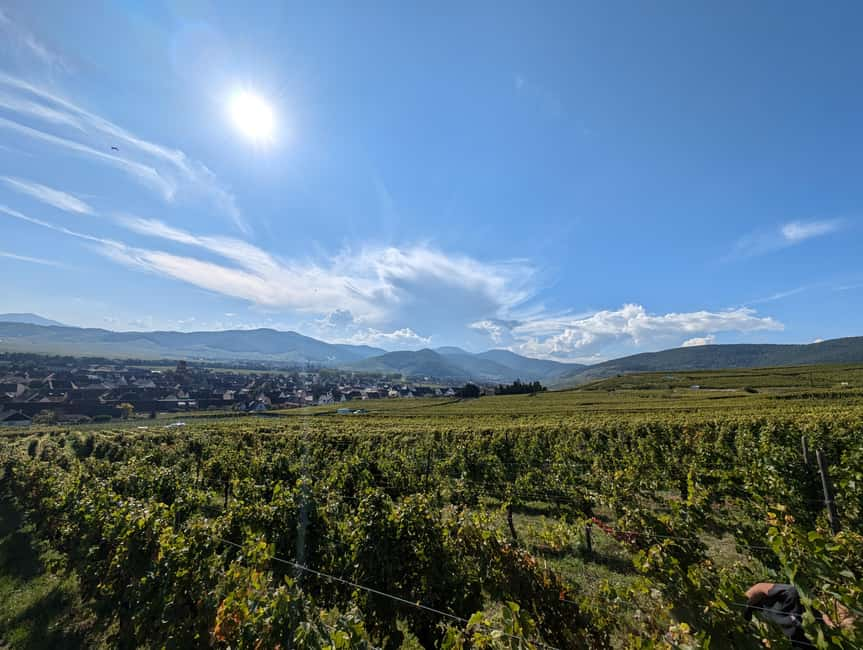
The appeal here is simple: you meet the people who grow the grapes and make the wine. At Domaine Meyer-Krumb, Aurélie and Pierre-Emmanuel welcome you at their estate near Sigolsheim, rather than presenting wine as a polished product with its working life hidden away.
That family-run approach matters in Alsace, where wine estates can range from small independent producers to larger commercial operations. You get a better sense of the human side of the work when the explanation comes from the winemakers. The mood is intended to be relaxed and conversational, with room for questions instead of a one-way speech.
The visit is offered in French and English. Some material may remain in its original language, so English speakers should feel free to ask for clarification. The available feedback points to a warm welcome, good organization, and a guide who explains the subject with enthusiasm. That fits the format well, since a one-hour visit works best when the presentation stays focused.
You’ll find the winery directly on the Wine Route, in a pink house and a yellow house at the exit of Sigolsheim. Those color details are useful because the meeting point is not described as a separate visitor center with a large entrance. Give yourself enough time to locate the buildings before the scheduled start.
A few more vineyard days around France worth a look
- Medoc or Saint Emilion Wine Tasting and Chateau from Bordeaux
★ 5.0 · 1,415 reviews - Saint-Émilion: Grand Cru Classé Winery Visit and Tasting
★ 4.6 · 1,118 reviews - Saint Emilion Half-Day Trip with Wine Tasting & Winery Visit from Bordeaux
★ 4.5 · 1,034 reviews
Twenty minutes in the Vineyard Garden
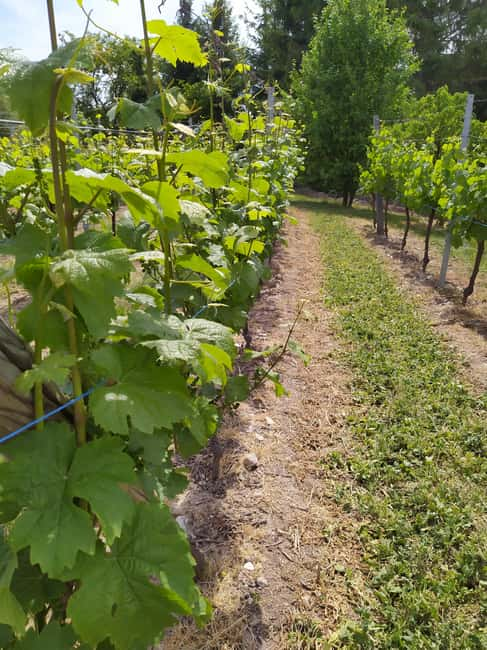
The tour begins in the Jardin des Vignes, or Vineyard Garden. This is described as an educational and lively part of the estate, and it gives you the basic vocabulary needed for the rest of the visit.
You’ll learn about the estate’s grape varieties, the effect of terroir, and the role of climate in Alsatian wine. These subjects can sound abstract when discussed only at a tasting table. They make more sense when introduced in the vineyard, where you can connect the finished wine to the place and the growing conditions.
The word terroir covers several linked factors, including the soil, local conditions, and the way vines respond to their setting. The tour does not promise a long walk through acres of vines, so you should think of the Vineyard Garden as a teaching space rather than a strenuous outdoor excursion. Its value is in helping you understand what the winemaker is looking for during the growing season.
The focus on environmentally friendly wine-making practices is another strong point. You’ll hear how these methods form part of the estate’s daily work, not just a label used for marketing. The available details do not specify a formal certification or list particular techniques, so you should not expect a technical sustainability lecture. Still, the subject gives you a chance to ask direct questions about how the estate cares for its vines and manages production.
For me, this opening section makes the tasting more meaningful. Instead of judging a wine only by sweetness, acidity, or aroma, you can listen for the connection between grape variety, climate, and place. That is a useful lesson for anyone who plans to visit more Alsatian wineries.
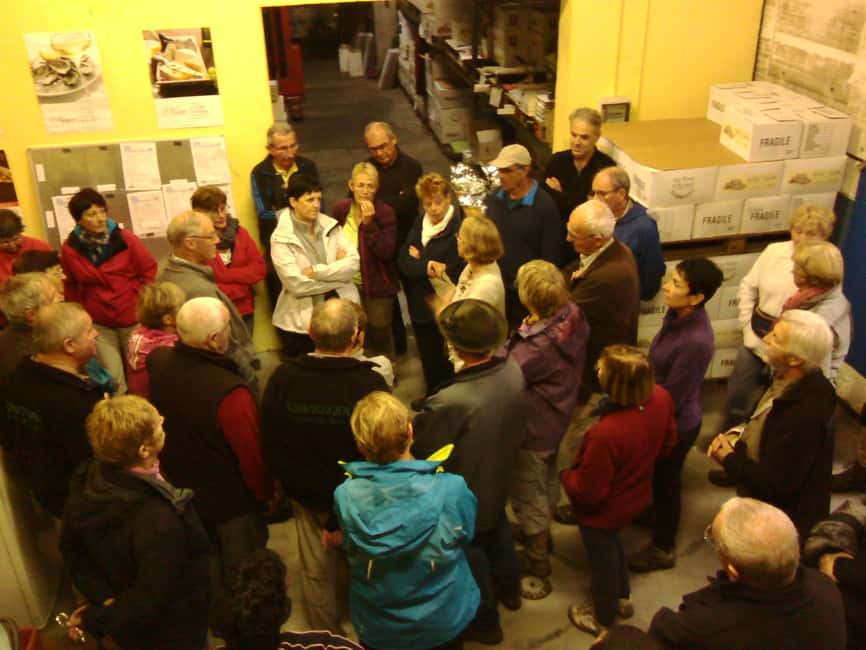
Twenty minutes inside the working cellar
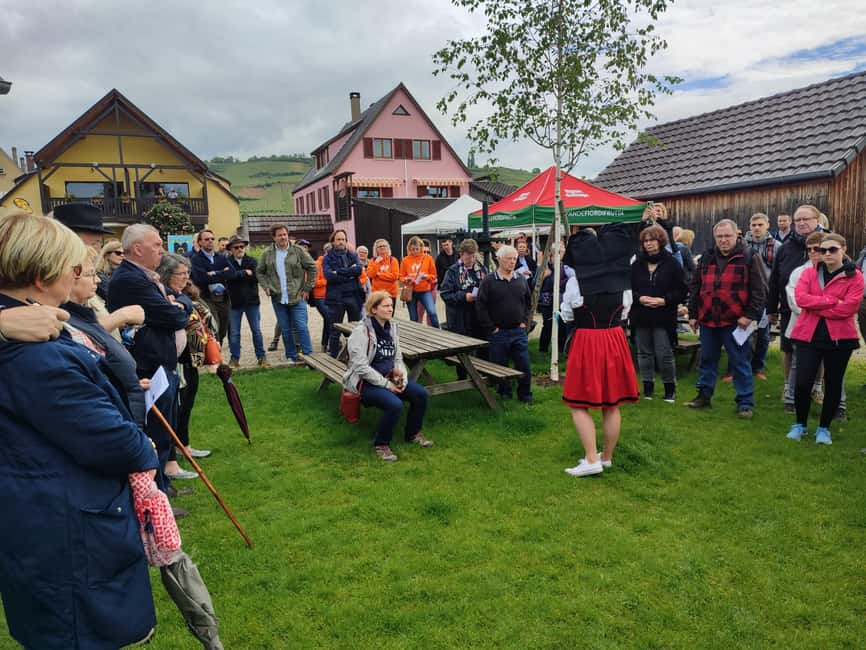
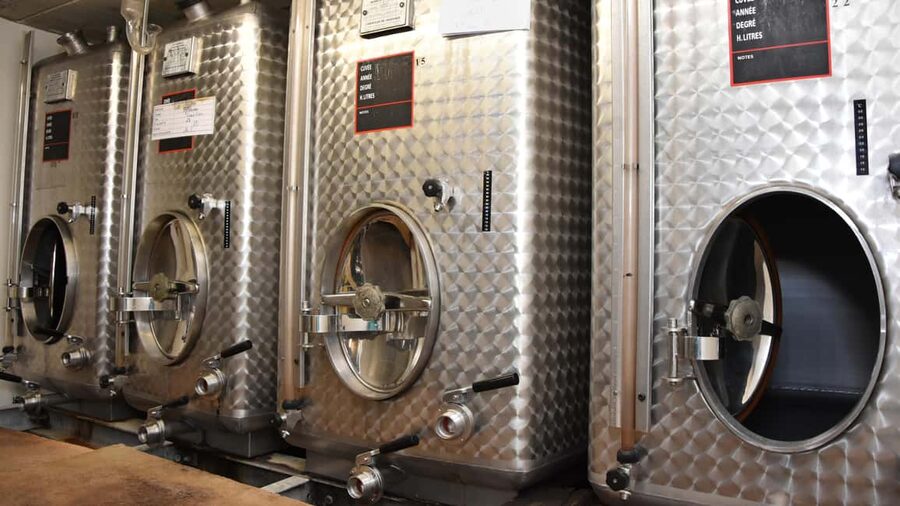
The second part moves into the winery cellar, where the winemaker explains how grapes become bottled wine. The route follows the production process from the arrival of the harvest through fermentation, aging, and bottling.
This part is particularly helpful if you know the names of wine-making stages but have never connected them into one working sequence. You’ll hear what happens when the harvest reaches the estate, how fermentation changes the juice, why wine may be held for aging, and how it is finally prepared for the bottle.
The cellar tour also puts the tasting into context. A bottle is not simply grape juice with a label attached. It reflects decisions made at several points, from handling the harvest to the timing of fermentation and aging. The exact equipment and cellar layout are not specified, so I would not book this expecting an industrial production tour or a display of historic machinery.
Instead, expect a direct explanation of the winemaker’s job. The short 20-minute slot should keep the information manageable, especially for first-time wine visitors. If you already know a lot about fermentation or cellar work, you may want to use the question time to go beyond the basic process.
The strongest part of a small producer visit is often the ability to ask about choices that affect the estate’s own wines. You can ask Aurélie or Pierre-Emmanuel how their environmental approach influences production, how vintages differ, or what they want you to notice in the tasting. The tour is designed for that kind of exchange.
Twenty minutes tasting Alsatian wines
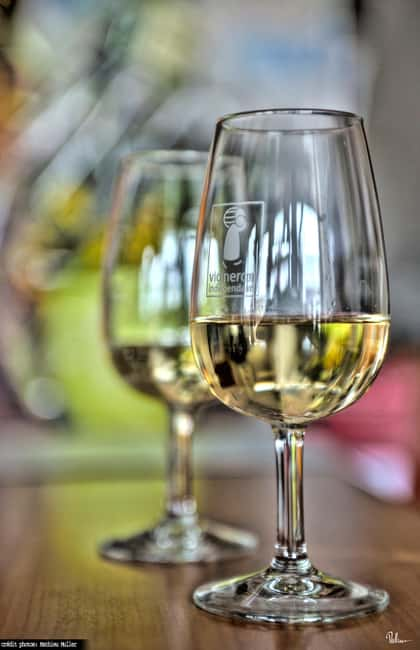
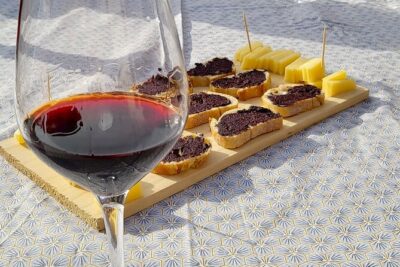
The final 20 minutes are devoted to tasting wines from the estate. This is not treated as a rushed sample at the door. It is the point where the vineyard and cellar explanations come together.
You’ll have the chance to appreciate different vintages and ask questions in a friendly setting. The information provided does not give a fixed wine list, a number of pours, or specific grape varieties, so the selection may depend on what the estate is presenting at the time. That is worth remembering if you are hoping to taste one particular Alsatian wine.
A good way to approach this tasting is to use the earlier parts of the visit. Notice how the wines reflect the subjects already discussed: grape type, climate, terroir, and production choices. Ask what makes one vintage different from another, and ask the winemaker to explain any terms you do not know.
I like that the tasting is led by the estate rather than separated from the production story. You are not just sampling wine and moving on. You can ask why a wine tastes the way it does and connect the answer to the vineyard or cellar.
Children receive grape juice, which makes the final section more workable for families. This does not turn the visit into a children’s activity, but it does mean younger family members have a suitable drink while adults taste. Families should still remember that the main subject is wine, with the educational vineyard and cellar elements providing the broader interest.
Same wine country, a different day out:
- Champagne Day Trip with 6 Tastings, Reims and Winery from Paris
★ 5.0 · 902 reviews - From Reims: Champagne and Family-Run Wineries Tour
★ 4.8 · 671 reviews - Saint-Emilion Afternoon Wine Tour – 2 Wineries & delicacies
★ 5.0 · 614 reviews - Saint-Émilion: Bordeaux Vineyard Tour and Wine Tasting
★ 4.8 · 578 reviews
Why the $11 price offers good value
At $11 per person, this is priced as an accessible introduction rather than a major half-day wine outing. For that fee, you receive a guided visit with the winemakers, the Vineyard Garden, the cellar tour, and an Alsatian wine tasting. Children also receive grape juice.
The value comes from the combination. A tasting alone might give you a quick impression of the estate, but it would not explain the growing and production work behind the wine. A vineyard walk alone might show you the setting without letting you taste the result. This visit connects all three parts in one hour.
The price is especially reasonable if you are already driving the Alsace Wine Route and want a structured stop that does not take up most of your day. You can fit it into a larger schedule of villages, viewpoints, and other estates. The short format also suits you if you want an introduction before deciding which Alsatian wines to explore further.
There are limits. Since the whole visit lasts only one hour, you should not expect an extended tasting, a broad educational seminar, or a long walk through the property. If you want detailed technical study, private barrel-room time, or a full meal paired with wine, this is not that kind of experience.
Still, the price is hard to criticize for a guided visit that includes the people behind the estate. The strongest value is personal access and clear structure, not quantity.
Who will enjoy this one-hour visit
I would recommend Domaine Meyer-Krumb to several types of visitors:
- First-time wine visitors: The Vineyard Garden and cellar explanation give you a foundation without requiring prior wine knowledge.
- Independent wine drinkers: You can speak directly with the producer and ask questions about grapes, climate, terroir, and vintages.
- Families: Children receive grape juice, and the visit is short enough to be manageable.
- Visitors on the Wine Route: The location at the exit of Sigolsheim makes this an easy planned stop.
- People who prefer small producers: The estate’s family-run character offers a different feel from a large commercial winery.
- English-speaking visitors: The tour is available in English, though some content may remain in its original language.
You may want to choose another format if your priority is a long countryside walk, a large technical facility, or a full afternoon devoted only to wine. The details here point to an introductory estate visit with conversation at its center.
Practical timing and meeting advice
The entire experience lasts one hour. The planned rhythm is 20 minutes in the Vineyard Garden, 20 minutes in the winery, and 20 minutes tasting, with the visit beginning and ending at 9 Rte des Vins.
The winery is directly on the Wine Route, at the exit of Sigolsheim, and is identified by a pink house and a yellow house. Those landmarks should help you find it, but do not treat the address as a generic village meeting point. Go to the estate itself.
Starting times vary, so check availability for the date you want. The provider offers free cancellation up to 24 hours before the visit, and you can reserve now and pay later. Those terms are useful if you are building an Alsace itinerary around changing weather or village visits, though they do not change the one-hour length of the activity.
The tour is guided in French and English. If you are not comfortable with a wine term or explanation, ask the guide to restate it. The format is built around conversation, and a direct question is more useful than quietly missing an important part of the explanation.
The warmest part of the experience
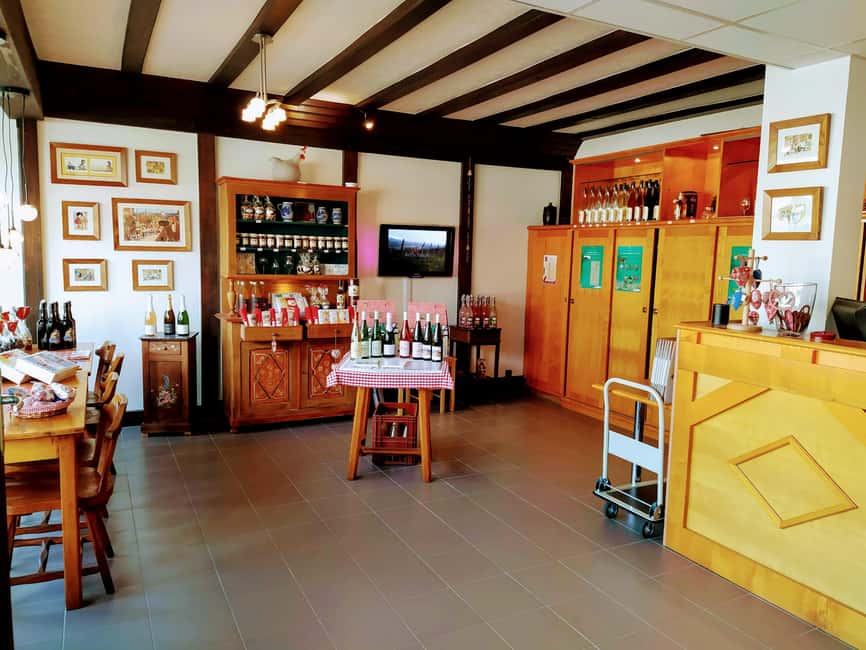
The most praised qualities are the welcome, the family atmosphere, the organization, and the passion of Aurélie and Pierre-Emmanuel. Those qualities matter because wine tours can easily become mechanical. Here, the human connection appears to be central to the visit.
A good welcome does not replace useful information, and this experience aims to provide both. You get an explanation of the vineyard, a clear account of wine-making, and time to taste. The friendly mood helps keep the subject approachable, especially if you are new to wine.
The visit also seems well suited to people who enjoy meeting independent producers. You are not only learning what Alsatian wine tastes like. You are hearing how one estate handles its work and presents its vintages. That gives the tasting a sense of place without making claims about every winery in the region.
Should you book Domaine Meyer-Krumb?
Book this tour if you want a short, fairly priced introduction to Alsatian wine led by the people who make it. The $11 cost, one-hour schedule, English option, grape juice for children, and central Wine Route location make it easy to add to a day near Sigolsheim and Kaysersberg.
I would especially choose it for a first winery visit, a family outing, or a stop focused on independent producers. The main trade-off is limited depth: 20 minutes per section is enough for a clear overview, not a full wine course.
If that balance suits you, Domaine Meyer-Krumb offers a practical way to connect vineyard, cellar, and glass without giving up half your day.
FAQ
Where does the Domaine Meyer-Krumb tour meet?
The meeting point is at the winery at 9 Rte des Vins, directly on the Wine Route at the exit of Sigolsheim. Look for the pink house and the yellow house.
How long does the experience last?
The experience lasts one hour. It includes about 20 minutes in the Vineyard Garden, 20 minutes in the winery, and 20 minutes of wine tasting.
Who leads the tour?
Winegrowers Aurélie and Pierre-Emmanuel welcome visitors and guide the experience at Domaine Meyer-Krumb.
Is the tour available in English?
Yes. The live tour guide can speak French or English. Some content may be shown or presented in its original language.
What does the tour include?
It includes a guided visit with the Meyer-Krumb winemaker, the Vineyard Garden, a winery tour, and a tasting of Alsatian wines.
Is grape juice available for children?
Yes. Grape juice is included for children during the experience.
Can I cancel the booking?
You can cancel up to 24 hours in advance for a full refund. The activity also offers a reserve-now, pay-later option.
Just added around France
- Day Trip to the Sancerre and Pouilly Vineyards★ 5.0 · 20 reviews
- 3-Hour Private Painting tuition in a beautiful Cognac vineyard★ 3.5 · 2 reviews
- 4×4 tour in a winery followed by a tasting★ 5.0 · 46 reviews
- Winery Visit with Food and Wine in Carcassonne★ 5.0 · 59 reviews
- Winery Tour & Wine Tasting – Deli Plate & 3 Wines★ 5.0 · 72 reviews
- Walk in the vineyards of Chablis Grands Crus★ 4.5 · 7 reviews
- Wine Getaway with Tasting in the Chablis Vineyard★ 5.0 · 3 reviews
- Visit to the Faugères Vineyards with Picnic from Béziers★ 5.0 · 7 reviews
France Vineyard Tours, compared.
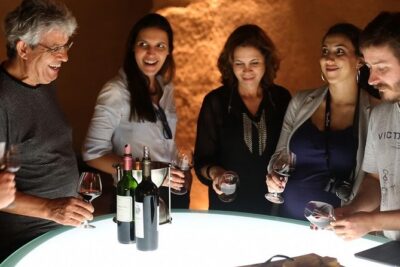
Medoc or Saint Emilion Wine Tasting and Chateau from Bordeaux
Read our review →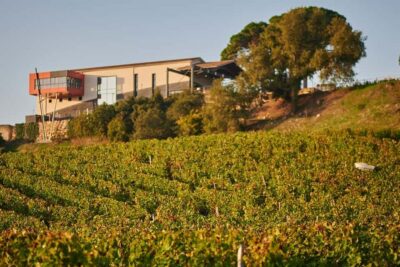
Saint-Émilion: Grand Cru Classé Winery Visit and Tasting
Read our review →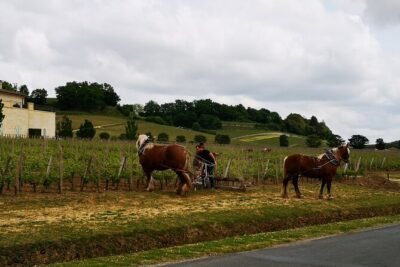
Saint Emilion Half-Day Trip with Wine Tasting & Winery Visit from Bordeaux
Read our review →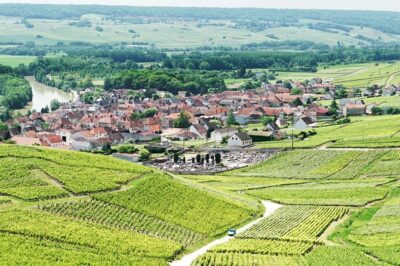
Champagne Day Trip with 6 Tastings, Reims and Winery from Paris
Read our review →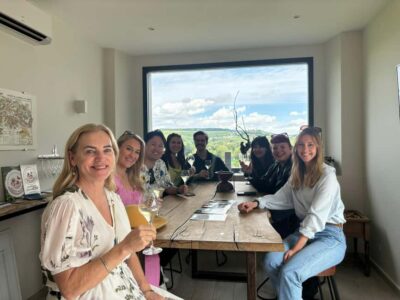
Saint-Emilion Afternoon Wine Tour – 2 Wineries & delicacies
Read our review →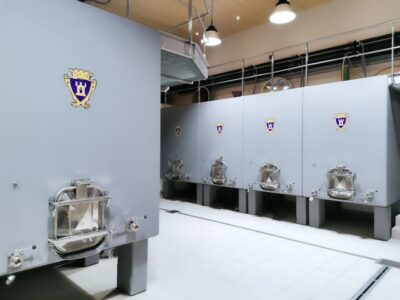
Saint-Émilion: Bordeaux Vineyard Tour and Wine Tasting
Read our review →
Browse the lists this tour appears in