
REVIEW · ITALY
Il Molino di Grace: Vineyard & Cellar Tour with Wine Tasting
Il Molino di Grace puts the wine in front of you quickly, but it does not skip the work behind it. You begin among the vines, move into the winemaking and barrel rooms, then sit down for four estate wines. The best part is the clear link between soil, climate, and grape growing and what reaches your glass.
I like the mix of outdoor scenery and useful cellar detail. I also like that the tasting includes extra-virgin olive oil and balsamic, not just wine. The main drawback is the one-hour length: it gives you a good introduction, but not a slow estate visit with lots of time for wandering or a large flight of wines.
Key points at a glance
- Four estate wines: Taste a selection of wines made at Il Molino di Grace, with guidance on aromas, flavors, and production.
- Vineyard walk first: Weather permitting, the visit begins outdoors with the estate’s grapes, soil, climate, and farming methods.
- Cellar access: See the winemaking room and barrel aging room, including the tanks and barrels used as the wines mature.
- Olive oil and balsamic included: The tasting goes beyond wine, giving you two more local products to compare.
- English and Italian guides: Tours are offered in both languages, and Polish-speaking staff may sometimes be available.
- Good short-stop value: At $35 per person, the one-hour visit works well for a focused Tuscan wine experience without taking half a day.
A one-hour introduction to Tuscan wine
This is a compact estate visit with a sensible order. You start outside, where the grapes grow, then see the rooms where grapes become wine, and finish with the finished product in your glass.
That sequence matters. A tasting can feel abstract if you only hear names and flavors. Here, you get a basic picture of the full chain: vineyard, fermentation, aging, bottling, and tasting. You will not become a winemaker in 60 minutes, but you should leave with a better sense of why two wines made from similar grapes can taste different.
The tour is offered in English and Italian. One verified visit also noted that some staff members spoke Polish, which may be useful if you are more comfortable asking questions in Polish. Staff availability can vary, so treat that as a pleasant possibility rather than a guaranteed language option.
The tour has earned a perfect 5 rating from the three reviews provided, with especially strong praise for the warm, professional welcome, the amount of information, and the quality of the wine. That fits the design of the visit: it is short, direct, and built around conversation rather than a formal lecture.
More Wine Cellar Visits in Italy
- Montepulciano: Wine Tasting and Cellar Tour
★ 4.8 · 545 reviews - Modena: Balsamic Lunch with Vinegar Cellar Tour and Tasting
★ 5.0 · 395 reviews - Tasting Tour in One of The Most Beautiful Cellars in the World
★ 5.0 · 278 reviews
Walking among the vines
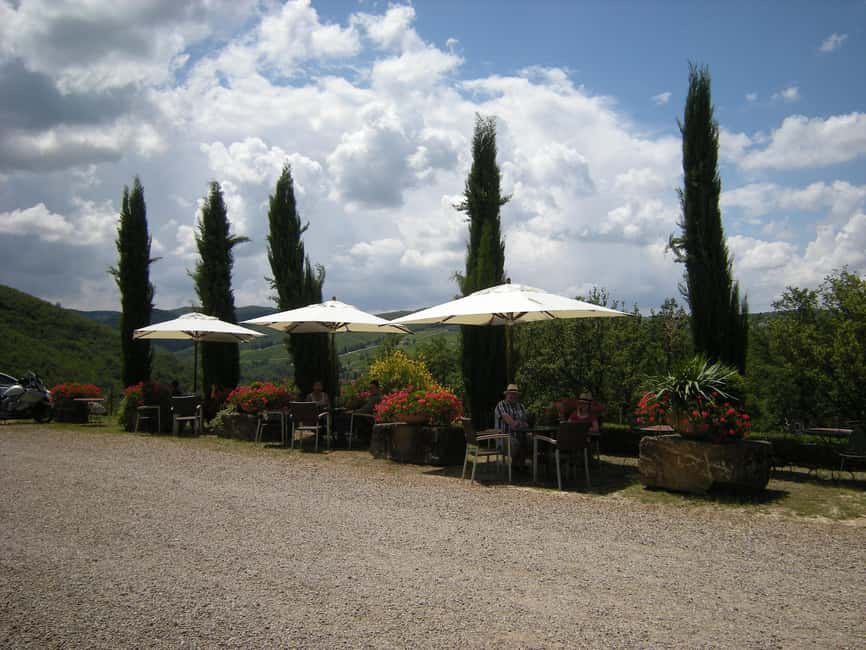
The vineyard portion is weather permitting, so bring comfortable shoes and clothing suited to the forecast. Even a short walk outdoors adds useful context because you can connect the estate’s grape varieties and farming choices with the actual rows of vines around you.
The guide explains the estate’s background, the grapes cultivated, and the local terroir. Terroir is a broad wine term, but here it means the combined effect of soil, climate, topography, and farming decisions on the grapes. You will also hear about the challenges of growing grapes and why sustainable farming practices matter.
This is the section where you should ask questions. If you are new to wine, ask what makes one grape different from another. If you already know your way around a wine list, ask how the estate manages weather, soil, or ripeness. The experience is designed to support both levels.
Do not expect a long agricultural walk. The total experience lasts about one hour, and the vineyard visit is only one part of it. Think of this as a focused introduction rather than an extended country stroll.
The outdoor portion can also be the most changeable. Sun, heat, wind, or rain will affect your comfort, which is why practical clothing matters. The tour can still work well in less-than-perfect conditions, but the vineyard segment may be limited by weather.
Inside the winemaking room
After the vines, you move indoors to see where production takes place. The guide explains fermentation, the equipment used, and the steps that turn harvested grapes into wine.
This part is valuable because it puts technical terms into a real setting. Fermentation is not just a word on a back label. You can see the tanks and understand that temperature, timing, and handling all affect the final wine. The guide also discusses bottling and the traditions used to produce wines with character and complexity.
The room itself may be more practical than picturesque. That is not a weakness. Wine production involves tanks, equipment, cleaning, and careful control. Seeing the working side of the estate helps keep the tasting grounded in real processes rather than romantic vineyard imagery.
I would pay attention to the guide’s explanation of grape handling and fermentation, especially if you often choose wine by style. The information can help you understand why one wine feels lighter, fuller, fresher, or more structured. You are not simply shown equipment. You are given a basic map of how the decisions made here affect your glass later.
Barrels, aging, and patience
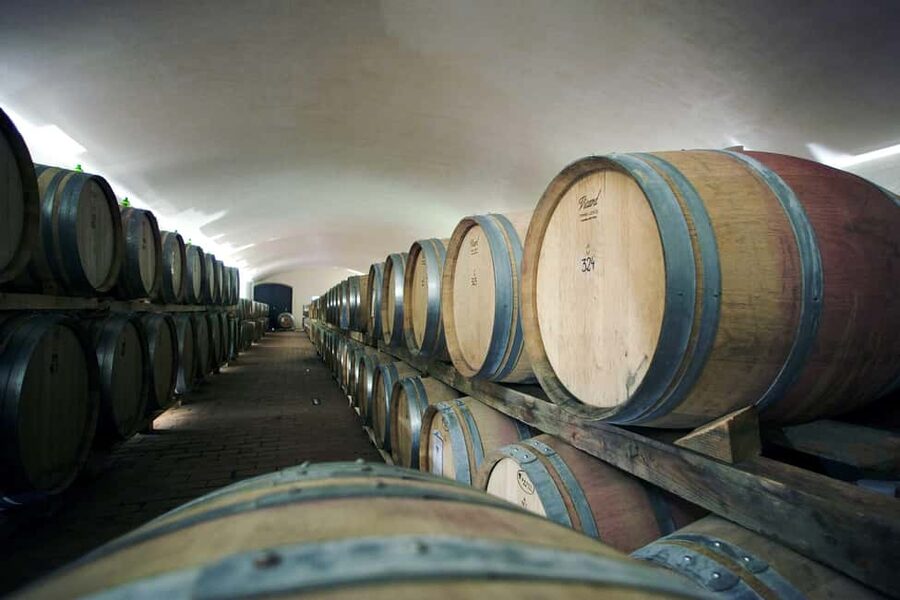
The barrel aging room offers a different view of winemaking. Fermentation creates the wine, but aging can change its texture, aroma, and balance. The tour explains how wines mature in barrels and why the estate uses time as part of the process.
You will see barrels and tanks where wine develops before bottling. The exact wines selected for your tasting can vary, so you should not assume that every bottle made at the estate will be included. Still, tasting four estate wines after seeing the aging room gives the tasting more meaning.
This is also a good place to ask how barrel aging affects flavor. Some people enjoy the vanilla, spice, or rounder texture associated with oak. Others prefer a fresher style with less oak influence. You may not receive a full technical seminar in a short tour, but the setting gives you a chance to ask practical questions about your own preferences.
The barrel room may be one of the most appealing stops for wine fans, while beginners may find the vineyard and tasting easier to understand. The tour works best because it includes all three viewpoints: growing grapes, making wine, and judging the result.
Same wine country, a different day out:
- Tuscany Day Trip from Florence: Siena, San Gimignano, Pisa and Lunch at a Winery
★ 5.0 · 21,634 reviews - Florence: Chianti Wineries Tour with Wine Tasting
★ 4.5 · 10,071 reviews - From Florence: Siena, San Gimignano, Pisa & Lunch at Winery
★ 4.8 · 4,538 reviews - Half day Chianti Vineyard Escape from Florence with Wine Tastings
★ 4.5 · 2,196 reviews
Tasting four estate wines
The tasting is the main payoff. You sit down for four estate-made wines, usually selected to show different styles or winemaking approaches. A guide or sommelier leads you through the tasting and connects each wine with its production story.
You can expect discussion of aroma, flavor, and the way each wine reflects the estate’s conditions. The purpose is not to test you. You are encouraged to ask questions and notice what you prefer.
If you are a beginner, start with simple observations. Is the wine light or full? Is the fruit fresh or darker? Does the finish feel soft, dry, sharp, or smooth? You do not need special vocabulary to get value from the tasting.
If you already enjoy wine, use the time to compare the wines rather than judging each one in isolation. Four samples are enough to notice differences in grape varieties, aging, and style, but not so many that your palate becomes tired during a short visit.
The tasting appears to be a guided sit-down session rather than a casual pour-and-go stop. That makes the $35 price easier to assess. You are paying for the tour, the explanation, four wines, and the chance to ask questions, not only for the liquid in the glasses.
One recent verified visit described the wine as great and the winery as beautiful, with the overall experience being fun. Those are simple observations, but they point to the tour’s strongest quality: it balances information with pleasure. You get enough explanation to learn something, without turning the visit into a classroom.
Olive oil and balsamic add useful variety
The inclusion of EVO olive oil and balsamic is a small but worthwhile feature. It broadens the tasting beyond wine and gives you another way to think about Tuscan food production.
EVO means extra-virgin olive oil. You may taste it on its own and consider its aroma, peppery finish, and texture. The balsamic offers a contrasting profile. The supplied details do not specify the exact products or pairings, so do not expect a particular menu or food course.
This addition matters for anyone planning several winery stops. Wine tastings can begin to feel repetitive, especially on a busy Tuscan itinerary. Olive oil and balsamic provide a change of pace and help you connect wine with the wider food traditions of the region.
It also makes the experience friendlier for mixed groups. A serious wine fan has four wines to compare, while someone less interested in wine can still enjoy the estate’s other products and the setting.
Is $35 good value?
At $35 per person, I consider this a fair price for a one-hour estate visit with four wines and two additional tastings. The value is strongest if you want a structured introduction and do not have time for a longer winery program.
The price includes:
- A guided vineyard visit, weather permitting
- A visit to the winemaking room
- A visit to the barrel aging room
- Four estate wines
- EVO olive oil and balsamic
You should compare it with what you want from a winery visit. If your priority is a long lunch, extensive food pairing, or an unhurried half-day stay, this is too brief. If you want a clear look at production and a guided flight of wines between other Tuscan activities, it makes good sense.
The one-hour format is especially useful on a busy day. You can fit it into a route without giving up an entire afternoon. The tradeoff is that the schedule leaves little room for delays, long conversations, or a second tasting round.
The experience also offers free cancellation up to 24 hours before the start time, with a full refund, and you can reserve now and pay later. Those terms are useful in Tuscany, where road conditions, weather, and changing plans can affect a day’s route.
Who will enjoy this visit most?
I would recommend it first to people who want an accessible introduction to wine production. You do not need prior knowledge, and the guide explains the basic stages from vine to bottle.
It also suits wine fans who want to compare four estate wines without committing to a long program. The barrel room and production details add enough substance to make the tasting more than a simple sample flight.
Couples, small groups, and mixed-interest parties should find the format manageable. The vineyard setting, cellar access, and olive oil and balsamic tasting give non-specialists more to enjoy than a wine-only appointment.
It may be less suitable if you dislike guided tastings or want to explore independently. The visit follows a set one-hour structure, and the guide leads the discussion. You should also keep expectations realistic about the vineyard walk, since it depends on weather.
The tour is wheelchair accessible, which is important for anyone planning a visit with mobility needs. Still, if you need exact details about surfaces or the outdoor route, ask the provider before booking because the supplied information does not describe the terrain.
Practical advice before you go
Wear shoes you can walk in comfortably. The vineyard section may involve outdoor walking, and practical footwear will serve you better than dress shoes.
Check the weather before leaving and wear layers if conditions may change. The vineyard portion is weather permitting, while the cellar and tasting provide indoor parts of the visit.
Use the tasting to ask direct questions. You might ask which wine best represents the estate, how barrel aging changes a wine, or which bottle suits your preferred style. The short format rewards specific questions.
If language matters to you, book the English or Italian option that suits you. Polish-speaking staff have been available at times, but this is not listed as a standard tour language, so confirm before relying on it.
Plan your day around the one-hour duration. Add time for arriving at the estate and continuing to your next stop, but do not assume the tour itself will fill a morning or afternoon.
Should you book Il Molino di Grace?
Book this experience if you want a short, well-rounded look at Tuscan wine at a reasonable price. The combination of vineyard, production rooms, four wines, olive oil, and balsamic gives you more than a basic tasting.
Skip it if you want a long food pairing, a leisurely estate day, or a large selection of wines. For everyone else, the one-hour format is the appeal. You get the essential story of the estate, useful guidance in the glass, and a pleasant taste of Tuscany without giving up the rest of your day.
FAQ
How long does the Il Molino di Grace tour last?
The experience lasts one hour.
How much does the experience cost?
The listed price is $35 per person.
How many wines are included?
The tasting includes four estate-made wines.
Is olive oil included?
Yes. The experience includes a tasting of extra-virgin olive oil and balsamic.
Is the vineyard tour always outdoors?
The guided vineyard tour takes place weather permitting.
Which languages are available?
The tour is offered in English and Italian. Polish-speaking staff may also be available, but Polish is not listed as a standard tour language.
Is the experience wheelchair accessible?
Yes, the activity is listed as wheelchair accessible.
What should I bring?
Bring comfortable shoes and clothing suitable for the weather.
Can I cancel for a refund?
Yes. You can cancel up to 24 hours in advance for a full refund. You can also reserve now and pay later.
More Food and Drink Experiences in Italy
- From Florence: Private Chianti Hills Tour with Tasting
★ 4.3 · 809 reviews - Lucca: Guided Winery Tour with Wine Tasting
★ 4.7 · 611 reviews - Olbia: Gallura Winery Guided Tour with Tasting
★ 4.7 · 451 reviews - Private 6-Hour Tour of Three Etna Wineries with food&wine tasting
★ 5.0 · 417 reviews
Just added around Italy
- Vineyard Tour and Tasting of Lugana Wines★ 4.5 · 6 reviews
- Picnic and Lugana Tour at Perla del Garda winery★ 5.0 · 6 reviews
- Visit winery and vineyards, tasting 4 wines with 3 matching dishes★ 5.0 · 3 reviews
- Winery tours and tastings in Bolgheri with Wine Guide★ 5.0 · 16 reviews
- Guided tour of vineyards and winery with tasting 4 wines★ 4.5 · 12 reviews
- Private Chianti and SuperTuscan Tour 2 wineries with Light Lunch from Livorno★ 4.5 · 5 reviews
- Winery Tour & Tasting in Pisa Countryside★ 5.0 · 2 reviews
- San Gimignano and Winery Experience with Lunch from Livorno★ 5.0 · 3 reviews
Italy Vineyard Tours, compared.
Tuscany Day Trip from Florence: Siena, San Gimignano, Pisa and Lunch at a Winery
Read our review →
Half day Chianti Vineyard Escape from Florence with Wine Tastings
Read our review →
Tuscany Wine Tour: 2 Wineries & San Gimignano from Florence
Read our review →
Chianti Wineries Tour with Tuscan Lunch and San Gimignano
Read our review →
Private Self-Guided E-Bike Ride in Tuscany with Vineyard Visit
Read our review →
Browse the lists this tour appears in